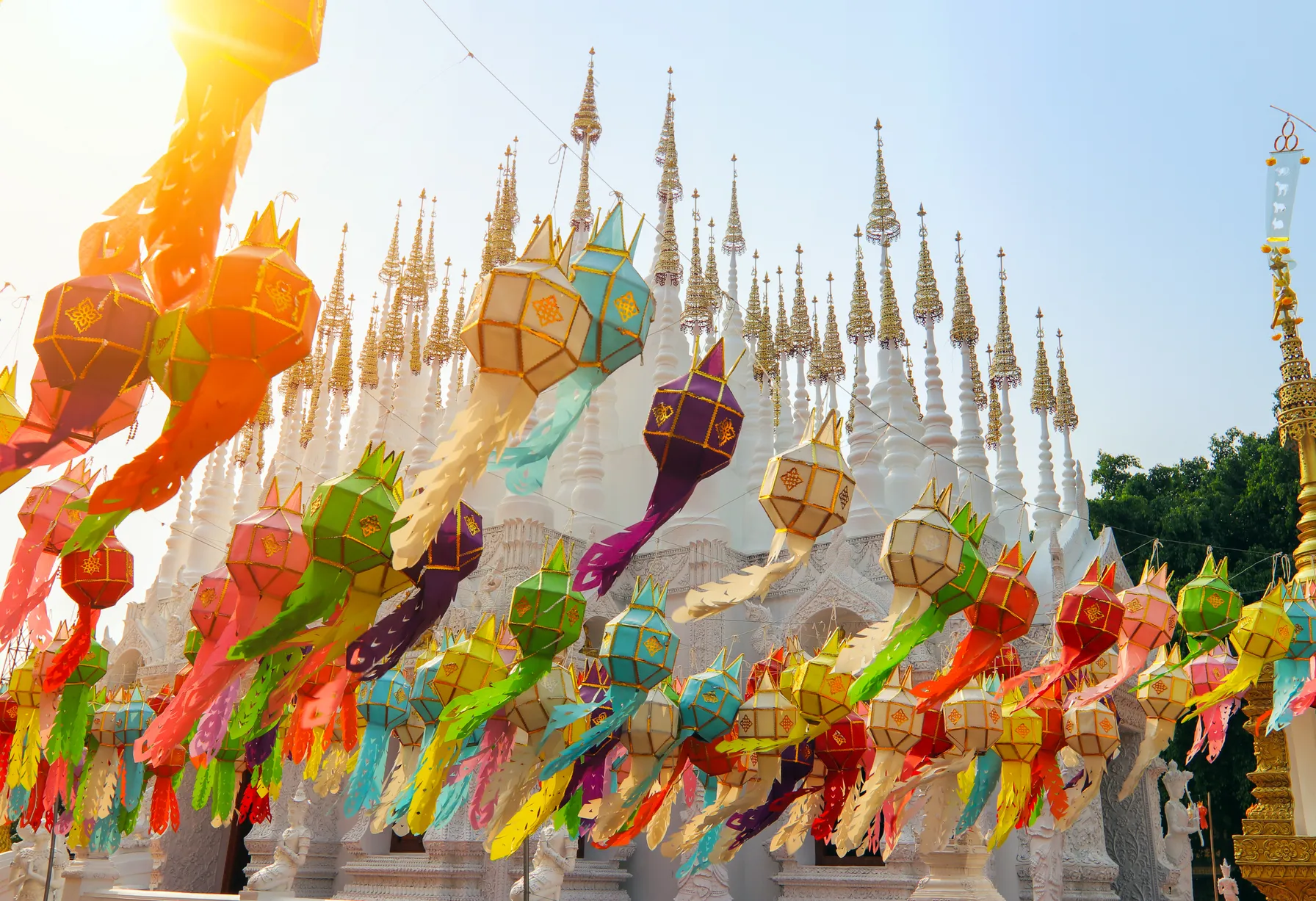
Culture in Thailand: Immersion in the heart of the land of smiles
What does Thailand's spiritual and religious heritage reveal?
Exploring Thai culture invariably begins with understanding its spiritual foundation. This dimension shapes every aspect of society and offers travelers a key to unlocking the soul of the Land of Smiles.
Theravada Buddhism, the soul of the nation
Theravada Buddhism deeply structures the Thai cultural identity for centuries. This form of Buddhism, practiced by more than 94% of the population, influences the architecture, art, social relationships, and even the local cuisine. The concepts of karma and merit guide daily interactions, creating the benevolent atmosphere so characteristic of a trip to Thailand.
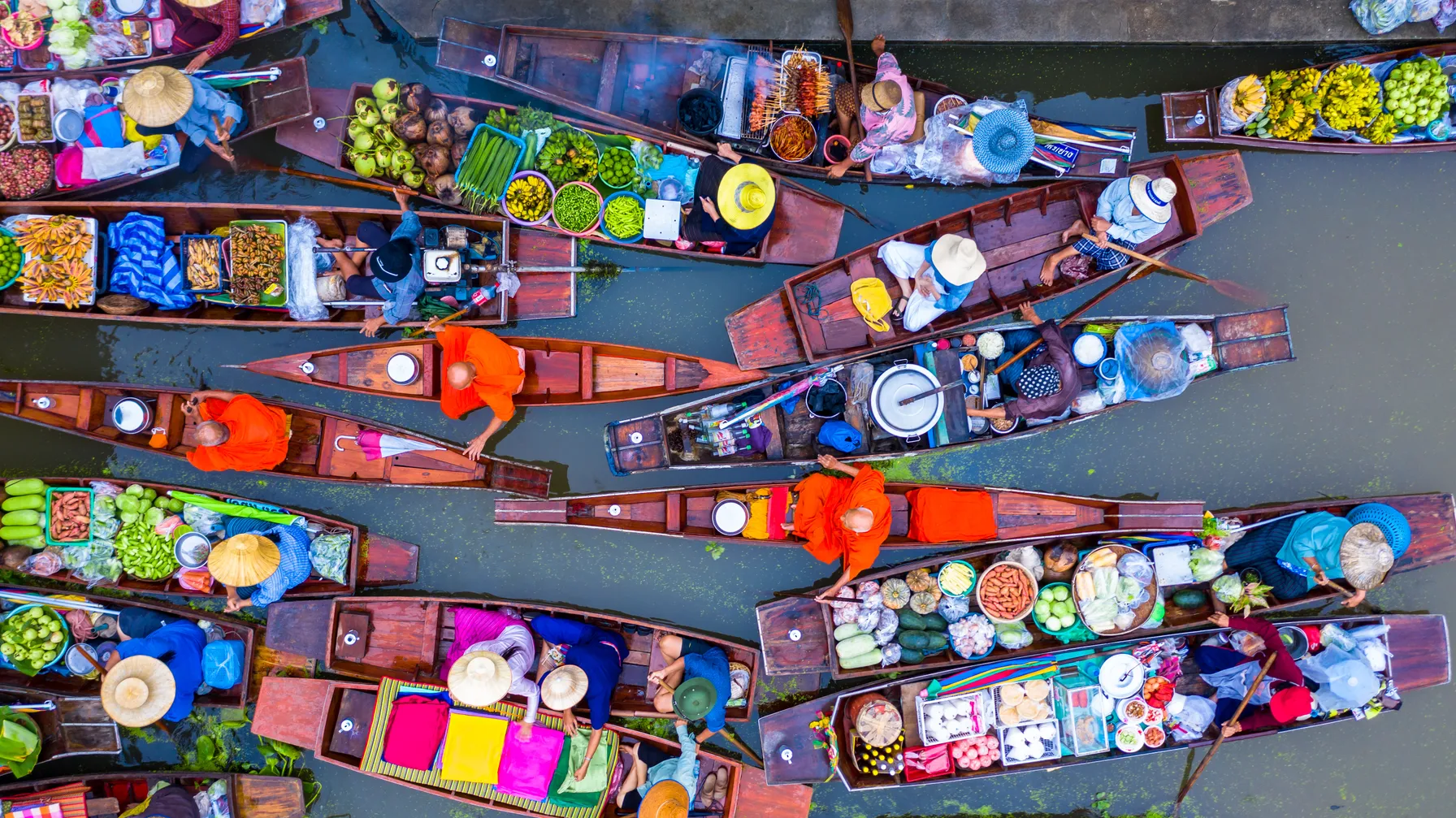
The notion of hierarchical respect is particularly expressed in the relationship to monks, revered figures in society. Observing the morning processions where the faithful offer their food to the monks is a striking cultural experience. This tradition of tak bat reveals the continuity between spirituality and social life, a pillar of Thai culture and traditions.
Temples and rituals, windows into spirituality
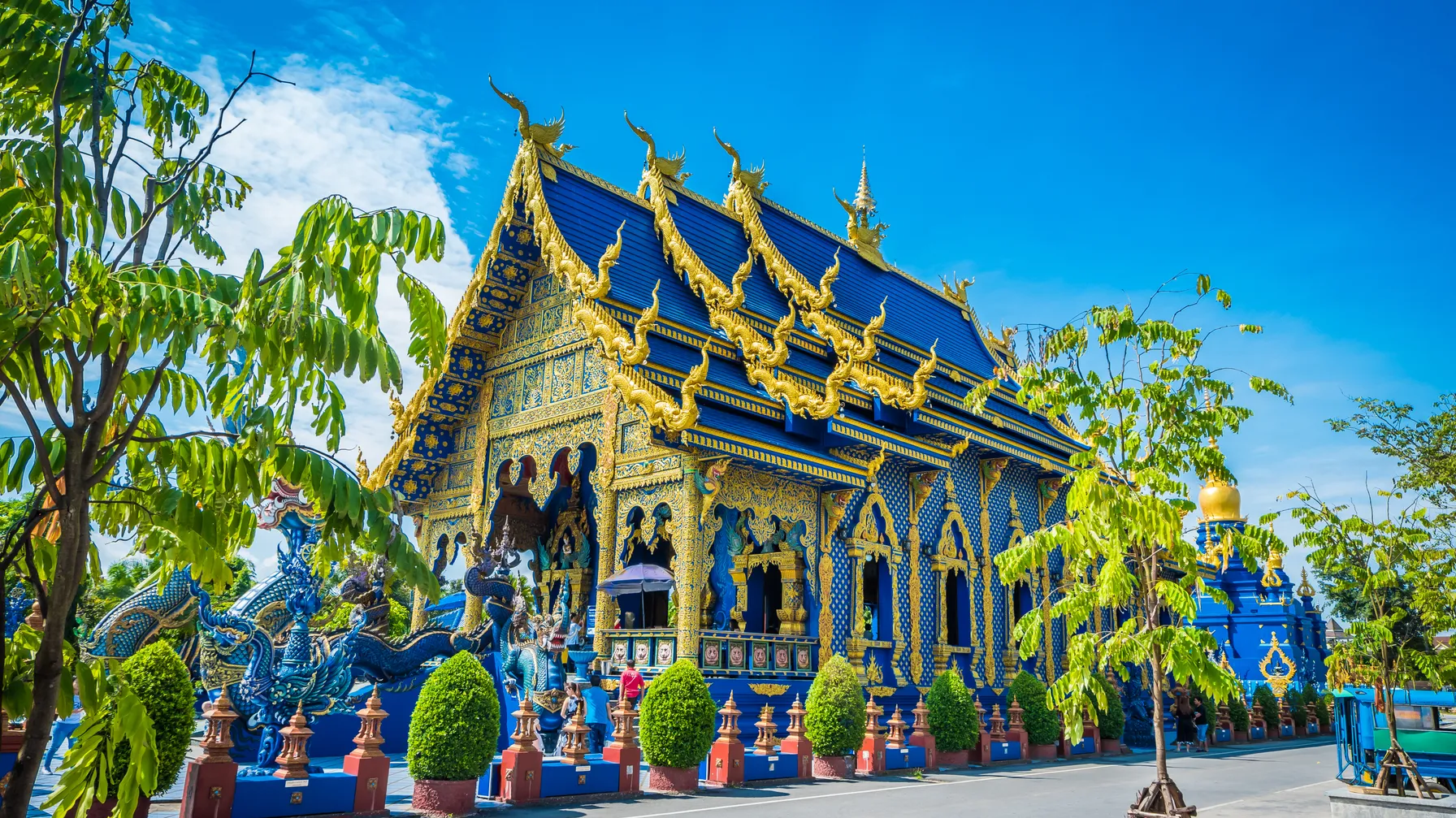
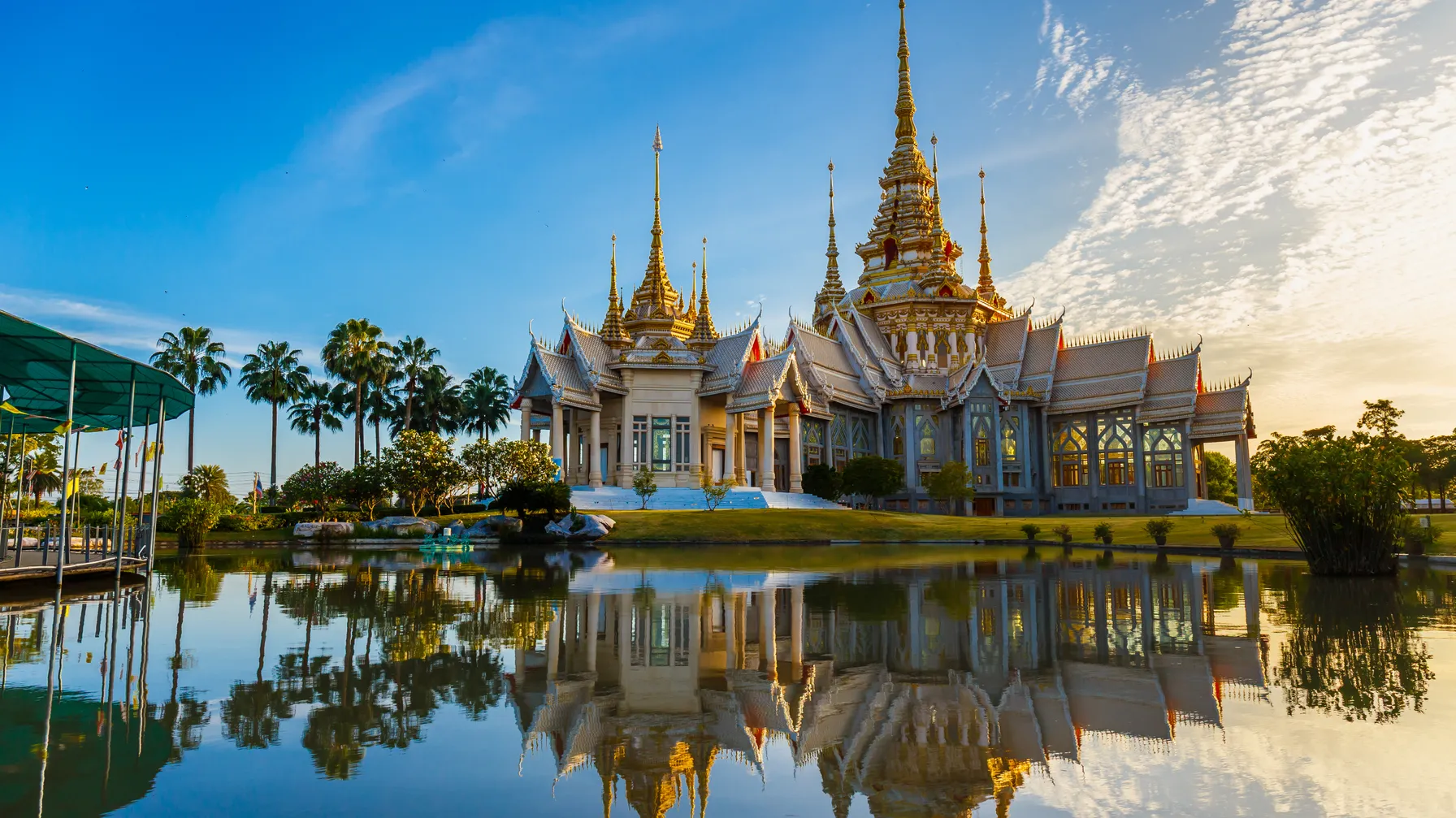
The temples, or wat, are much more than religious monuments. These architectural complexes house schools, community centers, and meditation sites, embodying the central role of spirituality in social organization. Each temple tells a story, that of a community rich in traditions that perpetuates ancestral craftsmanship.
The statues of Buddha, omnipresent in these sanctuaries, deserve special attention. Each posture, each mudra expresses a specific teaching. This statuary reveals the sophistication of Thai Buddhist art, the result of centuries of artistic influences from India, Sri Lanka, and neighboring kingdoms of Southeast Asia.
Contact us for more information on authentic spiritual tours.
How do ancestral traditions enrich the cultural experience?
Beyond spirituality, Thai culture flourishes in living traditions that rhythm the year and mark the social life stages.
Festivals and celebrations, moments of authenticity
The Thai calendar punctuates the year with spectacular festivities that reveal the festive soul of the Thai people. Songkran, the traditional New Year celebrated in April, transforms the entire country into a vast aquatic playground. This water festival, beyond its playful aspect, symbolizes purification and spiritual renewal.
Loy Krathong, the November festival of lights, offers a magical spectacle where thousands of small illuminated rafts drift on the waterways. This ceremony expresses gratitude to the water goddess and the hope for a better future. Participating in these celebrations allows one to grasp the collective dimension of Thai spirituality.
Night markets also reveal this culture of sharing. These spaces of conviviality mix commerce, cuisine, and the art of living in a typically Thai warm atmosphere.
Art of living and Thai savoir-être
Thai culture places great importance on social codes that govern interactions. The waï, a traditional greeting where the hands are joined and raised to the face, expresses respect and benevolence according to a codified gesture. The head is considered sacred in this culture, hence the prohibition of touching it, even out of affection.
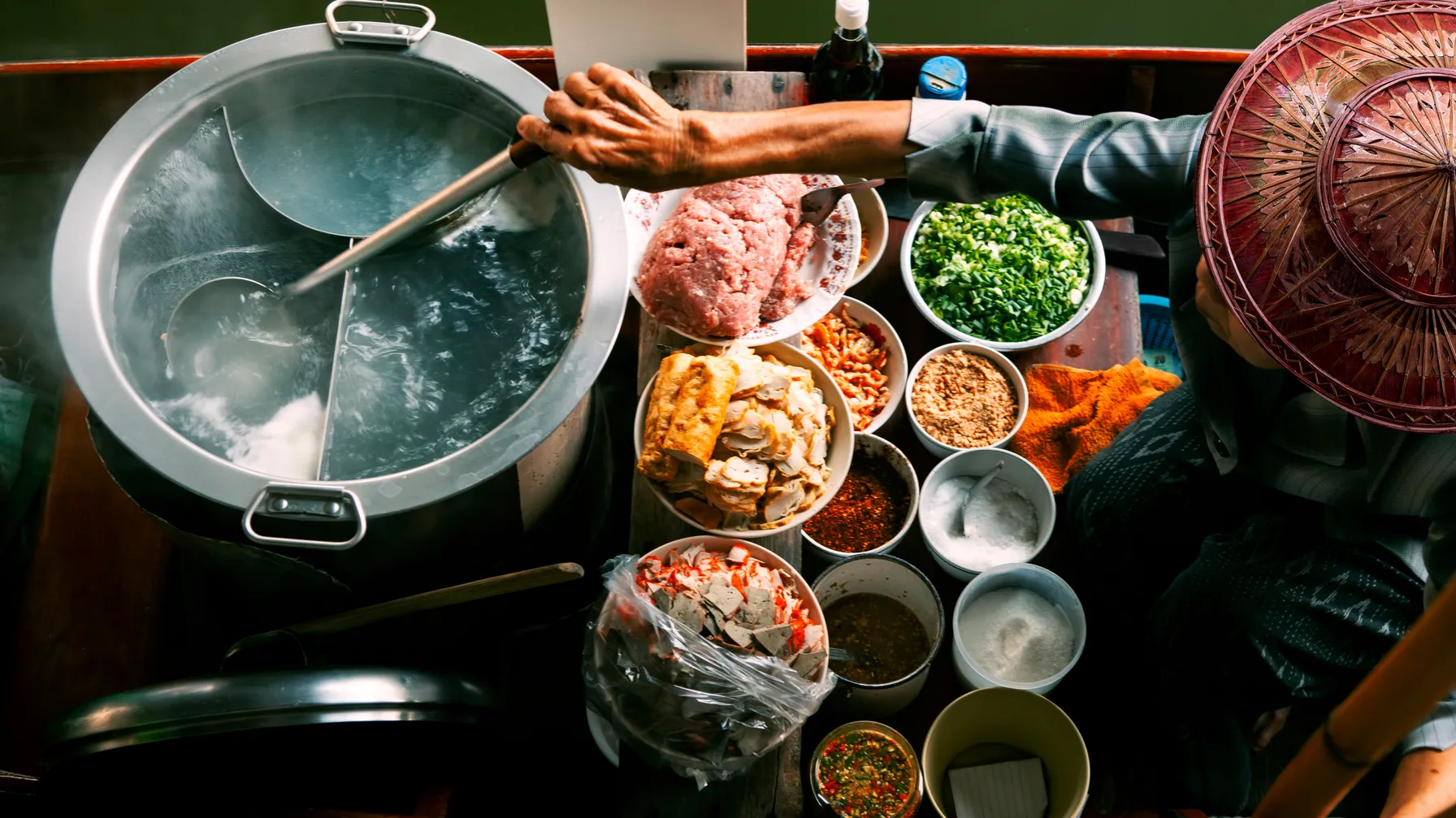
The cuisine perfectly illustrates this refined art of living. Each meal becomes a moment of sharing where spicy flavors, aromatic herbs, and ancestral culinary techniques mix. The four fundamental flavors — sweet, salty, sour, and spicy — are balanced in each dish, reflecting the pursuit of harmony so dear to the Thai philosophy.
Traditional craftsmanship perpetuates millennium-old skills: wood carving, silk weaving, goldsmithing, or pottery. These crafts demonstrate the creativity and legendary patience of Thai artisans.
What cultural itineraries to prioritize for a complete discovery?
A tailor-made trip to Thailand requires a thoughtful approach to understand the kingdom's cultural diversity.
Bangkok, a metropolis with a thousand cultural facets
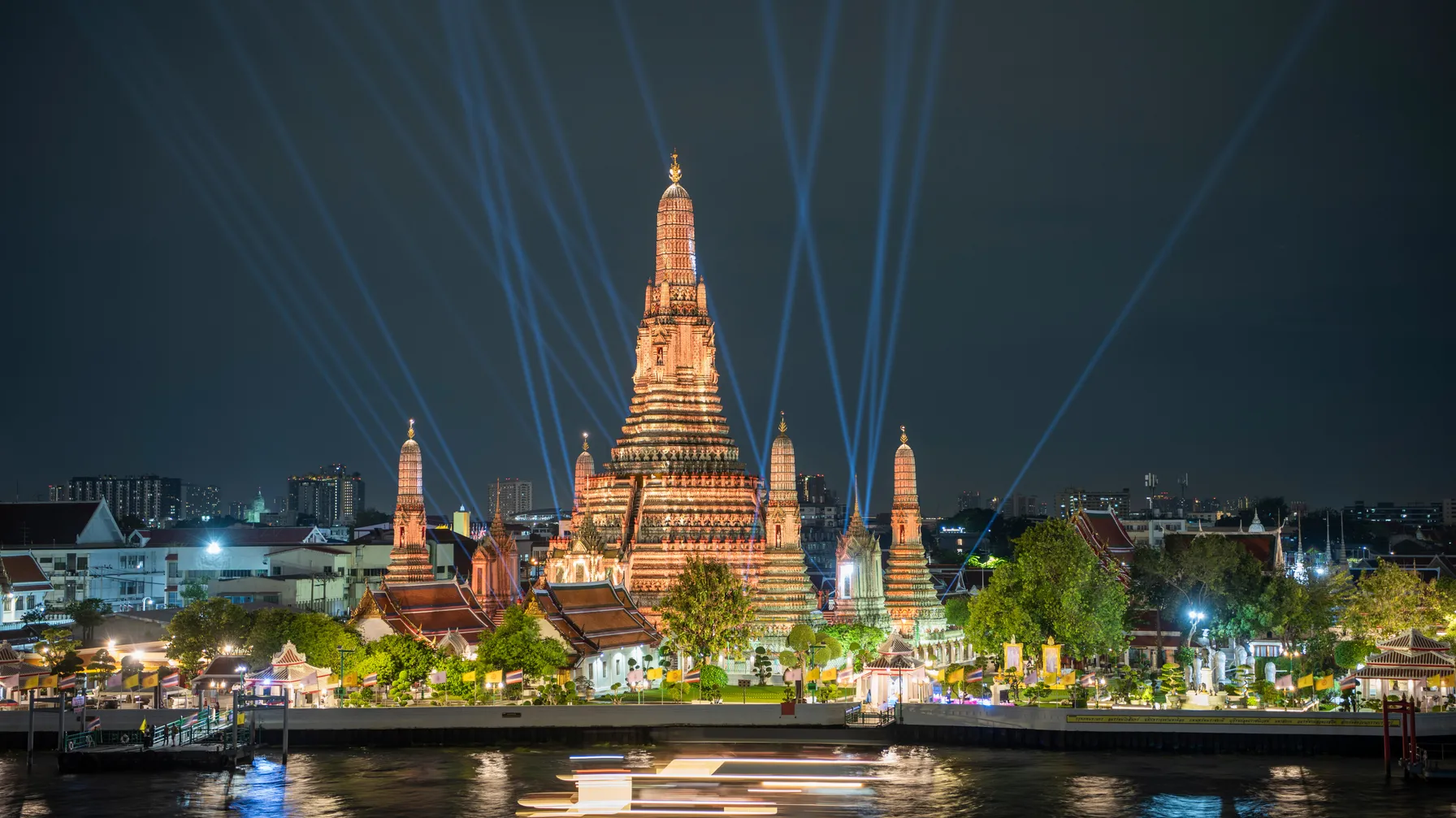
The Thai capital concentrates the finest examples of royal Siamese art. The Grand Palace and Wat Phra Kaeo house the Emerald Buddha, the most revered statue in the kingdom. This visit reveals the sophistication of traditional architecture and the importance of the monarchy in the cultural identity.
The historic district of Rattanakosin offers an immersion into Thai urban history. Ancient temples, museums, and traditional markets mingle, creating a condensed experience of cultural interactions. The canals of Thonburi allow exploring the Venice of the East, where stilt housing perpetuates a centuries-old way of life.
Modern cultural centers, such as the Bangkok Art and Culture Centre, illustrate contemporary creative vitality while honoring artistic traditions. This coexistence of heritage and modernity characterizes the cultural evolution of Thailand.
Chiang Mai and the North, sanctuaries of traditions
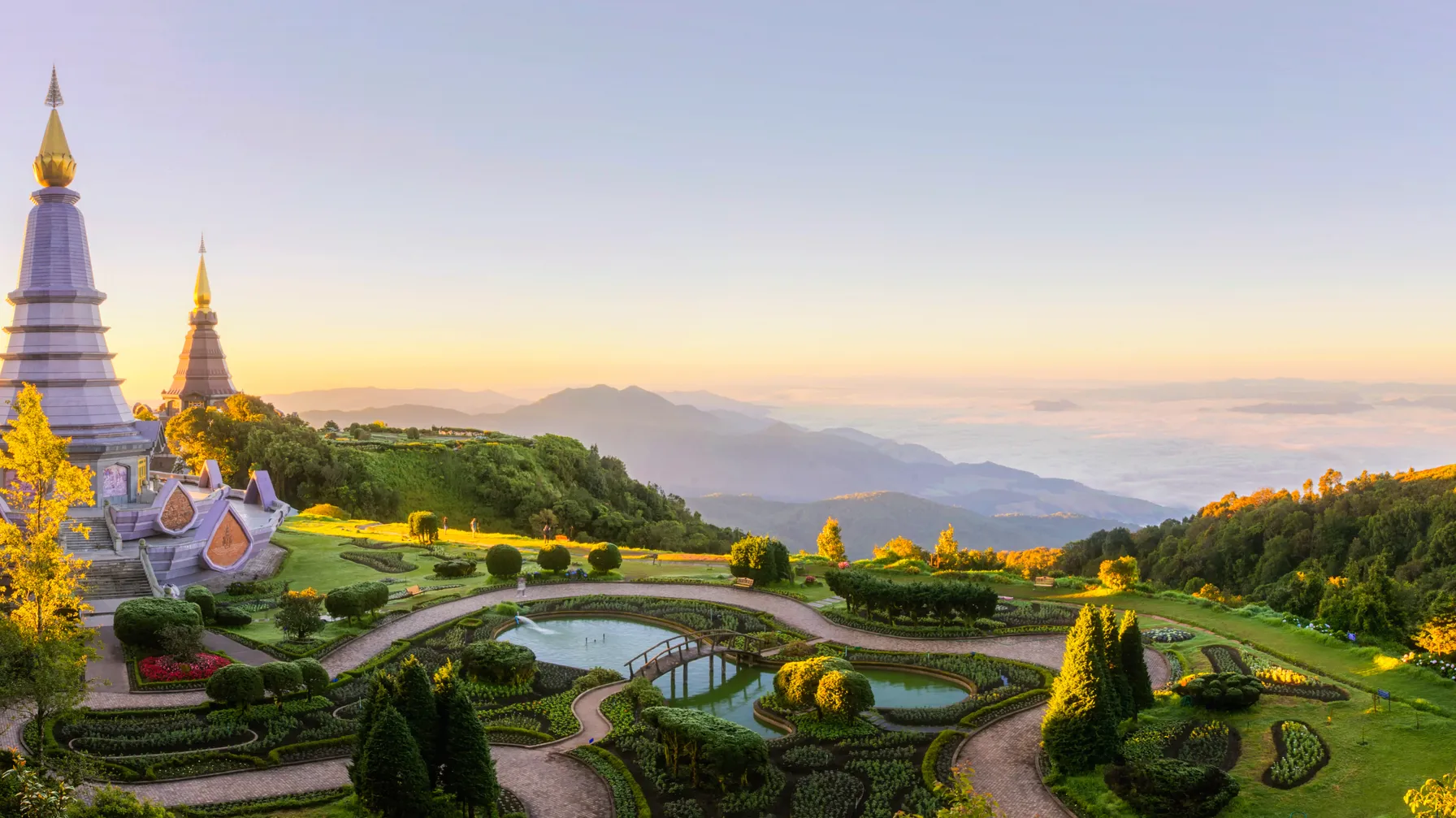
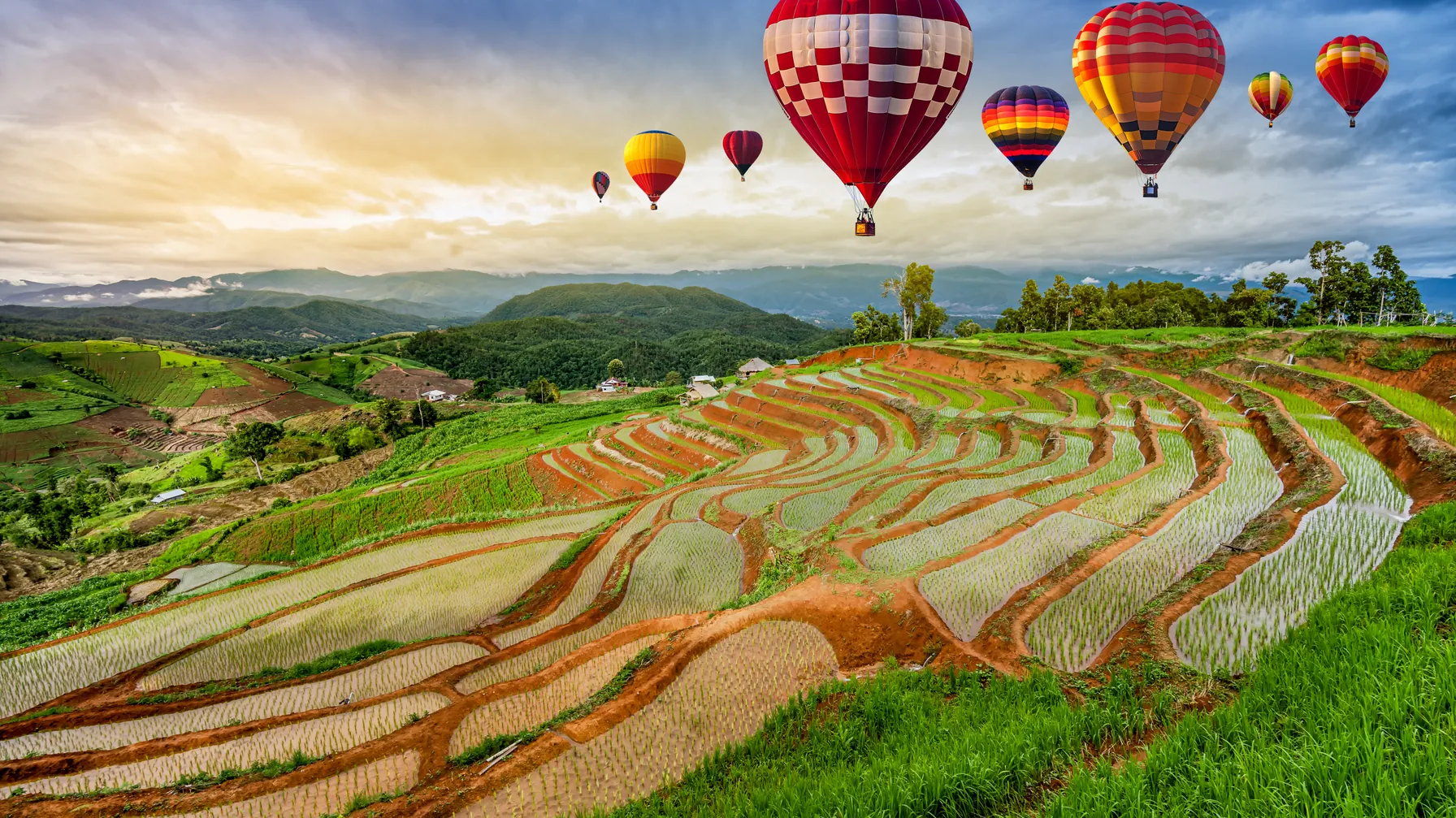
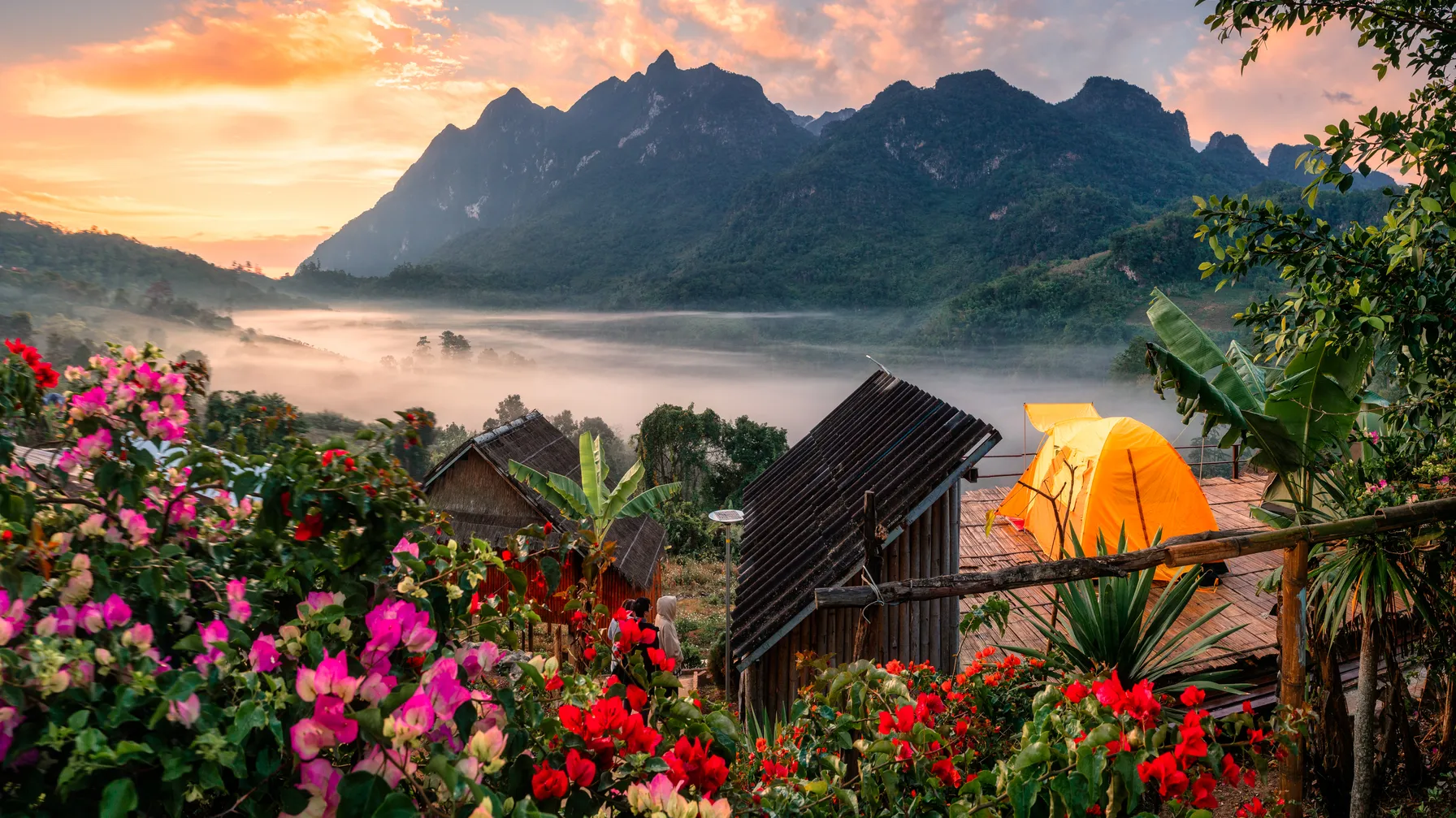
Chiang Mai, the former capital of the Lanna kingdom, preserves a cultural heritage distinct from the country's center. This region reveals the Burmese and Yunnanese influence in religious architecture and artisan traditions. The Lanna-style temples, with their characteristic rooftops, testify to this specific cultural identity.
The surrounding artisan villages perpetuate traditional crafts: umbrella painting from Bor Sang, wood carving from Ban Tawai, or weaving in the mountain communities. These excursions offer an opportunity to meet the keepers of these traditions and understand their generational transmission.
On Sunday evenings, the pedestrian street night market transforms the historic center into a cultural festival under the open sky. Artisans, musicians, and cooks gather in an authentic festive atmosphere, far from conventional tourist circuits.
Book your cultural trip to Thailand now.
| Destination | Recommended time | Cultural highlights |
|---|---|---|
| Bangkok | 3-4 days | Grand Palace, royal temples, museums |
| Chiang Mai | 3-5 days | Lanna architecture, craftsmanship, markets |
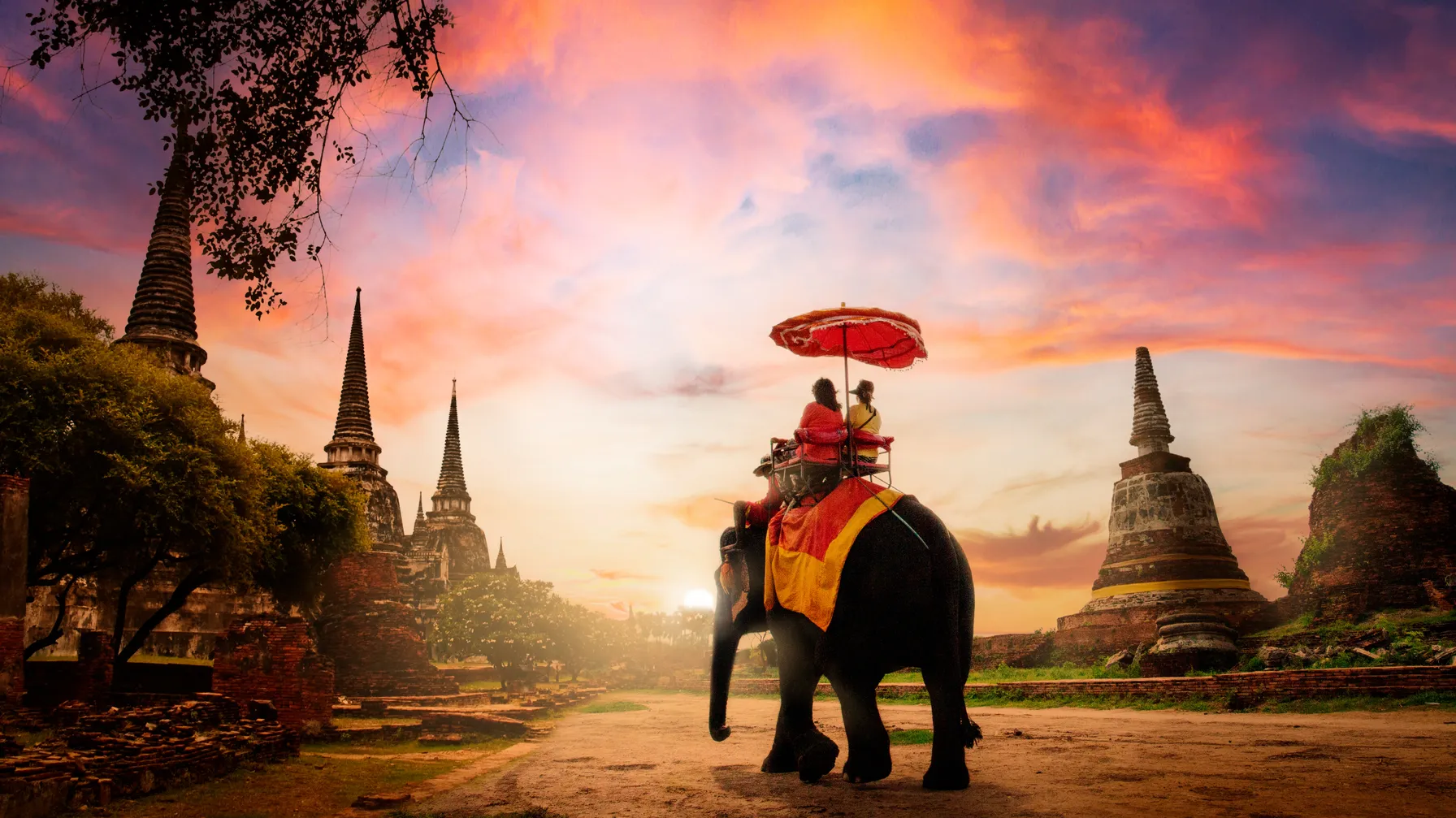
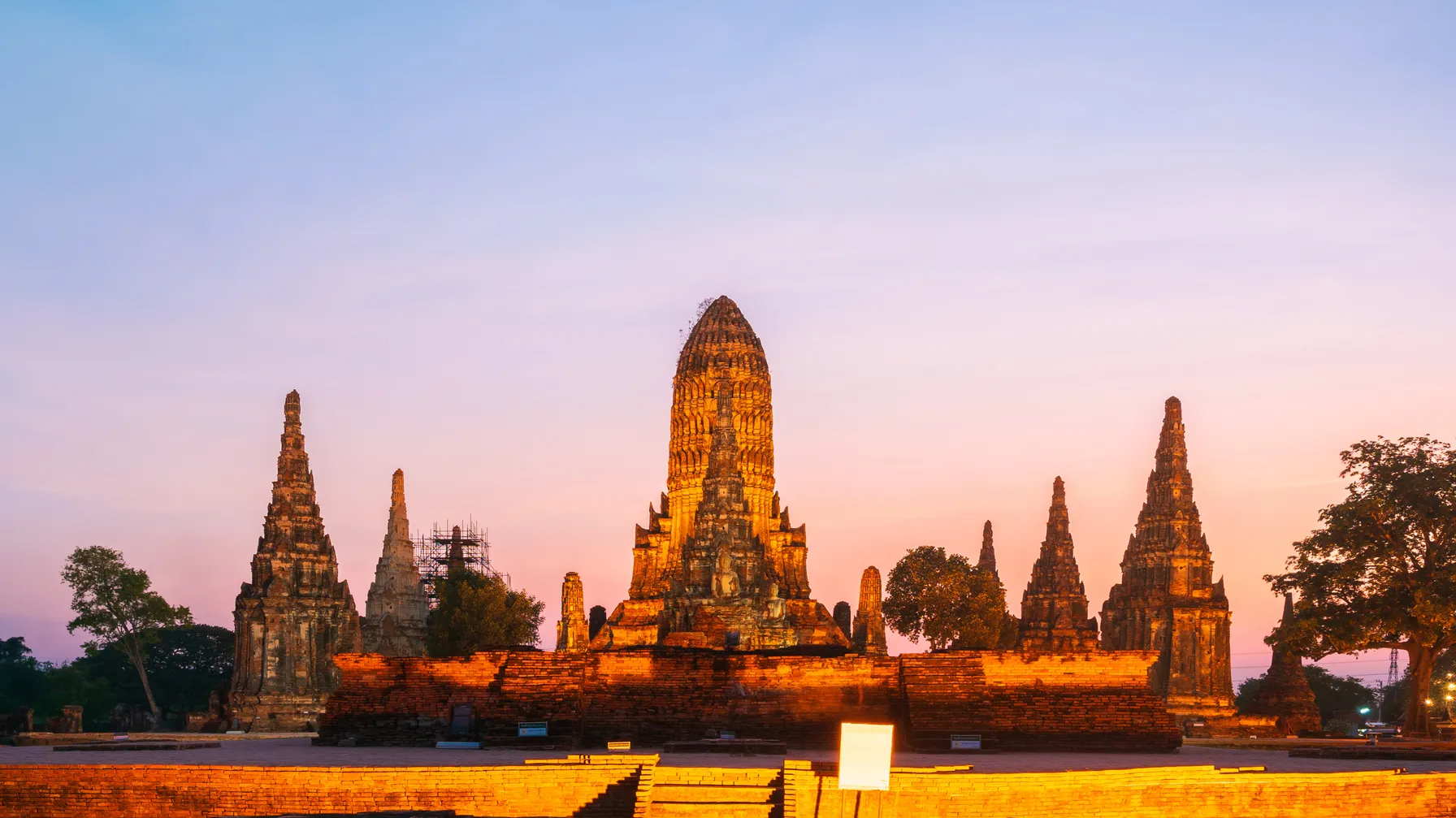
| Ayutthaya | 1-2 days | Historical ruins, Khmer art |
| Sukhothai | 1-2 days | Birthplace of the Thai kingdom |
Seasonal festivals greatly enrich the cultural experience depending on the time of visit. The Chiang Mai flower festival in February, traditional shows during Buddhist festivals, or the celebrations of the new year offer unique opportunities for authentic immersion.
Local expertise is invaluable for accessing events less known to the general public but particularly revealing of Thai cultural authenticity. A special attention to details allows experiencing these privileged moments that transform a simple trip into a true cultural discovery.
Frequently asked questions
What is the best time to explore Thai culture?
The cool season, from November to February, offers optimal conditions for cultural visits. This period coincides with several important festivities like Loy Krathong and allows full enjoyment of outdoor sites. The temperate climate facilitates travel and extended temple visits.
Are there specific dress codes to be respected?
Temples require respectful attire: shoulders and knees covered, shoes removed before entering. Avoid overly tight or sheer clothing. Dress standards are even stricter at royal sites. Having a scarf or shawl can be useful to cover shoulders if necessary.
How to participate respectfully in religious ceremonies?
Silent observation is the golden rule. With your head slightly bowed in respect, maintain an appropriate distance from the monks and avoid flash photography. Women should not touch or directly hand offerings to Buddhist monks.
Are traditional markets accessible all year round?
Permanent markets operate daily, but some specialized markets open only on certain days. The weekend market at Chatuchak in Bangkok or the Sunday evening market in Chiang Mai offer the best artisan selections. Check local schedules to optimize your cultural visits.