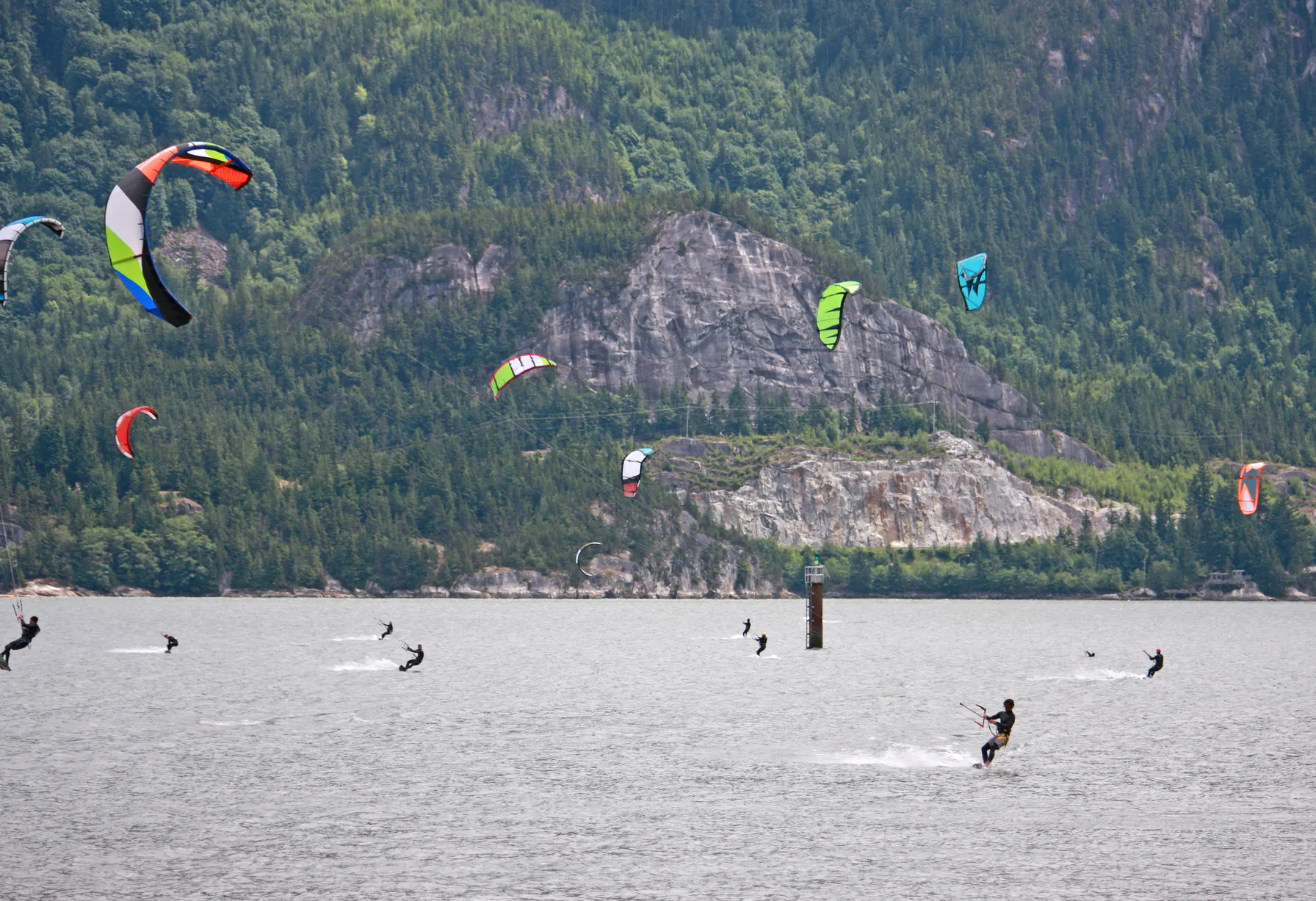
Surfing in Canada: Discovering the most beautiful surf spots.
Why choose Canada for a surf trip?
Surfing in Canada is not limited to a few isolated beaches. It is a whole lifestyle, deeply rooted in local culture, which is expressed as much in the fishing villages of Vancouver Island as on the banks of the Saint-Lawrence River. What makes this destination so unique in North America is the coexistence of several surfing universes on a single territory: the Pacific Ocean, the Atlantic, and even the freshwater waters of the great rivers.
A legendary West Coast from Vancouver Island
British Columbia accounts for a large part of the reputation of surf in Canada, notably thanks to Tofino, a coastal village on Vancouver Island. Here, surf spots roll along kilometers of preserved beaches, bordered by dense forests and bathed by Pacific waters. The atmosphere is that of a community entirely oriented toward surfing, where board rental shops rub shoulders with cozy cafés opening at dawn. It is a destination in its own right for anyone who wishes to combine wave performance with immersion in a rare natural setting.
Eastern Canada and its promising Atlantic waves
On the other side of the country, Nova Scotia — Nouvelle-Écosse in French — stands as a serious alternative for surf enthusiasts seeking generous waves. Less known on the international scene, the Canadian East Coast nevertheless offers very good surfing conditions, especially between summer and autumn. The waves there are often more powerful than one might think, and the beaches remain pristine, far from the crowds you can find in other flagship North American destinations.
The rare river surfing experience at the heart of cities
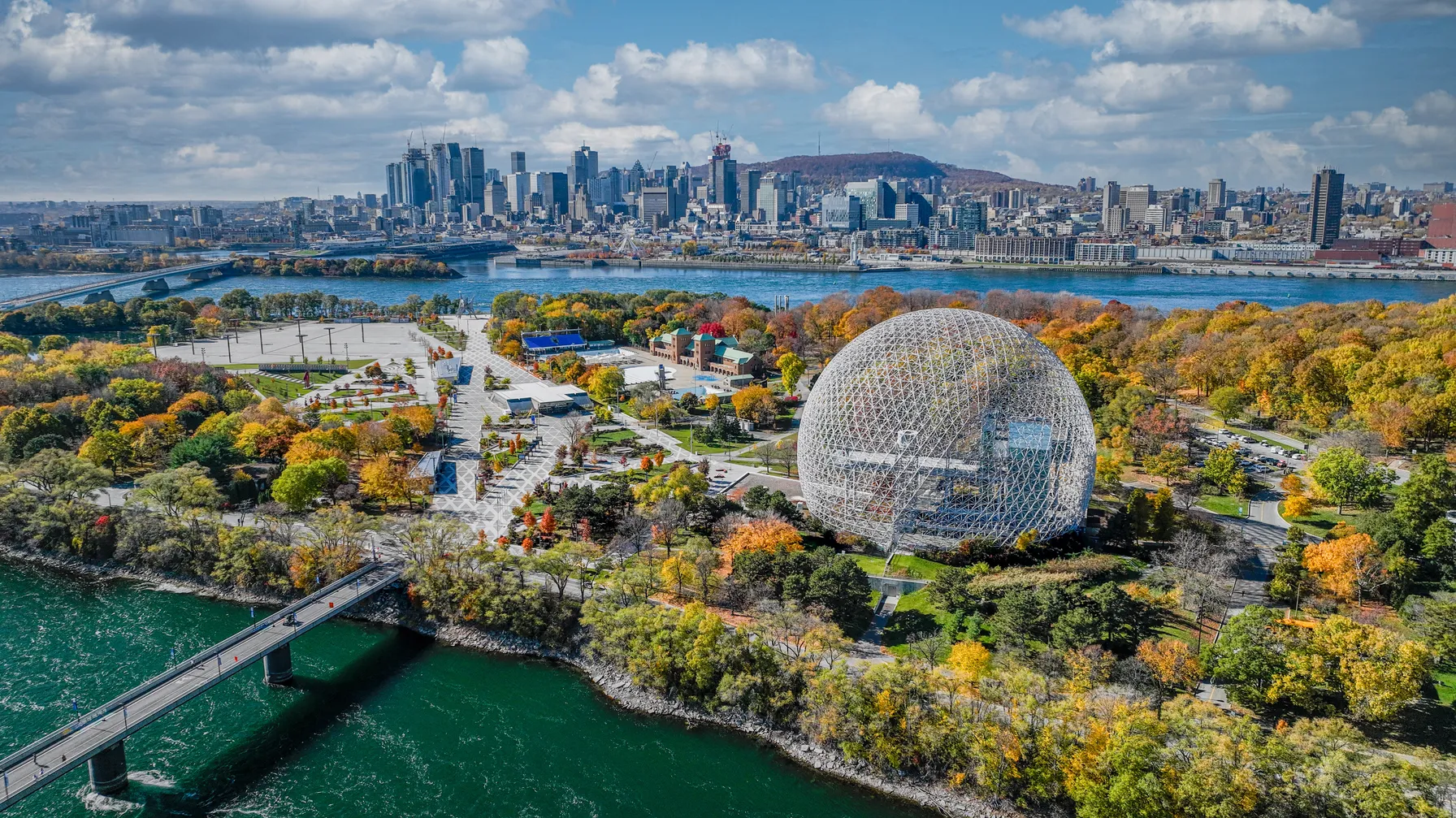
Canada also offers a more discreet yet fascinating practice: river surfing. Montreal is the most emblematic example, with its permanent waves on the Saint-Lawrence River. For those who wish to experience surfing in Canada that is different from the ordinary, gliding on an urban wave with the skyscrapers in the background provides a moment of sharing and discovery that is hard to find elsewhere in the world.
Contact us for more information on the best surfing experiences to have in Canada.
What are the best spots for surfing in Canada?
Canada has many surf spots, but some stand out for the consistency of their waves, the beauty of their surroundings, or the vibe there. Here is a selection of the best spots not to miss during a surf trip to Canada.
Tofino and Long Beach, the epicenter of Canadian surfing
Regarded as the national surfing capital, Tofino concentrates several of the West Coast's best spots. Long Beach, which runs for more than 16 kilometers within Pacific Rim National Park, is the ideal starting point. Its regular waves suit both beginners looking to improve and more experienced surfers seeking power. Cox Bay, nearby, is known for its hollower and more technical waves, while Chesterman Beach is often cited among the best learning beaches for starting surfing in North America. In Tofino, every detail of the stay breathes the passion for riding.
Nova Scotia, between wild beaches and consistent waves
Lawrencetown Beach, about thirty minutes from Halifax, is arguably the most famous surf spot on Canada's East Coast. It now attracts surfers of all levels thanks to waves that are steady almost year-round. Its south-facing orientation allows it to catch Atlantic swells regardless of swell direction. A little further south, Martinique Beach stretches five kilometers of sandy shoreline facing the ocean, offering enough space for everyone to find their wave without feeling cramped. These two Nova Scotia beaches are among the best spots on the Canadian Atlantic coast.
Montreal and its urban waves on the Saint-Lawrence River
River surfing in Montreal is a distinct experience in Canada's surfing landscape. The wave known as La Vague à Guy on the Saint-Lawrence River is particularly appreciated for its regularity and accessibility to beginners. For more advanced surfers, the spot near Habitat 67 offers faster and more technical waves, with the city skyline in the background. It's an unusual and memorable way to treat yourself to a bit of urban serenity while surfing.
Book your trip to Canada now and experience an unforgettable surfing experience.

Demandez votre devis Canada sur-mesure 100% gratuit
 4.8
4.8+3.000 travelers satisfied
When is the best time to go surfing in Canada?
The ideal period varies depending on the region chosen. Here is an overview of the best windows for a surf trip in Canada depending on the destinations:
| Region | Best period | Wave height level |
|---|---|---|
| Tofino – West Coast | September to November | Intermediate to expert |
| Nova Scotia – East Coast | August to November | All levels |
| Montreal – River surfing | April to October | Beginner to intermediate |
| Lake Superior – Ontario | Autumn (storm swells) | Intermediate to expert |
Autumn is generally recognized as the best season for surfing on Canada's coasts: swells gain strength, crowds thin out, and the landscapes take on spectacular hues.
The smart plan: if you’re planning a family surf trip to Canada, summer remains the most accessible period, especially in Tofino where the summer waves are milder and surf schools are numerous.
What essentials should you plan for preparing your surf adventure in Canada?
Surfing in Canada requires some specific preparations, as the waters are often cold, sometimes very cold depending on the season and region. Here are the essentials to plan:
- A wetsuit suitable for the water temperature, typically between 4 and 6 mm depending on the region and the period chosen;
- Neoprene booties, gloves, and a hood for autumn and winter outings, especially on the Atlantic coast;
- A board suited to your level, available for rent at most spots such as Tofino or Lawrencetown;
- Guidance from a local instructor for beginners, particularly recommended at spots like Cox Bay or Long Beach.
The Travel Planners' advice: to get the most out of a surf trip to Canada, take the time to check local conditions before each session. On-site providers are often valuable resources for finding the spots best suited to your level.
Contact us for more information and arrange your tailor-made surf trip to Canada.
Frequently asked questions
Is surfing in Canada accessible to children and families?
Yes, several destinations are particularly suited for families. Tofino, on Vancouver Island, is known for its welcoming surf schools and gentle waves in summer, ideal for introducing the youngest to surfing. Local instructors offer suitable lessons from age 8 or 10 depending on the facilities, in a safe and supervised setting.
Do you need to bring your own equipment to surf in Canada?
No, it is not necessary to bring your own board. The main surf spots in Canada, particularly Tofino and Nova Scotia, are well equipped with rental shops offering boards, wetsuits and accessories. This makes it possible to travel lighter and to benefit from gear suited to local conditions.
Is river surfing in Montreal possible year-round?
The river surfing season in Montreal generally runs from April to October, when temperatures allow comfortable practice. Outside this period, winter conditions make the practice difficult, even impossible. Therefore, it is an activity to include in a spring, summer or autumn stay to fully enjoy it.