Culture in Canada: Discovering an Exceptional Heritage
Why is Canadian culture so unique in North America?
In North America, few countries display a cultural identity as diverse as Canada. Far from a monolithic culture, this vast territory has woven, over the centuries, a collective heritage nourished by encounters, memories and multiple influences.
A country shaped by centuries of encounters
Before the arrival of European colonists, the Canadian territory was inhabited by dozens of Indigenous peoples, including the First Nations, the Inuit and the Métis. These civilizations have bequeathed to the country an intangible heritage of exceptional richness: foundational mythologies, artisanal know-how, spiritual ceremonies and a deep relationship with nature. Far from belonging solely to the past, this heritage is still alive and forms one of the cornerstones of Canadian culture.
The two official languages, a reflection of a living identity.
The two official languages, French and English, deeply shape the country's identity and testify to its complex history. In the east, Quebec embodies the vitality of North American Francophonie, with architecture, gastronomy and a language that are distinctly different. In the western part of Canada, the anglophone metropolises open themselves to the Pacific, with particularly strong Asian influences.
What are the must-see Canadian heritage sites to visit?
A trip to Canada is also an opportunity to immerse oneself in a material and intangible heritage of great diversity. Between UNESCO-listed sites, world-renowned museums and living traditions, cultural discoveries abound.
Museums, UNESCO sites and iconic monuments
The Canadian Museum of History, located in Gatineau across from Ottawa, is the ideal starting point for understanding 20,000 years of Canadian history. Its Grand Gallery, with its monumental totems, is as impressive as it is informative. Not far from there, Parliament Hill in Ottawa, with its Gothic spires along the Ottawa River, embodies colonial architecture in all its majesty.
Canada also has several sites inscribed on UNESCO's World Heritage List, including:
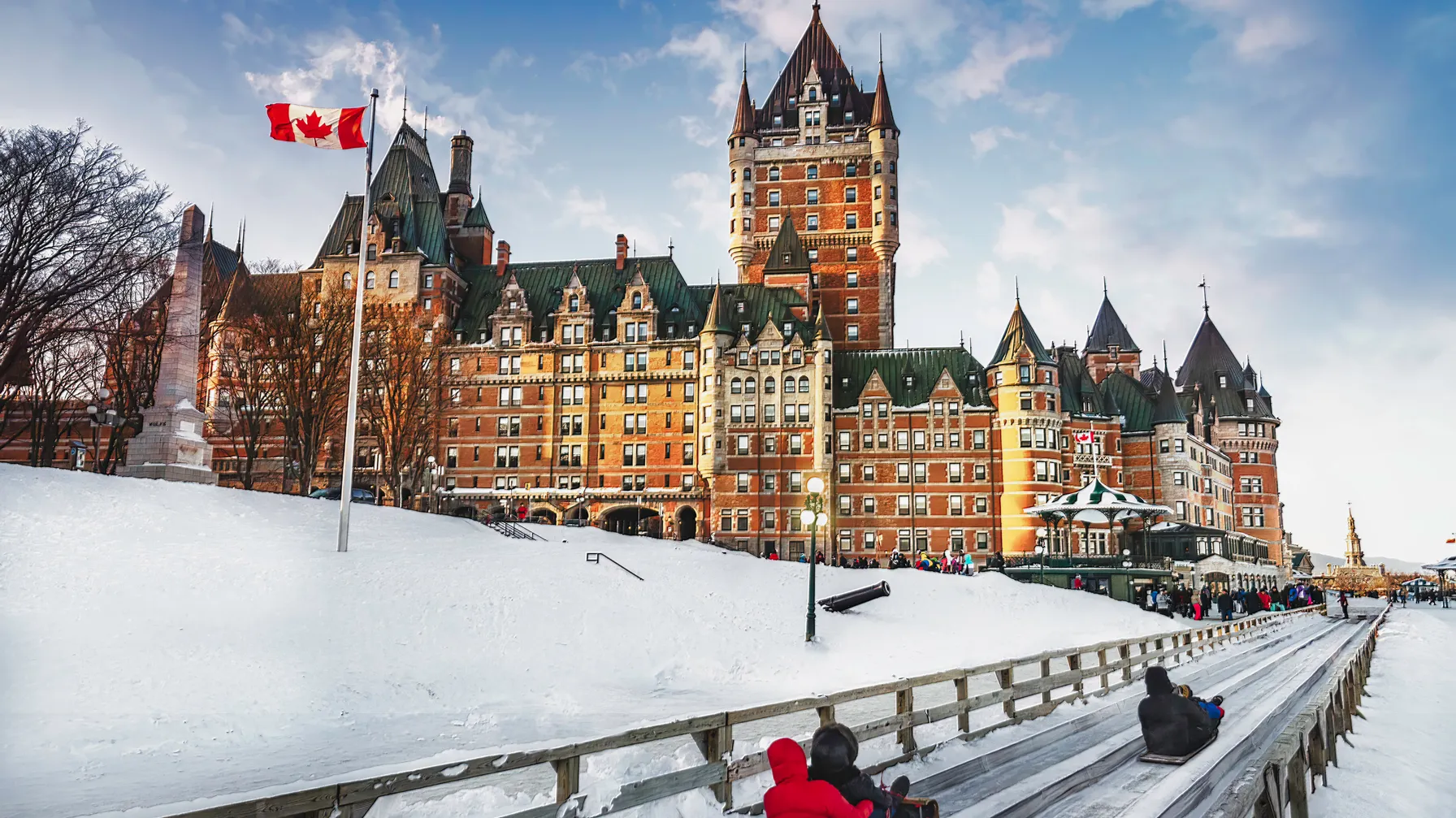
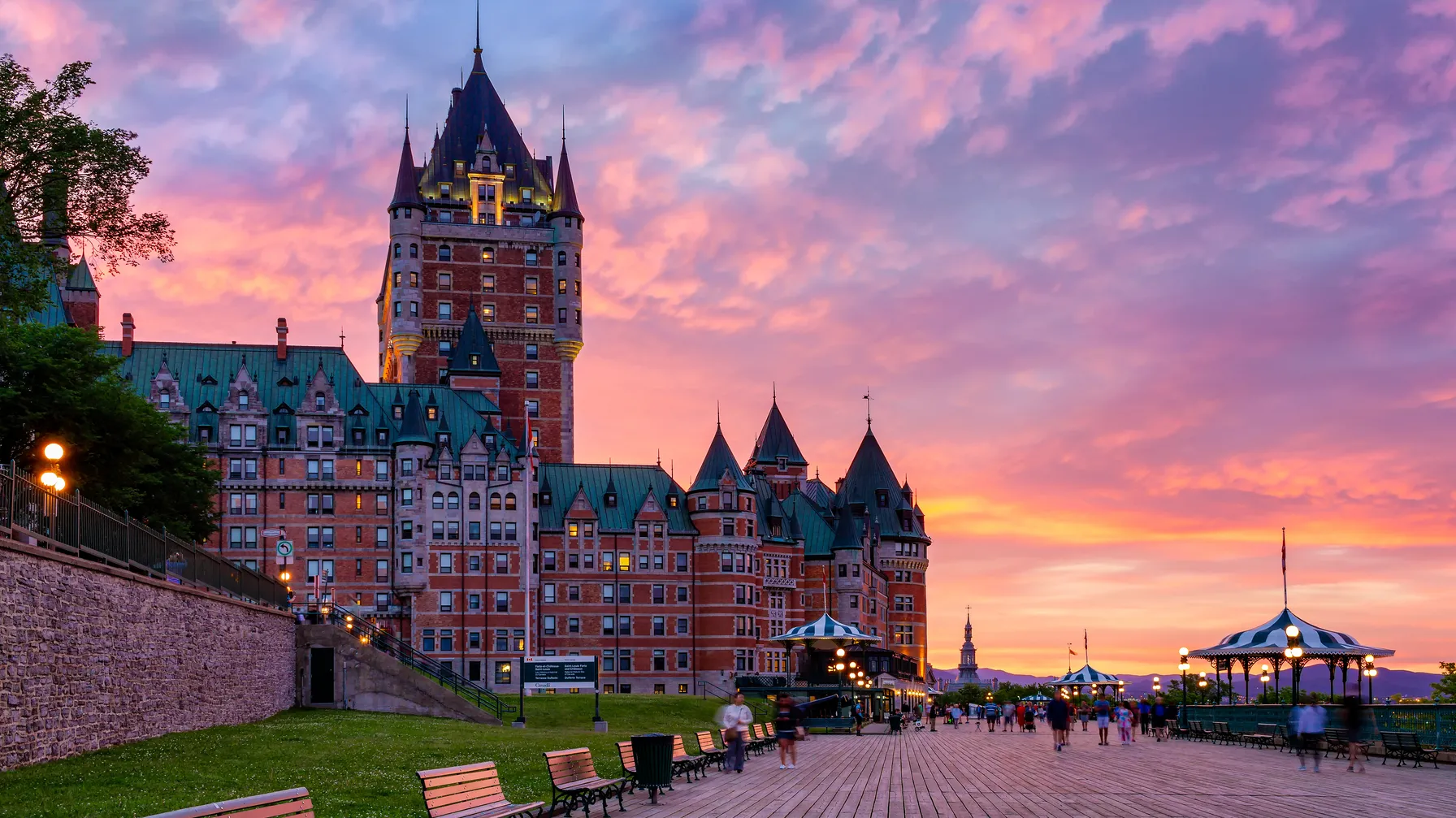
- Old Quebec, the only fortified city in North America north of Mexico;
- Gros Morne National Park, in Newfoundland, for its unique geological landscape;
- SGang Gwaay, Haida archipelago in British Columbia, sanctuary of Indigenous art.
Each of these sites deserves half a day to a full day, depending on how deeply you want to explore your visit.
The living heritage of the First Nations
The art of the First Nations is one of the most powerful cultural expressions in Canada. In Vancouver, the University of British Columbia's Museum of Anthropology houses an exceptional collection of sculptures, totem poles, and Haida ceremonial objects. In the Wendake region, the site of Wendake offers a chance to discover the Huron-Wendat culture through village reconstructions, craft demonstrations and stories passed down from generation to generation.
Did you know? Inuit art, now recognized as a major form of contemporary art, has been practiced for more than 4,000 years in the Canadian Arctic. These sculptures in stone, bone or ivory carry within them a worldview that your journey to Canada will allow you to fully feel.
Book your trip to Canada with Vialala and enjoy a 100% tailor-made itinerary.
How to fully experience the culture during your stay in Canada?
Understanding Canadian culture also means knowing when and in what contexts it reveals itself in all its vitality. Events, sport, and organization are the keys to a successful immersion.
Unmissable events and festivities
The Quebec Winter Carnival, in February, is one of the world's largest winter festivals and a joyful immersion into Franco-Canadian culture. In Montreal, the Just for Laughs Festival or the Francofolies attract visitors from around the world each year. Toronto hosts, for its part, the largest Caribbean carnival in North America, Caribana, an explosion of colours and music every summer.
Ice hockey, the national sport par excellence, is also a cultural vector in its own right. Attending a game in a major Canadian arena is to experience a rare moment of collective communion, where tradition and passion mingle with a unique intensity.
Practical tips for preparing your cultural itinerary
Les Travel Planners de Vialala recommandent de prévoir au minimum dix à quatorze jours pour combiner plusieurs facettes culturelles du pays. Pour les sites très fréquentés comme le Musée canadien de l'histoire ou le Vieux-Québec, réserver vos billets à l'avance est fortement conseillé, notamment en haute saison. La plupart des grands musées proposent des audioguides en français, et certains offrent des visites guidées thématiques particulièrement enrichissantes.
Notre conseil : combiner une étape à Montréal ou Québec pour la culture francophone avec une destination de l'ouest canadien, comme Vancouver ou Victoria, pour une perspective complémentaire. Ce contraste est l'une des expériences les plus révélatrices que la culture canadienne puisse offrir.
Contactez-nous pour plus d'informations sur les itinéraires culture et patrimoine au Canada.

Demandez votre devis Canada sur-mesure 100% gratuit
 4.8
4.8+3.000 travelers satisfied
Frequently asked questions
What is the best time to discover Canadian culture?
Spring (April–May) and autumn (September–October) are ideal seasons for visiting major cities and heritage sites, with pleasant temperatures and a full cultural calendar. Summer remains very lively as well, especially for outdoor festivals.
Is Canada a suitable destination for a culture-focused family trip?
Absolutely. Canada offers many experiences suitable for all ages: interactive museums, discovery of Indigenous cultures, outdoor activities, and welcoming cities. With a tailor-made itinerary, a family trip to Canada becomes a memorable adventure for young and old.
Do you need to speak French to fully enjoy Quebec culture?
French is the main language in Quebec, but English-speaking visitors are very welcome there. In major cities like Montreal, bilingualism is widespread. The key is to approach the local culture with curiosity, which will surprise you around every street corner.