Guide to Canada: everything you need to know to plan your trip
Why is Canada such a unique destination?
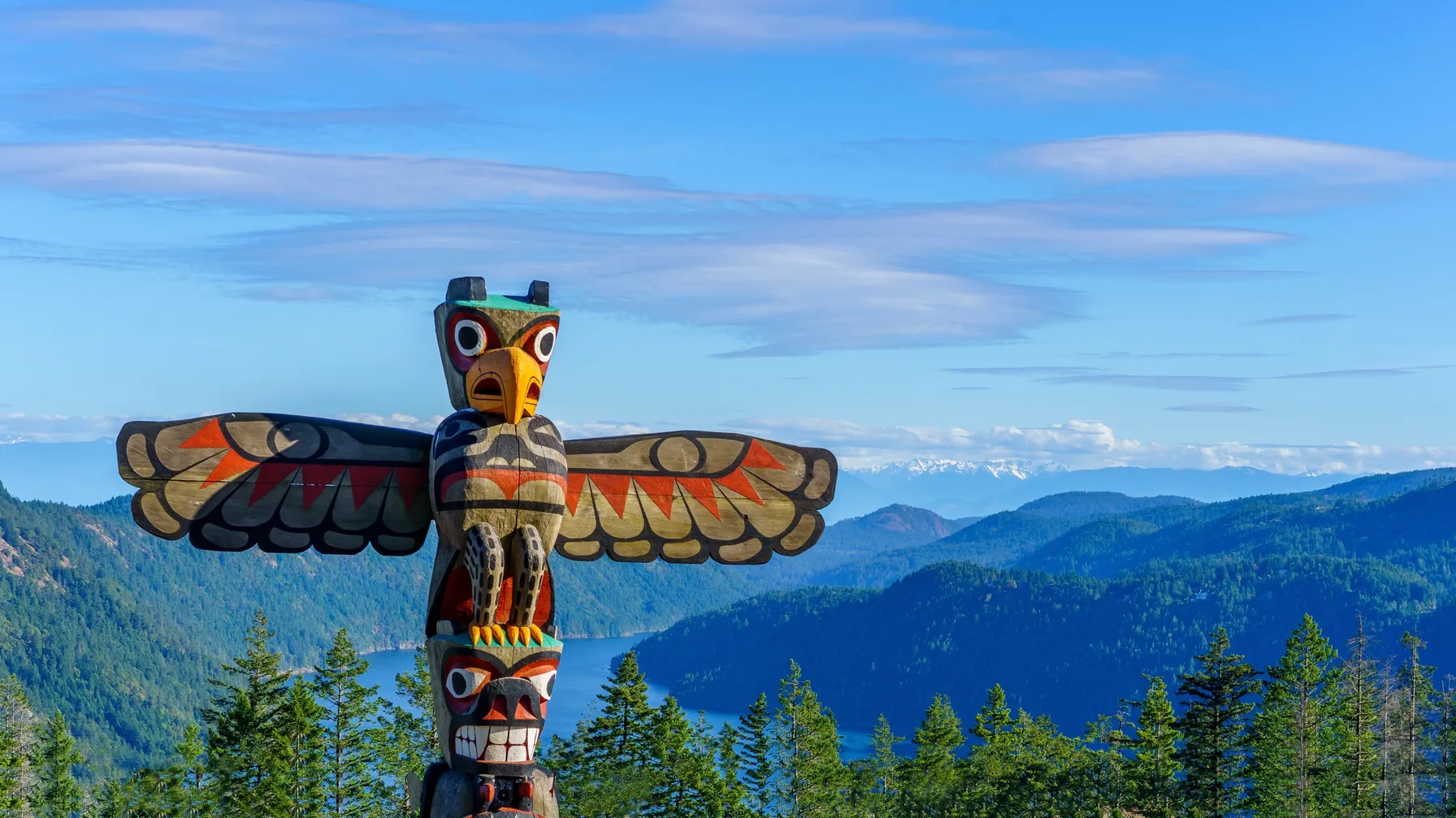
Few destinations offer such diversity—natural, cultural, and gastronomic at once. Canada appeals to families seeking wide open spaces as well as young couples looking for an exceptional stay, adventurers as well as urban travelers. Its identity rests on a rare richness: that of a country shaped by dozens of communities—from First Nations to immigrants from Europe and Asia—each leaving its imprint on cities, cuisine, and traditions.
Nature of extraordinary scale
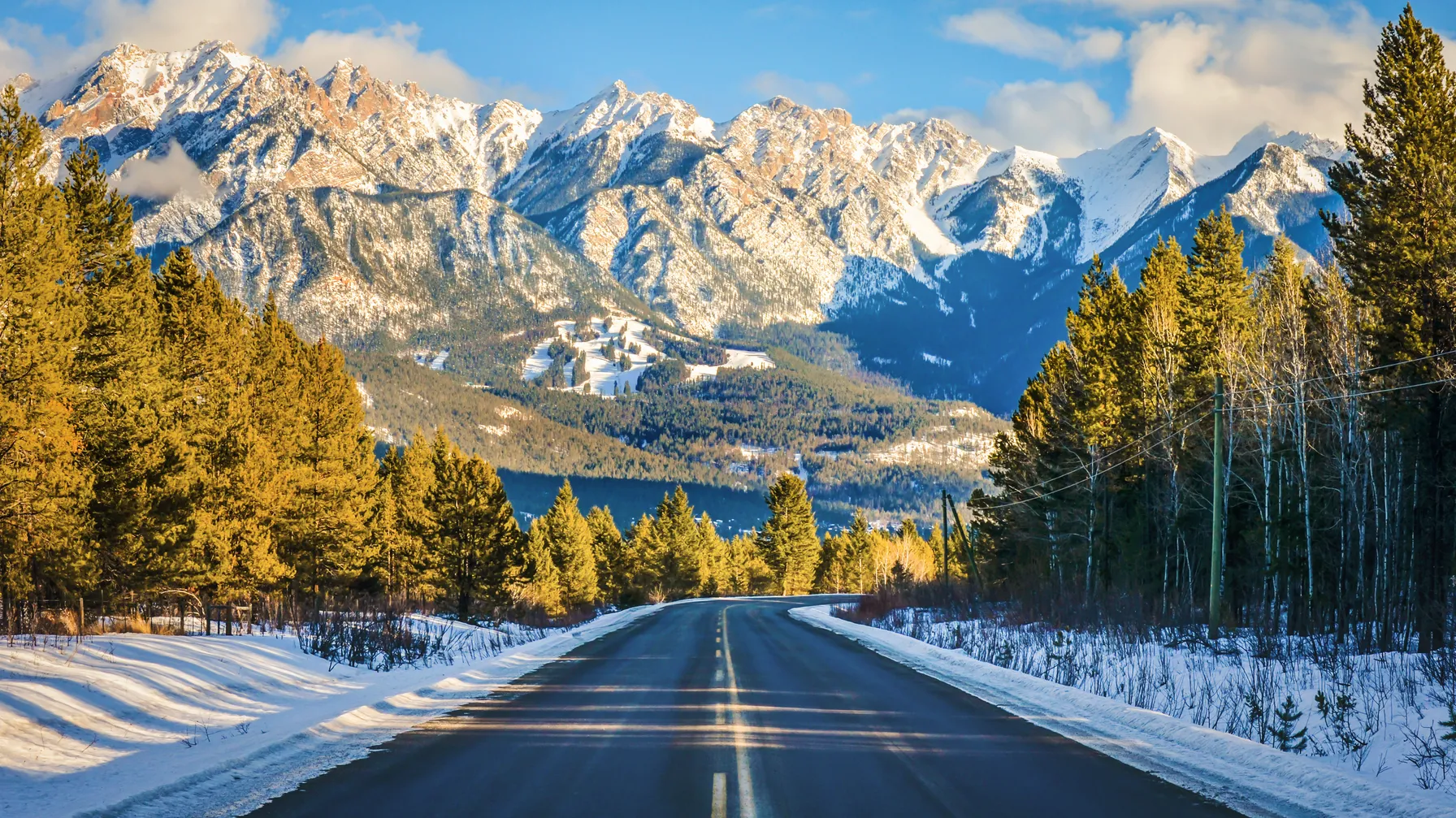
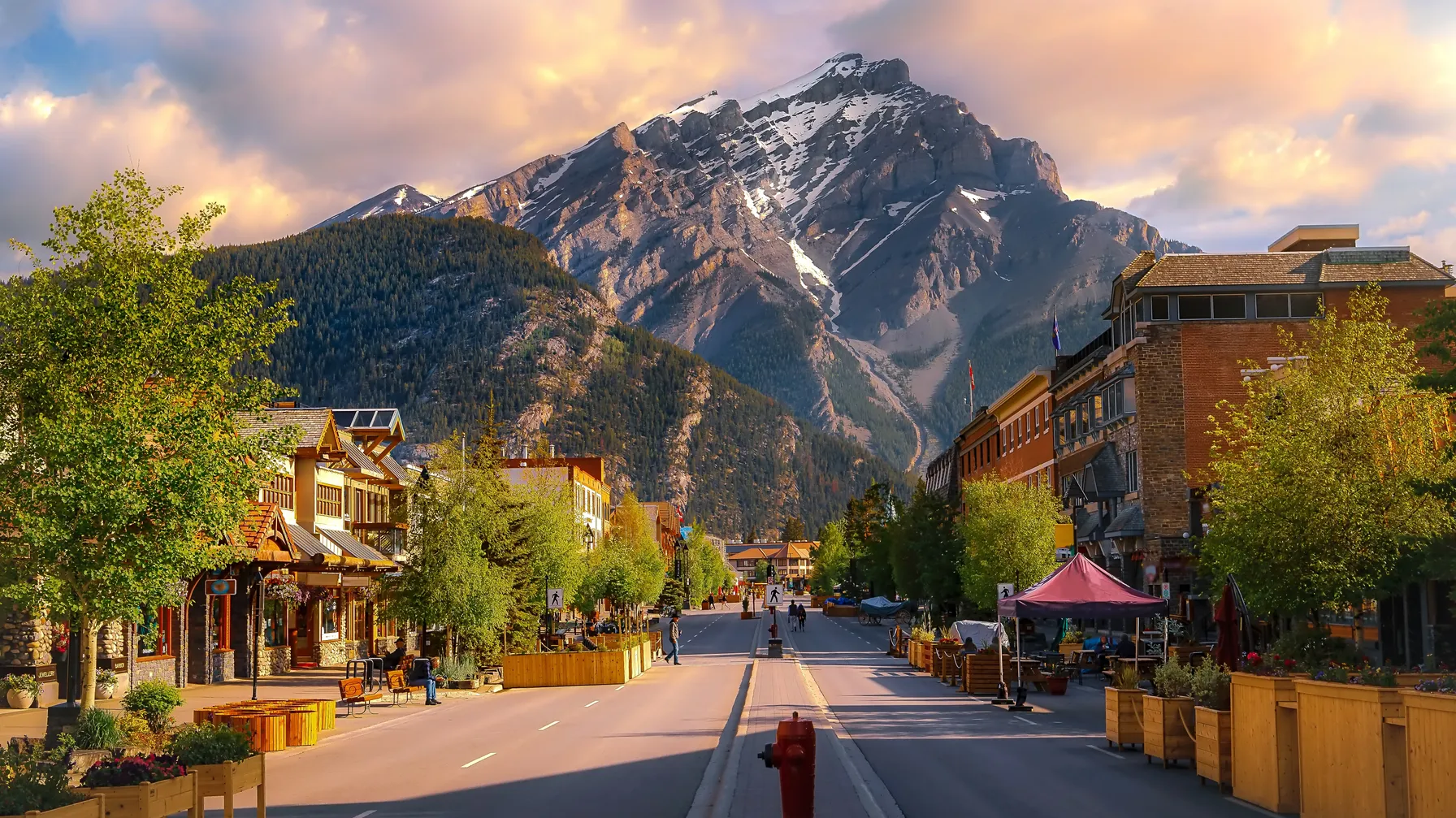
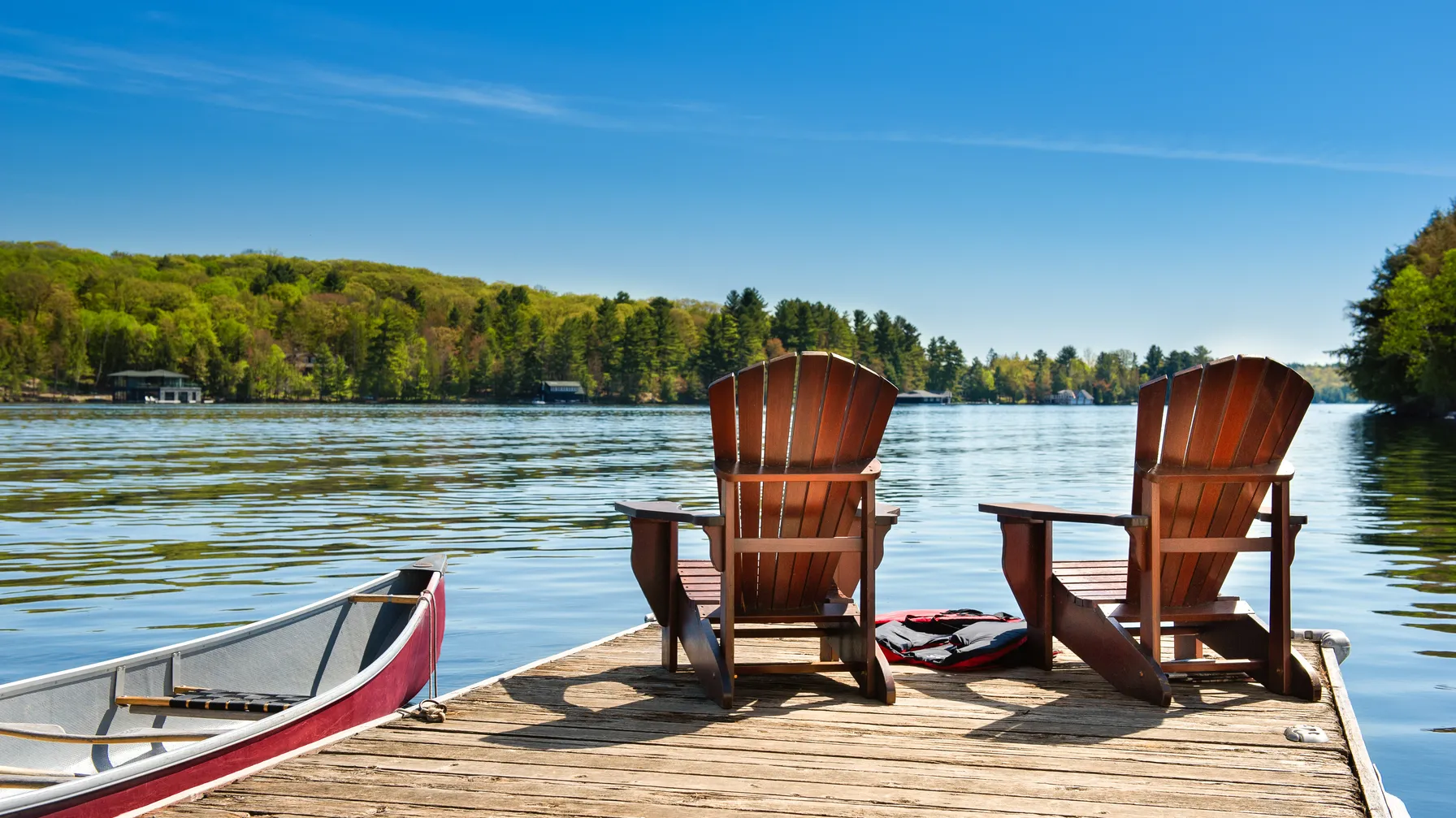
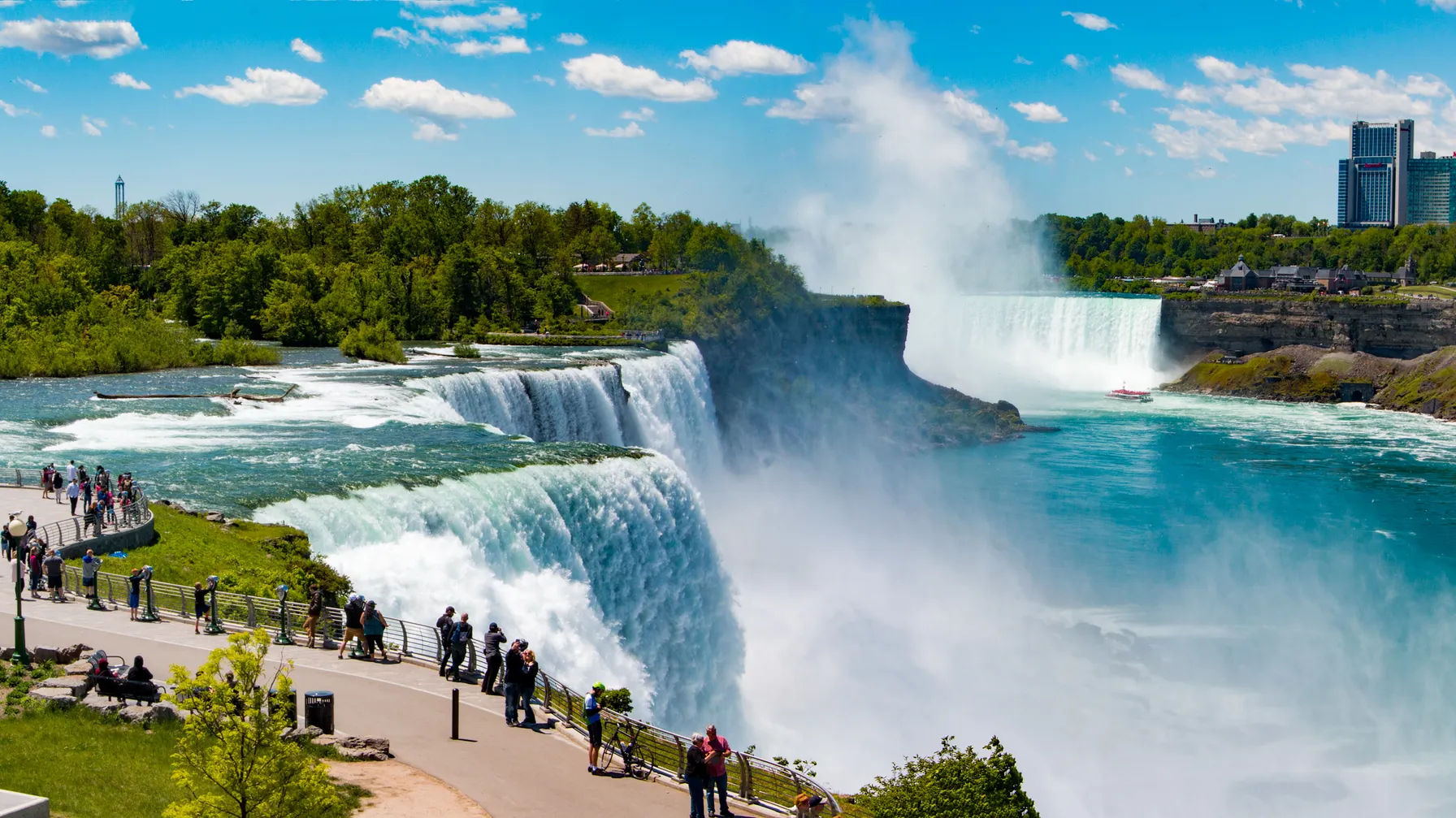
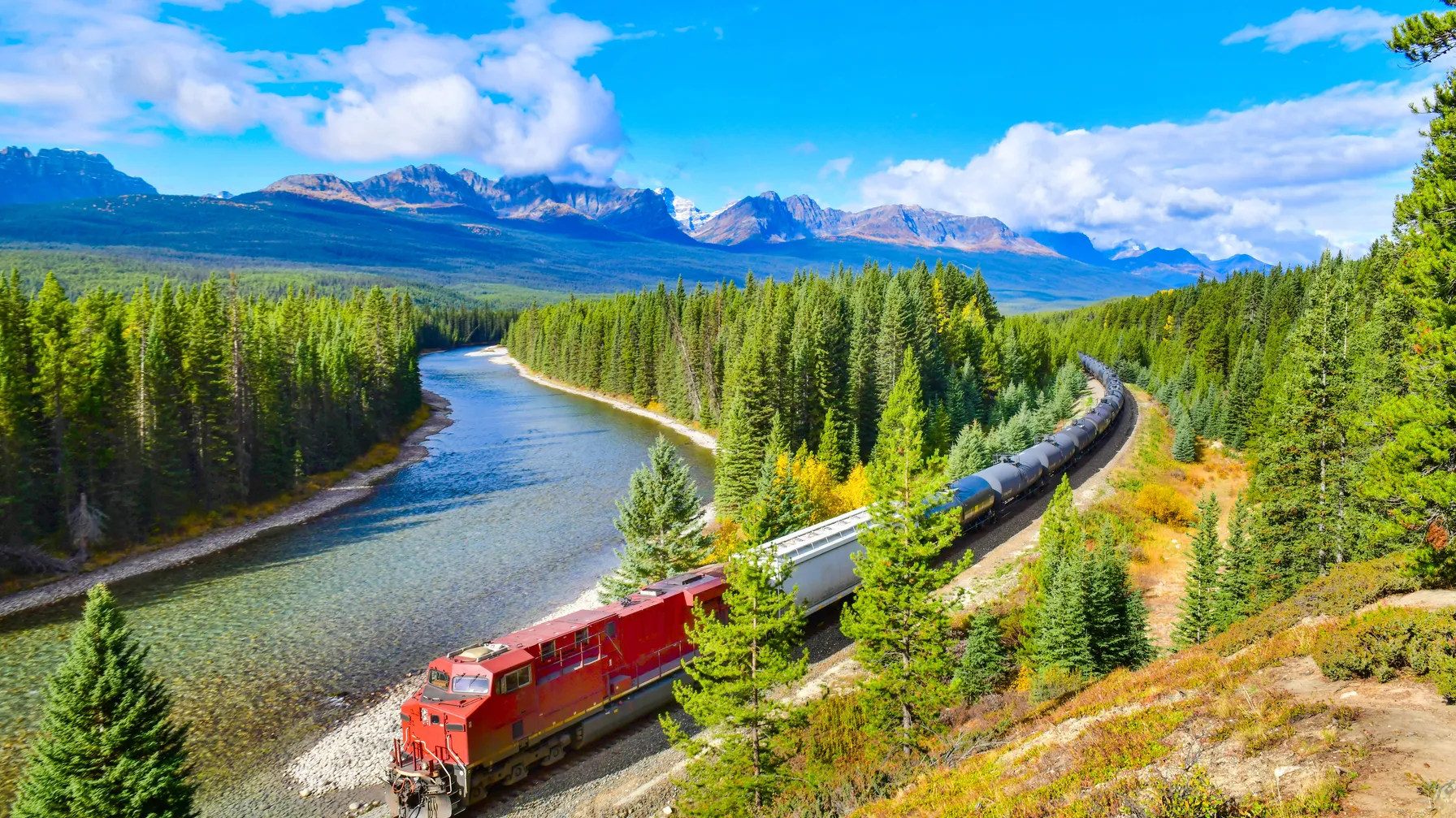
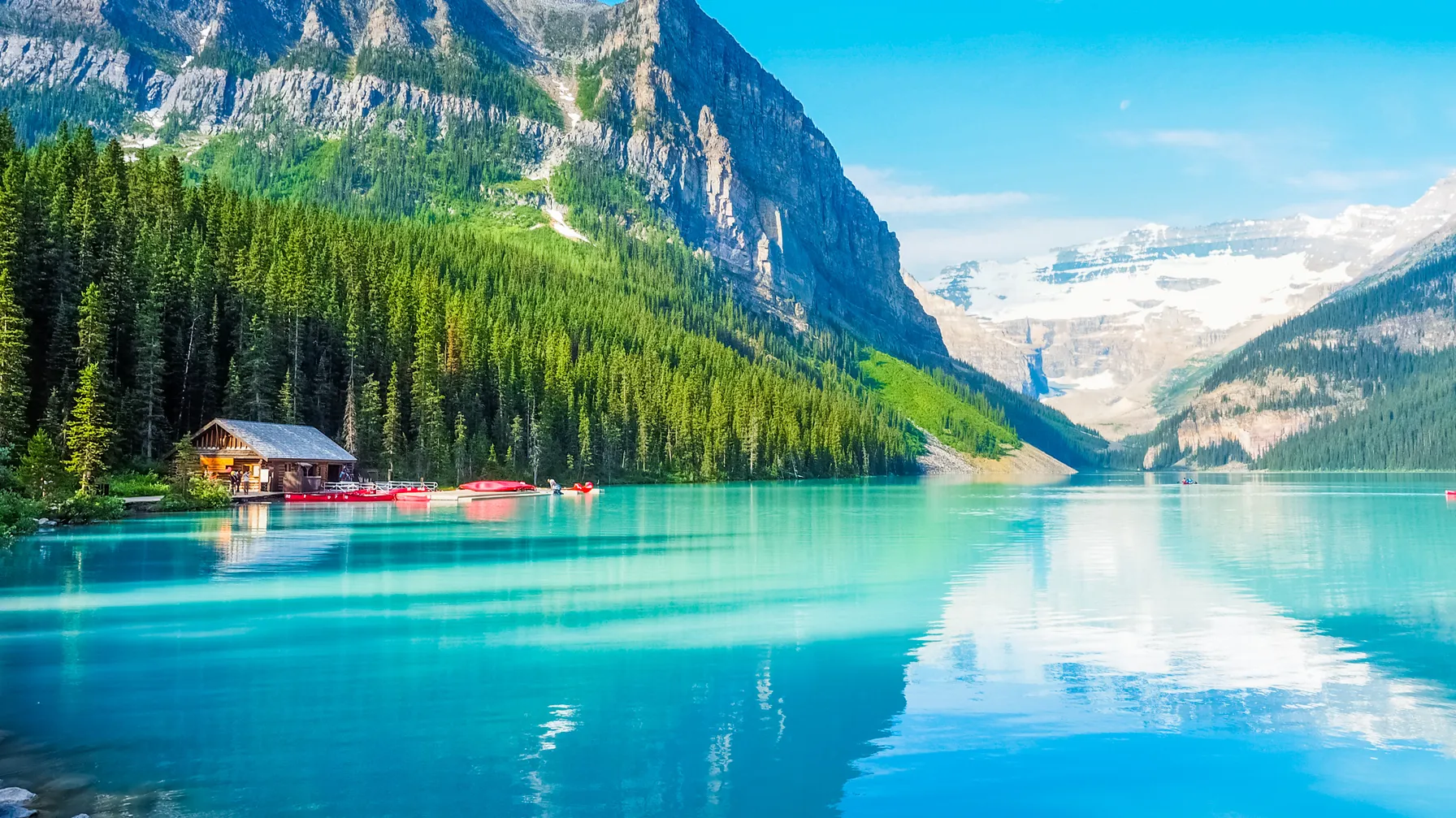
Whether it's a road trip in Western Canada, a hike in Banff National Park, or a cruise on the St. Lawrence River to watch whales, Canadian landscapes make themselves felt as a fully-fledged experience. Banff National Park, in Alberta, is one of the country's gems: its turquoise-coloured lakes and snowy peaks rank among the most breathtaking sites in the world. Traveling to Canada also means being surprised by Niagara Falls, getting lost in Manitoba's endless prairies, or discovering the Northern Lights in the heart of the Yukon. For a family trip, national parks offer activities suitable for all ages, from kayaking outings to nights in a chalet in the heart of nature.
Cities where culture meets easy living
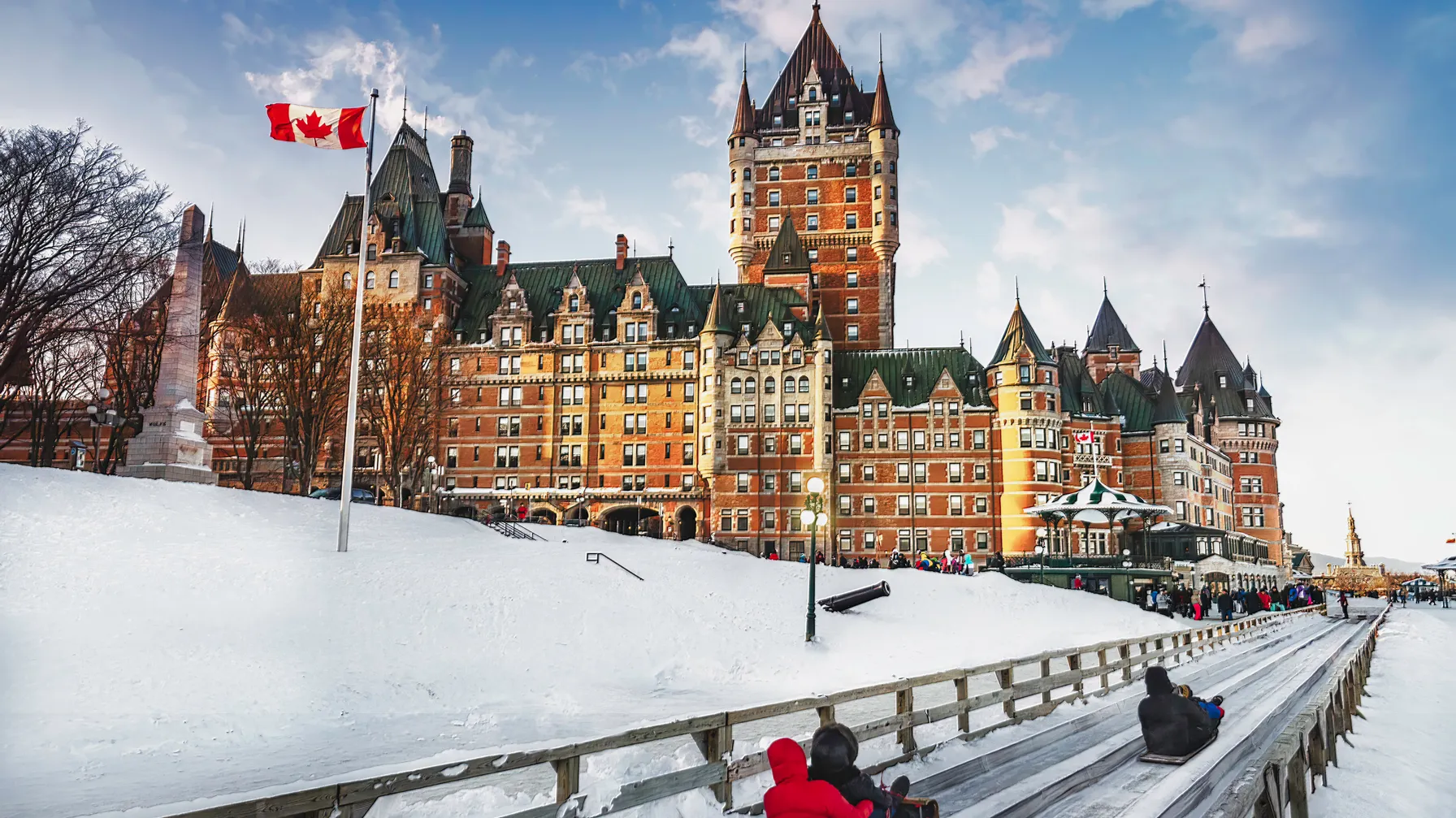
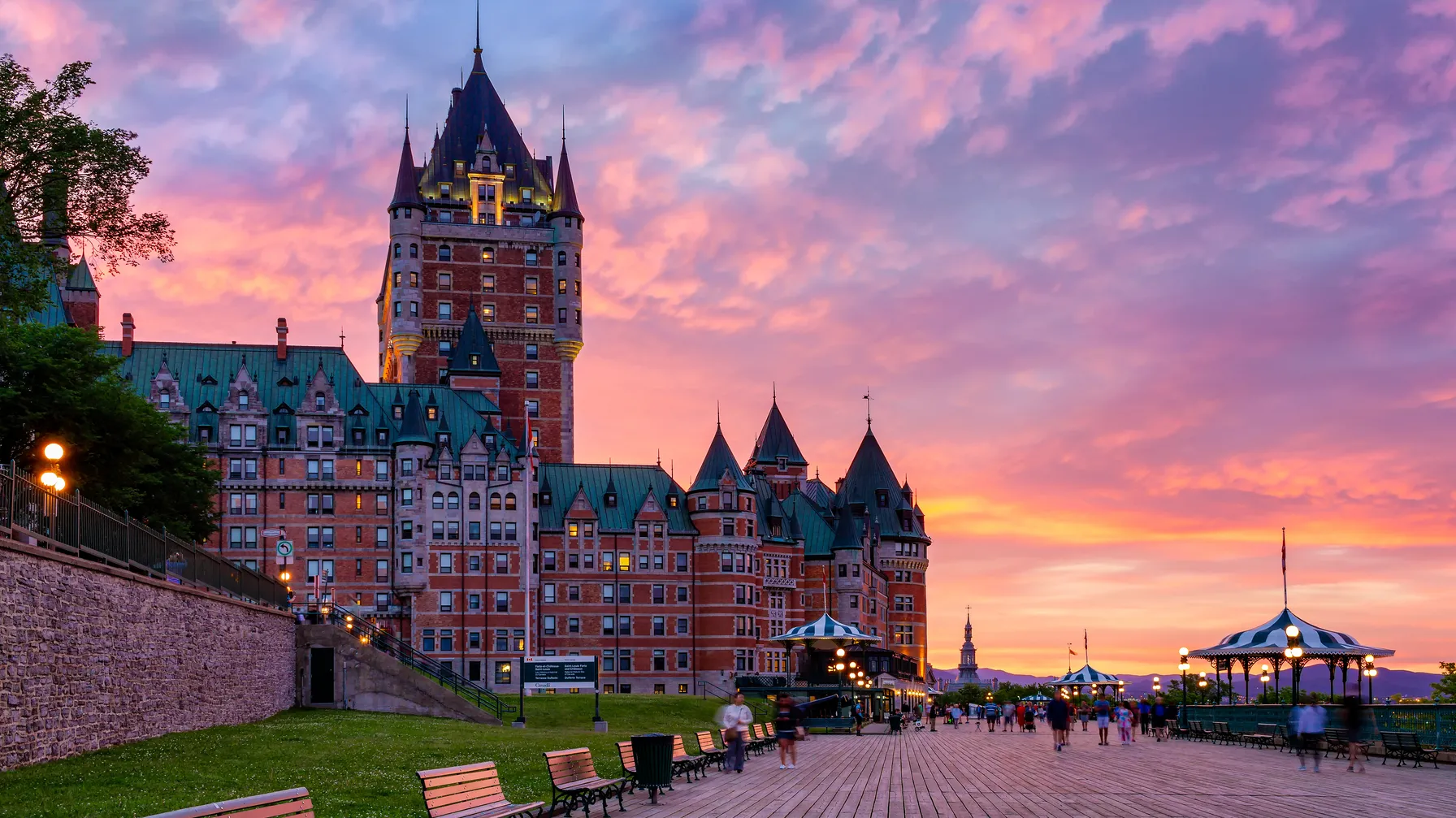
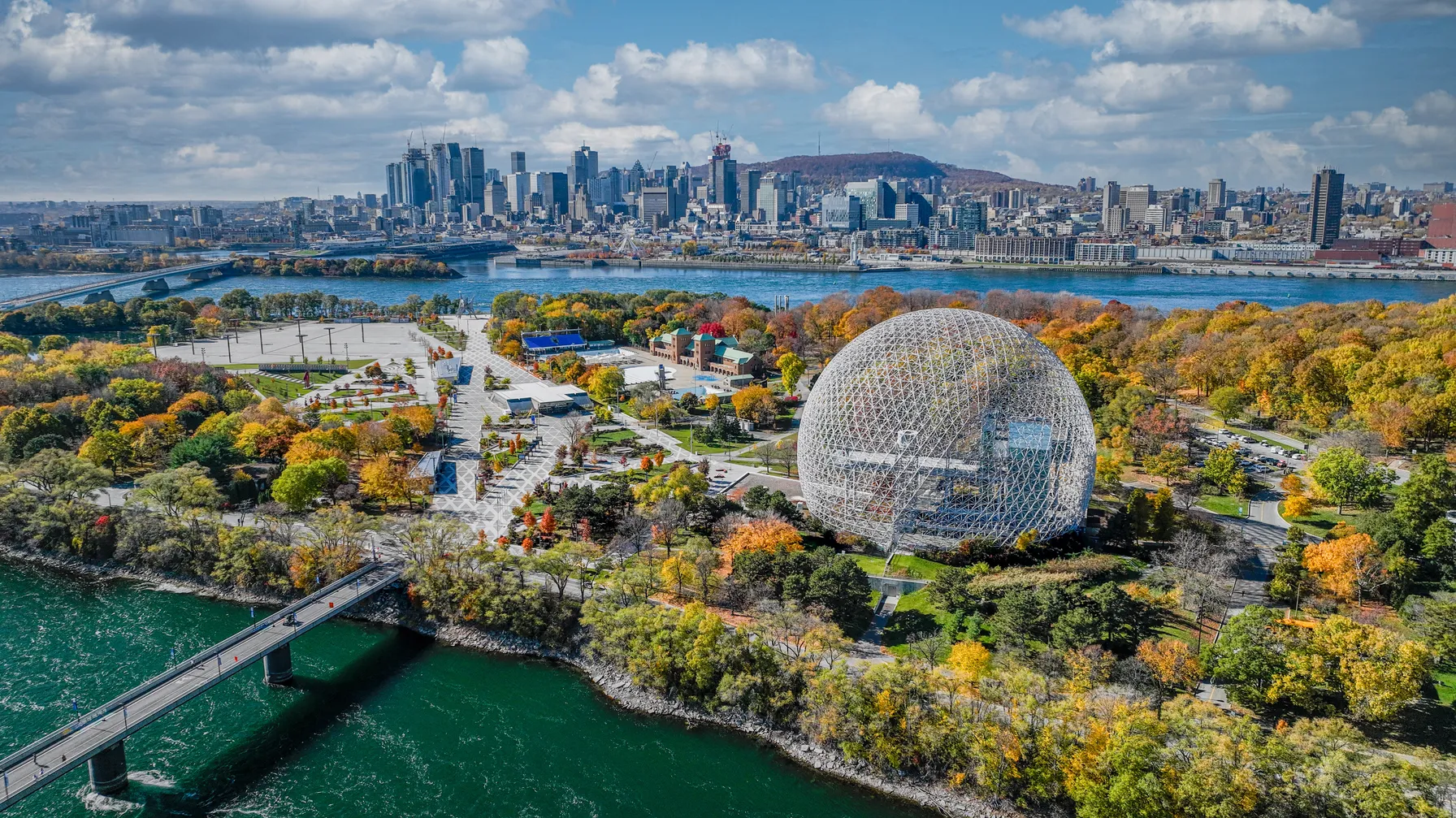
The urban experience is not to be outdone. Montreal and Quebec City embody the country's fascinating duality: a vibrant Francophonie, an architecture that blends European heritage with North American modernity, and a creative culinary scene. Toronto, Vancouver and Ottawa each have their own character, between artistic bustle, a privileged location between the ocean and the mountains, or political heritage. Gastronomy also deserves special attention: Quebecois poutine, Maritime seafood, wild Pacific salmon and Indigenous culinary experiences make each meal a true moment of sharing.
Contact us for more information about our tailor-made trips to Canada.
What is the best season to visit Canada?
Canada can be visited year-round, but each season offers a different experience. To help you choose the ideal time, here is an overview of the climate by month:
| Season | Period | Average temperatures | Ideal for |
|---|---|---|---|
| Spring | March – May | 5 to 15 °C | Hiking, wildlife viewing |
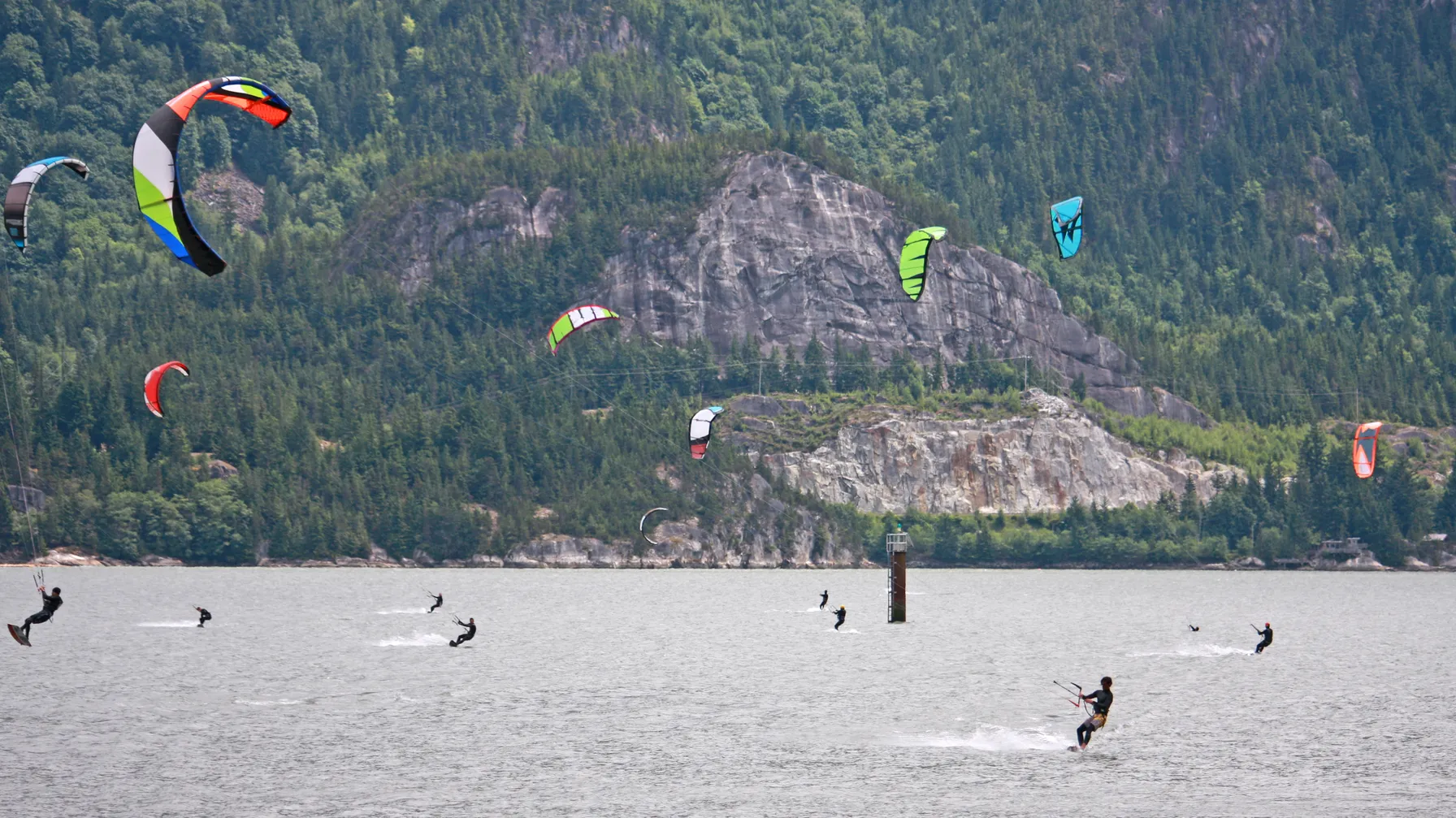
| Summer | June – August | 20 to 30 °C | Road trips, outdoors, festivals |
| Autumn | September – November | 5 to 20 °C | Indian summer, colorful forests |
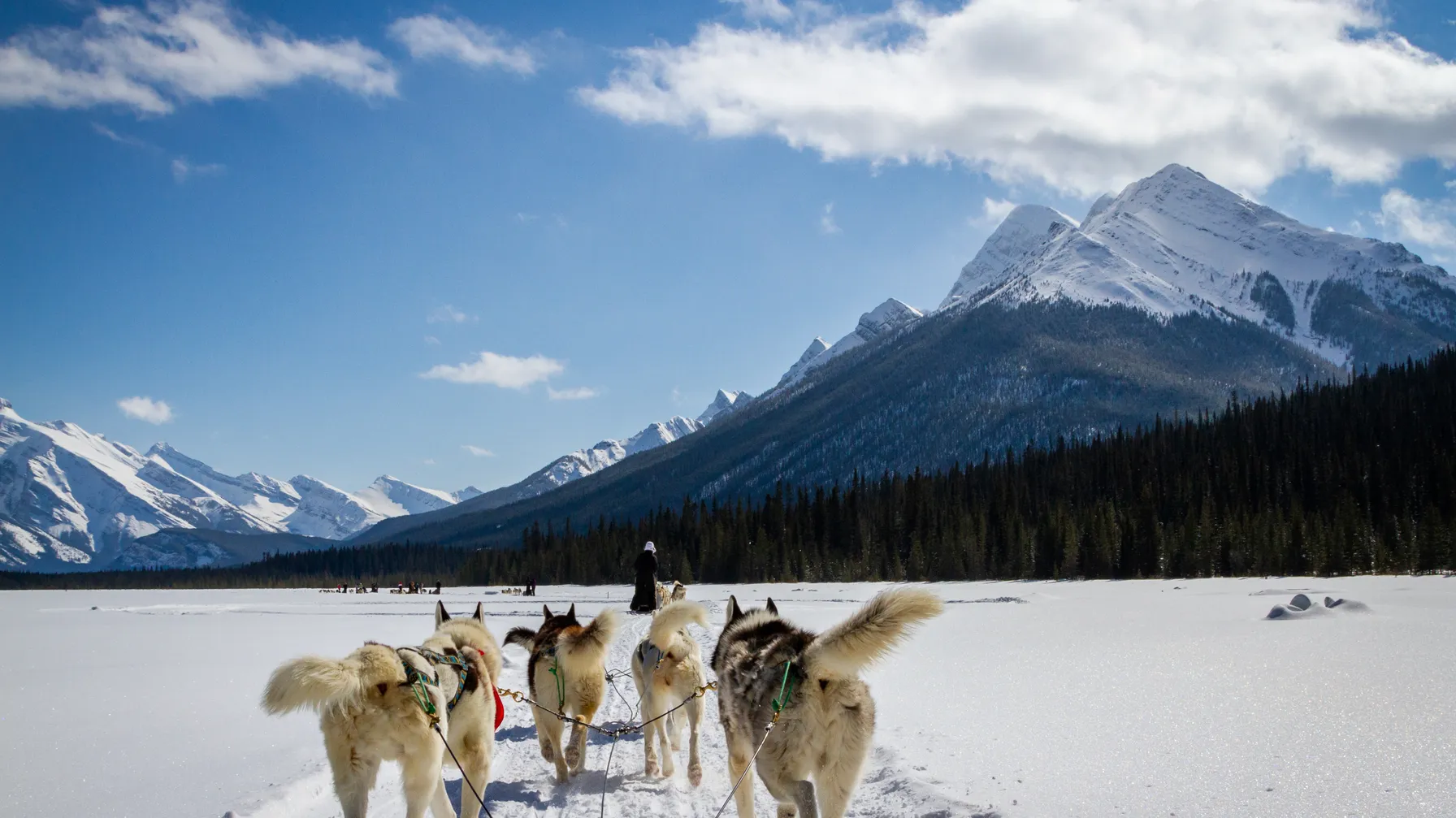
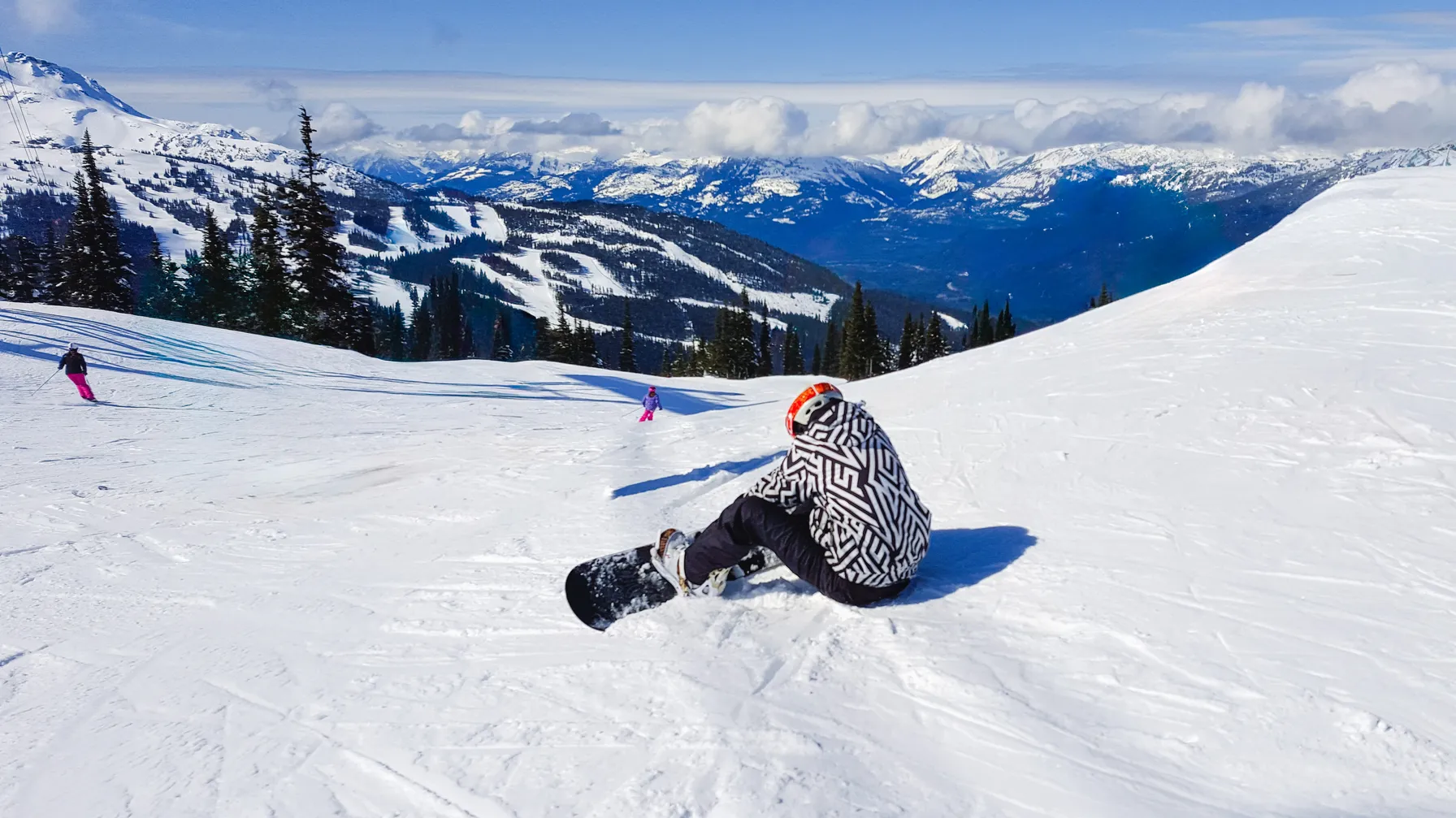
| Winter | December – February | -5 to -20 °C | Skiing, Northern Lights, winter sports |
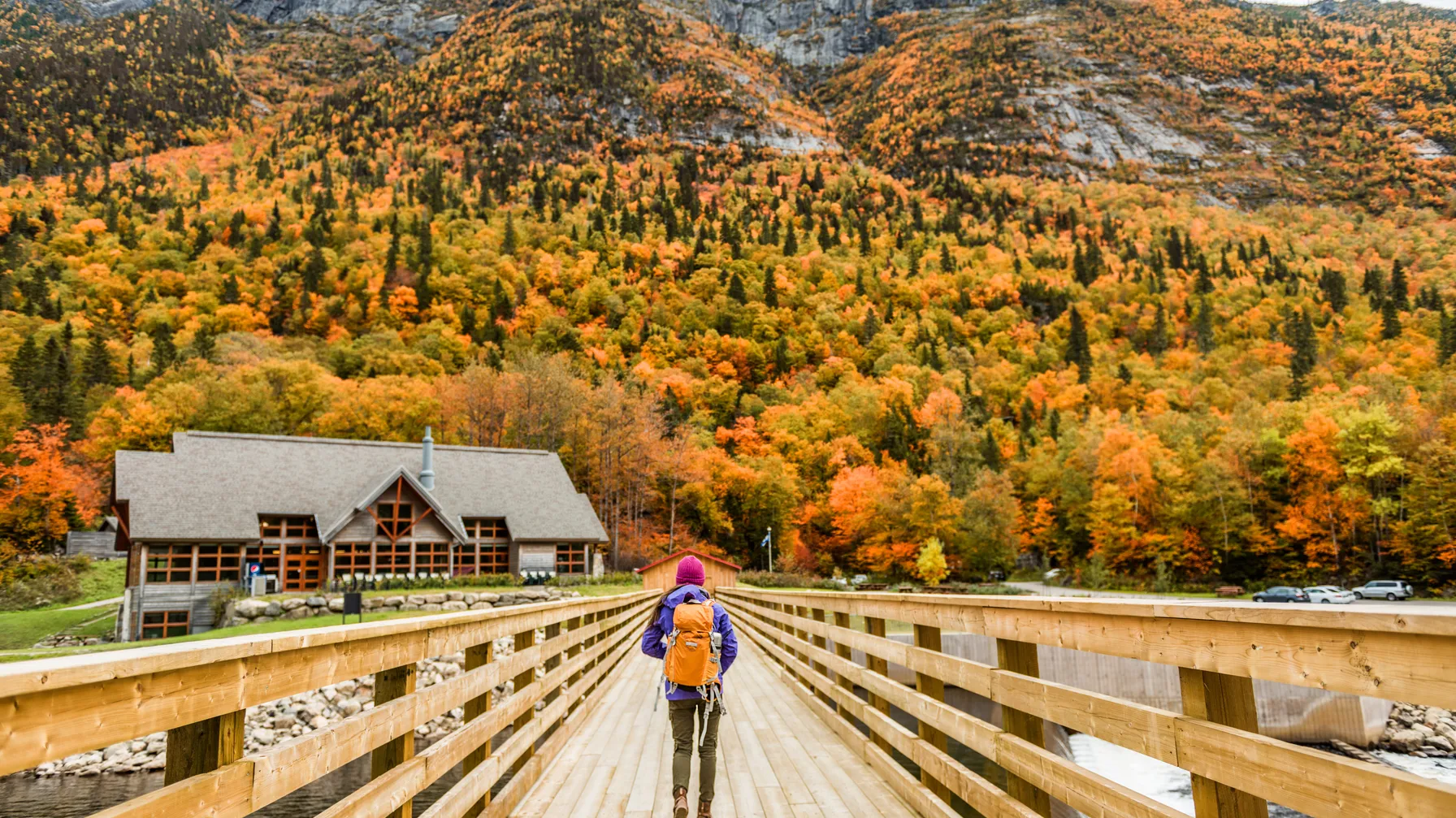
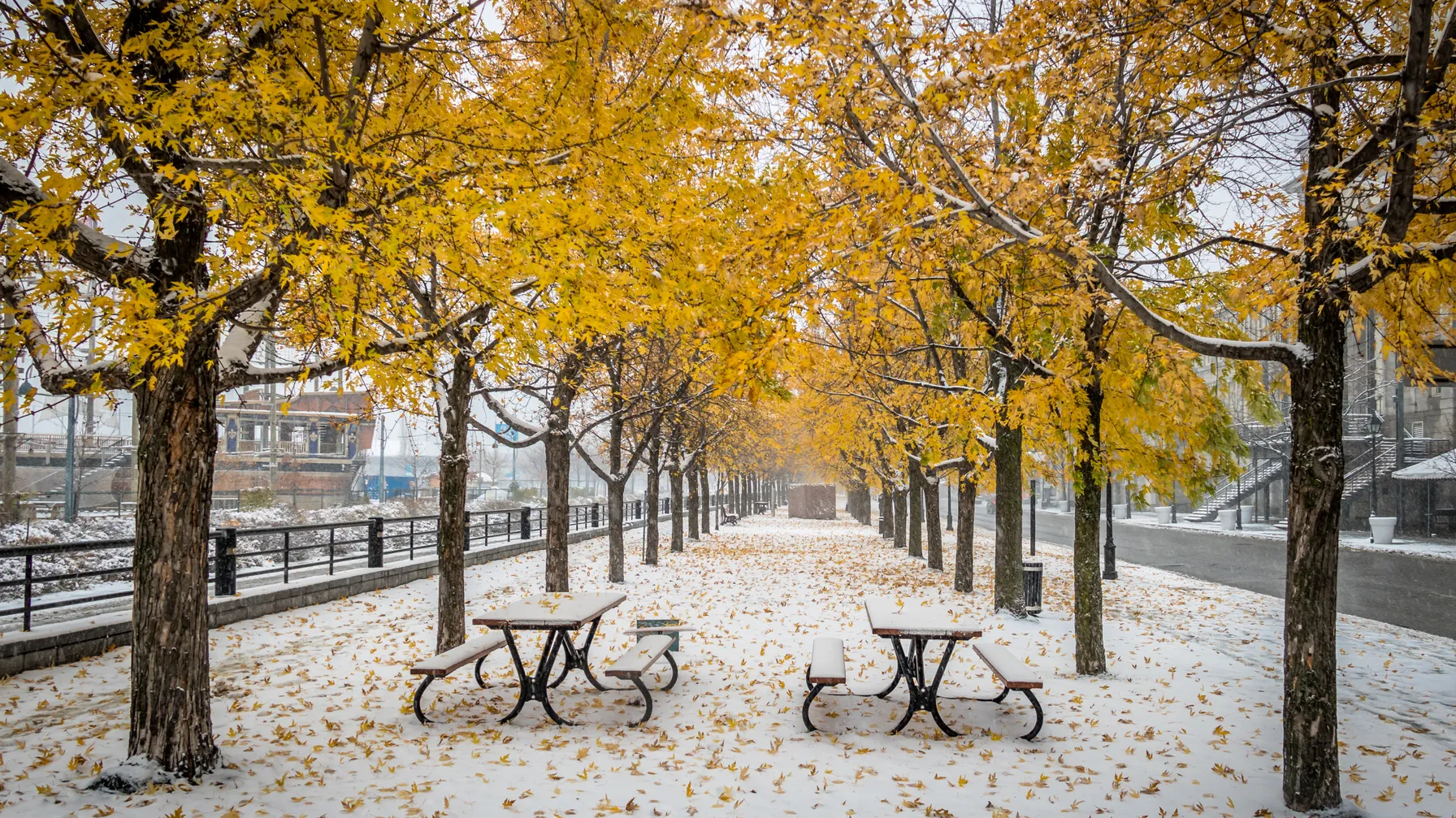
Summer remains the most sought-after time to travel to Canada: national parks are accessible and festivals are in full swing, notably in Montreal. Autumn, with its forests aflame with red and gold, is particularly spectacular in the eastern provinces. Winter, for its part, offers moments of striking beauty for skiers and lovers of pristine nature.
Smart tip: to enjoy national parks without the large crowds of peak season, June or September offer an ideal balance between pleasant weather and serenity.
What are the essential practical tips before traveling to Canada?
Preparing your trip to Canada requires a few points to note to travel with peace of mind. In terms of formalities, no visa is required for French nationals, but the ETA (Electronic Travel Authorization) is mandatory for any air travel. This process is done online on the official website of the Canadian government for a cost of about 7 Canadian dollars. The local currency is the Canadian dollar (CAD) and the time difference ranges from -6 hours in Montreal to -9 hours in Vancouver.
On the transport side, renting a car remains the most flexible option to explore the open spaces, especially for a road trip in Western Canada or in the Laurentians. For long distances between major cities, domestic flights are an alternative to consider. Here are the essentials to pack for your suitcase depending on the season :
- Layered clothing, essential for dealing with temperature variations;
- Sturdy hiking shoes for national parks;
- Sunscreen and a mosquito repellent for stays in the great outdoors.
Did you know? In national parks like Banff or Jasper, campsites and shuttles are booked several months in advance. Planning ahead is the key to a well-orchestrated Canadian itinerary.
To design an itinerary that really reflects you — whether it's a family trip, a romantic getaway, or a solo adventure — relying on the expertise of a Travel Planner helps save valuable time. With Vialala, every detail of your tailor-made trip is designed for you, with complete transparency about providers and prices.
Book your trip to Canada now with Vialala.
Demandez votre devis Canada sur-mesure 100% gratuit
 4.8
4.8+3.000 travelers satisfied