Canada in January: weather, activities and great deals to plan your trip
What climate and weather should you expect in Canada in January?
Before planning your trip, it is essential to understand the realities of the climate and weather in Canada in January. This month corresponds to the heart of the Canadian winter, with temperatures varying significantly by region. Far from a constraint, these conditions are precisely what make Canada in January so unique and so exotic for travelers seeking Nordic adventure.
Eastern Canada under its white blanket
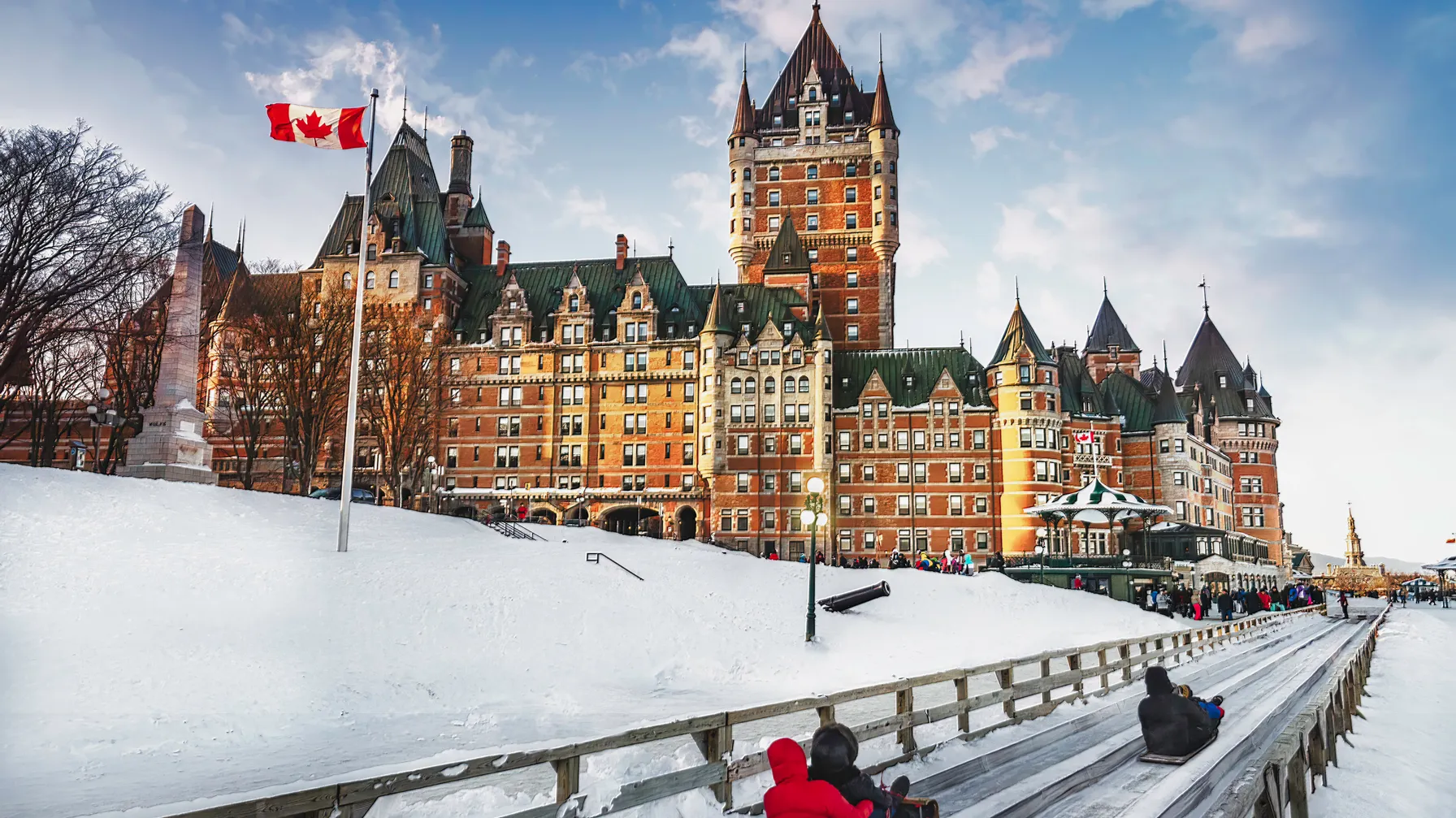
In the eastern part of the country, snowfall is abundant and average temperatures range from -16°C to -7°C in Montreal as in Quebec City. Ottawa shows similar values, with lows that can drop to -15°C. In Winnipeg, winters are among the harshest on the continent: the average temperature there hovers around -20°C, and the deep cold can push the mercury far below zero. Despite short days and limited sunshine, the winter atmosphere of these cities is truly enchanting. The city of Quebec, in particular, takes on a Nordic look in January with its snow-covered cobblestone streets and illuminated façades.
Here is an overview of average temperatures in the major cities of Eastern Canada in January:
| City | \nMinimum temperature | \nMaximum temperature | \nAverage sunshine | \n
|---|---|---|---|
| Montreal | \n-16°C | \n-7°C | \n2 hrs/day | \n
| Quebec | \n-16°C | \n-7°C | \n2 hrs/day | \n
| Ottawa | \n-15°C | \n-5°C | \n3 hrs/day | \n
| Winnipeg | \n-24°C | \n-13°C | \n4 hrs/day | \n
| Halifax | \n-8°C | \n1°C | \n3 hrs/day | \n
The Canadian West, a winter with many faces
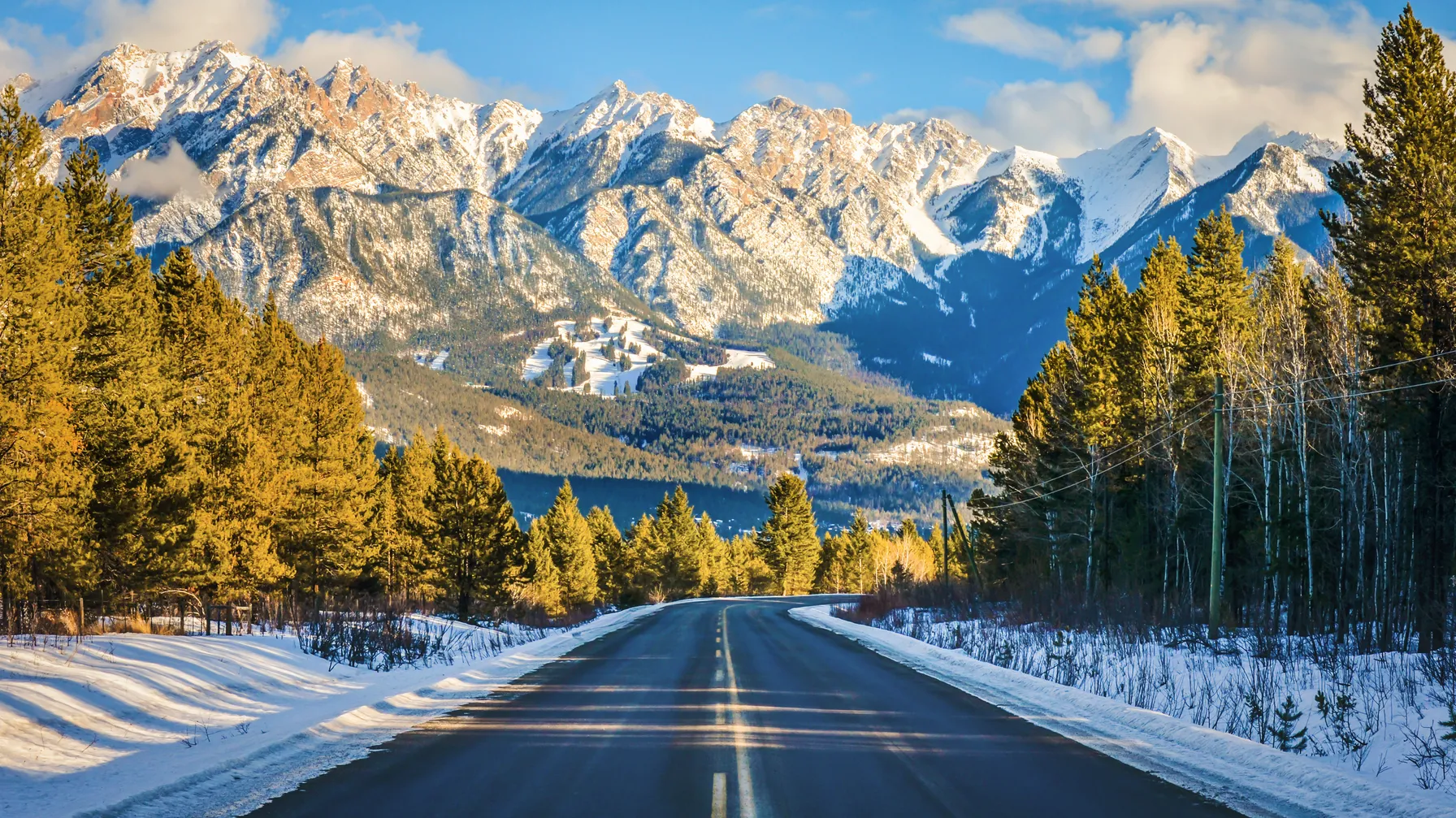
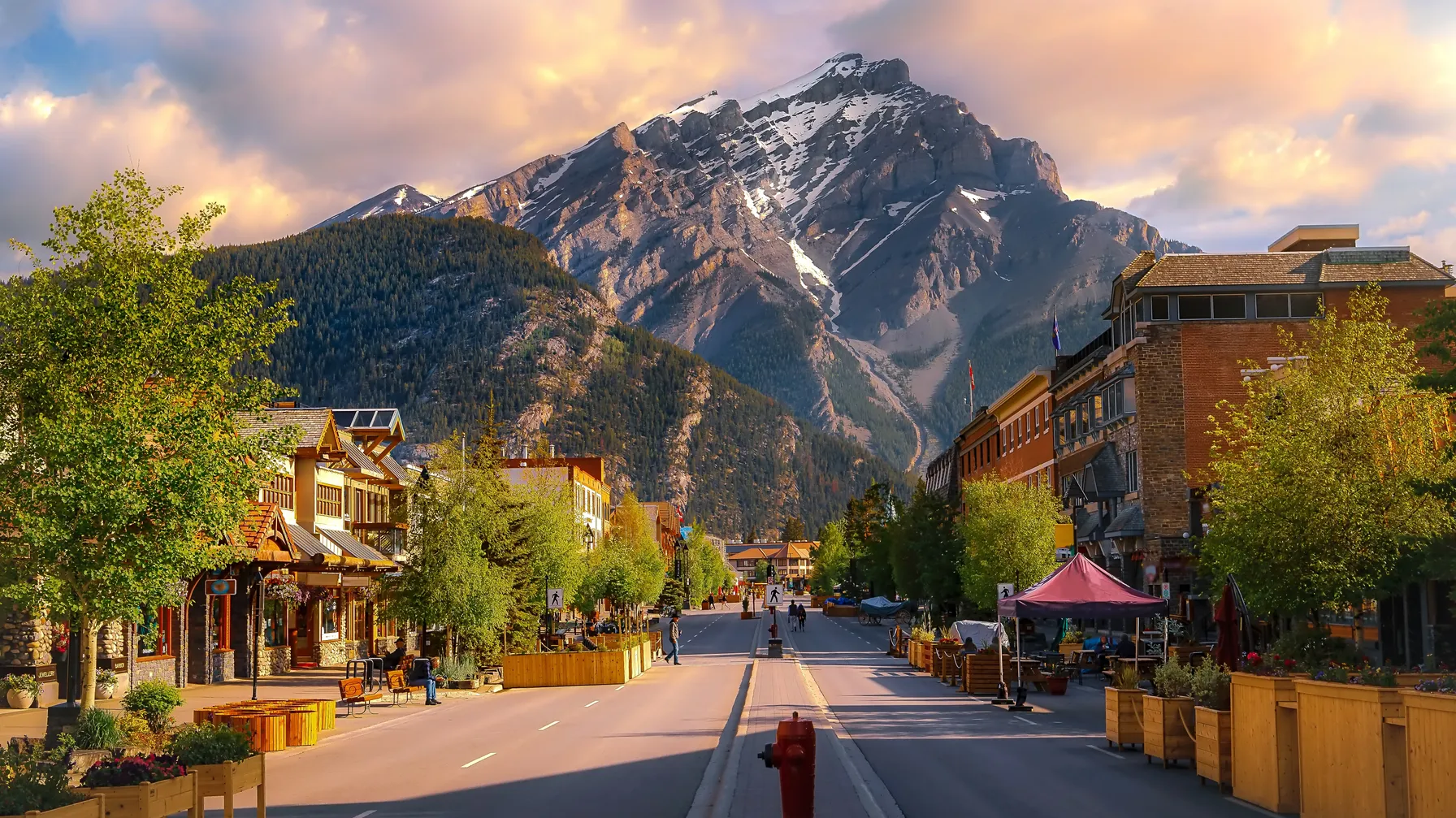
The Canadian West presents a completely different picture in January. Vancouver enjoys a clearly milder climate, with temperatures between 1°C and 6°C. Rain often replaces snowfall there, which makes it an atypical destination for a winter trip to Canada. Conversely, Calgary and the Canadian Rockies show much more wintry conditions, ideal for skiing in nearby resorts such as Banff. Temperatures range between -10°C and 0°C, with relatively generous sunshine for the season, averaging about four hours per day on average.
Contact us for more information on the best times to travel to Canada.
What to do in Canada in January?
Traveling to Canada in January means letting the deep winter cold dictate a different way of traveling: more immersive, more adventurous, and incredibly rich in sensations. This January is arguably one of the most generous in experiences for those who wish to experience winter in Canada in all its authenticity. From winter sports to cultural getaways, the possibilities are numerous and varied.
Winter sports at the heart of the great outdoors
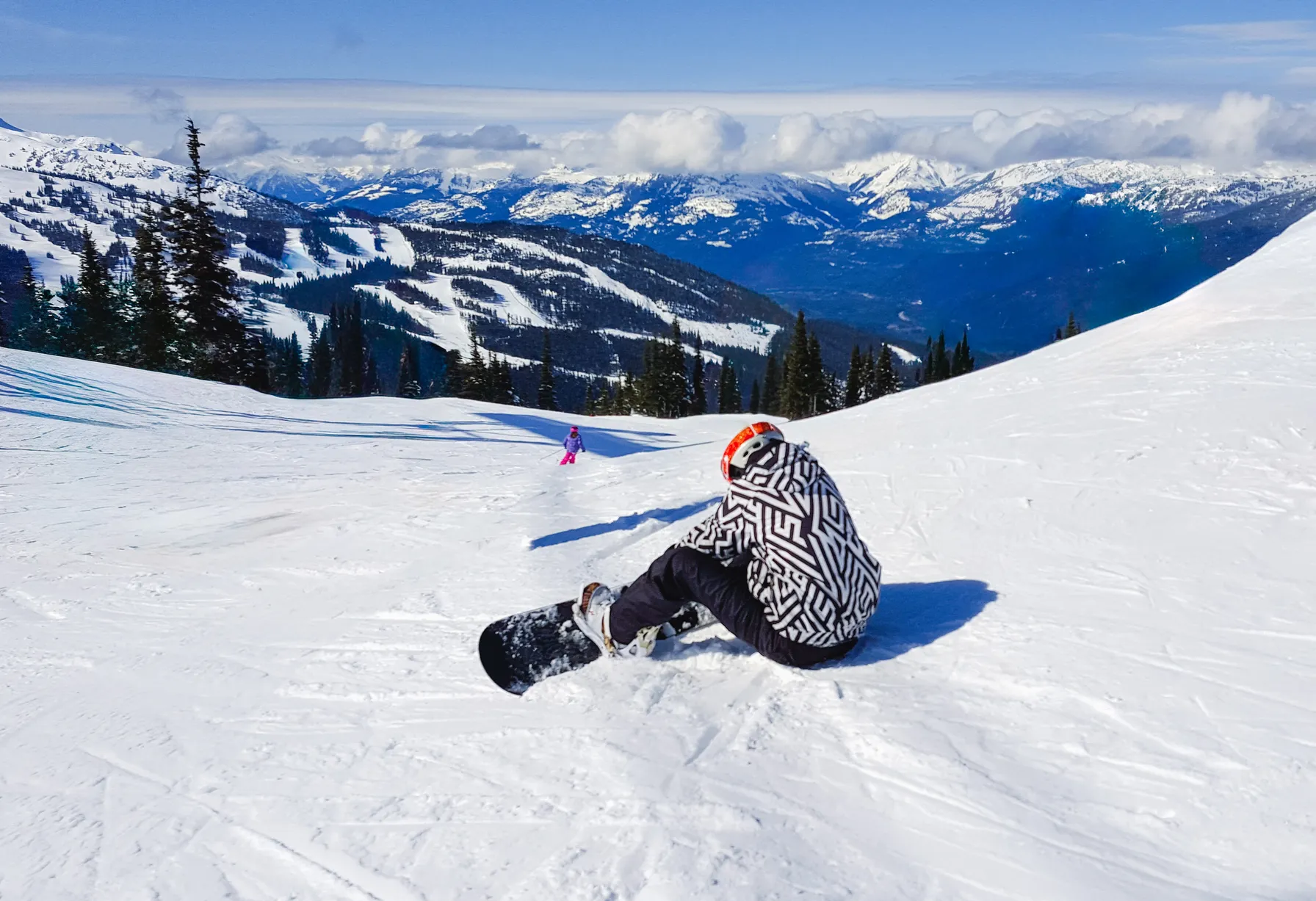
Winter trips in Canada are inseparable from outdoor activities. Skiing in the Rockies or the Laurentians, snowshoeing in a national park, racing down the snowy slopes of Mont-Tremblant… the options are plentiful for thrill-seekers. The winter tourist season in January offers optimal snow conditions and fully open ski areas. Compared with February's peak season, January also allows you to enjoy the slopes with fewer crowds, in a more intimate atmosphere.
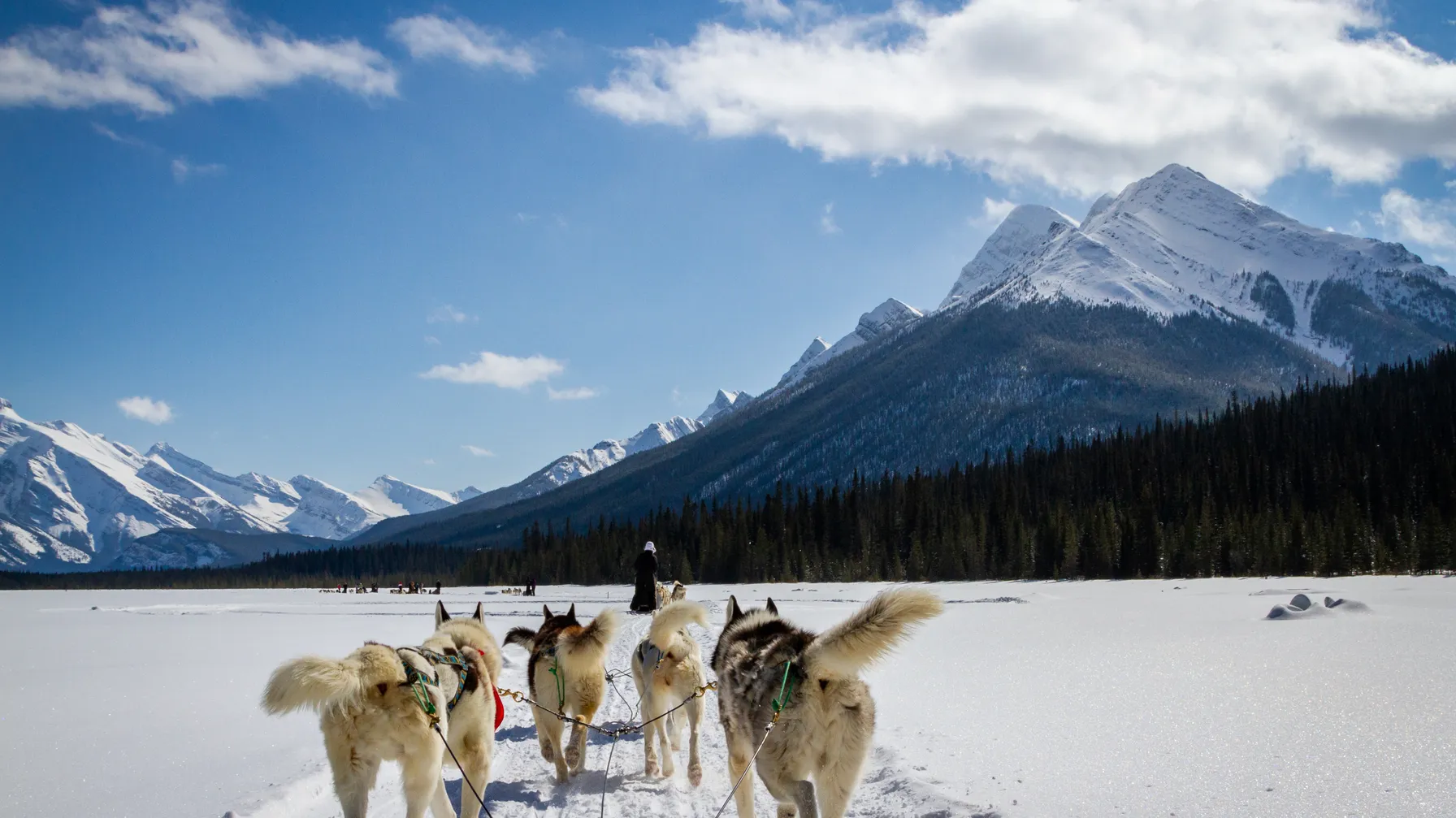
For families seeking a change of scenery, dog sledding is one of the most memorable experiences you can offer your children. Guiding a dog sled team through Quebec's snowy forests, caring for the sled dogs and immersing yourself in the wilderness is an adventure that leaves a lasting impression.
Unusual experiences in the heart of the Great North
For travelers in search of the rare and the sublime, the Canadian Far North opens in January to an unforgettable spectacle: the Northern Lights. The Yukon is one of the most popular destinations to observe this natural phenomenon in exceptional conditions. January’s clear nights, with their deep darkness, provide an ideal setting to contemplate these veils of light that dance silently in the sky.
Beyond the Northern Lights, the Great North invites extraordinary adventures: nights in a lodge immersed in the boreal forest, snowmobile outings across icy expanses, an introduction to the musher trade. This type of stay, at the border between adventure and contemplation, is suitable for both solo travelers and couples seeking a moment of intimacy at the edge of the world.
Did you know? In January, it's also possible to observe whales off Victoria, on Vancouver Island. Outings organized by local guides allow you to spot these giants of the seas, accompanied by sea lions and seals, for a wildlife encounter quite unexpected in the middle of winter.
Enjoying Canadian cities in mid-winter
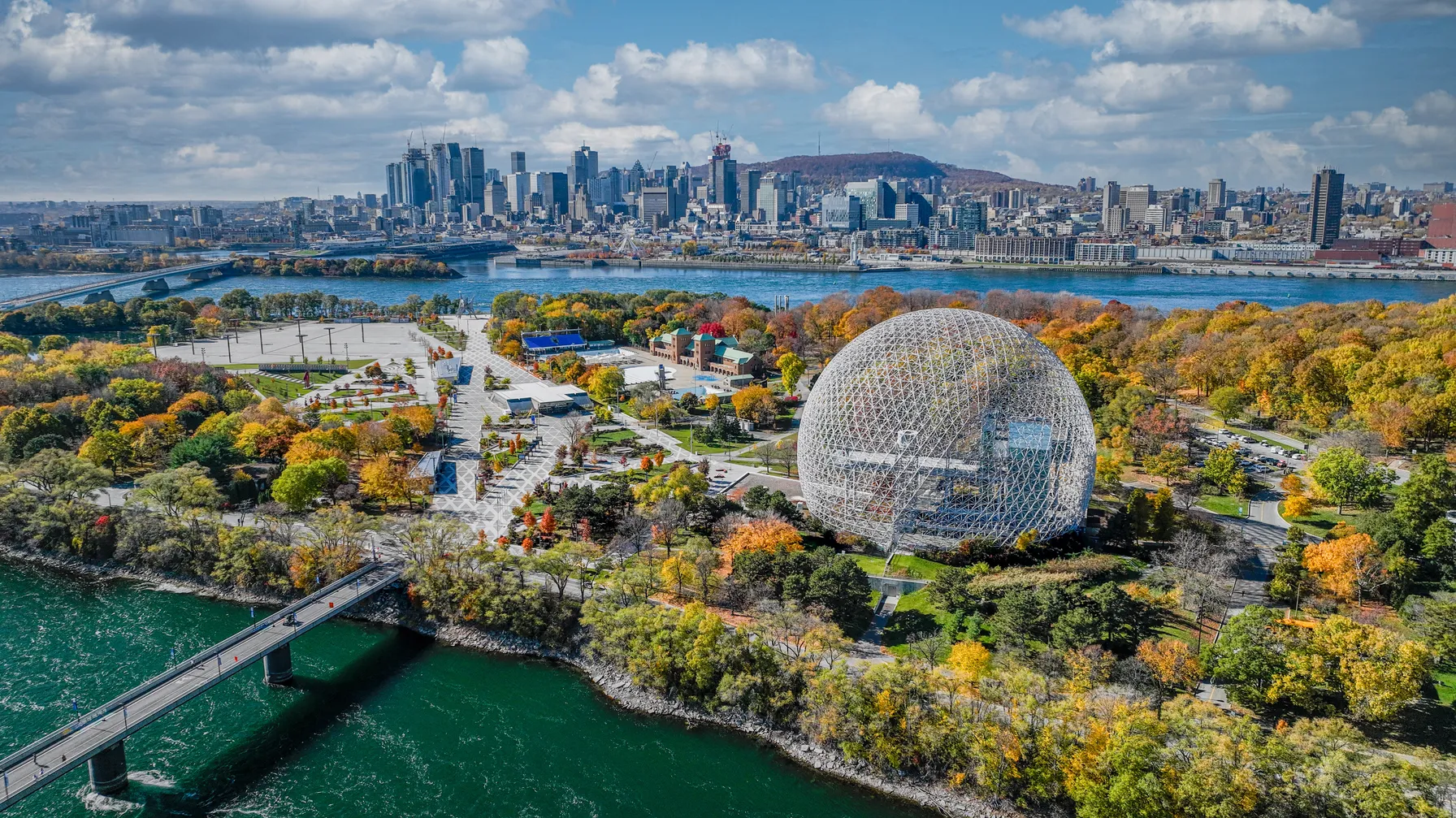
Voyager au Québec en janvier, c'est aussi s'accorder le temps de découvrir ses villes les plus emblématiques sous leur plus bel habit d'hiver. La ville de Québec, joyau du patrimoine nord-américain, est particulièrement saisissante en cette saison. Ses remparts enneigés, ses musées, ses festivals de glace et son architecture unique en font une étape incontournable pour les amateurs de culture et d'histoire. À Montréal, la vie culturelle ne s'arrête jamais : galeries d'art, restaurants gastronomiques, marchés hivernaux et concerts font de la métropole québécoise un terrain de jeu stimulant, même par grand froid.
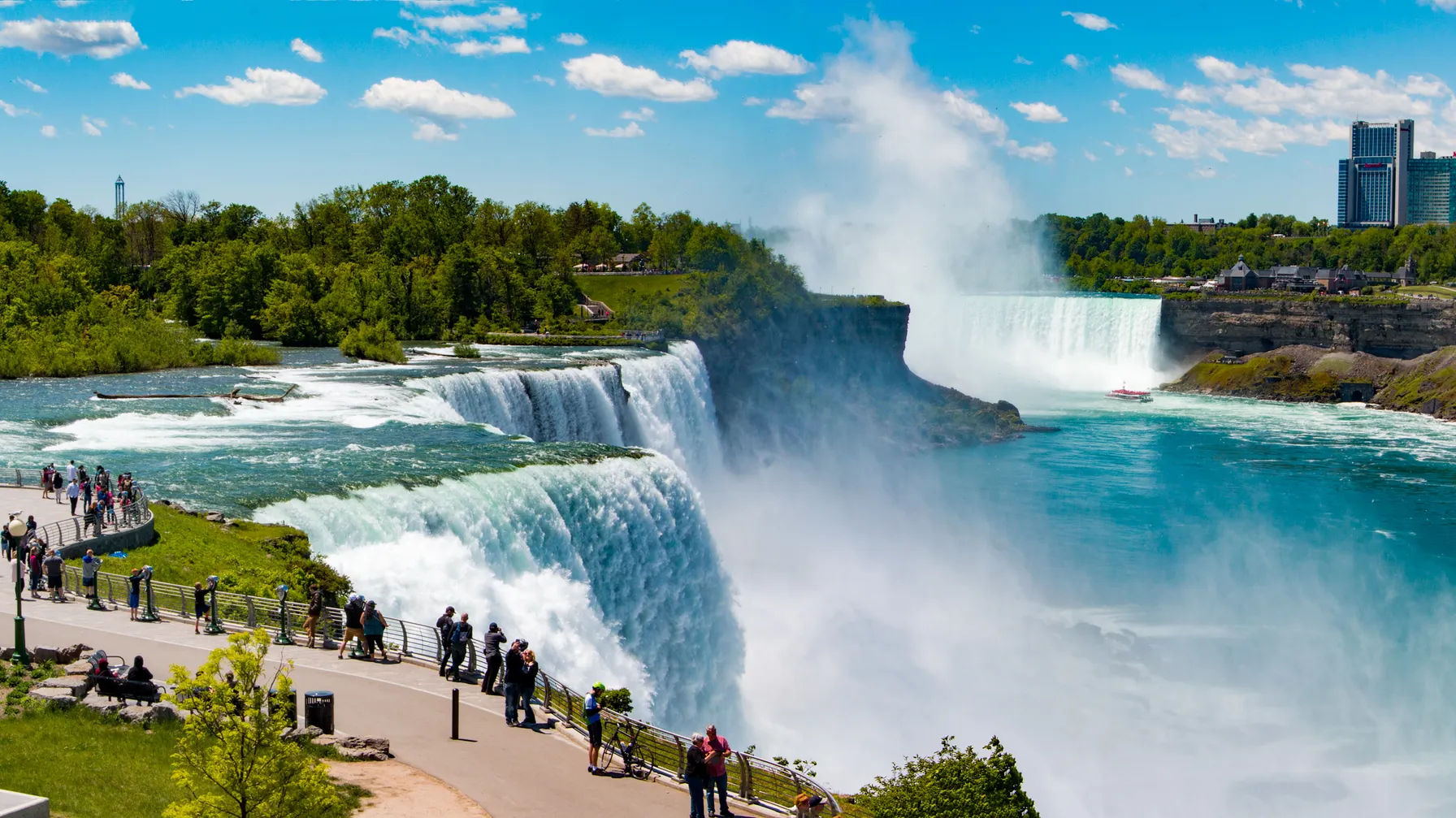
Niagara Falls, for their part, offer a striking spectacle in January. Partially frozen, they take on an almost unreal dimension that few travelers have the chance to see. It is one of those moments when every detail of the landscape seems suspended in time, and one understands why Canada in winter is a destination in its own right.
Book your trip to Canada now and experience Canadian winter as you have never imagined.
Is January in Canada right for you?
Traveling to Canada in January is a unique experience, not suitable for all profiles in the same way. It is not the best time for travelers seeking sun and warmth, but it is, on the contrary, an ideal month for lovers of wild nature, winter sports and wide-open spaces. In terms of the tourist season, January lies between the holiday frenzy and the peak of the high season in February, which allows you to enjoy iconic sites in a more serene setting, with often more affordable prices.
Practical tips for planning your January stay.
Planning your trip requires a few essential precautions to fully enjoy every moment. Here are the points not to neglect before heading to Canada in January:
- Plan for thermal underwear, a windproof waterproof jacket, a hat, insulated gloves, and non-slip winter boots;
- Opt for merino wool socks, much better insulators than cotton, especially for long days outdoors;
- Book your accommodations in advance, especially if you are aiming for lodges or charming addresses in sought-after areas like Banff or the Yukon;
- Consider a tailor-made trip to tailor each leg to your wishes, at your own pace and according to local weather conditions.
Our Travel Planners' tips: if the month of January seems too demanding for you, February remains an excellent alternative for traveling to Canada in winter. Snow conditions there are often optimal, the days are slightly longer, and the atmosphere is just as enchanting. March, for its part, offers a gentle transition with temperatures rising gradually, ideal for those who want to enjoy the last snow without facing the rigors of the deep cold.
Contact us for more information and let our experts craft your tailor-made trip to Canada, according to your wishes and your travel style.
Demandez votre devis Canada sur-mesure 100% gratuit
 4.8
4.8+3.000 travelers satisfied