When to go to Canada: the guide to choosing your ideal time
What weather can you expect in Canada by season?
Canada experiences significant climate variations throughout the year. The ideal time to visit the country largely depends on what you want to experience there. From long summer days to nights lit by the Northern Lights, each season has its own attractions and its own requirements.
From June to September: the peak summer season and its vast spaces
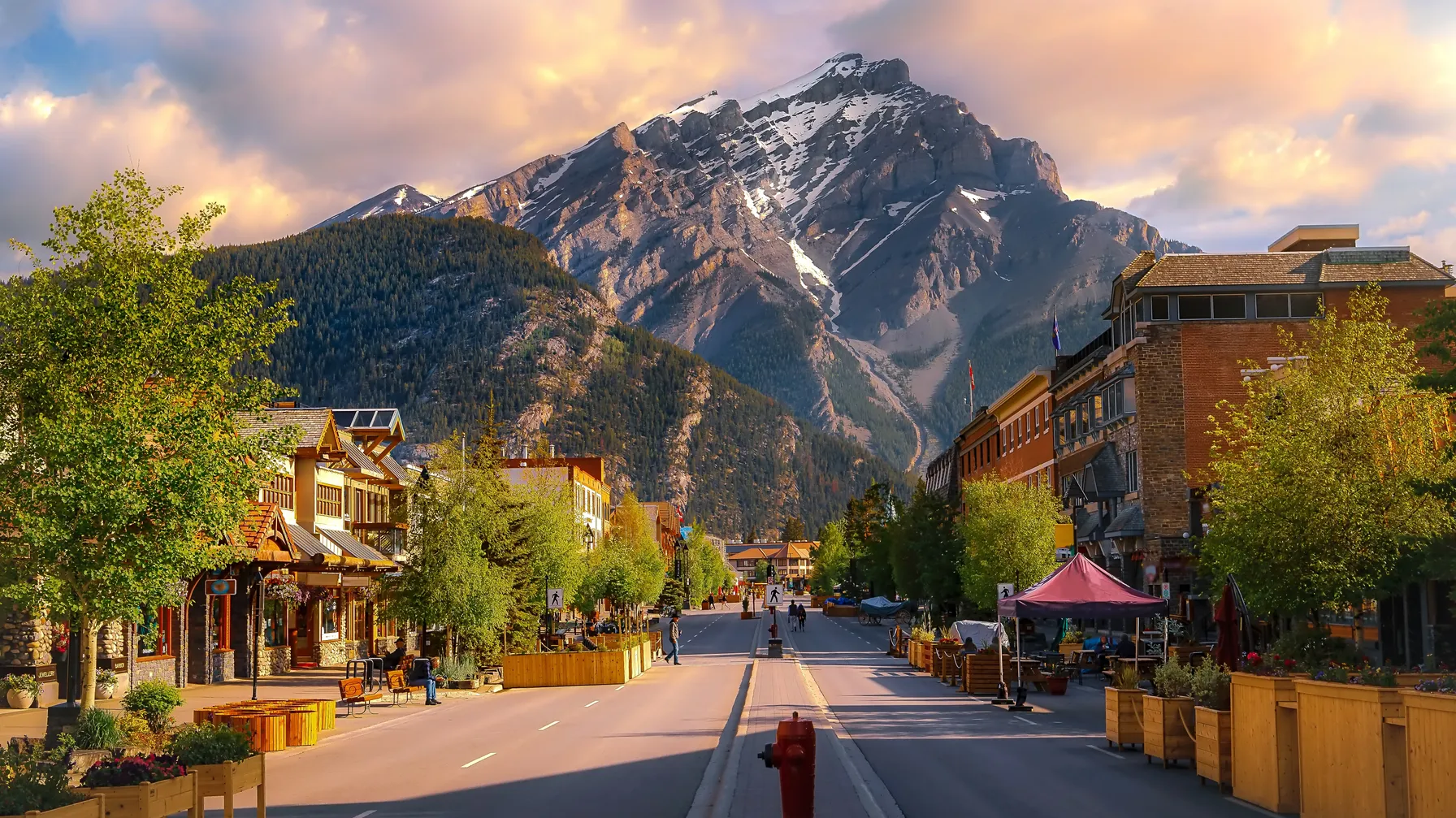
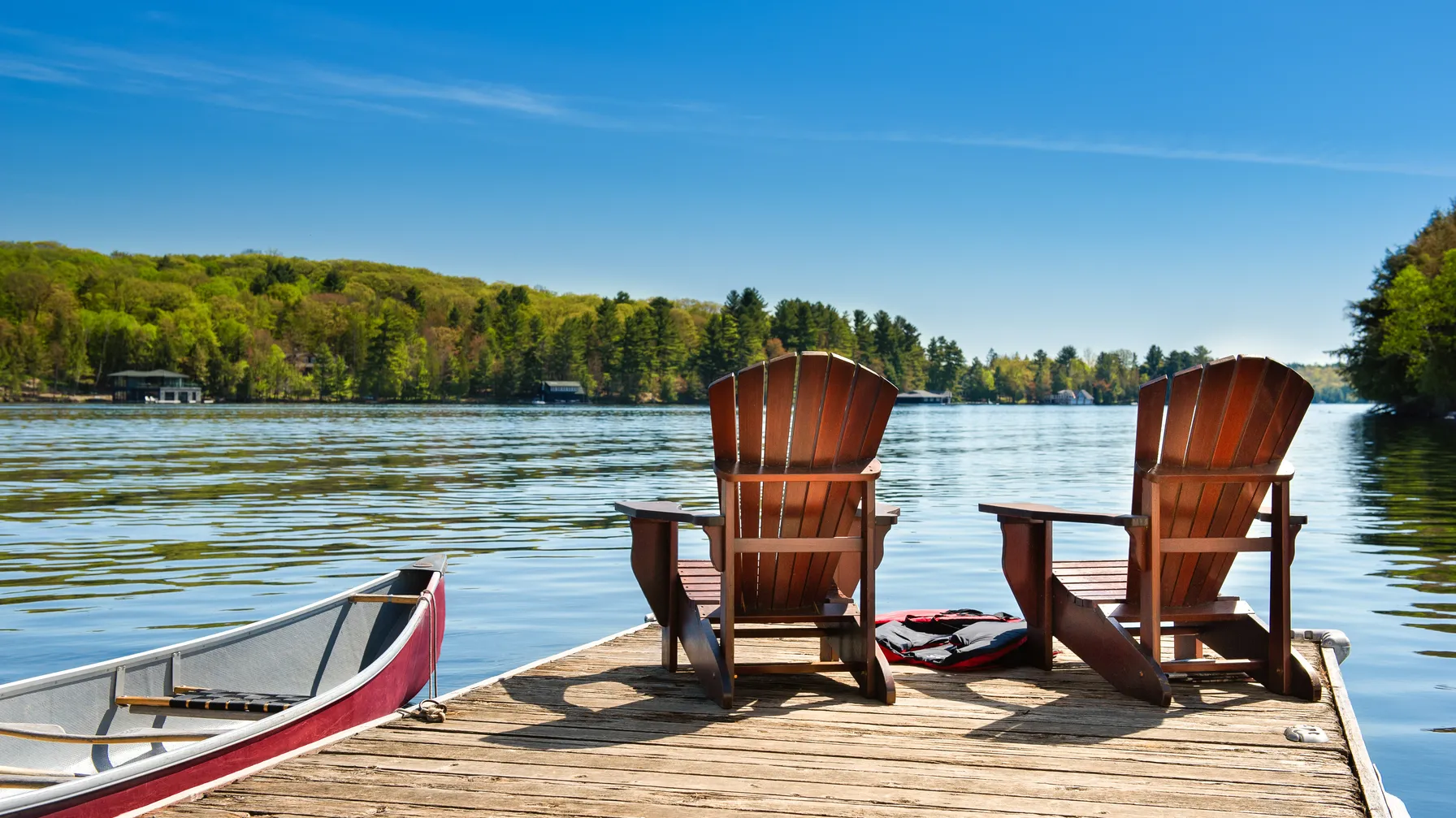
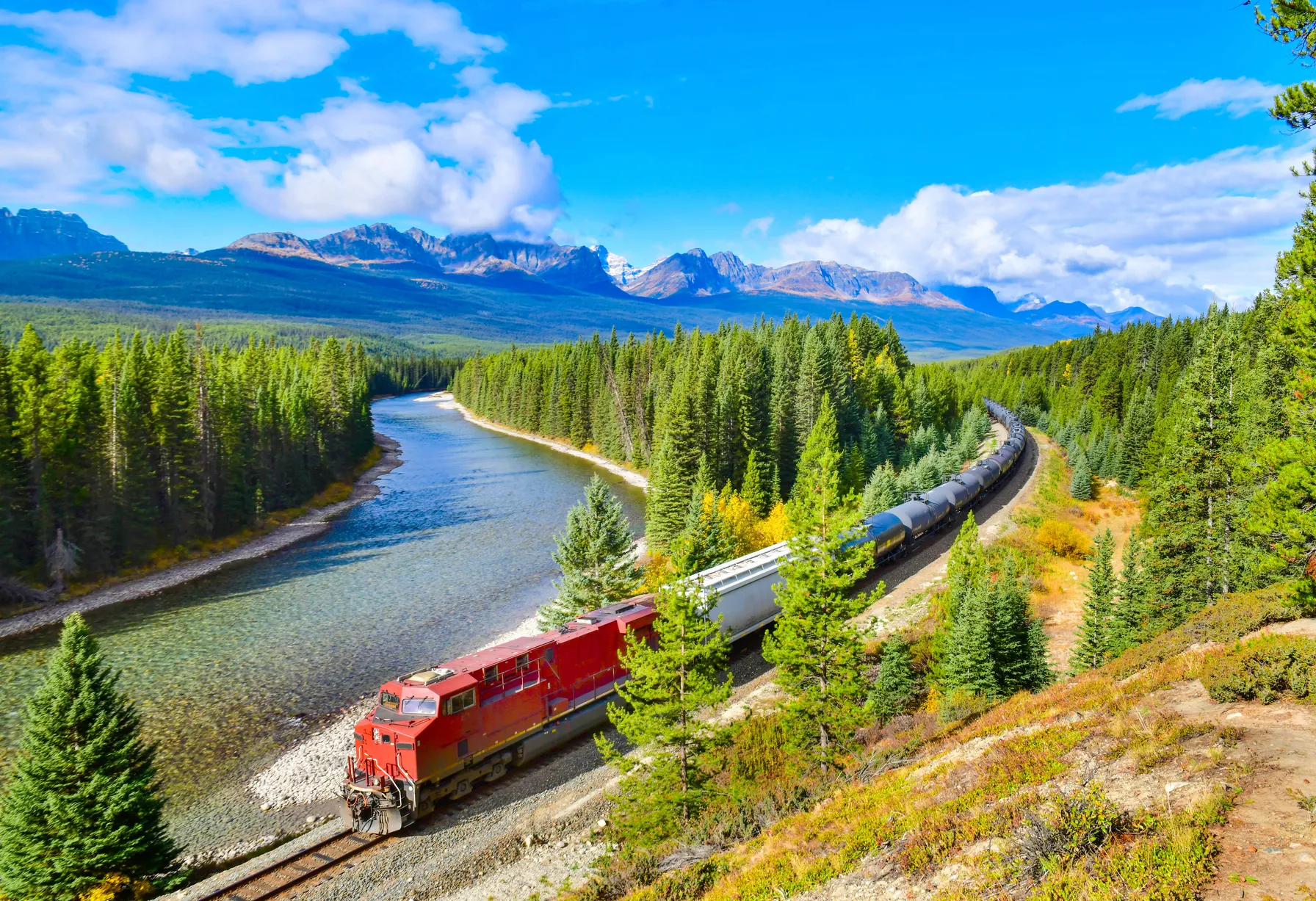
It is the peak tourist season, and for good reason. From June to September, temperatures warm across the country, opening the doors to national parks, hiking trails, and lakes for outdoor activities. July and August attract most visitors: the cities of Montreal and Toronto come alive with colorful festivals, while Banff and Jasper National Parks welcome hikers from around the world. These long summer days let you enjoy the country from morning to night, with temperatures easily reaching 25 to 30 °C in the southern part of the country.
The summer season is also the best time for whale watching in the Saint-Lawrence, notably around Tadoussac, where belugas and humpback whales are visible from July to October. For a memorable road trip in the Rockies or along the Atlantic coast, this is undoubtedly the dream window. Note: in July and August, accommodations in the most sought-after areas book up several months in advance. Our tip: plan ahead to secure the best addresses and craft a hassle-free stay.
September and October, autumn in blazing colors
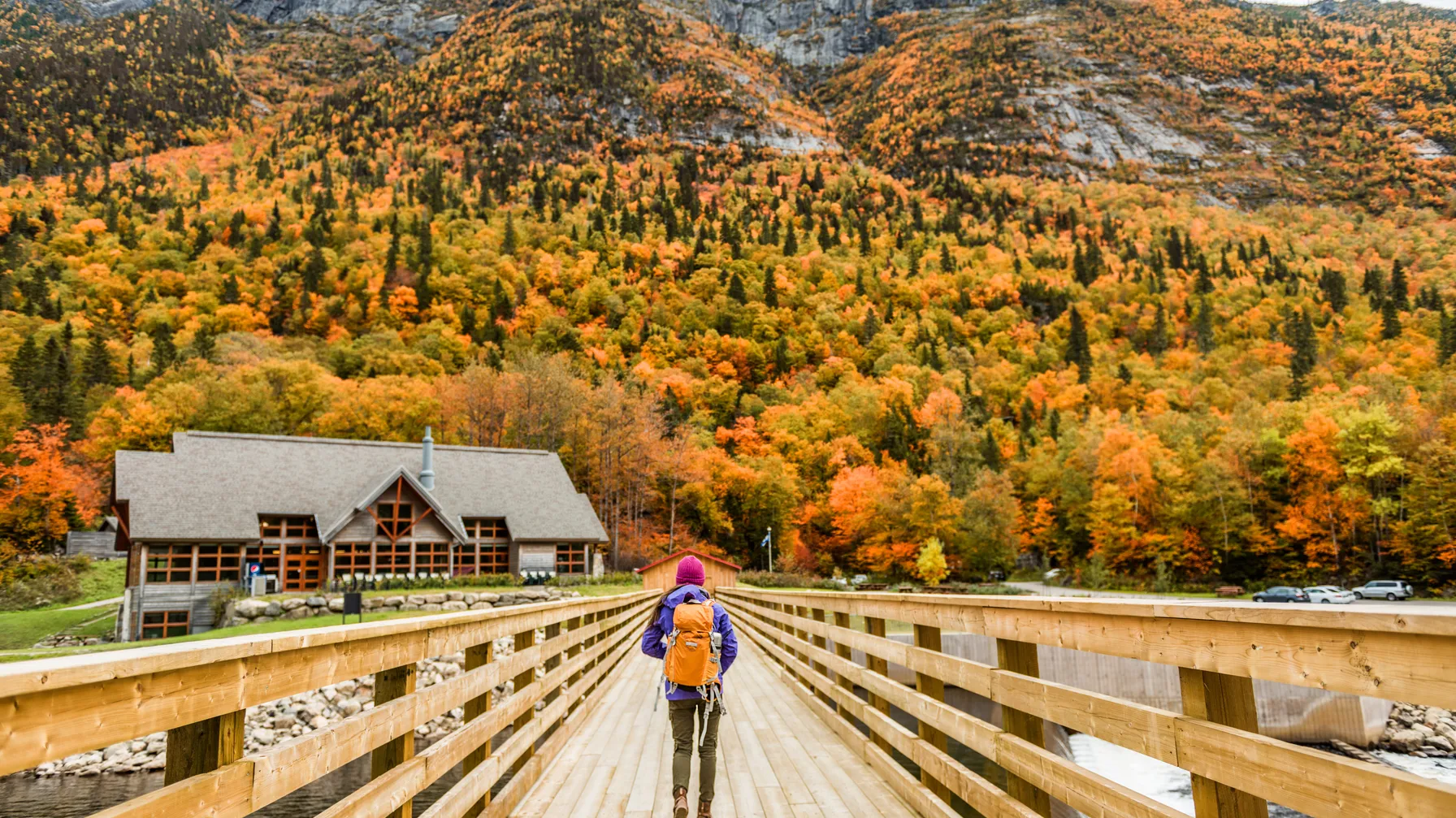
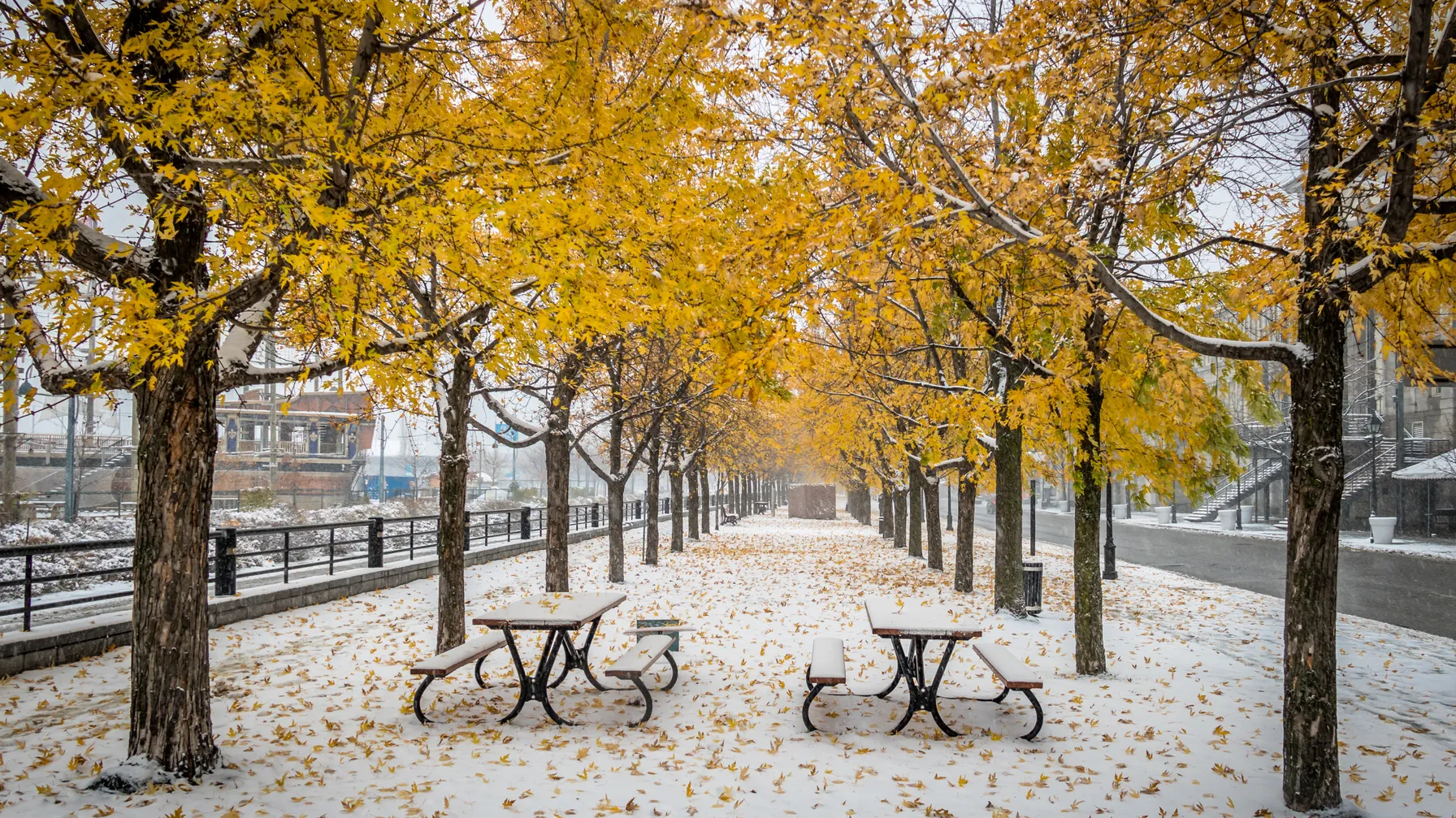
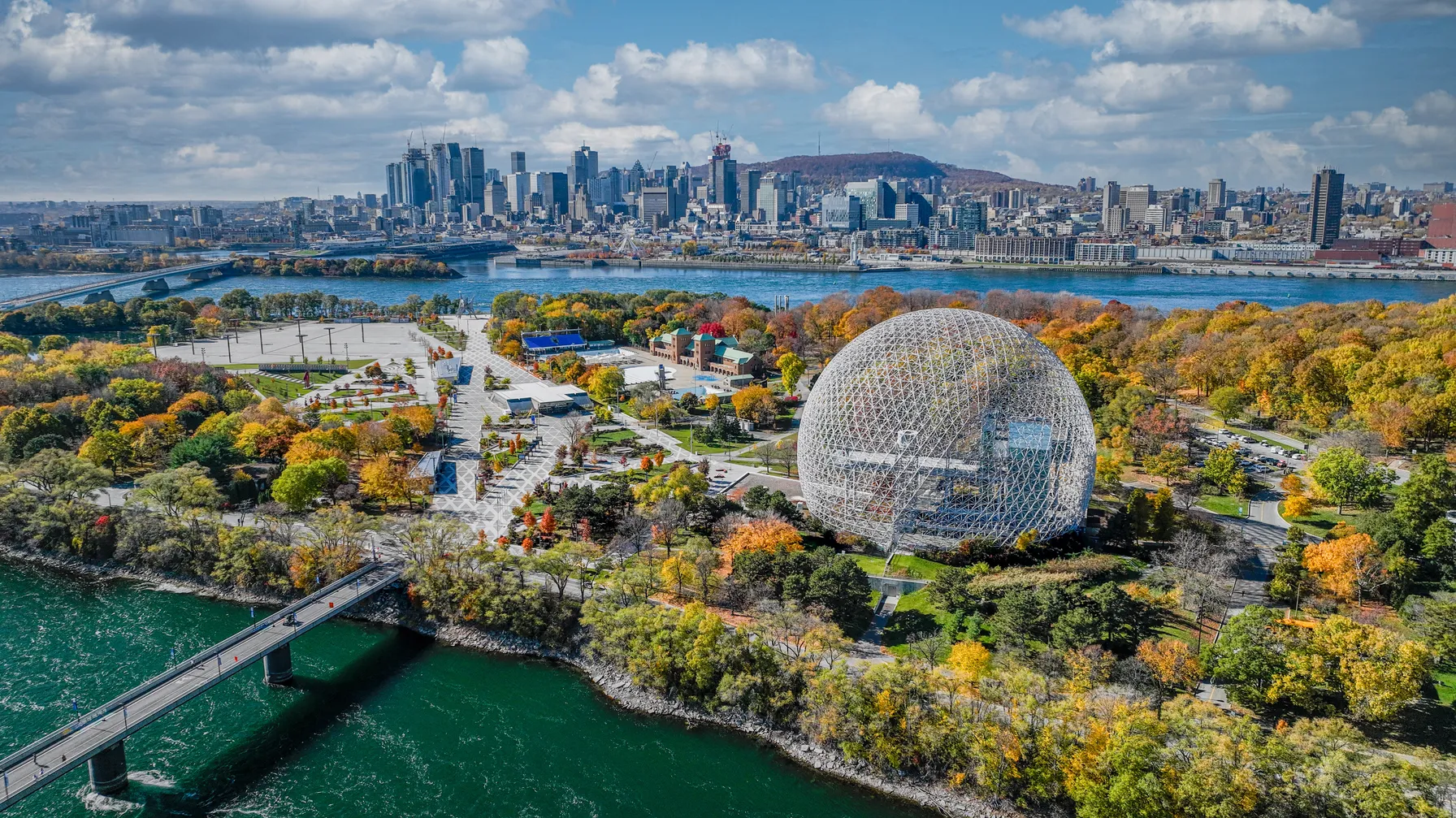
From September, a spectacular transformation takes place in Eastern Canada. The hardwood forests of Quebec and Ontario dress themselves in red, gold and orange, offering landscapes unique in the world. Temperatures remain pleasant, around 15 to 20 °C during the day, while evenings cool gently. Tourist traffic decreases after the peak season, which provides a much more serene atmosphere on hiking trails and in towns. It's an ideal time for a road trip in the Laurentians or in the Gaspé Peninsula, with exceptional landscapes and a nature that puts on a show without sharing. Did you know? It is also at this time that snow geese migrate along the Saint Lawrence, offering a rare moment of sharing with wildlife.
Canada in winter: Northern Lights and winter festivals
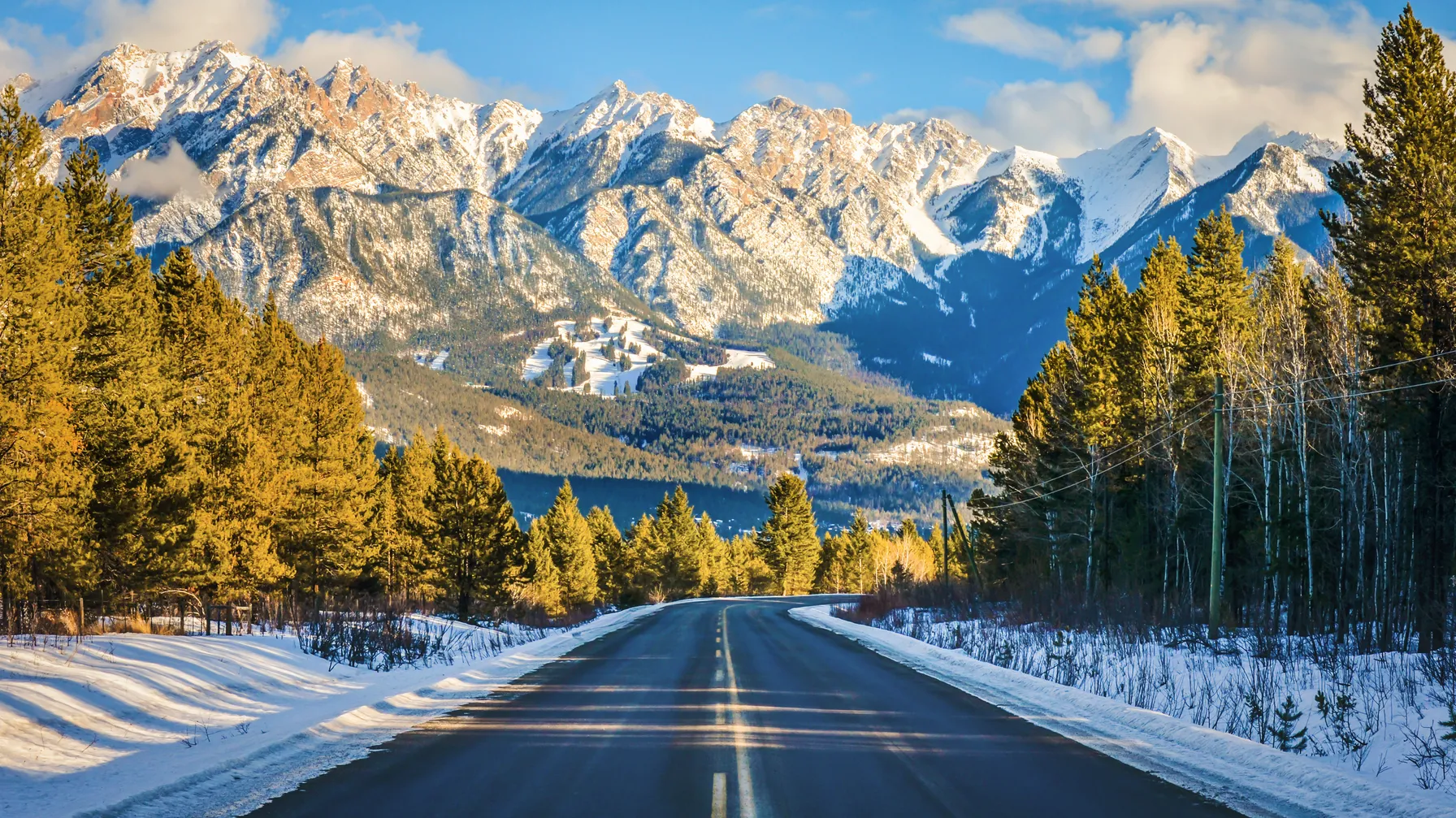
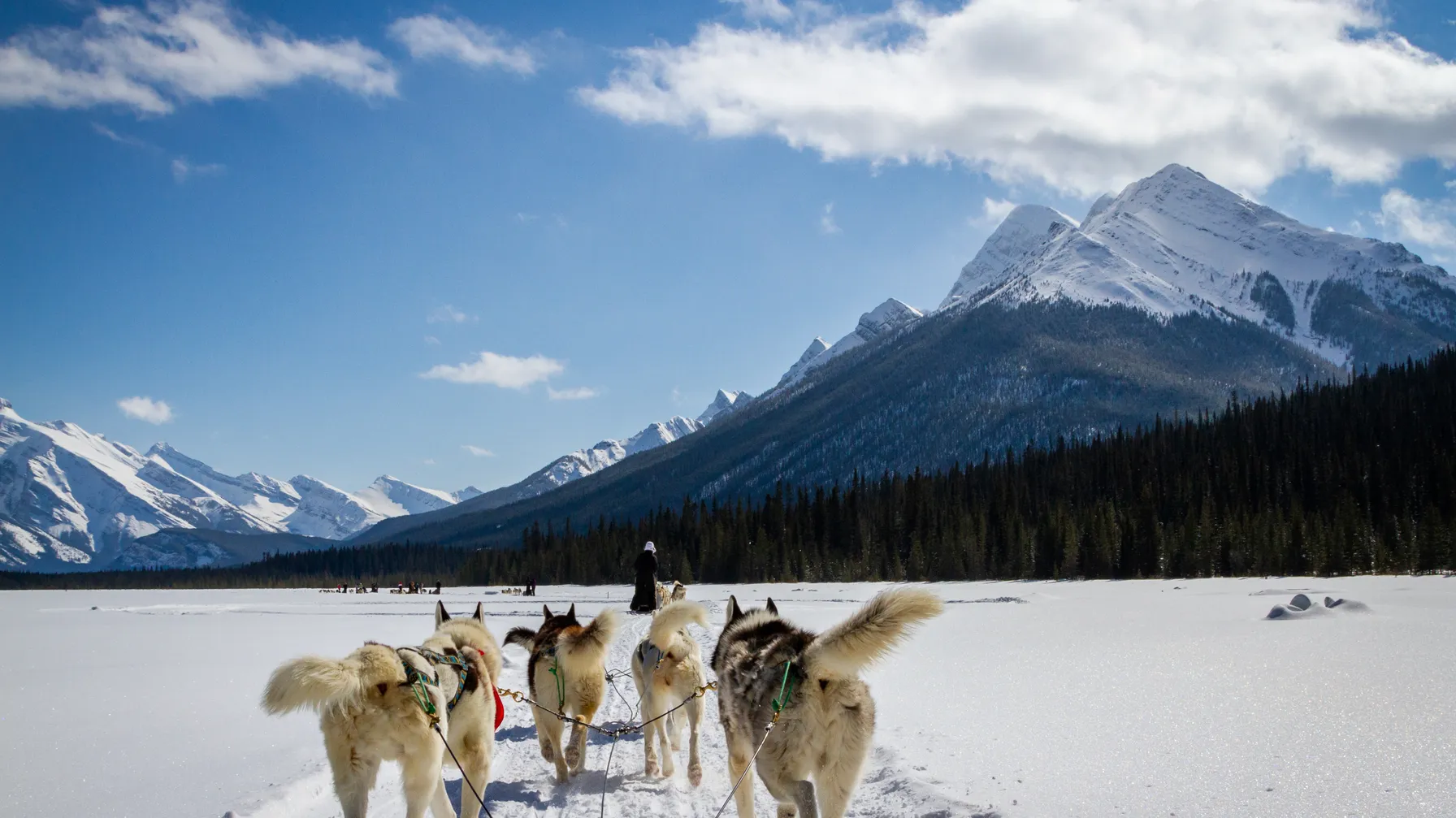
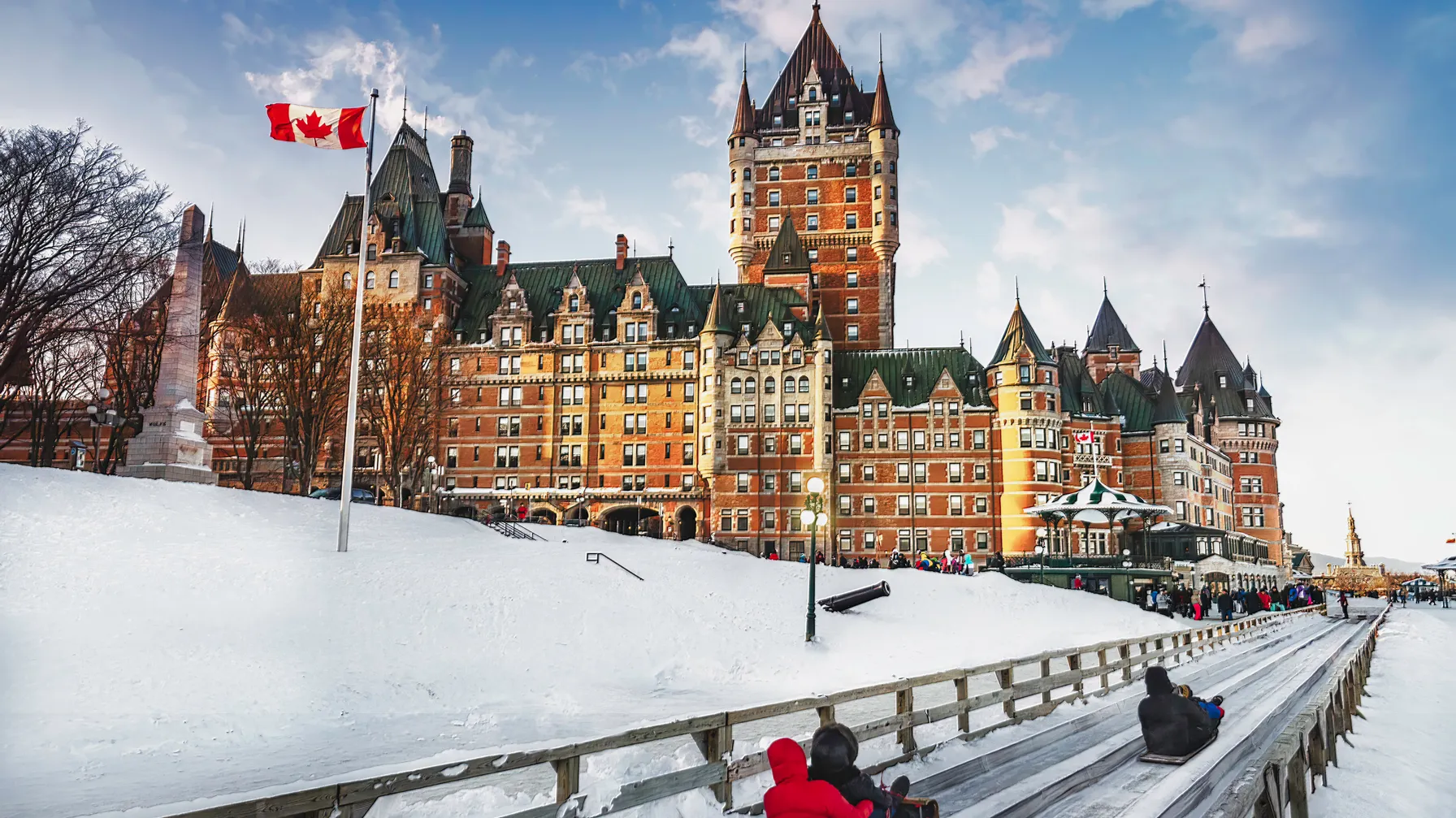
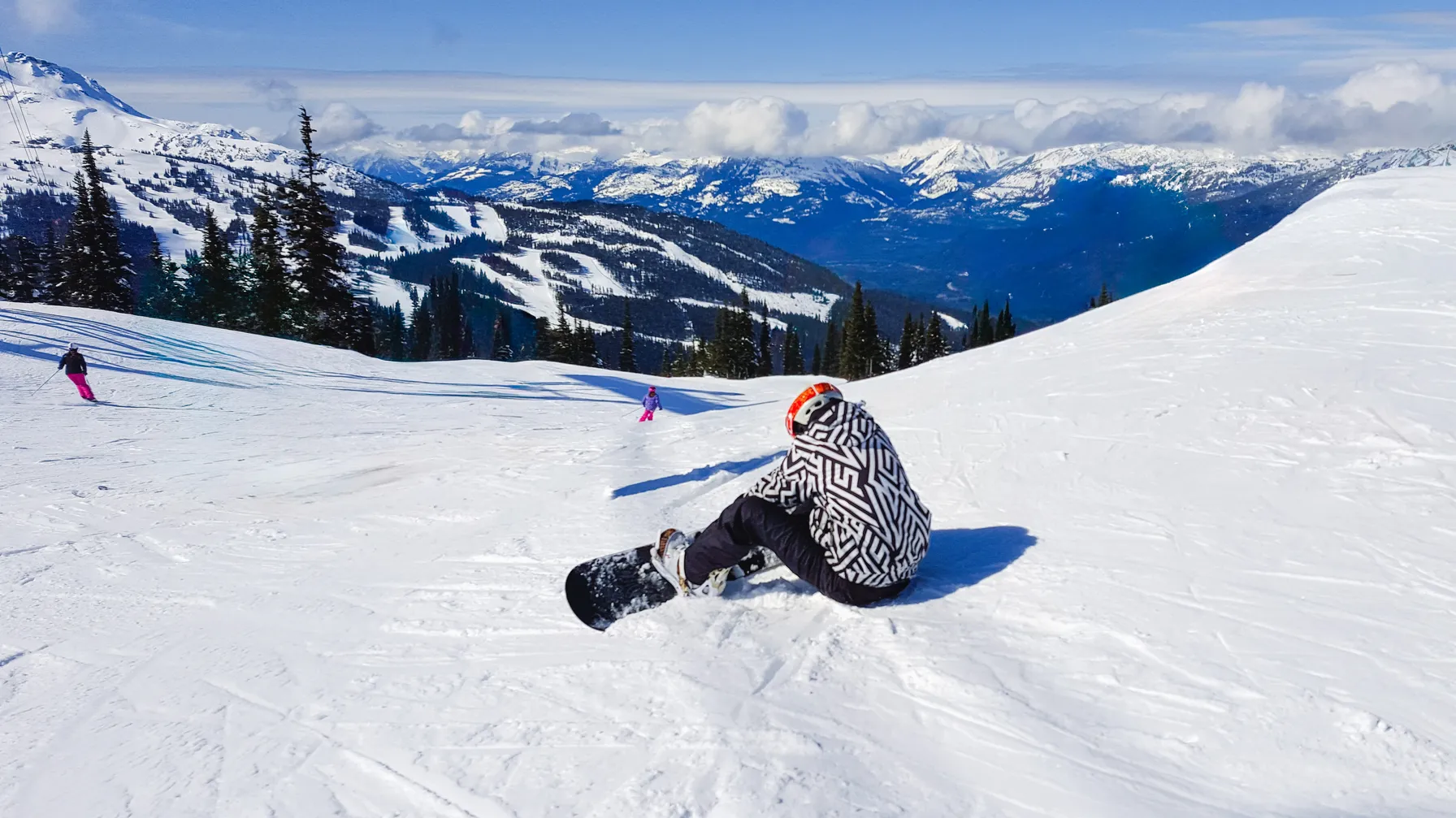
Traveling to Canada in winter is an experience in itself, far from clichés. From December to March, the country becomes a playground for fans of Nordic sports, dog sledding, and vast snowy landscapes. The Carnaval de Québec and other winter festivals animate the cities in the East, while Whistler, Banff or Mont-Tremblant ski resorts welcome snow-sports enthusiasts with conditions among the best in the world. Farther north, in the Yukon and the Northwest Territories, the northern lights illuminate the sky for several weeks, offering a spectacle that few destinations in the world can match. Temperatures can drop below -20 °C in some regions, but proper gear and a well-planned itinerary allow you to fully enjoy every outing.
Contact us for more information on the best times to travel to Canada
How does the best time vary across the regions of Canada?
Canada is so vast that the weather, the activities available and the atmosphere change considerably from one province to another. Depending on the regions you are considering visiting, the ideal time to travel to Canada can therefore differ significantly. An overview by the country's major territories.
Eastern Canada: between summer warmth and winter magic
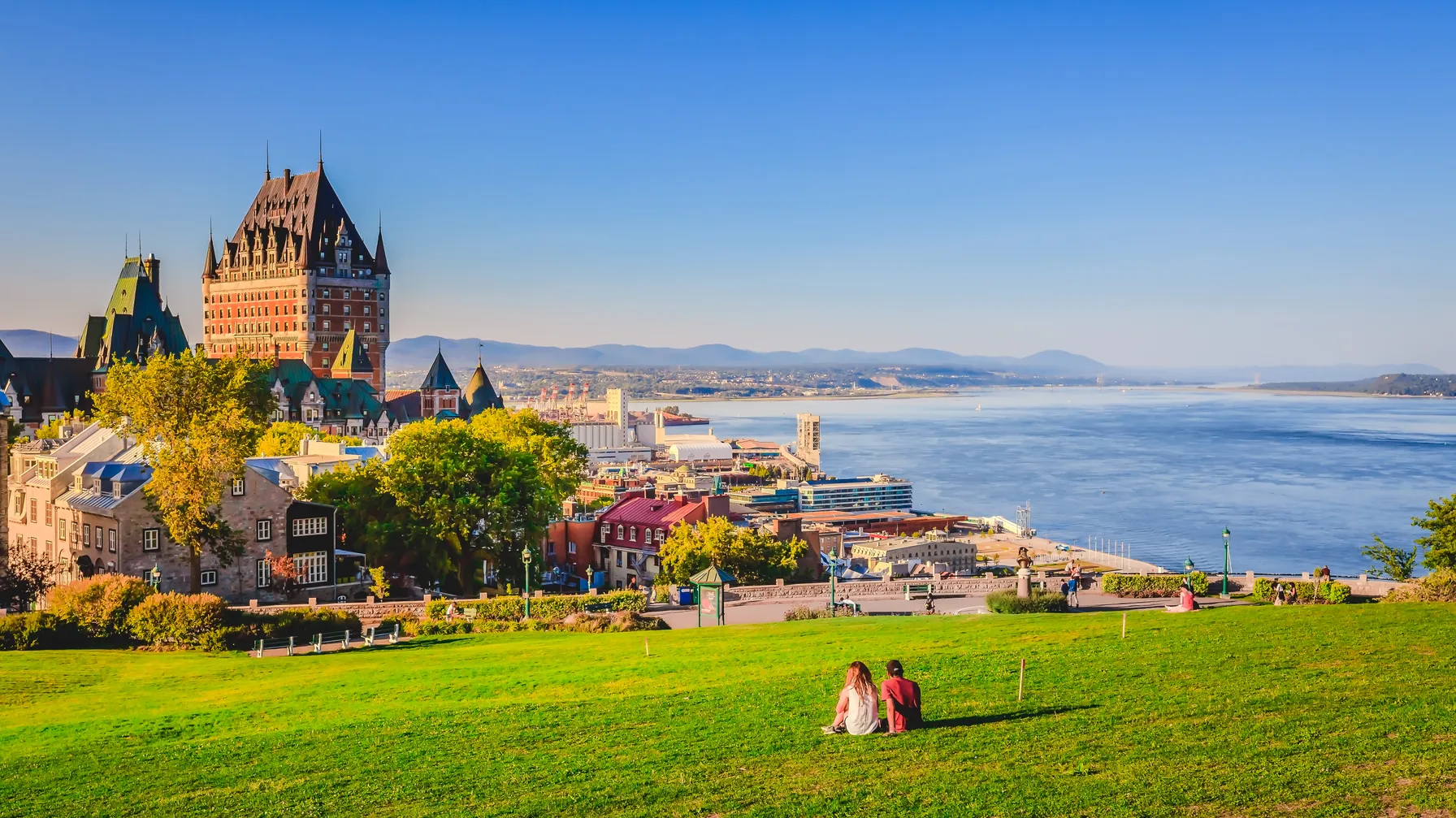
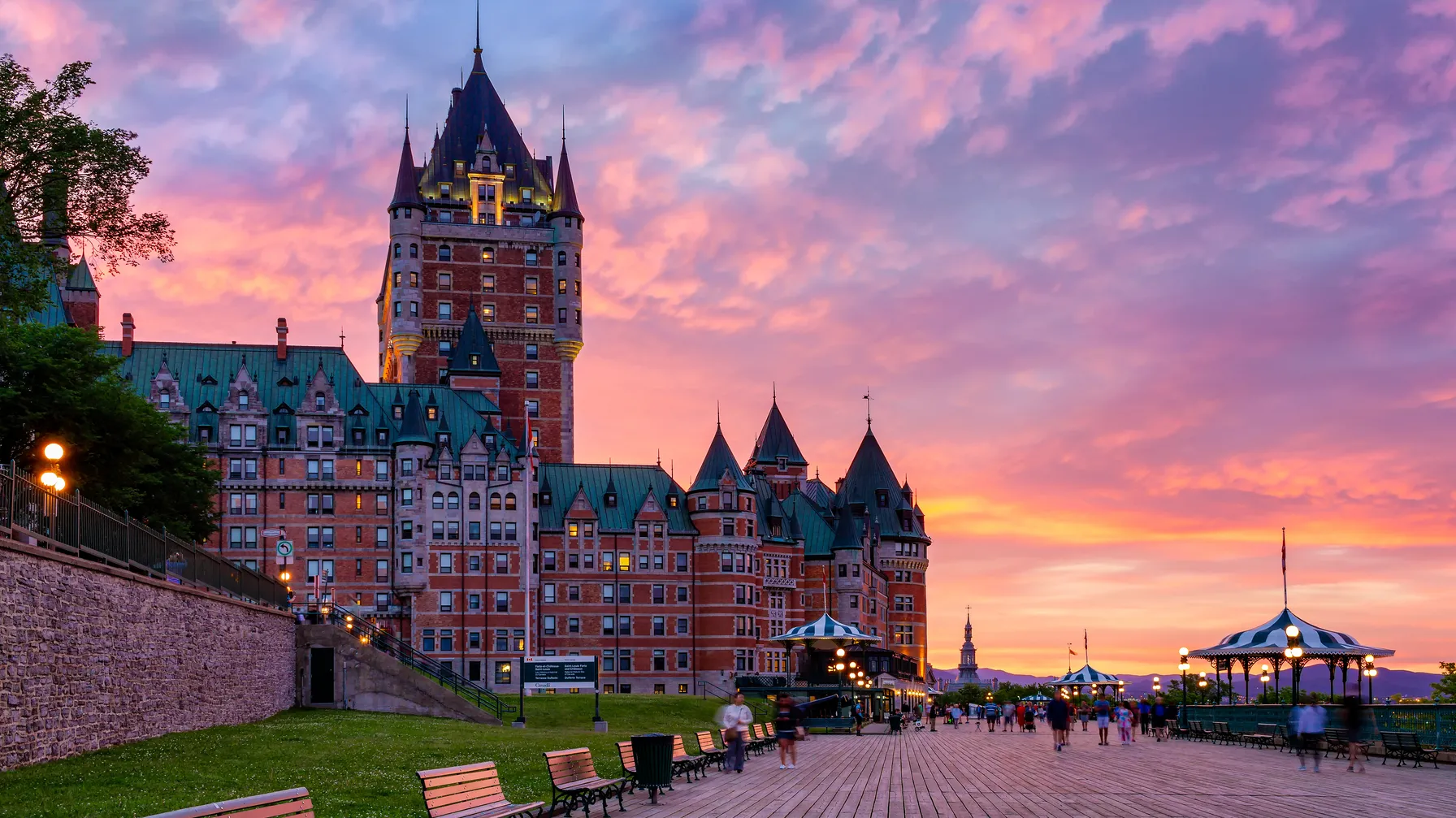
Quebec and Ontario prove to be particularly welcoming between June and October. The summer season there is hot and festive, with many cultural events such as the Montreal Jazz Festival or the Quebec City Summer Festival. From mid-September onwards, it's probably the rarest and most photogenic time to visit this region: the forests turn fiery colors and the atmosphere becomes more intimate. In winter, Quebec is covered in snow for nearly five months, offering a unique setting for fans of Nordic sports. To make the most of it — ice fishing, snowshoeing, dog sledding — favor the months of February and March rather than December, when snow is not always guaranteed.
To help you visualize conditions by season, here is an overview of temperatures in Montreal:
| Mois | \nTempérature minimale (°C) | \nTempérature maximale (°C) | \n
|---|---|---|
| January | \n-15 | \n-5 | \n
| April | \n1 | \n11 | \n
| July | \n15 | \n27 | \n
| October | \n4 | \n14 | \n
The Canadian West and Vancouver Island: a milder climate
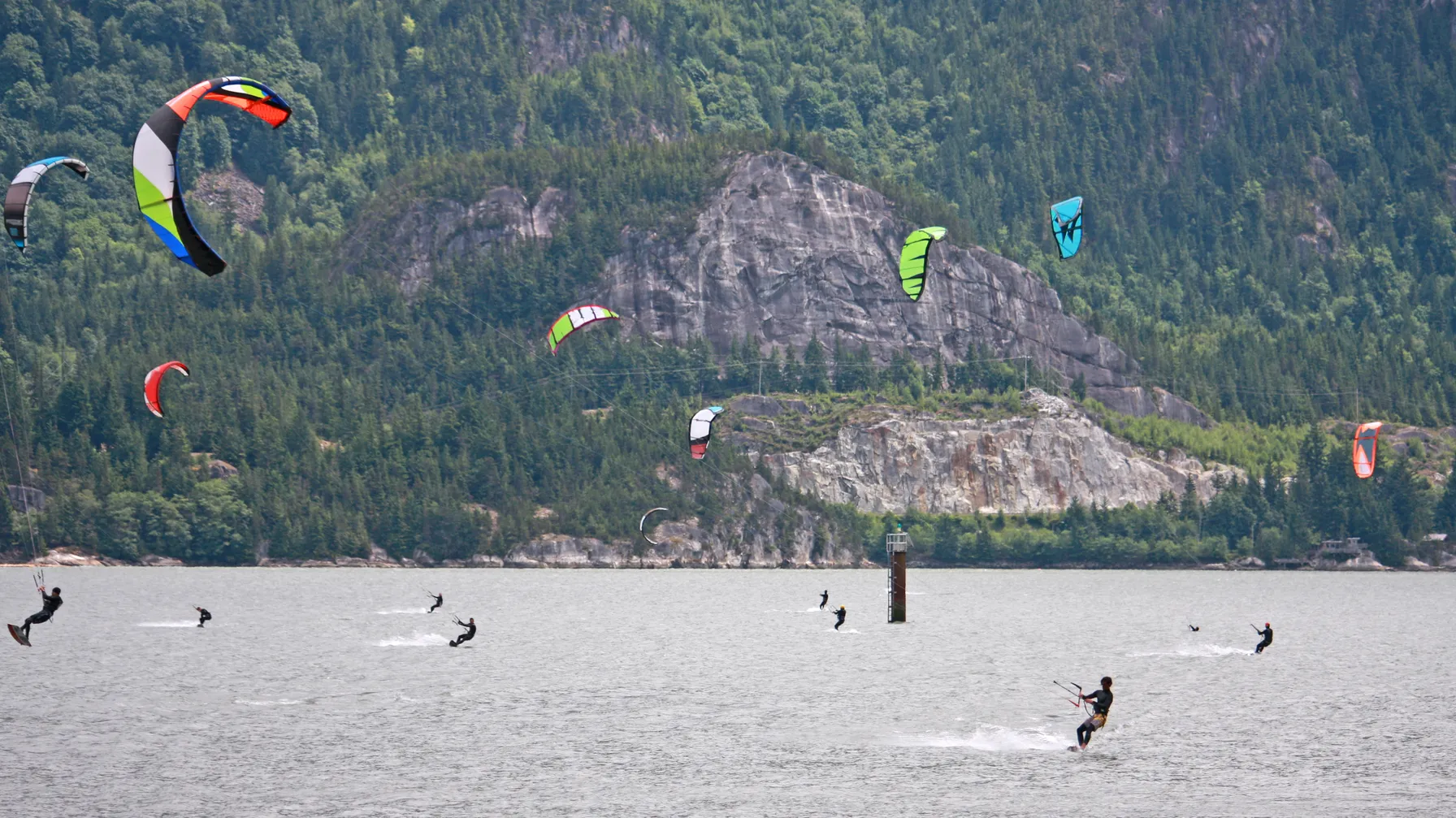
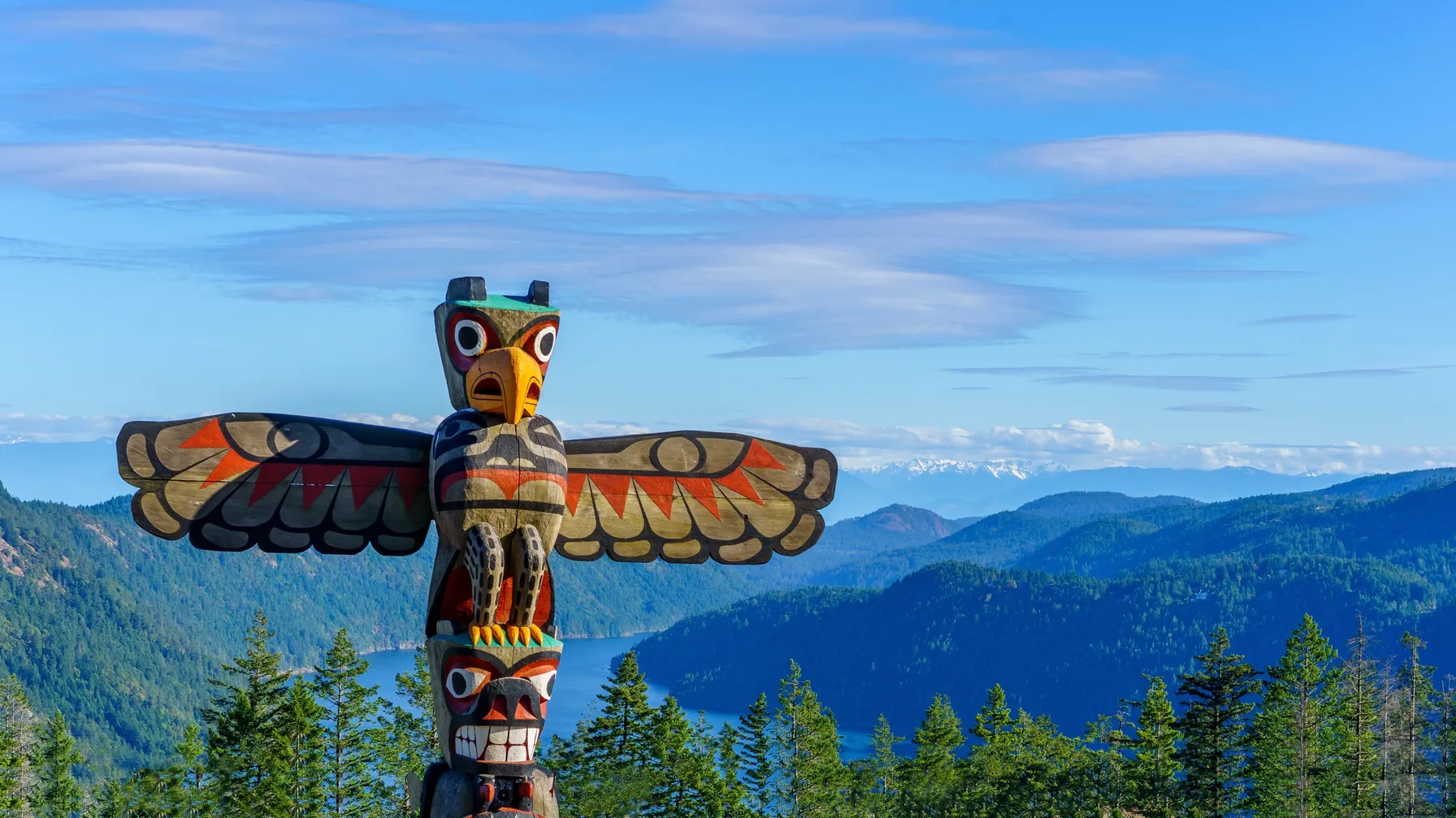
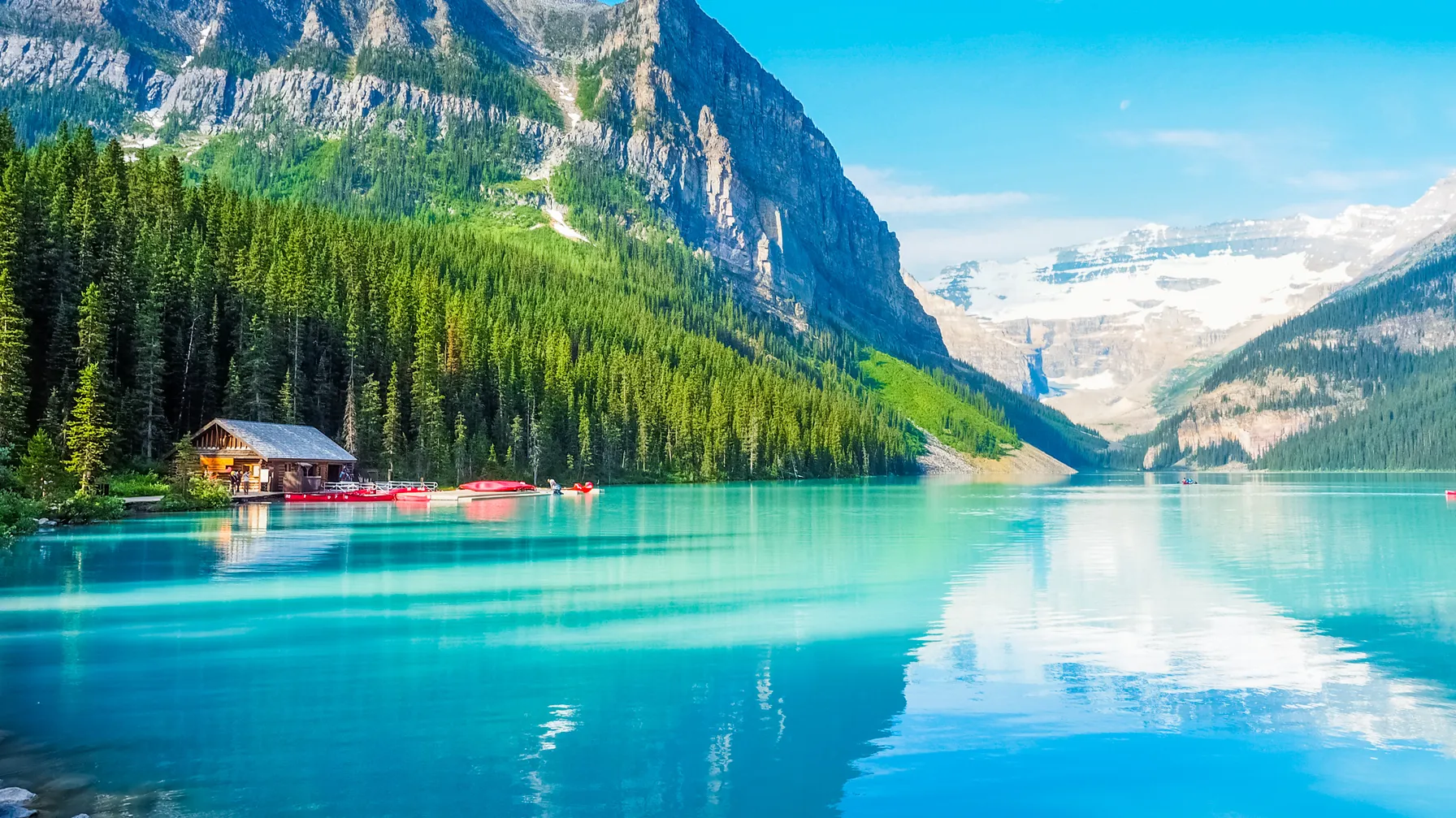
The Canadian West enjoys a milder climate, particularly on the Pacific coast. Vancouver Island and the city of Vancouver display mild and rainy winters, and pleasant summers that are perfectly suited to hiking and observing marine wildlife. Banff and Jasper National Parks are accessible year-round, but it is between June and September that hiking trails are fully open and the turquoise lakes reveal all their beauty. In winter, Whistler's ski resorts attract skiing enthusiasts with a premium experience, featuring high-quality lifts and breathtaking alpine panoramas.
<p>The Far North: Midnight Sun and Nordic spectacles</p>
The Yukon and the Northwest Territories can be visited in two radically different configurations. In summer, from June to August, the long days — sometimes with no real night — offer ideal conditions for exploring these vast wild spaces on foot or by canoe. It is also the best time to observe Arctic wildlife, from caribou to bears, in their natural habitat. In winter, these same territories become the stage for unforgettable natural spectacles: the Northern Lights illuminate the sky for several weeks, offering a unique opportunity for travelers who treat themselves to this extraordinary experience far from the beaten path.
Book your trip to Canada now
<p>What practical tips for planning your trip to Canada?</p>
Depending on your preferences, your budget and the type of experience you are seeking, certain periods offer obvious advantages. Here are some guidelines to refine your choice:
- \n
- June and September offer the best balance between very pleasant weather conditions, lower crowds, and more affordable rates than in peak season ; \n
- July and August are a must for families and outdoor enthusiasts, provided you book well in advance ; \n
- February and March are the flagship months for Canada in winter: snow guaranteed, winter festivals on the program and Nordic activities fully accessible ; \n
- April and May remain transition months, interesting for independent travelers but requiring checking site openings and road conditions. \n
The smart plan: whatever period you choose, using a Travel Planner can save you valuable time in organizing your stay. Every detail matters — the choice of accommodations, the selection of activities, the logical sequencing of steps — so that your trip to Canada becomes a memorable experience perfectly tailored to your wishes. Taking a bit of peace of mind in planning is often what makes the difference between an ordinary trip and an unforgettable stay.
Contact us for more information about planning your trip to Canada
Demandez votre devis Canada sur-mesure 100% gratuit
 4.8
4.8+3.000 travelers satisfied