Canada in March: everything you need to know before you go
What climate to expect in Canada in March?
Canada is a country of continental dimensions, and the weather in March perfectly illustrates this diversity. From icy Quebec to the milder Pacific coast, climate and weather vary considerably from one province to another. Understanding these regional differences is essential to choosing the destination that best matches your expectations during a stay in Canada.
Very contrasting temperatures depending on the region
In March, eastern Canada remains under winter's grip. In Montreal, temperatures range from -8°C at night to 0°C during the day, with about 75 mm of precipitation and only four hours of sunshine per day. Ottawa shows similar conditions, while Toronto offers a slight improvement with temperatures between -4°C and 4°C. By contrast, Vancouver and the Pacific coast enjoy much milder air, between 4°C and 11°C, even though rainfall is abundant, up to 126 mm per month. On the side of the Rockies, Calgary stands out with slightly higher sunshine — five hours per day on average — with temperatures from -6°C to 3°C. The table below provides you with a concise overview of weather conditions for the main cities:
| City / Region | Minimum temperatures | Maximum temperatures | Precipitation | Sunshine |
|---|---|---|---|---|
| Montreal | -8°C | 0°C | 75 mm | 4 h/day |
| Ottawa | -8°C | 2°C | 70 mm | 5 h/day |
| Toronto | -4°C | 4°C | 65 mm | 4 h/day |
| Vancouver | 4°C | 11°C | 126 mm | 4 h/day |
| Calgary | -6°C | 3°C | 20 mm | 5 h/day |
| Yukon / Great North | -20°C or less | -12°C | Variable | Limited |
A winter light and seasonal peculiarities to know
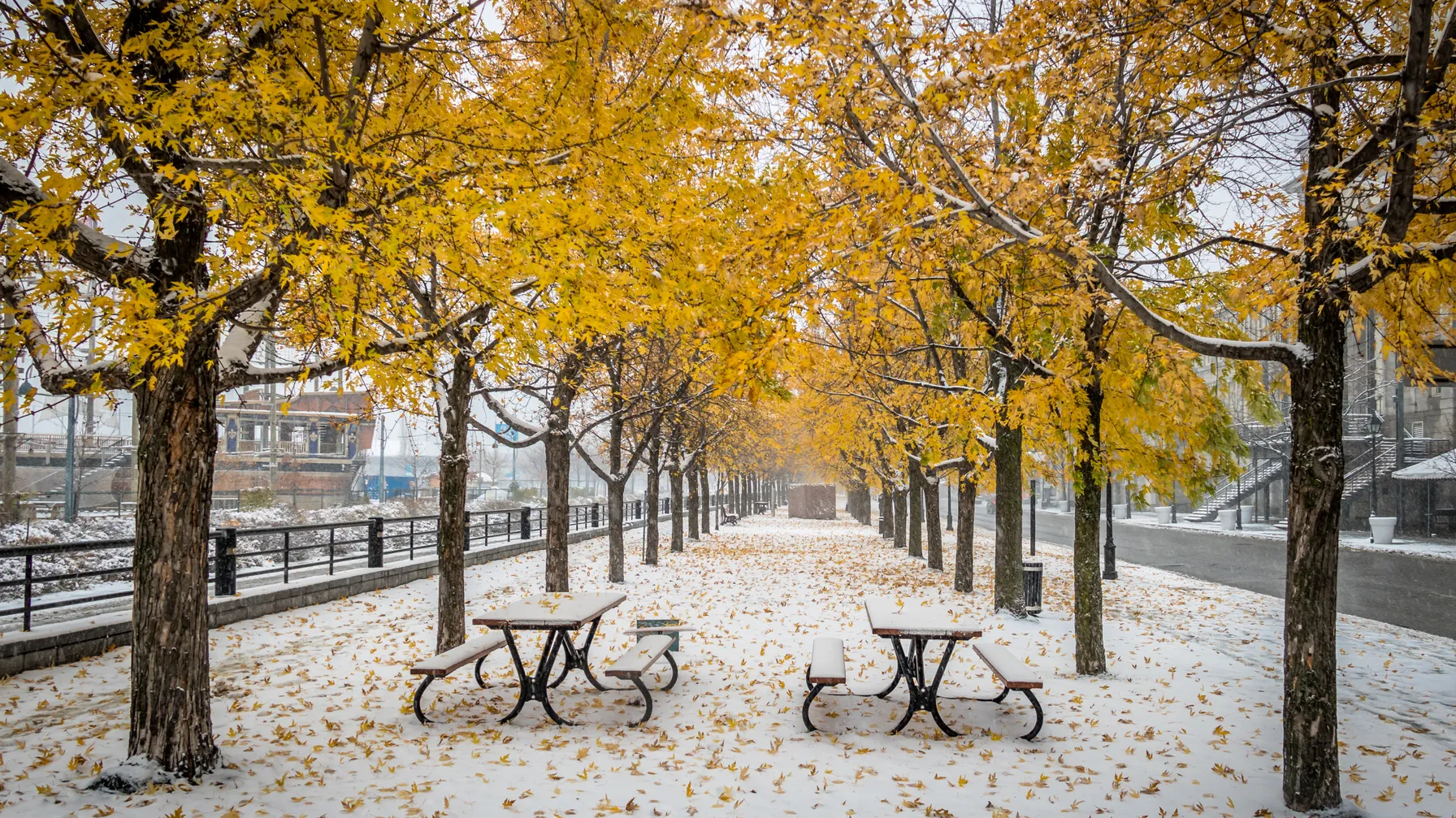
Beyond the numbers, the month of March in Canada offers very different atmospheres depending on latitude. In the Far North, the cold remains intense and the nights keep their length, but the daylight increases from week to week, providing conditions still favorable for observing the Northern Lights. On the East Coast, snow remains omnipresent in cities such as Quebec City or Montreal, with occasional thaws at the very end of the month. Vancouver, for its part, stands out for daylight that gradually returns and for temperatures that already allow outdoor walks without heavy winter gear. In short, each region of Canada has its own character in March, which makes the choice of destination all the more decisive.
What to do during a trip to Canada in March?
Far from being a dull period, the month of March in Canada proves particularly rich for winter adventure enthusiasts and cultural discoveries. It is a season in its own right, experienced fully with the right activity choices and a tailor-made itinerary.
The Rockies' ski resorts, an exceptional playground
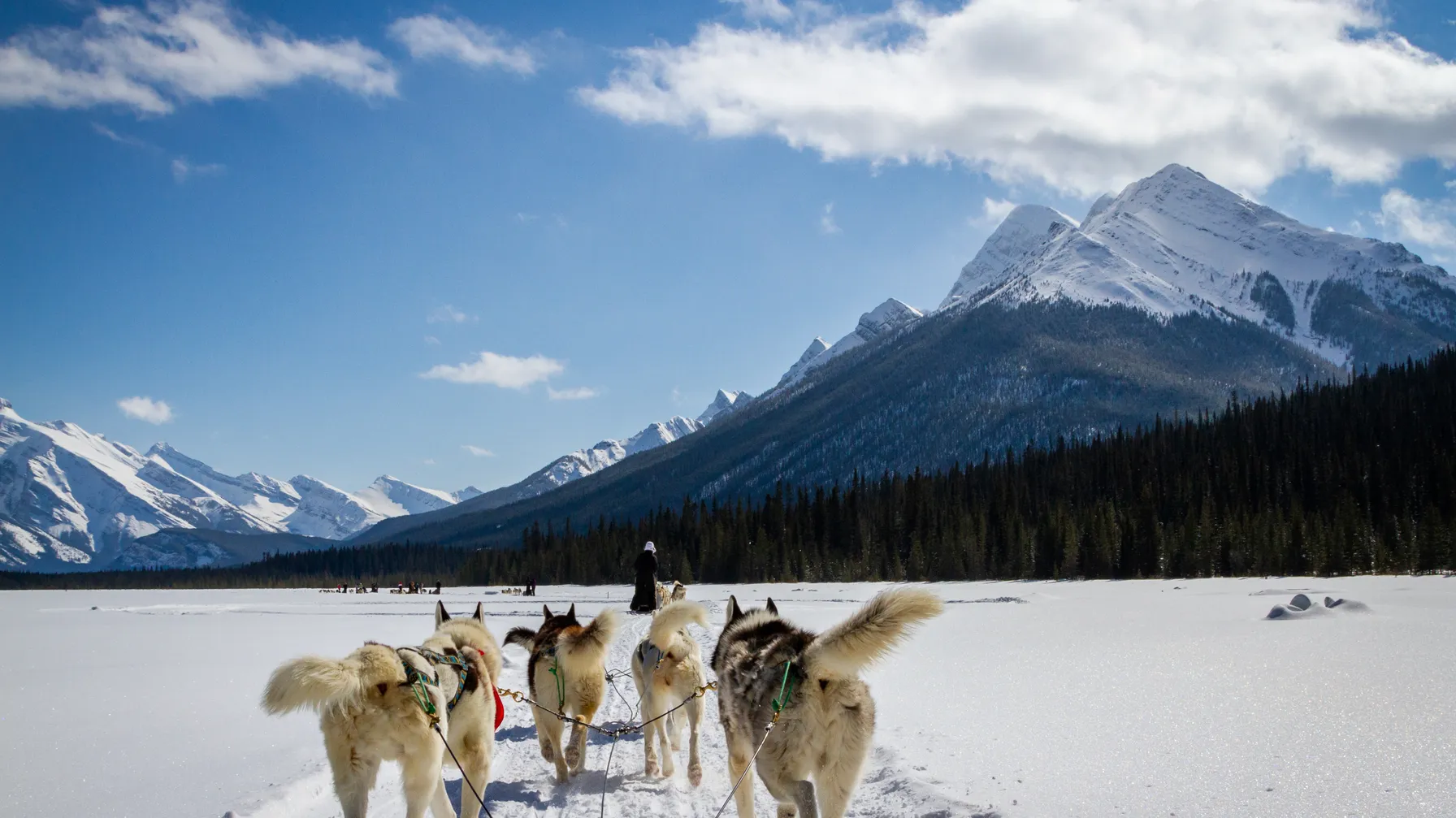
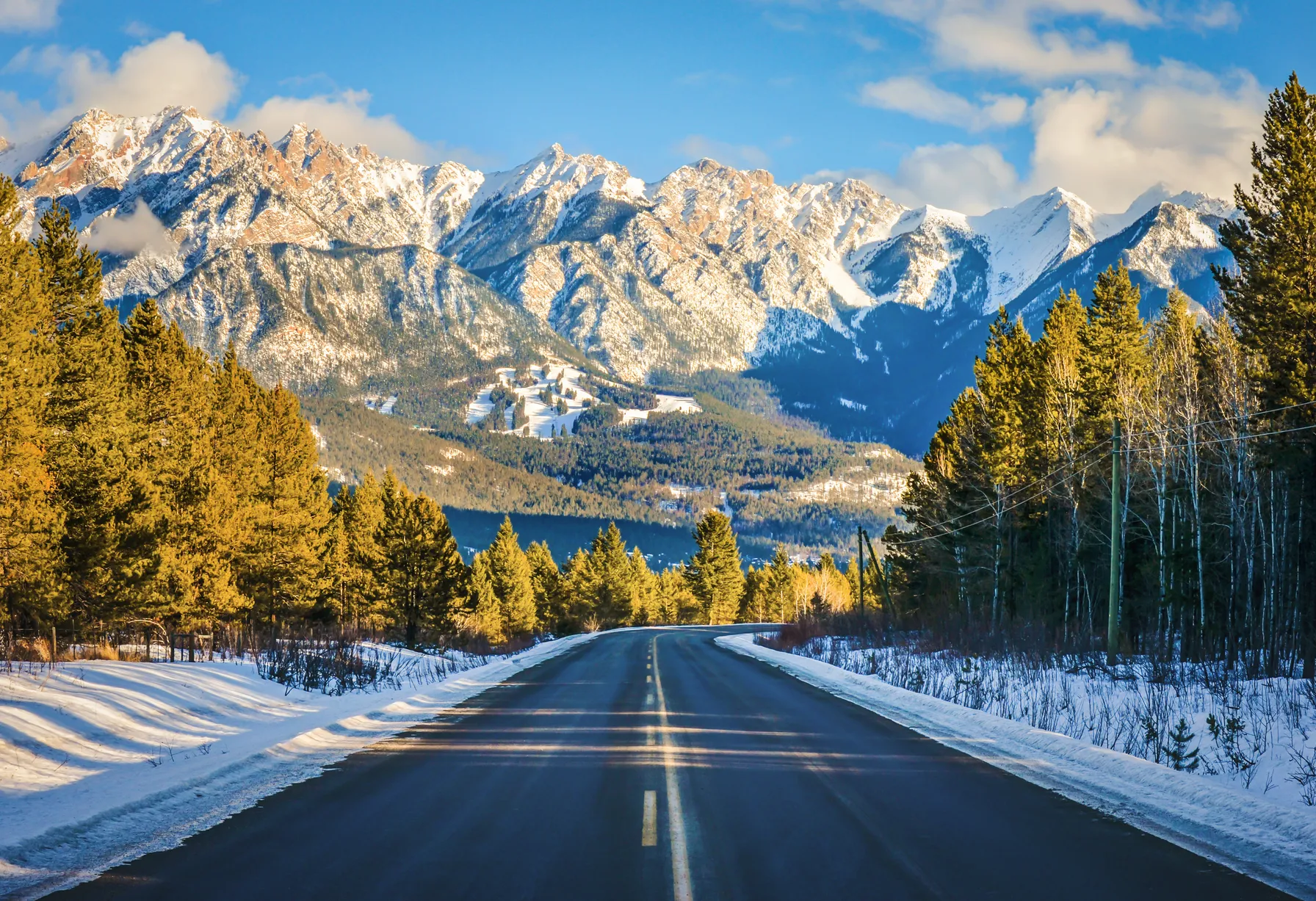
For winter enthusiasts, March is undoubtedly one of the best times to enjoy Canadian ski resorts. In the Banff and Jasper region, in Alberta, the ski areas still boast excellent snowfall and ideal conditions for skiing. Footfall is lower than during the holiday season, allowing you to savor the slopes with greater serenity. Beyond skiing, the Rockies offer many other winter experiences: snowshoeing on pristine trails, dog sledding, or outdoor hot springs with views of the snow-capped peaks. A road trip in this region ranks among the most memorable stays in Canada.
The chase for the Northern Lights, a rare spectacle
Yukon and the Northwest Territories rank among the best places in the world to observe the Northern Lights, and March remains a favorable period for this spectacle. The nights stay long enough and the skies are often clear, allowing you to admire these luminous veils that cut through the darkness. Whitehorse, the capital of the Yukon, provides an ideal base for organizing nocturnal outings dedicated to observing this phenomenon. Did you know? March is also one of the months when solar magnetic activity tends to be more intense, which increases the chances of seeing particularly intense and colorful auroras.
Montreal and Quebec City, a cultural immersion in the heart of winter
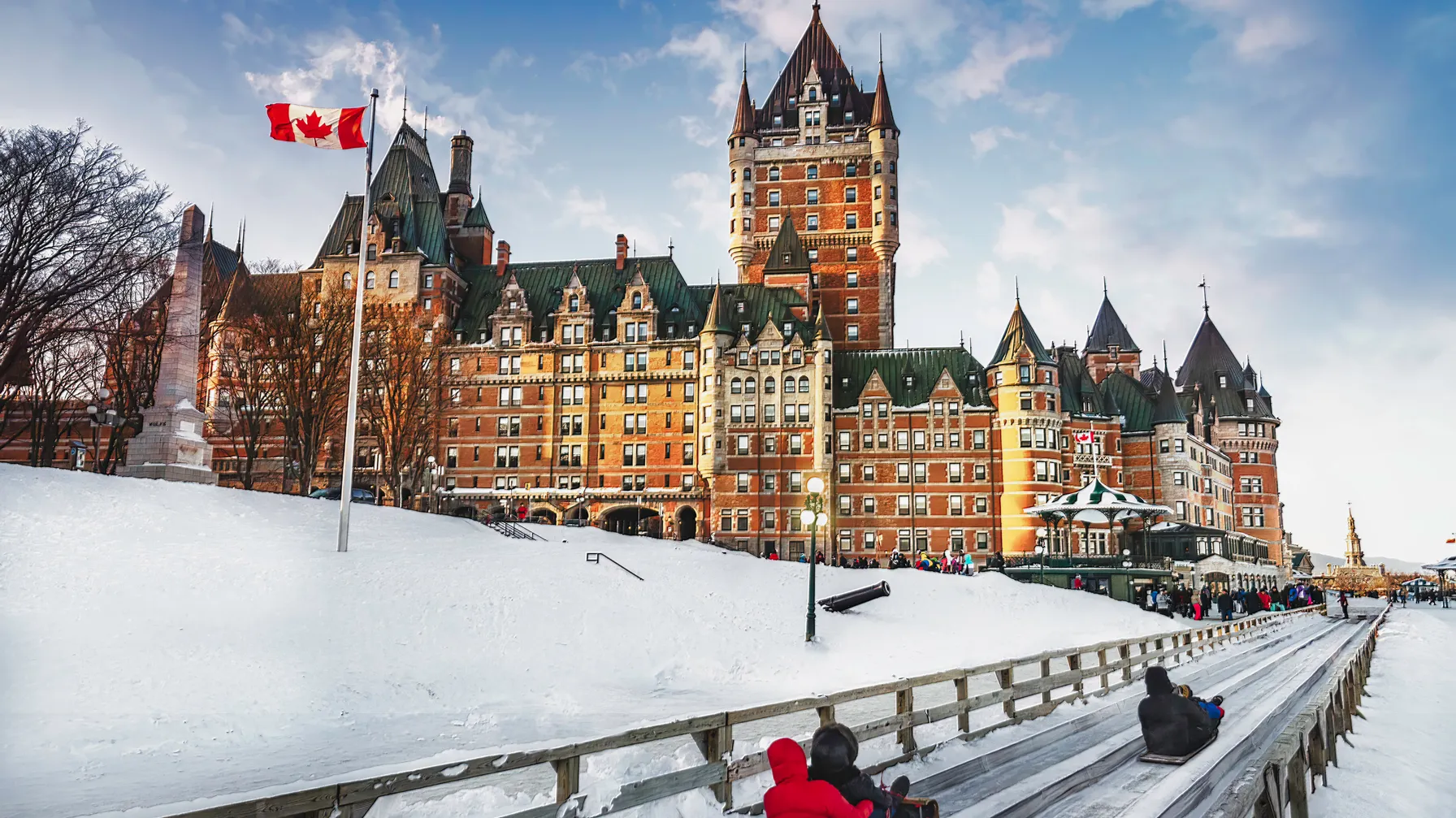
Visiting Canada in March is also an opportunity to discover emblematic cities in an authentic winter atmosphere. In Montreal, museums, art galleries and lively restaurants offer a rich cultural program, far from the crowds of the summer season. In Quebec City, the famous Carnival can still extend into the early days of March, with spectacular ice sculptures, tobogganing on the Plains of Abraham, and an incomparable festive atmosphere. These two cities share a warmth of people that contrasts with the outside temperatures, and a local gastronomy that invites you to linger at the table after a day of discovery.
Contact us for more information about the best experiences to enjoy in Canada in March.
Canada in March: is this the right time for you?
Before planning your trip, it's useful to ask yourself the right question: does Canada in March really meet your expectations? Depending on your profile and your preferences, this period may prove ideal or, on the contrary, deserve some adjustments.
<p>The types of travelers who will be happy there</p>
March in Canada is particularly well suited for certain types of travelers. Here are those who will find their happiness there:
- Winter-sports enthusiasts seeking vast, still snow-covered ski areas;
- Travelers passionate about natural phenomena, especially the Northern Lights;
- Couples and solo travelers looking to visit Canada off the beaten path, away from the summer crowds;
- Families seeking a tailor-made stay combining adventure and comfort, especially during the February–March school holidays.
Practical tips for planning your trip
To travel to Canada in March under the best conditions, a few precautions are in order. The smart plan: pack clothing suited to the extreme cold, especially if you plan to venture into northern regions or at altitude. Thermal layers, a waterproof coat, and good insulating footwear are essential. The period also coincides with the off-peak tourist season in most regions, which can make it easier to find availability in accommodations. In terms of planning, a trip to Canada should ideally be planned several weeks in advance to benefit from the best activity options and a truly personalized itinerary.
<p>What if March doesn't meet your expectations?</p>
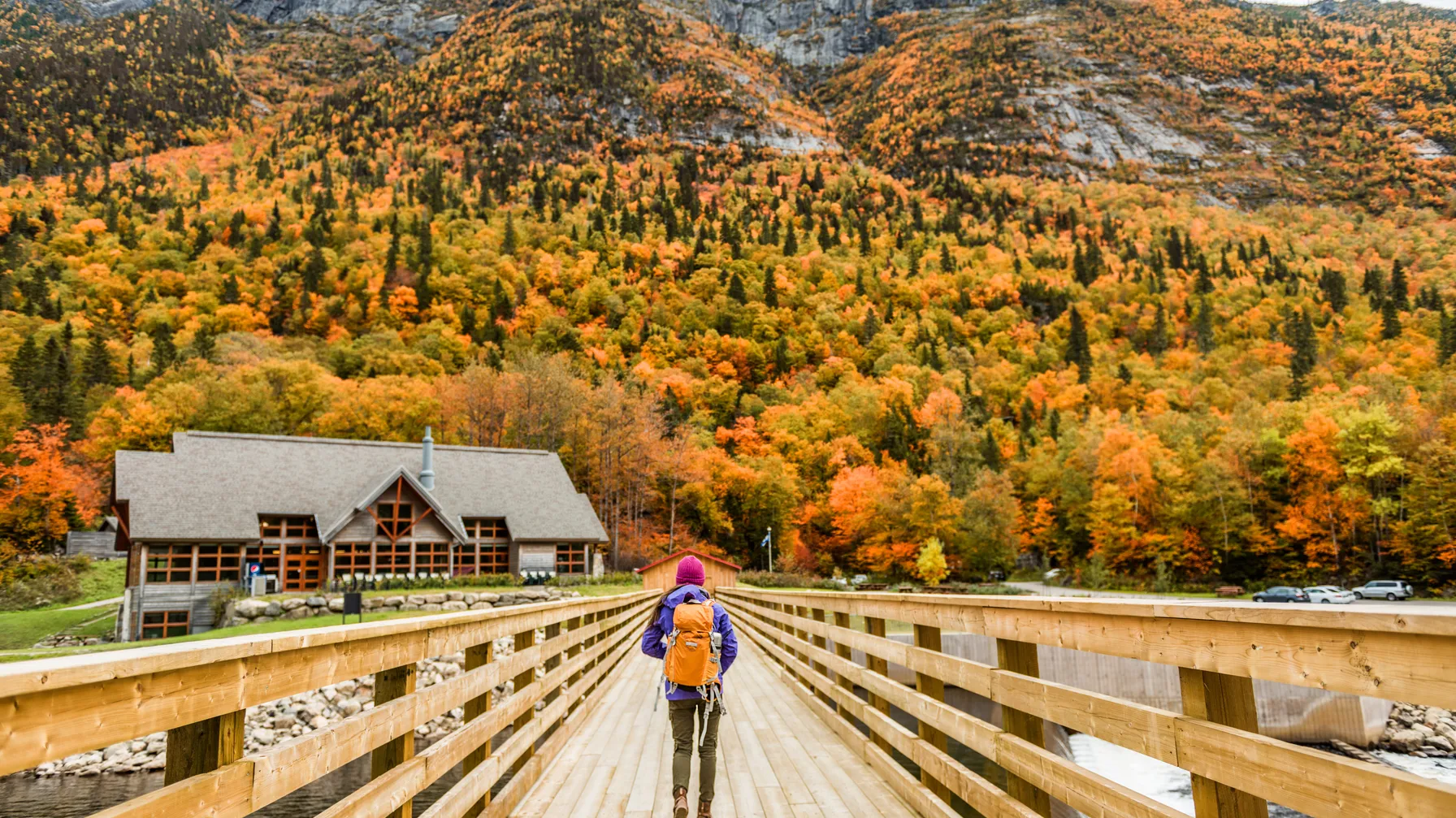
If you prefer to discover Canada from a different angle, the best time to enjoy a sunny and mild stay is between June and September. Canadian summers offer pleasant temperatures, long days, and easy access to nature, especially for hiking in national parks such as Banff or the Gaspé Peninsula. Autumn, between September and October, is also a wonderful period to travel to Canada and admire the fiery colors of the forests, in a setting of rare beauty.
Book your trip to Canada now and let our Travel Planners design a tailor-made itinerary, perfectly suited to the season and to your travel desires.
Demandez votre devis Canada sur-mesure 100% gratuit
 4.8
4.8+3.000 travelers satisfied