Zanzibar in April: climate, temperatures, and advice for your trip
What climate can you expect in Zanzibar in April?
The climate of Zanzibar in April fully participates in the main rainy season, a period that the locals call masika. This wet season, which extends from March to May, reaches its peak during this month, offering specific weather conditions that you must understand before your departure.
Demandez votre devis Zanzibar sur-mesure 100% gratuit
 4.8
4.8+3.000 travelers satisfied
Temperatures and weather conditions of the month
The weather in Zanzibar in April is characterized by consistently high temperatures and significant humidity. The thermometer generally registers between 27°C and 30°C during the day, while the nights remain mild around 25°C. This temperature creates an intense tropical atmosphere, accentuated by a humidity level that hovers around 85%.
The water of the Indian Ocean maintains a remarkable temperature of 29°C to 30°C, offering perfect conditions for swimming despite the weather conditions. This constant marine warmth is one of the major advantages of traveling to Zanzibar during this period.
The following table presents the average climate data for April:
| Indicator | Average Value |
|---|---|
| Maximum Temperature | 30°C |
| Minimum Temperature | 25°C |
| Sea Temperature | 29-30°C |
| Rainy Days | 20-24 days |
| Total Precipitation | 230-600mm |
| Humidity | 85 % |
| Sunshine | 6-7h/day |
Understanding the Great Rainy Season
The rainy season, spanning from March to May, radically transforms the archipelago. Unlike the short intense showers of other tropical destinations, Zanzibar experiences prolonged rainfall that can last several consecutive hours. These rains typically fall late in the afternoon and during the night, often leaving the mornings more mild.
This period contrasts sharply with the dry season, which extends from June to October, where precipitation becomes almost non-existent. Between these two distinct seasons, the short rainy season from October to December, called vuli, provides a more favorable intermediate climate for outdoor activities.
Contact us for more information on the best times to visit
The lesser-known advantages of a stay in Zanzibar in April
Despite the climatic challenges, a trip to Zanzibar in April reveals unique opportunities that savvy travelers appreciate. This period allows one to discover the archipelago from an authentic perspective, away from traditional tourist trails.
Enjoying the tranquility of the off-season
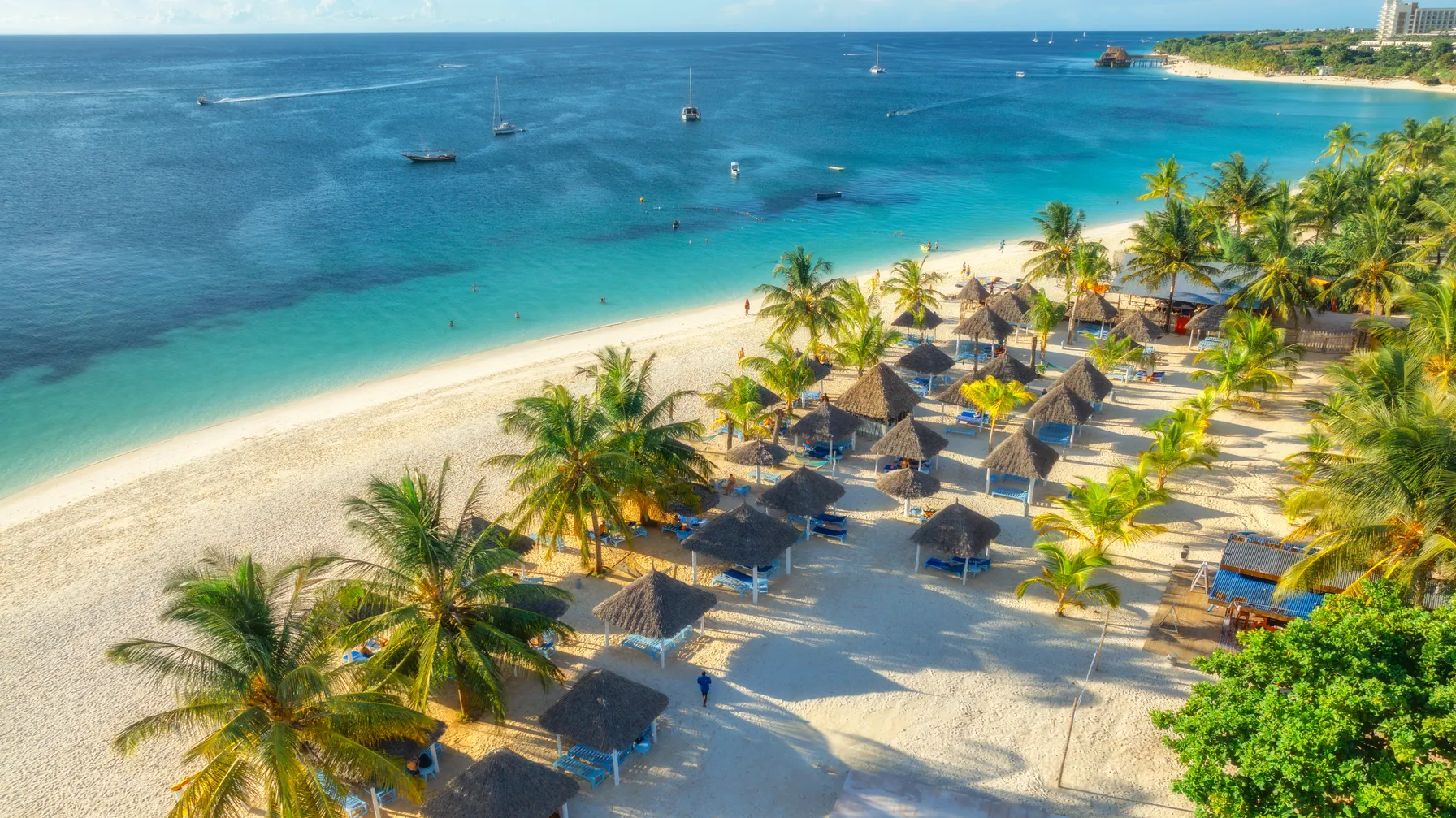
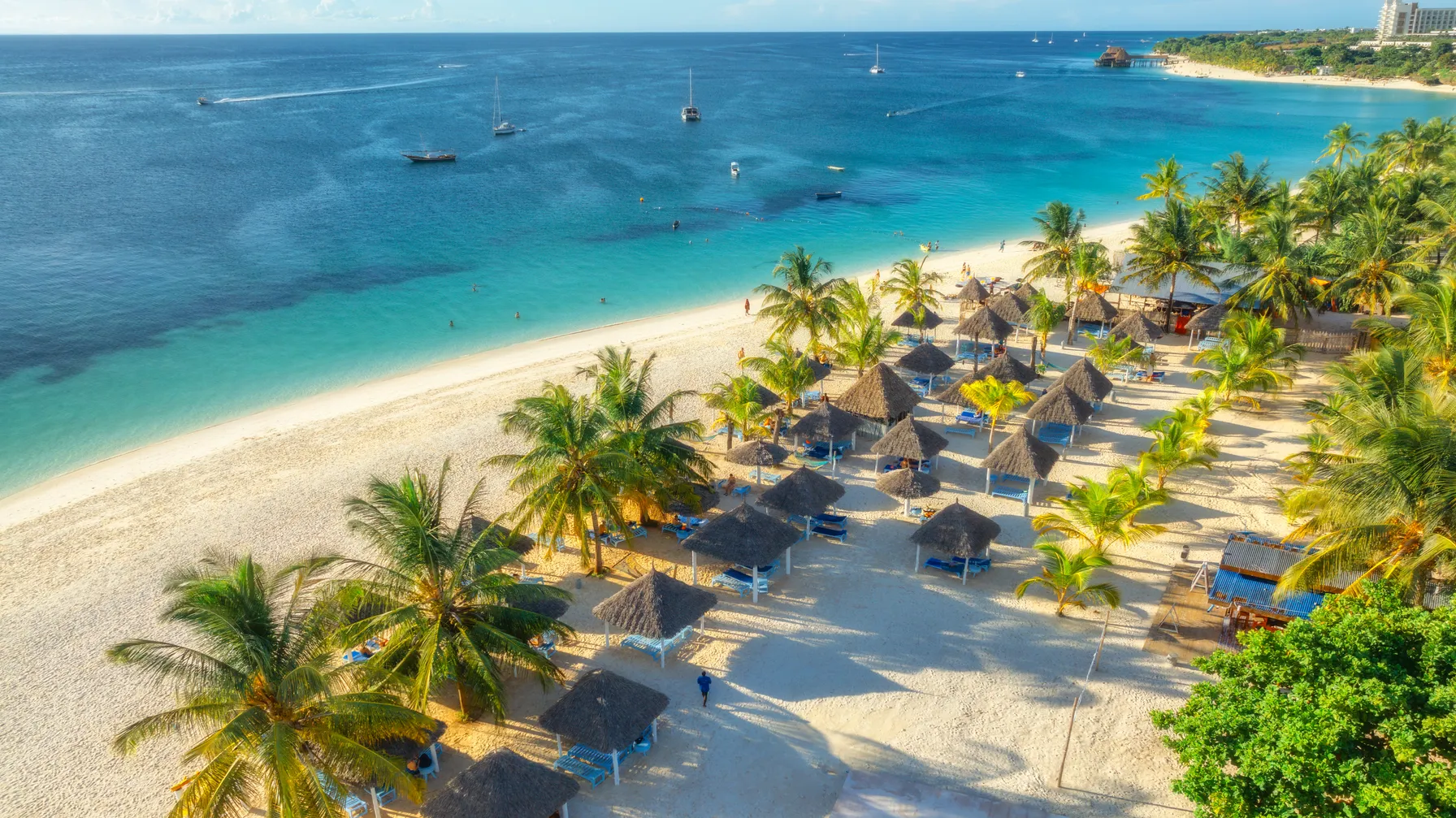
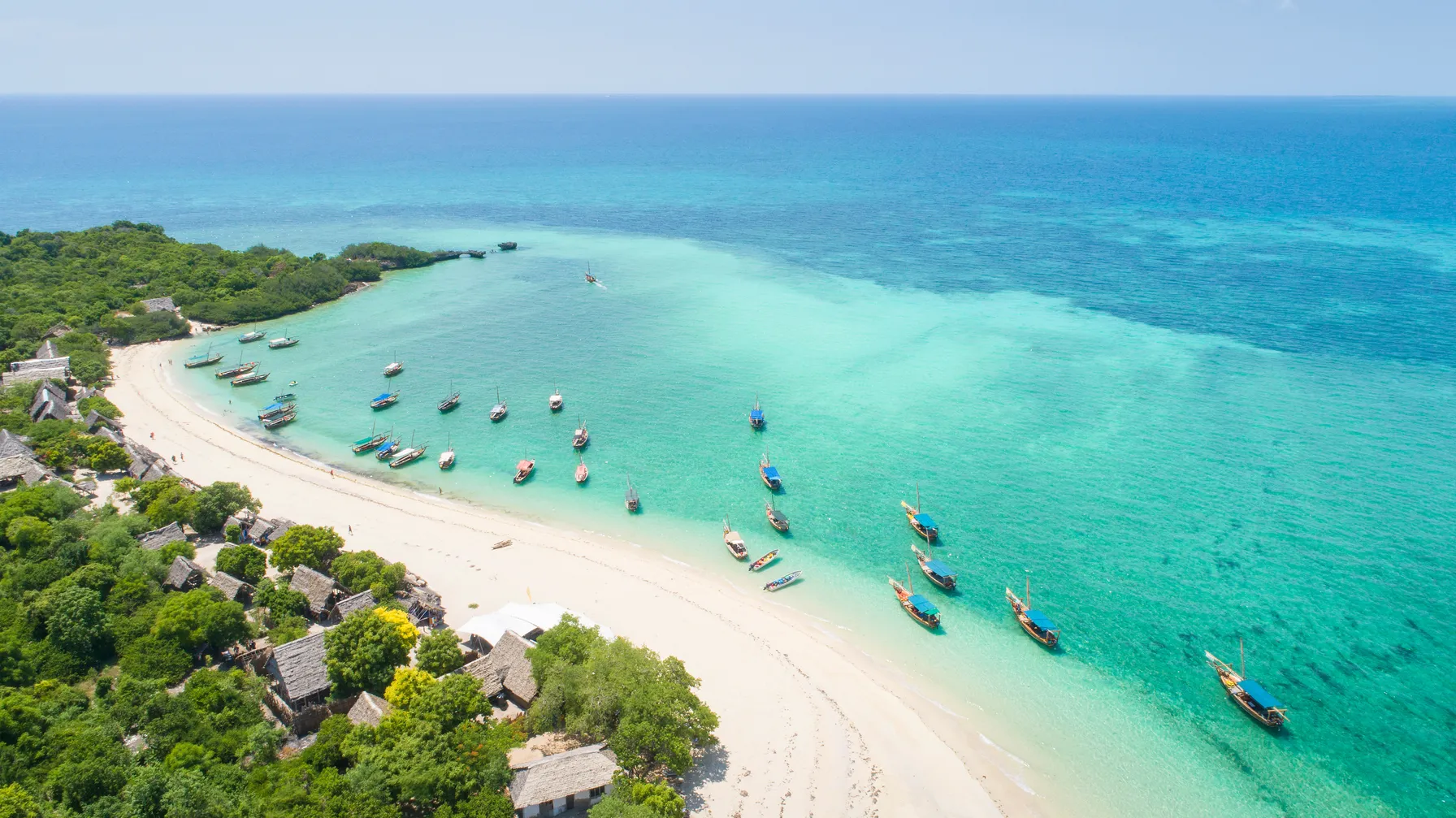
The low tourist influx in April transforms your stay in Zanzibar into a privileged experience. The legendary beaches of Nungwi, Kendwa, or Paje regain their wild character, offering moments of exceptional serenity. This intimacy allows you to establish authentic relationships with the local populations, who are less solicited by mass tourism.
Affordable rates are another major attraction during this period. Accommodations practice particularly attractive prices, allowing access to high-end establishments usually reserved for larger budgets. This price accessibility also extends to activities and excursions, creating opportunities for an exceptional custom-made journey.
Discover thriving tropical nature
April rains reveal the exceptional lushness of the Zanzibari vegetation. Jozani Forest reaches its peak, offering landscapes of brilliant green where the red colobus monkeys roam in their natural habitat. The spice plantations - cloves, cardamom, cinnamon - give off more intense scents after each downpour, creating a unique sensory experience.
This botanical revival is accompanied by an increased wildlife activity. The tropical birds are more active, while multicolored butterflies proliferate in this humid environment. For photography enthusiasts, this period offers exceptional conditions to capture the natural beauty of the archipelago.
Activities and discoveries suited for April
The climate in Zanzibar during this month naturally steers towards activities less dependent on weather conditions. This constraint becomes an opportunity to explore the often overlooked cultural and natural riches during typical seaside stays.
Stone Town and sheltered cultural treasures
Stone Town, the historical capital of the archipelago and a UNESCO World Heritage site, is the perfect destination for your vacation in Zanzibar in April. Its labyrinthine alleys, centuries-old palaces, and colorful markets are ideally discovered sheltered from the weather.
The main cultural attractions deserve special attention:
- Darajani Market, a true theater of local life where spices, tropical fruits, and crafts intermingle;
- The House of Wonders (Beit El-Ajaib), former sultanic palace turned into a museum;
- The Persian Baths of Hamamni, witnesses of the oriental influence on the archipelago;
- The Anglican Cathedral, built on the former slave market.
These cultural visits allow you to understand the complex history of Zanzibar, a crossroads between Africa, Arabia, and India. Local guides, more available during this period, passionately share the stories and legends that have shaped Zanzibar's identity.
Authentic exploration of villages and nature
Traditional fishing villages reveal their authenticity during the wet season. Matemwe, on the northeast coast, or Jambiani, facing the Indian Ocean, offer privileged encounters with local communities. You can observe ancestral fishing techniques, participate in the cultivation of seaweed, or taste freshly caught fish in a friendly atmosphere.
Jozani National Park, a sanctuary for endemic red colobus monkeys, is ideally visited during this period. The dense vegetation offers natural protection against the showers, while the wildlife is more active. Botanical trails reveal the floral richness of the archipelago, with more than 100 species of tropical trees.
Prison Island, accessible by a few minutes' boat ride from Stone Town, is home to the famous Aldabra giant tortoise colony. This excursion, feasible despite the weather conditions, combines historical discovery and wildlife observation in a preserved setting.
Book your trip to Zanzibar now
Prepare your trip to Zanzibar in April in the best way
A successful stay during the wet season requires specific preparation, both in terms of equipment and the organization of your activities. These precautions will allow you to fully enjoy the opportunities this particular period offers.
Equipment and precautions to consider
Your wardrobe should favor light but covering clothing, ideally in natural fibers that breathe better in this tropical humidity. A light raincoat or compact poncho is indispensable for your movements. Don't forget waterproof closed shoes for land visits, complemented by quick-drying sandals.
Sun protection remains essential even with cloud cover. UV rays easily penetrate tropical clouds, requiring regularly renewed high-protection sunscreen. A hat and sunglasses complete this essential protection.
Regarding health, consult your doctor to update your tropical vaccinations and carry a suitable first aid kit. An effective mosquito repellent becomes crucial during this period of increased humidity.
Alternatives if you prefer other times
If the conditions in April do not meet your expectations, the Zanzibar archipelago offers excellent alternatives according to your preferences. The dry season, from June to October, guarantees maximum sunshine and ideal conditions for beach activities. This period is perfectly suited for families with children and scuba diving enthusiasts.
For an interesting compromise, consider the months from December to February, which combine mild temperatures and low rainfall. This period avoids the crowds of the European high season while still offering favorable weather conditions.
The month-by-month choice essentially depends on your priorities: April favors authenticity and tranquility, while the dry season promotes water activities and beach relaxation. Your tailor-made trip can thus perfectly adapt to your specific expectations.
Our advice: travelers seeking cultural immersion and lush nature will find April a unique time to discover the true soul of Zanzibar, far from the usual tourist clichés.
Contact us for more information