Hiking in Zanzibar: explore the Spice Island on foot
Which hikes to do in Zanzibar?
The Jozani Forest, a natural sanctuary at the heart of the island
The Jozani Forest is one of the highlights of any stay in Zanzibar for outdoor enthusiasts. As the island's only national park, this sanctuary is explored along trails that wind through wetlands, dense undergrowth and elevated boardwalks overlooking the mangroves. It is here that the Zanzibar red colobus, an endemic monkey, lives, and observing it in the wild becomes an unforgettable shared discovery. The hike is accessible to beginners and families, lasts about two to three hours, and offers direct contact with rare biodiversity. For those who wish to have a truly singular experience in Zanzibar, this naturalist immersion is an essential stop on the itinerary.
Spice plantations, a sensory immersion on foot
Inland, spice plantations offer a hiking experience of a different kind, midway between exploration and cultural discovery. From Stone Town, it is possible to reach these plantations to walk among vanilla, cinnamon, cloves and cardamom crops. This type of route, very accessible, is perfectly suited for families and travelers curious to understand the island's agricultural history that made it famous. The duration varies between two and four hours depending on the chosen circuit, and each stop in the spice plantations invites you to slow your pace and engage all the senses.
Stone Town and the coast, between heritage and seaside
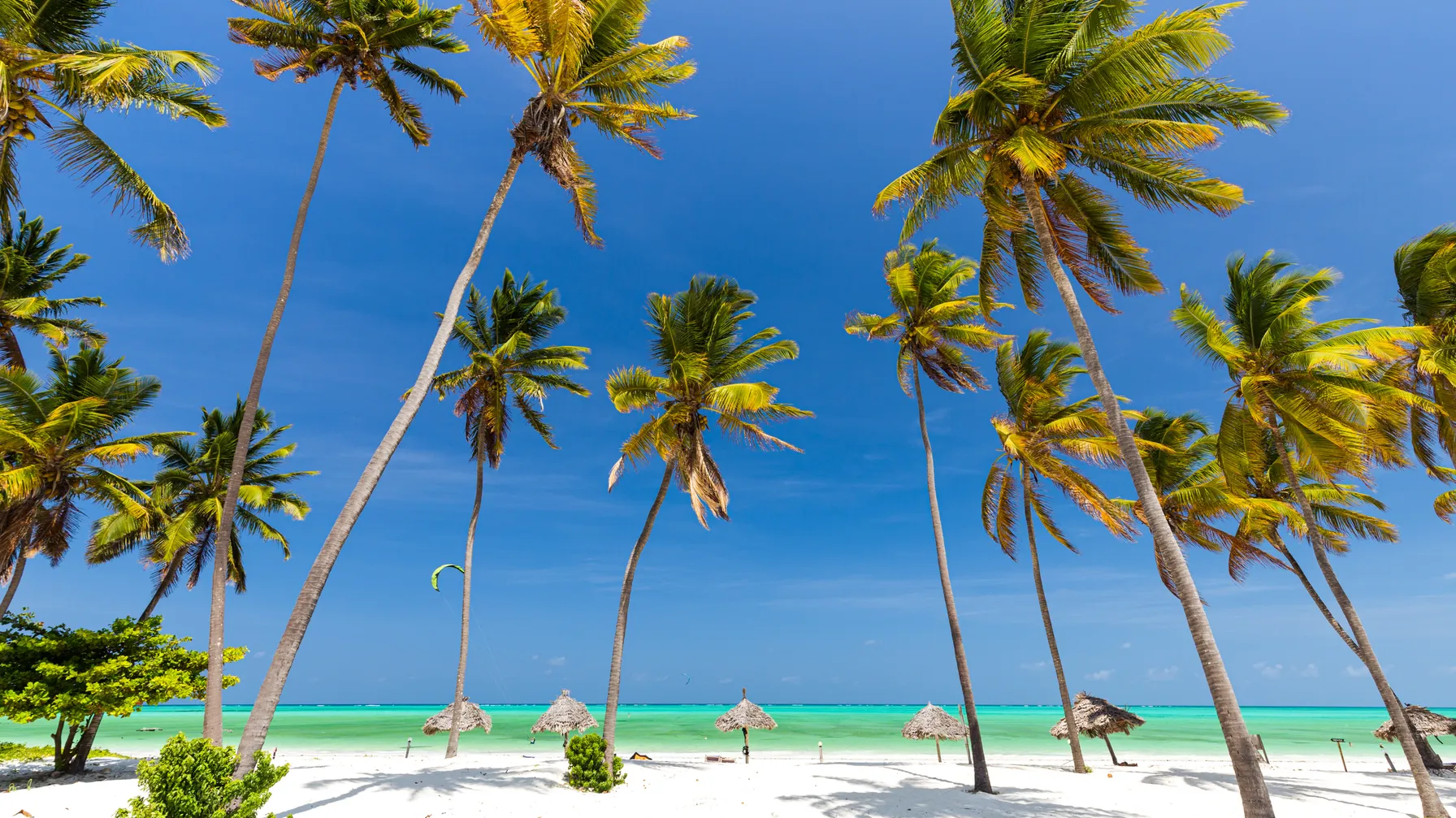
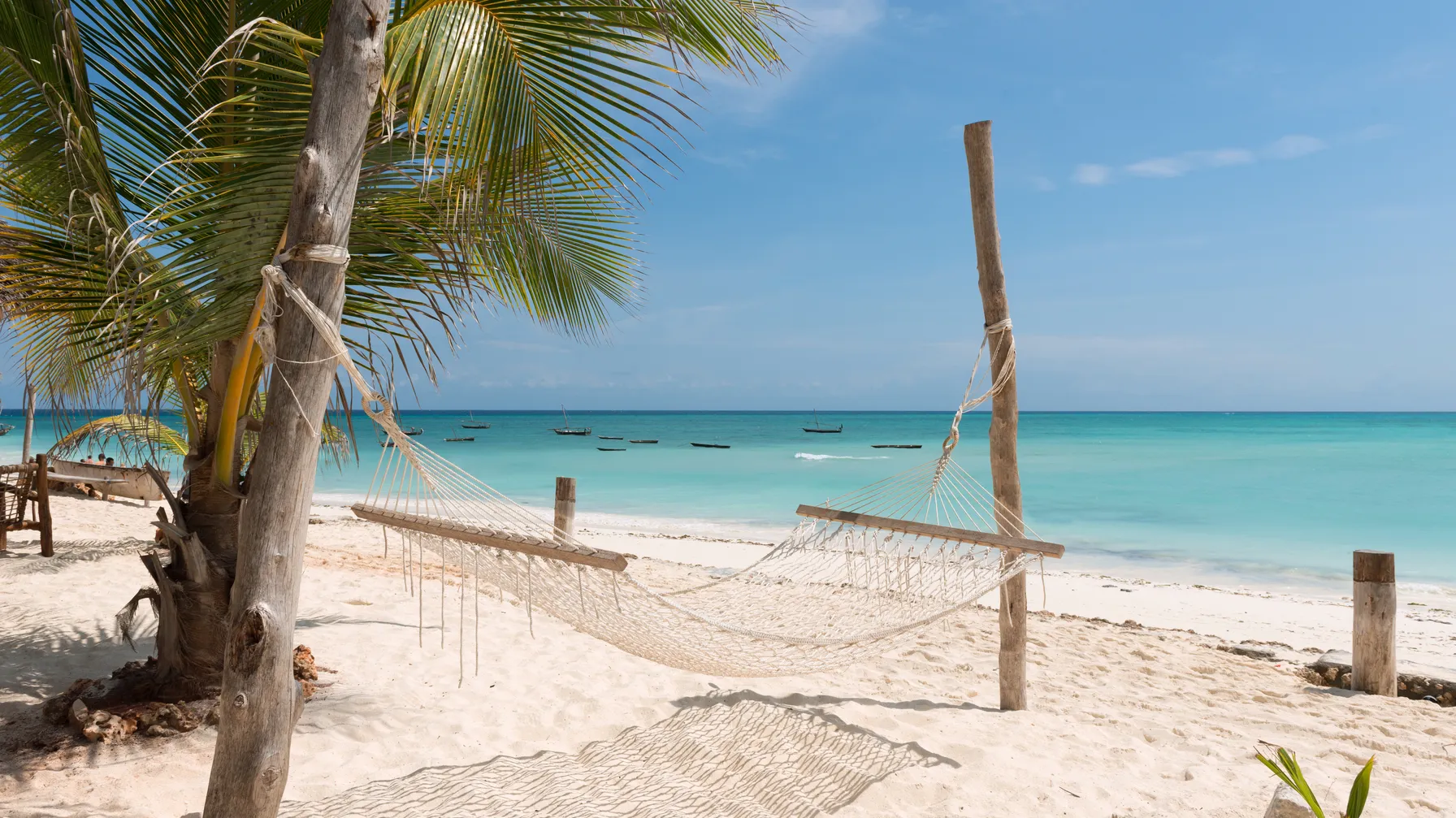
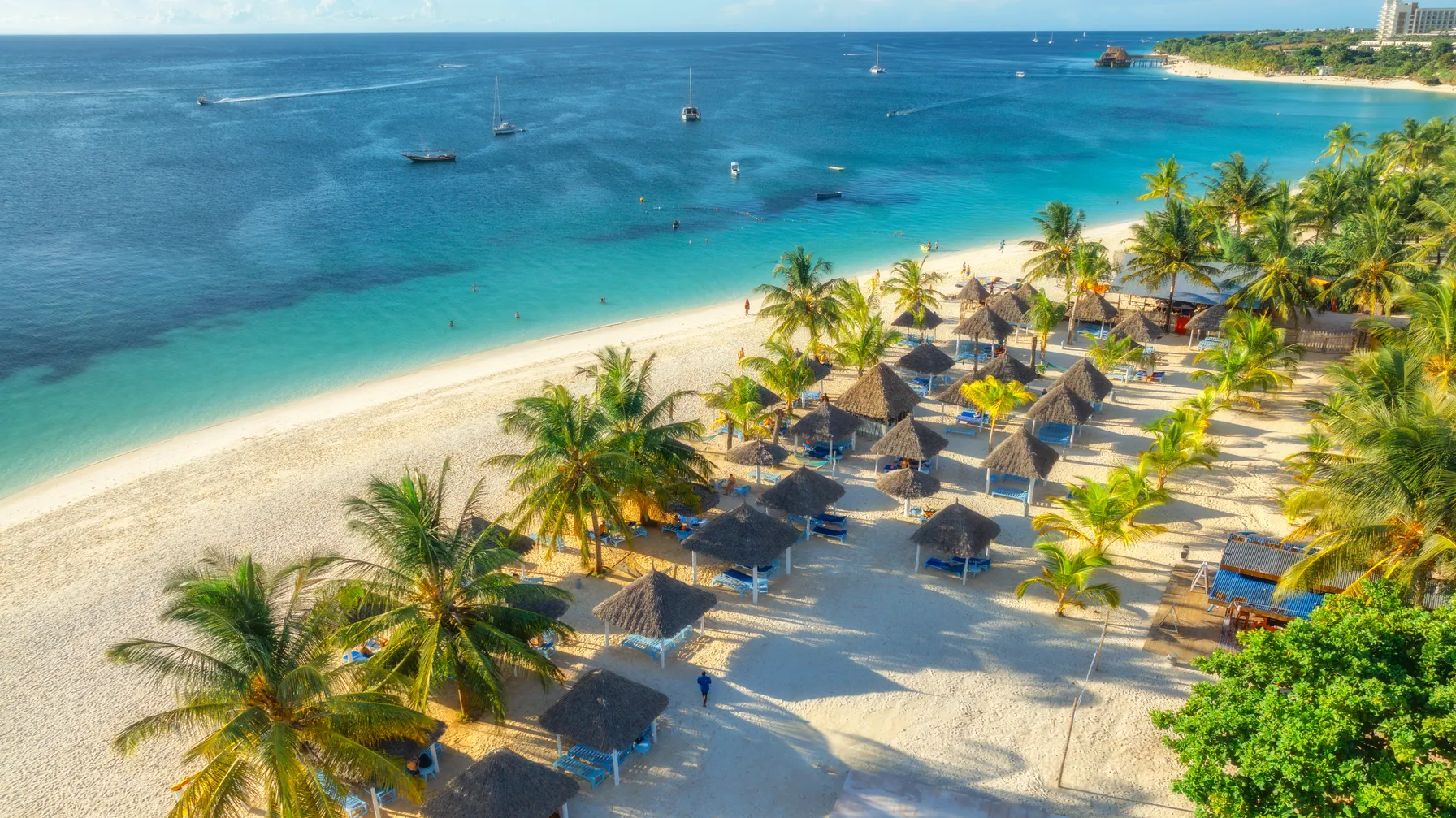
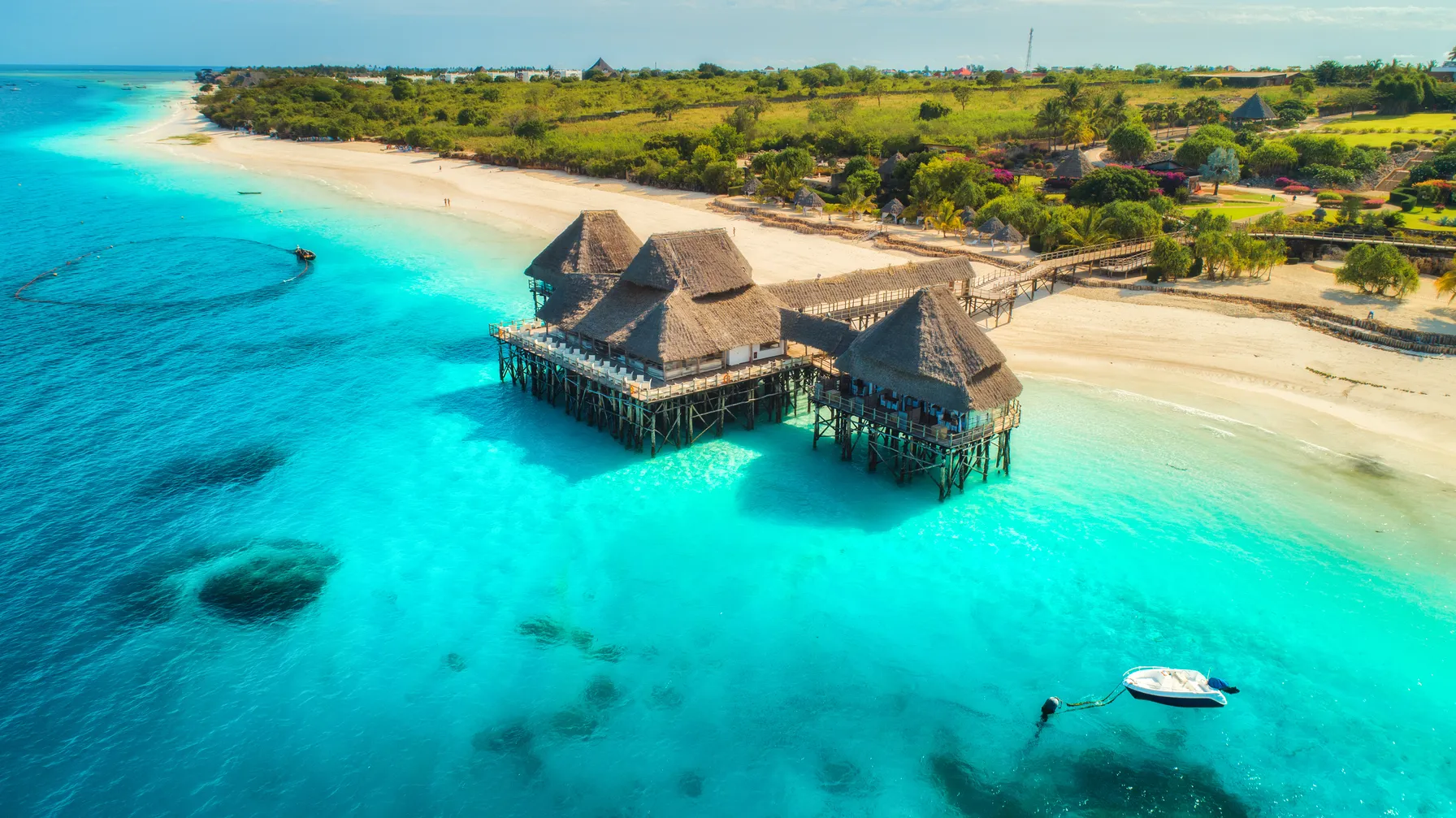
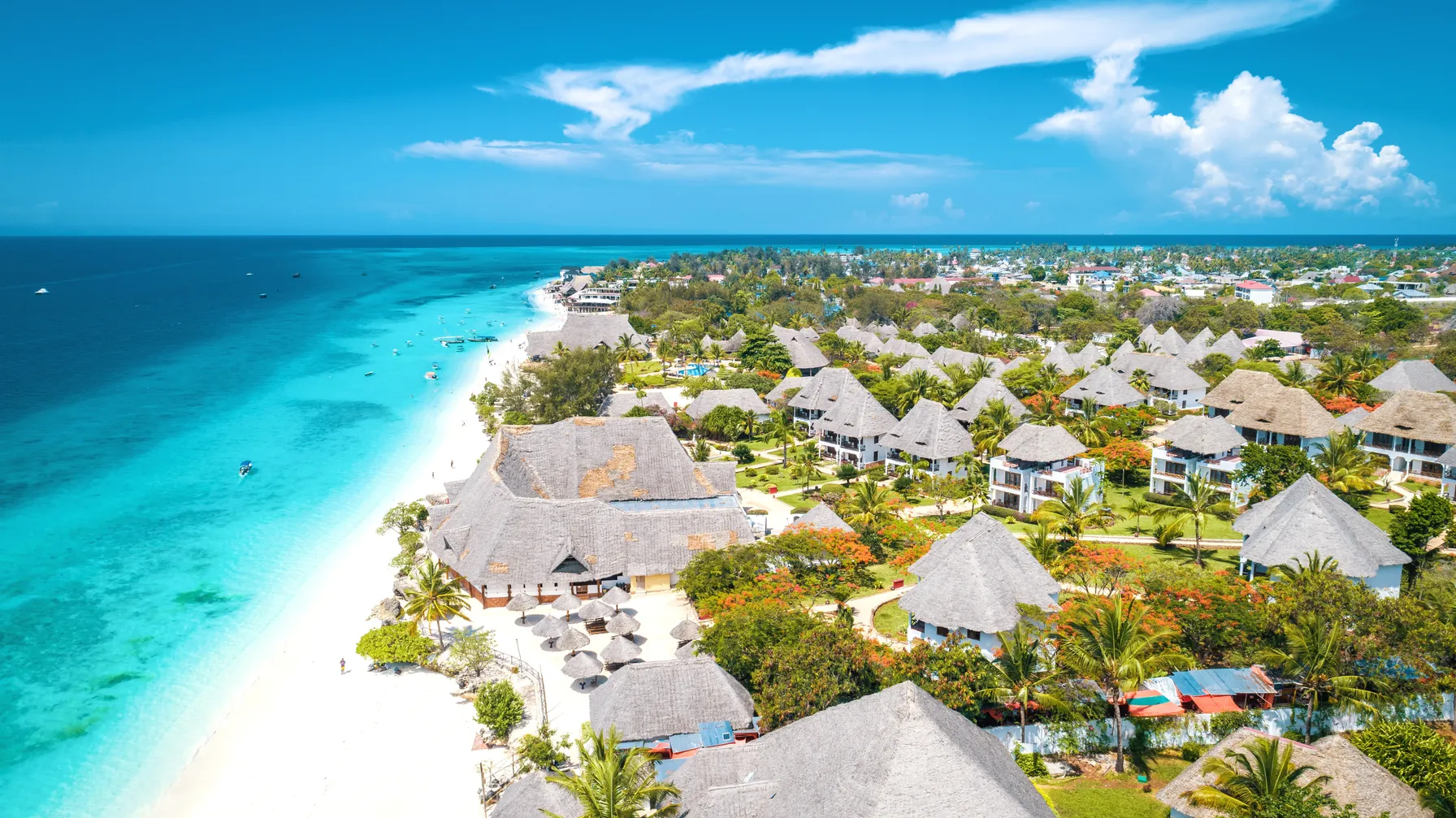
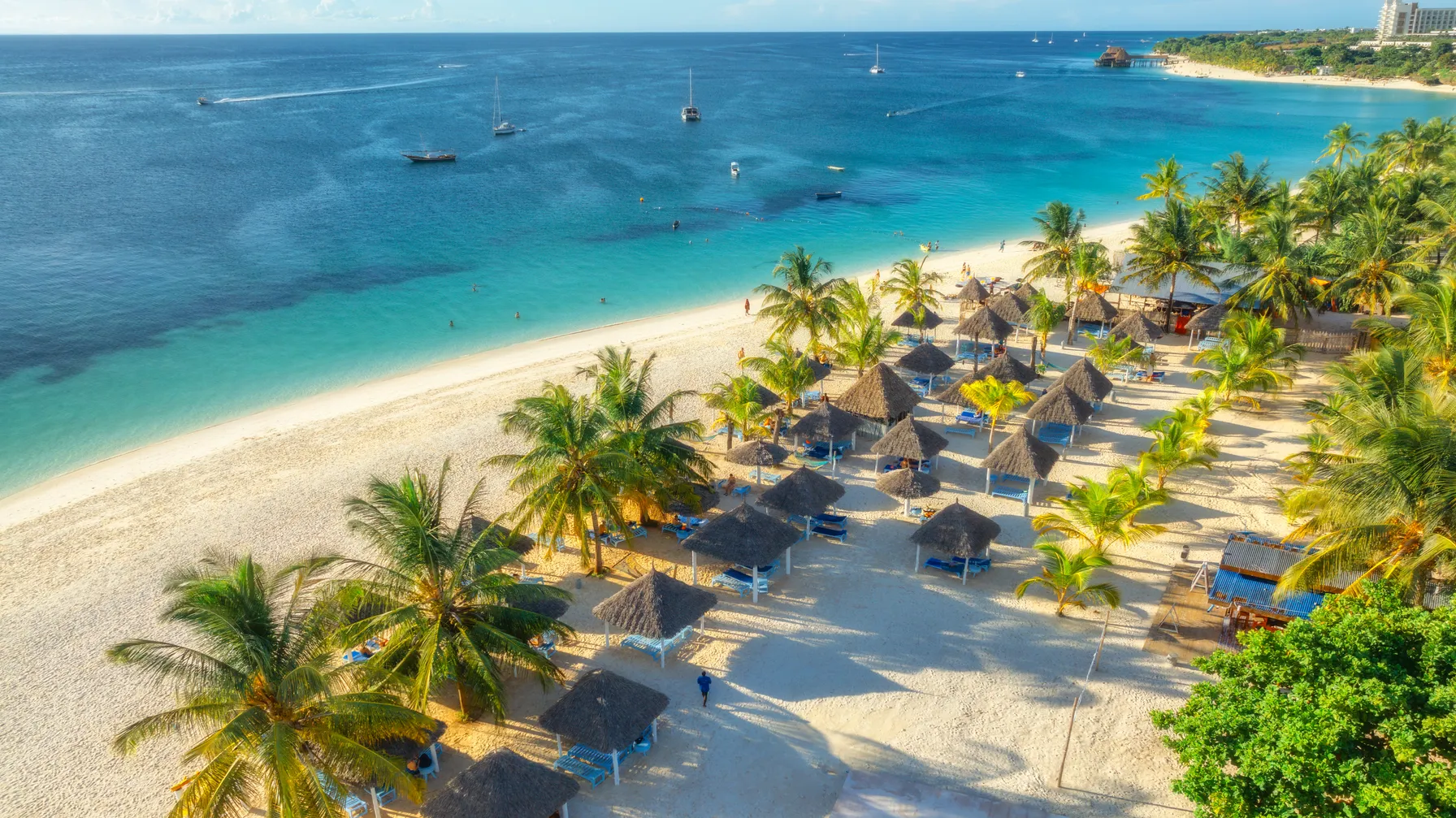
Walking through the streets of Stone Town is an exceptional urban hike. This UNESCO World Heritage-listed city concentrates centuries of Arab, Indian and European influences in a labyrinth of cobbled streets. The House of Wonders, the carved wooden doors, and Darajani Market: each step reveals a fragment of living history. To extend the exploration toward the coast, coastal routes run along fishing villages in the north and east of the island, notably around Nungwi, where white-sand beaches meet the turquoise waters of the Indian Ocean. These coastal walks, with no particular technical requirements, are suitable for all levels and provide a wonderful introduction to the diversity of the archipelago's landscapes.
Demandez votre devis Zanzibar sur-mesure 100% gratuit
 4.8
4.8+3.000 travelers satisfied
What is the best time to hike in Zanzibar?
The climate of Zanzibar plays a key role in the practicality of the trails. Choosing the right time to start makes all the difference in fully enjoying hikes and outdoor activities.
| Month | Temperatures (°C) | Rainfall | Conditions for hiking |
|---|---|---|---|
| January – February | 27 – 29 | Moderate | Good |
| March | 28 – 29 | On the rise | Fair |
| April – May | 27 – 29 | Heavy (up to 262 mm) | Not recommended |
| June – October | 25 – 27 | Low | Ideal |
| November | 27 – 28 | Moderate to heavy | Limited |
| December | 28 – 29 | Moderate | Acceptable |
The dry season, which runs from June to October, represents the ideal window for a hike in Zanzibar. Rainfall is then minimal, the trails remain passable, and the temperatures provide comfortable conditions for walking. The period from December to February constitutes a welcome alternative, with warmer temperatures but often clear skies. Conversely, the months of April and May correspond to the major rainy season, making some trails muddy or inaccessible.
The advice from our Travel Planners: to combine hiking, cultural exploration and relaxation on sandy beaches, the months of July and August offer the most favorable conditions for a truly fulfilling trip to Zanzibar.
How to best prepare for your Zanzibar hike?
A Zanzibar hiking-focused trip requires appropriate preparation, both in terms of equipment and on-site organization.
The equipment suited to tropical terrain
Hikes in Zanzibar do not require elaborate technical equipment, but a few essentials are necessary to enjoy each outing with total peace of mind:
- Lightweight and breathable shoes, providing good grip on varied terrain;
- Effective sun protection including high-protection sunscreen, a hat, and sunglasses with a UV index of at least 3;
- A water bottle or hydration system suitable for tropical heat;
- Long-sleeved clothing for forest and village passages, in line with local customs.
Safety, environmental protection and organization
On the trails of Jozani Forest as in the fishermen's villages, a few simple habits guarantee a respectful and enjoyable experience. Leaving early in the morning allows you to benefit from soft light and avoid the heat of the central hours. The accompaniment of a local guide considerably enriches the discovery, especially to identify endemic wildlife and the plants with medicinal properties. To craft a Zanzibar stay entirely centered on your preferences, relying on a tailor-made trip saves you from long evenings of searching: every detail is taken care of so that you only have to pack your bags.
Book your trip to Zanzibar now.
Frequently asked questions
Can you hike in Zanzibar with a family and young children?
Yes, several itineraries are perfectly suited for families with children. The Jozani Forest, the spice plantation tours, and the coastal walks around Nungwi are suitable from about 6 years old. The elevations remain very moderate across the island, making it an accessible destination to introduce the youngest to walking in nature.
Do you need a local guide to hike in Zanzibar?
While some trails can be explored independently, hiring a local guide is highly recommended, especially for forest hikes or in less-marked areas. Beyond safety, the guide provides valuable knowledge of the ecosystems traversed and directly contributes to the local economy, in a responsible tourism approach.
What documents are required to enter Zanzibar?
A passport valid for more than six months after the date of arrival is required, along with a visa and travel insurance specifically with the Zanzibar Insurance Corporation (ZIC). It is recommended to check the current formalities with the Ministry of Foreign Affairs before your departure, as this information may evolve.