This site uses cookies.

Cookies enable us to personalize content, offer social media features and analyze our traffic.

If the world changes before you leave, we adapt your trip
Sign In
Image When to visit Zanzibar

When to visit Zanzibar: complete guide to choosing the ideal time

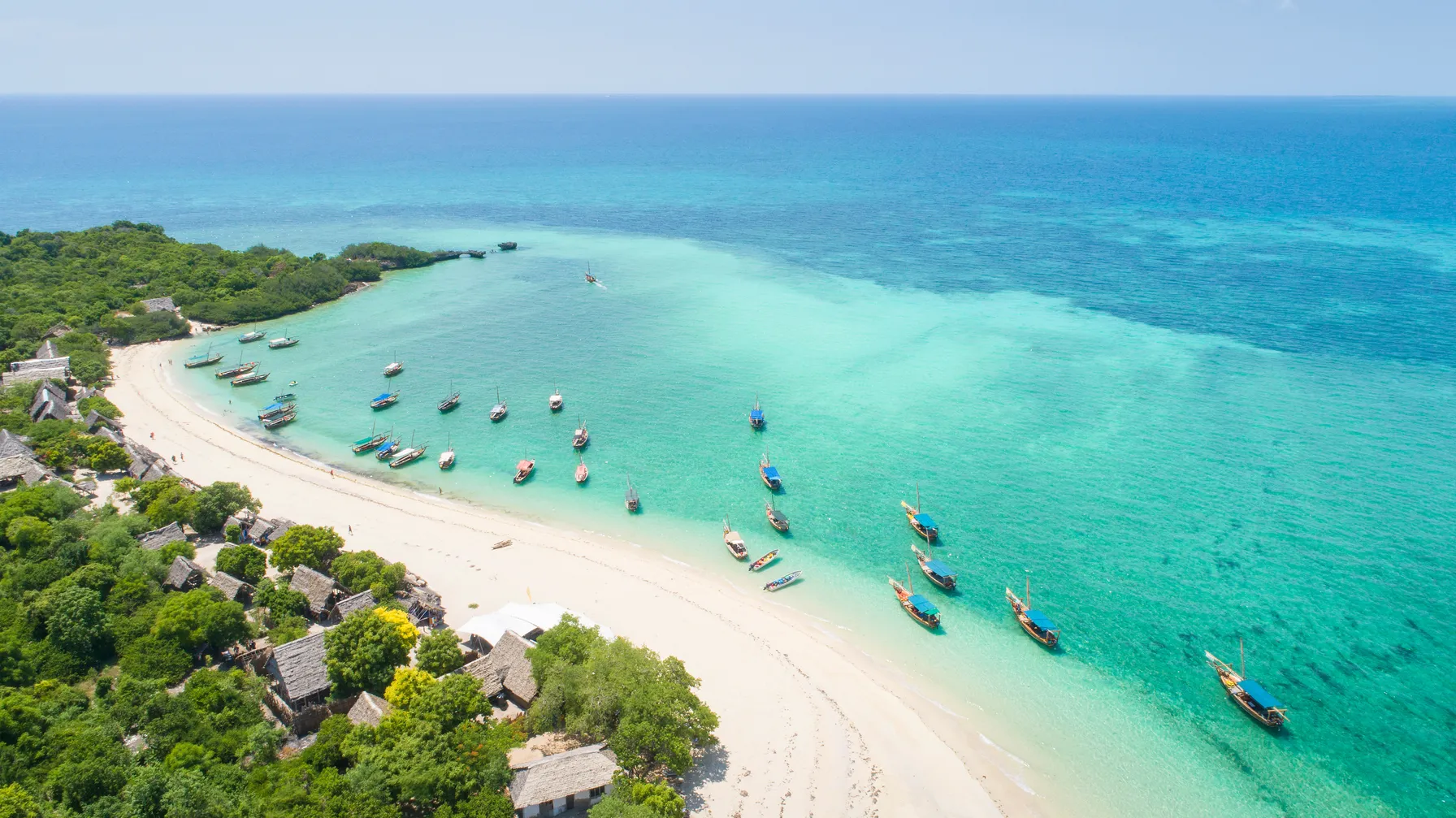
A legendary archipelago in the Indian Ocean, Zanzibar enchants with its pristine white sand beaches, turquoise waters, and rich cultural heritage. This exceptional destination off the coast of Tanzania benefits from an equatorial climate that greatly influences the travel experience. Between dry seasons favorable to water activities and wet periods revealing lush vegetation, each time of the year has its characteristics. Discovering when to visit Zanzibar becomes essential to fully enjoy the treasures of this multifaceted archipelago, whether you're looking for the tranquility of the lagoons, the liveliness of Stone Town, or the authenticity of the fishing villages.

What is the climate of Zanzibar throughout the year?

Located a few degrees south of the equator, the Zanzibar archipelago enjoys an equatorial climate marked by a well-defined alternation between dry and wet periods. This privileged geographical situation protects the island from extreme weather phenomena while ensuring pleasant temperatures all year round.

Understanding the seasons of the Indian Ocean

The climate of Zanzibar revolves around two main seasons that rhythm the local life and significantly influence the experience of travelers. The dry season, extending from June to October, is the most popular time to visit the archipelago. During this phase, precipitation becomes almost non-existent, and the trade winds bring a welcome coolness, making the atmosphere less oppressive.

Conversely, the rainy season radically transforms the Zanzibari landscape. This period is divided into two distinct phases: the long rains from March to May, characterized by intense and daily showers, and a milder short season between October and November. These rains, although abundant, revitalize the tropical vegetation and offer striking natural spectacles.

The island of Zanzibar also experiences a particularly appreciated intermediate season, extending from December to February. This period combines the advantage of generous sunshine with higher temperatures, creating ideal conditions for beach activities.

Temperatures and precipitation month by month

The thermal consistency is one of Zanzibar's major assets. Seasonal variations remain moderate, fluctuating between 22°C and 30°C depending on the period. This stability allows travelers to plan their trip based on criteria other than just temperature.

The table below presents the average climate conditions in Zanzibar:

( Continuation...)

The months of March and May mark the peak of the wet season, with rainfall exceeding 250mm per month. This period transforms the archipelago into a true tropical garden but significantly limits outdoor activities. In contrast, July and August offer exceptional conditions with less than 30mm of monthly rainfall and especially pleasant temperatures.

The Indian Ocean maintains a remarkably stable temperature, varying between 25°C and 29°C depending on the season. This thermal consistency in the sea allows swimming throughout the year and promotes the richness of coral ecosystems.

What are the best times to travel to Zanzibar?

Planning a trip to Zanzibar requires a fine understanding of the different climate windows to optimize your experience according to your expectations. Each season reveals distinct facets of the archipelago, offering unique opportunities to savvy travelers.

The dry season, an ideal window for the archipelago

The dry season from June to September is undeniably the best time to discover Zanzibar under optimal conditions. During this travel period, the archipelago reveals all its charms without the meteorological constraints that can disrupt other times of the year.

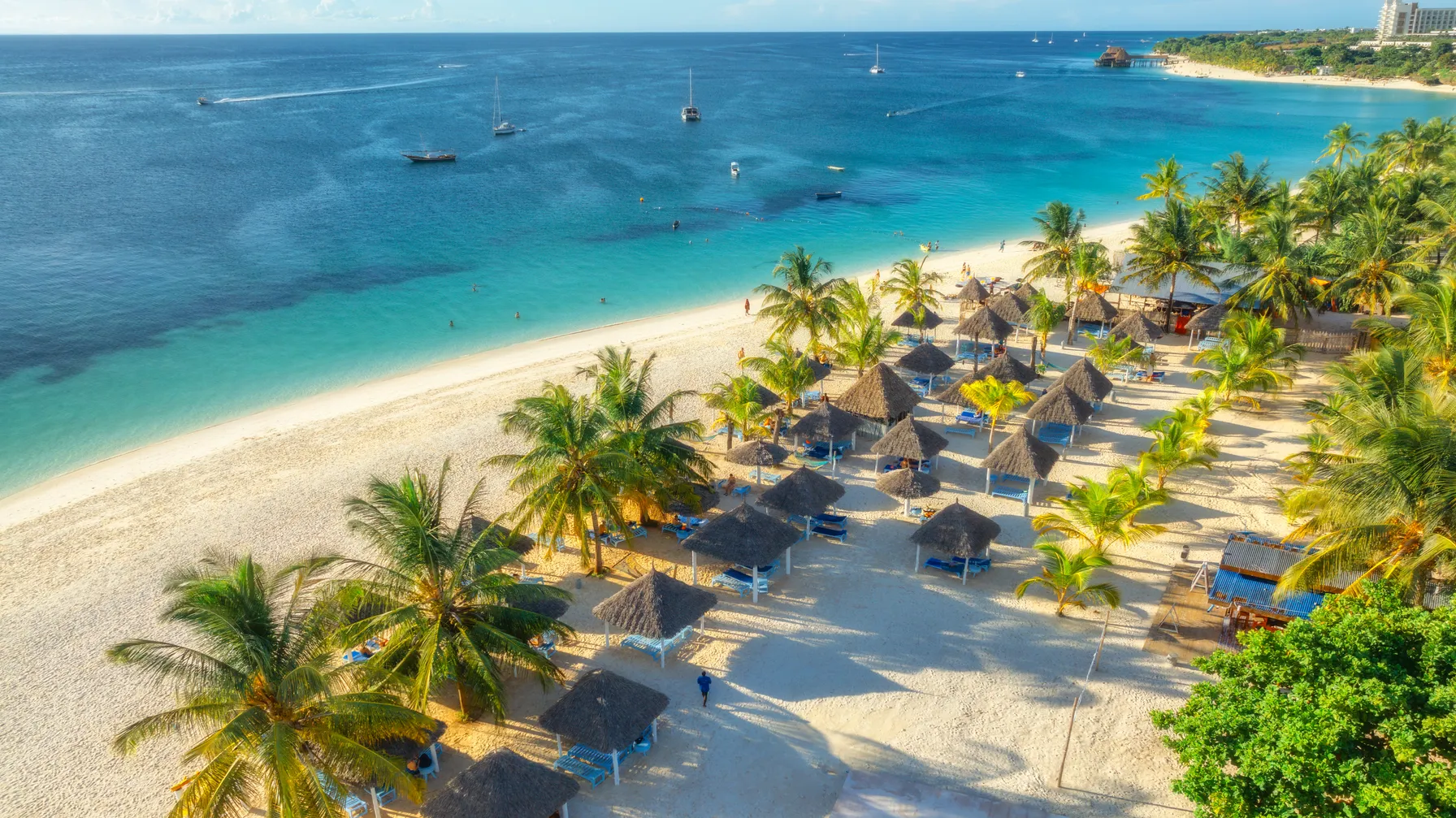
June marks a gentle transition toward idyllic conditions. The last rains gradually fade, giving way to beautiful sunny days that last until September. This time window offers significant advantages for all types of activities. Sandy beaches reveal their splendor under a generous sun, while the crystal-clear waters invite diving and snorkeling in exceptional visibility conditions.

Exploring Stone Town becomes particularly pleasant during this period. Moderate temperatures allow wandering through the historical alleyways without enduring the heaviness of the air characteristic of the more humid months. Sunsets from panoramic terraces take on a magical dimension, with clear skies that enhance the twilight colors.

This season also corresponds to the peak tourist season, bringing rich cultural liveliness but also a marked increase in visitors. Advanced booking of your accommodation becomes essential to guarantee the availability of the most sought-after establishments.

CTA: Book your trip to Zanzibar now

The warm season, between sun and crowds

The months from December to February represent an attractive alternative for traveling to Zanzibar, especially appreciated by travelers in search of authentic tropical warmth. This period combines the advantage of maximum sunshine with higher temperatures, creating a truly exotic atmosphere.

January and February are distinguished by remarkably stable weather conditions. Precipitations are limited, generally in the form of short, refreshing showers at the end of the day. This setting allows full enjoyment of beach activities while benefiting from a welcome natural refreshment.

The end of the year also corresponds to a period of significant tourist influx, particularly marked during the end-of-year festivities. This liveliness brings a festive dimension to the archipelago, with cultural events and local celebrations that enrich the travel experience. However, this popularity results in higher rates and a need for advanced planning.

The ocean temperature reaches its highest values during this period, around 29°C. These exceptional conditions favor a variety of water activities and allow extended swimming sessions, even for the chillier individuals.

How to tailor your trip according to your desires and profile?

The richness of Zanzibar lies in its ability to meet various expectations depending on the chosen period. Understanding seasonal specifics allows you to optimize your experience based on your priorities and traveler profile.

Water sports and beach relaxation

For enthusiasts of aquatic activities, the choice of the period is crucial. The dry season, especially from June to October, offers the most favorable conditions for enjoying the beaches and exploring the exceptional marine depths of the archipelago.

Diving enthusiasts will find their paradise during this period, with optimal underwater visibility and generally calm sea conditions. Iconic sites around Mnemba Island then reveal their splendor, with preserved coral reefs and remarkable marine biodiversity. Local dive centers offer daily outings suitable for all levels, from beginners to technical explorations.

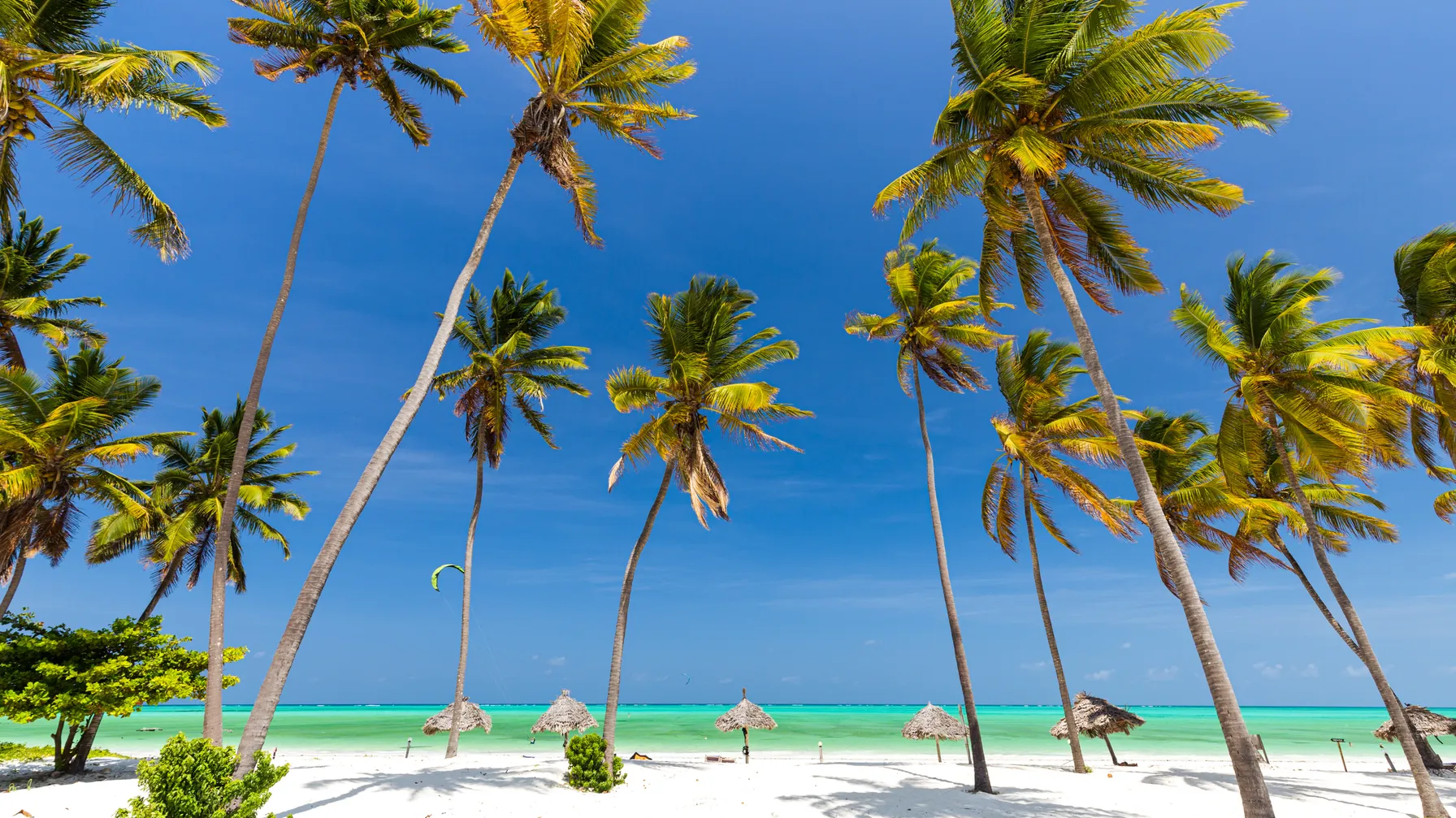
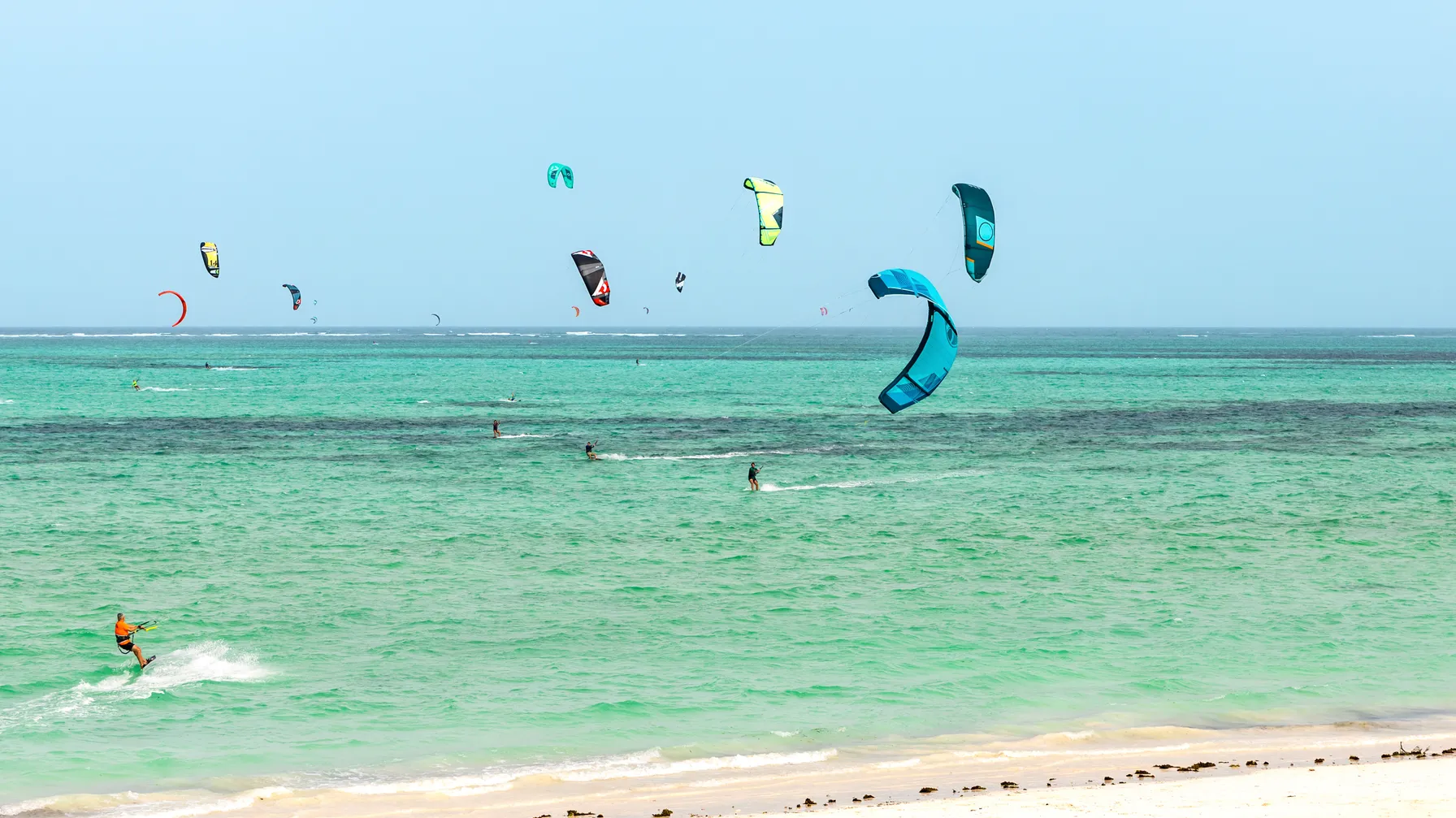
Kitesurfing and windsurfing also enjoy privileged conditions during the season. Regular trade winds and the configuration of the lagoons create an ideal playground for these disciplines. The east coast of the island, especially around Paje and Jambiani, becomes the stage for spectacular maneuvers on stretches of pristine white sand.

For a more contemplative experience, this period allows you to fully savor the Zanzibari way of life. The long sunny days invite the discovery of authentic fishing villages, where time seems suspended between ancient traditions and emerging modernity.

CTA: Contact us for more information on water activities in Zanzibar

Cultural discoveries and local events

Zanzibar has a rich cultural calendar that significantly influences the travel experience depending on the time of year. The archipelago's major events are primarily concentrated during certain temporal windows, creating unique opportunities for cultural immersion.

The Zanzibar International Film Festival (ZIFF), usually held in July, turns Stone Town into a real artistic hub. This continental-scale event attracts creators from around the world and offers travelers an exceptional dive into contemporary African creativity. Screenings take place in emblematic locations of the old town, creating a unique atmosphere between historical heritage and modern expression.

The Sauti za Busara festival, dedicated to music, usually lights up the end of January or the beginning of February. This celebration transforms the archipelago into a giant stage where traditional Swahili rhythms mixed with contemporary influences resonate. The event is a rare opportunity to discover the musical richness of the Indian Ocean in its authentic context.

During this period, Stone Town reveals its full cultural dimension. The moderate temperatures from January to March facilitate an in-depth exploration of the architectural heritage, listed as a UNESCO World Heritage site. The labyrinthine alleys, sultanate palaces, and centuries-old mosques can be discovered in optimal conditions, far from the atmospheric heaviness characteristic of certain seasons.

Optimizing your budget according to seasonality

The economic aspect is a determining factor for many travelers wishing to visit Zanzibar. The archipelago shows significant price variations according to the seasons, allowing you to optimize the value for money of your stay.

The low season, corresponding to the months from March to May and partially October and November, offers the most attractive rates. This period, being a minor rainy season, deters some visitors, creating an opportunity for flexible and adventurous travelers. Accommodations often offer substantial discounts, sometimes up to 40% compared to high season rates.

However, traveling during this period requires an adjustment of your expectations. The daily showers limit some outdoor activities, but reveal an authentic facet of the archipelago. The lush vegetation, heightened colors, and tranquil atmosphere create a particular ambiance, appreciated by travelers seeking different experiences.

For families in particular, this period may offer interesting logistical advantages:

  • Reduced rates on accommodation and activities;
  • Greater availability in premium establishments;
  • A more intimate atmosphere with reduced attendance;
  • Possibility of negotiating for tailor-made services.

Travel advice generally recommends avoiding the months of March and May, corresponding to the peak of the wet season. Intense and daily rainfall can significantly limit activities and create logistical discomforts.

Conversely, traveling between December to February or June to September ensures optimal conditions but involves higher budgets. This period requires advanced planning and early booking to secure the best services.

The month of November often represents an interesting compromise, with acceptable weather conditions and intermediate rates. This window allows for the gradual awakening of the vegetation after the dry season while avoiding the major constraints of the rainy period.

CTA: Contact us for more information on the best times to travel according to your budget

Demandez votre devis Zanzibar sur-mesure 100% gratuit

Google4.8

+3.000 travelers satisfied

The Trip Planning Magazine

How do we craft your trip?

01

Chat with one of our experts

Talk with a Trip Planner who specializes in your destination to craft a trip that truly suits you.

02

Receive a free quote

Your Trip Planner proposes a 100% tailor-made itinerary, which we turn into a quote.

03

Book in one click

Our agency takes care of everything: booking each service at the best price, coordination, travel documents, and more.

04

Travel with peace of mind

With your roadbook in hand, enjoy your vacation stress-free. We’re available 24/7 during your trip.

Get a quote for your itinerary in Zanzibar, no engagement, fully customized

Month Min Temp Max Temp Precipitation Sea Temperature
January 24°C 32°C 60mm 28°C
February 24°C 32°C 40mm 29°C
March 25°C 33°C 140mm 29°C
April 23°C 29°C 270mm 28°C
May 22°C 28°C 250mm 27°C
June 21°C 28°C 50mm 26°C
July 20°C 27°C 30mm 25°C
August 20°C 28°C 25mm 25°C
September 21°C 29°C