Guide to Zanzibar: everything you need to know for an unforgettable stay
Why is Zanzibar an exceptional destination?
Zanzibar captivates with its exceptional diversity, combining millennia of cultural wealth and preserved natural beauties. This unique Indian Ocean destination offers a complete experience between historical heritage and tropical landscapes.
An archipelago with a thousand cultural facets
The island of Zanzibar immerses you immediately in a captivating world where Swahili, Arabic, Persian, and Indian influences blend harmoniously. This unique cultural richness is expressed through the architecture of Stone Town, a UNESCO World Heritage site, where the carved doors recount centuries of commercial history. The narrow alleys of the city of Zanzibar still echo the sounds of spice traders who made the archipelago famous.
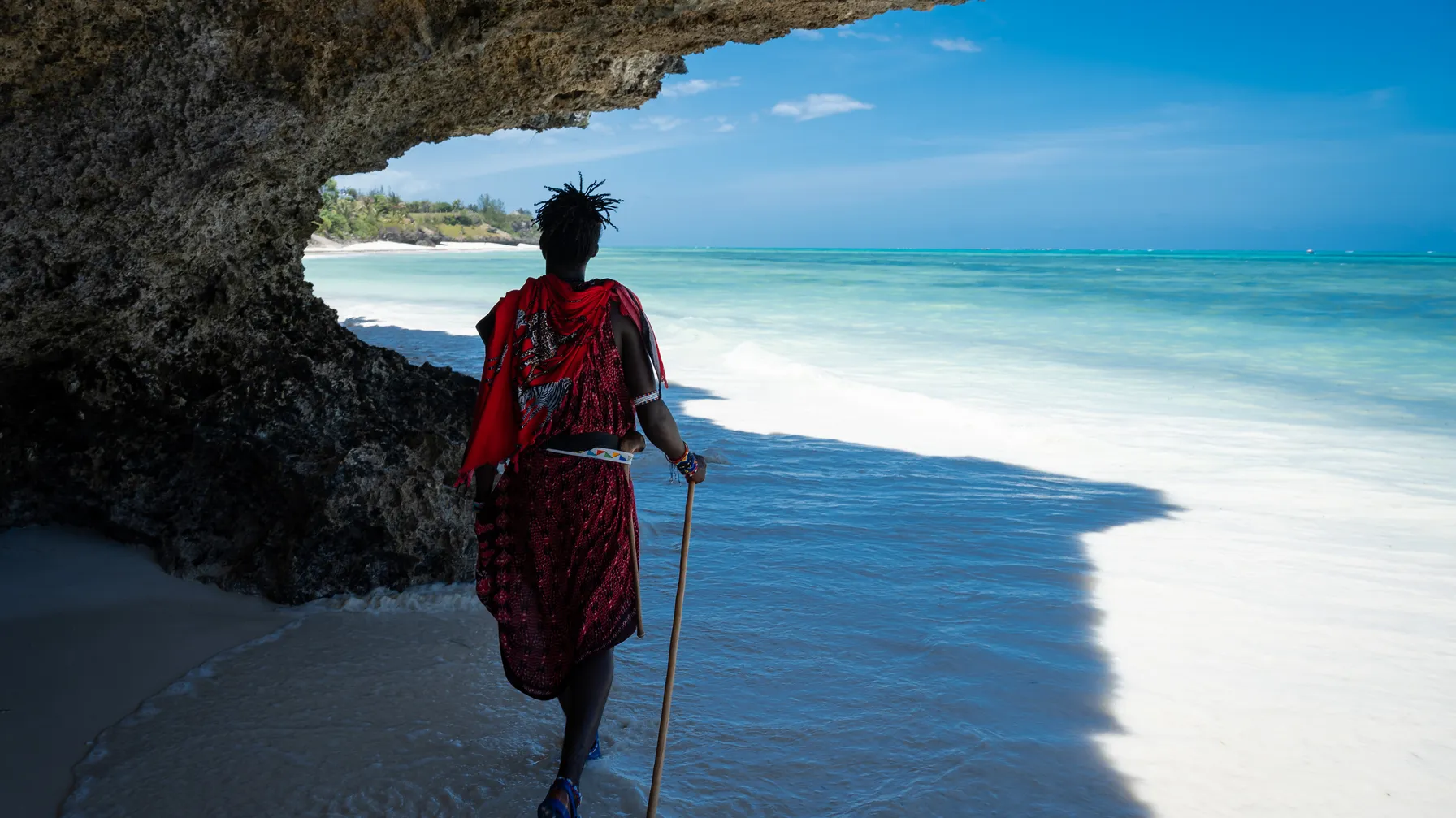
The warm and welcoming local population perpetuates ancient traditions that you will discover during your excursions in Zanzibar. The colorful markets of Darajani are teeming with cloves, cardamom, cinnamon, and vanilla, reflecting the island's glorious past. This cultural diversity is also reflected in the local cuisine, a subtle fusion of African flavors and Eastern influences.
Dream beaches and exceptional marine life
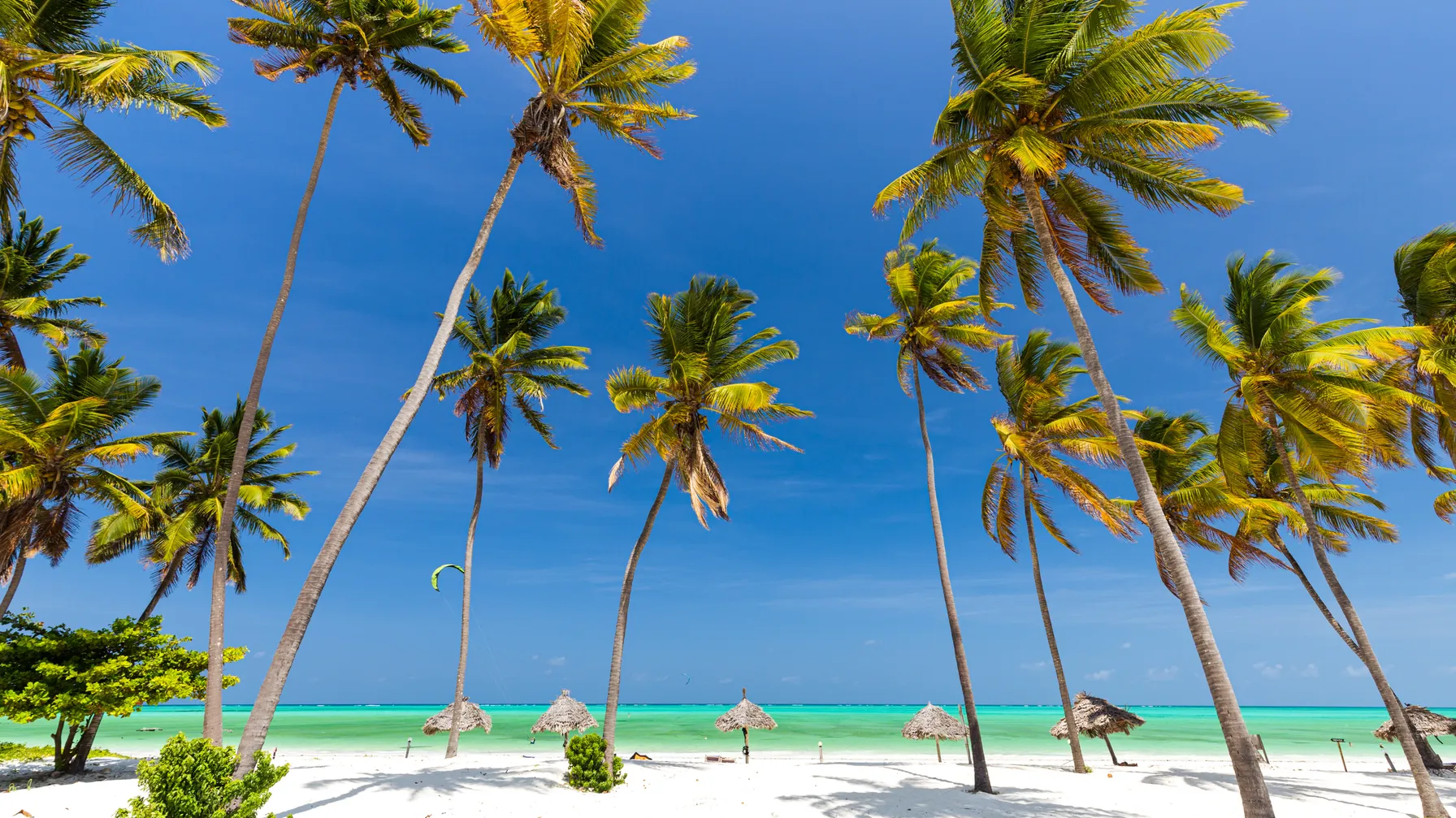
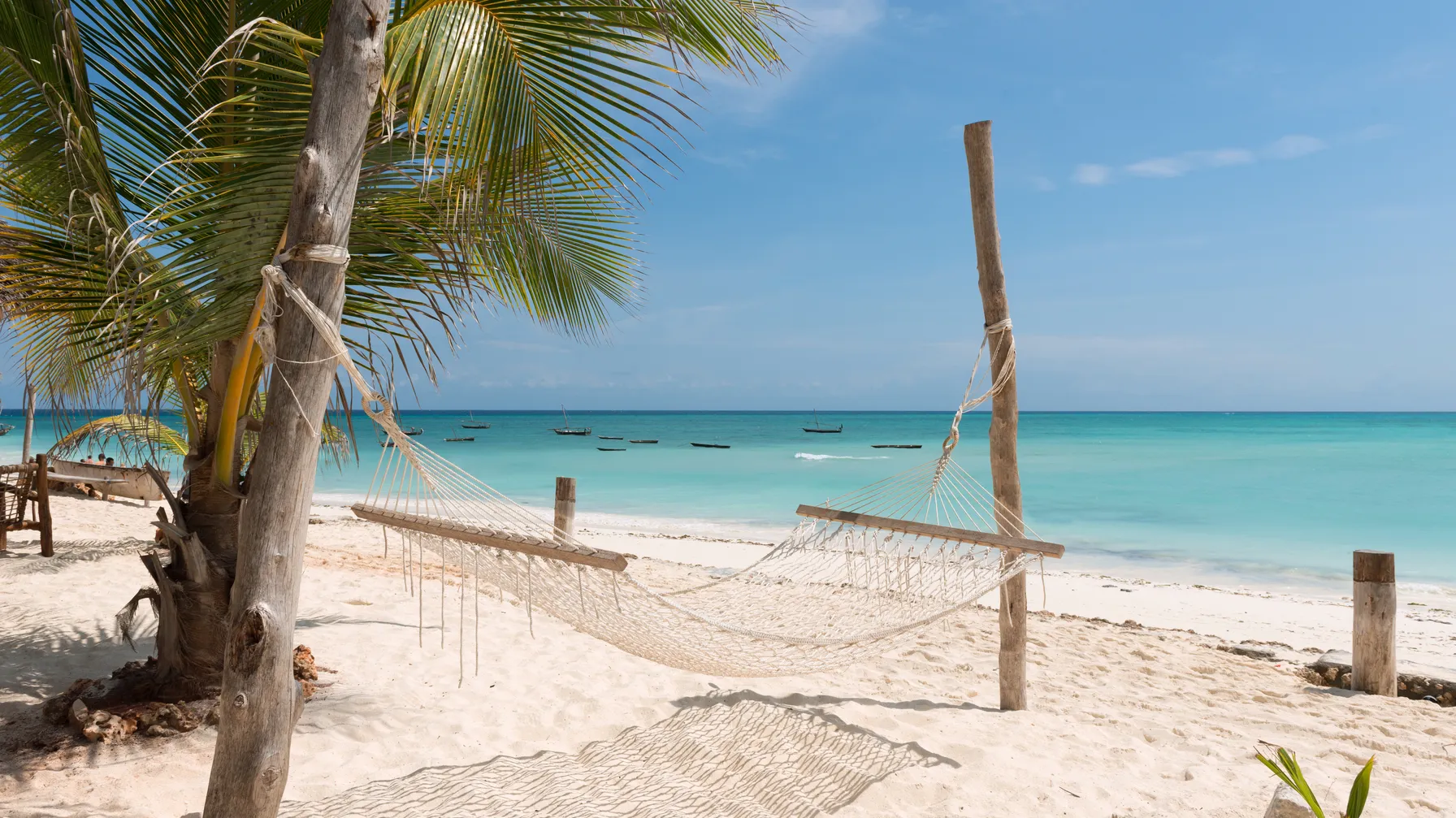
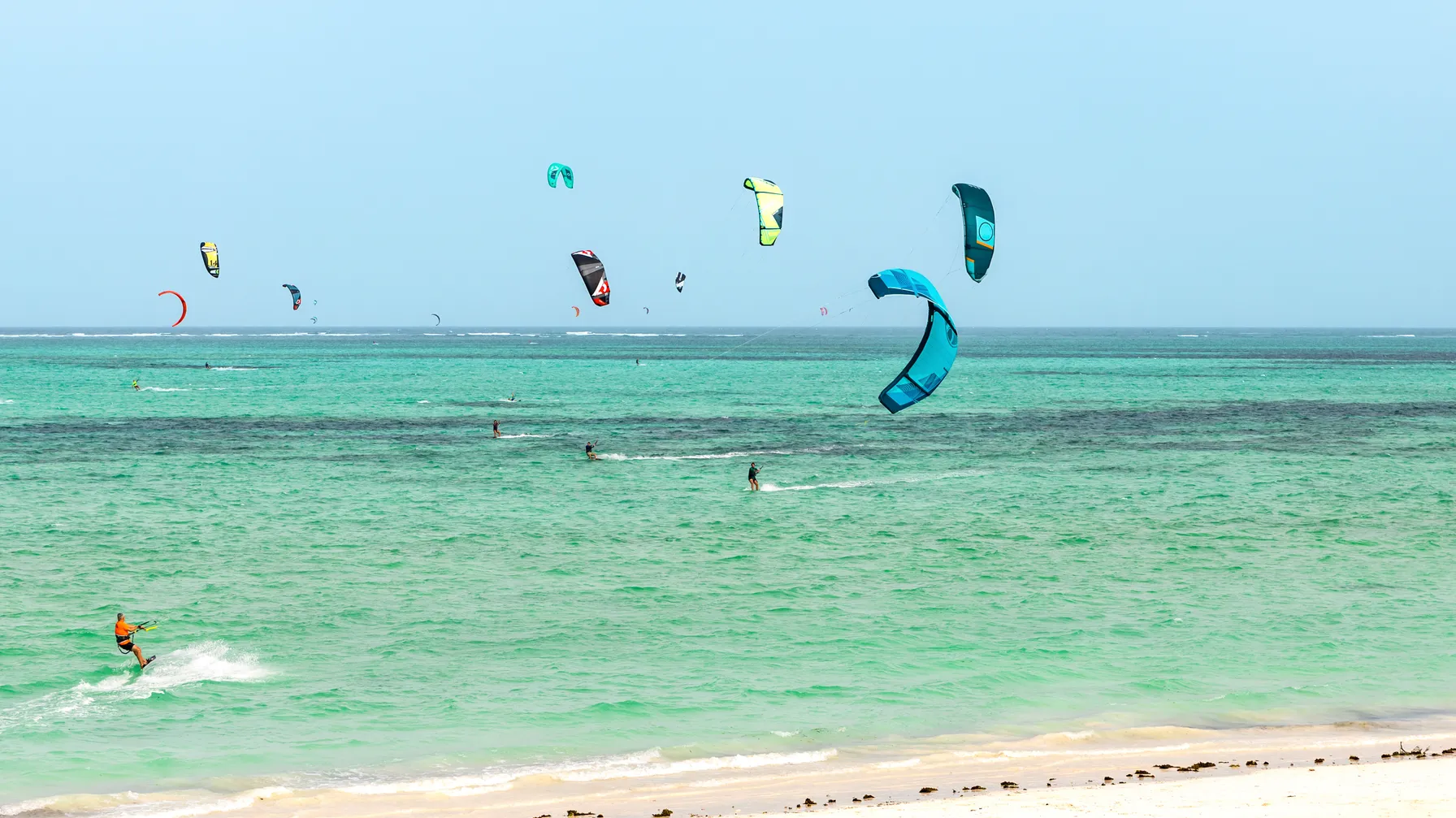
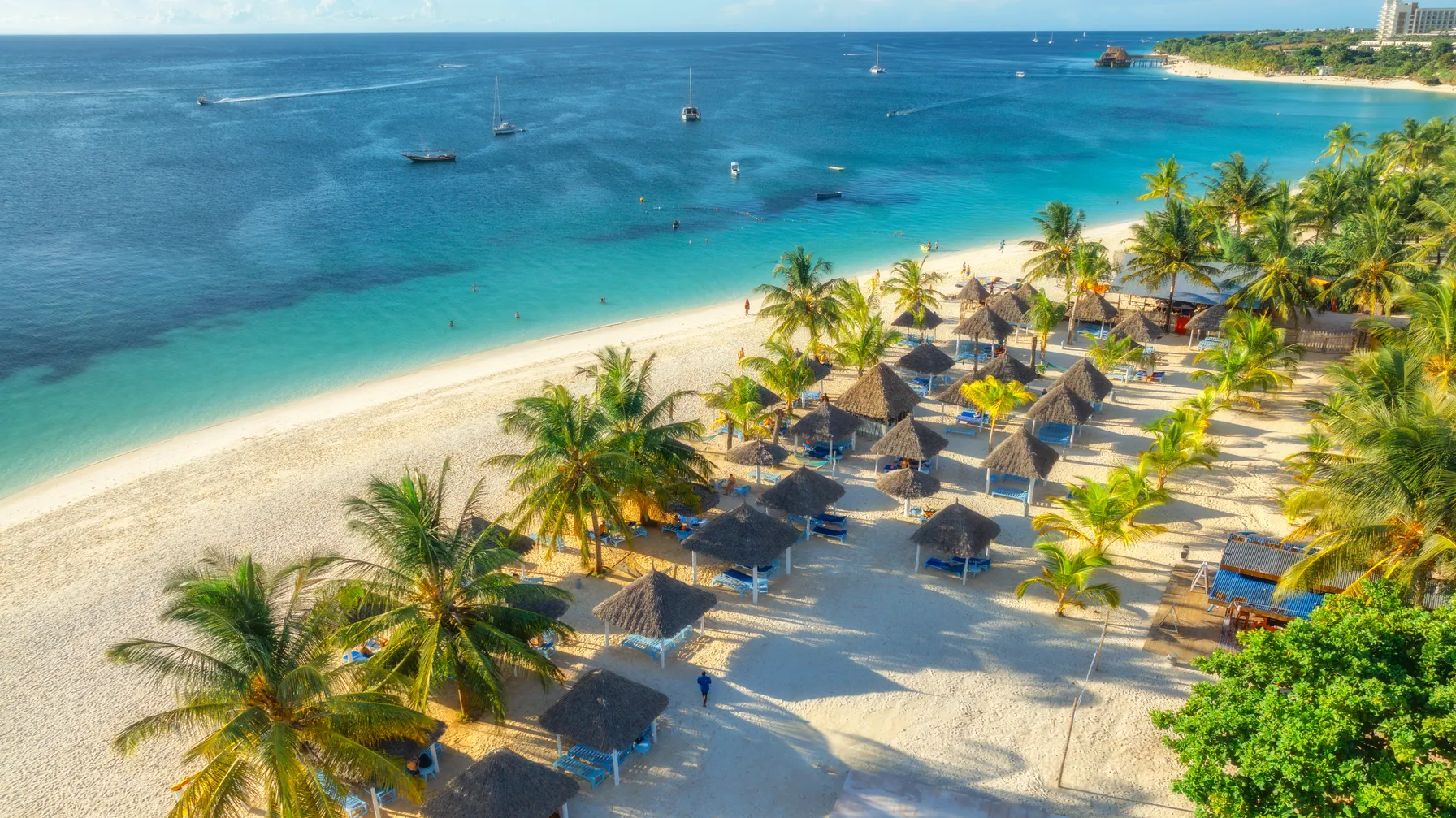
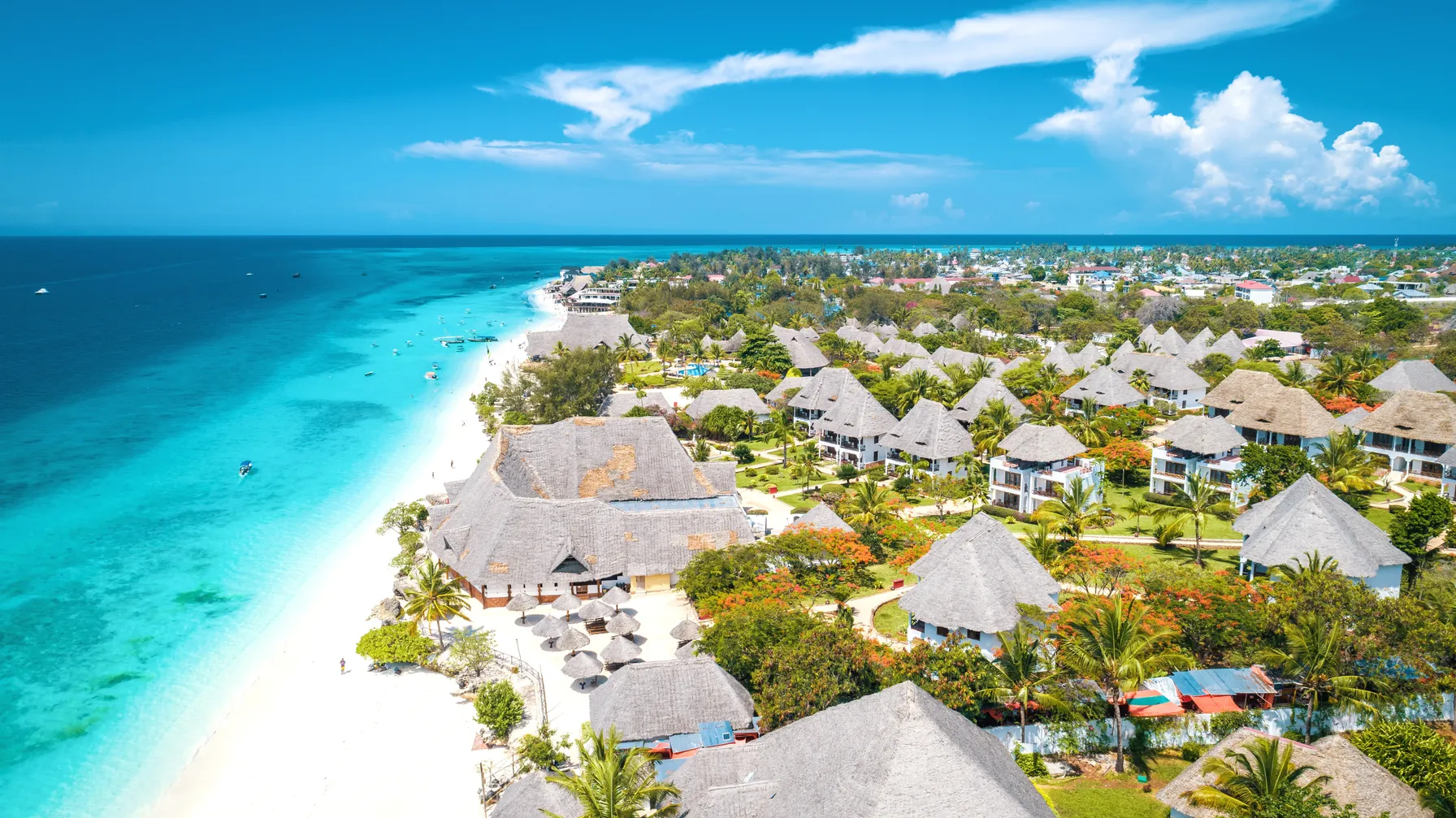
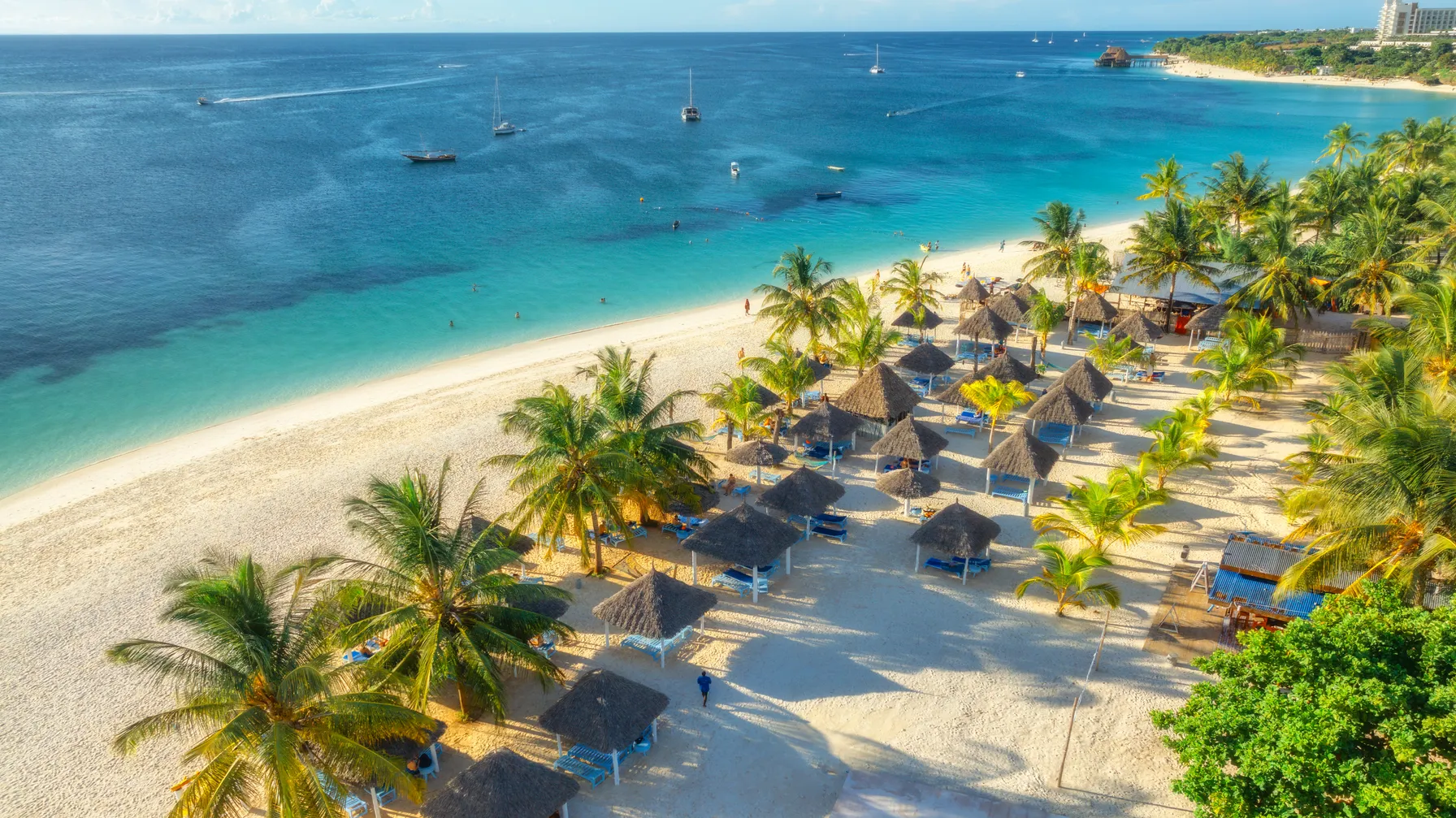
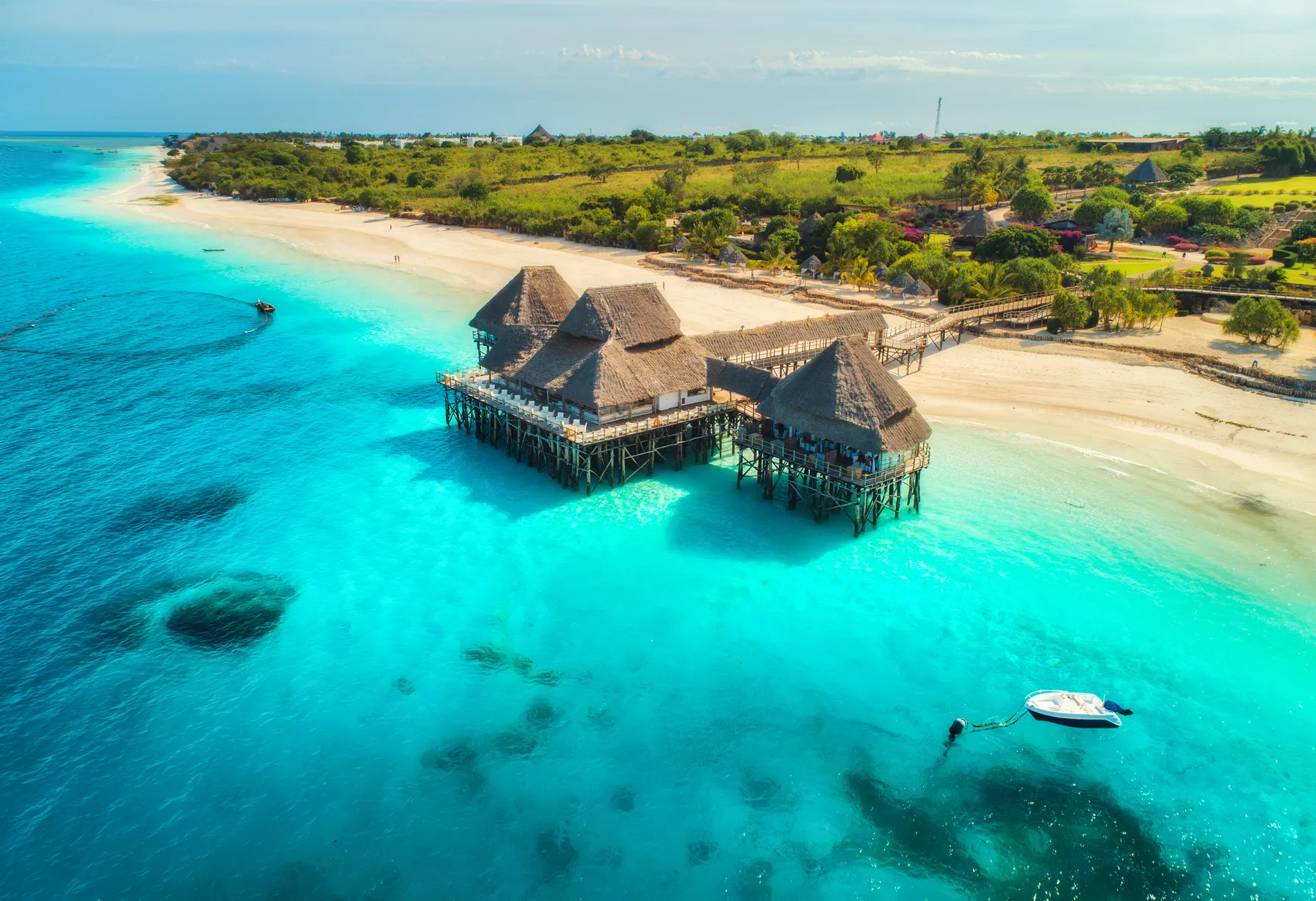
The fine sand beaches of Zanzibar are among the most beautiful in the Indian Ocean. Nungwi and Kendwa, on the north of the island, offer turquoise waters where swimming is possible all day long due to minimal tidal changes. On the east coast, Paje and Jambiani attract kite surfing enthusiasts and long walks on pristine sand expanses.
The archipelago's exceptional marine bottoms are a true paradise for scuba diving and snorkeling. Mnemba Island, a protected marine reserve, houses a remarkable biodiver
When to go and how to prepare your trip to Zanzibar?
The success of your stay in Zanzibar depends largely on choosing the right time and proper preparation. From climatic considerations to administrative formalities, several elements deserve particular attention.
Climate and best time to visit
Zanzibar enjoys a tropical climate with constant temperatures between 26 and 32°C throughout the year. However, the archipelago experiences two distinct seasons that influence your travel experience.
The best time to go to Zanzibar is from June to September, during the dry season. This period offers an ideal climate with little rainfall, reduced humidity, and refreshing trade winds. The conditions are perfect for enjoying the beaches, diving, and exploring Stone Town in optimal conditions.
The short rainy season (October to December) remains favorable with generally brief showers in the afternoon. The months of March to May correspond to the long rainy season, a less recommended period although rates are more advantageous. Our advice: avoid this period if you prioritize beach activities and diving.
Formalities and practical advice
Going to Zanzibar requires some essential preparations. Your passport must be valid for at least six months after your return date. A Tanzanian visa is required and can be obtained online before departure (50 US dollars) or directly at the Zanzibar airport.
Regarding health, no vaccine is mandatory, but certain precautions are necessary:
- Antimalarial treatment recommended;
- Vaccinations for hepatitis A and typhoid fever advised;
- Yellow fever vaccination if you are transiting through certain African countries.
The time difference with France is plus 2 hours in winter and plus 1 hour in summer. The local currency is the Tanzanian shilling, but recent US dollars are widely accepted. English andongesetting your trip to Zanzib Lainguagensure communication in tourist areas.
Book your trip to Zanzibar now
What to absolutely discover during your stay in Zanzibar?
The archipelago is full of treasures to explore, from the historical remains of Stone Town to preserved natural wonders. Each site reveals a unique facet of this captivating destination.
Stone Town, a World Heritage gem
Stone Town is an essential historical heałe herfv of your stay in Zanzibar. This fascž inmating town bears witness to nearly a thousand years of trade between Africa, Arabia, and India. Lose yourself in the maze of cobblestoned alleys where each carved door tells a unique story.
Iconic sites abound: the former slave market and its Anglican cathedral, the Palace of Wonders, the first building in East Africa equipped with electricity, and the Forodhani gardens where you'll savor the best local specialties in the evening. Passionate local guides will reveal the secrets of this ancient city and its fascinating legends.
Essential excursions and unique experiences
Your tourist guide would not be complete without mentioning the archipelago's emblematic excursions. Prison Island, reachable in fifteen minutes from Stone Town, houses century-old Seychelles giant tortoises in a paradisiacal setting.
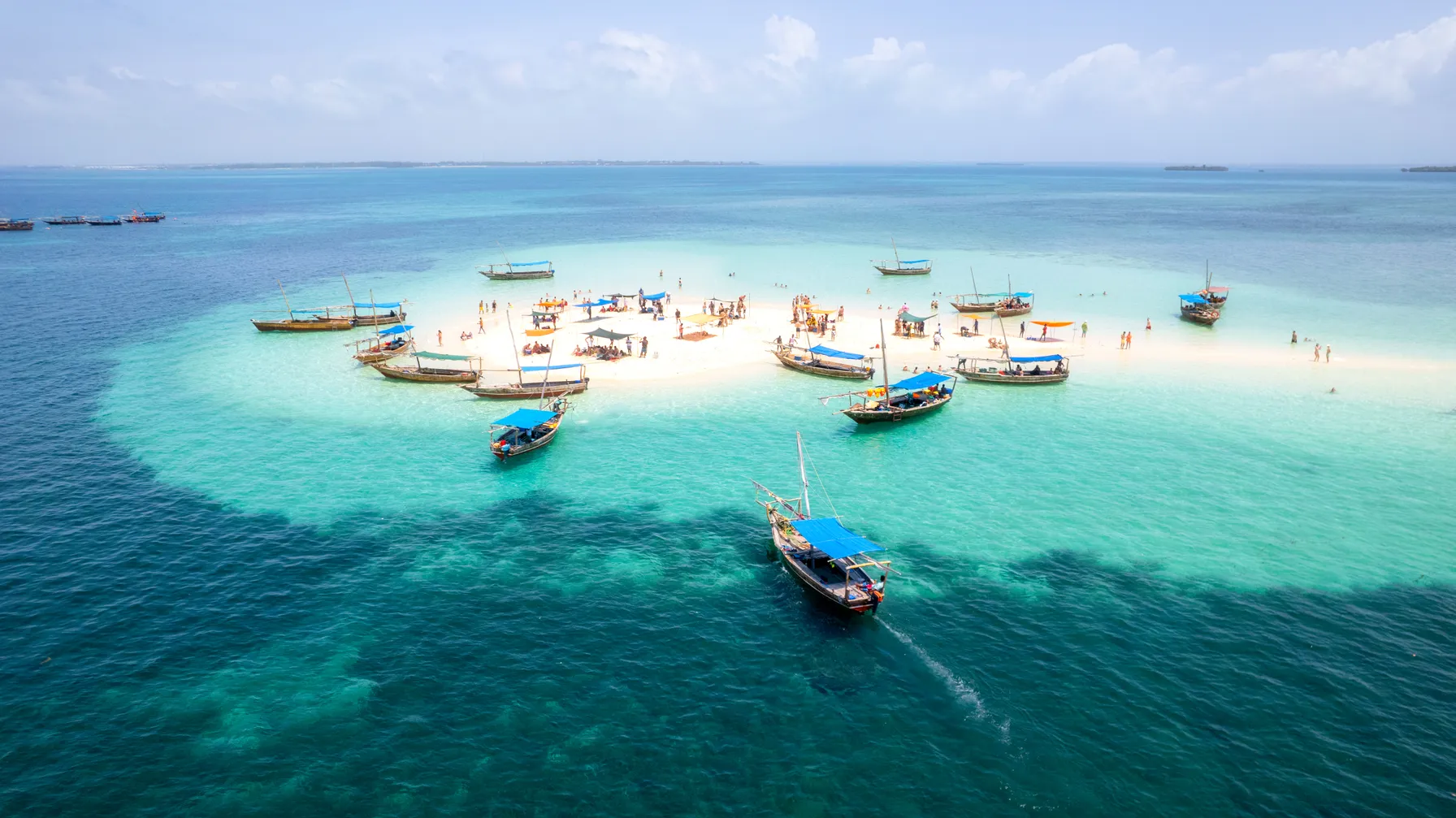
The Blue Safari from the Fumba peninsula takes you to turquoise lagoons where you'll enjoy grilled seafood on immaculate sandbanks. This unforgettable experience combines traditional dhow sailing, snorkeling in crystal-clear waters, and the discovery of ancient baobabs.
The spice farms, real tropical Edens, reveal the secrets of cinnamon, nutmeg, cardamom, and pepper that made the island's wealth. These guided tours often include tastings and traditional Swahili cooking classes.
Jozani National Park, the last remnant of the archipelago's tropical forest, protects the endemic red colobus monkeys. These curious and photogenic monkeys flourish in a unique ecosystem combining mangroves and primary forest.
For a premium experience, excursions to Mnemba Island offer exceptional snorkeling and dolphin watching in their natural environment. These protected waters host an exceptional marine biodiv,json.