Surfing in Sri Lanka: a complete guide for your adventure on the island of a thousand waves
Where to discover the most beautiful waves in Sri Lanka according to your level?
Surfing in Sri Lanka reveals its diversity through two coasts with distinct characteristics. This unique geography allows you to surf in Sri Lanka according to your wishes and progression, in a preserved tropical environment.
South coast: the natural surf school of the Indian Ocean
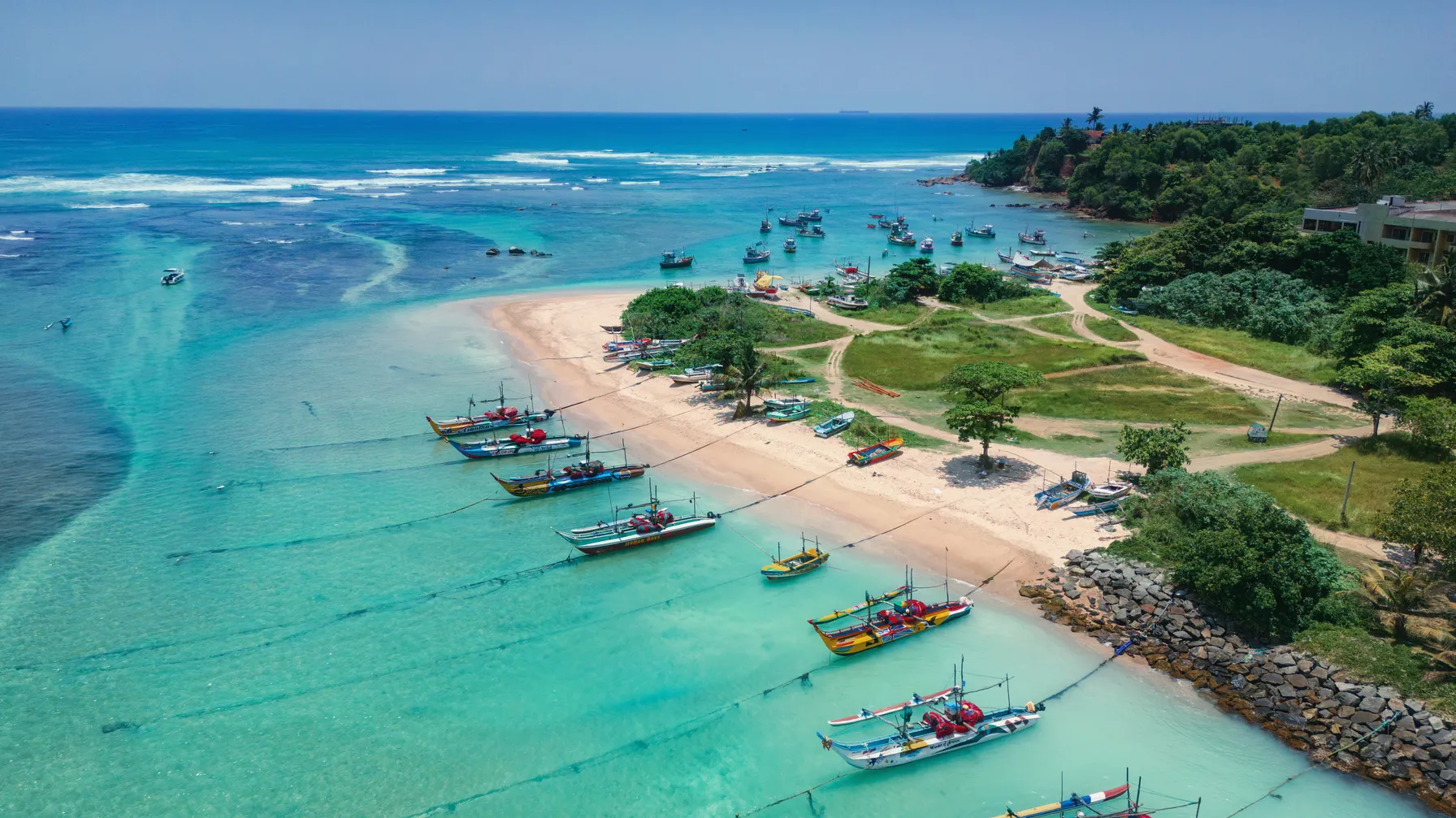
The south coast is the perfect place to begin your surfing adventure in Sri Lanka. Weligama is the ideal playground for learning to surf with its sandy beach breaks and gentle waves. This small fishing village offers consistent conditions that allow beginners to quickly improve, guided by surf schools known for their caring teaching methods.
Midigama transports you into the authenticity of Sri Lankan life with its variety of surf spots. Lazy Right attracts intermediate surfers in search of less crowded waves, while Ram's offers a technical reef break for the more experienced. The friendly atmosphere of this village of stilted fishermen creates a unique atmosphere where local traditions and a passion for surfing meet harmoniously.
Mirissa charms with its paradisiacal setting surrounded by palm trees. This versatile spot features a beach break in the center of the bay for novices, and a more challenging reef break on the west side. The natural beauty of its beautiful beaches makes it a favored place for families looking to combine relaxation and surfing exploration.
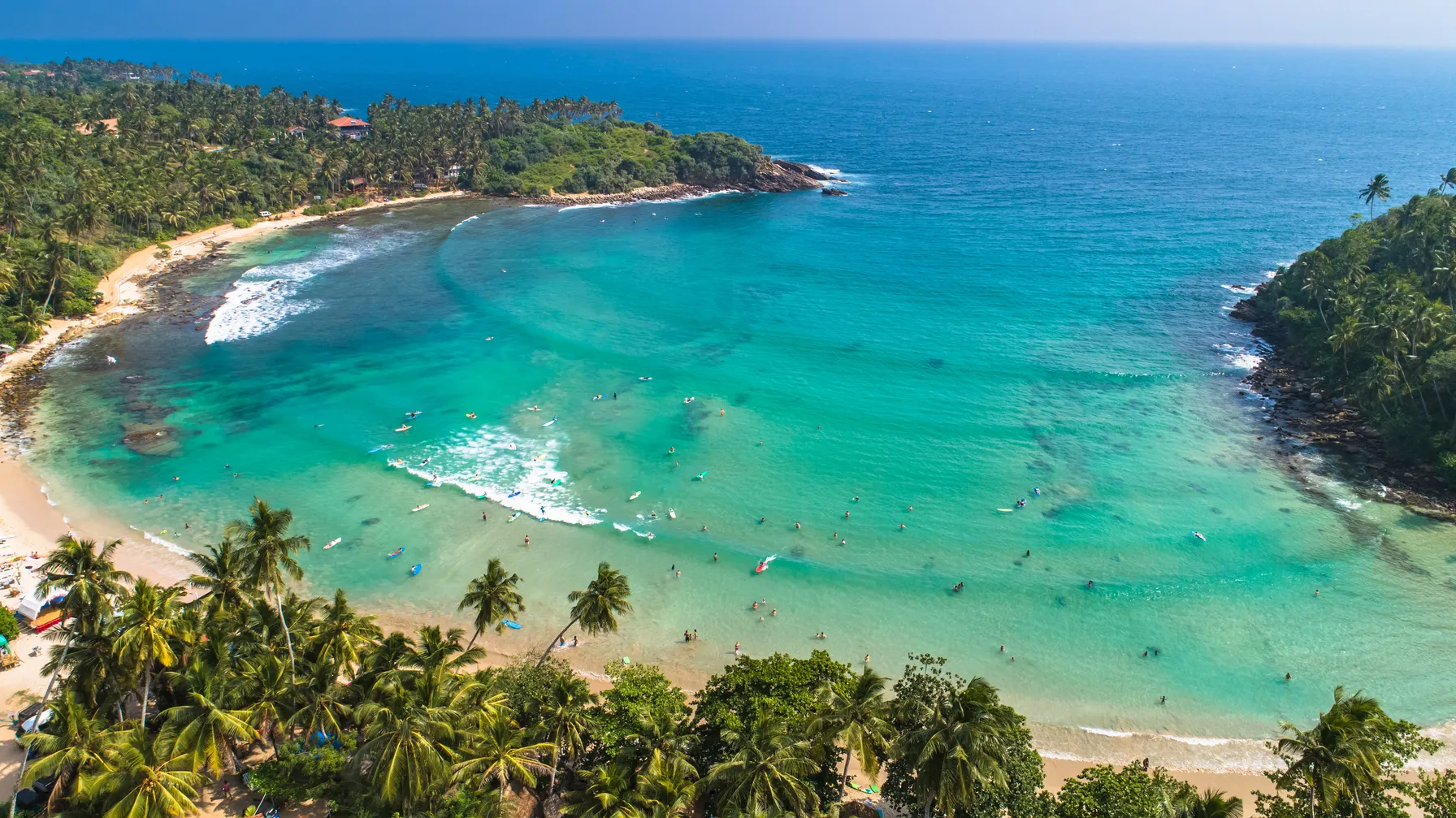
Further south, Hiriketiya unveils its charm in a horseshoe-shaped bay. This natural configuration creates special conditions with three distinct spots: two reef breaks for the experienced and a perfect beach break for beginners. The laid-back atmosphere here makes it a popular refuge for surfers from around the world.
East coast: a paradise for experienced surfers
Arugam Bay reigns as the undisputed capital of surfing in Sri Lanka. This legendary destination attracts surfers from all over the world with its powerful waves that can exceed four meters. Main Point offers exceptional conditions for experienced riders, while Baby Point allows intermediates to experience the magic of Arugam Bay in more accessible conditions.
The unique atmosphere of this beach resort mixes international surf culture and Sri Lankan authenticity. The seaside cafes, surf camps, and relaxed atmosphere create an ecosystem where every surfer finds their place, whether for an intensive surf trip or a more laid-back discovery.
Pottuvil, located a few kilometers away, perfectly complements Arugam Bay's offerings. Whiskey Point offers less crowded waves in a wilder setting, ideal for those seeking intimacy with the ocean. The deeper sea and powerful currents make it a spot reserved for surfers who have mastered their technique.
Contact us for more information on our customized surf trips to Sri Lanka
When to go for optimal surfing conditions?
Understanding the seasonality of Sri Lanka is crucial to plan your surf trip and enjoy the best conditions according to your goals.
Understanding the seasons and monsoons
Sri Lanka's unique geography creates two distinct surf seasons depending on the coasts. This unique feature allows for year-round surfing by simply switching regions, a substantial advantage for enthusiasts wanting to maximize their time in the water.
The period from November to April corresponds to optimal conditions on the southern coast. During these months, offshore winds sculpt clean and regular waves, perfect for all levels. The pleasant temperatures and lack of significant rain create ideal conditions for learning to surf or perfecting your technique. This period coincides with the high tourist season, ensuring a complete infrastructure in terms of accommodations and services.
The eastern coast reveals its potential from April to October. Arugam Bay and its surroundings then benefit from powerful swells generated by storms in the Indian Ocean. These more demanding conditions are particularly suitable for experienced surfers in search of thrills. The advantage of this period lies in the lower crowd levels and more attractive rates, creating a more authentic atmosphere.
Plan according to your surfing goals
Your level and expectations determine the best time to discover Sri Lanka. Beginners should consider the south coast from December to March, when conditions remain mild and predictable. This period offers the perfect balance between safe learning and cultural discovery, with sunny days suitable for additional activities.
Experienced surfers may opt for a different approach by combining both coasts according to the season. A trip to Sri Lanka from May to July on the east coast, followed by a session on the south coast at the beginning of the next year, allows for the full experience of Sri Lankan surfing richness. This strategy also provides the opportunity to discover cultural and landscape contrasts between these two regions.
Flexibility in your dates allows you to take advantage of the best weather windows. Our advice: monitor swell forecasts a few weeks before departure to adjust your itinerary based on the announced conditions. This approach ensures an optimal experience tailored to your expectations.
Book your trip to Sri Lanka now to enjoy the best surfing conditions
How to organize your surf trip to Sri Lanka with peace of mind?
Organizing a surfing trip requires meticulous preparation to fully enjoy your Sri Lankan experience. Every detail counts to turn your stay into unforgettable memories.
Essential Equipment and Preparations
The beauty of surfing in Sri Lanka lies in its logistical simplicity. It is perfectly possible to surf without carrying your personal gear, thanks to a dense network of rentals and surf schools available at all major spots. Surfboard rental rates are around 1000 Sri Lankan rupees per hour, with advantageous daily rates for extended sessions.
However, certain personal equipment significantly enhances your comfort:
- A quality lycra or rashguard for optimal protection against tropical sun;
- Surf booties if you plan on surfing over reef breaks;
- A water-resistant sunscreen, essential under the Sri Lankan sun;
- A spare leash, particularly useful on isolated spots.
Hot water all year round eliminates the need for a thick wetsuit. A simple swimsuit is enough, though a rash guard is recommended for long sessions or reef breaks. This clothing freedom contributes to the enjoyment of surfing in these tropical waters.
As for formalities, make sure your travel insurance covers surfing. Some policies specifically exclude water sports, a check that can prevent complications in the event of an incident. The Electronic Travel Authorization (ETA) remains mandatory to enter Sri Lanka.
Surf camps and bespoke accompaniment
Sri Lankan surf camps offer a total immersion in the local culture while ensuring technical progression in a structured environment. These setups generally offer complete packages including accommodation, meals, surf lessons, and cultural discovery. The advantage lies in the local instructors' expertise who know the conditions and specificities of each surf spot perfectly.
For a more personalized approach, independent surf schools allow you to tailor your program to your desires. These flexible structures adapt to your schedule and goals, whether you want to focus on technique or explore different spots. Private lessons offer accelerated progression, particularly appreciated by surfers with limited time on site.
Being trained by Sri Lankan instructors adds a culturally enriching dimension to your learning. Their intimate knowledge of local conditions, combined with their natural hospitality, creates an authentic human experience that goes beyond the sporting framework.
For those who prefer autonomy, renting equipment without lessons remains a viable option on all main spots. This approach suits experienced surfers wishing to freely explore different breaks according to their momentary desires.
Particular attention deserves to be given to the choice of your base stay. Staying directly at a surf spot facilitates early morning sessions and saves you precious time. This proximity also allows you to catch the best windows of conditions, often unpredictable in a tropical environment.
Did you know? Many Sri Lankan spots offer their best conditions at sunrise when offshore winds create perfectly sculpted waves. This morning magic fully justifies the choice of a seaside accommodation.
Contact us to organize your customized surfing trip to Sri Lanka
Demandez votre devis Sri Lanka sur-mesure 100% gratuit
 4.8
4.8+3.000 travelers satisfied
Frequently asked questions
Is it possible to combine surfing and cultural discovery in the same trip?
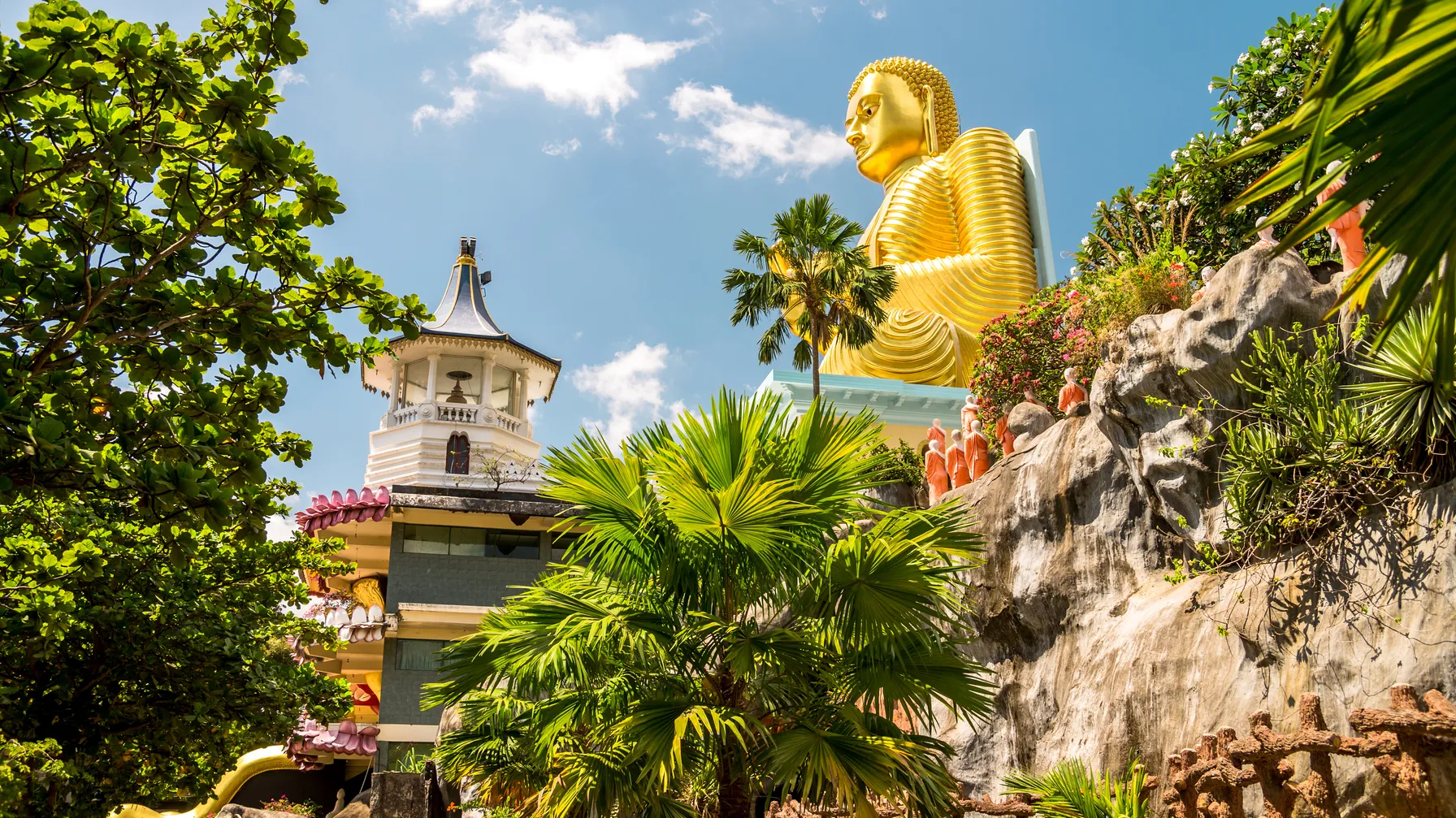
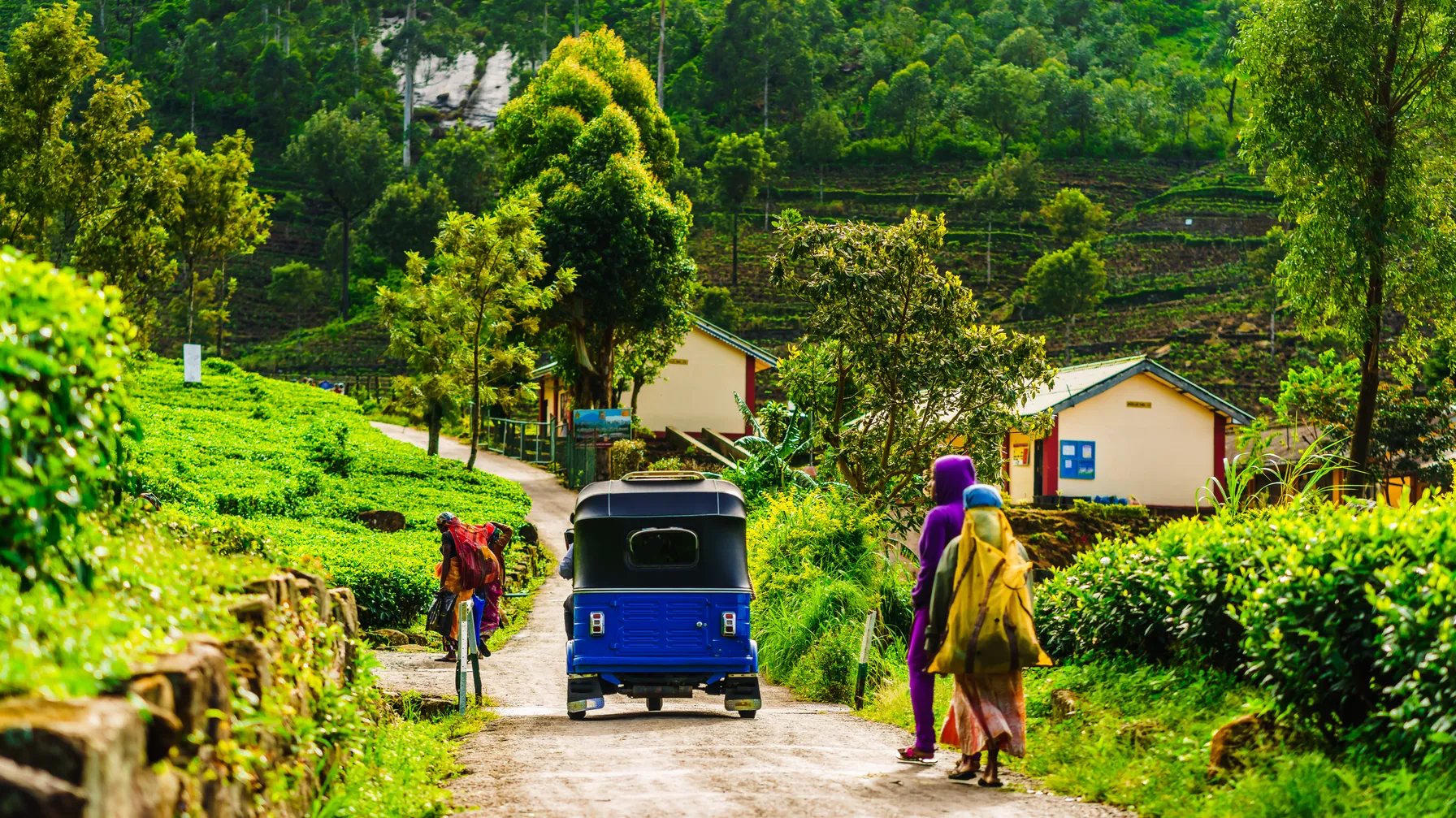
Absolutely! Sri Lanka is perfectly suited for this dual approach due to its short distances and rich heritage. You can easily integrate visiting ancient temples, an escapade to the tea plantations of the Highlands, or a safari in a national park between your surf sessions. This combination greatly enriches the travel experience and allows you to discover all facets of this fascinating island.
What budget should you plan for a two-week surf trip in Sri Lanka?
The budget varies greatly depending on your choice of accommodation and activities. Expect to spend about 30 to 50 euros per day for an all-inclusive surf camp, 15 to 25 euros for daily board rental, and 20 to 40 euros for private lessons. Local meals remain very affordable (3 to 8 euros), while internal transportation is economical. For two weeks, a budget of 800 to 1500 euros per person allows for a comfortable stay with a good balance between surfing and exploration.
Can the language barrier be a problem when organizing surf sessions?
Not at all! English is widely spoken in all tourist areas and surf spots. Instructors and equipment rental services usually communicate very well in English, greatly facilitating the organization of your activities. Moreover, the common passion for surfing creates a universal language that transcends any potential linguistic difficulties. Sri Lankan hospitality does the rest to ensure you receive a warm welcome wherever you go.