Sri Lanka in July: your guide to exploring the island of Ceylon during the monsoon season
What is the weather like in Sri Lanka during the month of July?
The tropical climate of Sri Lanka in July is characterized by significant variations across regions, thus offering multiple possibilities to tailor your itinerary. This period corresponds to the Yala monsoon, primarily affecting the west coast, while other areas enjoy more clement conditions.
The east coast, your sunny refuge
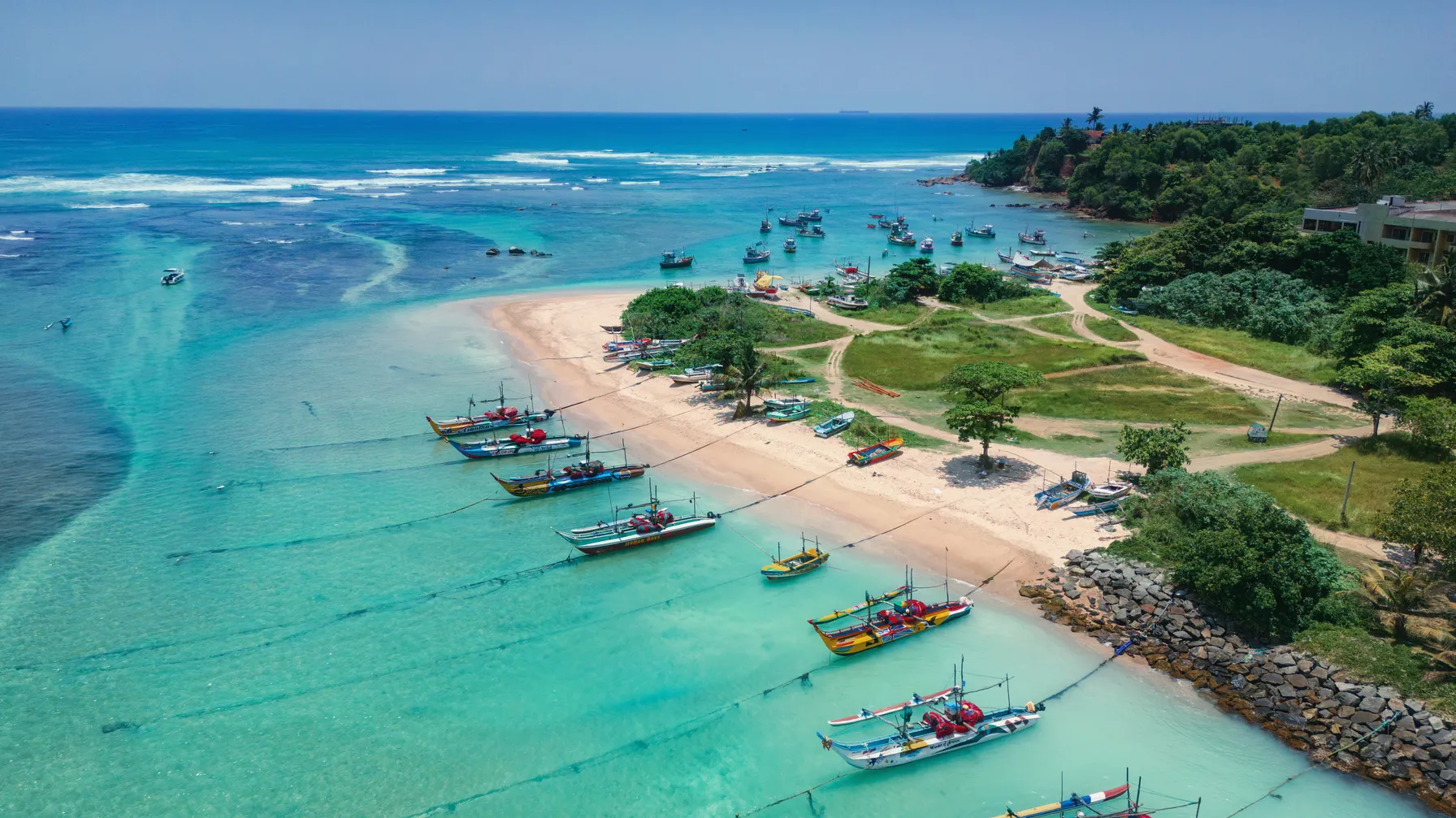
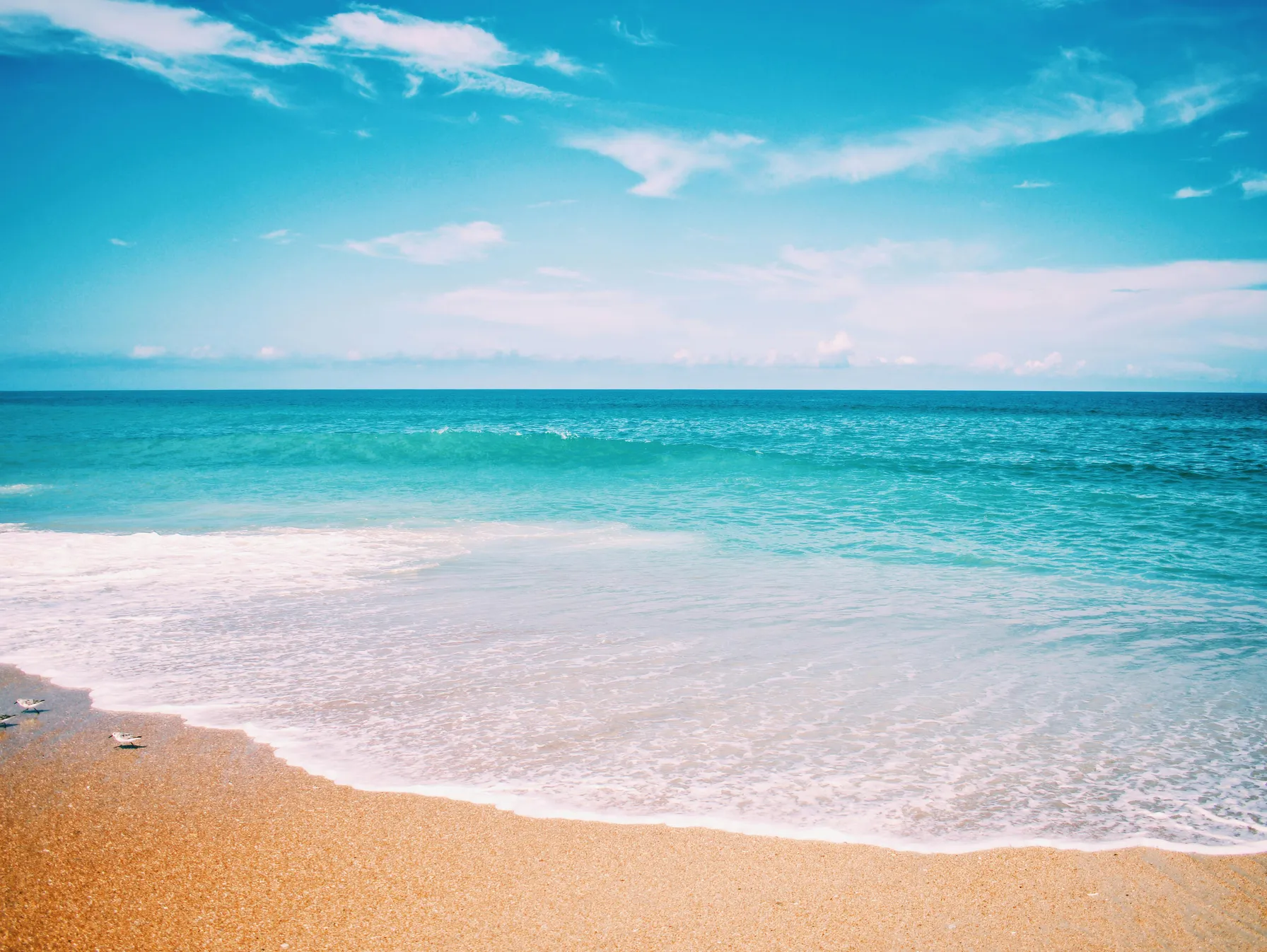
The east coast is undoubtedly your best option for enjoying paradisiacal beaches during your trip to Sri Lanka in July. Temperatures pleasantly range between 28°C and 31°C, with generous sunlight reaching 7 to 8 hours per day. The sea water maintains an ideal temperature of 28°C, perfect for swimming and water activities.
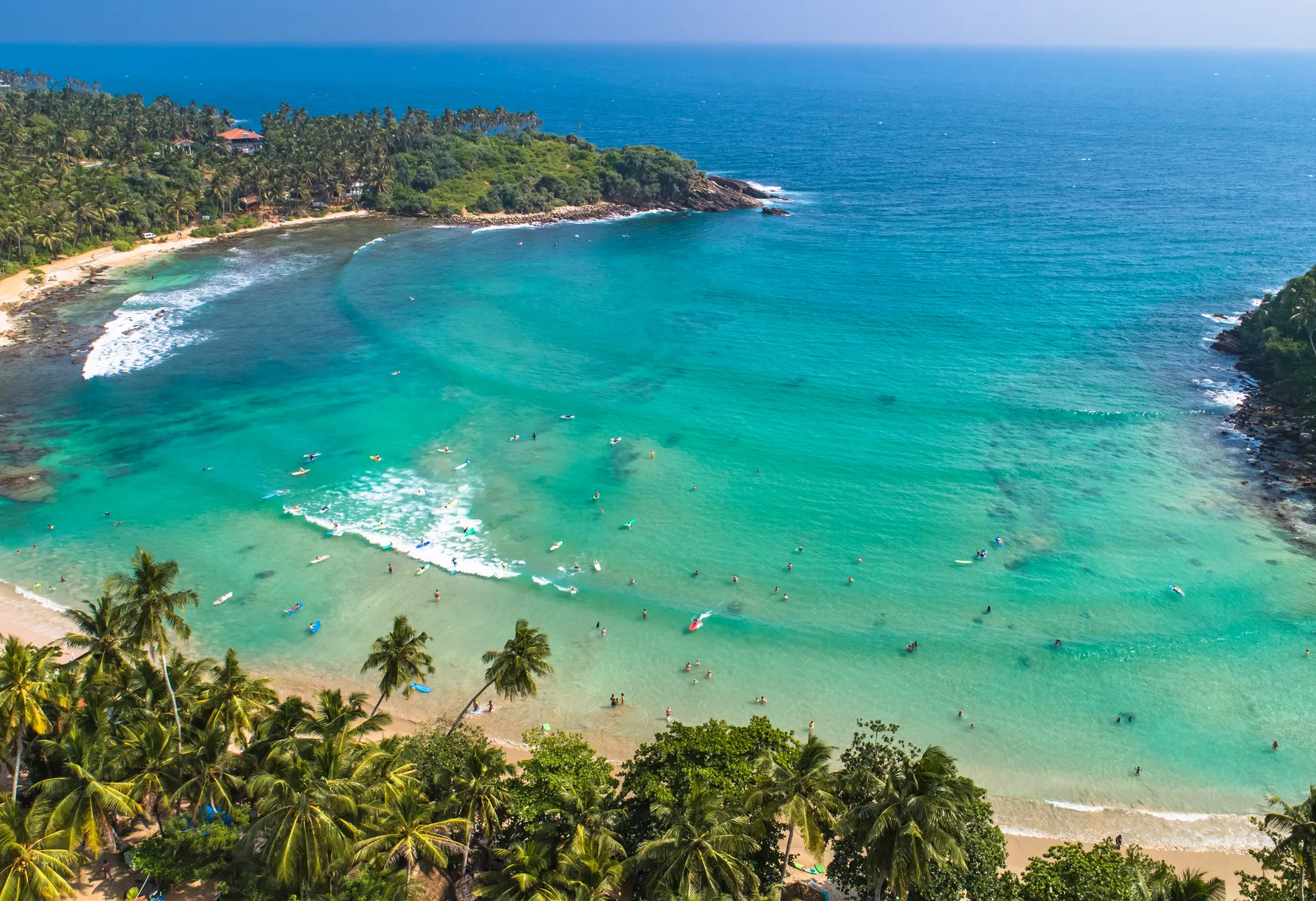
Trincomalee, Nilaveli, and Passekudah offer exceptional weather conditions with very little rainfall. These destinations provide an authentic beach experience, away from the more frequented southern coast during the high season. Arugam Bay especially attracts thrill seekers wishing to surf in optimal conditions, with consistent waves and favorable winds.
The cultural center between sunshine and refreshing showers
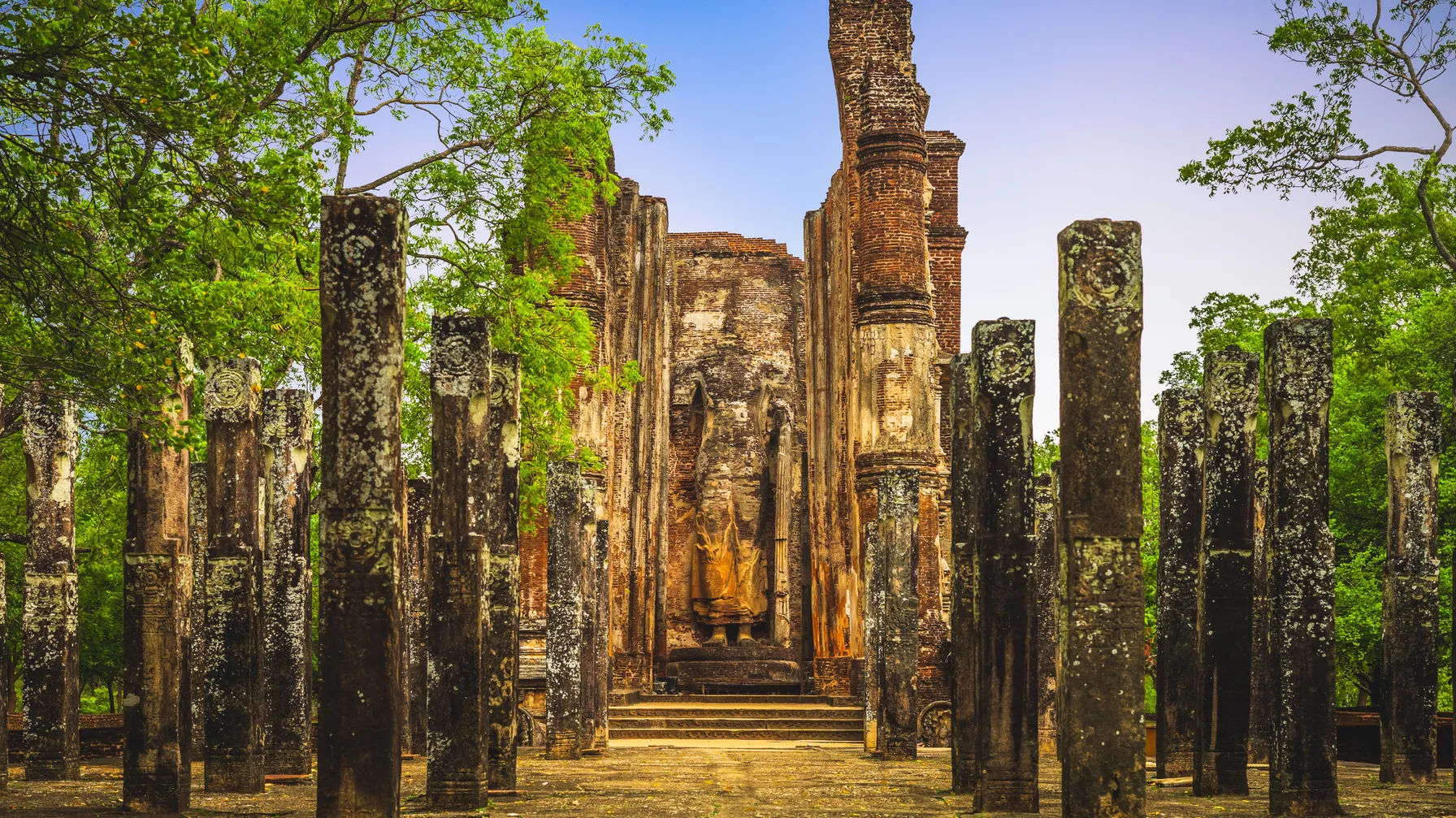
The cultural triangle features a temperate tropical climate in July, with temperatures ranging from 26°C to 32°C during the day. Mornings usually unveil a clear sky, ideal for exploring iconic historical sites such as the Lion Rock at Sigiriya or the ruins of Polonnaruwa.
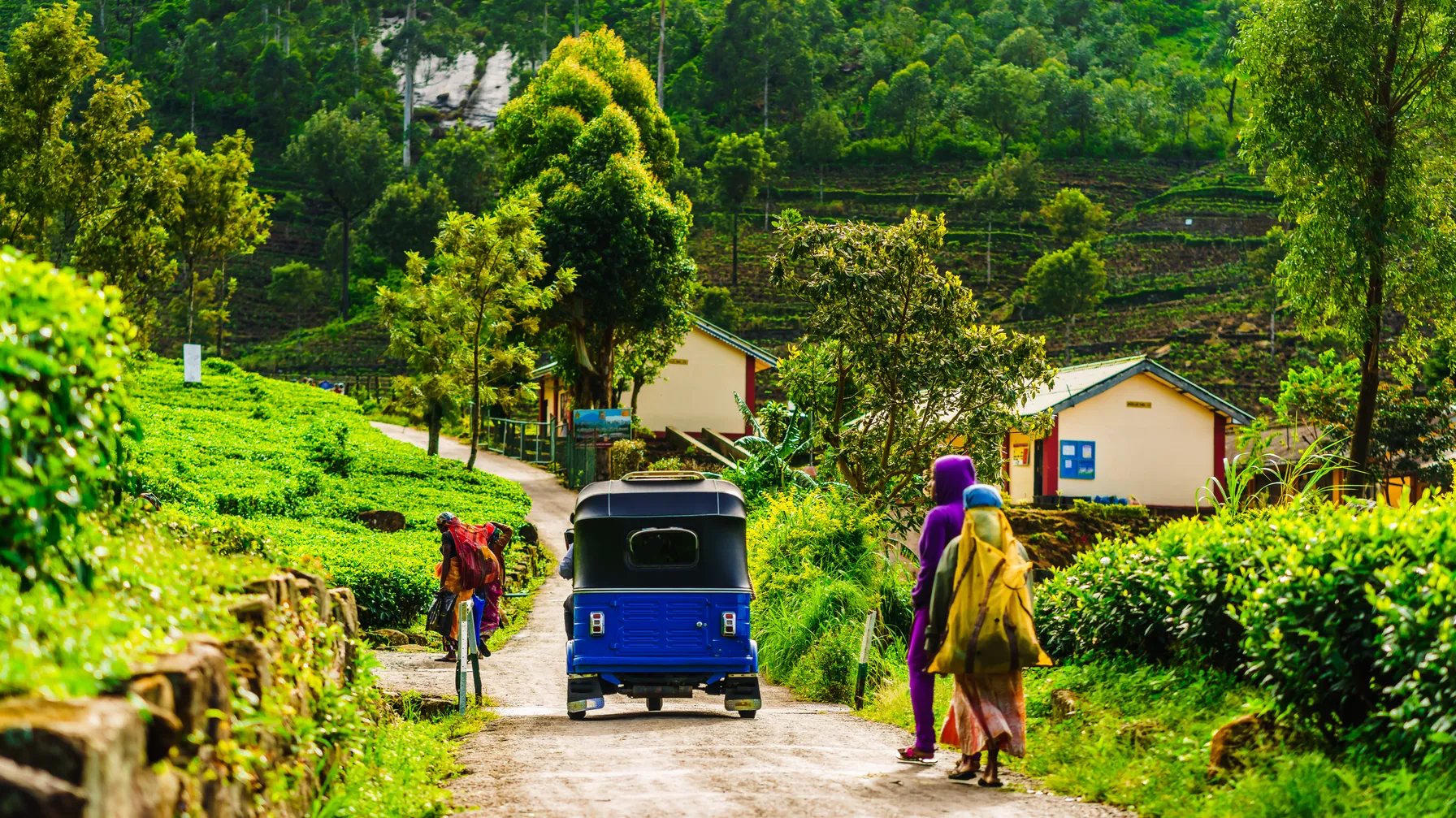
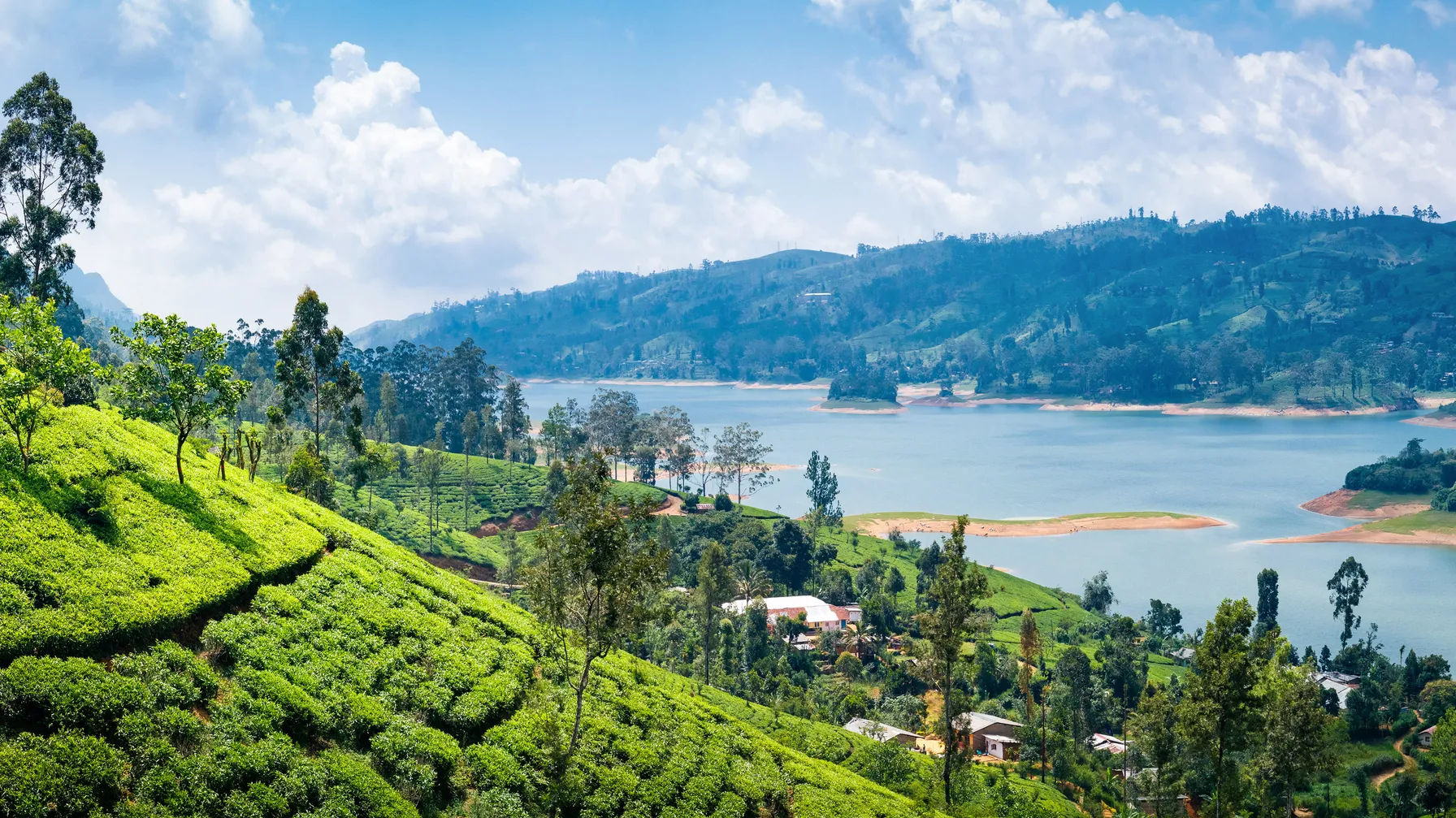
The afternoon showers, short but intense, bring a welcome coolness and transform the landscapes into true green havens. These precipitations, which represent about 150 mm over the month, rarely disrupt your visits if you follow the right pace. The tea plantations around Nuwara Eliya benefit from a cooler microclimate, with temperatures varying from 18°C to 24°C, offering a pleasant contrast to the heat of the plains.
The West Coast under the influence of the monsoon
The South Coast and the West Coast fully experience the monsoon in July in Sri Lanka, with significant precipitation that can reach 200 mm to 300 mm depending on the area. Galle, Mirissa, and the surroundings of Colombo experience frequent and sometimes prolonged showers, accompanied by rough seas not suitable for swimming.
Nevertheless, this period reveals a different side of the country, more intimate and authentic. Temperatures remain high around 30°C, but the ambient humidity significantly increases. Travelers in search of unique experiences appreciate this particular atmosphere which offers lush landscapes and moments of contemplation in the face of unleashed elements.
Contact us for more information on the best regions to prioritize
What to discover during your trip to Sri Lanka in July?
Traveling to Sri Lanka during this period allows you access to varied experiences, suitable for all types of travelers. The diversity of activities largely compensates for the meteorological constraints of certain regions.
The paradisiacal beaches of Arugam Bay and the East Coast
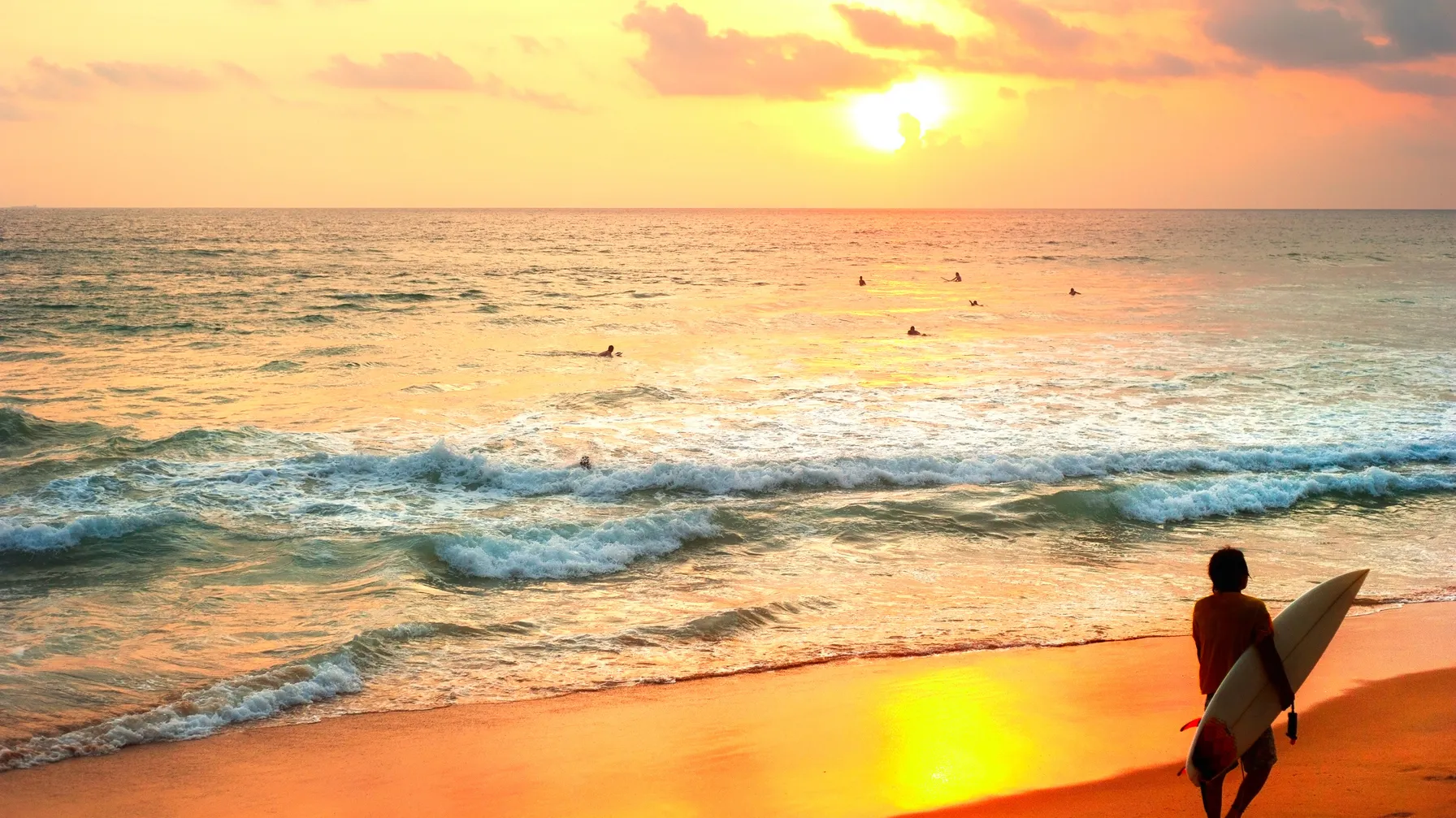
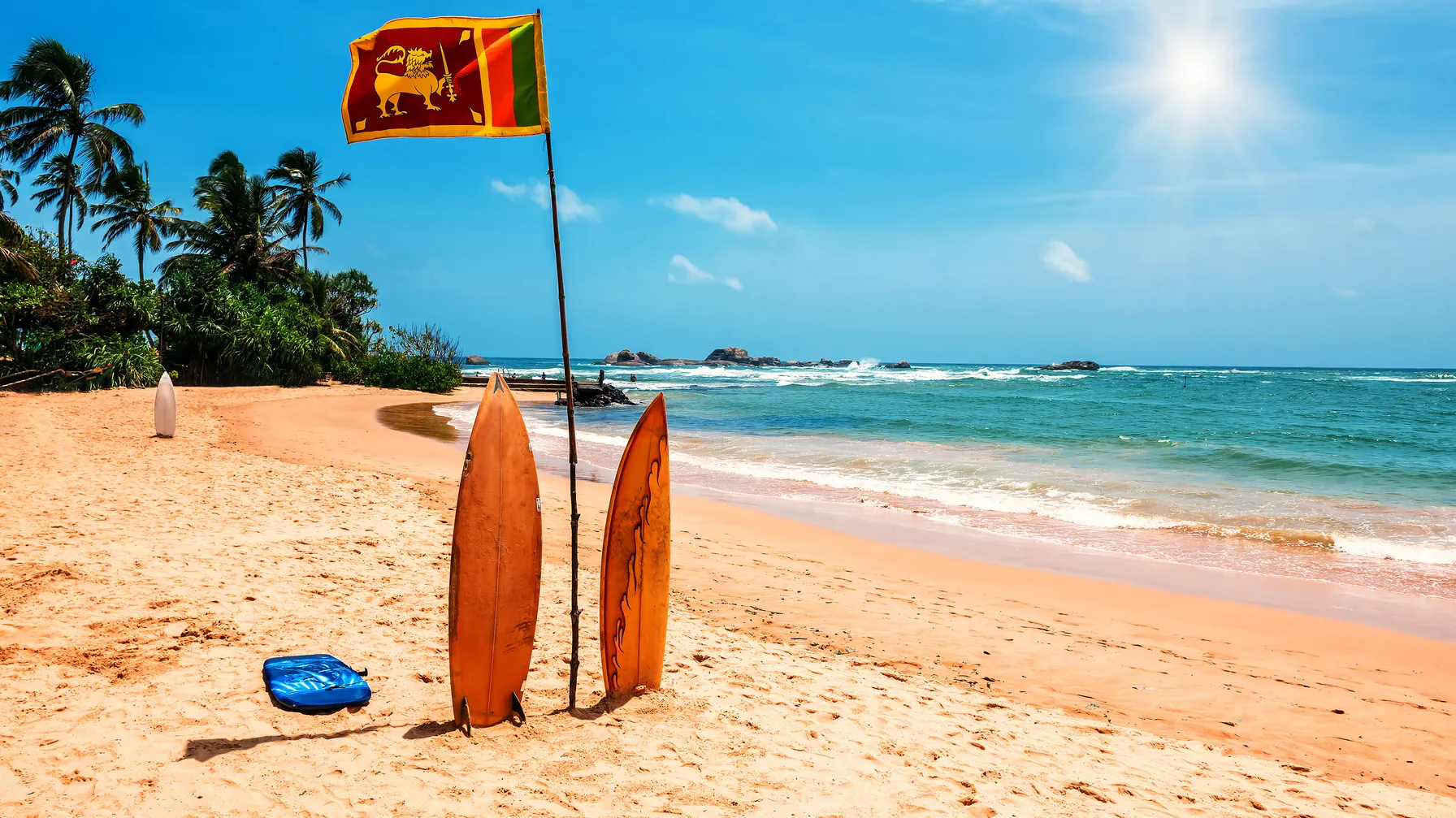
The dry season that prevails on the east coast from May to September turns this region into a true tropical paradise. Arugam Bay is particularly appealing for surfing enthusiasts from around the world who come to surf on legendary spots. The consistent waves and water temperature create ideal conditions for all levels.
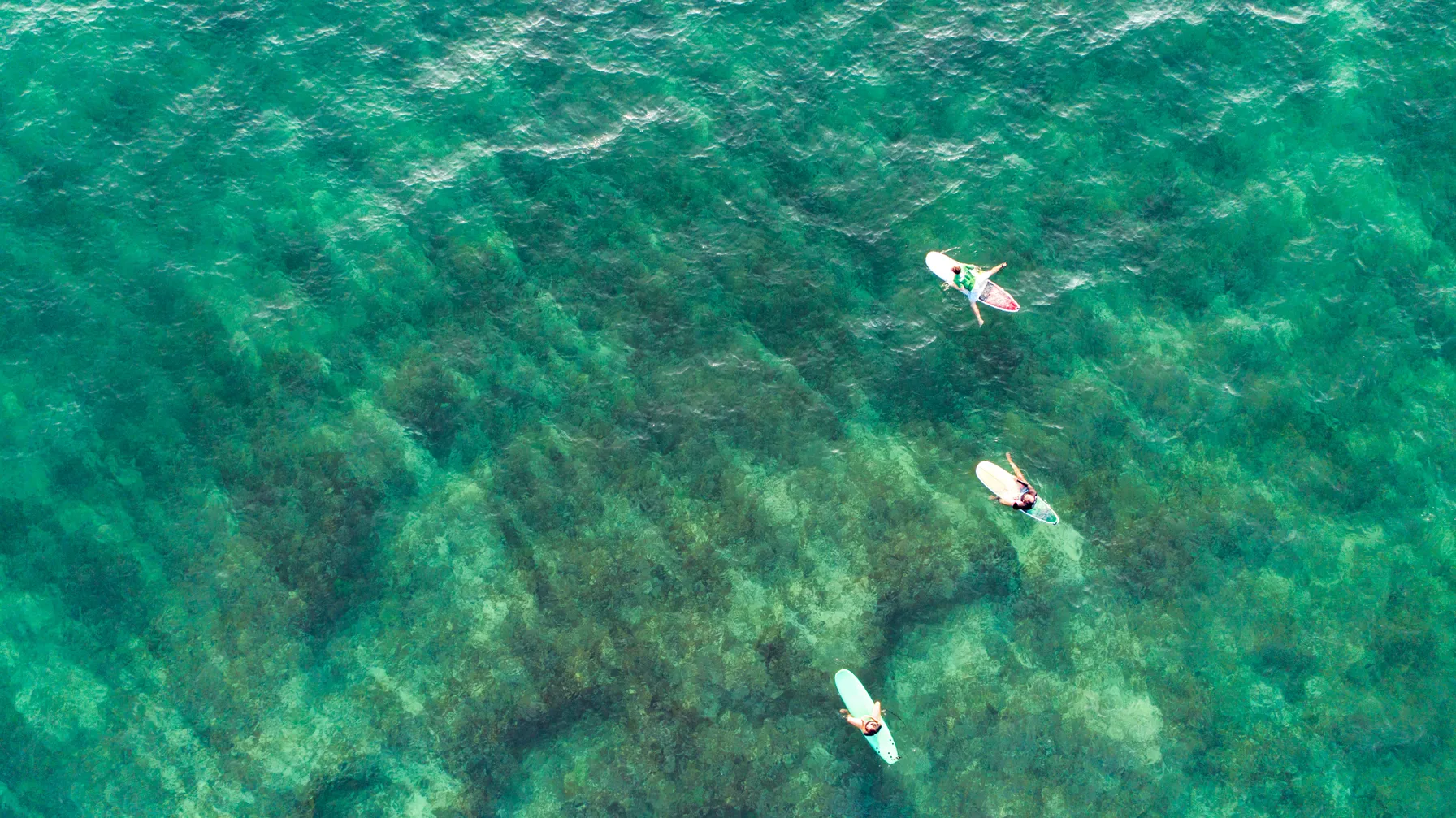
Pigeon Island, accessible from Trincomalee, provides exceptional opportunities for snorkeling at Pigeon Island. The coral reefs house a preserved marine fauna with colorful tropical fish, rays, and sometimes harmless reef sharks. Families particularly enjoy these excursions which combine relaxation and discovery.
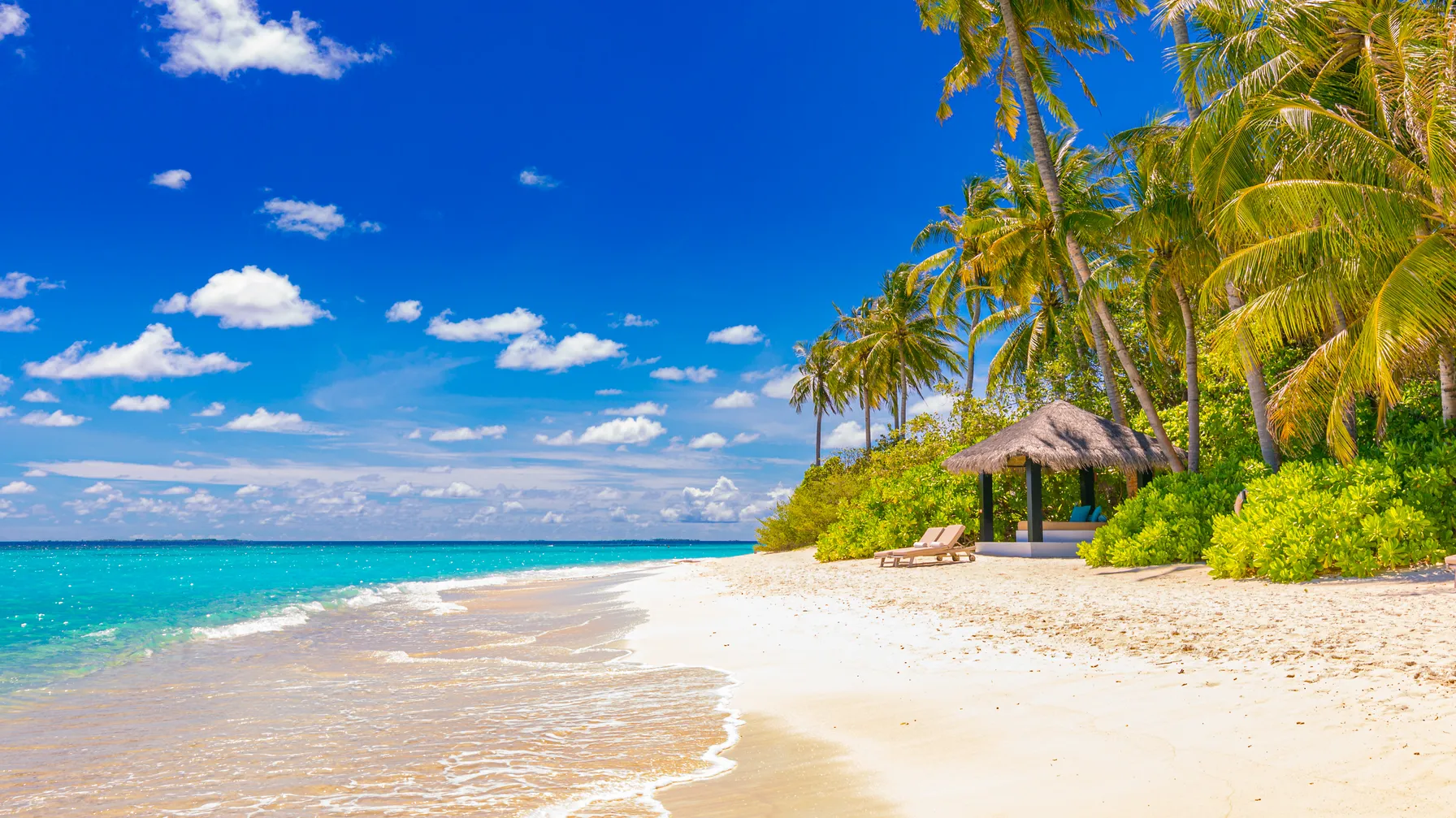
To enjoy the beaches in complete serenity, favor the beaches of Nilaveli and Uppuveli, less crowded than the southern destinations. These stretches of white sand bordered by coconut palms offer an idyllic setting for a family trip, with calm and crystal-clear waters perfect for children.
Exploring the cultural triangle and its historical sites
July offers the advantage of discovering the wonders of the cultural triangle in a more peaceful atmosphere. The reduced tourist activity allows you to explore Sigiriya, Anuradhapura, and Polonnaruwa under privileged conditions, far from the usual bustle of the high tourist season.
The Lion Rock of Sigiriya reveals all its majesty during the early hours of the day, as the morning mist gradually evaporates. Climbing this 5th-century fortress offers striking panoramas over the surrounding jungle and terraced rice fields. The frescos of the Sigiriya Maidens retain their brilliance despite the centuries, testifying to the artistic refinement of the era.
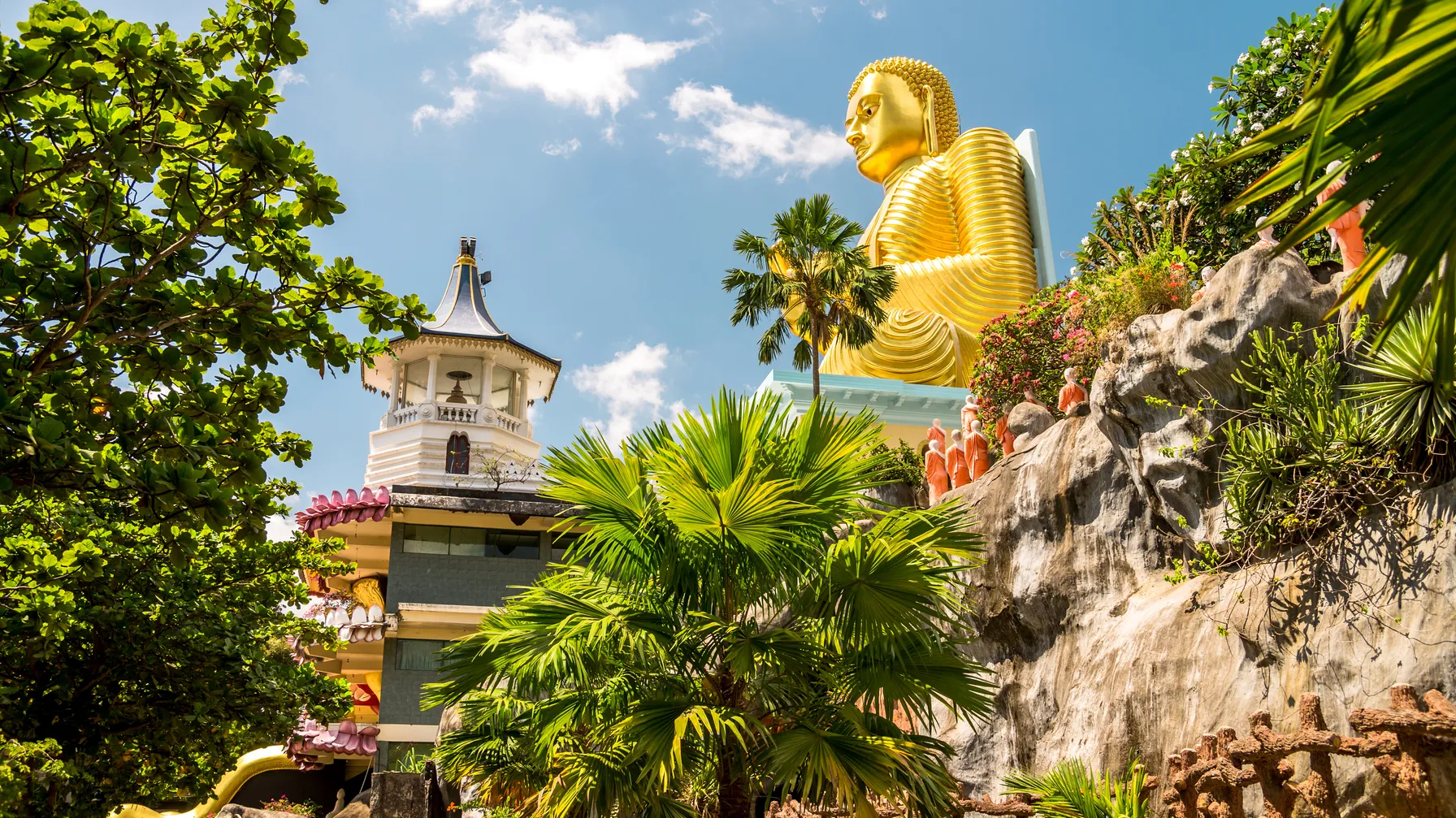
Dambulla and its cave temples are an essential stop to understand the Buddhist heritage of the country. The five caves adorned with Buddha statues and mural paintings create a unique atmosphere of reflection. The morning visit helps avoid the heat and enjoy the golden light that enhances the artwork.
Book your customized trip to Sri Lanka now
Exceptional safaris in national parks
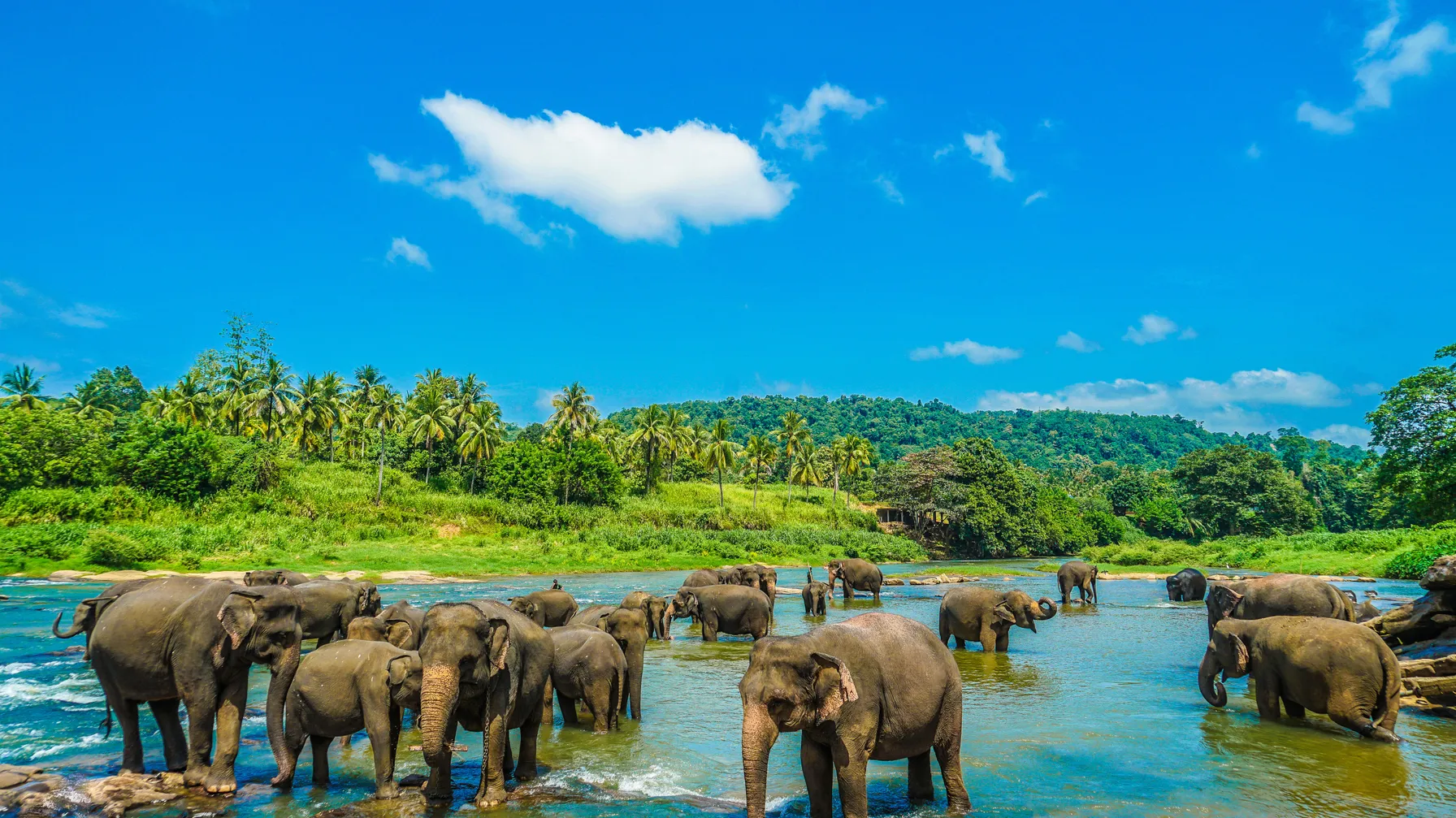
July marks the beginning of the extraordinary phenomenon called "The Gathering" in Minneriya National Park. This exceptional concentration of elephants around water reservoirs creates one of the most impressive wildlife shows in Asia. More than 300 elephants can gather at the same time, offering unique photographic opportunities.
Udawalawe National Park maintains a lively activity with sightings of elephants, water buffaloes and tropical birds. The favorable weather conditions in the center of the country allow for comfortable safaris, especially in the late afternoon when the animals come out to drink.
Kaudulla and Hurulu Eco Park perfectly complement your safari experience, with preserved ecosystems and diverse wildlife. These less frequented parks offer a rare privacy for observing animals in their natural habitat, particularly appreciated by families with children.
What are the unique events to experience in July in Sri Lanka?
The cultural richness of the island of Ceylon is fully expressed during the month of July through ancestral celebrations and a particular festive atmosphere.
Religious and cultural festivals
The Kandy Esala Perahera festival represents the major cultural event of July in Sri Lanka. This spectacular procession, usually held at the end of July, turns the city of Kandy into an open-air theatre for ten consecutive days. Richly decorated elephants, traditional Kandyan dancers, and percussionists create a mesmerizing spectacle that perpetuates age-old traditions.
The full moon of Esala Poya holds major spiritual significance for the Buddhist community. Temples are adorned in their finest and welcome thousands of devotees who come to present their offerings. This celebration offers an authentic immersion into Sri Lankan spirituality, particularly moving at the Temple of the Tooth in Kandy.
The Kataragama festival attracts pilgrims and the curious to this sacred city in the south of the country. The penitence rituals, fire walking, and night processions reveal the religious fervor that animates the country. This intense experience allows an understanding of the spiritual diversity that characterizes Sri Lankan society.
The special atmosphere of the high season
Traveling to Sri Lanka in July immerses you in the unique atmosphere of the high tourist season, particularly noticeable on the east coast. This period corresponds to the European summer holidays, creating a particular buzz in beach resorts like Trincomalee or Arugam Bay.
The animation of local markets intensifies with the arrival of international visitors, offering opportunities for enriching cultural exchanges. Restaurants offer specialties adapted to varied tastes, while preserving the authenticity of Sinhalese and Tamil cuisine.
This period also fosters encounters with other travelers sharing the same passion for discovery. Families particularly appreciate this friendly atmosphere which facilitates exchanges between children of different nationalities.
How to optimize your stay in Sri Lanka in July?
Organizing your trip to Sri Lanka requires planning adapted to the climatic and cultural specificities of this period.
Our advice for a successful family trip
Traveling to Sri Lanka with your family during the month of July requires taking some precautions to ensure everyone's comfort. Opt for air-conditioned accommodations, particularly appreciated during the hot and humid days. Families find in the east coast resort towns facilities adapted with swimming pools, supervised water activities, and varied dining options.
Organizing morning visits allows you to avoid the hottest hours and enjoy the best light for photography. Children cope better with the moderate temperatures of the early morning and show more enthusiasm for cultural discoveries.
Plan for lightweight cotton clothing, wide-brimmed hats, and enhanced sun protection. An emergency kit including medicines for digestive issues and mosquito repellents is essential. Compact umbrellas or lightweight rain jackets effectively protect you from sudden tropical downpours.
The ideal itinerary according to your preferences
For lovers of relaxation and water activities, concentrate your stay on the east coast alternating between Trincomalee, Nilaveli, and Arugam Bay. This approach allows you to fully enjoy the favorable weather conditions while discovering different beach atmospheres.
Culture and history enthusiasts prefer a tour combining the cultural triangle and the central mountains. Start with Sigiriya and Polonnaruwa before moving to Kandy to attend the Esala Perahera festival, then finish with the coolness of Nuwara Eliya and its tea plantations.
Adventurous families opt for a balanced itinerary combining cultural discoveries, safaris, and beach relaxation. Start with the historical sites of the center, continue with the safaris in Minneriya, then head to the east coast to conclude with relaxing moments facing the Indian Ocean.
The north of Sri Lanka, particularly Jaffna and its peninsula, offers a fascinating cultural alternative for travelers wanting to go off the beaten path. This region, marked by Tamil influence, reveals a different facet of the country with its preserved colonial architecture and specific culinary traditions.
Demandez votre devis Sri Lanka sur-mesure 100% gratuit
 4.8
4.8+3.000 travelers satisfied
Contact us to create your personalized itinerary in Sri Lanka