Guide to Sri Lanka: Your companion for an unforgettable adventure
Why is Sri Lanka the perfect destination for your next trip?
This island in the Indian Ocean offers you a rare experience, where spirituality, preserved nature, and ancient traditions harmoniously blend. Traveling to Sri Lanka means meeting a rich and welcoming Sri Lankan culture in a natural setting of striking beauty.
An exceptional cultural heritage
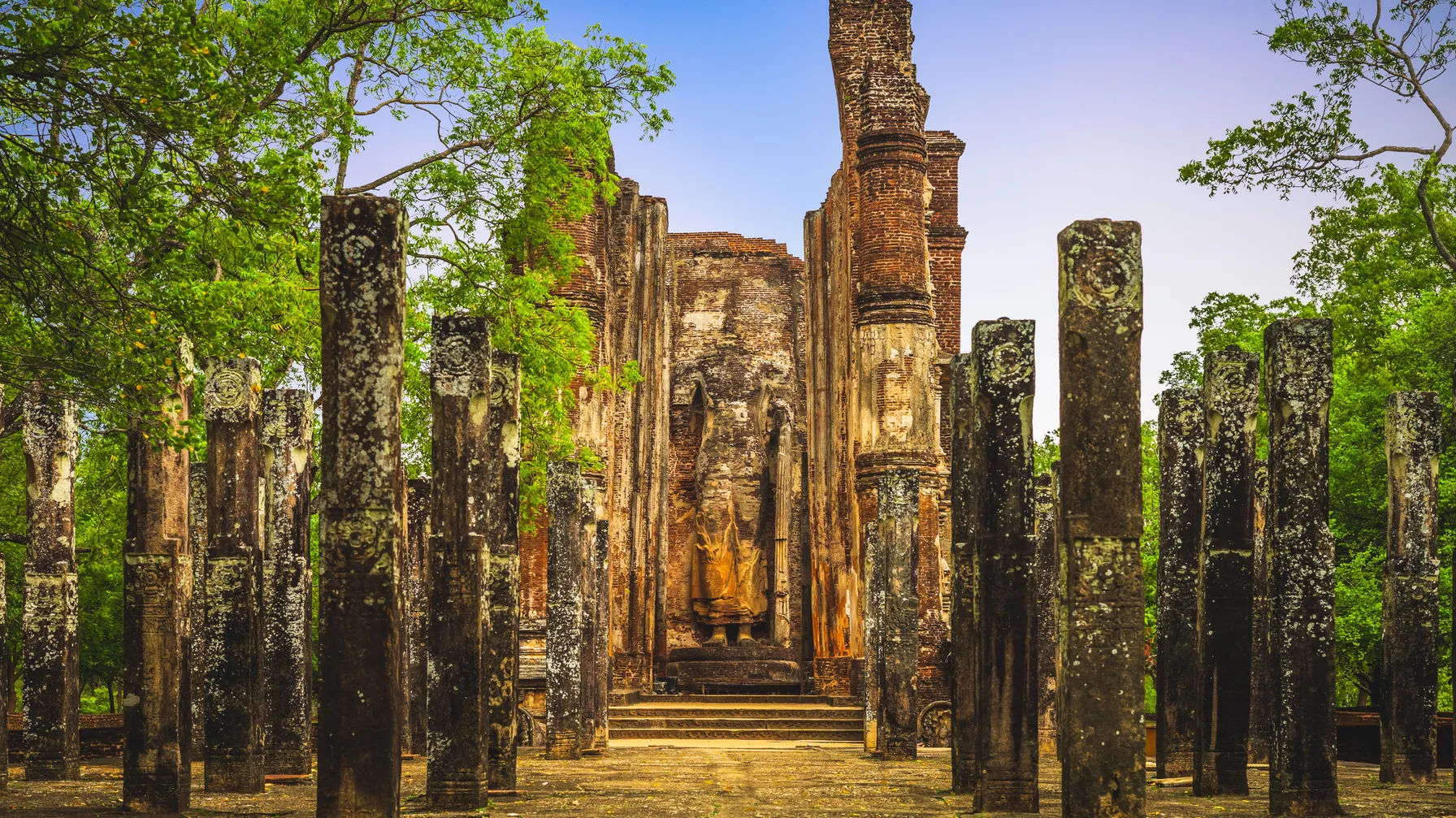
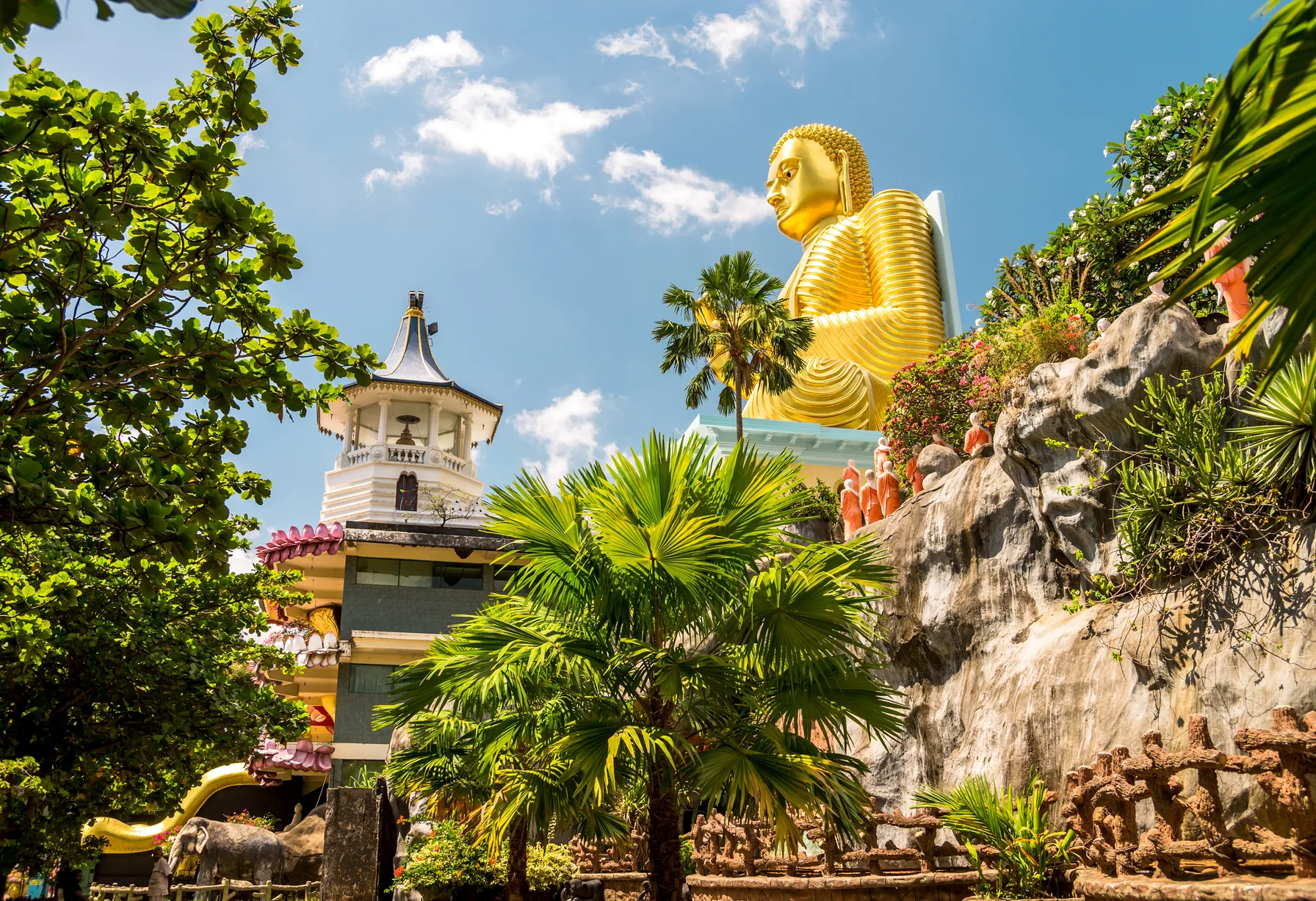
The cultural triangle forms the historical heart of your exploration. Here, you contemplate ancient kingdoms' remnants, witnesses to more than two millennia of civilization. Sigiriya, a rocky fortress emerging from the jungle, reveals its delicate frescoes and sophisticated gardens. Polonnaruwa stretches its majestic ruins under the tropical sun while Dambulla houses its caves adorned with thousands of Buddha statues.
Kandy, the former royal capital, invites you to attend the Esala Perahera, a grand procession featuring dancers, musicians, and gold-adorned elephants. The Temple of the Tooth, a revered sanctuary, immerses you in the spiritual atmosphere that permeates the island. Each site reveals a facet of this unique civilization, between Indian influences and distinctly Sri Lankan character.
Landscapes of striking diversity
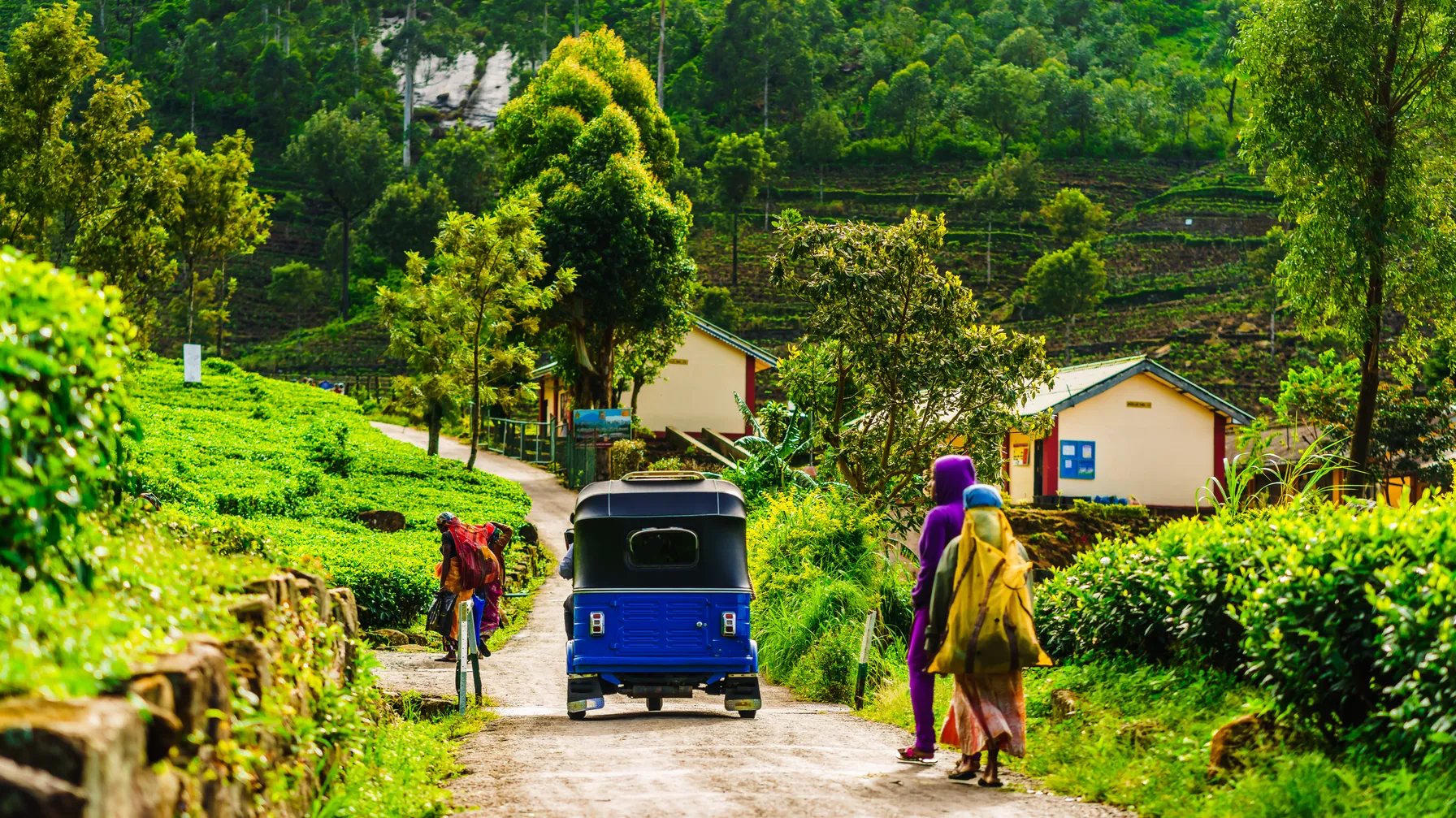
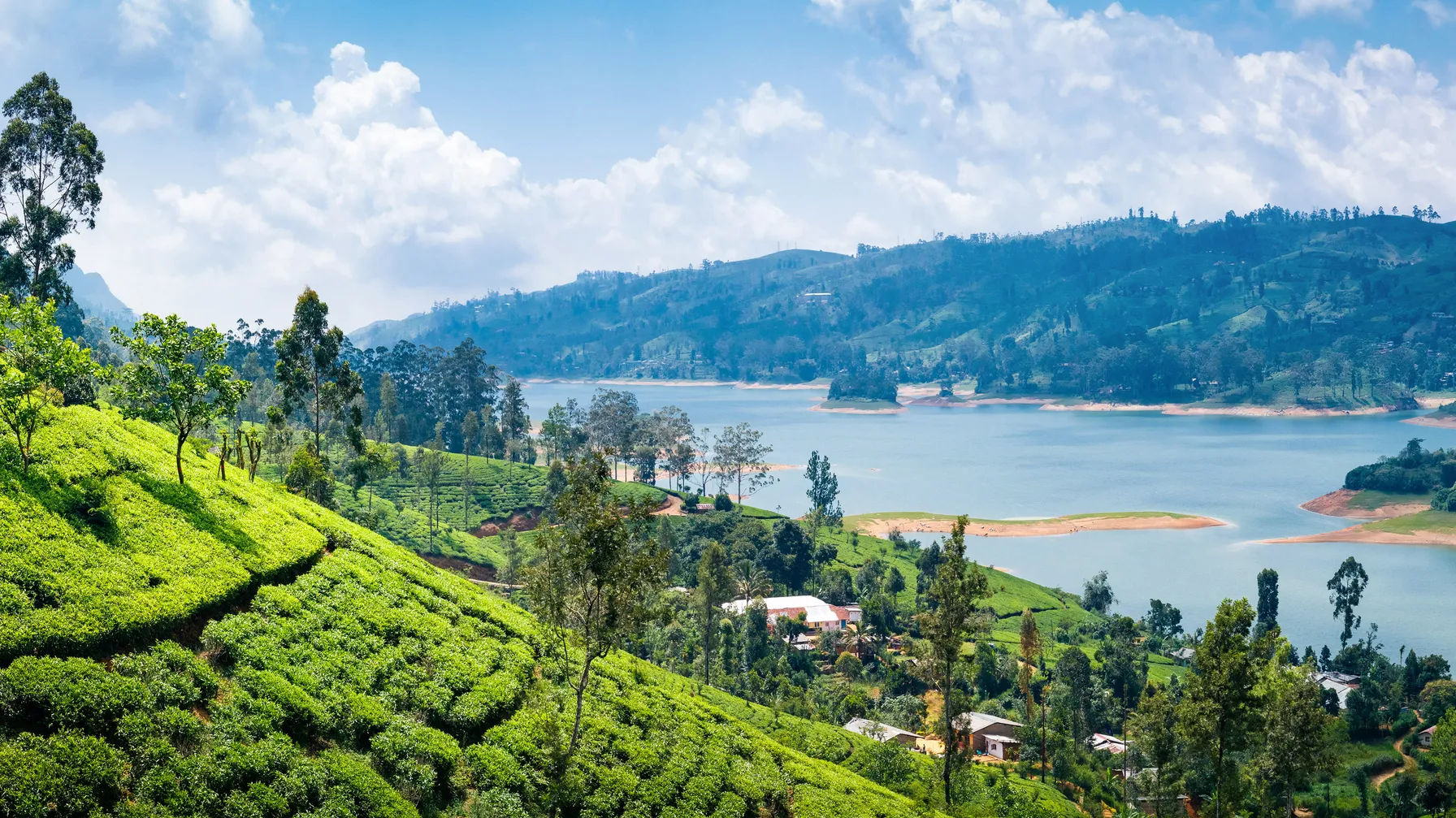
The central mountainous region radically transforms your horizons. Nuwara Eliya and its tea plantations stretch as far as the eye can see, drawing perfect curves on the hills. You taste the famous Ceylon in century-old factories, discovering the secrets of this brew that has made the island world-renowned.
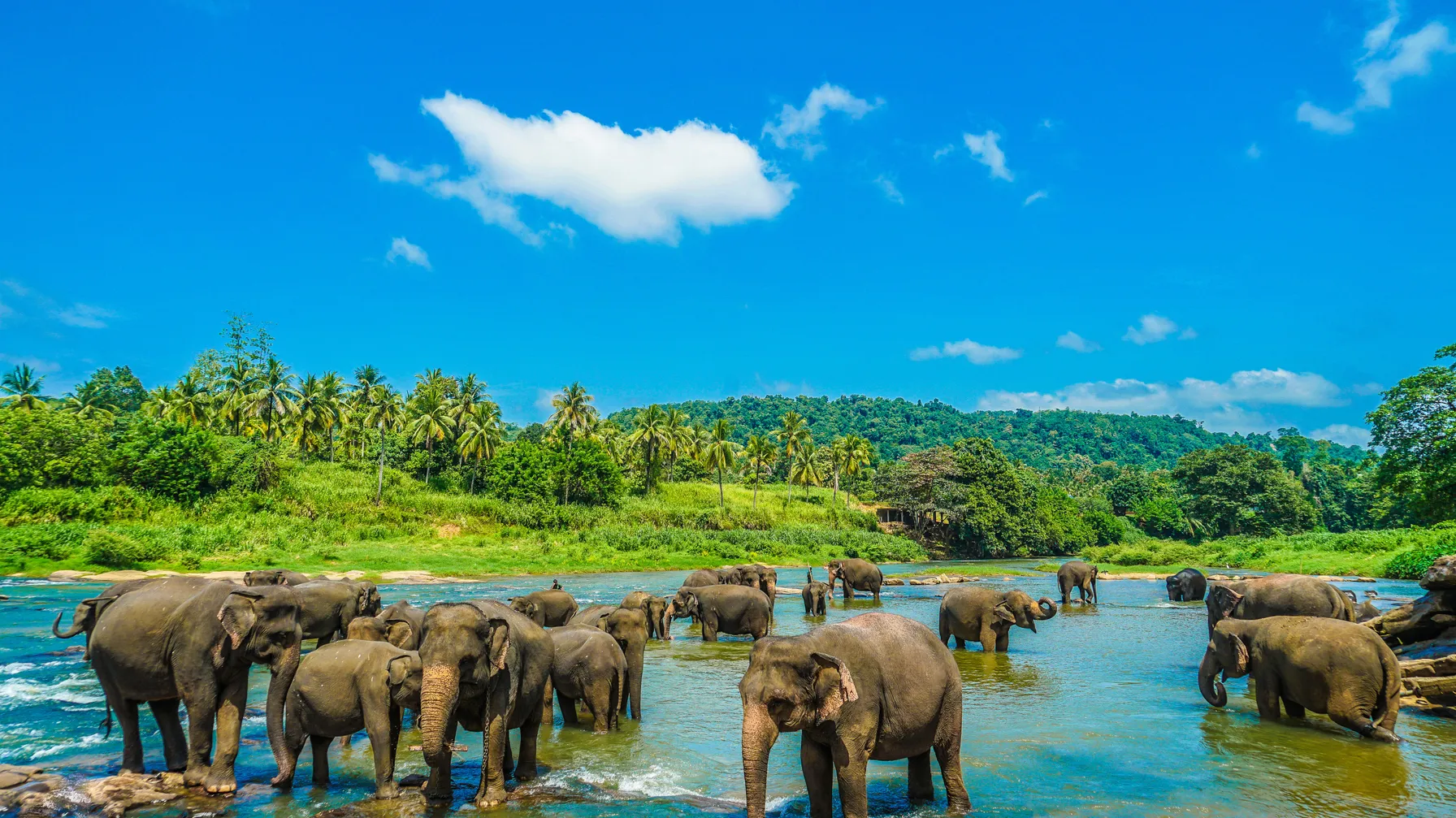
Ella offers you breathtaking panoramas from Little Adam's Peak, while the train meandering between Kandy and the coast takes you through green valleys dotted with waterfalls. National parks like Yala or Udawalawe shelter an exceptional wildlife: elephants, leopards, and a multitude of tropical birds evolve in their natural habitat.
Contact us for more information on the best times to visit
When to visit Sri Lanka for the best experience?
The tropical position of Sri Lanka influences two distinct seasons according to the regions. Understanding these climatic variations allows you to optimize your stay according to your preferences.
The west coast and the south, jewels from December to April
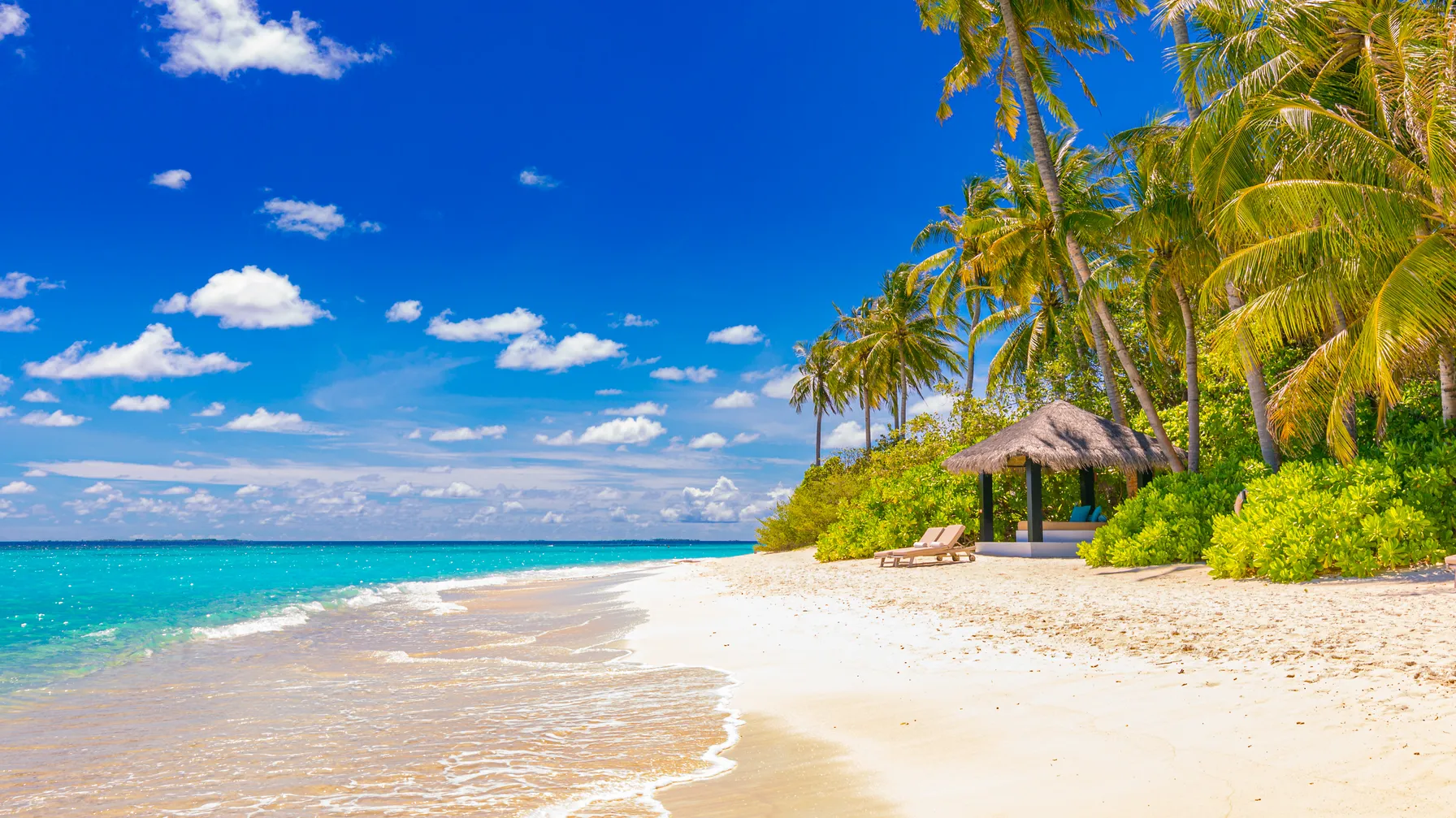
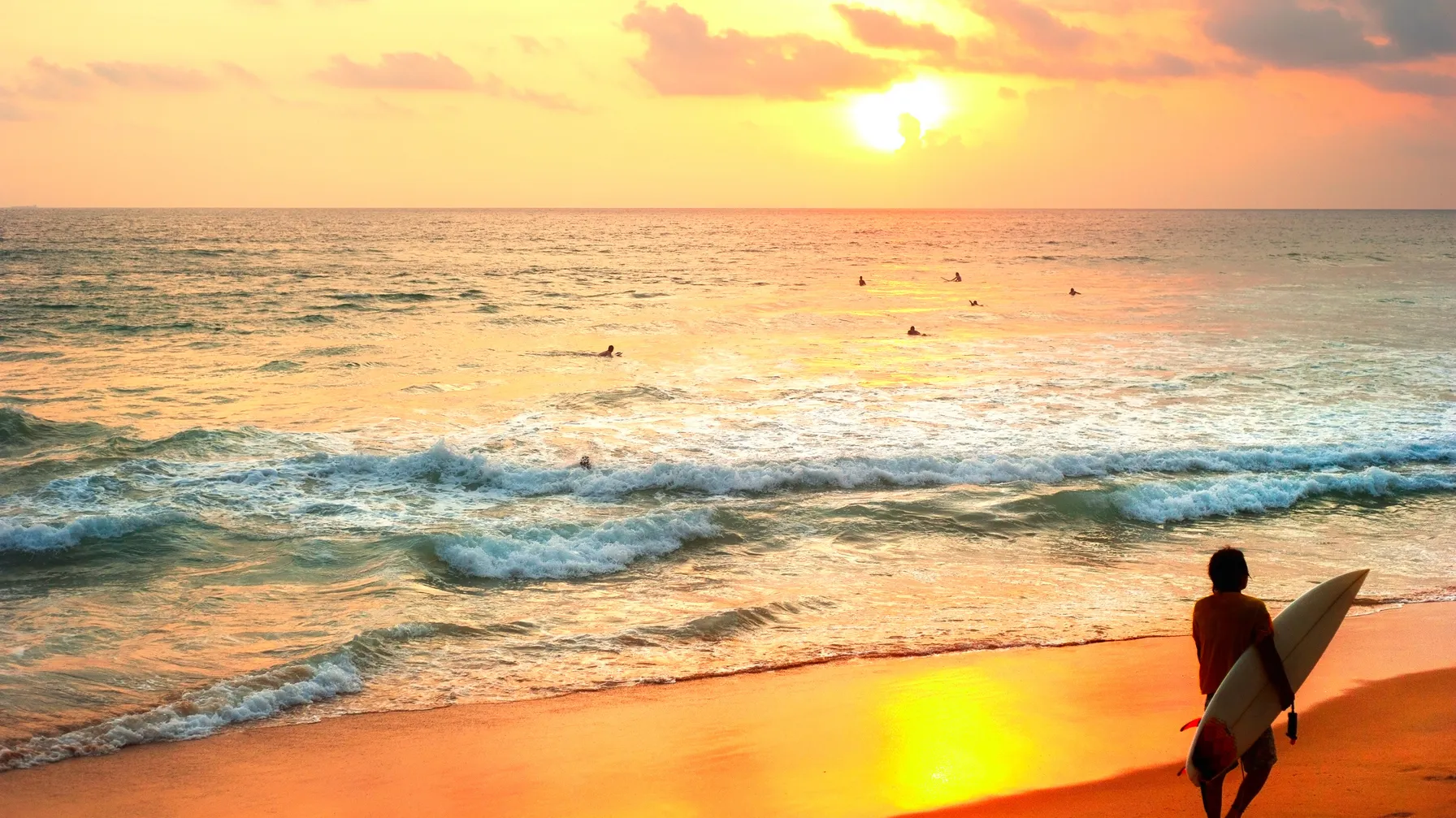
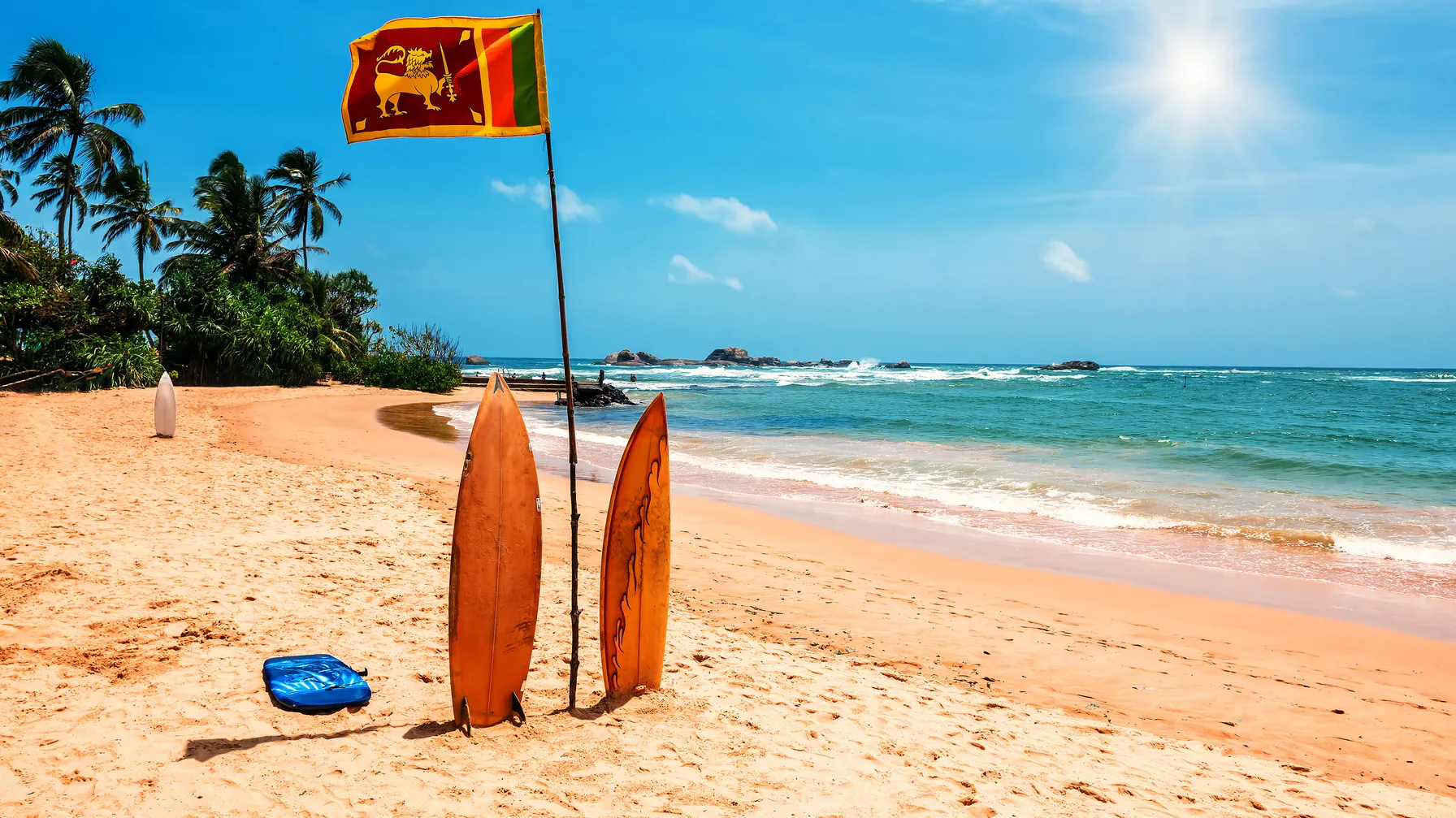
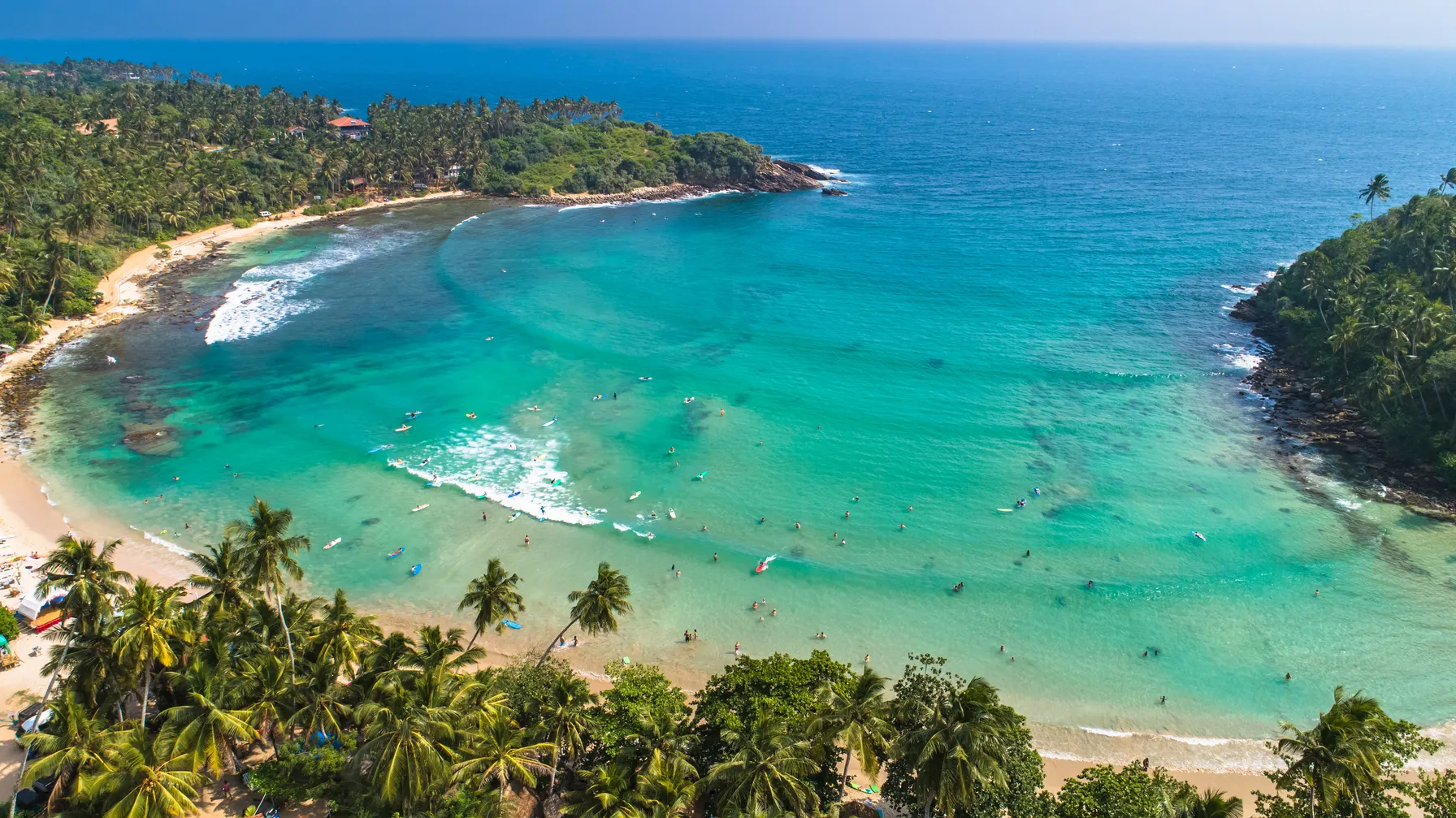
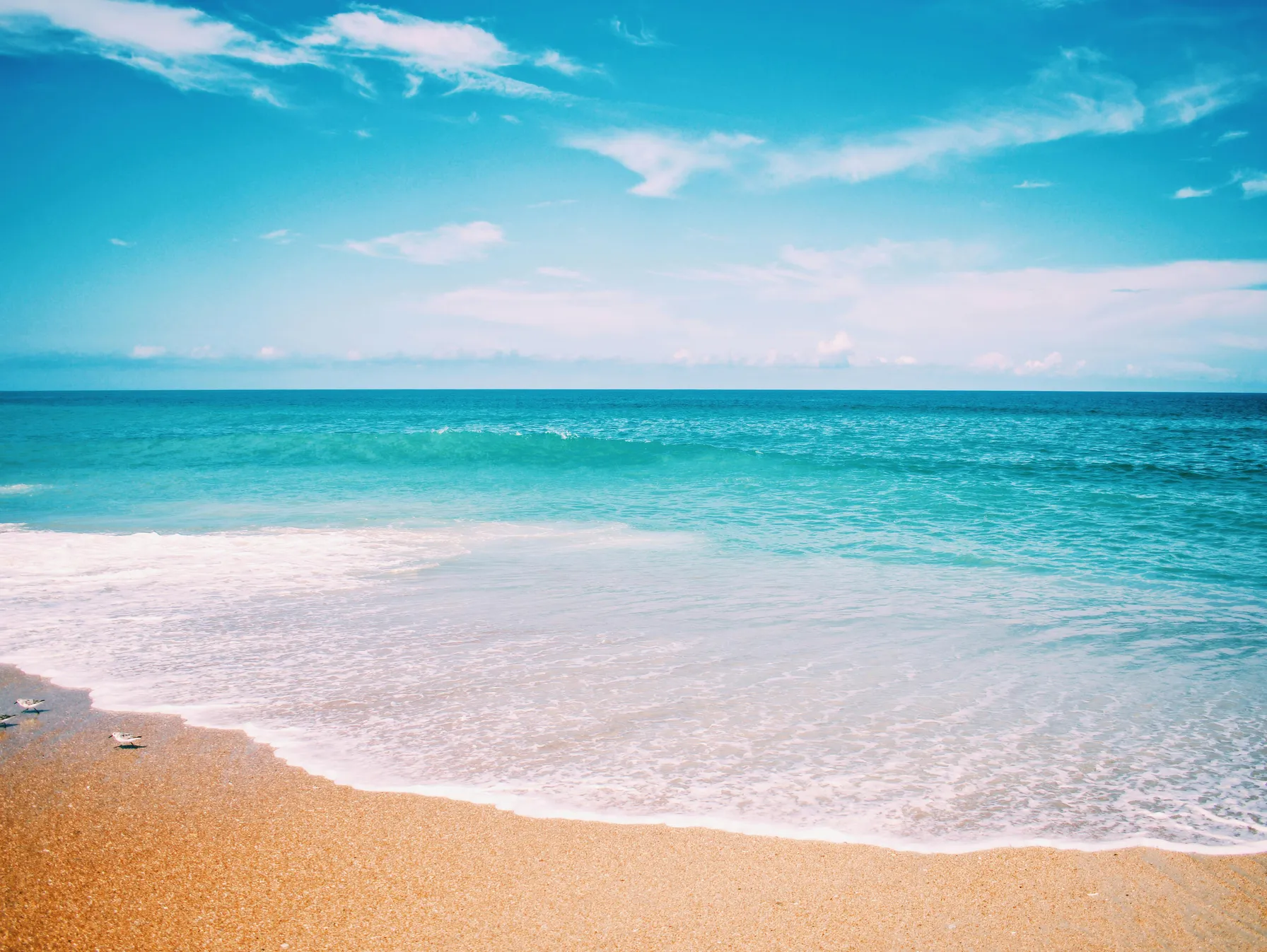
This period guarantees an ideal climate on the west coast, from Negombo to Galle. Temperatures range between 26 and 30°C with generous sunshine and few precipitations. Galle, a colonial gem with preserved ramparts, is discovered under a clear blue sky. The beaches of Bentota, Hikkaduwa or Mirissa welcome you for surfing sessions or observing blue whales.
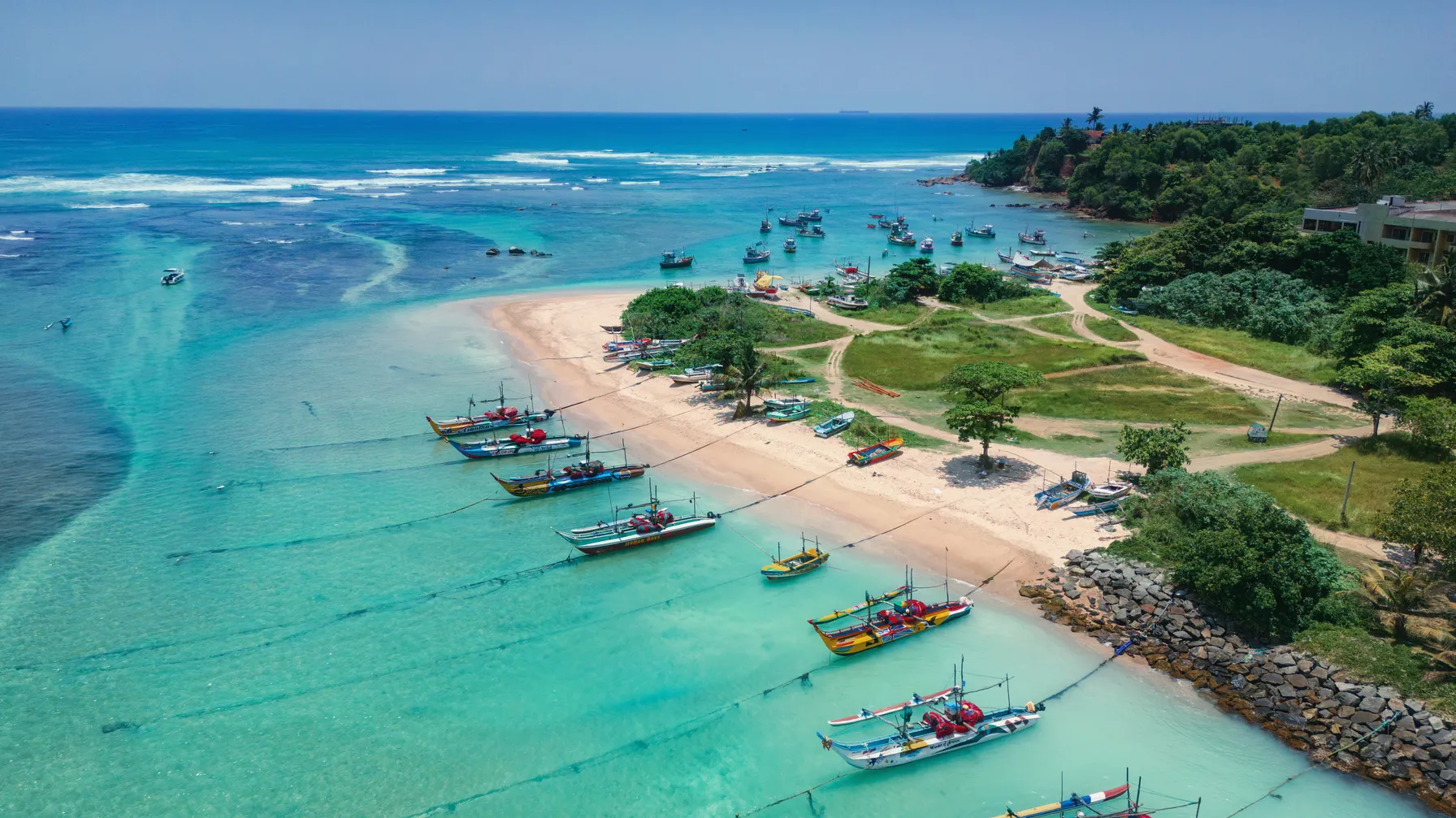
The south then reveals all its charms: colorful markets of Matara, stilt fishermen of Koggala, and sea turtles coming to lay their eggs on the beaches of Rekawa. This season corresponds to the high tourist influx, a period when accommodations display their premium rates but guarantee optimal conditions.
The east coast, a well-kept secret
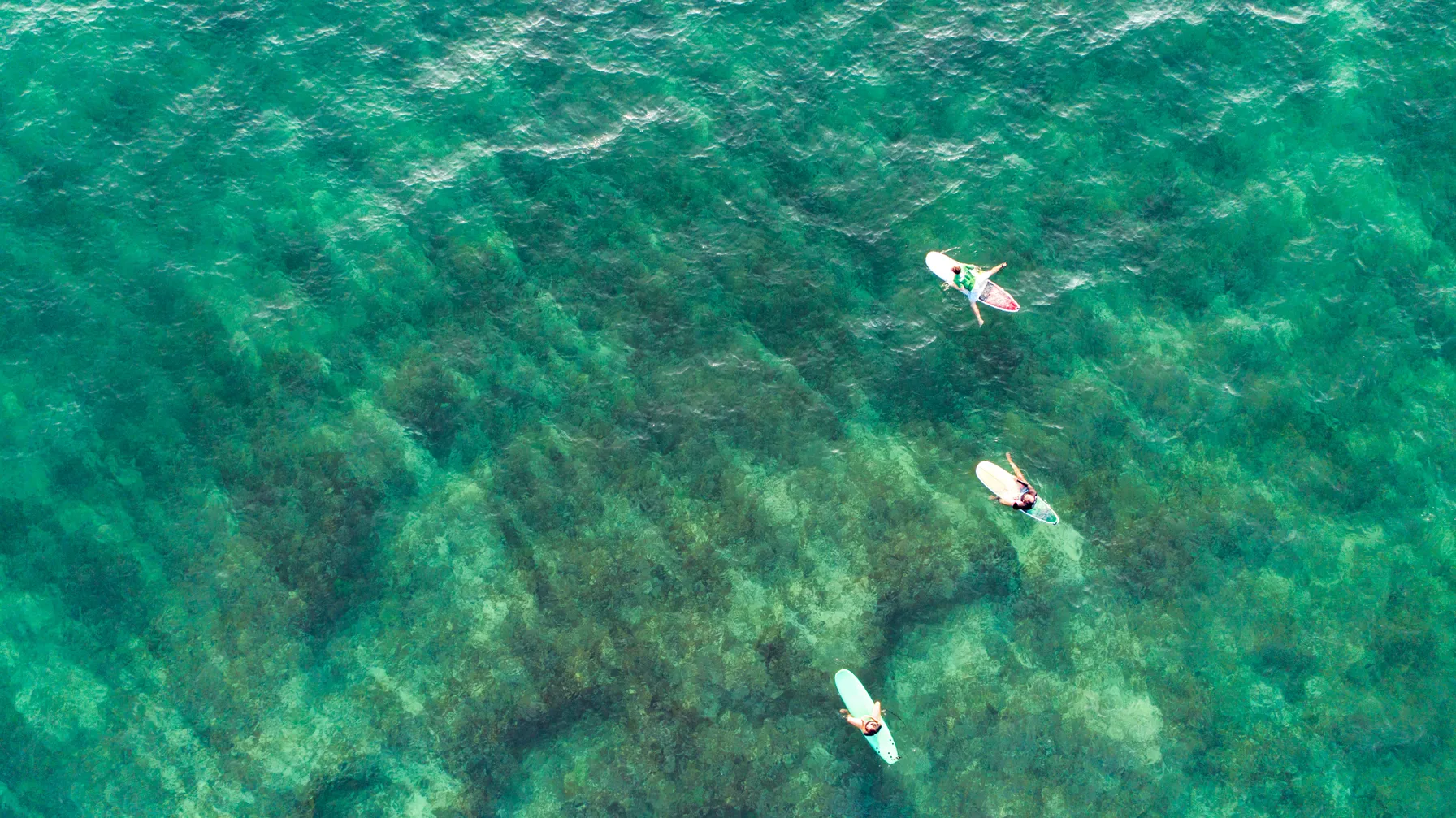
From May to September, head to Trincomalee and Nilaveli, when the east coast reveals its splendor. These less crowded white sand beaches offer you a rare intimacy in a paradisiacal setting. Diving conditions are exceptional with perfect visibility to explore the coral reefs.
This period corresponds to the monsoon on the west coast, but the mountain regions remain accessible. You then benefit from advantageous rates and reduced attendance at cultural sites in the triangle. Did you know? This climatic alternation allows you to plan a road trip according to your specific interests.
How to organize your trip to Sri Lanka with peace of mind?
Preparing your journey in Sri Lanka requires some practical knowledge to turn your stay into a memorable experience.
Essential practical tips
Your passport must be valid for six months after your arrival, and the Electronic Travel Authorization (ETA) is obtained online before departure. Regarding health, no vaccination is mandatory, but updating routine vaccinations is recommended. Prefer bottled water and protect yourself from mosquitoes, especially in the evening.
The Sri Lankan rupee (LKR) remains the currency of reference, although euros and dollars are accepted in some tourist establishments. ATMs are easily found in major cities. Concerning communication, English enables you to make yourself understood in most situations, a valuable complement to Sinhala and Tamil, the official languages.
For your suitcase, prefer light and breathable clothing, without forgetting a warmer outfit for the mountainous regions. Temples require a covering outfit: shoulders and knees covered, shoes that are easily removable. A guidebook or advice from a Lonely Planet usefully completes your preparations.
Getting around and budgeting your stay
Sri Lanka can be easily explored thanks to reasonable distances between the main attractions. A private driver, the preferred solution for a tailor-made trip, offers you flexibility and comfort for about 40 to 60 euros per day. This option allows you to adjust your pace and discover lesser-known places.
Public transport, buses and trains, offer an authentic experience at a budget-friendly cost. The Kandy-Ella train journey, considered one of the most beautiful in the world, is worth the detour by itself. For a two-week stay, count between 60 and 100 euros per day per person, including accommodation, meals, and transport.
Sri Lankan cuisine, spicy and fragrant, introduces you to rice and curry, the national dish accompanied by spicy sambols. Hoppers, crispy pancakes, and kottu roti, a spectacular sautéed preparation, enrich your culinary discoveries. Local markets are full of tropical fruits and spices that scent the entire local cuisine.
Book your trip to Sri Lanka now
Demandez votre devis Sri Lanka sur-mesure 100% gratuit
 4.8
4.8+3.000 travelers satisfied