Surfing in Rio de Janeiro: the guide to riding the Carioca waves
Why is Rio de Janeiro an essential destination for surfing?
Beyond its festive reputation, Rio de Janeiro has established itself as one of the world's major surf references. The city combines a rare asset: accessible urban beaches, regular Atlantic swell, and a deeply ingrained surf culture in the daily lives of the Cariocas.
A surf culture in the Carioca DNA
Surfing in Rio is not just a simple sporting activity. It's a real way of life, passed down from generation to generation since the 1970s, when the first surfboards appeared on Arpoador Beach. Even today, the locals are in the water at dawn, indifferent to the majestic skyline behind them. This contagious energy, mixed with the sound of the waves and the colors of the Atlantic forest, creates an atmosphere few destinations in the world can offer. Surfing in Brazil, and specifically in Rio, is to allow yourself a break well beyond mere sport.
Beaches for all surfer profiles
What truly distinguishes the beaches of Rio is their diversity. Surf spots line up along several tens of kilometers of coastline and cater to very different expectations. The regular beach breaks are perfectly suited for beginners looking to catch their first waves safely, while more exposed and powerful sectors offer experienced surfers intense and challenging sessions. Families, couples, or solo travelers will all find their pace, especially since surf lessons led by local instructors are easily accessible on almost all the beaches.
Contact us for more information on the best surf experiences in Rio de Janeiro.
What are the best spots for surfing in Rio de Janeiro?
Rio has about ten remarkable spots, spread across its many kilometers of coastline. Here is a selection of the essentials, from the most iconic to the most confidential, to plan your stay according to your desires and skill level.
Arpoador, the cradle of Brazilian surfing
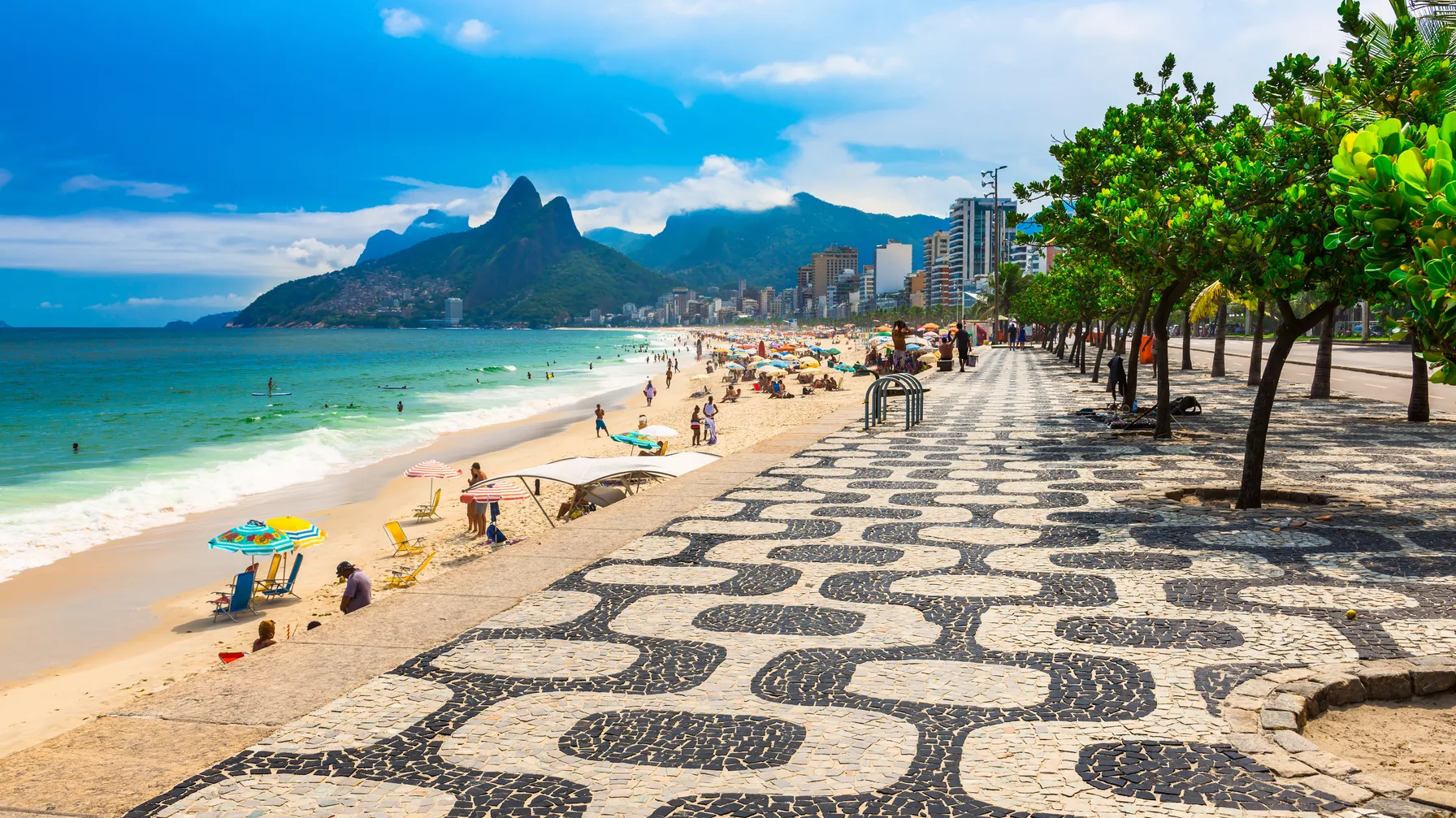
Nestled between Ipanema and Copacabana, Arpoador Beach is considered the birthplace of surfing in Brazil. Its characteristic rocky point generates a powerful beach break with waves forming both to the right and left, making for sessions accessible to all levels. Advice from our Travel Planners: prioritize the early morning hours to avoid the crowd and fully enjoy the water. A rare and unusual detail—the beach is lit all night, allowing the more adventurous to extend their session well after sunset.
Prainha, the wild pearl for experienced surfers
About thirty minutes from downtown, Prainha stands out as the preferred spot for the most seasoned locals. Framed by a lush Atlantic forest, this preserved beach is notable for the regularity of its waves, which rise and break continuously. The sandbanks promote demanding sessions, making it an ideal playground for experienced surfers. Its relative remoteness keeps it away from the crowds, ensuring a rare privacy on the coast of Rio. Tip: go there in a group, as the beach is not always monitored.
Barra da Tijuca, the champions' playground
Stretching nearly 20 kilometers, Barra da Tijuca is the largest beach in Rio de Janeiro and one of the cleanest in the city. Its constant beach breaks and stable sandbanks make it a spot accessible both to beginners and intermediate surfers. At the west end of the beach, the area known as Postinho attracts experts with its halfpipe waves, perfect for practicing maneuvers and pushing limits. It is no coincidence that this beach regularly hosts national and international competitions, including the prestigious Rio Pro. A surfing experience in this Atlantic setting naturally fits into a tailor-made trip to Rio.
Grumari, a wild spot in the heart of nature
To get away from urban hustle, Grumari represents a unique destination. Integrated into the eponymous municipal nature park, this beach escapes any commercial infrastructure and benefits from strict environmental protection. Its clear sand, wooded hills, and generous waves during strong currents make it a spot as photogenic as it is stimulating. Calmer sea days suit beginners, while more muscular conditions appeal to seasoned surfers. Did you know? Brazilian surfer Carlos Burle, known for facing one of the largest waves in the world in Portugal, lists Grumari among his favorite spots in Rio.
Book your trip to Rio de Janeiro now and customize your itinerary with a Vialala Travel Planner.

Demandez votre devis Rio de Janeiro sur-mesure 100% gratuit
 4.8
4.8+3.000 travelers satisfied
What is the best time to surf in Rio de Janeiro?
Good news: it is possible to surf in Rio all year round. The city enjoys a tropical climate that maintains mild temperatures in all seasons, with water temperatures ranging from 22 to 26°C. That said, the ideal period for surfing in Rio runs from April to October. During these months, swells from the South and Southeast become more regular and more powerful, with a peak between June and August. It is also the driest season, which makes sea outings more comfortable.
| Period | Conditions | Recommended Level |
|---|---|---|
| April to June | Regular swell, increasing strength | All levels |
| July to August | Best waves of the year | Intermediate and advanced |
| September to October | Good conditions, pleasant water | All levels |
| November to March | Weaker swell, warmer water | Beginners and families |
What essentials should you plan before getting into the water?
Getting into the water in Rio does not require you to travel with all your equipment. Surfboard rentals are available on almost all beaches, especially in Arpoador and Barra da Tijuca. Surf lessons with local instructors, accessible to all levels, are an excellent way to start or progress safely. A few essentials to keep in mind before your session:
- A sunscreen suitable for the sea, essential under the Brazilian sun;
- A shorty or a light wetsuit, useful in the austral winter between June and August;
- A high-quality leash to not lose your board in the current;
- A water bottle and fresh water, as sessions can be exhausting in the heat.
Frequently asked questions
Is it necessary to speak Portuguese to take surf lessons in Rio de Janeiro?
Not necessarily. Many schools and instructors working at the most frequented spots, such as Arpoador, offer lessons in English and sometimes in French. By opting for an organized stay with a Travel Planner, you benefit from assistance in selecting service providers that match your linguistic profile.
Can you surf in Rio de Janeiro with family and children?
Absolutely. Barra da Tijuca, with its regular waves and stable beach breaks, offers particularly suitable conditions for introducing young children to surfing. Supervised surf lessons are available on site, allowing everyone to progress at their own pace in a safe and friendly environment.
Are there any particular risks to be aware of before surfing in Rio?
As with any surf spot, it is recommended to check the day's conditions before entering the water. Some less frequented beaches, such as Prainha or Grumari, are not permanently supervised: it is advisable to go there accompanied. Furthermore, currents can be strong in certain areas during heavy swell, particularly for surfers unaccustomed to the conditions of the South Atlantic.
Can we include surf sessions in a bespoke itinerary in Rio de Janeiro?
Absolutely. With Vialala, every detail of your stay is tailored to suit you. It is entirely possible to integrate surf lessons, guided sessions, or dedicated slide days directly into your program, without having to organize anything on your part. All you have to do is pack your bags.