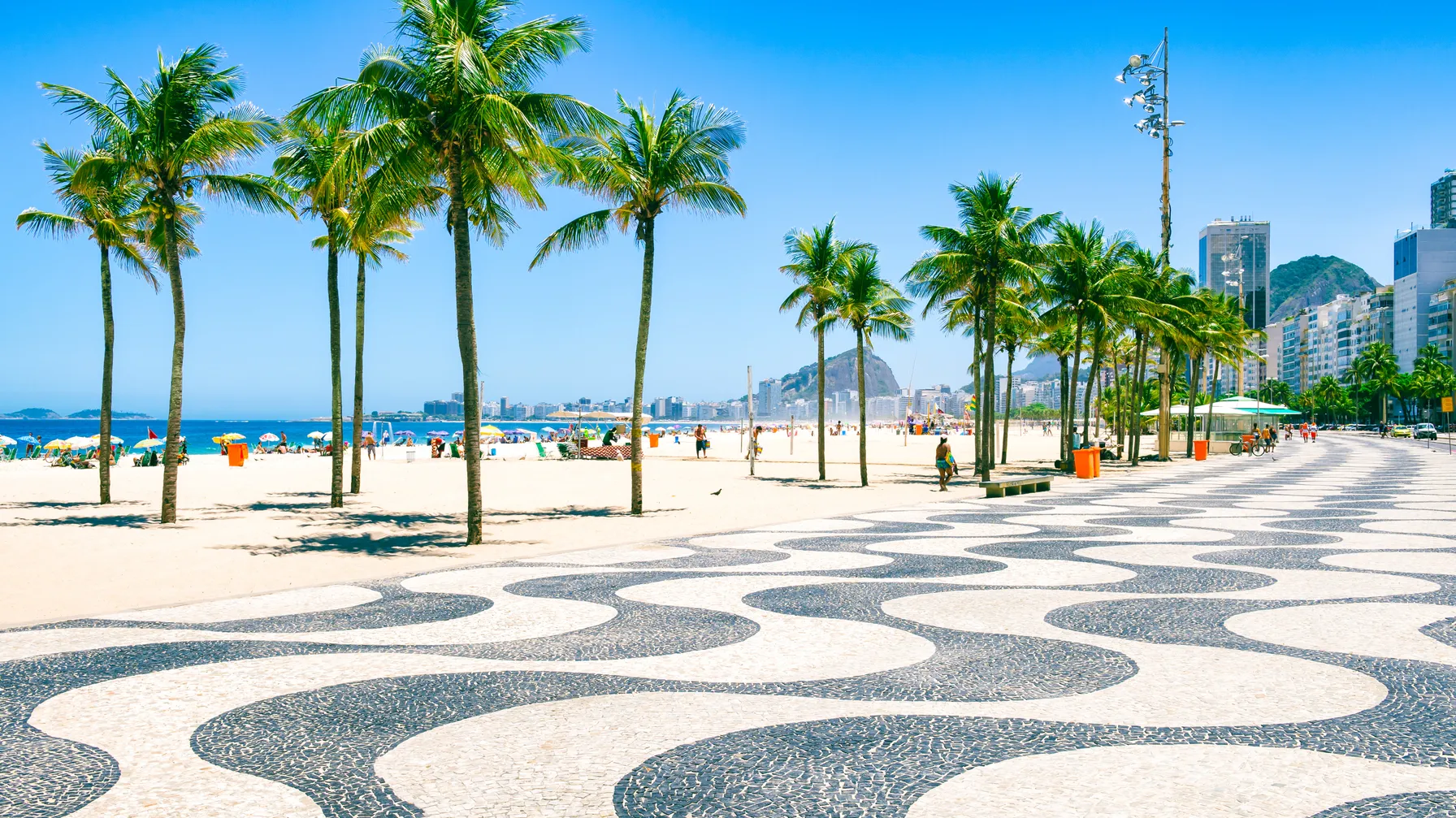
Guide to Rio de Janeiro: everything you need to know before you go
Why does Rio de Janeiro deserve a special place in your travel plans?
It's hard to remain indifferent to Rio. The city combines exceptional landscapes, rare cultural richness, and a communicative energy that leaves a lasting impression long after the return.
Between sea, mountain, and large urban forest
In the heart of Rio, nature asserts itself with remarkable generosity. From the heights of Sugarloaf Mountain or from viewpoints of the Corcovado, the city stretches as far as the eye can see: a breathtaking view of Guanabara Bay, the beaches of Ipanema and Copacabana, and the Tijuca Forest. This large urban forest, one of the most significant in the world, offers hiking, hidden waterfalls, and exceptional biodiversity. For outdoor enthusiasts, Rio turns into a great natural adventure playground, accessible within minutes from downtown.
A vibrant culture at the heart of Rio
Santa Teresa, perched on its cobbled heights, embodies the artistic and bohemian soul of the city. Its colorful streets house artist studios, galleries, and restaurants where Brazilian cuisine unveils all its creativity. Samba resonates in every corner of Lapa on weekends, while the carnival transforms Rio into a vivid tableau of Afro-Brazilian colors and rhythms. Discovering Rio is also about embracing this unique, permanent effervescence on the South American continent.
What is the best time to visit Rio de Janeiro?
Rio's climate is tropical, with high temperatures all year round. However, some periods are more favorable depending on your interests: beach, festivals, or sports activities. Here is an overview of the seasons to better organize your trip to Rio:
| Period | Average Temperatures | Precipitations | Key Points |
|---|---|---|---|
| December – March | 28 – 35 °C | Heavy | High season, Carnival in February |
| April – June | 24 – 29 °C | Moderate | Good period for cultural visits |
| July – September | 20 – 25 °C | Low | Ideal for hiking and outdoors |
| October – November | 24 – 30 °C | Moderate | Good balance between sunshine and reduced crowds |
From May to November, Rio offers pleasant sunshine with less rainfall, making it the ideal period to explore the city on foot or enjoy the beaches in a more intimate setting. The carnival remains a must experience in February for a total immersion into the Carioca culture.
Contact us for more information on the best times to visit Rio de Janeiro.
What to see and do to discover Rio de Janeiro?
Between iconic monuments, nature walks, and cultural experiences, Rio offers a range of activities that satisfies all types of travelers. Guided tours provide depth and allow you to discover the city through the eyes of those who know it well.
The iconic sites of the Cidade Maravilhosa
The Christ the Redeemer statue, perched atop Corcovado, remains the most recognizable image of Rio de Janeiro. Guided tours to Christ the Redeemer offer a rack railway ascent through the Tijuca Forest, leading to a striking arrival at the foot of the statue. Nearby, the Sugarloaf is ascended by cable car in two stages from the Urca district, offering an unparalleled panorama of the bay and coastline. Lake Rodrigo de Freitas, more tranquil, invites for bike rides in a calmed setting, away from the usual tourist bustle.
Unique experiences between forest, lagoon and nightlife
To go off the beaten path and truly discover the city in a new way, the Tijuca Forest offers beautiful surprises: caves, waterfalls, and peaks accessible on foot for rare panoramas. The Vidigal favela provides an immersion into the daily reality of its inhabitants, far from the stereotypes. Regarding nightlife, the Lapa district comes alive every weekend to the sound of samba in a festive and authentic atmosphere. For a suspended moment, a sunset cruise in Guanabara Bay offers a unique perspective on Rio and its lights.
Book your trip to Rio de Janeiro now.

Demandez votre devis Rio de Janeiro sur-mesure 100% gratuit
 4.8
4.8+3.000 travelers satisfied
What practical advice to keep in mind before preparing your trip to Rio?
Some essential information allows you to approach your stay calmly and to fully enjoy every moment spent in the Cidade Maravilhosa.
Formalities, budget and local flavors
Brazil is accessible without a visa for French nationals. The local currency is the Brazilian real (BRL), and while credit cards are widely accepted in hotels and restaurants, it's better to have cash for markets and small shops. The time zone is UTC-3, 4 hours behind France in winter time. For getting around, local ride-hailing apps like Uber are reliable and accessible. In terms of gastronomy, do not leave without tasting feijoada, a stew of black beans and smoked meats emblematic of Brazil, nor without sipping a fresh caipirinha on the beach. The markets of Santa Teresa and the street food stands immerse you in the authentic flavors of the city.
A good tip: bring SPF 50 sunscreen, light clothing, and good walking shoes to explore Rio at your own pace and without constraint.
Contact us for more information on your tailor-made trip to Rio de Janeiro.