Culture in Rio de Janeiro: dive into the heart of the Marvelous City
Why is Rio de Janeiro's culture so unique in the world?
Rio de Janeiro is a city that impresses as much by the beauty of its landscapes as by the depth of its history. To understand what makes it so distinctive is to allow yourself to linger beyond the postcards.
An identity forged by three centuries of cross-influences
The culture of Rio de Janeiro was built over centuries of encounters and intermixing. Founded by the Portuguese in the 16th century, the city was then shaped by the massive arrival of African slaves, whose heritage still permeates today the music, dance, gastronomy and local spiritual practices. In the 19th century, the installation of the Portuguese royal court transformed Rio into a cosmopolitan capital, accelerating its urban and cultural development.
This convergence of influences explains why Rio de Janeiro's culture is so rich and so difficult to summarize. The Cariocas, the city's inhabitants, have learned to integrate these heritages to create something authentically Brazilian, a way of life that is evident from the very first moments spent in the city.
Monuments and sites that bear the memory of the city
The Marvelous City houses an architectural and natural heritage of great value. Christ the Redeemer, perched on Mount Corcovado at 700 meters above sea level, is undoubtedly Brazil's most recognizable image. A few kilometers away, Sugarloaf Mountain offers, from its summit, a stunning view of Guanabara Bay at sunset. These two sites attract millions of visitors every year, and for good reason: they symbolize, on their own, the unique relationship Rio maintains with its territory.
In 2012, Rio de Janeiro became the first city to be listed as a UNESCO World Heritage site for its cultural landscapes, notably incorporating the Tijuca Forest, one of the world's largest urban forests. This label recognizes the exceptional dialogue between nature and urbanity that characterizes the city.
Book your trip to Rio de Janeiro now and plan a tailor-made stay in the heart of Brazilian culture.
What cultural heritage to discover in Rio de Janeiro?
Rio de Janeiro offers a heritage that is both tangible and intangible, exceptionally rich. Between living traditions and places steeped in history, every visit offers moments of sharing and discovery.
From Rio's carnival to the samba schools: living culture
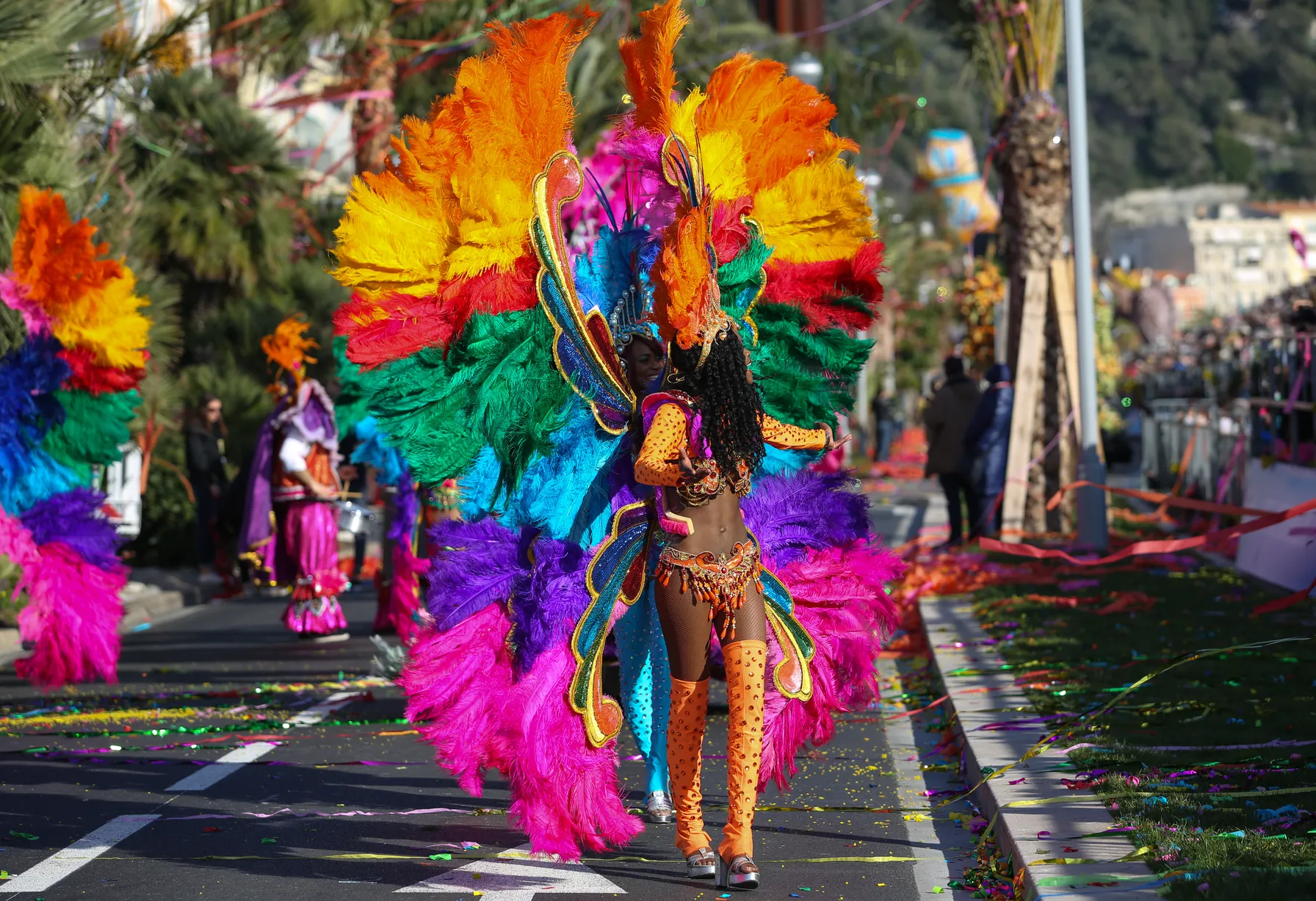
Rio's carnival is undoubtedly the most famous cultural event in the world. Every year in February, the samba schools parade at the Sambódromo in an explosion of colors, rhythms, and elaborately designed costumes. But understanding the behind-the-scenes of the carnival means understanding a colossal artisanal effort that mobilizes entire communities for months.
Apart from the carnival, samba is lived daily in the neighborhoods of Lapa and Santa Teresa, where gafieiras, these historic ballrooms, welcome musicians and dancers in a warm atmosphere. Attending a samba school rehearsal between September and February is an immersive experience that any culture-loving traveler should indulge in.
Sport culture is also part of Rio's identity. The Maracanã stadium, inaugurated for the 1950 World Cup, is a temple of Brazilian football. Guided tours allow you to explore its behind-the-scenes and better grasp the central role of sport in the lives of Cariocas.
Museums, architecture and exceptional neighborhoods
Rio de Janeiro hosts a dense cultural fabric, ideally explored on foot. The Modern Art Museum, the Museum of Tomorrow, and the National Museum of Fine Arts form a remarkable ensemble in the port area and downtown. Not far away, the Petite Afrique neighborhood bears witness to Afro-Brazilian heritage, with sites such as Pedra do Sal, classified as cultural heritage and considered the cradle of samba.
The city's architecture deserves special attention. Oscar Niemeyer, a major figure of Brazilian modernism, has left his mark on Rio and throughout the region, notably in Niterói where his Museum of Contemporary Art dominates Guanabara Bay with an unparalleled formal audacity.
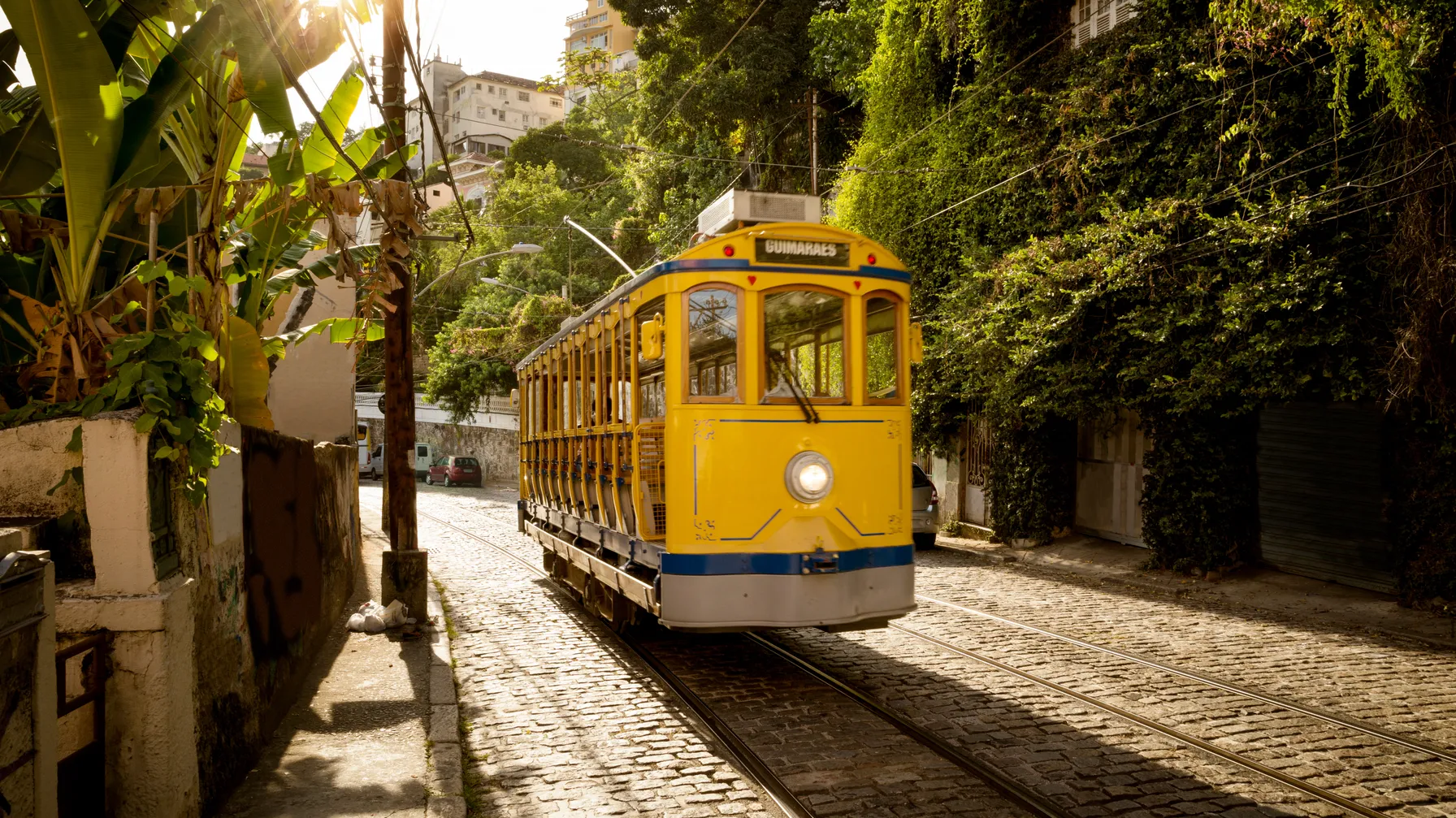
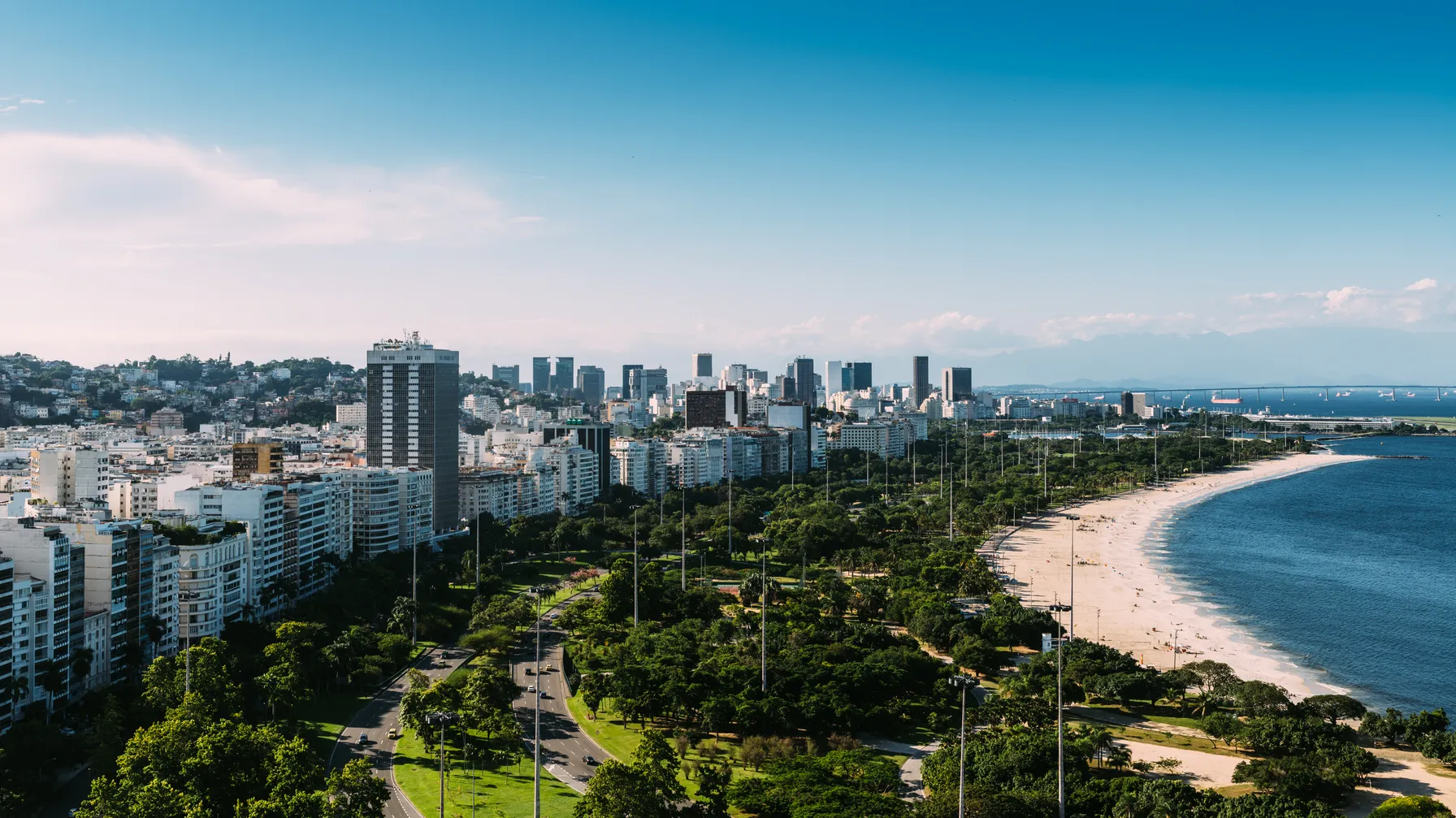
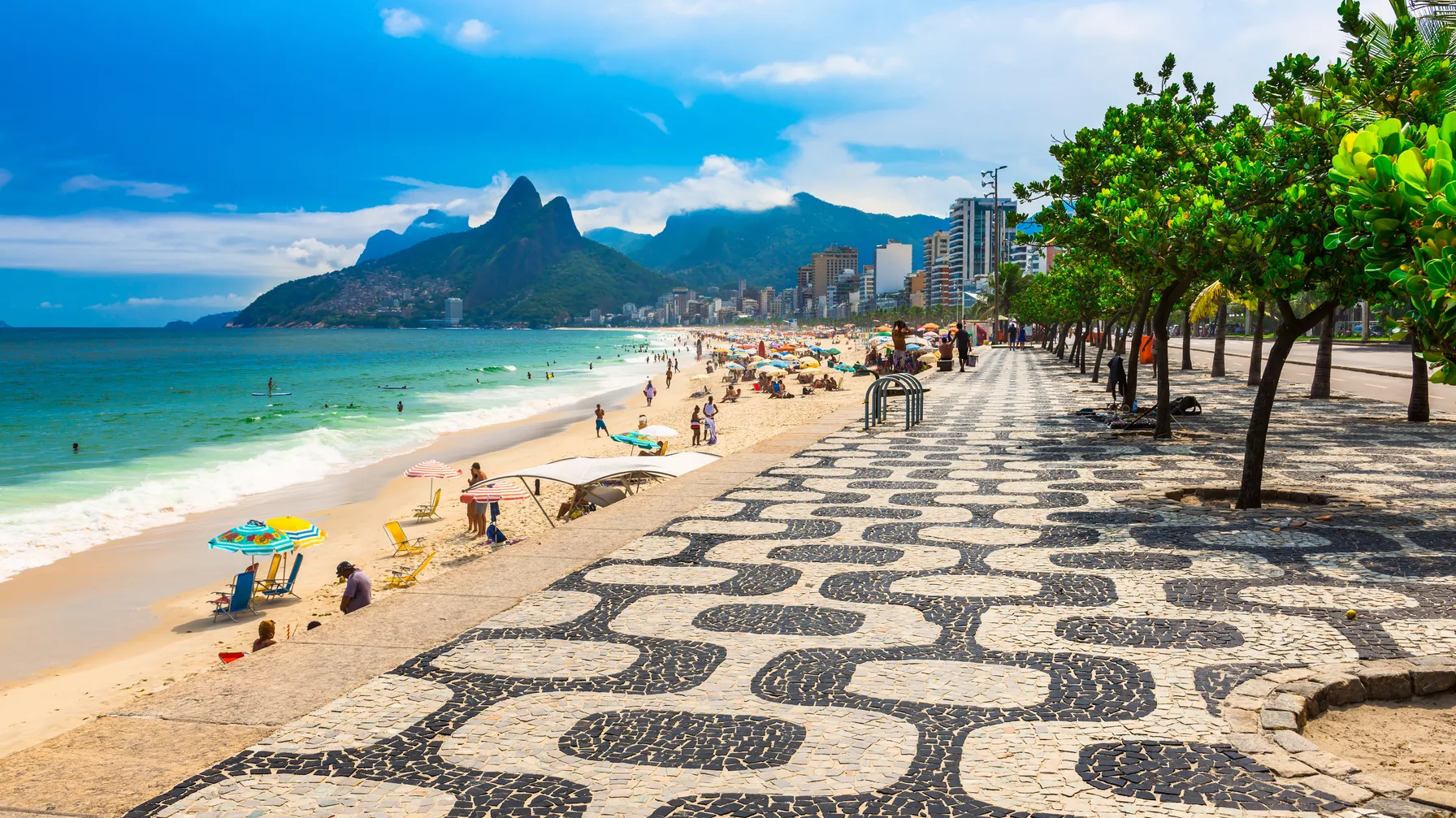
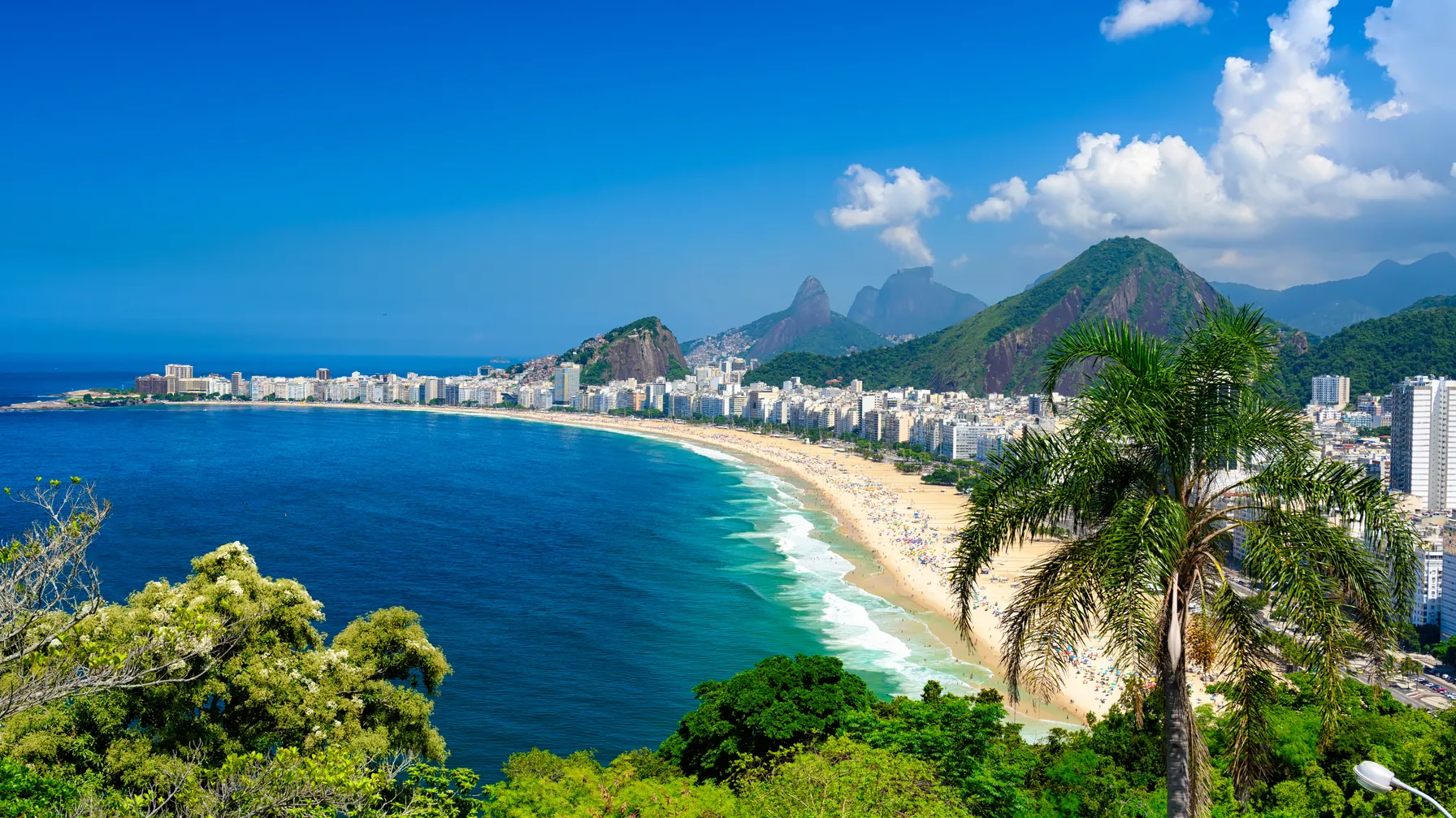
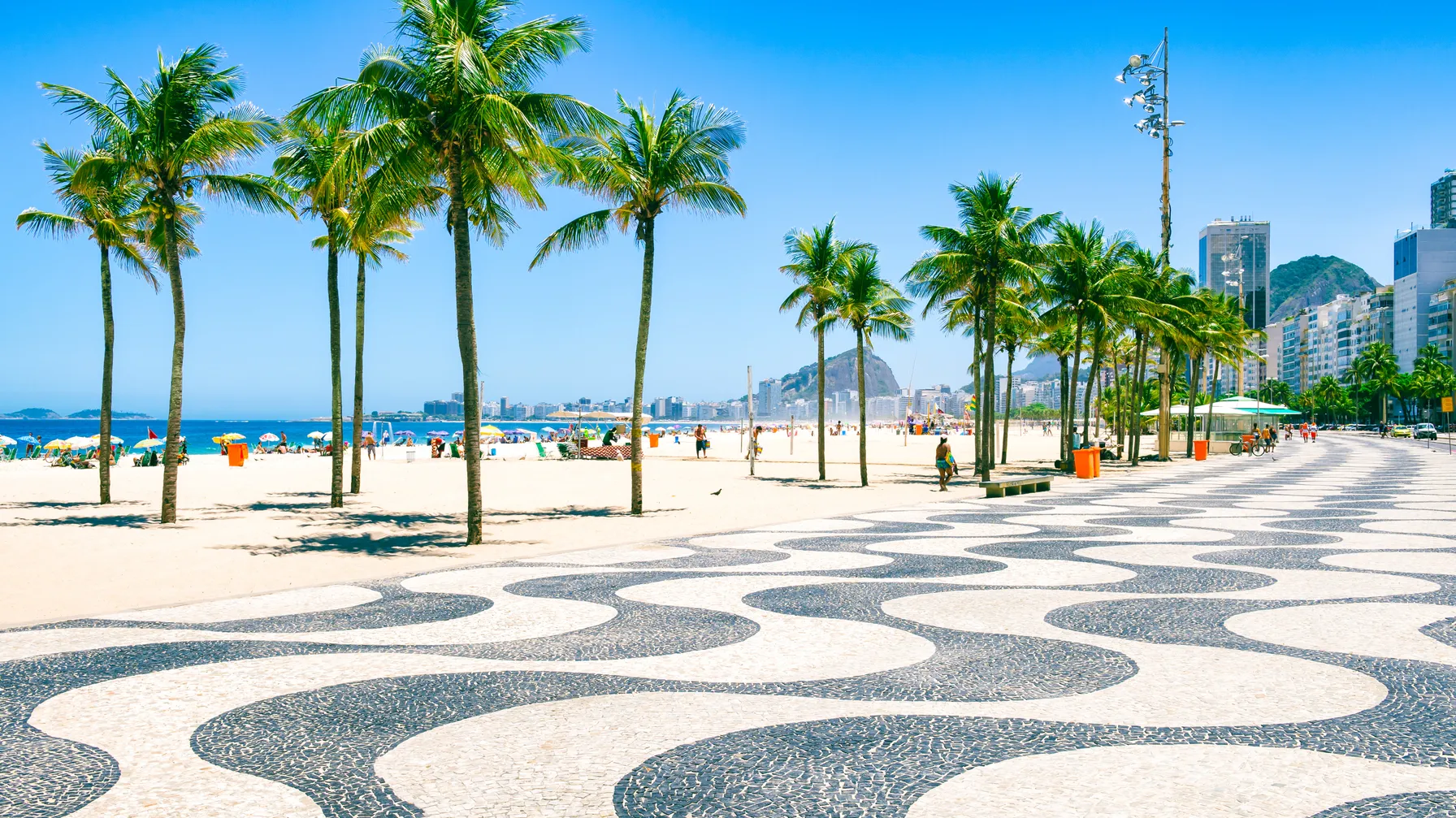
For an immersive walking tour, the Santa Teresa neighborhood, perched on the heights of Zona Sul, is a must. Its cobblestone streets, its colorful 19th-century houses and its art galleries make it a vibrant cultural space, often compared to Montmartre. The emblematic beaches, Copacabana Beach and Ipanema Beach, complete this cultural panorama: they are not only places to relax, but true social scenes where the Carioca way of life unfolds.
Contact us for more information and build the cultural itinerary that suits you in Rio de Janeiro.
How to organize a cultural stay in Rio de Janeiro?
A cultural stay in Rio de Janeiro benefits from careful planning to fully enjoy each experience.
Itineraries and practical tips
Here are a few guidelines to help organize your stay:
- Allow at least two hours for Christ the Redeemer and Corcovado Mountain, preferably in the morning to avoid crowds;
- Reserve your ascent of Sugarloaf Mountain in the late afternoon to enjoy a memorable sunset over Guanabara Bay;
- Plan half a day to explore Santa Teresa and its galleries on foot.
Tickets for the most visited sites are booked online in advance. For samba school rehearsals and backstage carnival tours, a Travel Planner can guide you to the best access. Tijuca Forest, accessible from several entrances, is ideally visited with a guide so you don't miss any remarkable trails.

Demandez votre devis Rio de Janeiro sur-mesure 100% gratuit
 4.8
4.8+3.000 travelers satisfied
Frequently asked questions
What is the best time to experience Rio de Janeiro's cultural traditions?
Rio's Carnival takes place in February, usually one week before Ash Wednesday. To attend rehearsals of the samba schools, the months from September to January are ideal. Outside this period, the city remains culturally lively all year round with concerts, festivals and craft markets.
Is Tijuca Forest accessible to all travelers?
Yes, Tijuca Forest offers trails of different difficulty levels. Paths accessible to families coexist with more challenging routes for hiking enthusiasts. A guided tour is recommended to fully enjoy the site and discover its biodiversity.
Do you need to speak Portuguese to visit Rio de Janeiro's museums?
Most major museums offer information in English and sometimes in Spanish. For a deeper experience, particularly at the Museum of Modern Art or the Museum of Tomorrow, audio guides or guided tours in French can be arranged on request.
Is the Santa Teresa neighborhood suitable for a family visit?
Absolutely. Santa Teresa is a quiet neighborhood, pleasant to stroll around on foot, with cafés, galleries and open spaces. The ride on the historic tram is often enjoyed by children. It is simply advised to stay on the main streets of the neighborhood.