The beaches of Rio de Janeiro: the guide to experiencing the carioca lifestyle
Why are the beaches of Rio de Janeiro unique in the world?
The "Cidade Maravilhosa" didn't earn its nickname by chance. In Rio de Janeiro, the beach is not just a break in the day: it is the thread of an entire culture, far beyond simple relaxation.
A natural setting between mountain and ocean
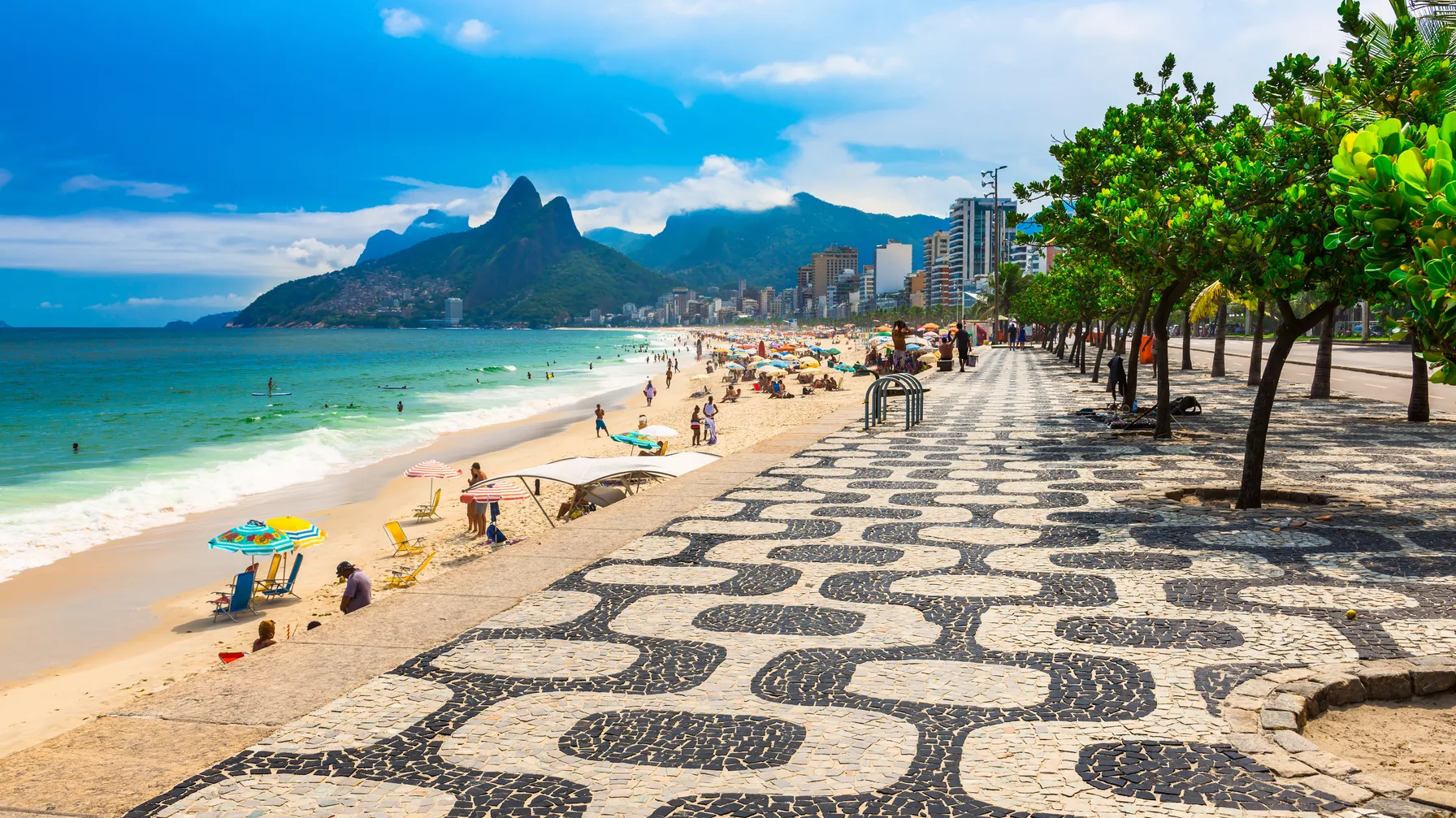
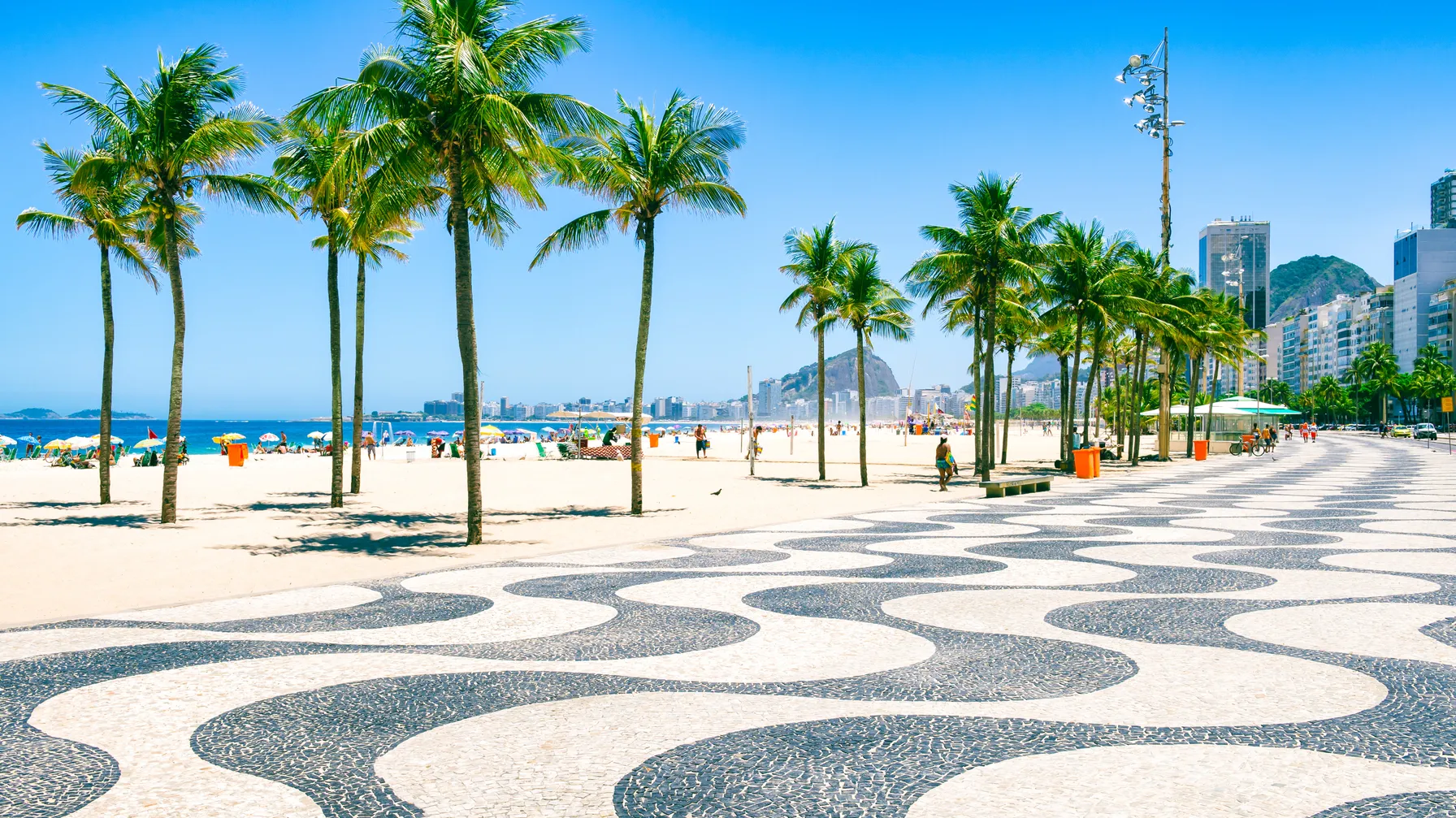
What makes a beach in Rio immediately recognizable is its setting. Nowhere else can one find such a blend of sandy expanses, the Atlantic Ocean, and lush hillsides. Morro Dois Irmãos towers over Ipanema with rare majesty, while Christ the Redeemer is silhouetted against the sky in the distance, visible from almost all points along the seafront. This unique setting also owes a lot to the talent of Brazilian landscape architect Roberto Burle Marx, who designed the famous wave mosaics of the Copacabana promenade, now an emblem of the city in its own right. Here, every detail contributes to the experience.
When to go to enjoy the beaches of Rio in the best conditions?
Rio de Janeiro enjoys a tropical climate that allows almost year-round enjoyment of its beaches. However, depending on your preferences, some periods offer more favorable conditions than others.
| Period | Average Temperatures | Conditions |
|---|---|---|
| December – March | 28 to 35°C | Peak season, Carnaval in February, very lively beaches |
| April – June | 24 to 28°C | Ideal period, less crowded, pleasant waters |
| July – September | 20 to 25°C | Austral winter, some cooler days, quieter beaches |
| October – November | 25 to 30°C | Return of the warmth, excellent conditions |
The insider tip: to experience the beaches of Rio without the pressure of the high season, the months from April to June or from October to November are particularly recommended. You will enjoy generous sunshine and a more serene atmosphere.
Contact us for more information on the best times to visit Rio de Janeiro.
Copacabana or Ipanema: which Rio beach to choose based on your traveler profile?
Choosing between Copacabana or Ipanema often comes down to choosing between two visions of travel. These two legendary South American beaches each have their own character, atmosphere, and attractions. But they are far from the only ones worth your attention.
Copacabana Beach, the meeting place for all Cariocas
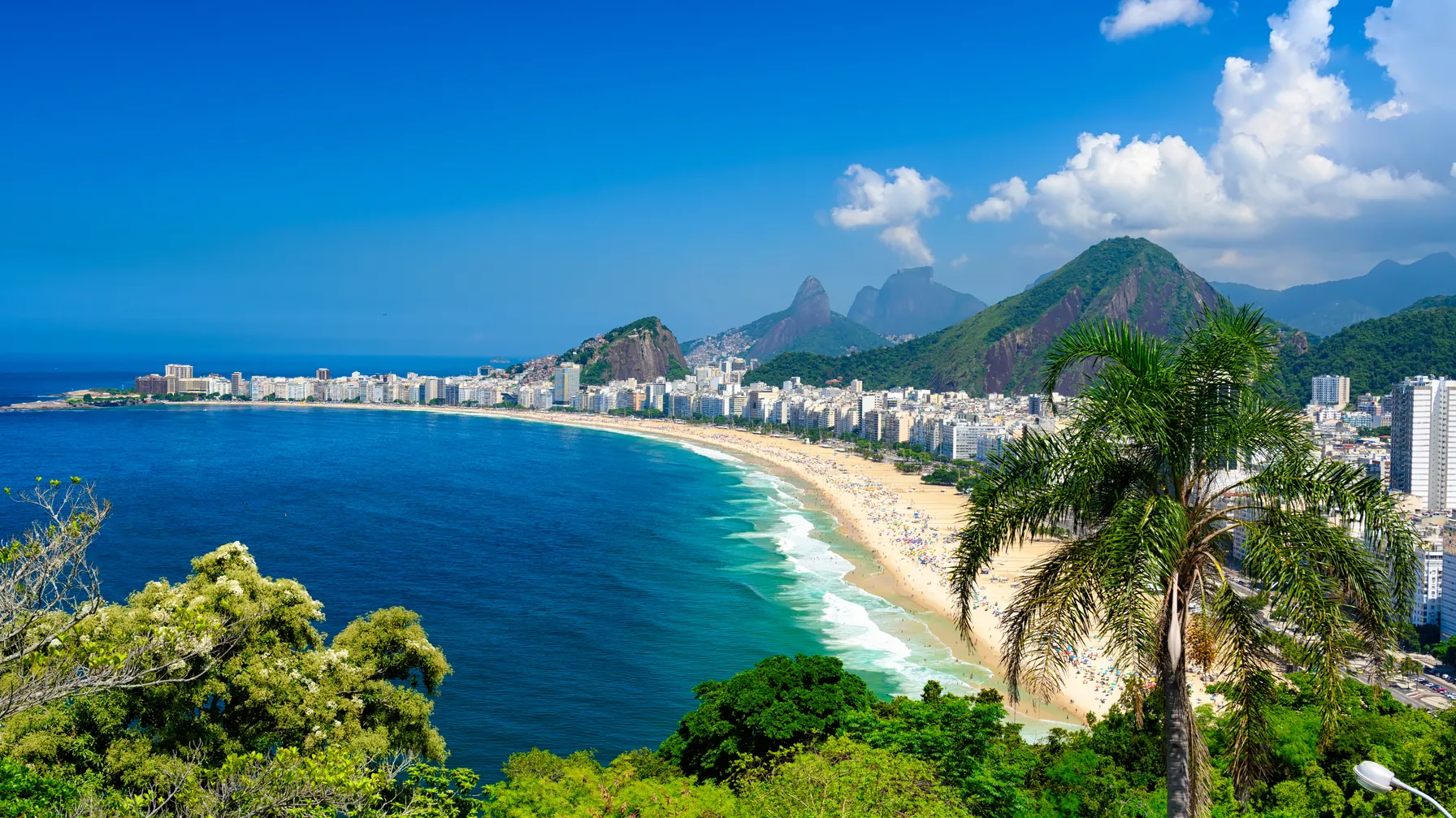
Along four kilometers of sand, Copacabana Beach gathers morning joggers, families looking for space, and travelers from around the world. The atmosphere is popular and festive, with the seaside always alive. Families particularly appreciate the accessibility of this expanse of sand, well equipped with kiosks, showers, and play areas. The sunset over the Atlantic from the beach's end provides an unmatched spectacle each evening.
Ipanema Beach, between intimacy and Carioca glamour
Immortalized by Vinícius de Moraes in 'The Girl from Ipanema,' Ipanema Beach possesses a very special aura. Organized into unofficial sections called "postos," it is both accessible and subtly coded, each area attracting a different community. Young couples and travelers seeking a more sophisticated ambiance naturally converge here. Pedra do Arpoador, at the junction between the two beaches, is the ideal spot to watch the sunset to the applause of Cariocas, with Morro Dois Irmãos in the background.
Barra da Tijuca and beaches to explore off the beaten track
For those looking to escape the tourist hustle, Barra da Tijuca Beach is a prime alternative. With its vast expanses of almost deserted sand during the week and powerful waves, Barra da Tijuca attracts surf enthusiasts and families seeking space. Further south, Prainha and Joatinga offer wild coves edged by dense forests, perfect for some serenity away from the bustle. These rare beaches are part of experiences that only a few informed travelers seek.
Book your trip to Rio de Janeiro now.
What practical advice should you keep in mind to make the most of your beaches in Rio de Janeiro?
Some essential landmarks help to experience the beaches of Rio under the best possible conditions, regardless of your traveler profile.
To prepare for your day at a beach in Rio, consider:
- Bring a high SPF sunscreen, the tropical sun is intense even in the morning;
- Leave your valuables at the accommodation and prefer light clothing for moving around;
- Taste the delights of street vendors: coconut water, grilled queijo coalho, and acai are part of the Carioca experience;
- Arrive early in the morning to take advantage of the best spots and ideal lighting on Morro Dois Irmãos.
Advice from our Travel Planners: for a full day in Rio de Janeiro, combine a morning on Ipanema beach with a climb up Sugarloaf Mountain in the late afternoon. The view of Guanabara Bay and the beaches of Rio at sunset is a rare moment, to be carefully etched into your memories.

Demandez votre devis Rio de Janeiro sur-mesure 100% gratuit
 4.8
4.8+3.000 travelers satisfied
Frequently asked questions
Is it safe to swim at the beaches in Rio de Janeiro?
The water quality varies from beach to beach. The beaches of Ipanema, Copacabana, and Leblon generally have good swimming conditions, subject to checking the quality indicators published weekly by local authorities. The beaches near Guanabara Bay, on the other hand, are advised against for swimming. For crystal-clear water, the wild southern beaches like Prainha are the most recommended.
Which beaches in Rio de Janeiro are most suitable for families with young children?
Copacabana beach is the most convenient for families thanks to its many facilities and large area. Praia Vermelha, nestled in the quiet neighborhood of Urca between Sugarloaf Mountain and Morro da Babilônia, is also an excellent option: small, secure, and secluded from the crowd, it provides an ideal setting for a peaceful day with young children.
Is it possible to combine a beach day with visiting cultural sites in Rio de Janeiro?
Absolutely. Rio de Janeiro lends itself particularly well to this type of program. A morning at the beaches of Rio can easily be followed by a visit to the Christ the Redeemer or a climb to Sugarloaf Mountain in the late afternoon. The Santa Teresa neighborhood, with its colorful streets and art galleries, is also accessible in the evening to end the day in a bohemian and local atmosphere.