Why choose a circuit in South Korea?
\n\n
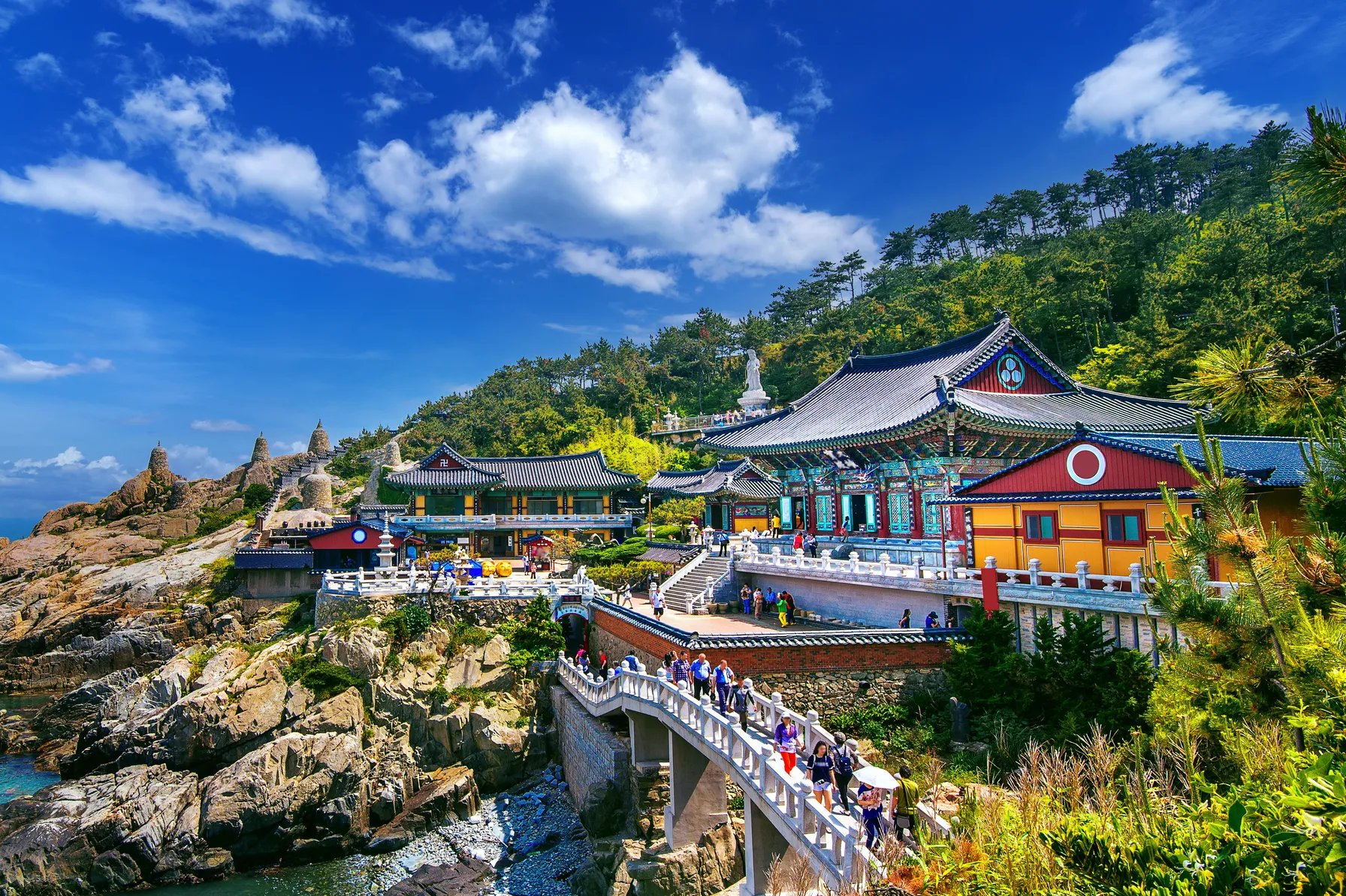
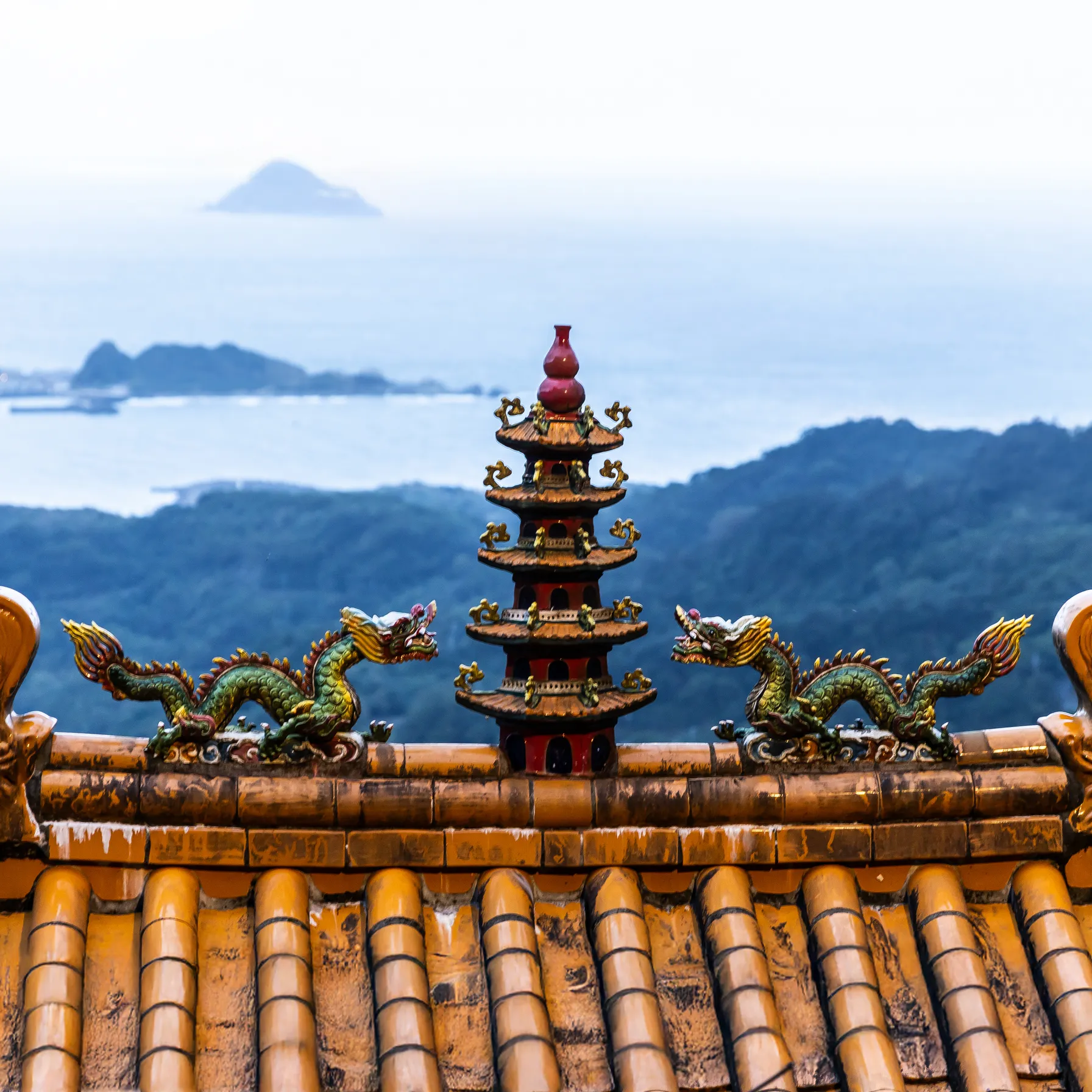
Nicknamed the \"Land of the Morning Calm\", South Korea is a destination that surprises at every step. In just a few kilometres, you move from a frenetic capital to Buddhist temples nestled in the mountains, from vibrant night markets to quiet rice fields. It is precisely this richness of contrasts that makes this country an ideal circuit destination.
\n\n
The South Korea circuit appeals to both travelers curious about culture and to lovers of nature or gastronomy. Korean cuisine, recognised worldwide, is an experience in its own right: kimchi, bibimbap, Korean barbecue or the street foods of Busan markets rhythmically accompany each day of travel.
\n\n
What sets South Korea apart from other Asian destinations is also the ease of getting around. The KTX train network (the local equivalent of the TGV) connects the major cities in under two hours, greatly facilitating the organisation of a circuit at your own pace. Here are some reasons that each year lead thousands of travelers to choose this destination:
\n\n
\n - A living culture, between Confucian traditions and K-pop buzz;
\n - A remarkable UNESCO heritage, from the royal tombs of Gyeongju to the hanok villages;
\n - Varied landscapes, from the east coast to the volcanoes of Jeju Island;
\n - Cuisine that is accessible and tasty for all budgets;
\n - A modern and well-organised tourist infrastructure.
\n
\n\n
What steps to plan for your Korean loop?
\n\n
Building a South Korea circuit means choosing a pace and priorities above all. The country offers enough richness for stays of 7 to 17 days. The classic Korean loop links Seoul in the north to Busan in the south, passing through essential cultural and natural stops. Here is how to structure your itinerary.
\n\n
From Seoul to Gyeongju: between palaces and history
\n\n
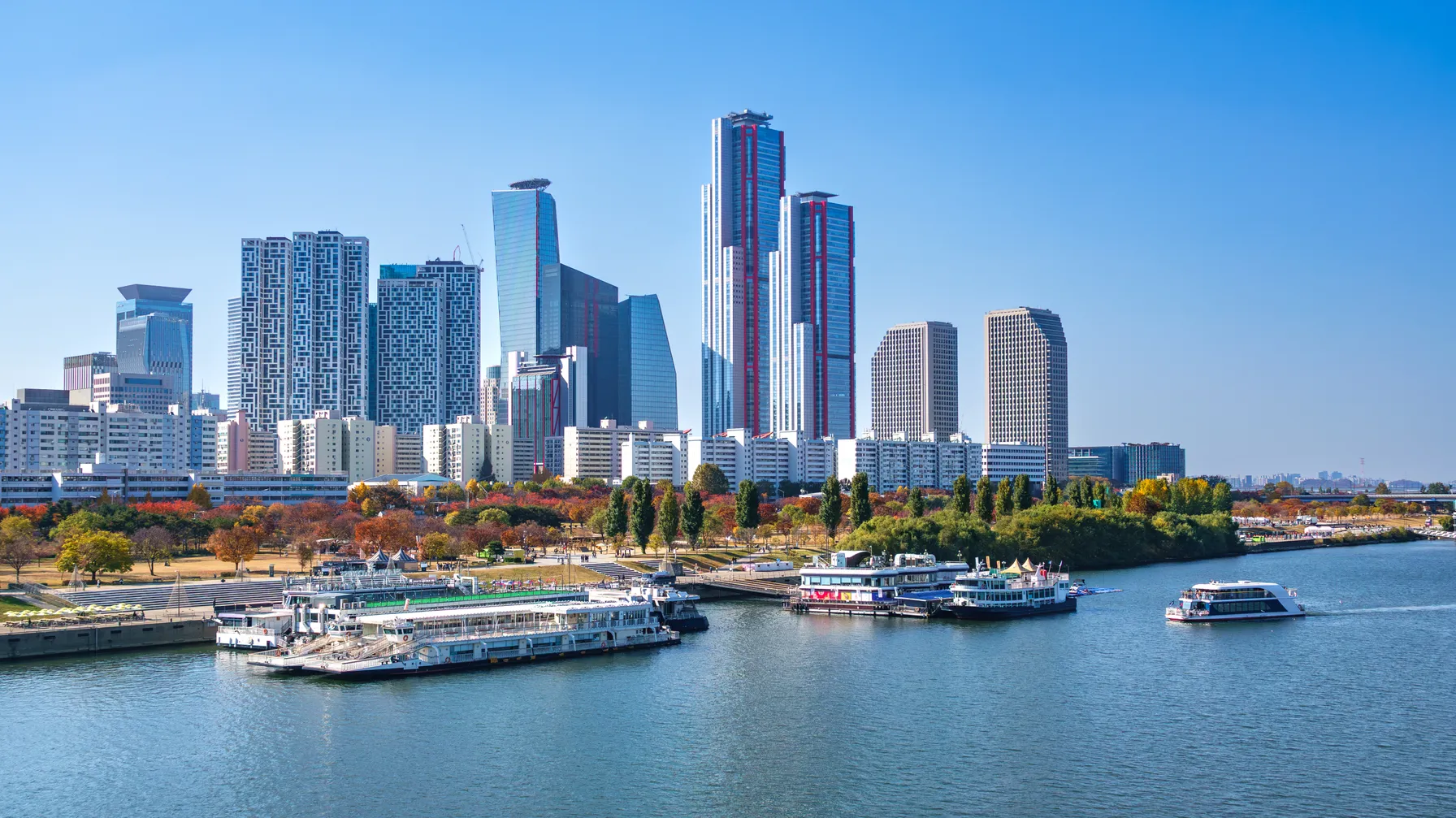
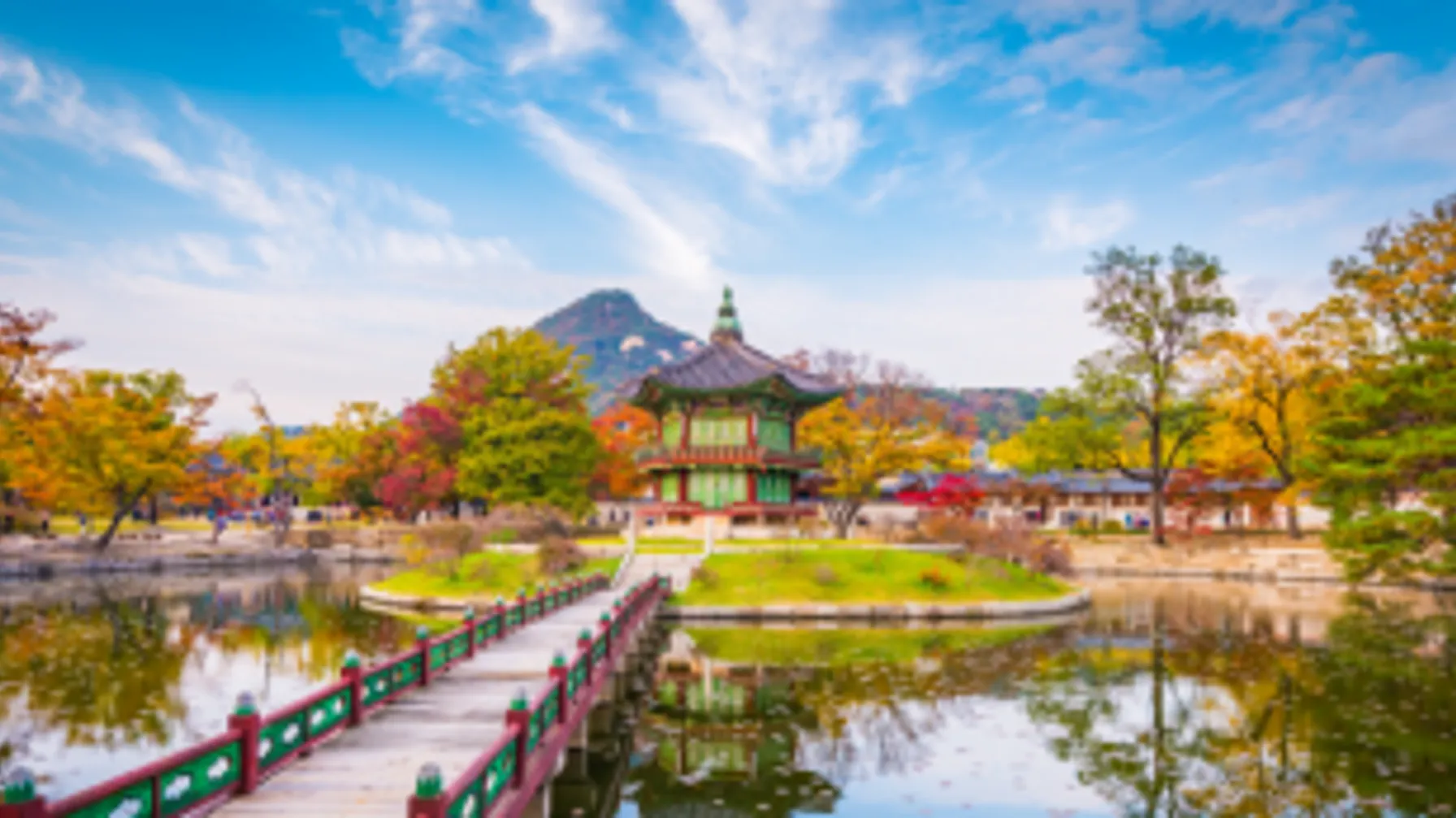
Seoul naturally stands out as the starting point of any South Korea circuit. The capital alone concentrates several days of exploration. Gyeongbokgung Palace, built in 1395, is one of the country's most photographed symbols. A few steps away, the Bukchon Hanok Village preserves hundreds of traditional houses in the heart of the metropolis. Seoul is also Myeong-dong for shopping, Hongdae for nightlife, and Namdaemun Market for local flavours.
\n\n
From Seoul, the KTX train serves Gyeongju in under two hours. Former capital of the Silla kingdom for nearly a thousand years, Gyeongju is often described as an open-air museum. The royal tombs of Daereungwon, the Cheomseongdae astronomical observatory, and Bulguksa Temple, a UNESCO World Heritage Site since 1995, make it an essential cultural stop on your circuit.
\n\n
Busan, Jeonju and the discovery of Suncheon
\n\n
Busan, the country's second city with 3.4 million inhabitants, offers a very different atmosphere from Seoul. The port city attracts with its beaches, Jagalchi Fish Market, and the colorful Gamcheon Village perched on the hills. It is also an ideal gateway to explore the south of the country.
\n\n
Jeonju deserves a detour for its preserved hanok neighborhood and its gastronomy renowned across the country. The city is considered the culinary capital of South Korea, a must-stop for lovers of authentic Korean cuisine. Farther south, Suncheon reveals another face of the country: its protected wetlands, its national garden and Boseong's nearby tea plantations offer an immersion into rural and preserved Korea.
\n\n
Jeju Island, the essential nature stopover
\n\n
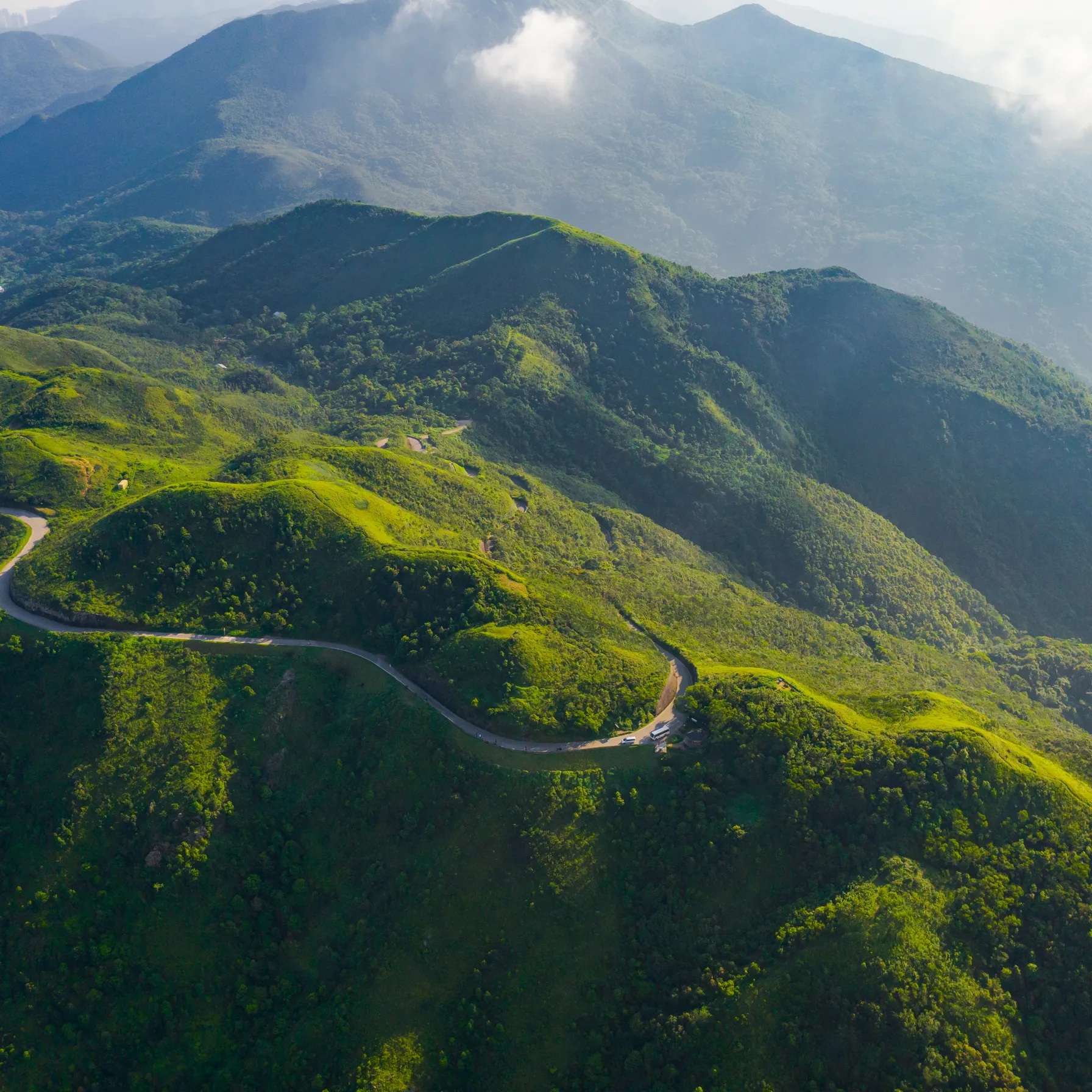
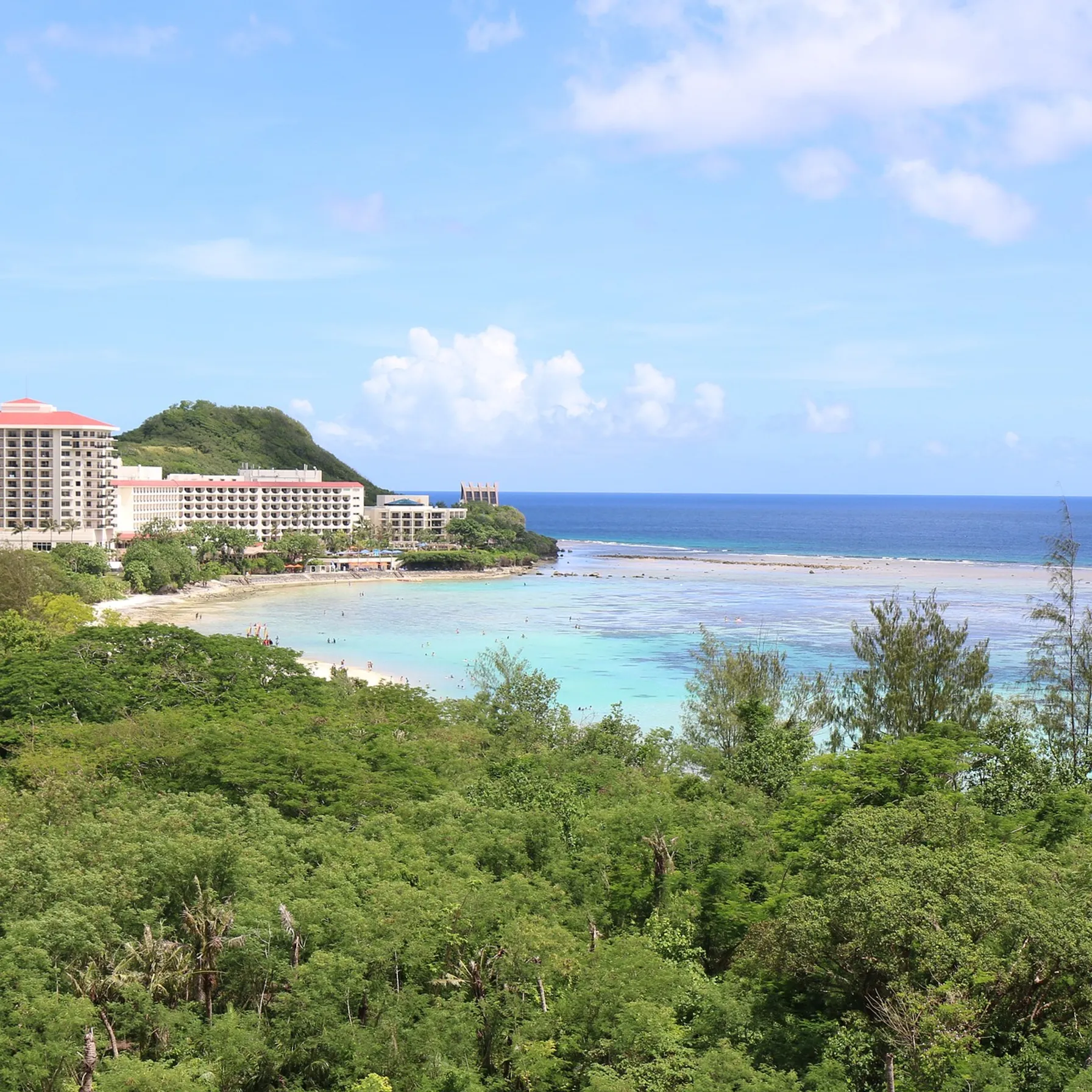
Accessible by air from Seoul or Busan in under an hour, Jeju Island often represents the climax of a self-guided trip in South Korea. Nicknamed the \"Korean Hawaii\", this volcanic island of 1,850 km² is listed as a UNESCO World Natural Heritage site. Hallasan Mountain, the country’s highest peak at 1,950 metres, attracts hikers, while the Jusangjeolli cliffs and Seongsan Ilchulbong peak offer striking panoramas. Plan at least two to three days to enjoy it fully.
\n\n
What is the best time to go on a South Korea circuit?
\n\n
Choosing the period directly influences your experience. South Korea has four distinct seasons, each with its benefits and constraints. Here's an overview to help you plan your departure:
\n\n
\n \n \n | Season | \n Weather | \n Highlights | \n
\n \n \n \n | March - May | \n Mild, 10 to 20°C | \n Cherry blossoms, spring landscapes | \n
\n \n | June - August | \n Hot and humid, 25 to 35°C | \n Jeju beaches, but rainy season in July | \n
\n \n | September - November | \n Cool and sunny, 10 to 22°C | \n Autumn foliage, ideal for circuits | \n
\n \n | December - February | \n Cold, -5 to 5°C | \n Ski resorts, winter atmosphere | \n
\n \n
\n\n
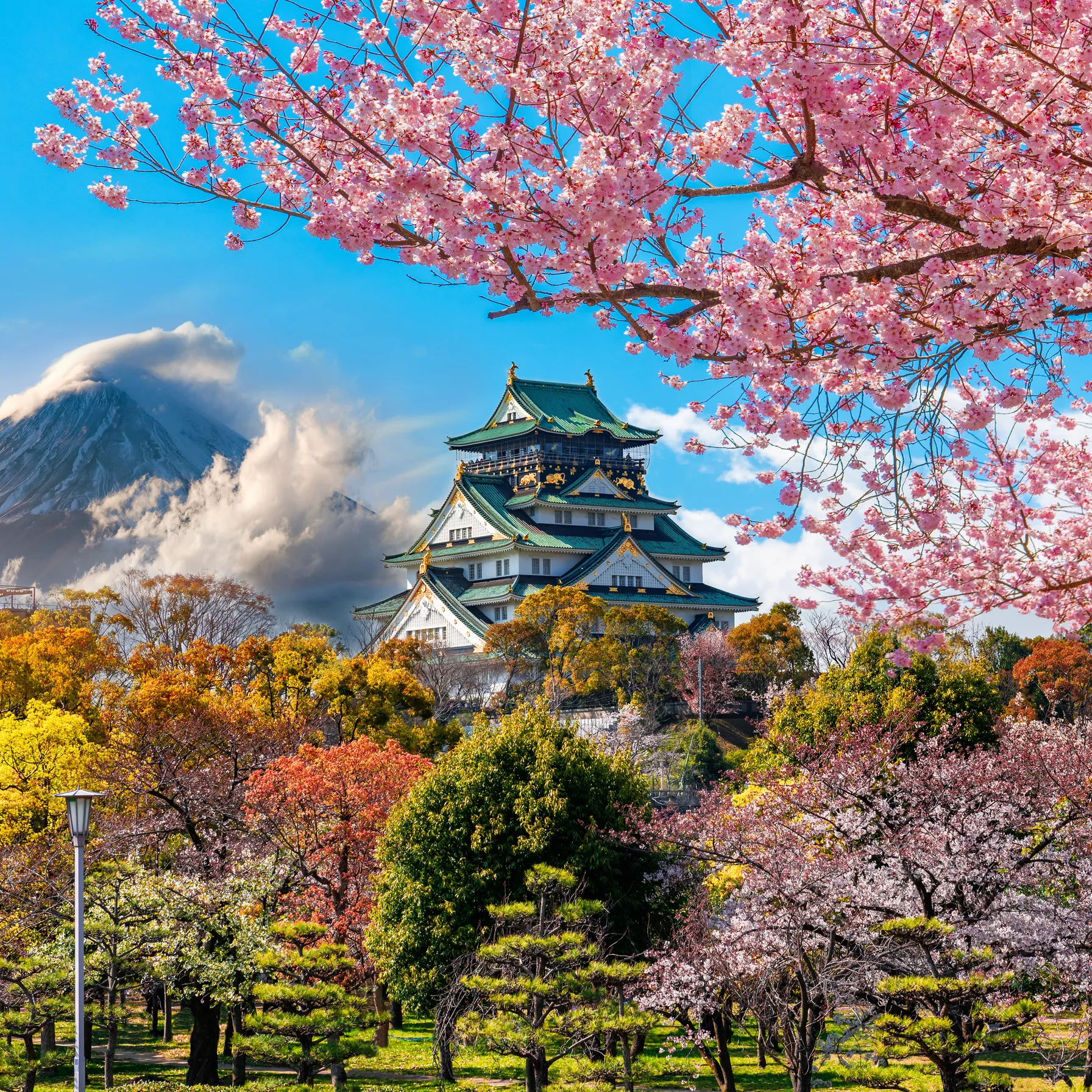
Spring and autumn remain the two preferred seasons for a South Korea circuit. In April, the cherry trees transform Seoul and Gyeongju into magical settings. In October, the forests of Seoraksan National Park glow red and gold. These two periods offer ideal conditions to progress through the stops without enduring the climate extremes of summer or winter.
\n\n
How does Vialala organise your tailor-made South Korea circuit?
\n\n
At Vialala, we believe every traveler deserves a circuit tailored to them. Whether you want a South Korea essentials circuit in one week or a large two-week Korean loop including Jeju Island, our Travel Planners build your itinerary based on your wishes, your pace and your budget.
\n\n
Our experts know the destination inside out: they know which hanok to choose in Jeonju for an authentic night, which hike to prefer on Jeju Island depending on the season, or how to organise an efficient self-guided circuit thanks to the Korean rail network. Far from a fixed programme, your trip takes shape through direct exchanges with your Travel Planner, who integrates your constraints and wishes at every step.
\n\n
The essentials of Korea can thus become a unique experience: a night in a Buddhist temple, a Korean cooking session with a local, a sunrise hike on Seongsan Ilchulbong. With Vialala, tailor-made travel is not limited to choosing hotels and transport. It is about building, together, a stay that reflects you.