Why does South Korea deserve a tailor-made trip?
\n\n
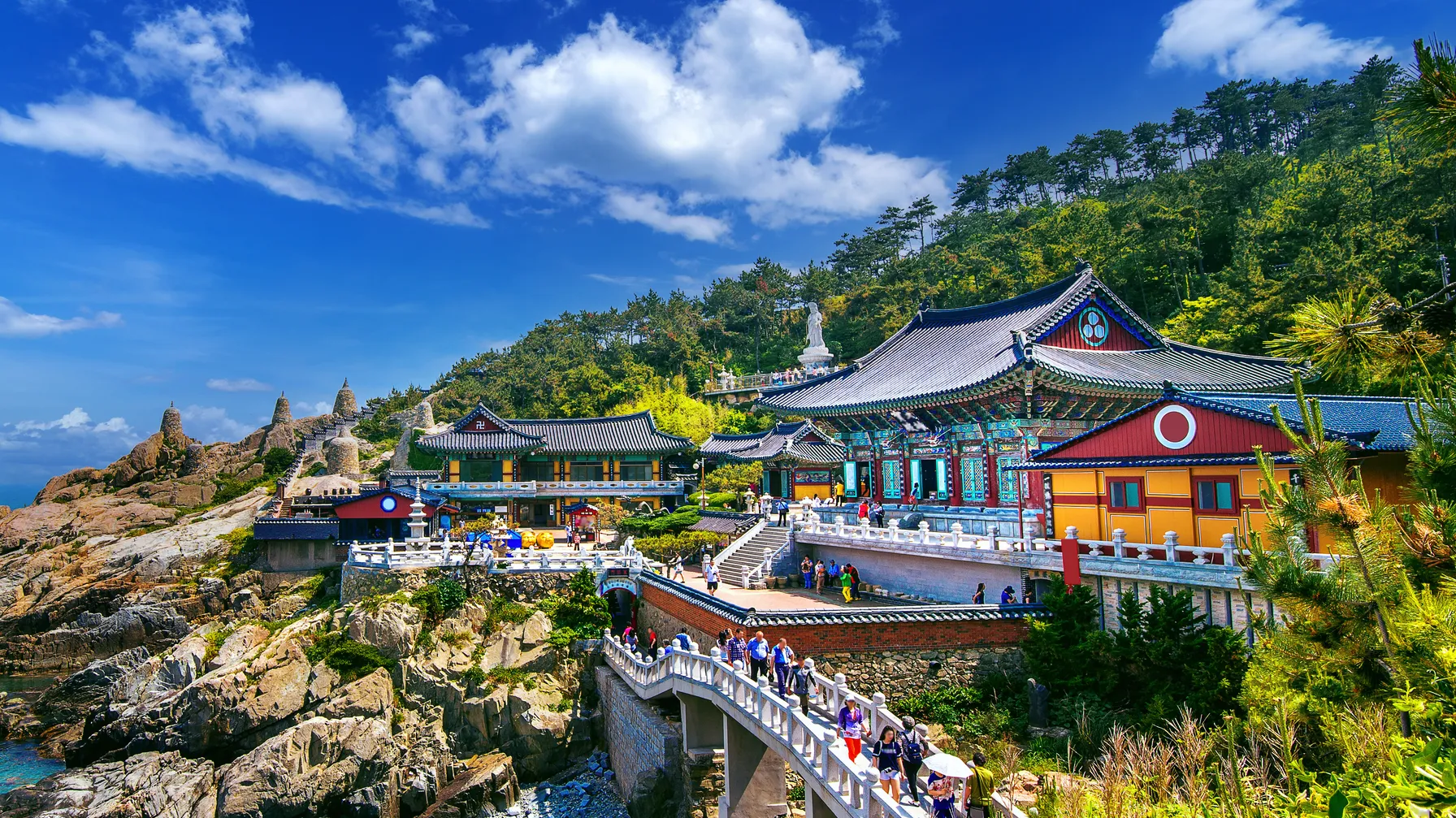
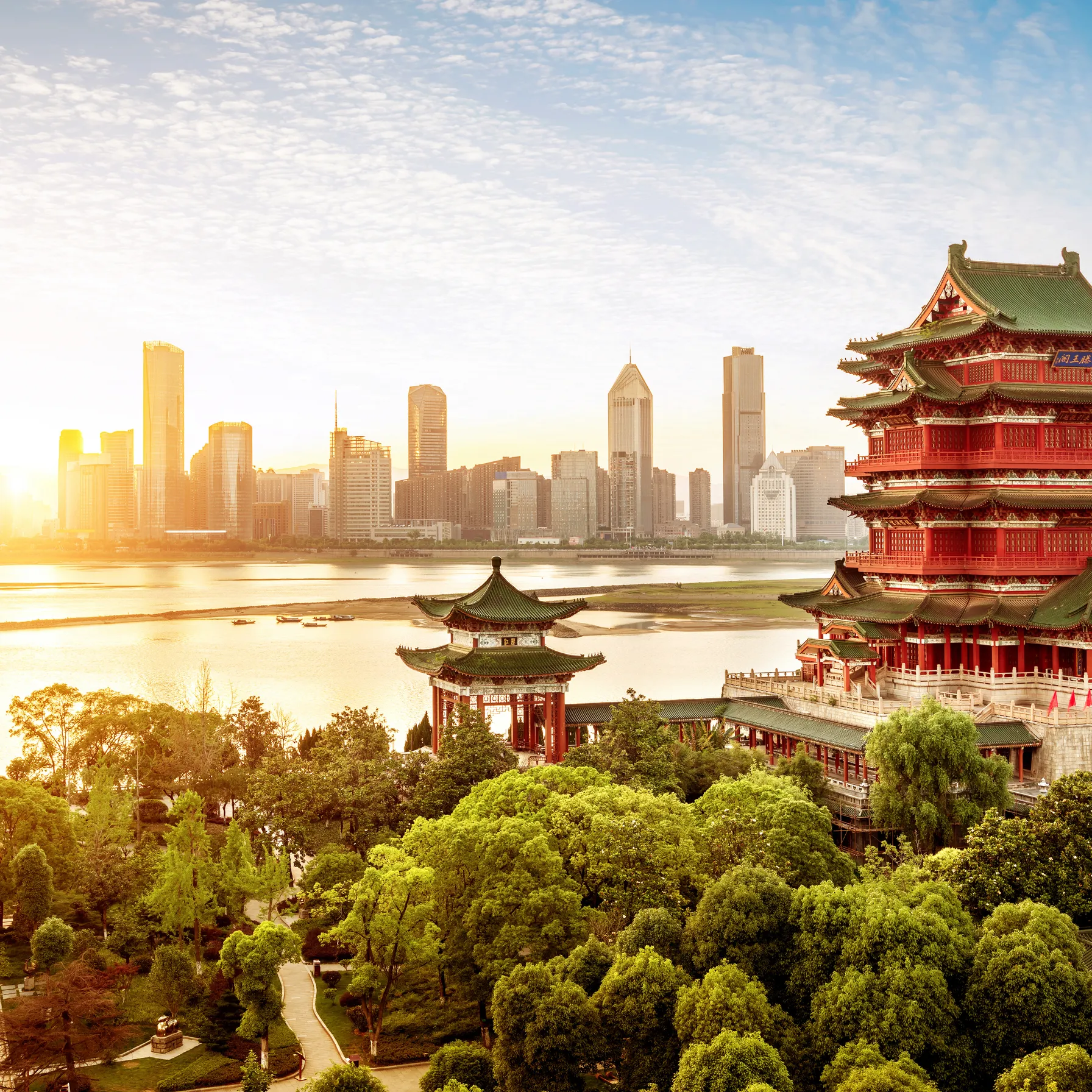
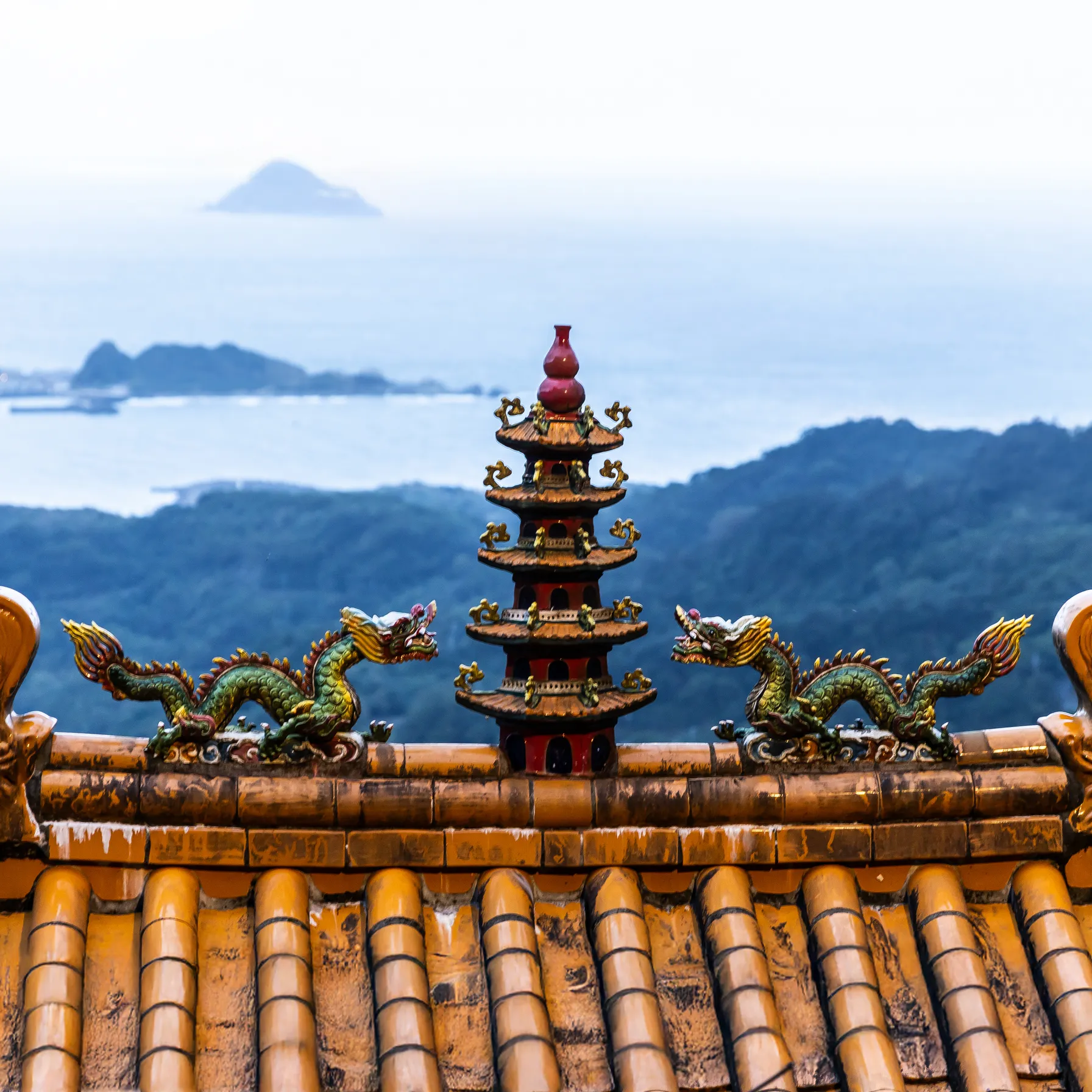
South Korea is a destination that doesn't reveal itself easily. Behind the image of K-pop and TV series, the land of the Morning Calm reveals a cultural depth that is not always obvious from Europe. Buddhist temples tucked into the mountains, preserved hanok villages, inventive gastronomy, wild national parks: many faces that coexist with some of the most technologically advanced metropolises in the world.
\n\n
This richness is precisely why traveling to South Korea benefits from careful preparation. The destination may seem daunting to approach alone, as the possible experiences are varied and the cultural codes are unique. A tailor-made trip to South Korea allows you to leave nothing to chance, while keeping the freedom to adapt to your desires throughout the stay.
\n\n
At Vialala, our Travel Planners know South Korea inside out. They design with you an itinerary that matches you, taking into account your interests, your travel pace and the makeup of your group. Here are some of the experiences you can have on your trips to Korea:
\n\n
\n - Staying in a traditional hanok house in the heart of a historic district;
\n - Participating in a templestay to discover the daily life of Buddhist monks;
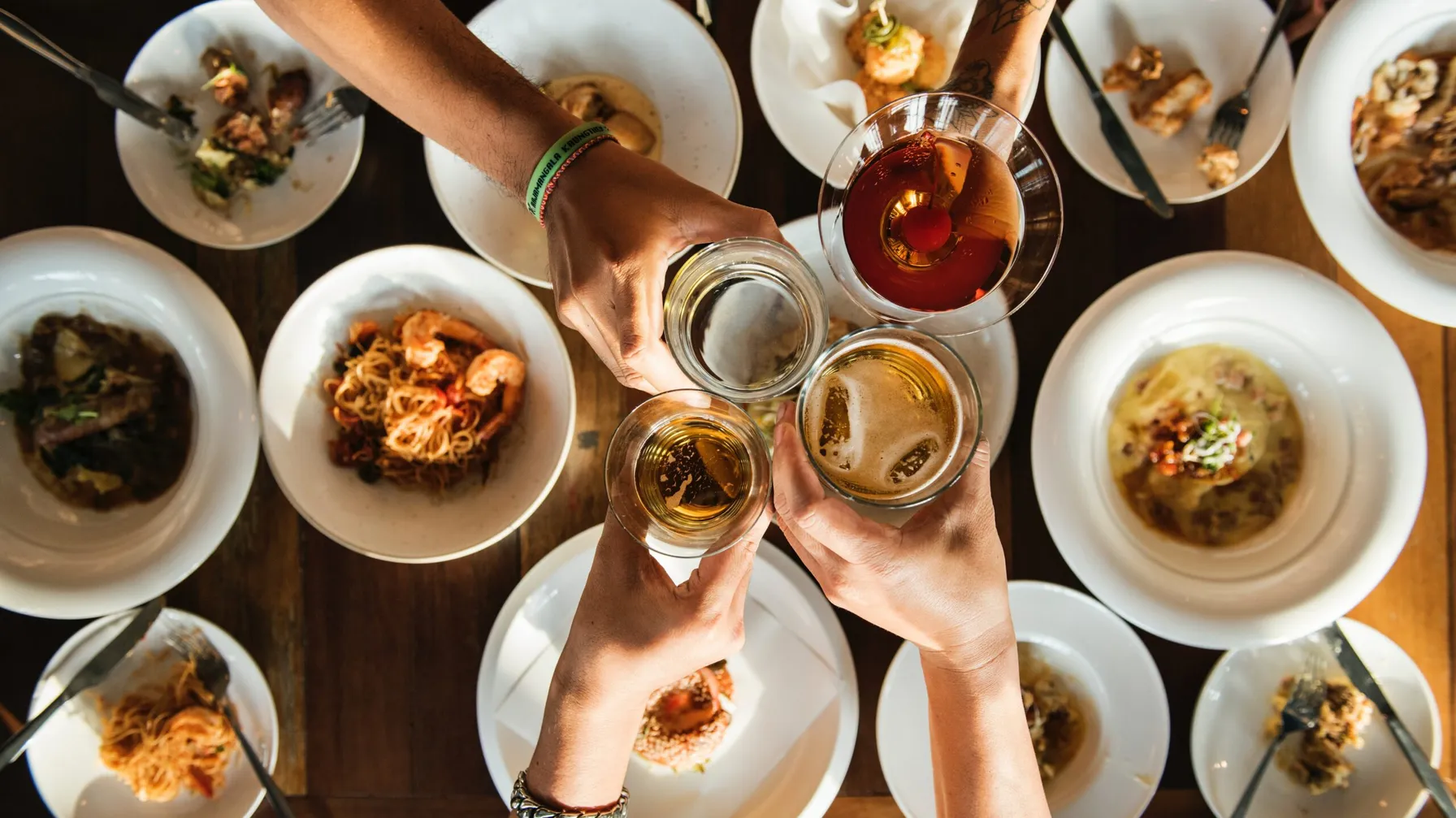
\n - Exploring Seoul's night markets and street food;
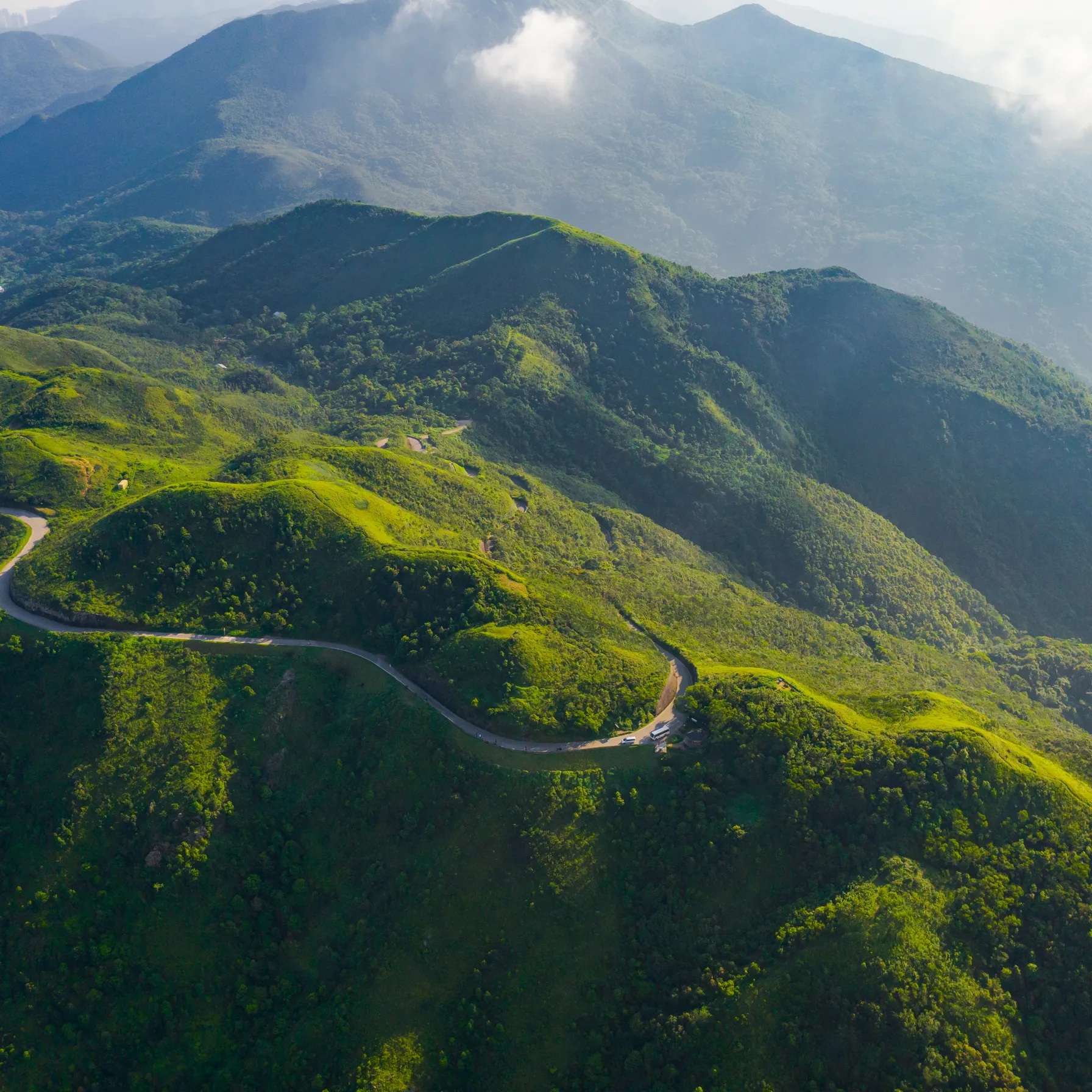
\n - Hiking in a national park among dense forests and snowy peaks;
\n - Discovering contemporary Korean culture through its museums, galleries and creative districts.
\n
\n\n
What to see and do on a trip to South Korea?
\n\n
South Korea covers about 100,000 km² with a diversity of landscapes and heritage that alone justifies a trip to Korea for several weeks. Here are the essential stops to include in your itinerary, according to your wishes and the time you have.
\n\n
Seoul and its royal palaces, a vibrant heart of the peninsula
\n\n
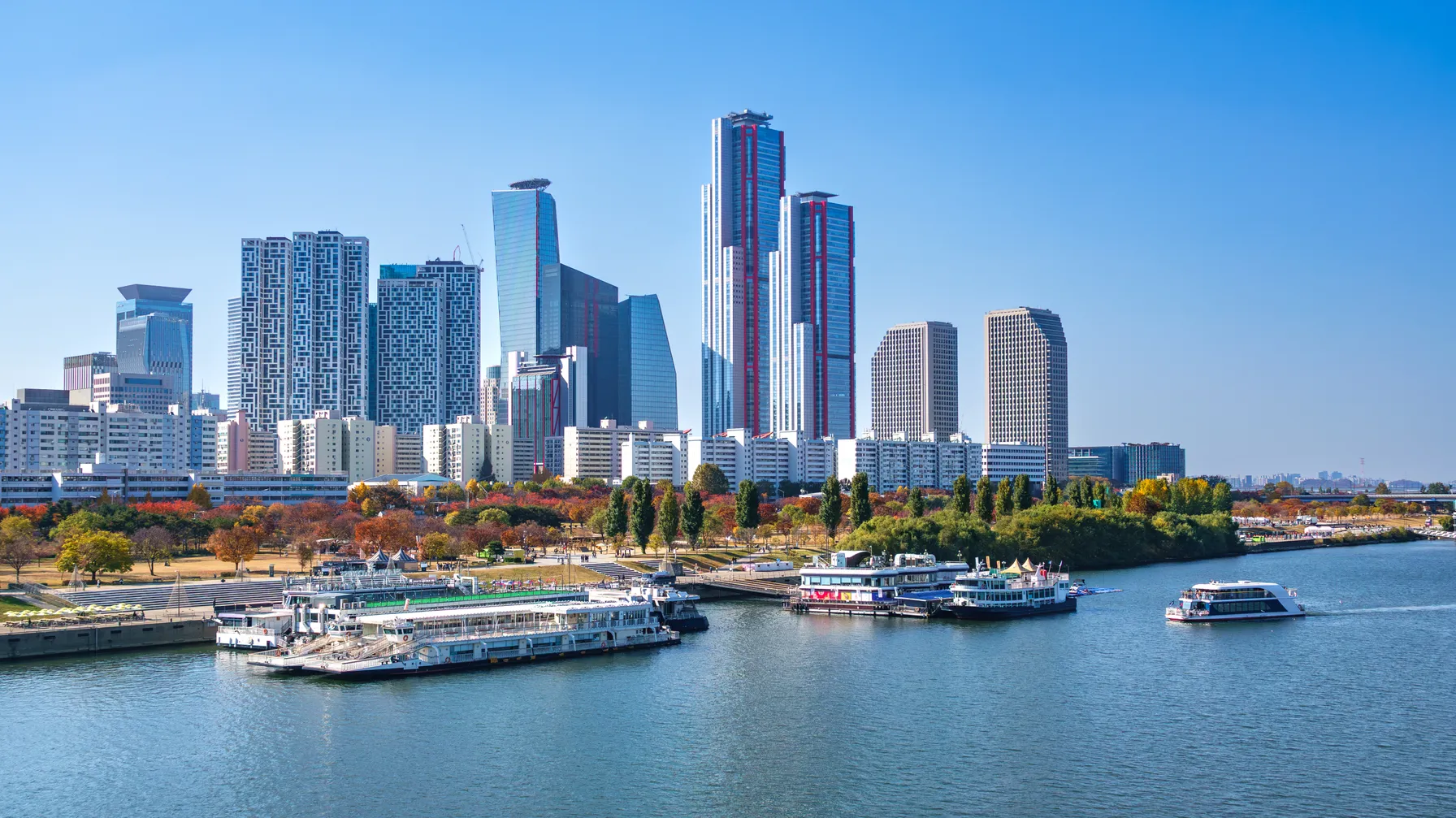
Seoul stands as the natural starting point for any trip to Korea. The capital alone concentrates centuries of history and a contemporary energy that's hard to match. The royal palaces, including the majestic Gyeongbokgung built in 1395, offer a striking contrast with the surrounding skyscrapers. The Bukchon district and its cobbled lanes, Insadong Market, and the heights of Namsan Mountain complete a city that is best explored on foot, neighborhood by neighborhood.
\n\n
Beyond iconic sites, Seoul also offers unique experiences for food lovers, design enthusiasts and contemporary Korean culture. The Hongdae district, buzzing with creative youth, or the art galleries of Gangnam testify to a city in perpetual renewal.
\n\n
From Gyeongju to Jeju Island, the other faces of South Korea
\n\n
nicknamed the \"museum without walls,\" Gyeongju concentrates the essential heritage of the Silla dynasty over more than a thousand years of history. The royal tumuli, Bulguksa Temple, and Seokguram Grotto, both UNESCO World Heritage sites, make it an essential stop for anyone wanting to understand the roots of Korean culture.
\n\n
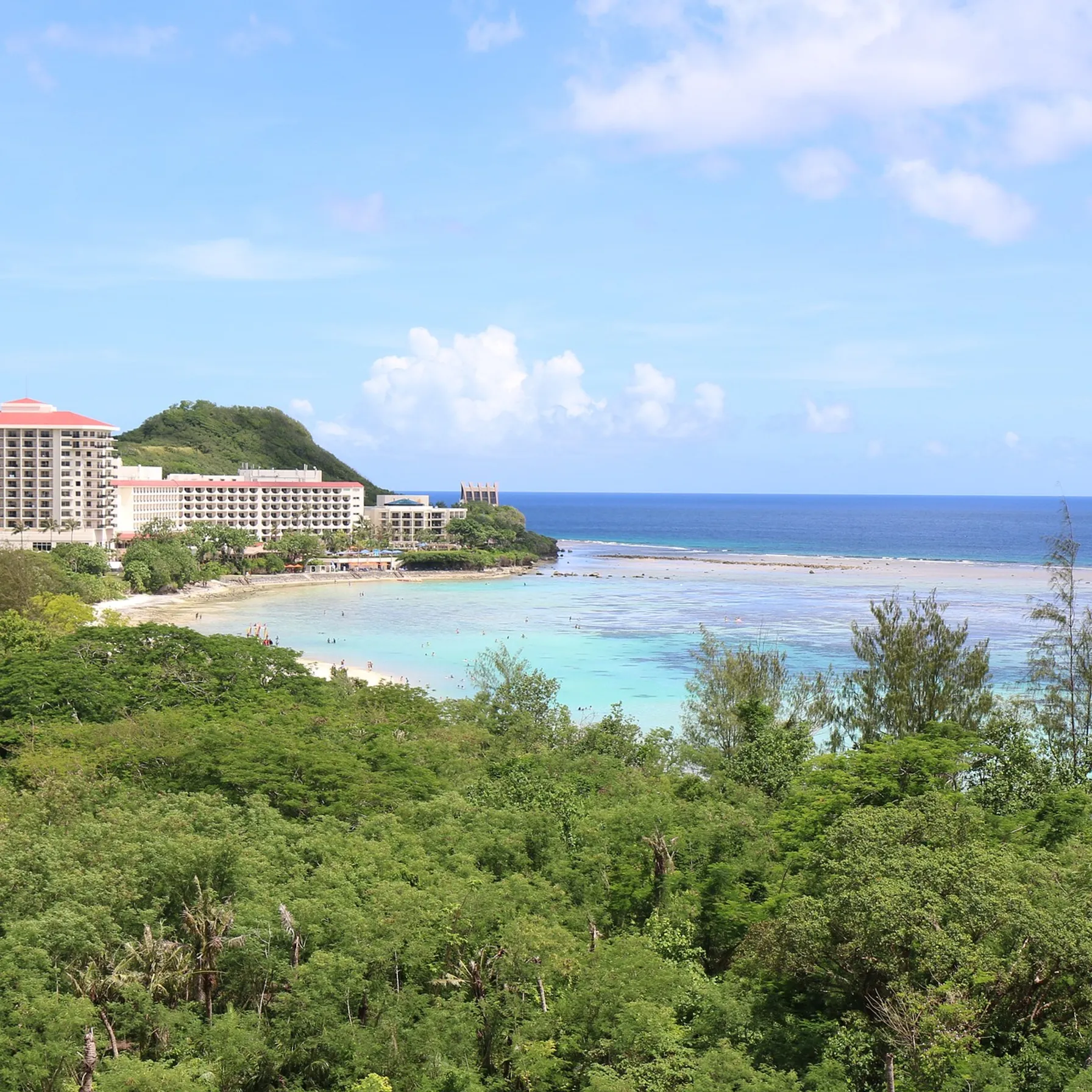
Further south, Busan offers a very different face with its beaches, Jagalchi Fish Market, and Haedong Yonggungsa Temple perched facing the sea. Finally, Jeju Island constitutes a chapter in its own right in any South Korea trip. Its volcanic landscapes, lava tubes, basalt cliffs and white-sand beaches make it a natural destination of exceptional beauty. The hike to the summit of Hallasan Mountain, at 1,950 meters, rewards hikers with a panoramic view of the entire island.
\n\n
What is the best time to visit South Korea?
\n\n
The choice of season greatly influences the experience on site. South Korea has four distinct seasons, each bringing a unique atmosphere. Here\'s an overview to help you plan your trips to Korea according to your desires:
\n\n
\n \n \n | Season | \n Period | \n Average temperatures | \n Atmosphere | \n
\n \n \n \n | Spring | \n March to May | \n 8 to 20°C | \n Cherry blossoms in bloom, gentleness, moderate crowds | \n
\n \n | Summer | \n June to August | \n 25 to 35°C | \n Hot and humid, monsoon in July | \n
\n \n | Autumn | \n September to November | \n 10 to 22°C | \n Golden foliage, clear air, ideal | \n
\n \n | Winter | \n December to February | \n -5 to 5°C | \n Snow, ski resorts, festive atmosphere | \n
\n \n
\n\n
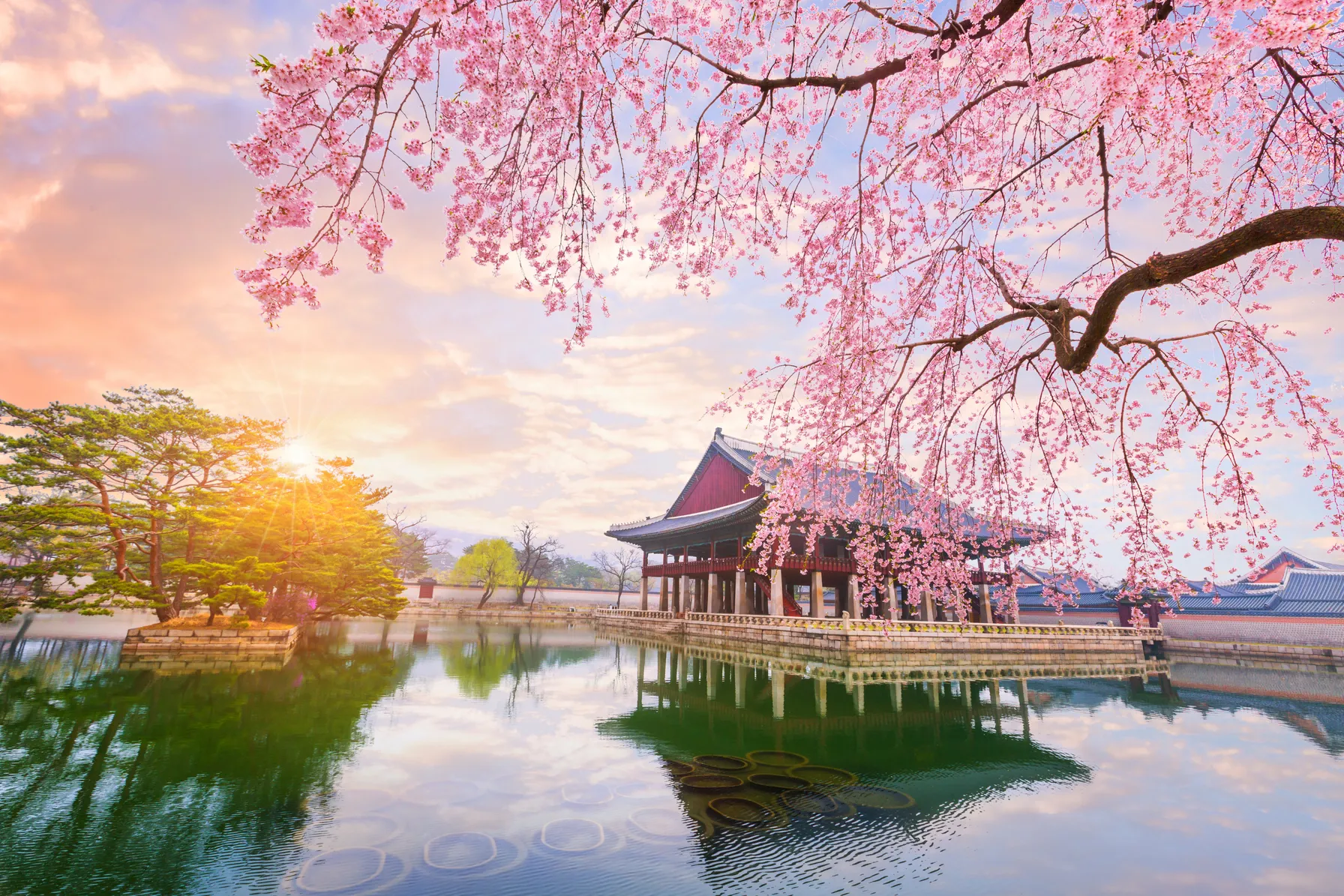
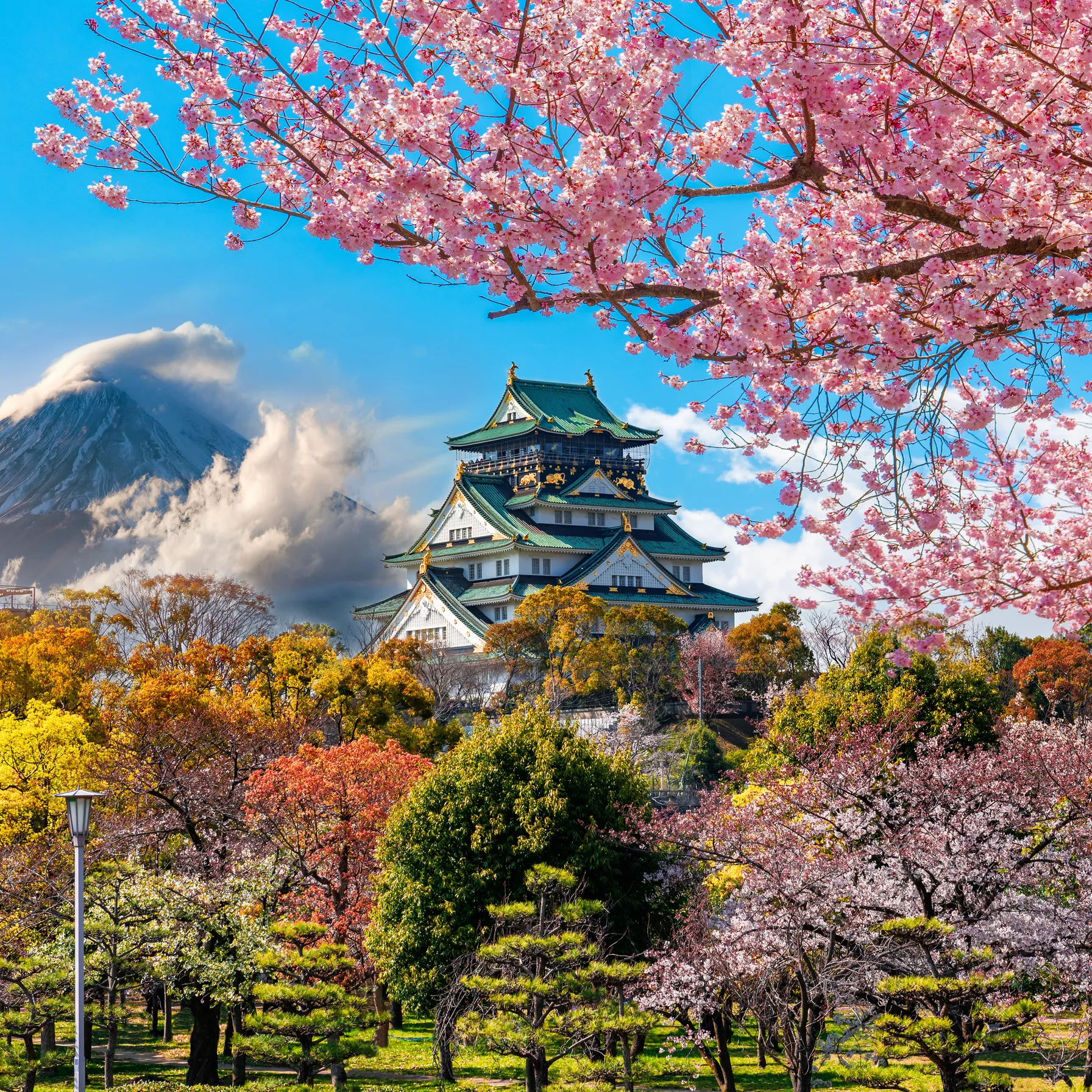
Spring and autumn remain the two preferred seasons for traveling in South Korea. In April and May, cherry trees transform parks and temple avenues into magical settings. Autumn, from September to November, is often considered the most beautiful season: temperatures are pleasant, the sky is clear and the forests of national parks are adorned with red and golden hues.
\n\n
Jeju Island deserves a special mention in spring, when fields of blooming canola cover the island with a bright yellow mantle. In autumn, the volcanic landscapes take on an even more spectacular dimension with the colors of the season.
\n\n
How does Vialala accompany you for a tailor-made trip to South Korea?
\n\n
Building a tailor-made trip to South Korea is much more than choosing hotels and flights. It\'s setting a rhythm, selecting experiences that match what you are truly seeking, and anticipating the small details that make all the difference on site.
\n\n
Our Travel Planners specializing in South Korea work with you from the design phase. They ask the right questions to understand your expectations: do you prefer big cities or wild nature? Do you want a unique experience in a national park or an immersion in urban Korean culture? Your trip will be planned according to your desires, whether you are traveling with family, as a couple, with friends, or on a solo trip.
\n\n
From selecting the most authentic accommodations to organizing transfers, including recommending local restaurants or off-the-beaten-path activities, every detail is thought through so you can fully enjoy your stay. Traveling to Korea with Vialala means traveling with a free spirit, supported by experts who share a true passion for this destination.