Why choose India for your wildlife safari?
India represents an exceptional safari destination that far surpasses the traditional beaten paths of Africa. This fascinating subcontinent is home to remarkable biodiversity, with varied ecosystems ranging from tropical forests to semi-arid zones, including mangroves and the Himalayan foothills.
A territory with exceptional natural riches
Your trip to India will reveal a natural heritage of incredible richness. The country hosts 60% of the global tiger population, approximatively 2,967 individuals according to the latest official count in 2019. This exceptional concentration makes India the top global destination for observing these majestic felines in their natural habitat.
Beyond tigers, the Indian wildlife includes 50% of the planet's Asian elephants, 80% of the one-horned rhinoceroses, and all the remaining wild Asian lions. These impressive figures testify to the country's commitment to wildlife conservation, particularly through the Tiger Project launched in 1973.
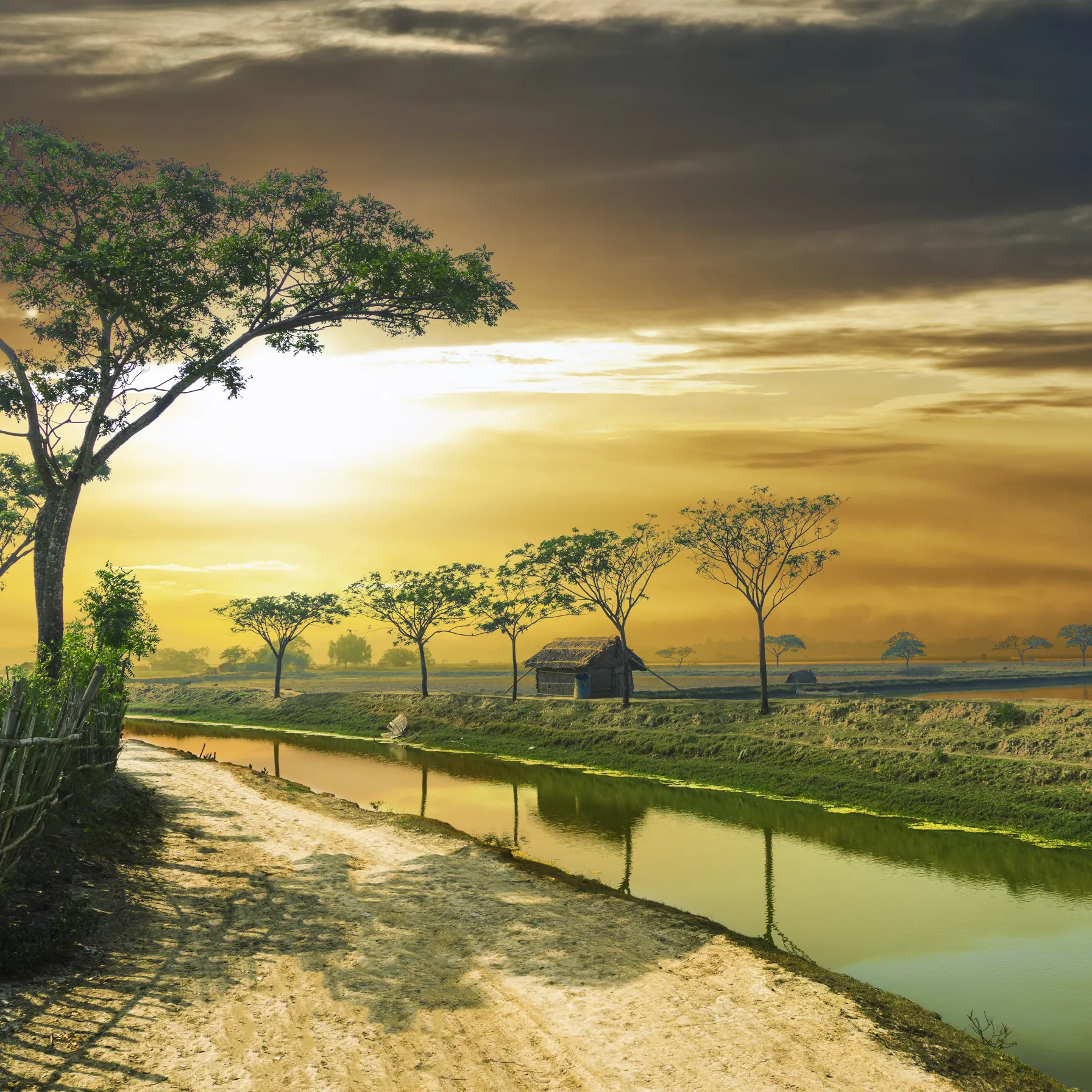
The 104 national parks and over 550 animal sanctuaries in the country offer diversified safari experiences. Each region presents its specific features: the dense forests of Madhya Pradesh, the semi-arid landscapes of Rajasthan, the wetlands of Assam, or the mangroves of the Sundarbans in West Bengal.
The Bengal tiger, the undisputed star of Indian safaris
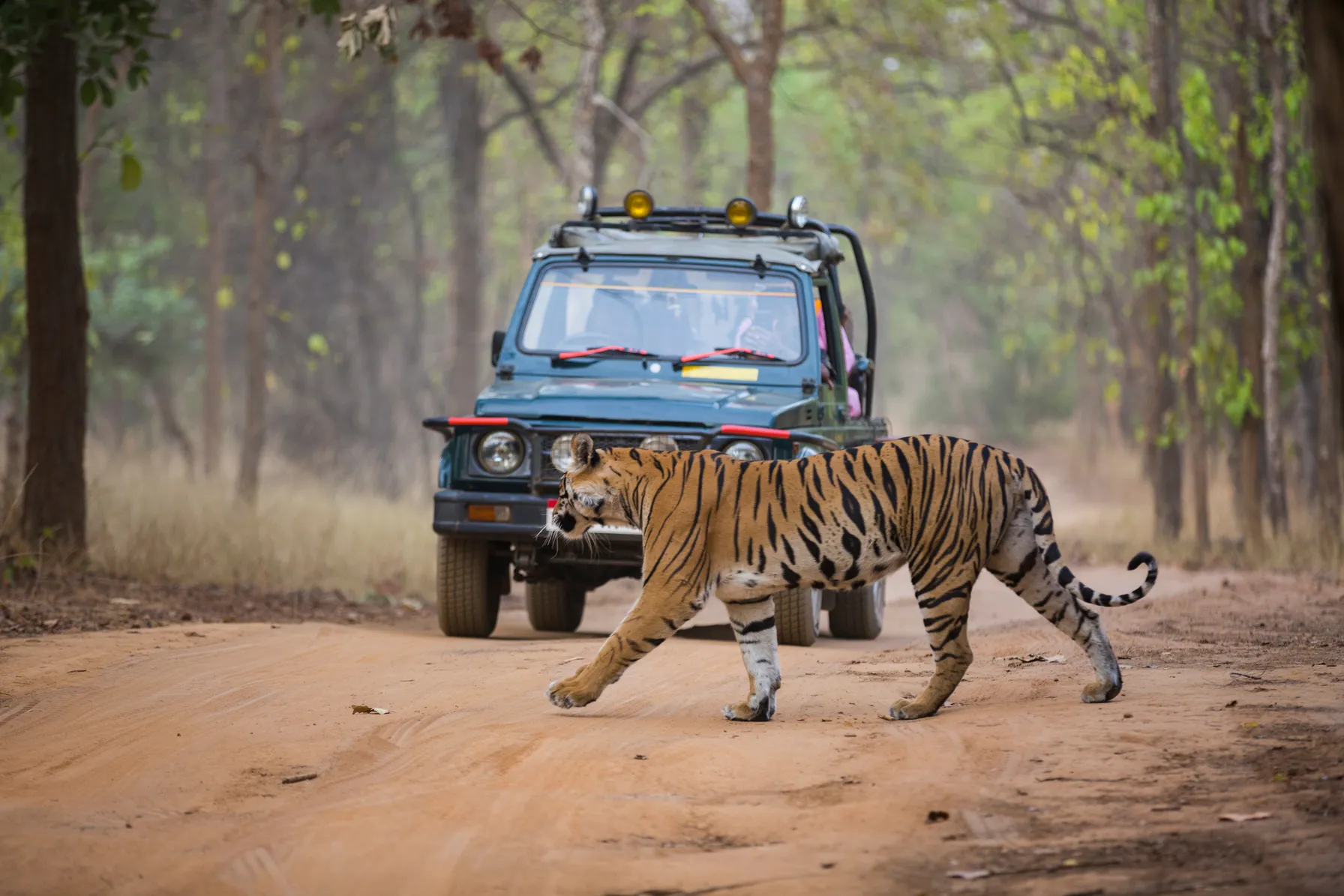
The Bengal tiger remains the iconic animal that inspires most safari trips in India. This apex predator, immortalized in Rudyard Kipling's "The Jungle Book", fascinates with its presence and rarity. Your safari stay in India offers a unique opportunity to observe these felines under optimal conditions.
Indian tigers roam vast territories, sometimes up to 100 km² for an adult male. This geographic peculiarity directly influences the organization of your safaris, requiring meticulous planning and the expertise of experienced local guides. Our Travel Planners deeply understand these wild animals' habits and optimize your observation chances according to the seasons and frequented areas.
Observing the Bengal tiger often comes with encounters with other predators like the more discreet but equally captivating leopard. The parks also shelter various herbivores: sambars, chitals, nilgais, gaurs, and wild boars, which constitute the primary food source for the large carnivores.
What are the best national parks for a safari in India?
India has numerous national parks, each offering a unique safari experience based on its geographic location, specific wildlife, and landscape features.
The must-visit parks of Madhya Pradesh
Madhya Pradesh, dubbed the "heart of India", hosts some of the most beautiful national parks in the country. Bandhavgarh National Park stands out for having the world's highest density of tigers, with about one tiger per 3 km². This exceptional concentration ensures excellent observation opportunities during morning and evening safaris.
Kanha National Park, which spans 940 km², inspired Rudyard Kipling for his famous novel. This park offers landscapes of rolling meadows punctuated by sal forests, creating an idyllic setting for your photographic safaris. The reserve also shelters the barasingha, a marsh deer endemic to the region.
Pench National Park, straddling Madhya Pradesh and Maharashtra, offers a more intimate experience with its 758 km² of mixed forests. Safaris here take place in a more private atmosphere, away from the tourist crowds of more famous parks.
| National Park |
Area |
Tiger density/100km² |
Best period |
| Bandhavgarh |
448 km² |
12-15 tigers |
October to June |
| Kanha |
940 km² |
6-8 tigers |
November to May |
| Pench |
758 km² |
4-6 tigers |
October to June |
Ranthambore and the gems of Rajasthan
Ranthambore National Park, located 180 km from New Delhi, perfectly combines wildlife safari and cultural discovery. The ruins of Ranthambore Fort, dating from the 10th century, create a unique backdrop where tigers roam among historical relics. This feature makes Ranthambore one of India's most picturesque parks.
The park spans 392 km² and is home to about forty adult tigers. Safaris are conducted in a canter (open vehicle) of 20 seats or a gypsy (jeep) of 6 seats, the latter offering more flexibility for your observations. Booking is essential, especially during the high season from November to April.
Sariska Tiger Reserve, less frequented than Ranthambore, offers an interesting alternative with its 866 km² of Aravalli's arid hills. The park has undergone a successful tiger reintroduction program, increasing from zero tigers in 2004 to about twenty today.
How to organize your custom safari trip in India?
Planning a safari in India involves numerous parameters: choice of parks, travel period, possible combinations with cultural discovery, and suitable logistics.
Combine safari and cultural discovery
Your custom trip in India benefits from combining wildlife observation with the country's cultural riches. The Golden Triangle, formed by Delhi, Agra, and Jaipur, is near several major national parks, allowing harmonious combinations.
A classic 12-day itinerary might include:
- Exploration of New Delhi and its historical monuments;
- Safari in Ranthambore (2-3 days);
- Visit to the Taj Mahal in Agra;
- Exploration of Jaipur, the pink city;
- Possible extension to Bandhavgarh or Kanha according to your preferences.
This approach allows you to grasp the Indian diversity in all its aspects: architectural, cultural, gastronomic, and natural. Our Travel Planners adjust distances and transport times to optimize your comfort throughout the journey.
When to go for optimal observations
Seasonality significantly influences the quality of your safari in India. The optimal period extends from October to June, with nuances according to the regions and your observation goals.
Winter (November to February) offers ideal climatic conditions with temperatures between 10°C and 25°C. Less dense vegetation facilitates the observation of wild animals, particularly near water points. This period also corresponds to the tourist high season, requiring early booking.
Spring (March to May) has the advantage of sparser vegetation and increased animal concentration around permanent water sources. Daytime temperatures can reach 40°C, making morning and evening safaris more comfortable.
The monsoon (June to September) closes most national parks, except for a few reserves like Periyar in Kerala. This period of natural regeneration prepares ecosystems for the following season.