Surfing in Bora Bora: exploring the secret waves of the Polynesian lagoon
Where can you surf in Bora Bora?
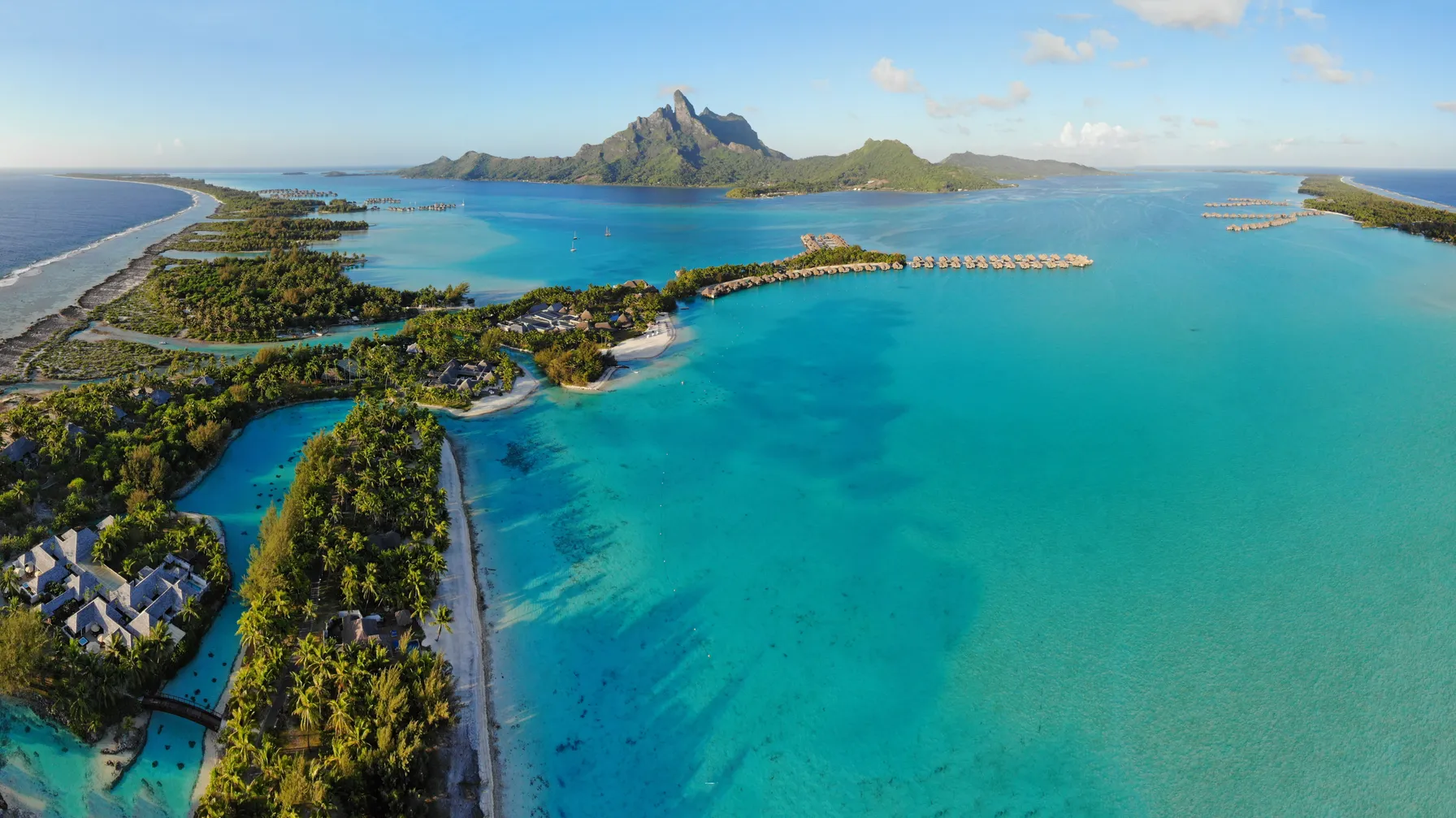
Unlike its neighbor Tahiti, which has dozens of renowned surf spots, Bora Bora offers a more intimate approach to surfing. The unique architecture of this volcanic island, surrounded by coral reefs and a vast lagoon, naturally limits the number of accessible surf spots. However, this geographic feature creates exceptional conditions for those who know where to look.
Teavanui Pass, the reference wave
Teavanui Pass surf spot is a must for all surfing enthusiasts in Bora Bora. Located in the south of the island, near the Pearl Beach Resort and the motu Ahuna, this spot benefits from the atoll's only deep pass. This geological configuration allows the swells from the South Pacific to penetrate the reef system and form high-quality waves.
The main wave is a powerful left that can roll for over a hundred meters during the best sessions. The regular sets offer impressive barreling sections before transforming into long walls ideal for maneuvers. The take-off is performed directly on the reef, creating technical conditions that require perfect mastery of one's surfboard.
A right also works at Teavanui Pass, but it is more capricious and requires very specific swell conditions. This wave prefers the cyclonic storms of the wet season and offers an even more challenging challenge for experienced surfers.
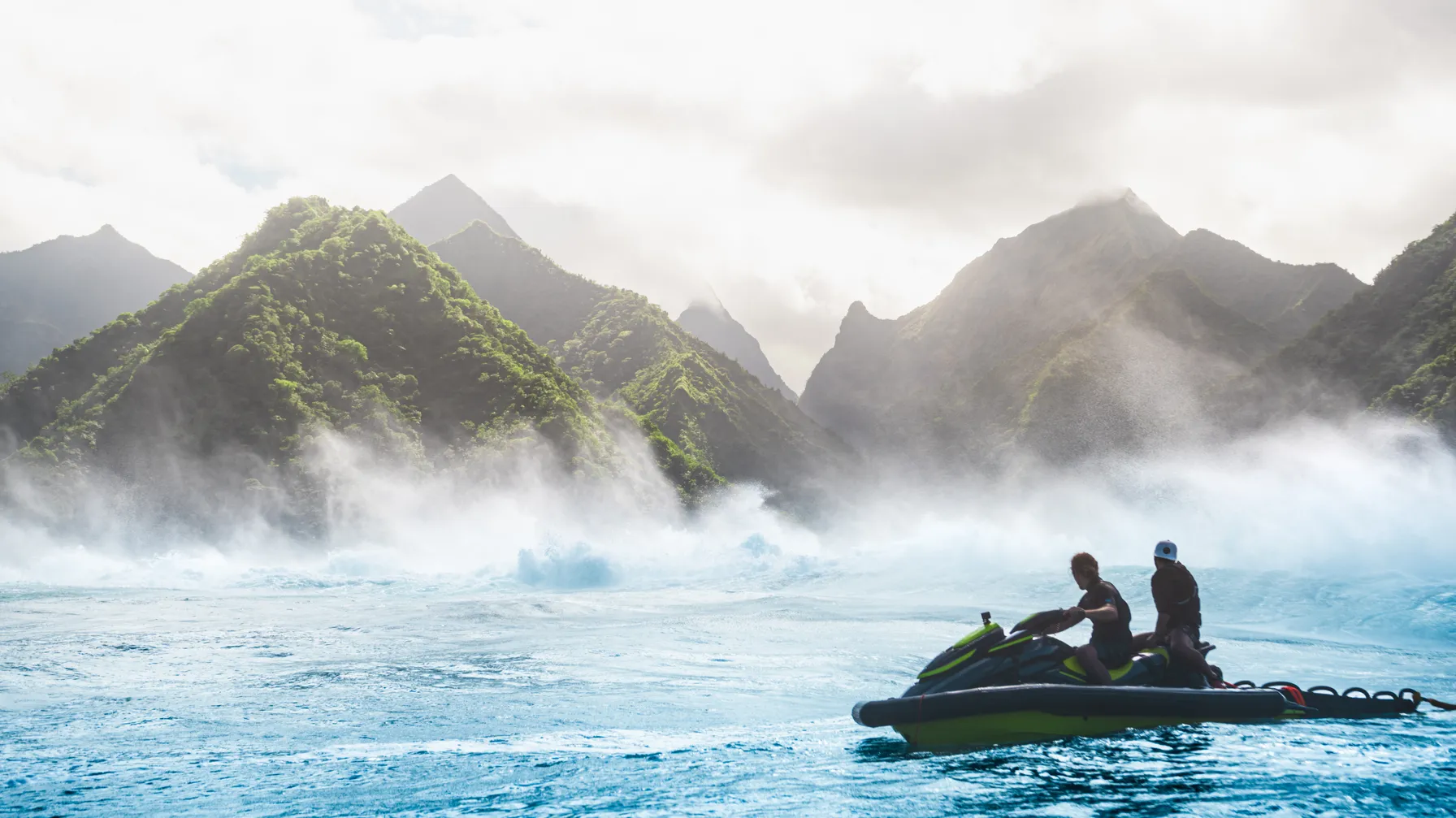
Access to Teavanui Pass requires a boat or jet-ski, as the distance from accommodation and the reef configuration make any swim access impossible and dangerous. This logistical constraint paradoxically contributes to the charm of the spot by preserving its wild and authentic character.
Motu Piti Aau, the challenge for experts
On the opposite side of Teavanui Pass, the Motu Piti Aau spot represents the ultimate challenge for seasoned surfers visiting Bora Bora. This demanding wave only works under very particular weather conditions, mainly during storms and cyclones in the wet season from November to March.
The unpredictability of this surf spot makes it a destination reserved for locals and the most experienced surfers. The wave breaks violently on a shallow reef, creating spectacular tubes but also particularly dangerous conditions. Any misstep can lead to a collision with the sharp corals that litter the bottom.
Access to Motu Piti Aau requires a perfect knowledge of local conditions and advanced technical skills. Without a boat, you must traverse the reef on foot, avoiding sea urchins and other marine dangers, then perform a long launch in often rough conditions.
Contact us for more information on the best times to go
When to go surfing in Bora Bora?
Planning a surf trip to Bora necessitates a precise understanding of the seasonal cycles that govern wave formation in French Polynesia. Unlike classic surf destinations, Bora Bora presents relatively narrow swell windows that must be anticipated to optimize the chances of memorable sessions.
South swell season (March-June)
The period from March to June undoubtedly represents the best window for surfing in Bora Bora. During these months, depressions from Antarctica generate southwest swells that rise towards the equator and reach Polynesian reefs with remarkable regularity.
These high-quality swells penetrate effectively into Teavanui Pass, creating ideal conditions for technical sessions on this exceptional surf spot. The waves usually reach a size of between one and three meters, with occasional larger sets during particularly active southern storms.
May deserves special attention because it generally combines consistent swells and stable weather conditions. Morning land breezes perfectly sculpt the wave faces, while afternoons remain often surfable despite the thermal breeze.
Here is an overview of the optimal monthly conditions:
| Month | Swell | Average Size | Dominant Winds |
|---|---|---|---|
| March | Southwest | 1.5-2.5m | Variable |
| April | Southwest | 1-2m | Light Northeast |
| May | Southwest | 1.5-3m | Moderate East |
| June | Southwest | 1-2m | Trade Winds |
Optimal Meteorological Conditions
The success of a surf trip to Bora Bora closely depends on the local weather conditions that influence wave quality and spot practicability. The dry season, which generally extends from April to October, offers the best guarantees of successful sessions.
During this period, easterly trade winds blow regularly but moderately, creating acceptable surface conditions on the main spots. These winds tend to strengthen in the afternoon, making morning sessions particularly coveted by experienced surfers.
Reduced rainfall during the dry season also limits problems of visibility and water quality that can affect lagoons during heavy rains. The Bora lagoon thus retains its crystal-clear transparency, offering optimal navigation conditions to the spots.
What should you know for surfing in Bora Bora?
The approach to surfing in Bora Bora fundamentally differs from that of more conventional destinations. This specificity requires careful preparation and adaptation of one's habits to fully enjoy this unique experience in French Polynesia.
Required Level and Essential Equipment
Surfing in Bora Bora is exclusively for experienced surfers with solid reef surfing experience. The main spots break directly over living coral, creating technical conditions that forgive no approximation. An improperly controlled fall can lead to serious injuries on the sharp coral formations.
Your equipment must be adapted to these specific conditions. A surfboard with reduced dimensions, generally between 5'8" and 6'2", facilitates maneuvers in hollow sections while maintaining sufficient buoyancy for take-off on the reef. Fins must be robust to withstand contacts with the bottom.
Protective equipment is of utmost importance:
- Thick neoprene booties to protect feet from corals and sea urchins;
- Long-sleeved lycra to avoid cuts during falls;
- Surf helmet recommended on the most exposed spots;
- Waterproof first aid kit including disinfectant and waterproof dressings.
Renting a boat becomes essential to access the surf spots. Luxury resorts generally offer this service to their guests, while local providers can organize tailor-made outings that include a local guide and safety equipment.
Nautical Alternatives on the Lagoon
If surf conditions are not favorable or if you wish to experience other gliding sensations, the lagoon of Bora offers an exceptional playground for various water activities. These alternatives allow immersion in the unique marine environment of this destination while maintaining authentic gliding sensations.
Wing foil is experiencing a spectacular development on the protected waters of the lagoon. This innovative discipline takes advantage of regular winds and the expanse of water to offer sessions accessible to beginners and experts alike. Matira Beach is an ideal learning spot with its shallow waters and white sand.
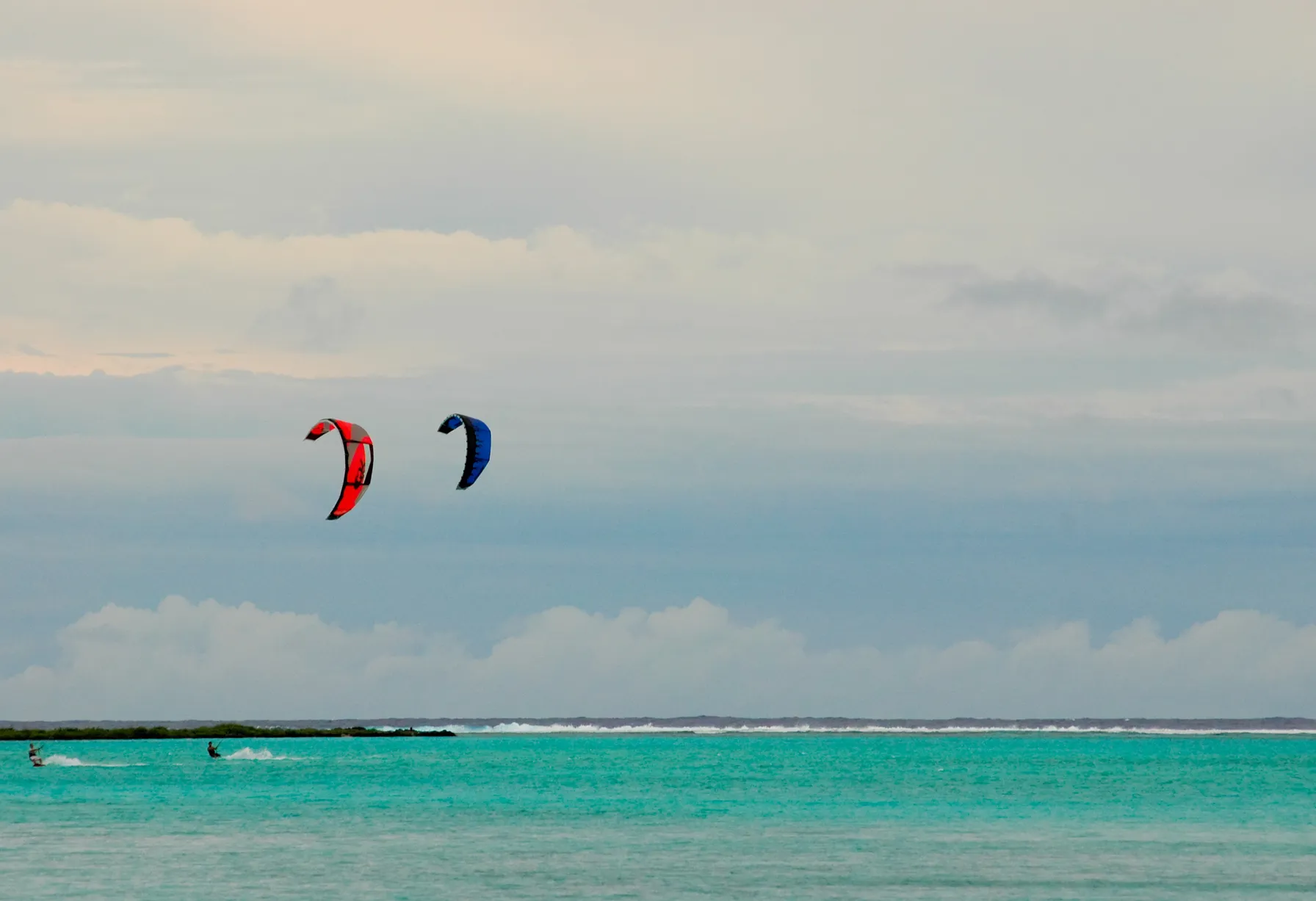
Kitesurfing also finds favorable conditions in certain areas of the lagoon, particularly near the motus most exposed to trade winds. Local schools offer courses adapted to all levels and provide complete equipment for safe discovery of this discipline.
JetSurf, this motorized board that reproduces the sensations of surfing without waves, is increasingly attracting visitors. This activity allows exploring the entire lagoon at will while discovering underwater beauties from the surface.
Book your trip to Bora Bora now
Frequently asked questions
Can we rent surfboards in Bora Bora?
The possibilities for renting surfboards are limited in Bora Bora compared to other destinations. Some high-end resorts provide a few boards for their guests, but the quality and variety are often restricted. For an optimal experience, consider bringing your own equipment or renting from specialized providers in Tahiti before your transfer.
Can beginners learn to surf in Bora Bora?
Bora Bora is not a recommended destination for learning to surf. The accessible spots break on coral reef and require a confirmed technical level. Beginners will find more appropriate learning conditions in Tahiti, particularly at Taharuu Beach or at river mouths which offer safer sandy bottoms.
What budget should you plan for a surfing session in Bora Bora?
A surf outing in Bora Bora requires renting a boat, which is the main expense item. Generally, count between 300 and 500 euros for a half-day including the boat, local pilot, and safety equipment. This rate can vary depending on the season and the prestige of the chosen establishment. Some stay packages include these nautical services.
Are there any particular risks for surfing in Bora Bora?
The main risks involve injuries related to the coral reef during falls. The local marine wildlife (sharks, rays) is generally harmless but requires respect and precautions. Currents in the passes can be strong, especially during significant tidal coefficients. An experienced local guide is essential for safely navigating to the spots and knowing the specific conditions of each session.