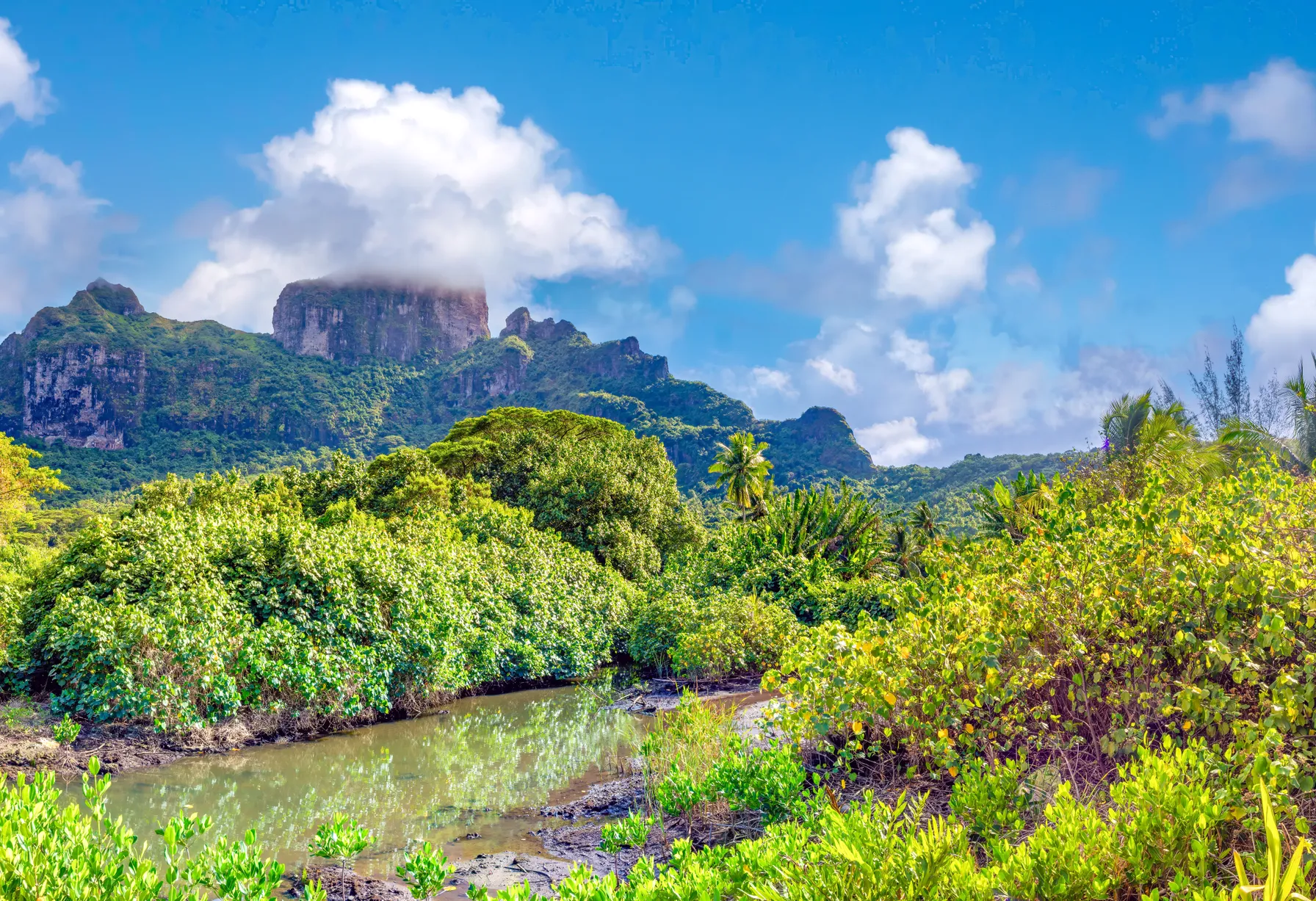
Hiking in Bora Bora: explore the Pearl of the Pacific on foot
What is so special about hiking in Bora Bora?
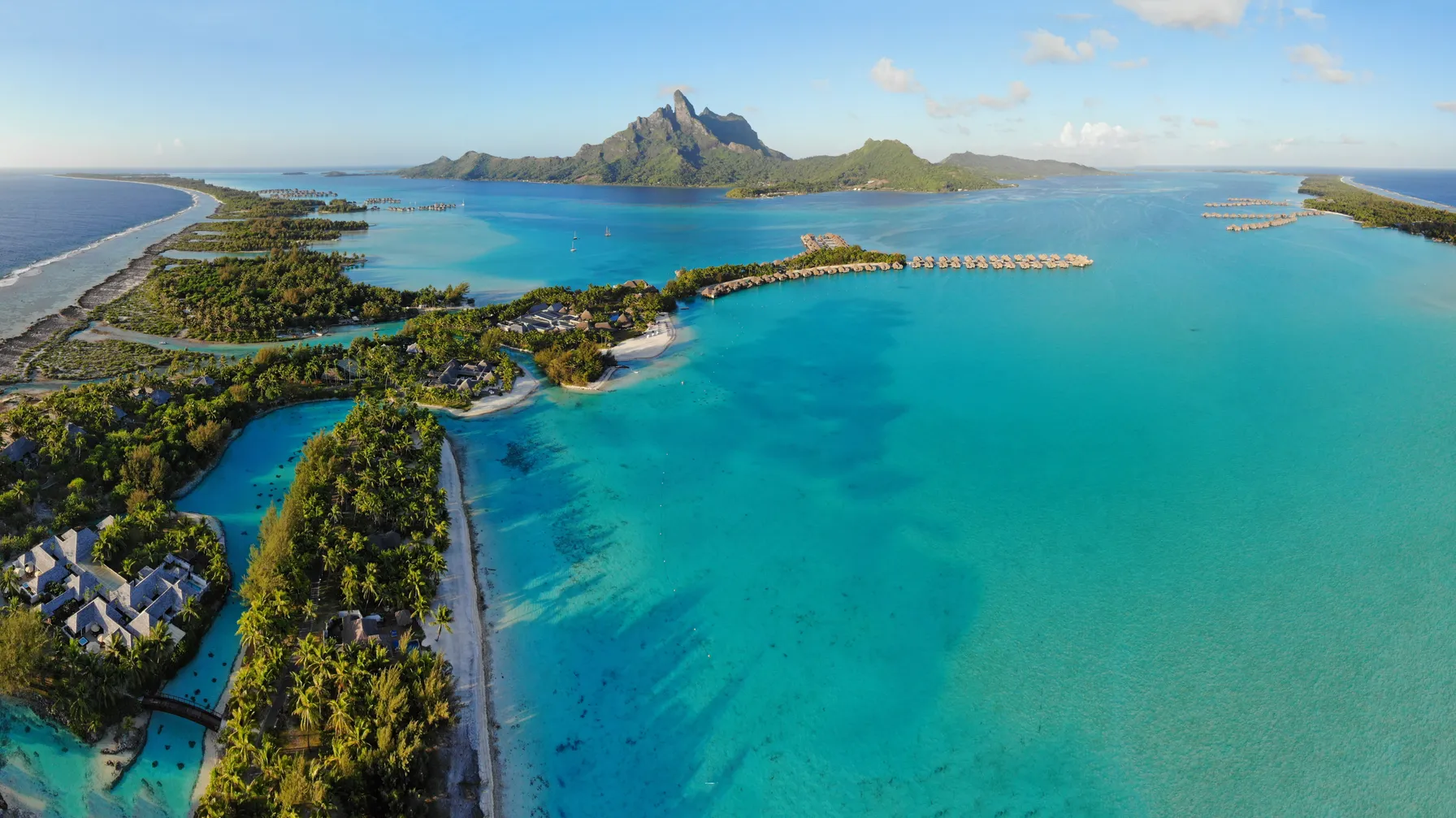
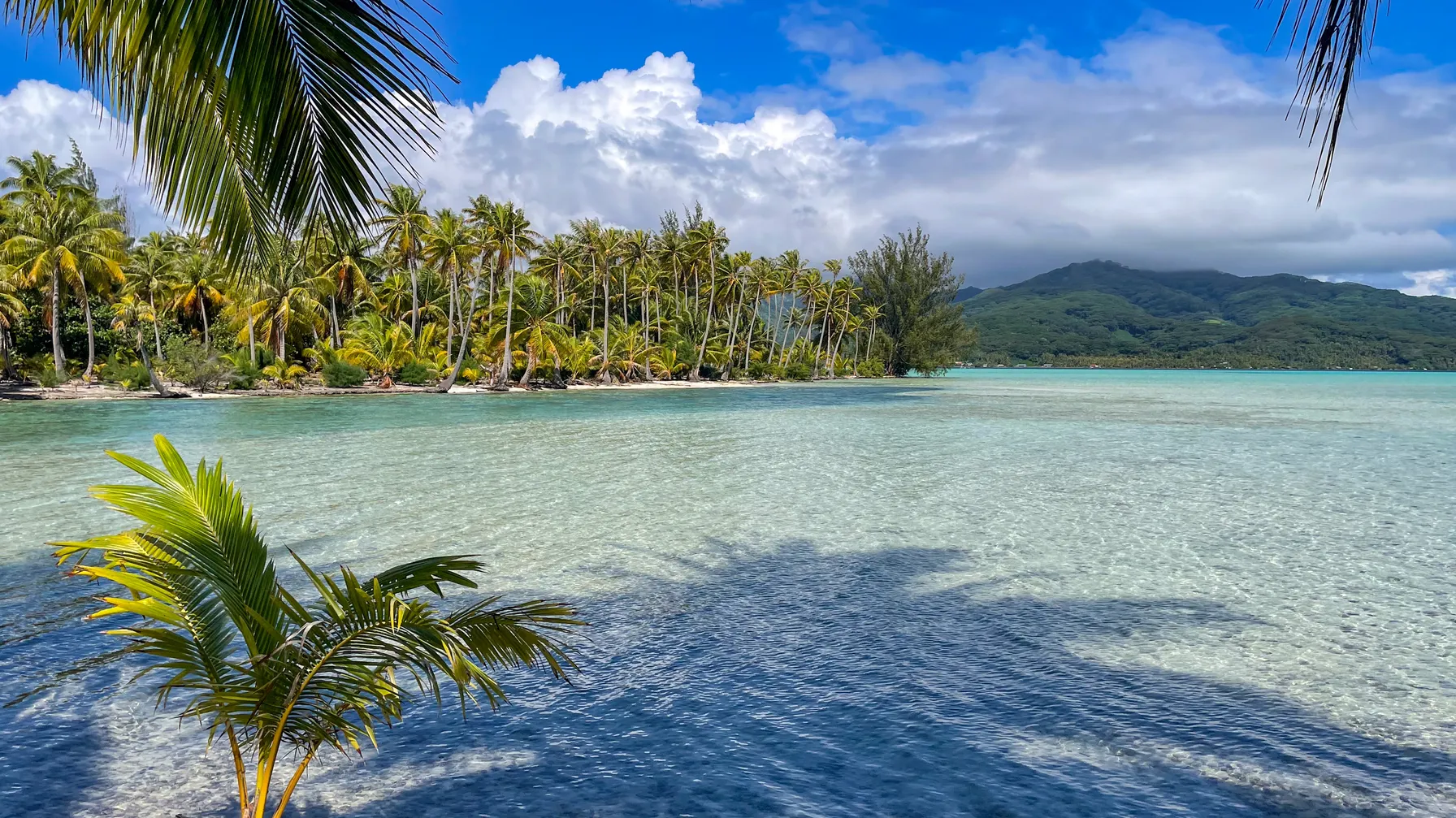
Hiking in French Polynesia means fully immersing yourself in a landscape of rare generosity. On Bora Bora, the main island is of volcanic origin, ringed by a lagoon with unique shades of blue and green. As soon as one moves away from the shore, dense vegetation takes over: giant ferns, wild banana trees, vines, and roots create a natural setting that contrasts beautifully with the calm waters seen from the heights.
Between volcanic jungle and lagoon panoramas
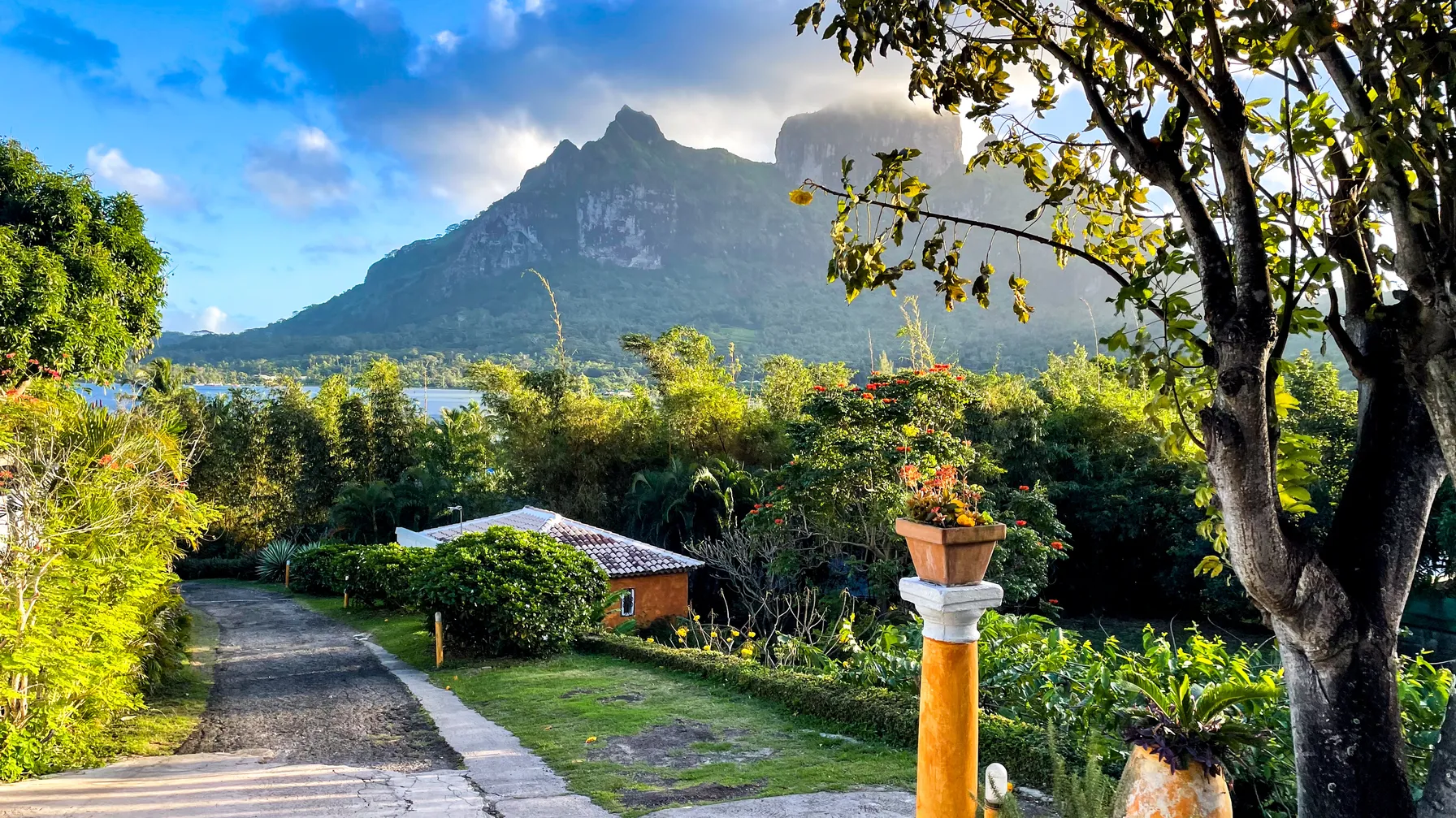
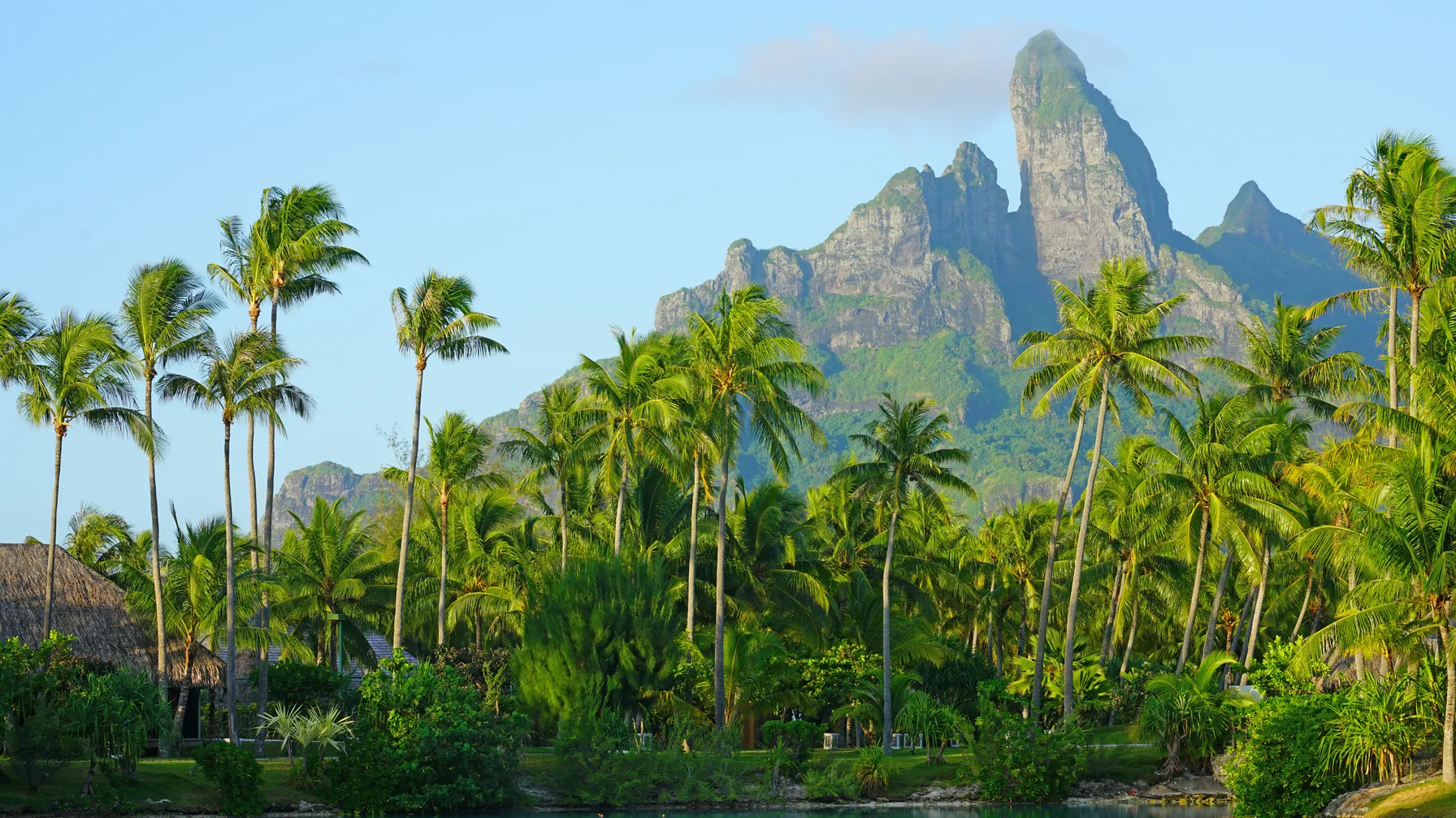
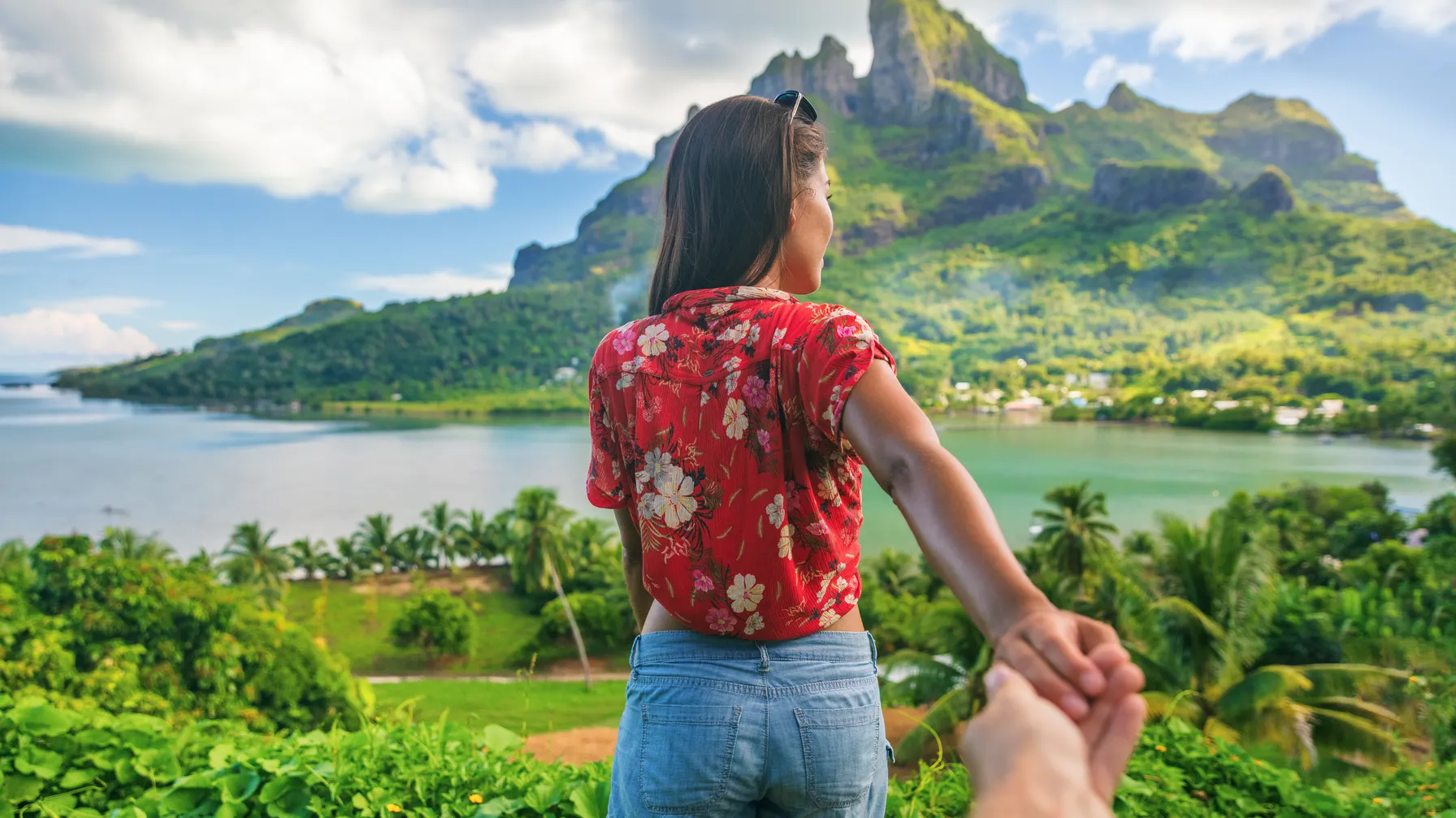
What distinguishes hiking in Bora Bora from other destinations is the diversity of landscapes crossed in just a few hours. One starts at sea level and rapidly ascends into a dense tropical forest, before breaking out onto ridges where the view encompasses both the Pacific Ocean, the turquoise lagoon, and the majestic Mount Otemanu, the island’s highest peak at 727 meters. Every detail of the landscape takes on an exceptional dimension when viewed from the heights.
Trails accessible to different profiles
Contrary to some preconceived ideas, hiking in Bora Bora is not only for experienced athletes. The island offers a variety of routes, from easy family trails to technical ascents requiring good physical condition. Coastal paths, particularly around Matira Beach, are suitable for all ages, while trails at higher altitudes require more preparation. In summary:
- Beginners and families will enjoy coastal walks and moderate circuits around the coastline ;
- Intermediate hikers can tackle Mount Popoti or Mount Pahia for beautiful views ;
- Experienced profiles will find their challenge on the ascent of Mount Ohue, a difficult path but rewarded with an extraordinary panorama.
Book your trip to Bora Bora now and let Vialala compose your tailor-made stay, at your own pace and according to your wishes.
What are the must-do hikes in Bora Bora?
The trails of Bora Bora are rare and precious. Here are the most beautiful ones, selected for their scenic interest, accessibility, or exceptional character.
Mount Ohue, the summit challenge
The ascent of Mount Ohue (619 m) is undoubtedly the most emblematic hike on the island. Accessible from the port of Vaitape, this 5 km round trip takes about 5 hours and has an elevation gain of 620 meters. The well-marked trail runs through the tropical forest before tackling very steep passages where ropes installed on site help to progress. Good physical condition is essential, and being accompanied by a local guide is highly recommended.
Once at the summit, the view over Faanui Bay, the lagoon, and Mount Otemanu is worth every effort made. It's one of those rare moments when nature offers an unforgettable rendezvous.
Mount Pahia, Mount Popoti, and the unforgettable viewpoints
For those wishing to extend the exploration further, the trail from Mount Ohue continues to Mount Pahia (661 m), about an additional one-hour round trip from the summit of Mount Ohue. The panorama broadens even further, offering a 360-degree view of the entire island and its surrounding islets.
Mount Popoti, on the other hand, offers a more accessible alternative from the interior of the island. This summit reveals beautiful views of the turquoise lagoon and allows one to immerse in the authentic atmosphere of Bora Bora away from tourist areas.
Lagoon-side strolls for moments of serenity
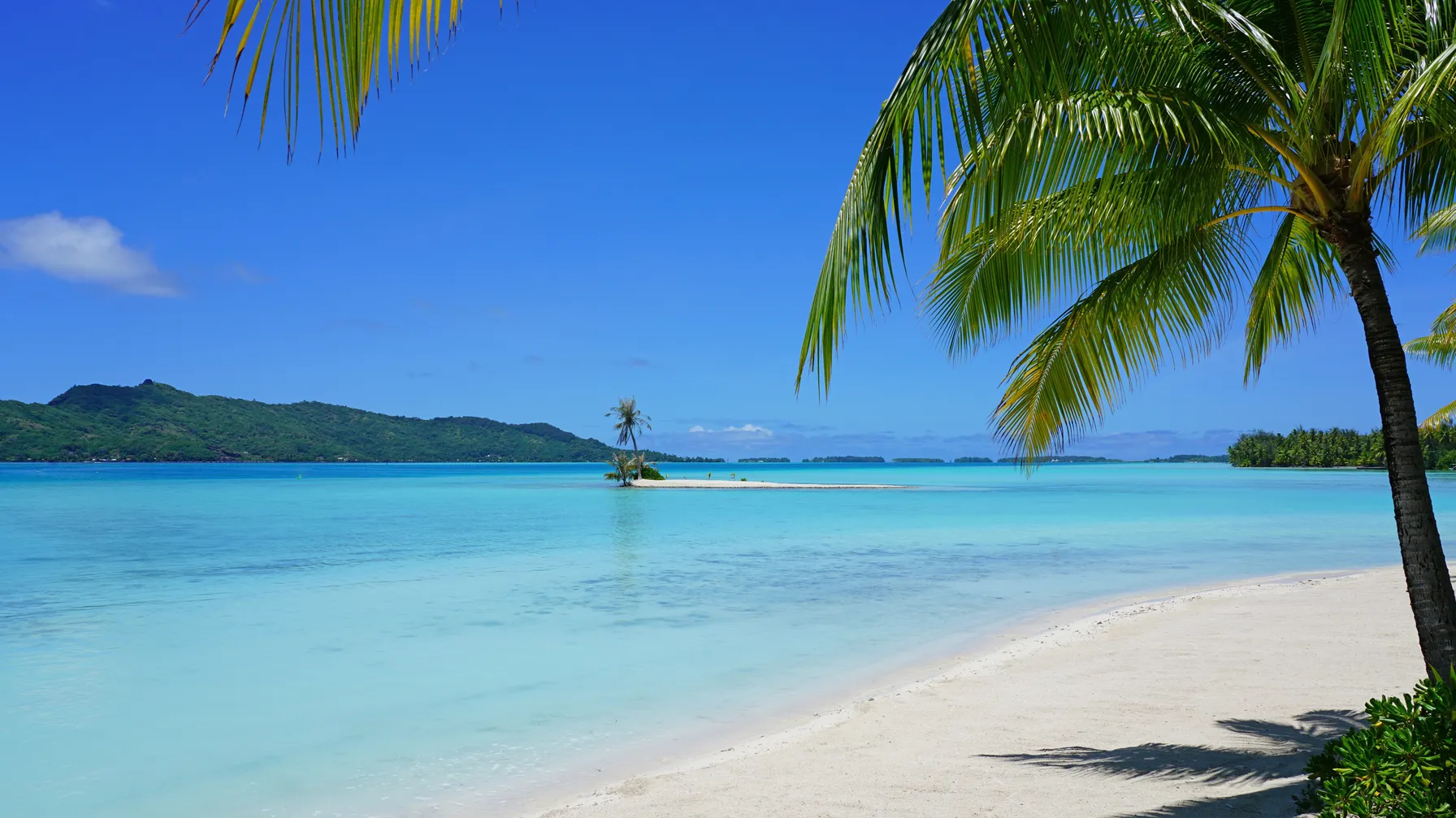
Not all hikes in Bora Bora require scaling the top of a volcano. The coastal trails around Matira Beach, for example, offer a soothing experience by the water. This route of less than 2 km is ideal for an evening stroll or with young children. It runs along one of the most beautiful beaches in French Polynesia, while enjoying the reflections of the sun on the lagoon.
Advice from our Travel Planners: combine a morning of hiking at altitude with an afternoon on the shores of Matira Beach to experience Bora Bora in all its diversity.
When and how to best prepare for a hike in Bora Bora?
The success of a hike in Bora Bora relies on two essential elements: choosing the right period and preparation adapted to the specifics of the Polynesian terrain.
The best period for hiking
Bora Bora has a tropical climate with two distinct seasons. To go hiking in the best conditions, here is a simple guide:
| Period | Climate | Hiking Conditions |
|---|---|---|
| May to October | Dry season, mild temperatures (24-28°C) | Ideal: less slippery trails, passable vegetation |
| November to April | Wet season, frequent heat and rains | Slippery trails, increased risks at high altitudes |
The dry season remains the preferred period for hiking in Bora Bora, especially from June to September.
Equipment, safety, and good practices
The quality of your equipment directly conditions your experience on the trails. Hiking shoes with cleated soles are essential, even on moderate paths. The ambient humidity makes some sections slippery in all seasons. Also remember to carry sufficient water, sun protection, and to check weather conditions before departure.
For challenging ascents like Mount Ohue, hiring a local guide ensures safety and enrichment: these professionals know every detail of the terrain and share invaluable knowledge of the wildlife, flora, and Polynesian history.
Contact us for more information and to organize your hiking trip to Bora Bora with the support of a Vialala expert.
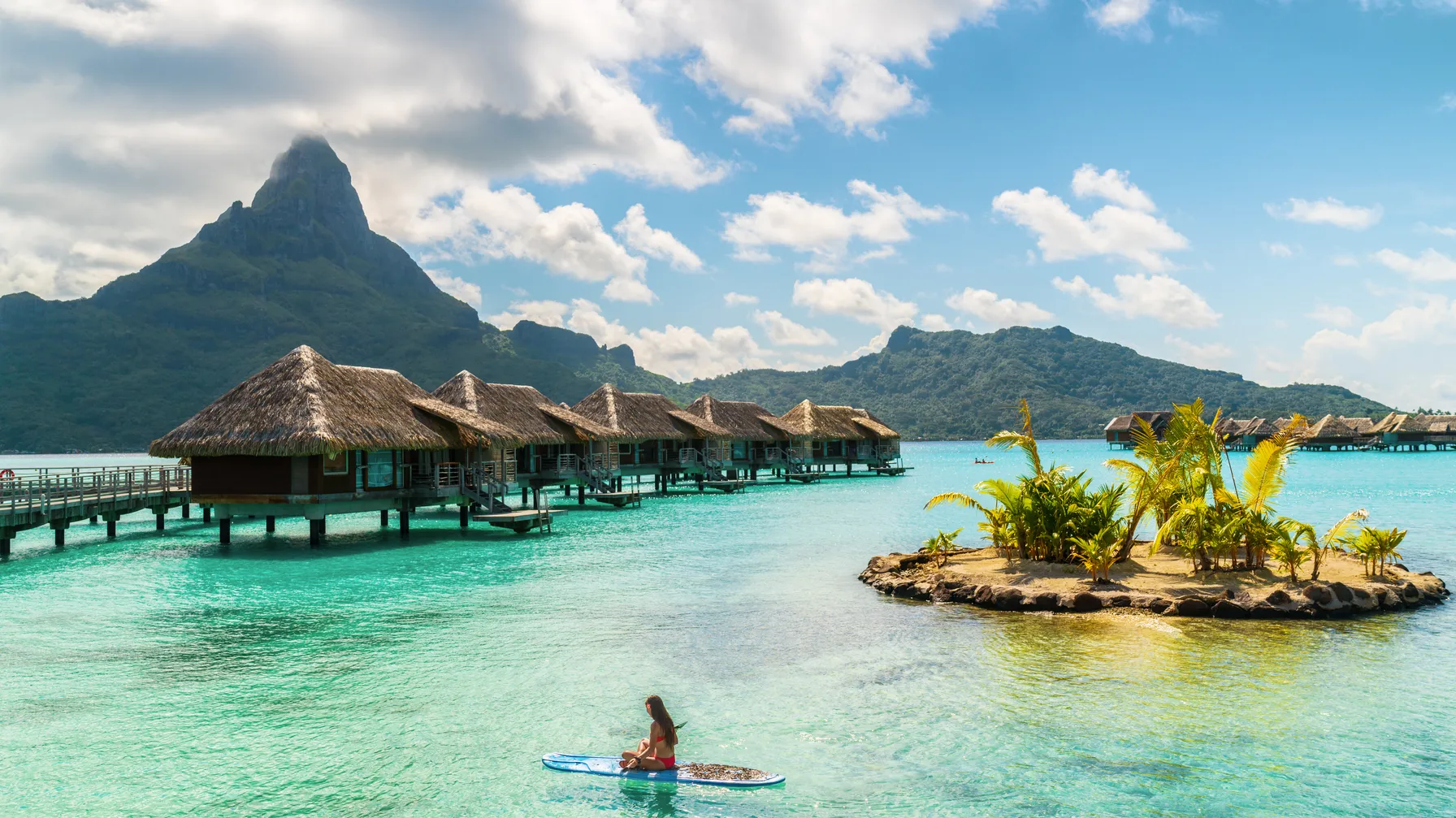
Demandez votre devis Bora Bora sur-mesure 100% gratuit
 4.8
4.8+3.000 travelers satisfied
Frequently asked questions
Can you hike in Bora Bora without a guide?
Yes, certain marked trails such as coastal walks or Mount Pupu are accessible without a guide. However, for technical climbs like Mount Ohue, being accompanied by a local guide is highly recommended for safety reasons, especially on passages with ropes.
Are there hikes suitable for children in Bora Bora?
Absolutely. Coastal trails around Matira Beach or moderate difficulty circuits are suitable for families with children aged 8-10 years and up. High-altitude ascents are not recommended for young children because of steep passages.
Do you need special permission to hike on the island?
Most trails are freely accessible. It is simply necessary to respect private properties, especially by following marked paths. Some circuits require crossing specific areas: check with local authorities or your guide before starting.