The fascinating culture of Bora Bora: a dive into the Polynesian soul
What are the deep cultural roots of Bora Bora?
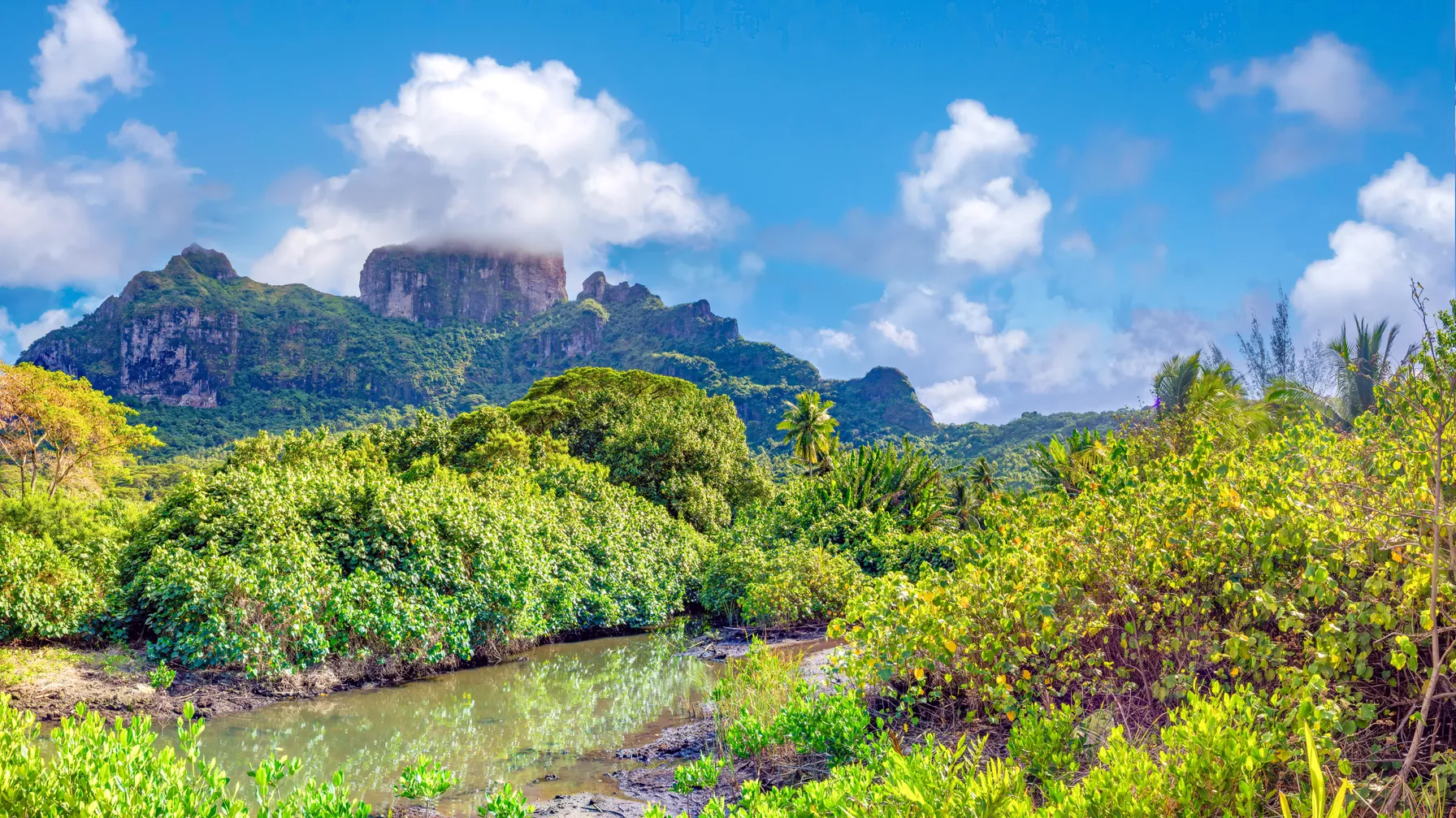
The culture of Bora Bora originates from one of the most extraordinary human adventures: the great Polynesian migrations. This South Pacific island carries the legacy of exceptional navigators who shaped its unique cultural identity.
The legacy of the great South Pacific migrations
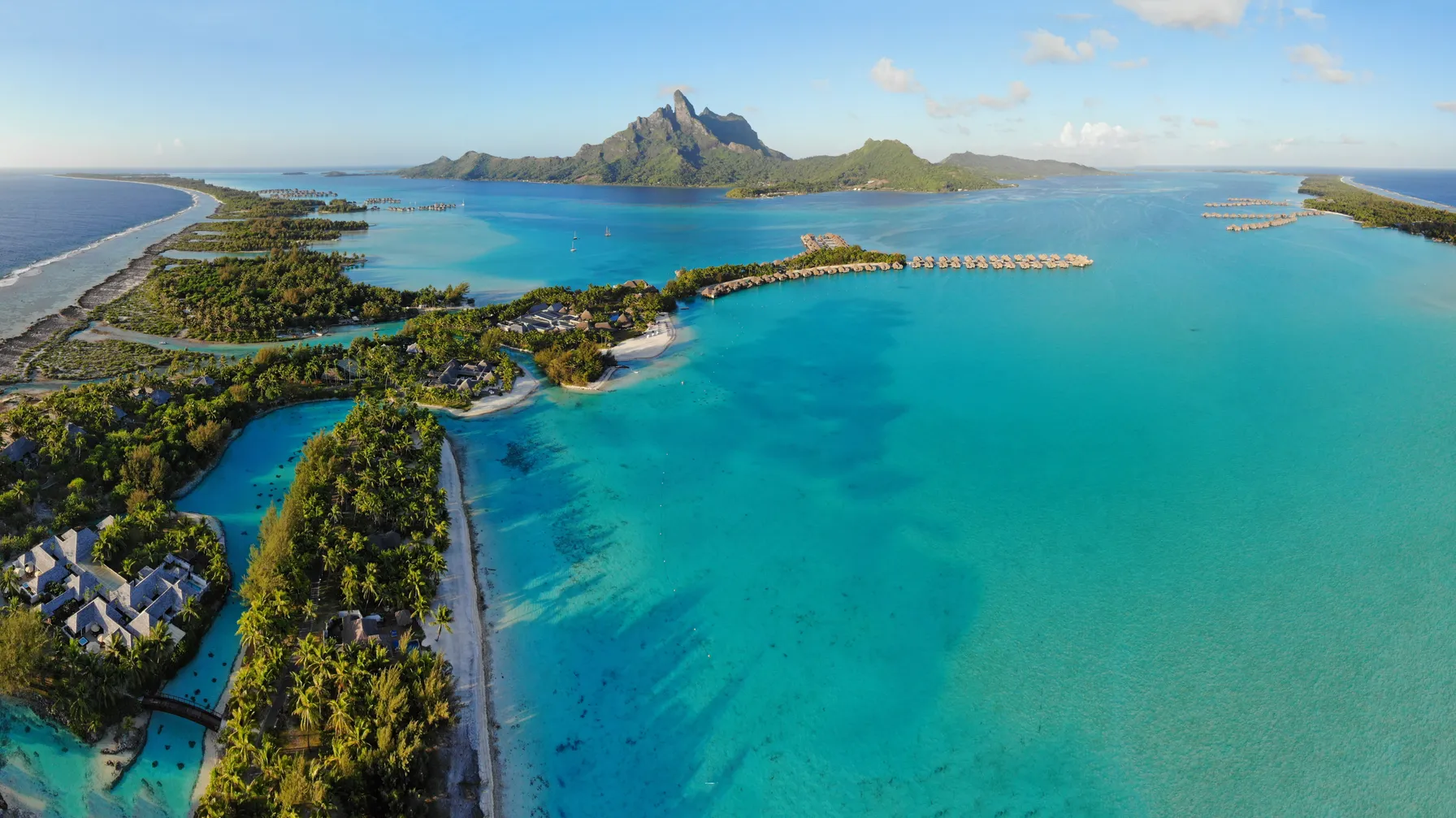
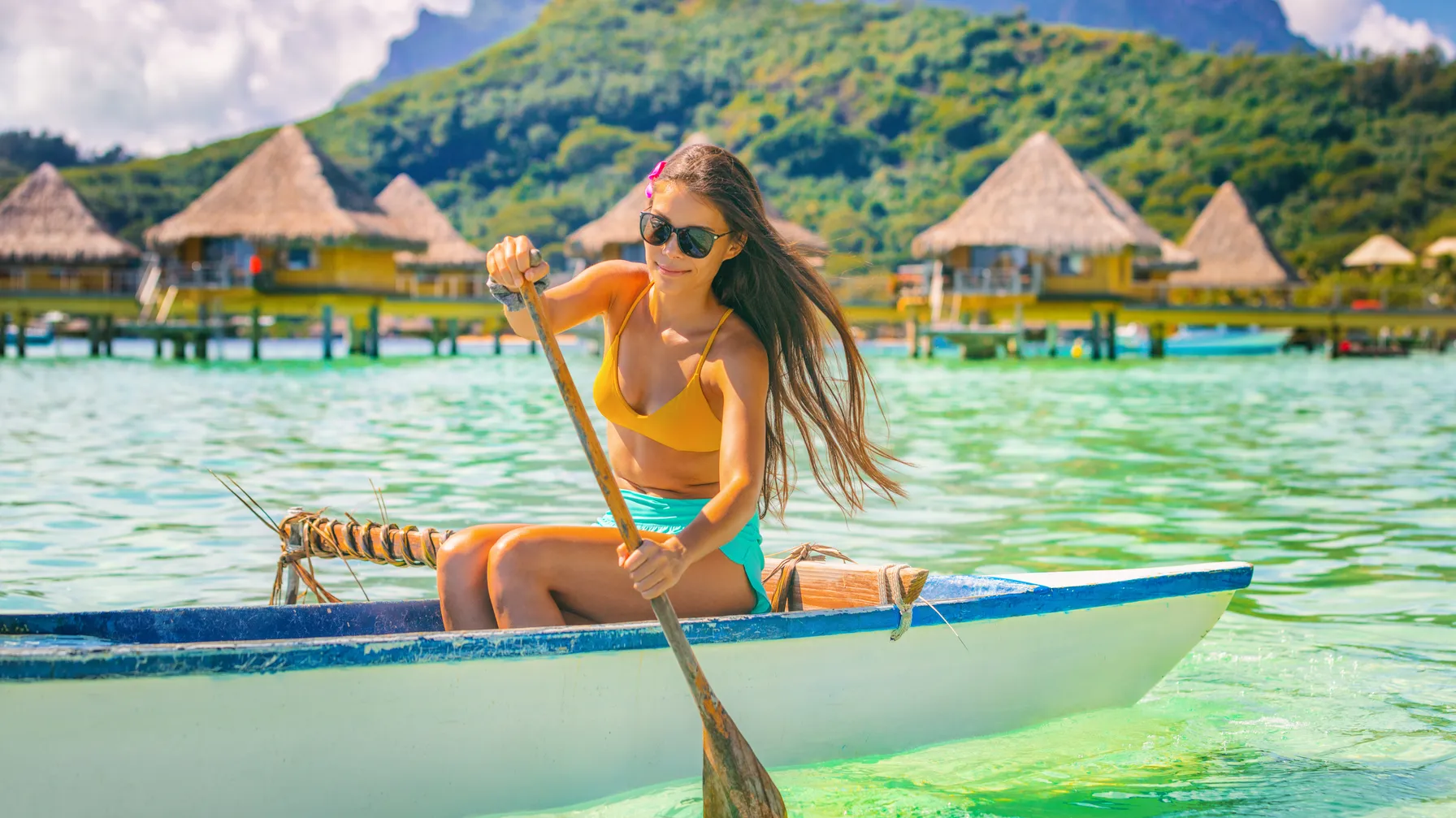
The story of Bora began over a thousand years ago, when intrepid Polynesian navigators reached this volcanic island aboard their Polynesian canoes. These masters of the oceans, guided by the stars and currents, established on the island a sophisticated society whose traces still endure today.
The first inhabitants developed a complex social system organized around the arii (chiefs), the raatira (nobles), and the manahune (commoners). This hierarchization was reflected in the spatial organization of the island, with sacred areas reserved for religious ceremonies and communal rituals. Navigation techniques were passed down from generation to generation, making each Polynesian a keeper of the ocean's secrets.
Between ancestral traditions and modern influences
The arrival of Europeans in the 18th century marked a turning point in the history of Bora. Christian missionaries gradually transformed local religious practices, while preserving certain aspects of Polynesian spirituality. This period of cultural adaptation gave birth to a unique syncretism where Christian beliefs and ancestral traditions harmoniously coexist.
World War II added a new dimension to the island's culture. The American military base "Operation Bobcat" introduced new technologies and ways of life, while creating lasting ties between the local populations and American soldiers. This period of openness to the outside world enriched the cultural heritage of Bora without altering its Polynesian essence.
Book your trip to Bora Bora now
What heritage treasures can you explore on the pearl of the Pacific?
The tangible heritage of Bora Bora bears witness to centuries of history and offers visitors a fascinating dive into the various eras that shaped the island. These remarkable sites provide windows into the Polynesian soul.
The sacred marae, sanctuaries of Polynesian spirituality
The marae represent the very essence of Polynesian culture on Bora Bora. These stone temples, carefully oriented according to precise cosmological principles, served as spiritual and social centers for ancient communities. The marae Taputapuatea, although located on the neighboring island of Raiatea, still influences today's ritual practices observed in Bora Bora.
On the island, several marae bear witness to this past grandeur. The marae Marotetini, located in the valley of Povai, offers a remarkable example of sacred Polynesian architecture. Its carefully arranged stone platforms and its ahu (main altar) evoke the ceremonies of chief investitures and seasonal rituals that punctuated communal life.
Respecting the tapu (sacred) remains fundamental during the visit of these sites. The inhabitants still transmit the prohibitions related to these places, testifying to the persistence of ancestral beliefs in modern Bora Bora society.
Historical vestiges and World War II memory
The legacy of Operation Bobcat significantly marks the cultural landscape of Bora Bora. Between 1942 and 1946, nearly 6,000 American soldiers transformed the island into a strategic military base in the Pacific. This exceptional period left tangible traces that enrich the island's heritage today.
Bunkers, airstrips, and port facilities create a unique historical tour in Bora's lagoon. These remains tell the story of an extraordinary cultural encounter between the Polynesians and the Americans, generating lasting linguistic, culinary, and technological exchanges. Some Bora Bora families still preserve objects and photographs from this era, precious testimonies of a pivotal period in their history.
How to immerse yourself in the vibrant Polynesian culture?
Bora Bora's culture does not merely preserve its past: it lives, evolves, and is transmitted through artistic and craft expressions of remarkable vitality. This vibrant aspect of Polynesian culture deeply enriches the experience of visitors.
Dances, songs, and traditional artistic expressions
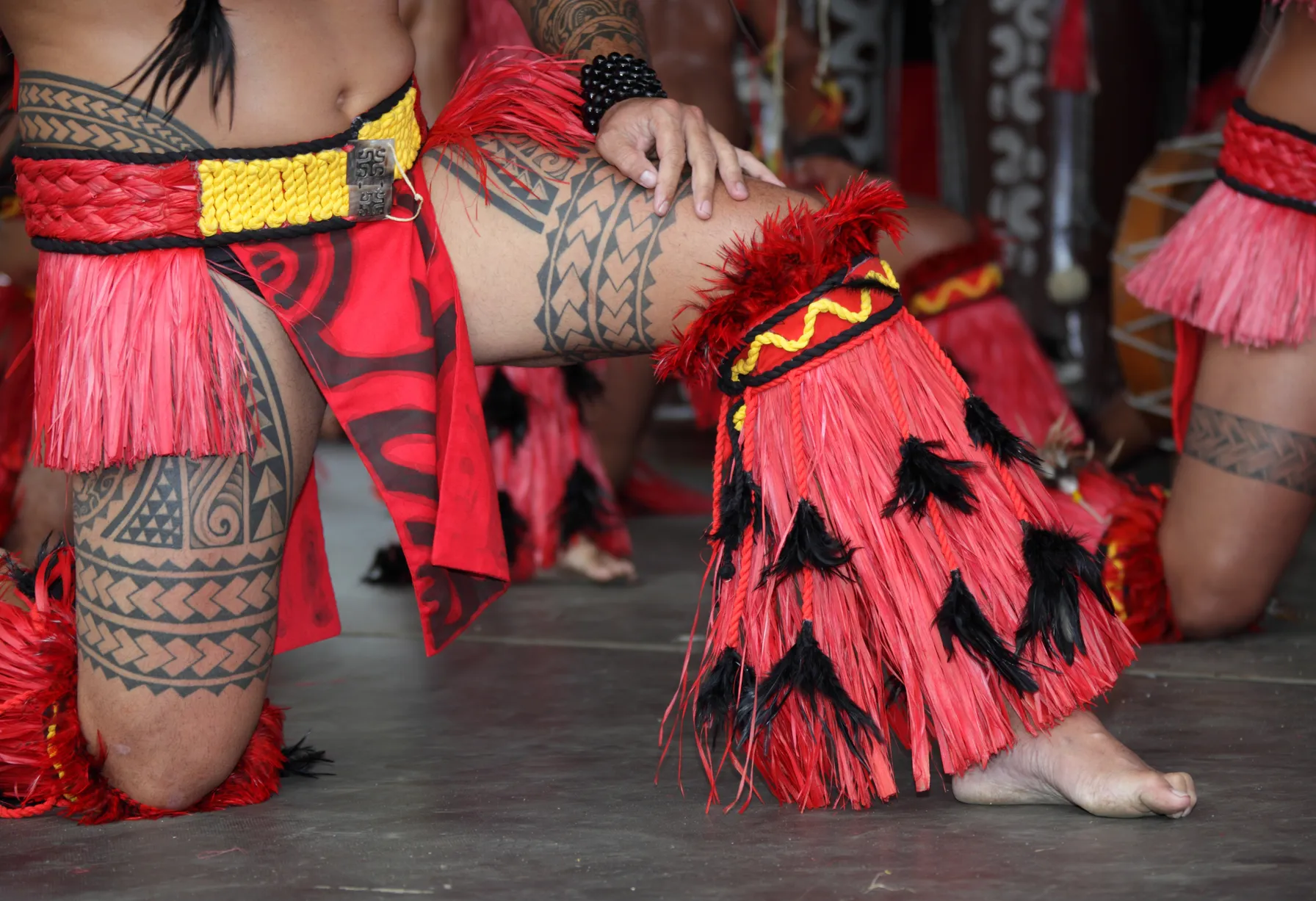
Traditional dance shows are one of the most spectacular expressions of Polynesian culture in Bora Bora. The otea, a fast dance with energetic movements, tells the ancestral legends while the aparima, more graceful, expresses love stories or scenes of daily life through codified gestures.
Traditional costumes, crafted from plant fibers, shells, and feathers, turn each performance into a true living artwork. Polynesian orchestras accompany these dances with traditional instruments: the pahu (drum), guitars, and ukulele, creating a captivating musical atmosphere.
Polynesian songs, or himene, still resonate in churches and during family festivities. These complex polyphonies, inherited both from ancestral oral traditions and missionary influence, constitute a musical heritage unique in the world.
Local craftsmanship and ancestral skills
Bora Bora's crafts perpetuate millennial techniques adapted to the island's natural resources. Artisans primarily work with plant fibers, transforming pandanus leaves into hats, bags, and mats with sophisticated geometric patterns. This practice, passed down from mother to daughter, keeps alive a feminine tradition essential to Polynesian culture.
Wood carving also reveals the artistic mastery of Bora Bora's inhabitants. Sculptors shape tou and tamanu wood to create tikis, umete (traditional dishes), and ritual objects. Each piece tells a story, perpetuating the oral tradition through art.
Boat excursions allow you to discover these artisans' workshops, often set in idyllic settings along the lagoon. This authentic approach offers the opportunity to interact with the creators and understand the cultural meanings of their works.
The cultured pearl, although introduced more recently, is now fully integrated into local crafts. Pearl farms on Bora Bora offer educational tours where you discover grafting techniques and the secrets of forming these jewels of the Pacific.
Contact us for more information on the best cultural experiences
The island also offers participatory workshops where you learn traditional gestures: weaving, making flower crowns, or Polynesian cooking. These learning moments create authentic connections with the local population and enrich your understanding of Bora Bora's culture.
Local markets, particularly that of Vaitape, gather artisans and producers in a typically Polynesian friendly atmosphere. These meeting spaces perpetuate the traditions of exchange and sharing that characterize the society of Bora Bora. You discover local culinary specialties, tropical fruits, and artisanal creations in a relaxed and warm atmosphere.
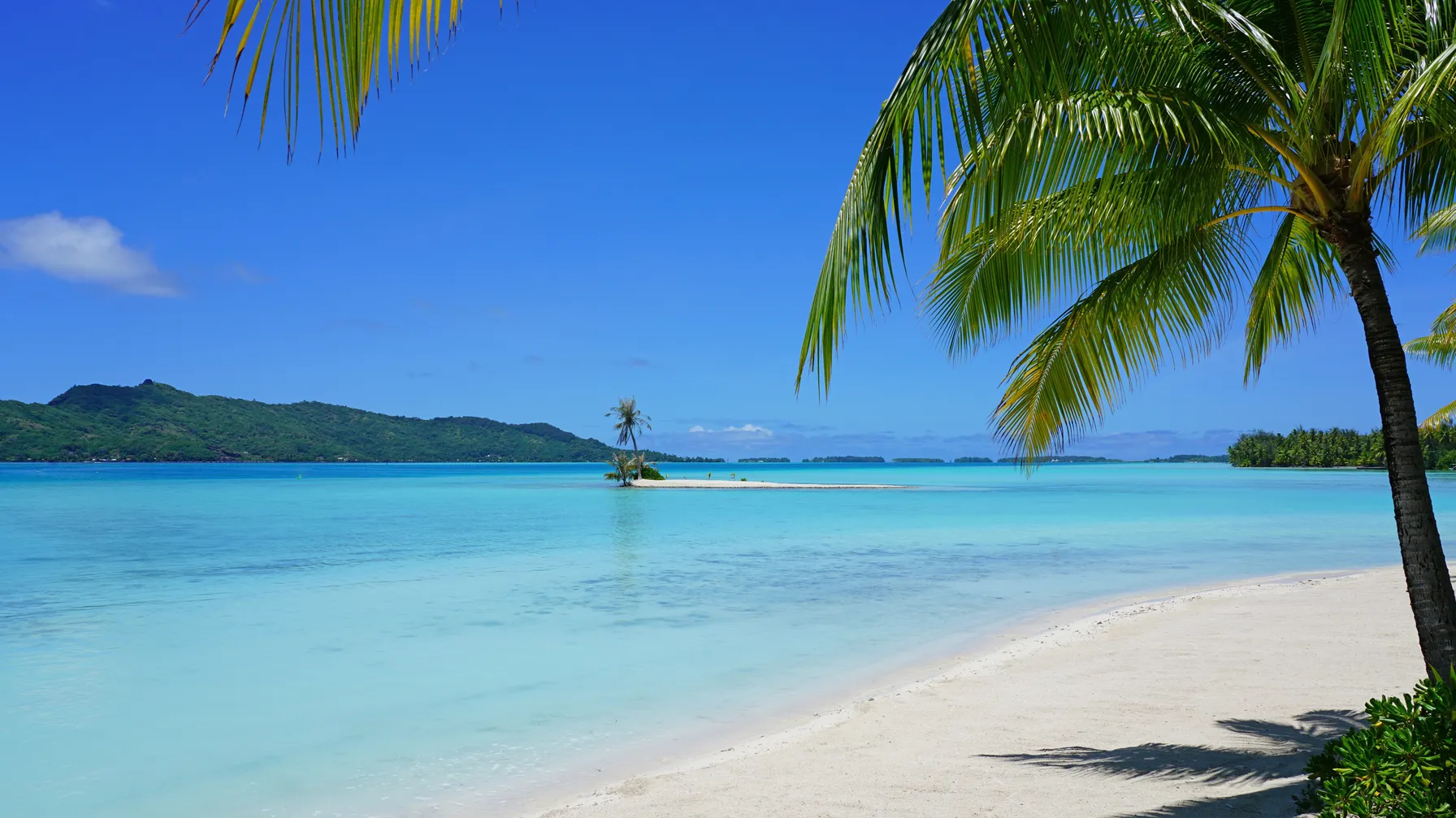
Matira Beach, beyond its exceptional natural beauty, regularly hosts spontaneous cultural events: traditional music concerts, craft demonstrations, or intergenerational meetings where elders pass their knowledge to the younger generations.
Frequently asked questions
What is the best time to discover the culture of Bora Bora?
The dry season, from May to October, offers ideal conditions for exploring the island's cultural heritage. The festivities of Heiva, usually held in July, are an exceptional time to discover the dances, songs, and Polynesian traditions in all their splendor.
Are the cultural sites of Bora Bora accessible to families with children?
Absolutely! Most marae and historical sites are easily accessible and particularly captivate children with their stories and legends. Traditional dance shows and craft workshops are also excellent family activities to immerse in the Polynesian culture.
Can we visit the cultural sites independently or do we need a guide?
Although some sites are freely accessible, having a local guide significantly enriches your discovery. Polynesian guides share legends, explain the spiritual meanings of places, and respect the traditional protocols needed to visit sacred sites.
How to respect local traditions during my cultural visit?
Respecting rahui (temporary bans) and sacred spaces is crucial. Avoid touching the stones of the marae, ask for permission before taking photos of people, and wear appropriate attire during religious or traditional ceremonies.