What to do in Nara: Discovering the ancient capital with sacred deer
What are the spiritual and historical treasures to discover?
The ancient capital is home to architectural wonders that testify to its rich imperial past. These exceptional sites, several of which are UNESCO World Heritage, immerse you in the heart of Japanese spiritual history.
The Todai-ji Temple and its impressive Great Buddha
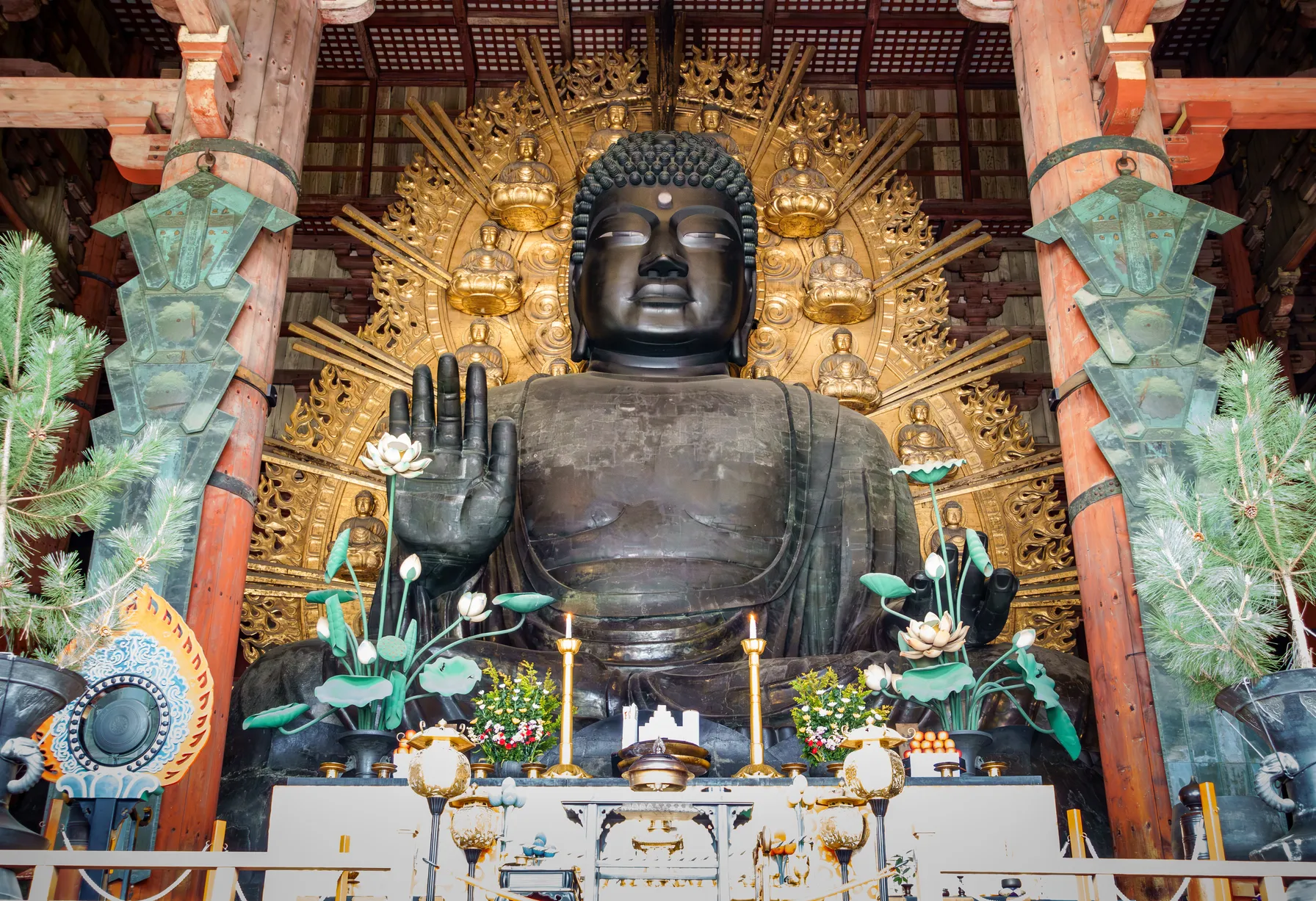
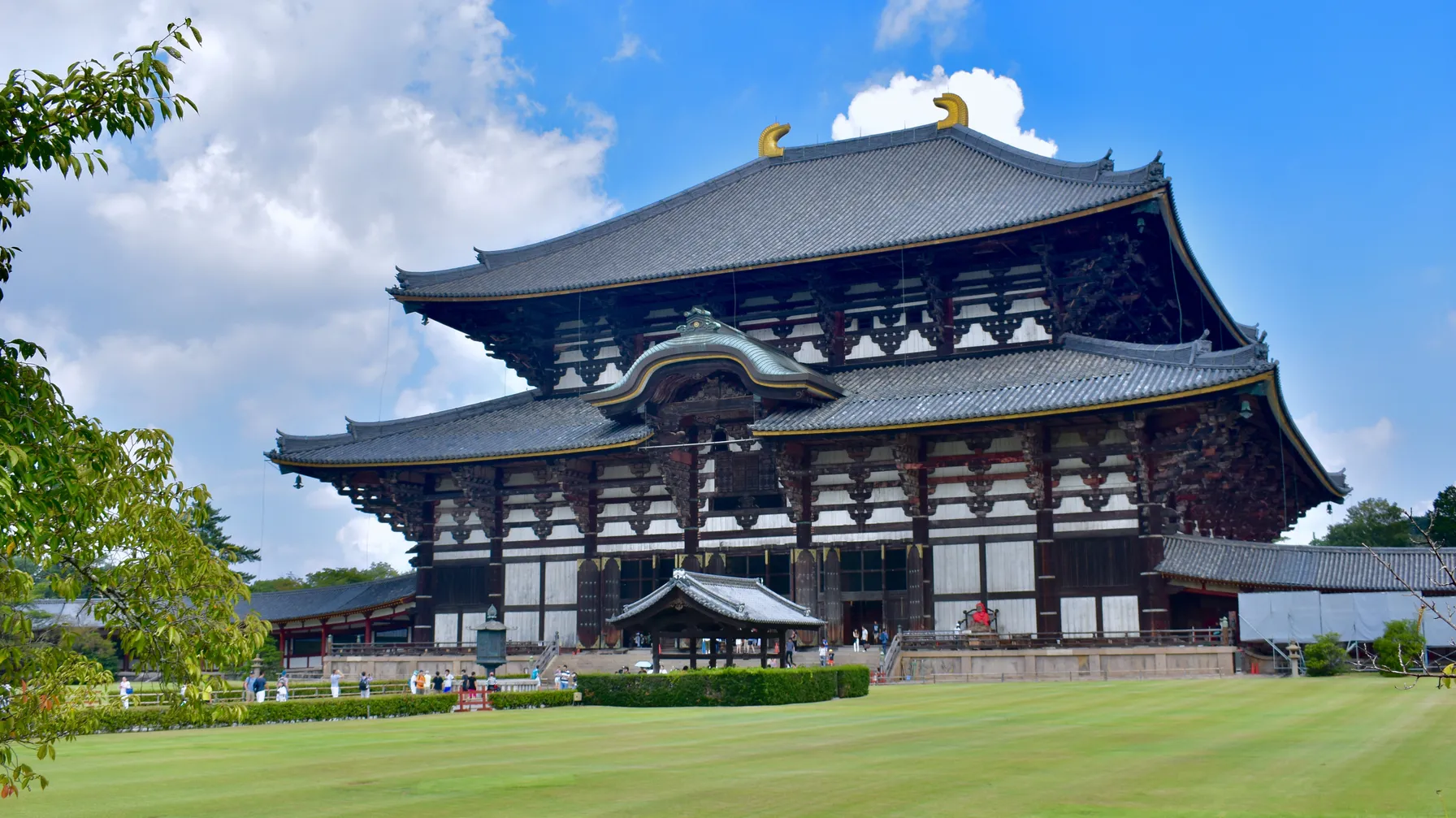
In the heart of Nara Park stands the Todai-ji Temple, a true jewel of Japanese Buddhist art. This large temple houses in its main pavilion, the Daibutsu-den, one of the largest Buddha statues in the world. This monumental bronze sculpture, nearly 15 meters tall, captures your attention as soon as you enter what is the largest existing wooden construction in the world.
The architecture of the temple itself tells a fascinating story: rebuilt several times over the centuries, it illustrates Japanese perseverance and expertise. During your guided tour, you'll discover the ancient techniques used to build this marvel without a single nail. The first rays of the morning provide a special illumination for this visit, creating a unique atmosphere of contemplation.
The Kasuga Taisha Shrine with a thousand lanterns
Not far from the Todai-ji temple, the Kasuga Shrine immerses you in the Shinto world with its thousands of stone and bronze lanterns. This Shinto shrine, established in the 8th century, creates a mystical path through a sacred forest where each step reveals new perspectives on Japanese religious art.
The winding paths of the Kasuga Shrine lead you to bright vermilion pavilions, beautifully contrasting with the surrounding greenery. Twice a year, during the Mantoro festivals, all the lanterns light up simultaneously, transforming the place into a magical spectacle. This unique experience allows you to grasp the sacred dimension that this active place of worship still embodies today.
Buddhist art in ancient temples
Your exploration of temples and shrines continues with the Kofuku-ji temple, recognizable by its five-story pagoda that punctuates the city's skyline. This religious complex reveals an exceptional collection of Buddhist art, especially in its museum which gathers national treasures of inestimable value.
The journey between these various Buddhist temples reveals the evolution of Japanese religious architecture over more than thirteen centuries. Each building tells its own story, from early Chinese influences to purely Japanese innovations, creating a true open-air museum of Japanese spirituality.
Contact us for more information on guided tours of the temples in Nara
Where to experience authentic encounters with nature?
Nature plays a central role in the experience offered by Nara, creating unique moments of communion between man, animal, and the preserved environment.
Nara Park and the unique experience with sika deer
The Deer Park is undoubtedly the most emblematic attraction of your visit to Nara. Over 1200 sika deer roam freely in this vast 600-hectare space, creating scenes of rare poetry in the very heart of the city. These animals, considered national treasures and divine messengers according to Shinto tradition, have developed a special relationship with visitors.
Interacting with these graceful animals requires some precautions, however. They recognize human gestures and do not hesitate to demand special biscuits (shika senbei) sold by local merchants. This privileged encounter with the wildlife offers exceptional photographic moments, especially during the first rays of the sun when the deer gather peacefully under the cherry trees.
Japanese Gardens for Serenity
In the midst of this natural effervescence, the Isui-en Garden invites you to discover Japanese landscaping art in all its subtlety. This traditional Japanese garden, less frequented than the main sites, offers moments of pure contemplation against the backdrop of Mount Wakakusa reflected in its ponds.
The landscaping follows the ancient principles of Japanese gardening: each stone, each bush, each body of water is thoughtfully placed to create perfect harmony. The different seasons transform this place into a living painting, from the flowering cherry trees of spring to the blazing maples of autumn.
Mount Wakakusa and its breathtaking panoramas
Towering over Nara Park at an altitude of 342 meters, Mount Wakakusa offers one of the finest rewards of your visit. The ascent, accessible to all, leads to a natural viewpoint from which the view encompasses the entire Yamato Plain and the surrounding mountains.
This hill takes on a special dimension during the Yamayaki festival at the end of January, when the dry grass is set ablaze in a traditional pyrotechnic display followed by fireworks. This age-old tradition illuminates the winter night and attracts thousands of spectators who come to watch this unique ritual.
Book your trip to Nara now
How to immerse yourself in the traditional soul of the city?
Beyond its iconic sites, Nara reveals its traditional soul through its preserved neighborhoods and authentic cultural activities.
The Naramachi neighborhood and its ancient secrets
The cobblestone alleys of Naramachi transport you to a bygone Japan with its perfectly preserved merchant houses (machiya). This historic district, spared by bombings and modern urbanization, constitutes a true living museum of traditional Japanese architecture.
Your journey leads you from artisan boutiques to artists' workshops, where ancient techniques endure. Traditional houses transformed into museums, such as the Naramachi Traditional Townhouse, reveal the intimacy of daily life in the past. Within these century-old walls, each object tells a story, every architectural detail reveals craftsmanship handed down through generations.
Authentic cultural experiences
Your cultural immersion is complemented by discovering the National Museum of Nara, a true showcase of Japanese Buddhist art. This institution offers a didactic approach to local history through exceptional collections of sculptures, masks, and liturgical objects.
The tea ceremony constitutes another essential facet of your cultural discovery. In the intimacy of a traditional tea house, you learn the millennia-old gestures of this spiritual practice where each movement has a special significance. This contemplative moment allows you to understand the Zen philosophy that still permeates contemporary Japanese life.
The activities in Nara also diversify around local gastronomy. Tasting freshly prepared mochi in traditional shops, especially at Nakatanidou, offers you both a spectacle and a taste experience. The frenetic pace of preparing this rice pastry contrasts with the general serenity of the city, creating moments of shared joy.
When and how to organize your discovery of Nara?
Planning your visit deserves special attention to fully enjoy the riches that this exceptional destination offers.
The best times to visit Nara
Spring and fall are the ideal seasons to visit Nara, offering pleasant weather conditions and landscapes of striking beauty. From March to May, the cherry blossom transforms the park into an ocean of pink petals, creating a poetic contrast with the deer wandering under this floral canopy.
In autumn, from September to November, the city is adorned with flamboyant colors. The maples in the park and gardens dress in red and gold, offering exceptional photographic frames. This period is less frequented than spring, allowing you some privacy with the sites.
Practical tips to optimize your stay
Organizing your day in Nara requires some strategy to avoid the crowds and maximize your experience. The early morning hours offer the best conditions: the deer are calmer, the temples are bathed in golden light, and the tourist influx is limited.
The city is easily explored on foot, with most major sites concentrated within a confined perimeter around the park. This setup allows you to adjust your pace according to your desires: an intense day can encompass all major sites, while a longer stay allows for a deeper discovery including the ancient Heijo Imperial Palace and more remote temples such as Horyu-ji.
For families, the activities on offer are suitable for all ages. Children love interacting with the deer, while adults appreciate the cultural richness of the sites. This diversity makes Nara a perfect destination for multigenerational vacations where everyone finds something to enjoy.
Contact us for more information on the best times to go
Demandez votre devis Nara sur-mesure 100% gratuit
 4.8
4.8+3.000 travelers satisfied