Guide to Nara: Discover the Ancient Japanese Capital and Its Treasures
Why Choose Nara as a Destination?
This remarkable destination transports you to an authentic Japan, far from urban hustle. Discover why so many travelers consider this stop a must during their Japanese journey.
An Ancient Capital Rich in History
As the first permanent capital of Japan from 710 to 794, Nara retains an exceptional architectural heritage. The influence of Buddhism and Tang China is evident in every monument, creating a unique atmosphere. This prosperous period has bequeathed artistic treasures of rare beauty, testaments to the golden age of Japanese civilization.
The history of Japan comes alive through the fascinating stories that local specialists can convey. Each stone, each sculpture tells of a bygone era when emperors and monks shaped Japanese cultural identity. This historical richness transforms your visit into a true journey through time.
Unique experiences in contact with nature
Nara Park offers a perfect symbiosis between spirituality and nature. These sacred deer, divine messengers according to Shinto tradition, create a magical atmosphere you won't find anywhere else. Their benevolent presence adds a poetic dimension to your exploration of the ancient temples.
This privileged interaction with local wildlife is particularly enchanting for families. Your children will keep unforgettable memories of these touching encounters, while you will appreciate the serenity of the sites. The experience goes far beyond mere tourism to become a true communion with the Japanese spiritual essence.
Book your trip to Nara now
Demandez votre devis Nara sur-mesure 100% gratuit
 4.8
4.8+3.000 travelers satisfied
When to plan your visit to Nara?
Meteorology and tourist influx significantly influence your experience. Choosing the ideal time optimizes your discovery of this exceptional destination.
The best times according to your expectations
Spring (April-May) and autumn (September-October) are the best times to visit Nara. The pleasant temperatures, ranging from 15 to 25°C, make the most of outdoor walks. The cherry blossoms in spring or the vibrant colors of autumn add stunning beauty to the landscapes.
Summer remains manageable despite the heat and humidity. This season offers the advantage of lush vegetation that enhances the traditional gardens. Winter, though more rigorous, nonetheless offers striking photographic opportunities, especially when the snow adorns the temple roofs with a pristine mantle.
Optimize your planning to avoid the crowd
A day in Nara is generally enough to explore the main sites, but starting early maximizes your comfort during the visit. The early morning hours allow you to enjoy the tranquility of the places before the arrival of tourist groups. This strategy is particularly wise during the high season.
Weekends attract more Japanese visitors, so prefer weekdays if your schedule allows. This approach guarantees a more intimate experience and optimal conditions for capturing your discoveries.
How to plan your discovery of Nara?
Careful preparation transforms your visit into a memorable experience. Discover the secrets of a perfectly orchestrated day in the ancient capital.
The must-see sites to explore
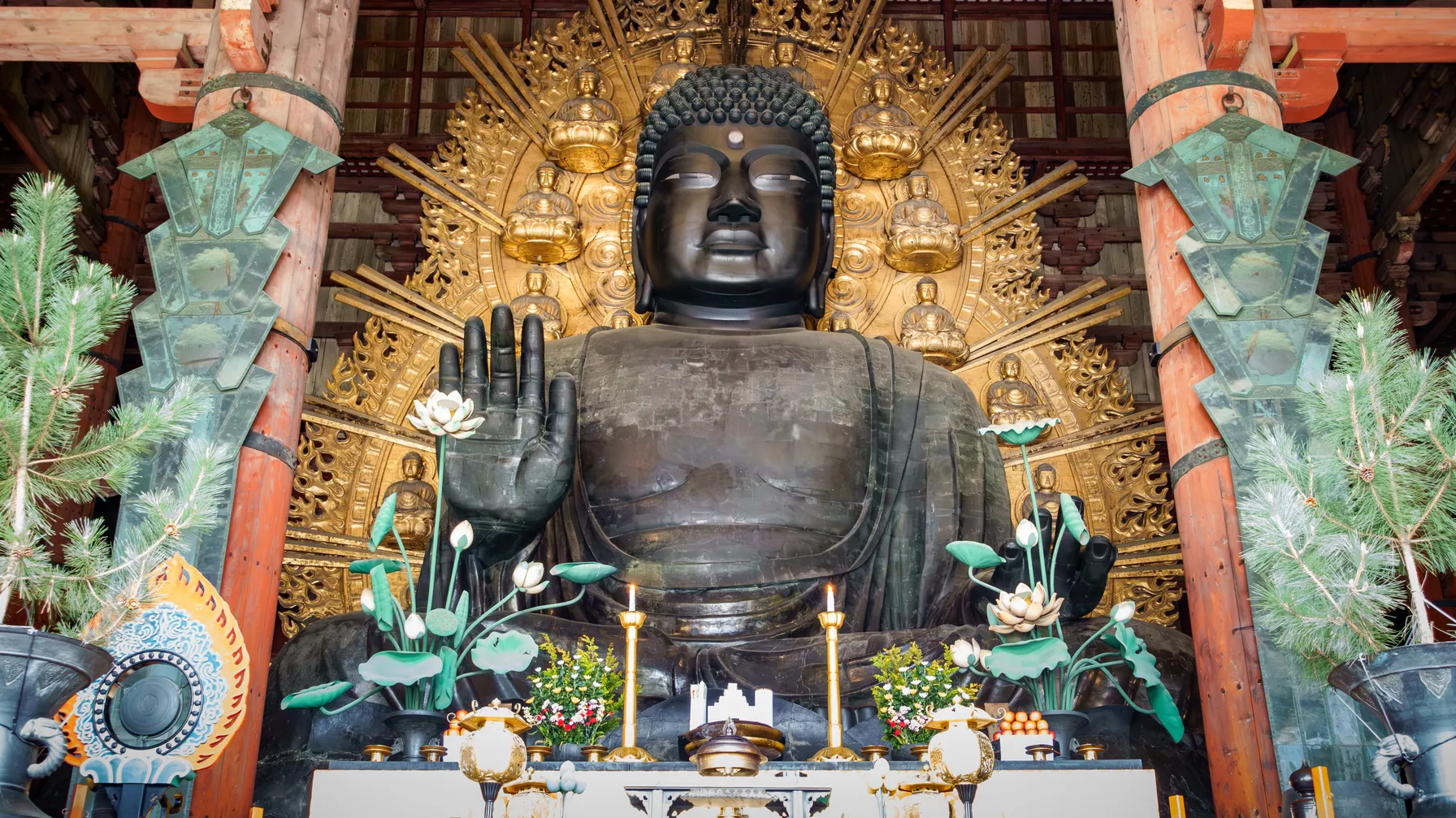
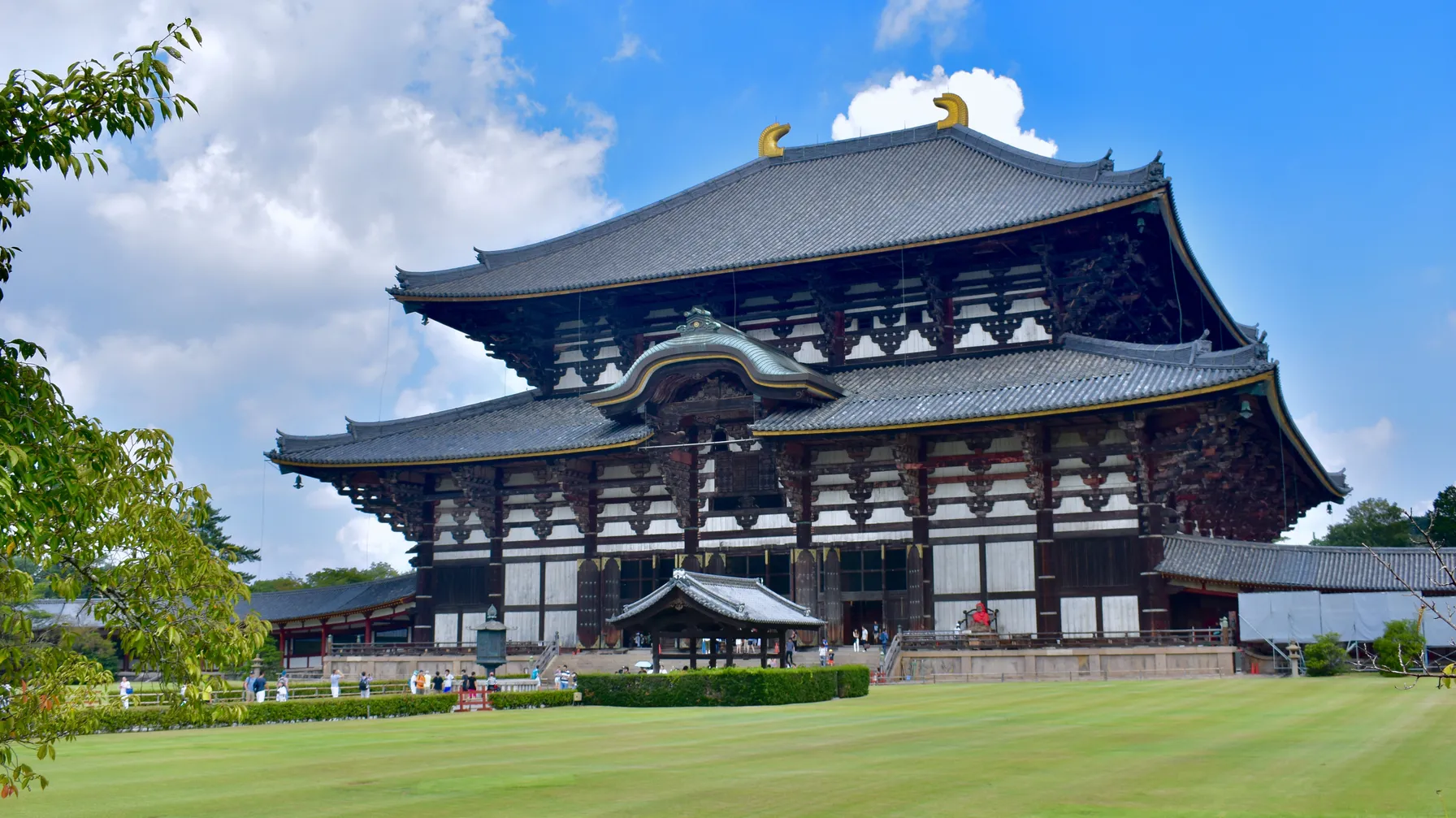
The Todai-ji Temple is the highlight of your Nara visit. This architectural marvel houses the largest bronze statue of Buddha in Japan, standing 15 meters tall. The building itself impresses with its colossal size and its all-wood construction.
The Kasuga Shrine, a World Heritage site, will marvel you with its thousands of stone and bronze lanterns. This sacred site dedicated to Shinto deities creates a particularly striking mystical atmosphere at dusk. The walk leading there passes through a forest of centuries-old cedars, adding to the magic of the place.
The traditional district of Naramachi also deserves your attention. Its authentic souvenir shops and century-old tea houses immerse you in the Japan of yesteryear. This shopping break allows you to acquire unique artisan creations while discovering the local way of life.
Practical information for a successful day
Access from Kyoto or Osaka is easily accomplished by train in less than an hour. Both JR and Kintetsu lines serve the destination regularly, with affordable fares ranging from about 1000 to 2000 yen per trip. Your Japan Rail Pass, if you have one, covers part of these trips.
A guided tour with a French-speaking guide greatly enhances your understanding of the sites. These Japan specialists share fascinating anecdotes and reveal lesser-known aspects of the local culture. Their expertise helps you avoid tourist traps while optimizing your time on site.
Plan on wearing comfortable shoes as walking is the main part of your activity. A respectful attire is required for visiting temples, so avoid too casual clothes. Don't forget your camera and some coins to buy special biscuits for the deer.
The local gastronomy deserves your attention with specialties like kakinoha-zushi (sushi wrapped in persimmon leaves) or flavored mochis. Traditional downtown restaurants offer an authentic cuisine that perfectly complements your cultural immersion.
Contact us for more information on the best times to visit
Your discovery of Nara is enriched with a unique spiritual dimension that leaves a lasting impression. This ancient capital reveals its secrets to those who take the time to tame it, creating unforgettable memories for you and your loved ones.