When to visit South Africa: Complete guide to choosing your ideal time
What is the best time according to your travel desires?
The question 'when to visit South Africa' finds its answer in your personal expectations. This multifaceted country can be visited all year round, but each season unveils particular advantages depending on the regions and your interests.
Demandez votre devis South Africa sur-mesure 100% gratuit
 4.8
4.8+3.000 travelers satisfied
September to April: The warm season for beaches and nature
The high season corresponds to the Southern Hemisphere summer, a time when warm temperatures transform South Africa into a paradise for sun lovers. This best time to explore the Cape region ensures a Mediterranean climate with sunny days and average temperatures ranging between 20°C and 28°C.
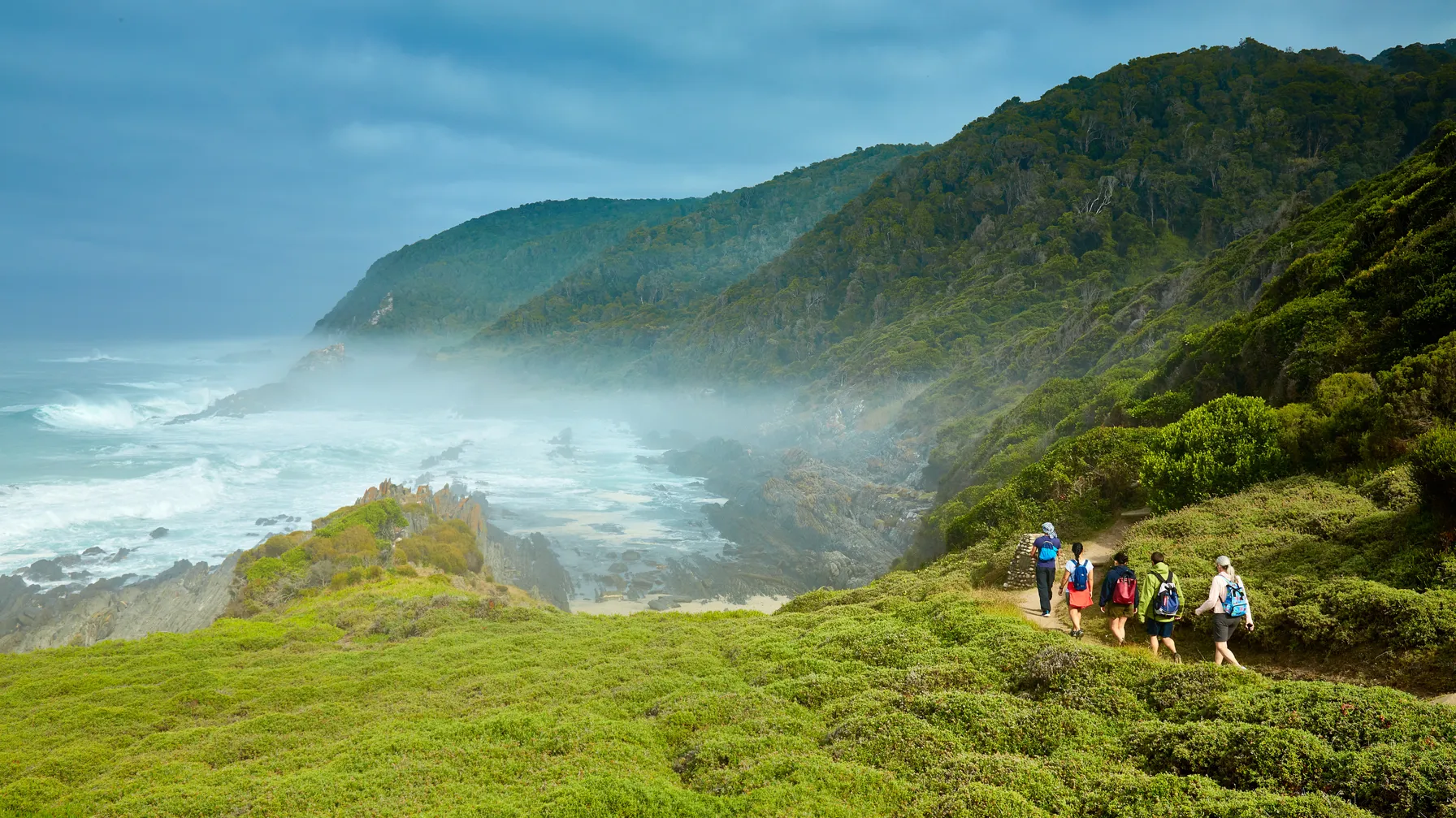
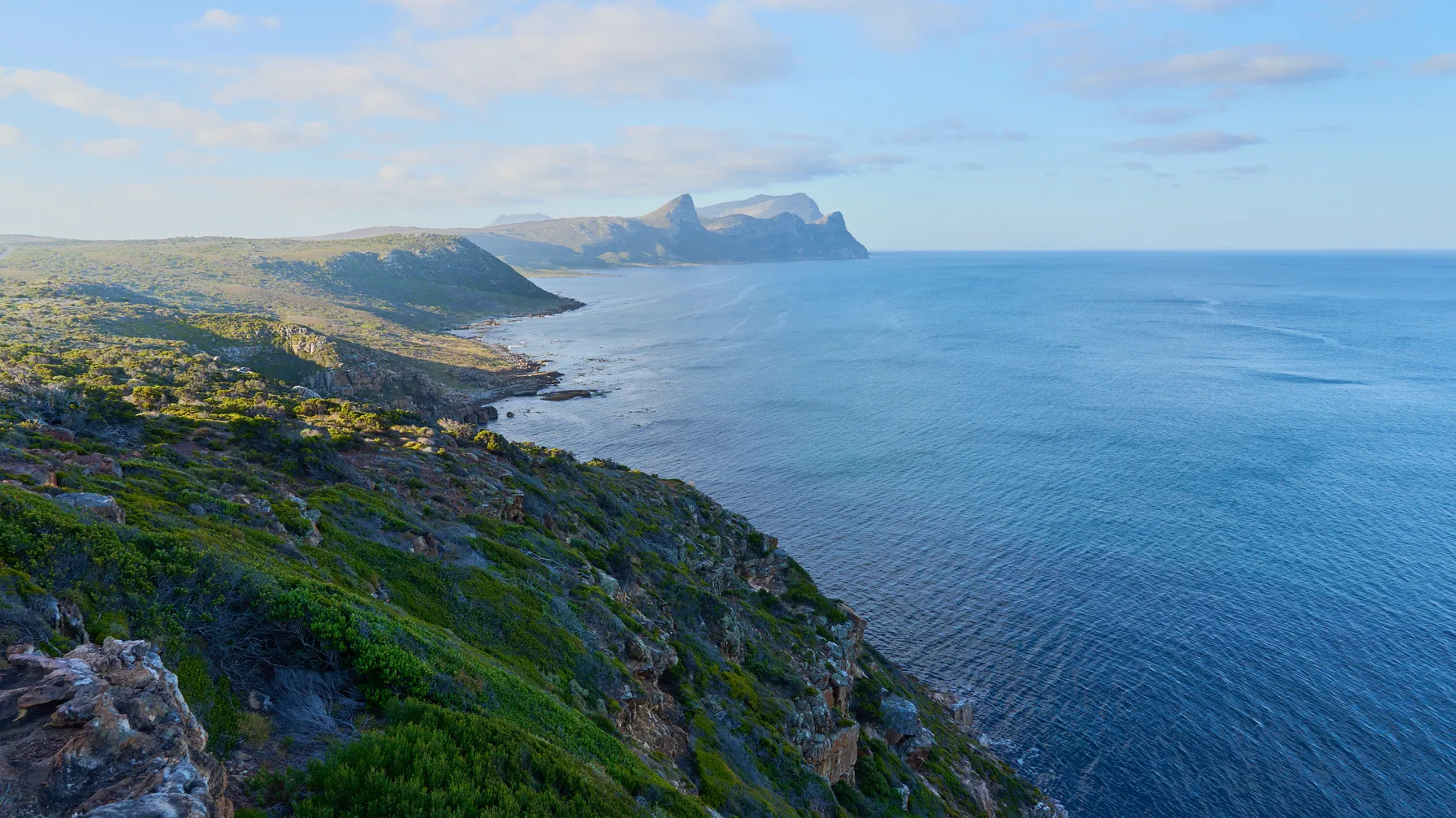
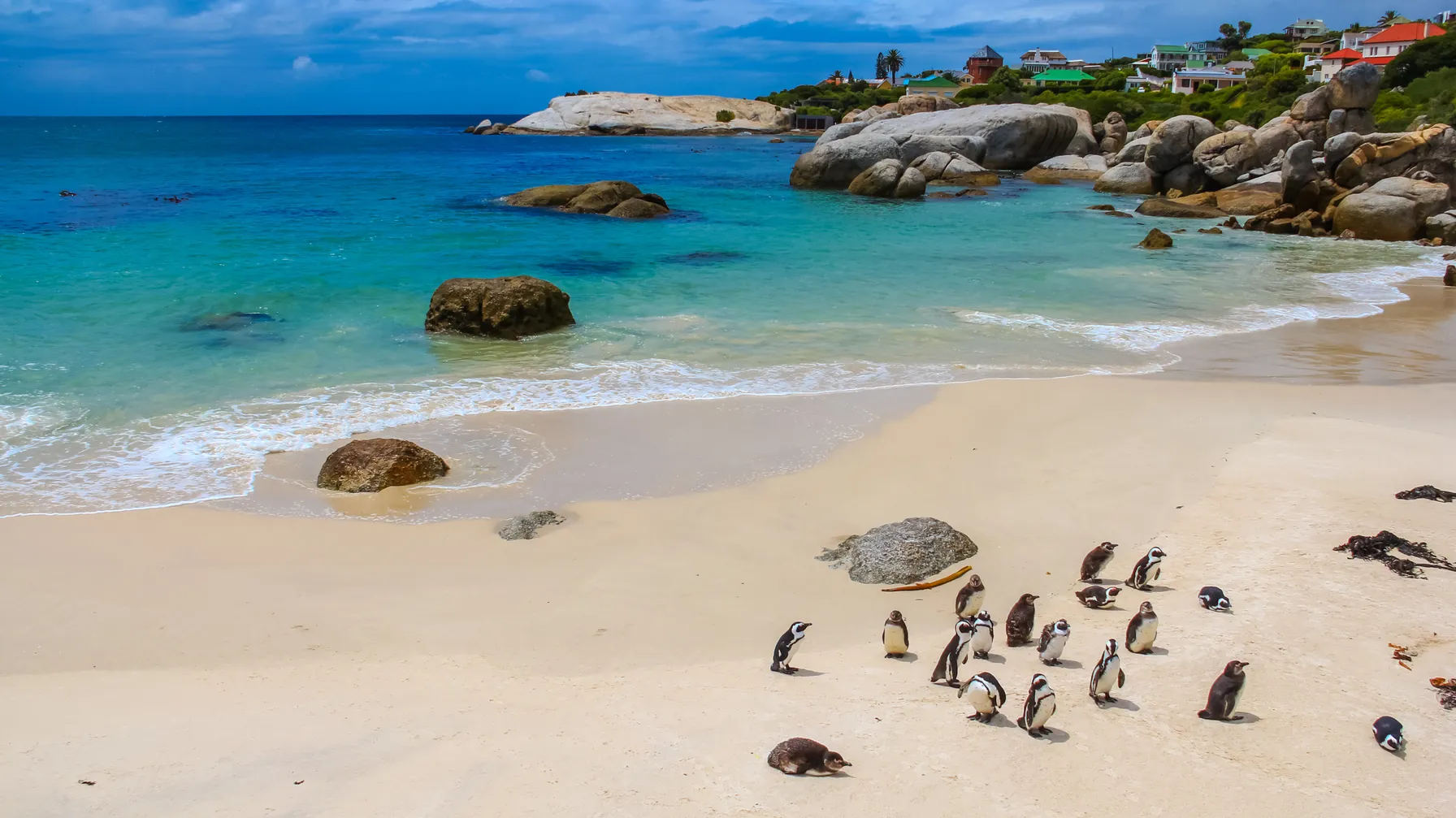
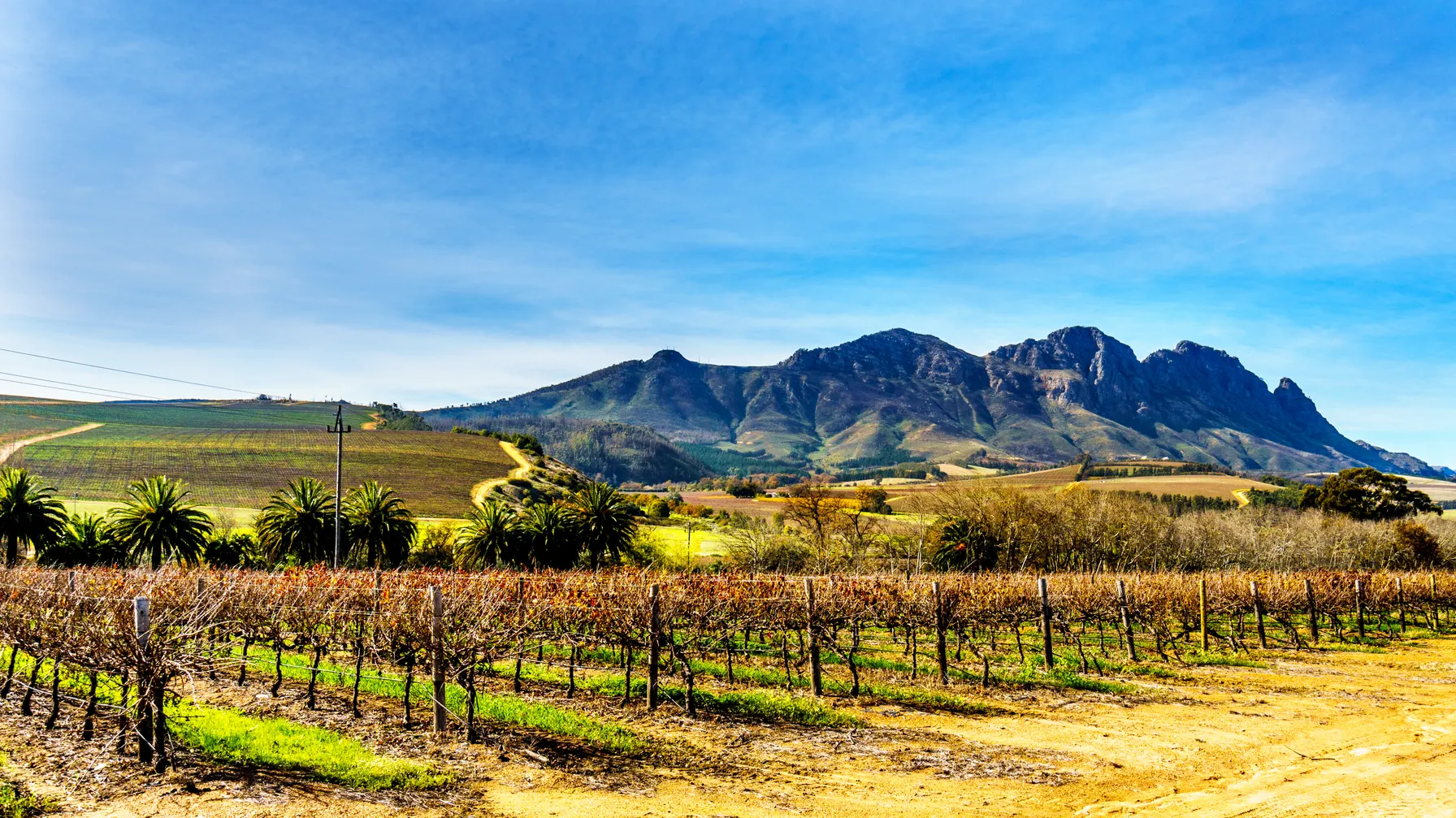
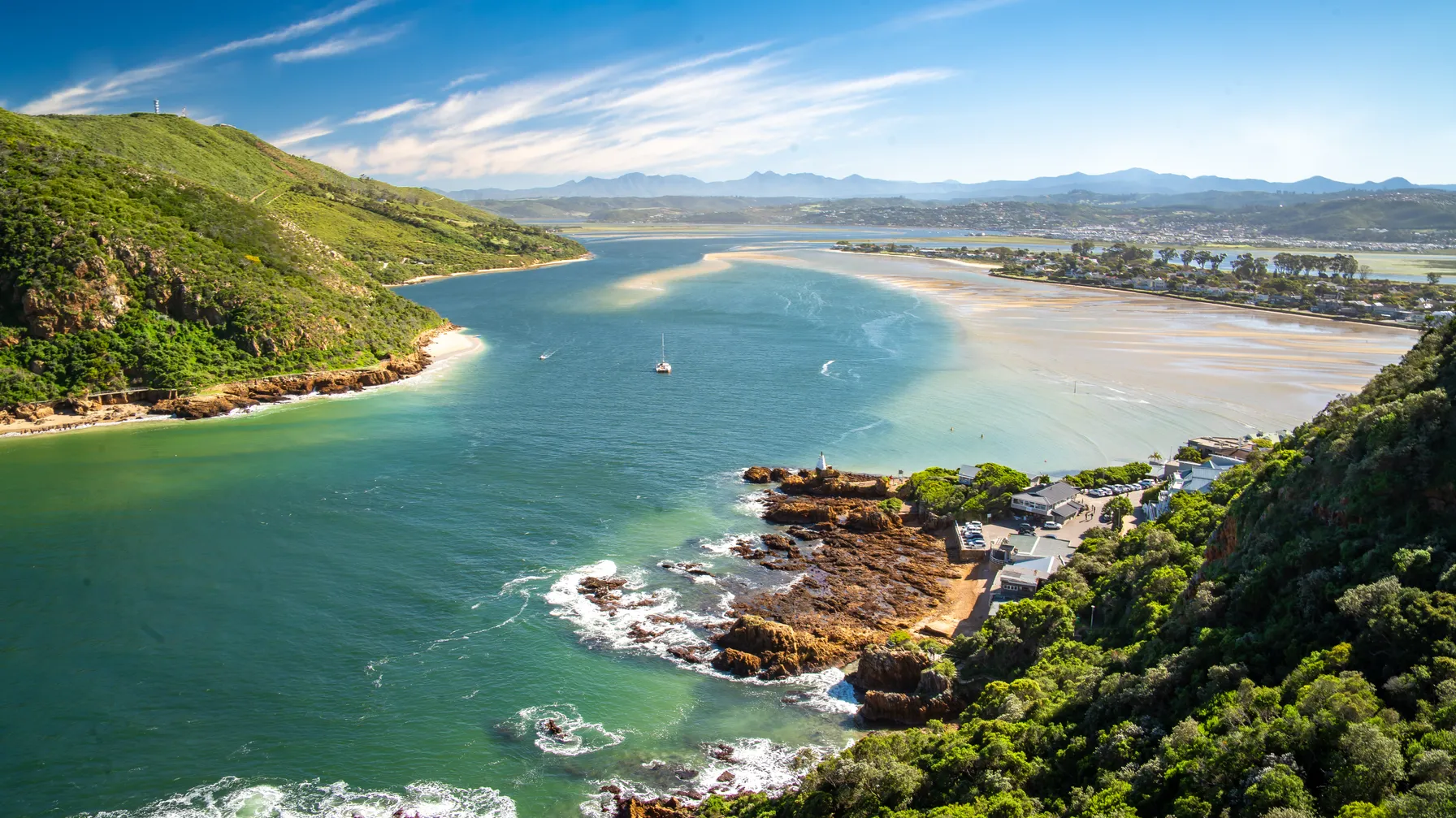
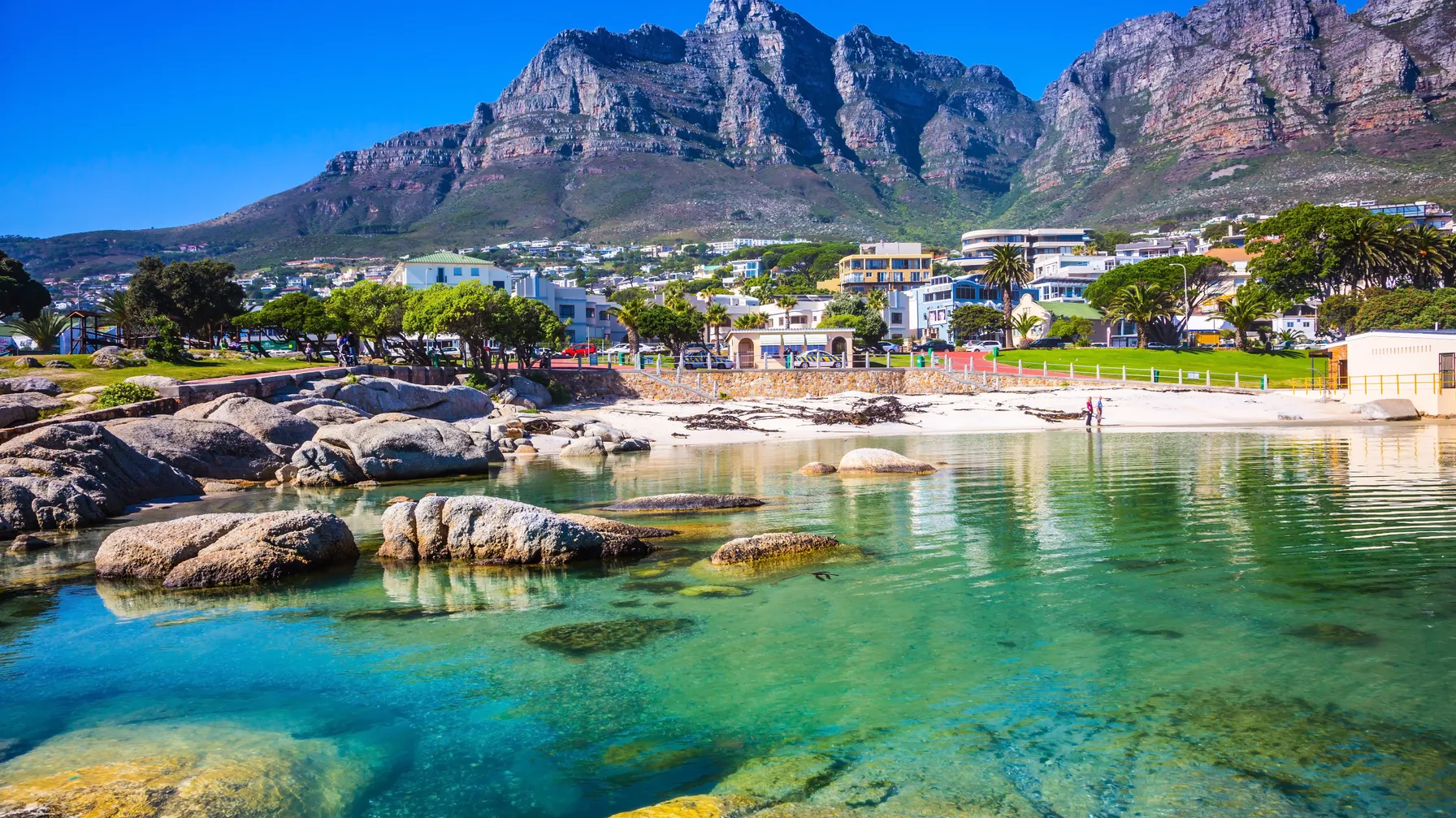
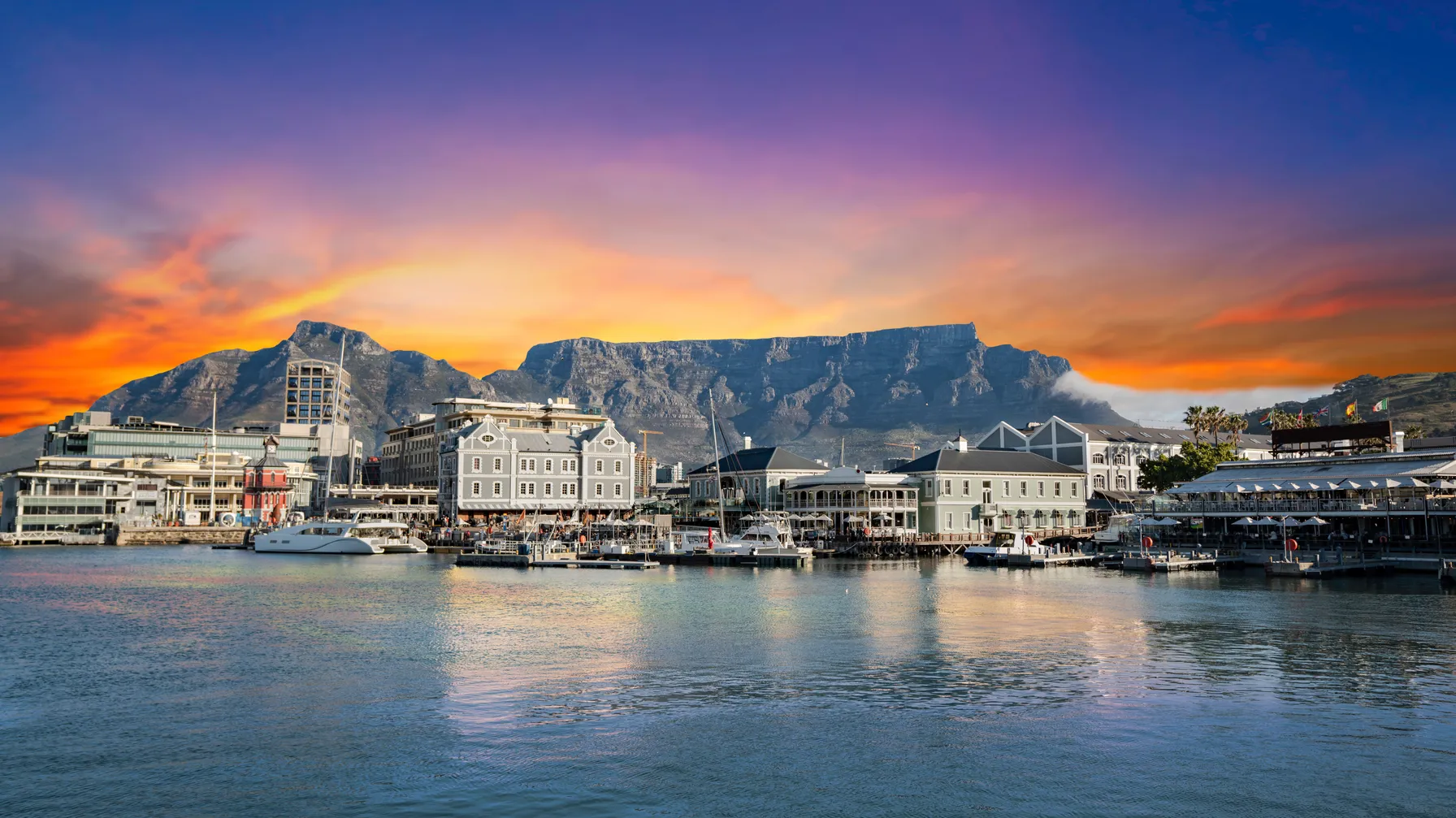
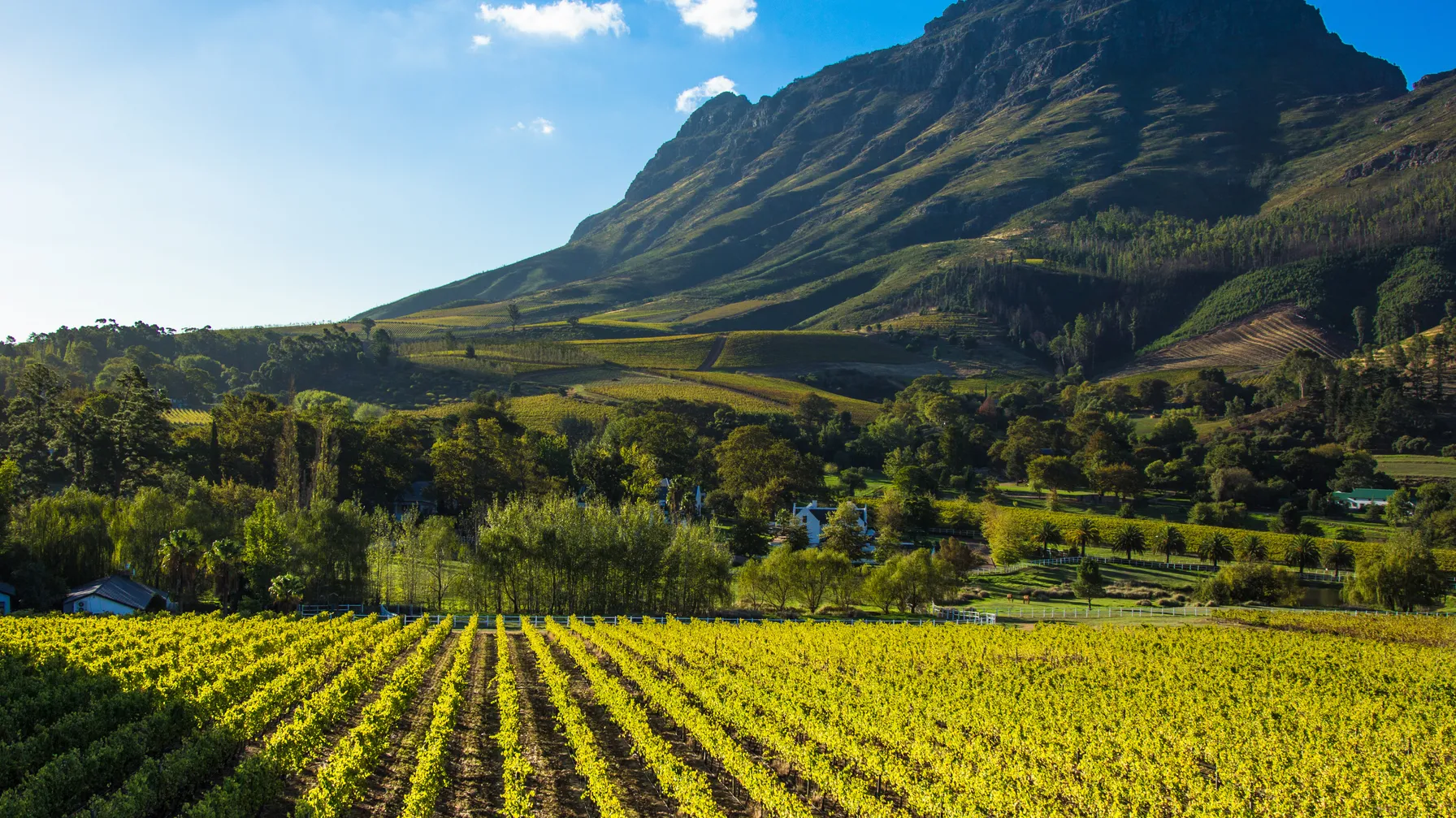
During these months, Cape Town reveals all its splendor with its fine sandy beaches and vineyards bathed in golden light. The temperatures of the Atlantic Ocean reach their peak around January and February, making swimming particularly enjoyable. This season is also the ideal time to explore the Garden Route, where lush vegetation offers breathtaking landscapes.
September marks a particularly interesting transition. The last southern whales still skirt the coasts before their migration, while temperatures gradually increase. This period allows you to combine marine observation and the first warm days, creating a perfect balance for your family trip.
Contact us for more information on the best times to go
May to September: the ideal Southern winter for safaris
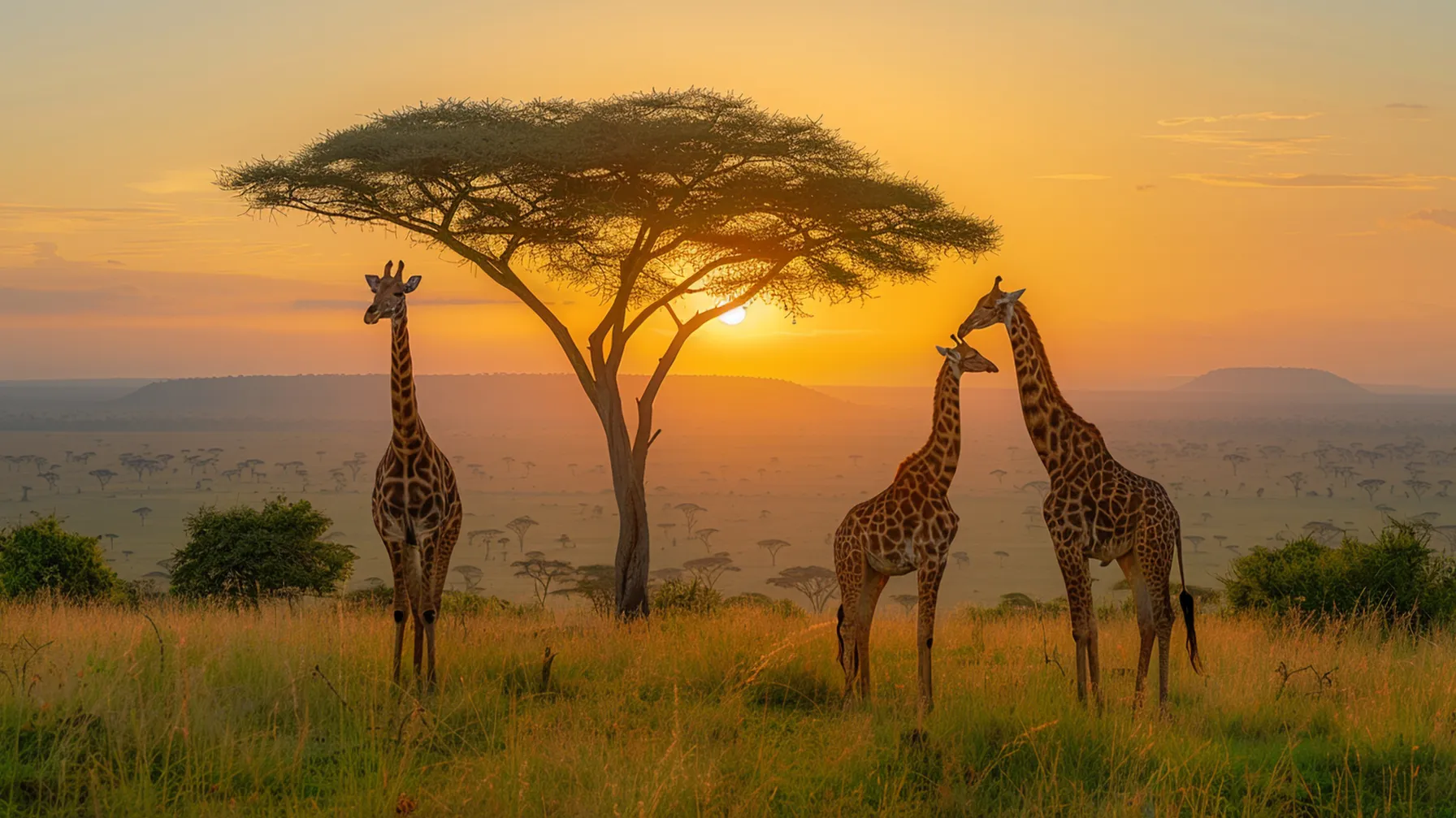
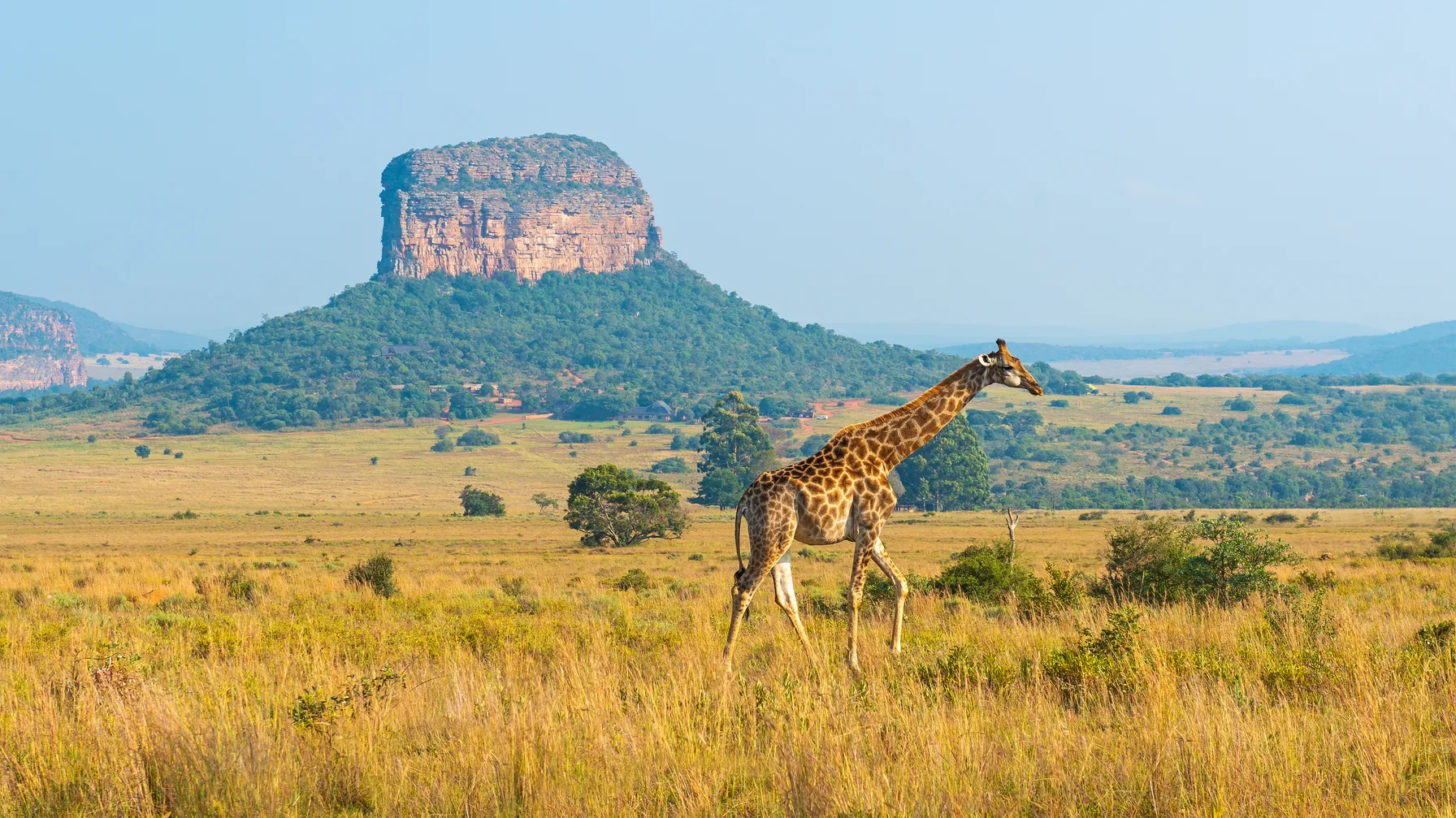
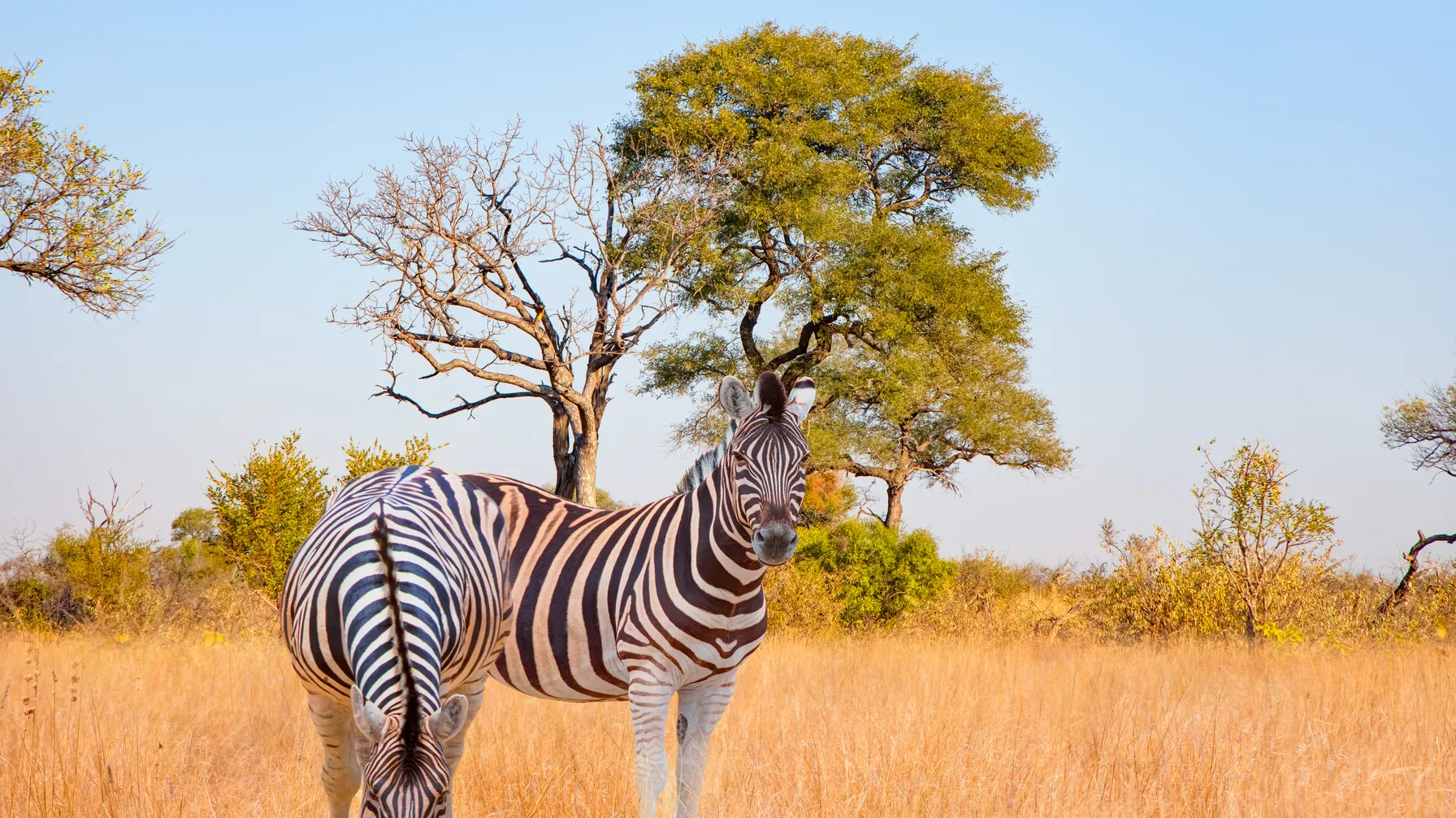
The Southern winter radically transforms the South African experience. Contrary to popular belief, this dry season is the best season for a safari in Africa. The cooler temperatures and lack of rainfall concentrate animals around water points, making them easier to observe.
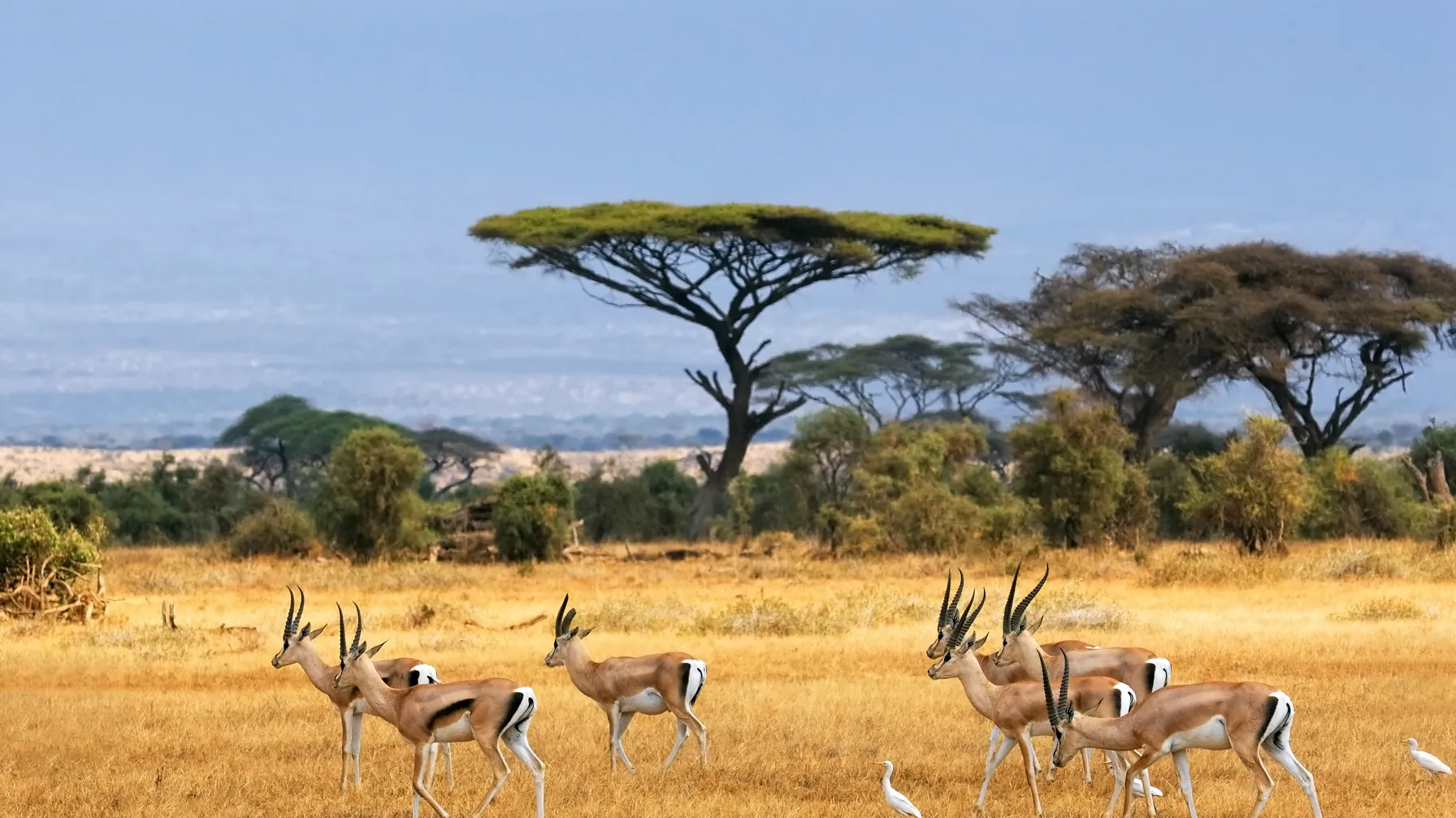
Kruger National Park then reveals its best-kept secrets. Sunny days with temperatures around 20°C to 25°C create perfect conditions for exploring African wildlife. The cool mornings, sometimes close to 5°C, add an authentic dimension to your game drives.
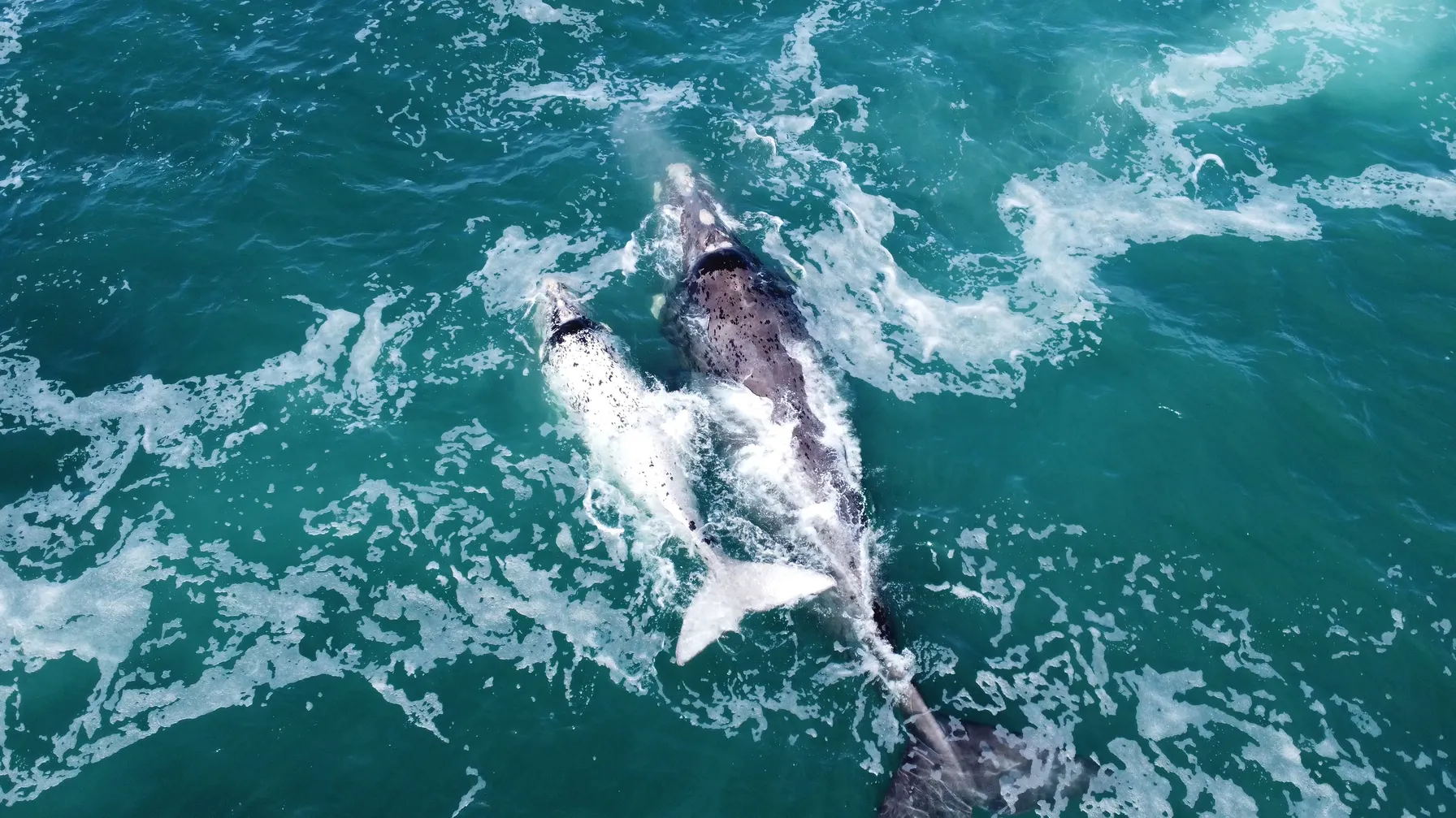
This period also coincides with the whale watching season along the west coast. Hermanus then becomes a privileged observation point where you can admire these sea giants from the mainland. The months from June to August offer the best opportunities for this unique experience.
How to choose your destination based on regional climate?
South Africa presents a remarkable climatic diversity which varies considerably from one region to another. This mosaic of microclimates directly influences the choice of your destinations according to the period of your travel.
Cape Town and the Cape region
The Mediterranean climate of the Cape region creates particularly favorable conditions from September to April. During this period, rainfall is rare and sunny days follow one another. Nighttime temperatures remain mild, rarely falling below 15°C, allowing you to fully enjoy evenings on the terrace.
The southern winter brings about a notable transformation with more frequent rainfall, particularly between May and September. These rains, although refreshing, do not hinder tourist visits. They nourish the fynbos vegetation, creating spectacular carpets of wildflowers in the Namaqualand region in spring.
The southeast winds, nicknamed 'Cape Doctor,' blow mainly in summer, bringing welcome coolness on the hottest days. This climatic feature makes the summer temperatures perfectly bearable, even during heat peaks.
KwaZulu-Natal and the east coast
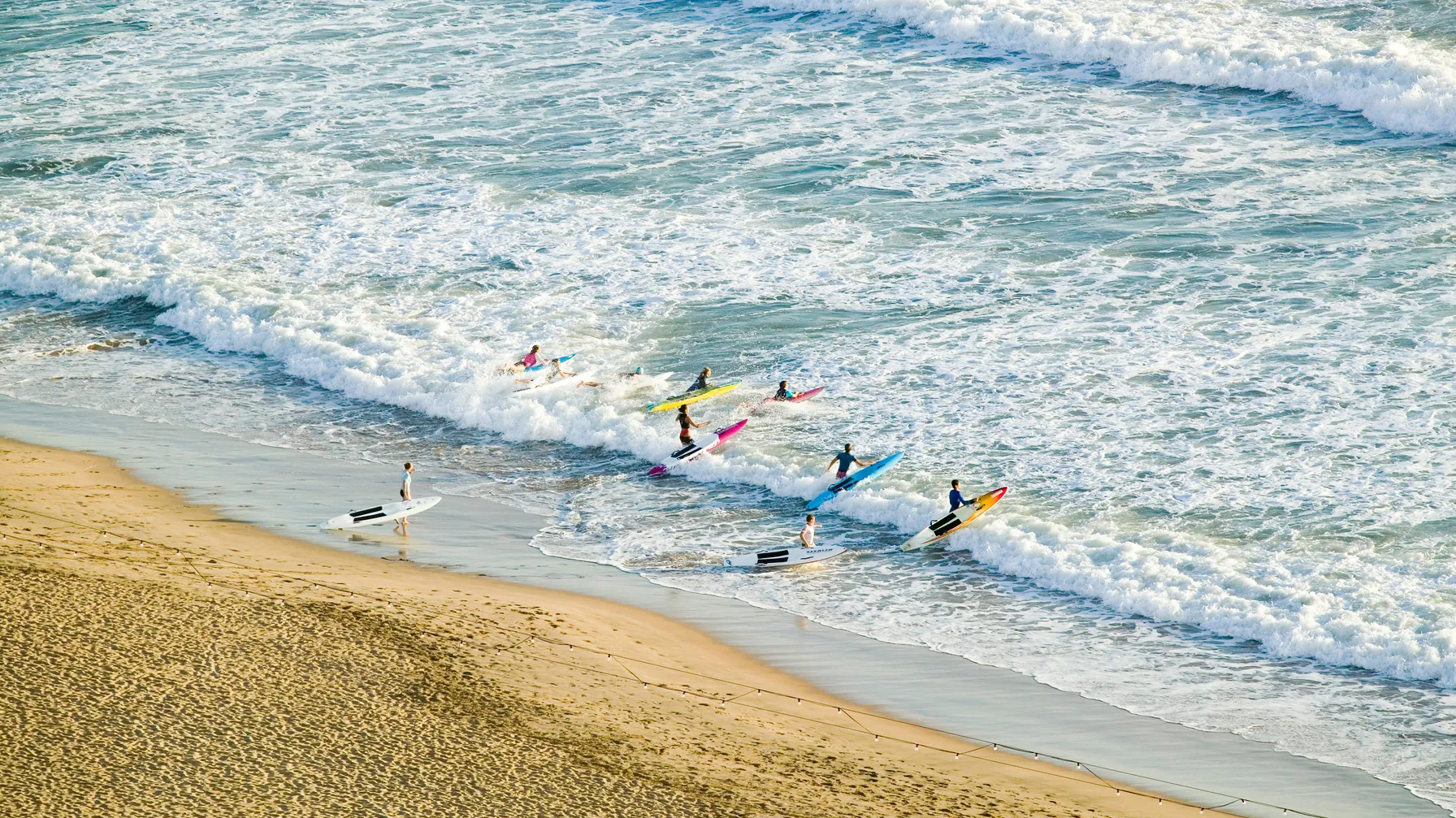
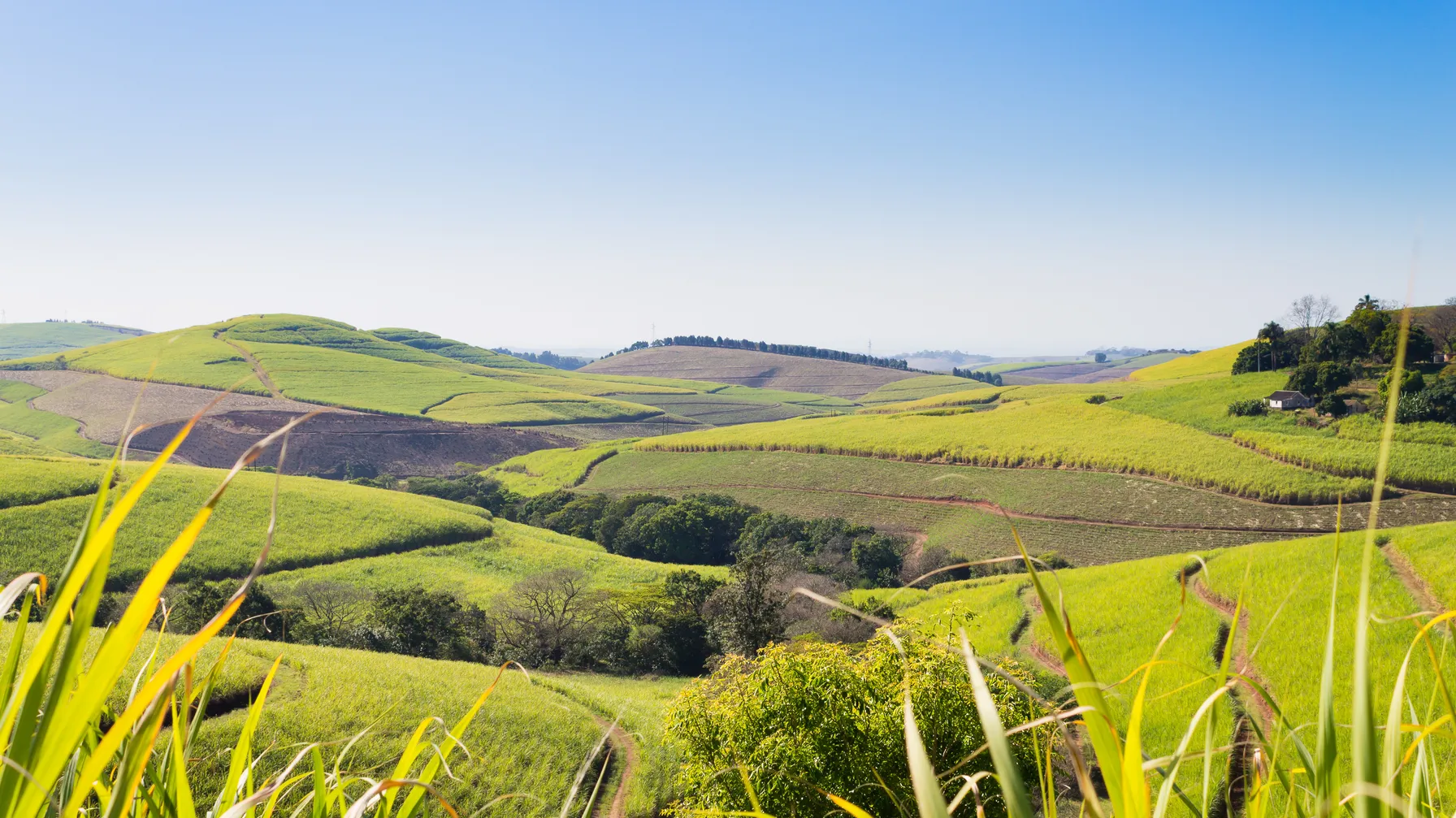
The KwaZulu-Natal province enjoys a subtropical climate which significantly differs from that of Cape Town. The Indian Ocean temperatures, higher than those of the Atlantic, allow for year-round swimming. During the southern summer, the water easily reaches 25°C to 26°C, creating ideal conditions for water activities.
The rainy season, concentrated between October and March, brings precipitation in the form of short but intense showers. These tropical rains refresh the atmosphere without compromising your activities, as they usually occur at the end of the day. The higher humidity, however, requires an adaptation in clothing with breathable fabrics.
Durban, a dynamic metropolis of this region, reveals its multicultural charm all year round. The southern winter months, from May to September, offer particularly pleasant conditions with mild temperatures around 20°C to 23°C and reduced humidity.
Book your custom trip to South Africa now
What does each season hold in South Africa?
Each time of the year unveils unique facets of this country with a thousand faces. This month-by-month approach helps you synchronize your expectations with the seasonal realities.
Southern summer: December to February
The months of January and February correspond to the heart of the South African summer. This period combines high temperatures and maximum tourist influx, especially during the end-of-year holidays. The national parks then reveal lush vegetation, transformed by the summer rains.
Kruger Park experiences its birth season, offering privileged views of young animals. However, the dense vegetation can complicate safaris, sometimes requiring more patience to spot wildlife. High temperatures, often above 30°C, recommend morning and late afternoon safaris.
This period coincides with the South African school holidays, leading to increased prices and greater tourist site attendance. Anticipating your reservations becomes essential to ensure availability of your favored accommodations and activities.
Southern winter: June to August
The Southern winter offers exceptional conditions to discover the authentic soul of South Africa. The milder temperatures, particularly enjoyable in the inland regions, create optimal visiting comfort. Johannesburg then benefits from a dry and sunny climate with daytime temperatures around 18°C to 20°C.
This season transforms the coastline into a theatre of extraordinary marine observations. Southern right whales travel along the south coast, offering striking natural shows from Walker Bay or the Cape Peninsula. These marine giants perform their annual migration, creating moments of intense emotion for nature enthusiasts.
The national parks reveal their most accessible facet. Sparse vegetation makes wildlife observation easier, while moderate temperatures allow for extended safaris without discomfort. This period also represents an opportunity to discover lodge accommodations at more advantageous rates.
Which month best suits your traveler profile?
Your traveler personality directly influences the choice of your departure period. This personalized approach guides you to the best period according to your priorities and constraints.
For families seeking a balance between discovery and relaxation, the months of October and November offer optimal conditions. Temperatures remain pleasant without being excessive, allowing children to fully enjoy outdoor activities. This period also avoids summer crowds while benefiting from a favorable climate.
Couples seeking privacy should opt for May and September, transition months that offer authentic experiences away from the tourist crowds. These periods reveal changing landscapes, particularly spectacular during the blossoming of wildflowers or the autumnal colors of the vineyards.
Adventure and safari enthusiasts will find their bliss between June and August. This dry season eases movement in national parks and increases opportunities for animal observation. Stable weather conditions also allow for the planning of outdoor activities like hiking in the Drakensberg.
The climate in Africa varies by region, necessitating a tailored approach to your itinerary. A family trip during European school holidays aligns perfectly with the austral winter, creating ideal conditions to explore the country's rich cultural and natural heritage.
Our tip for optimizing your stay: combine several regions based on their seasonal specificities. Start with Cape Town for its Mediterranean climate, continue to national parks during the dry season, and finish by the east coast for its warm waters. This approach ensures a comprehensive experience, adapted to local climate variations.
Contact us for more information