Culture of South Africa: an identity to discover along the journey
What shapes South Africa's cultural and historical identity?
To grasp the depth of what you will discover on site, it is useful to understand the major forces that have shaped this extraordinary society. The country's history and the diversity of its peoples are at the heart of every cultural journey in South Africa.
A turbulent history, the founding of a nation
South Africa has lived through particularly intense periods. The arrival of Dutch colonists at the Cape in 1652, British domination, the Anglo-Boer War, and above all apartheid, this regime of racial segregation, profoundly marked the local society. In 1994, Nelson Mandela's election as the country's first black president opened a new page, that of a national reconciliation as fragile as it is essential. This past, as complex as it is, is observed everywhere: in museums, monuments, and literary works. In Johannesburg, the Apartheid Museum traces this period with startling clarity. In Cape Town, Robben Island, listed as a UNESCO World Heritage Site, remains one of the most emotionally charged sites in the country. It is there that Nelson Mandela was imprisoned for twenty-seven years. Visiting these places is to take the measure of a history that still resonates today.
A mosaic of peoples, languages, and beliefs
The culture of South Africa draws its strength from its diversity. The country recognizes eleven official languages in its constitution, among which Zulu, Xhosa, Afrikaans and English. This linguistic plurality reflects the richness of the ethnic groups that make up the population: Zulus, Xhosas, Ndebele, Basotho, Afrikaners... each brings their own rites, artistic expressions and oral traditions. This cohabitation, sometimes difficult to navigate through history, is today a source of national pride. It is felt in music, in gastronomy and in the arts, where influences mingle to give birth to something truly singular.
Book your trip to South Africa now and let yourself be surprised by the richness of its culture.
Which sites and traditions bear witness to South Africa's heritage?
Between tangible heritage and living traditions, the culture of South Africa offers a palette of experiences particularly varied. Here are the must-see highlights to include in your itinerary.
Iconic monuments and distinctive architecture
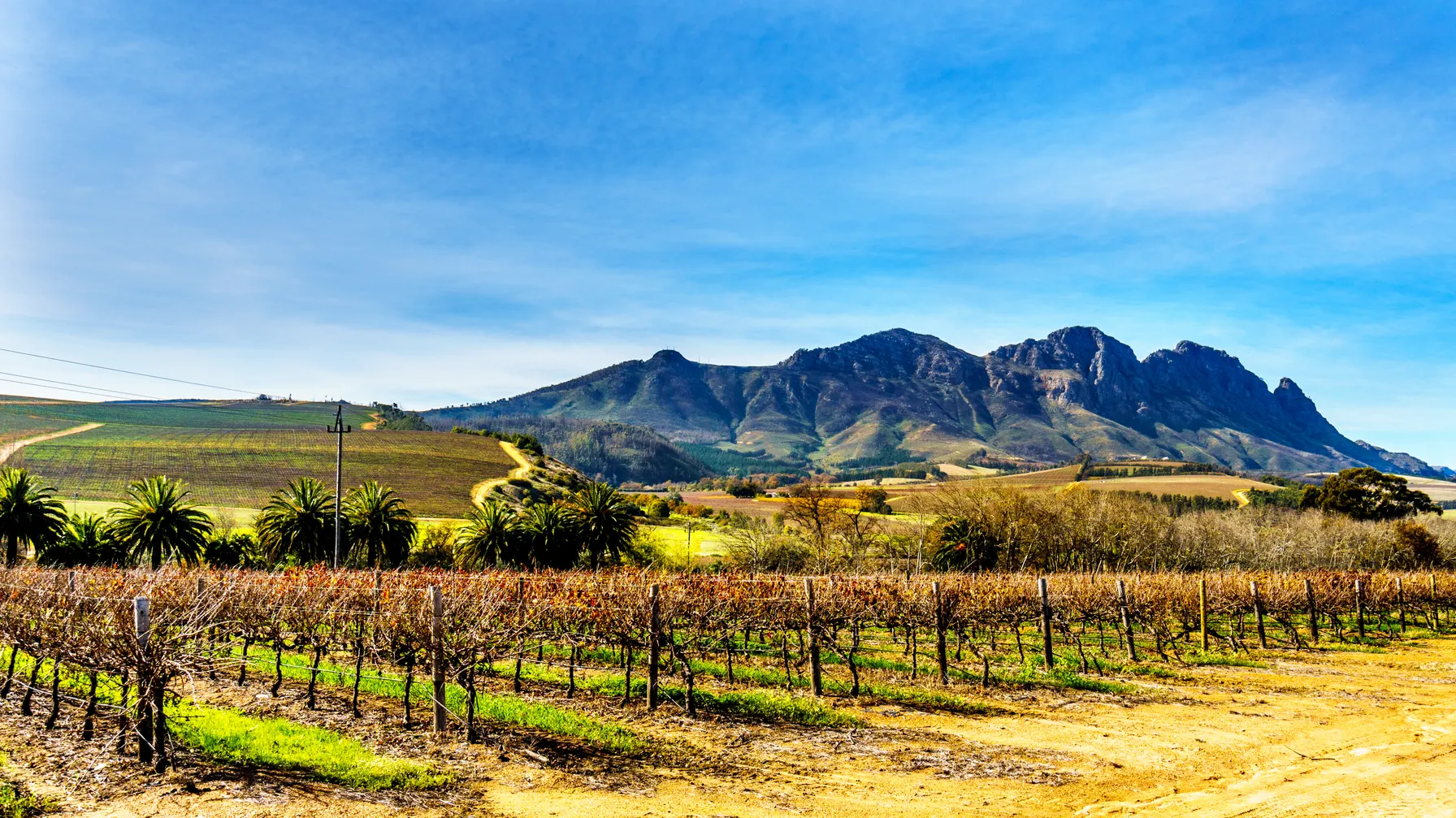
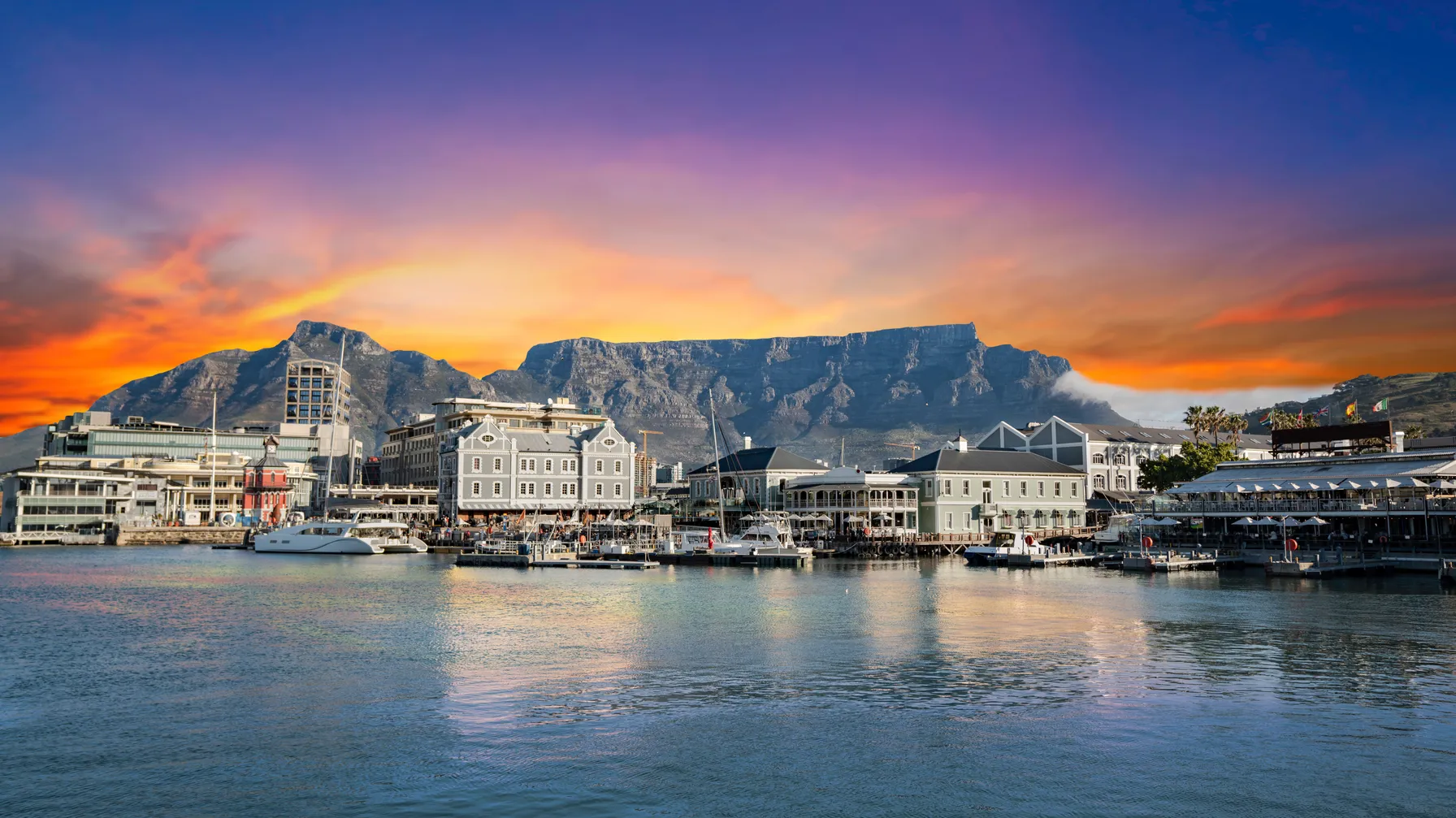
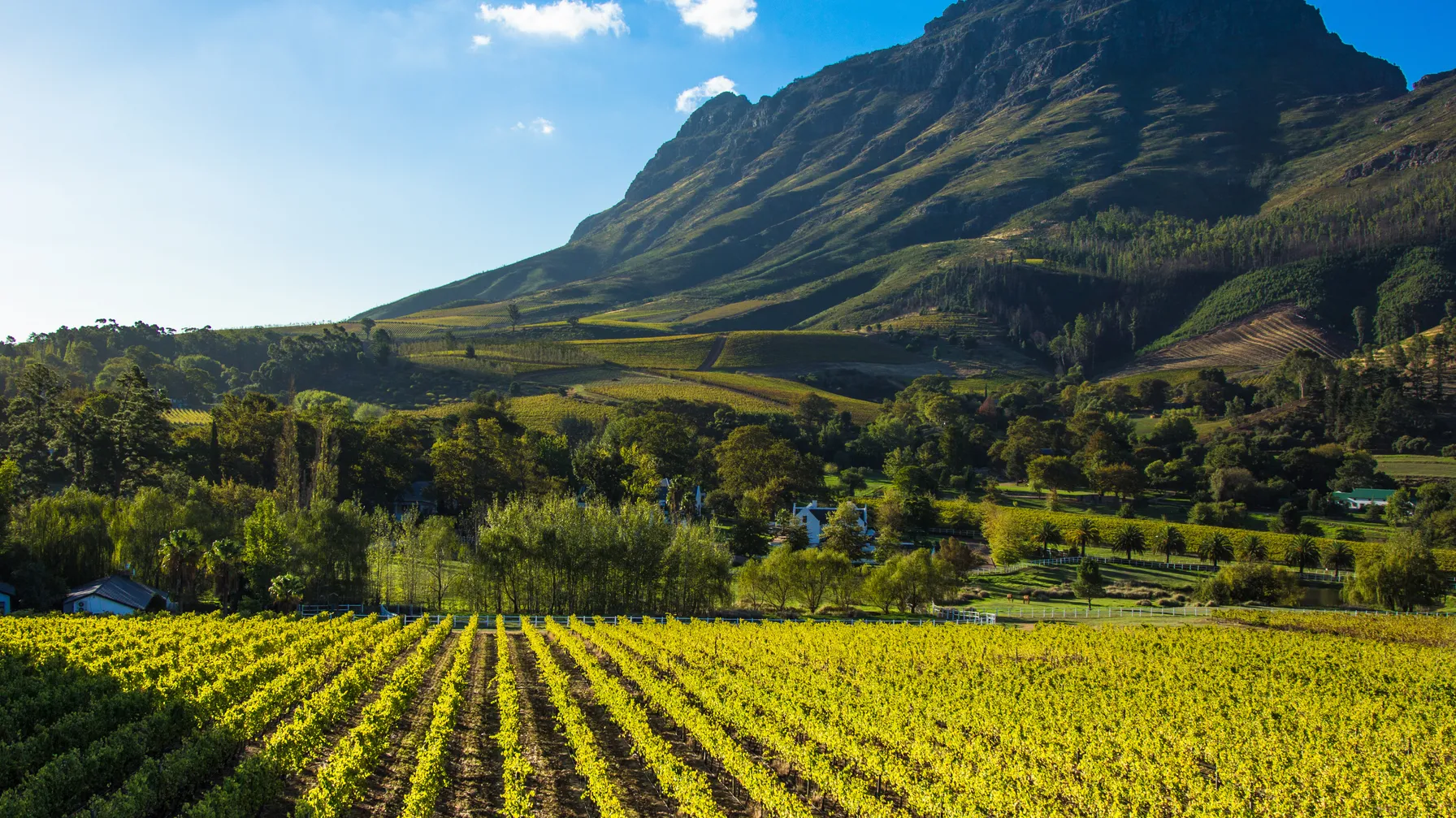
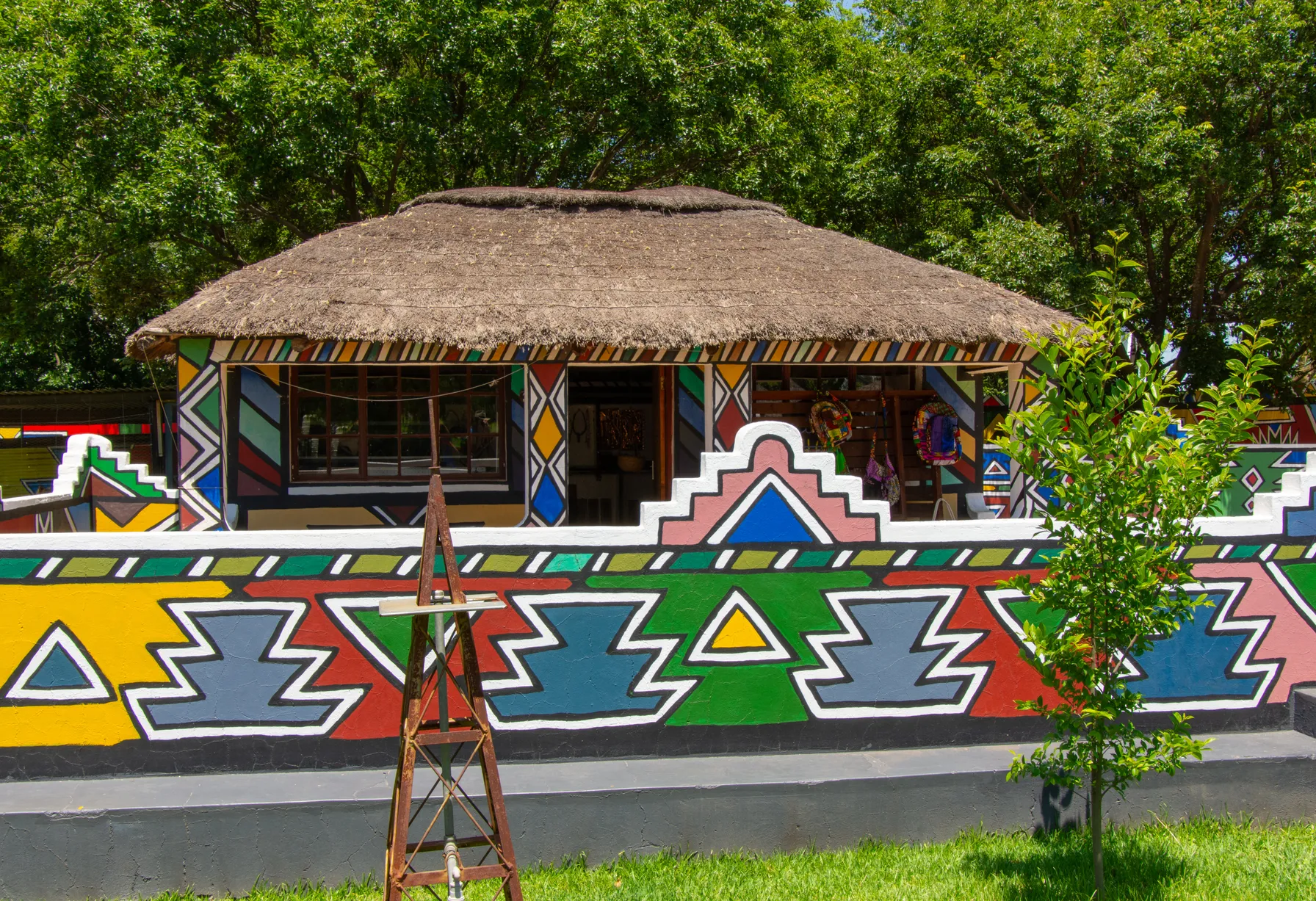
Cape Town concentrates a large part of the country's architectural heritage. The Cape Dutch style, inherited from Dutch colonists and French Huguenots, is recognisable by its curved gables, thatched roofs and immaculate white facades. It is notably found in the Constantia and Stellenbosch wine estates, which deserve a visit in their own right. Further north, the Drakensberg region houses rock paintings created by the San, also UNESCO-listed, and among the oldest in the world. Ndebele art, for its part, takes on a radically different form: houses adorned with geometric motifs in bright colours remain one of the strongest visual emblems of the country.
Among the sites to include in your itinerary:
- Robben Island (Cape Town): UNESCO site, Nelson Mandela's former prison;
- The Apartheid Museum in Johannesburg: an essential reference on the country's history;
- Drakensberg Park: UNESCO-listed rock paintings;
- The Bo-Kaap neighbourhood in Cape Town: colourful architecture and Malay heritage;
- The Stellenbosch wine estates: Cape Dutch architecture and exceptional gastronomy.
<p>Handicrafts, gastronomy and local festivities</p>
South African culture and traditions are also fully expressed at table. The braai, a true national institution, is much more than a barbecue: it is a moment of sharing that brings together all communities around boerewors, spiced lamb and sosaties. Gastronomy beautifully reflects the country's diversity, with Malay, Indian and European influences found in bobotie, a Cape specialty, or in Durban curries. On the literary front, Nadine Gordimer, Nobel laureate in Literature, remains one of the most emblematic voices of South African society. On the festive side, Freedom Day (27 April) and Heritage Day (24 September) are special moments to observe local culture in all its vitality.
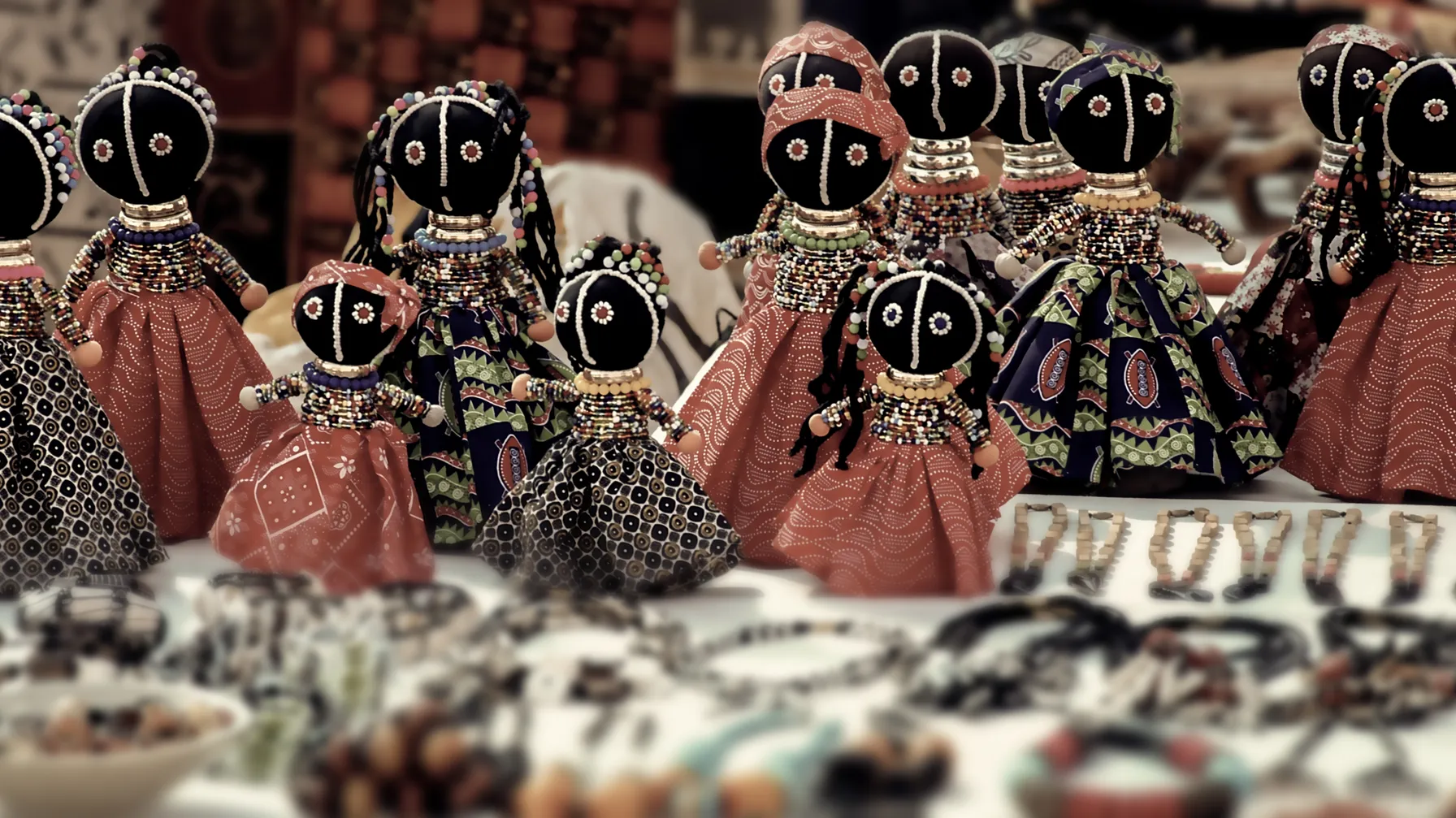
Did you know? Pearls hold a strong symbolic place in many South African communities, notably among the Zulu and the Ndebele. They mark the key moments of life and constitute an ancestral art in their own right.
Contact us to design a tailor-made trip to South Africa, tailored to your desires and interests.
<p>How to organise your cultural trip to South Africa?</p>
Un voyage culturel en Afrique du Sud demande un minimum de planification pour profiter pleinement de chaque site et de chaque rencontre. Voici quelques repères pour structurer votre séjour.
Some highlights of cultural itineraries
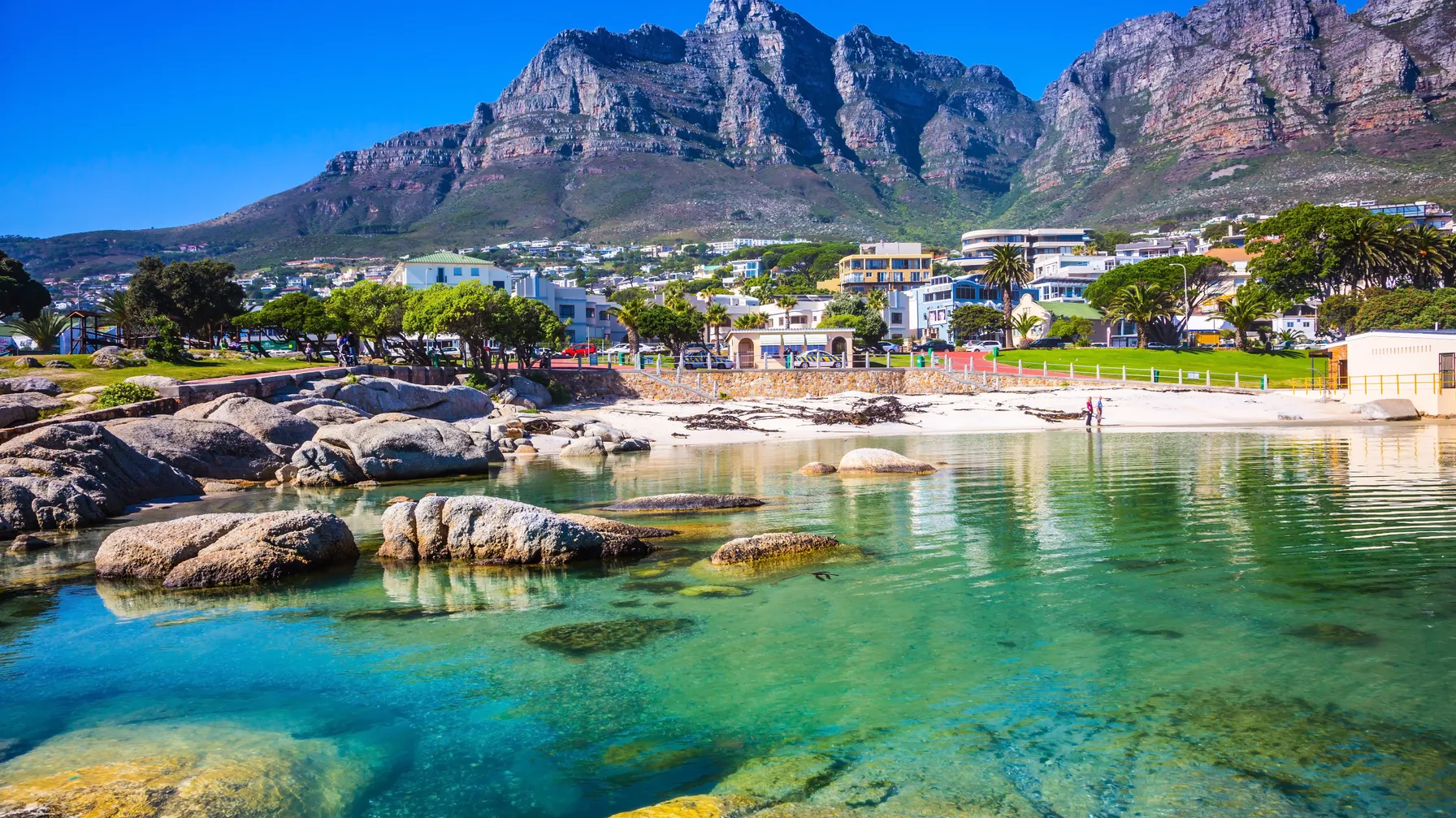
Cape Town and its surroundings deserve at least three to four days: a visit to Robben Island, exploring the city centre and the museums, a trip to the vineyards of Stellenbosch. An extra week allows you to include Johannesburg and Soweto, the true cradle of the anti-apartheid resistance. For well-off families and couples who want to fully immerse themselves in the local culture, the ideal is to plan between ten and fourteen days to avoid rushing.
Our tip: book the Robben Island tour well in advance, seats are often limited, especially between December and February.
Practical tips for a successful immersion
Several museums and cultural sites offer reduced rates on certain days of the week. Guided tours by Soweto residents or by the Bo-Kaap neighborhood in Cape Town provide an intimate and sincere perspective on the daily life of the communities. To go even further, taking a moment of serenity in a cultural lodge in KwaZulu-Natal, in the heart of the Zulu ancestral lands, is a rare way to complete an exceptional trip.

Demandez votre devis South Africa sur-mesure 100% gratuit
 4.8
4.8+3.000 travelers satisfied
Frequently asked questions
What is the best time to visit cultural sites in South Africa?
From March to May and from September to November, South Africa offers a mild climate and moderate tourist traffic. These periods are particularly suitable for visiting Cape Town, Johannesburg, or rural areas without enduring the high summer heat or the crowds of peak season.
Are there codes of conduct to follow during cultural visits?
Traditions vary from one community to another. In Zulu or Xhosa villages, it is customary to ask for permission before taking photos and to greet residents warmly. During a South African family meal, certain gestures have symbolic meanings according to local cultures, especially among the Zulu. Being accompanied by a local guide is often the best way to approach these encounters with respect and sincerity.
Is it safe to visit townships during a cultural trip?
Yes, provided you do so within an organized framework. Guided tours in Soweto or Bo-Kaap townships are now well established and allow an authentic immersion into contemporary South African culture. These visits, led by locals, are among the most enriching moments you can experience on a tailor-made trip to South Africa.