Culture in South Africa: a journey to the heart of a Rainbow Nation
Why is culture at the heart of a trip to South Africa?
Traveling in South Africa without taking an interest in its history and its people is to miss the essential. The country's history has profoundly shaped its society, its art, its architecture, and even its hospitality. Understanding this past gives access to a travel experience that is much richer and more authentic.
A history that forged a powerful identity.
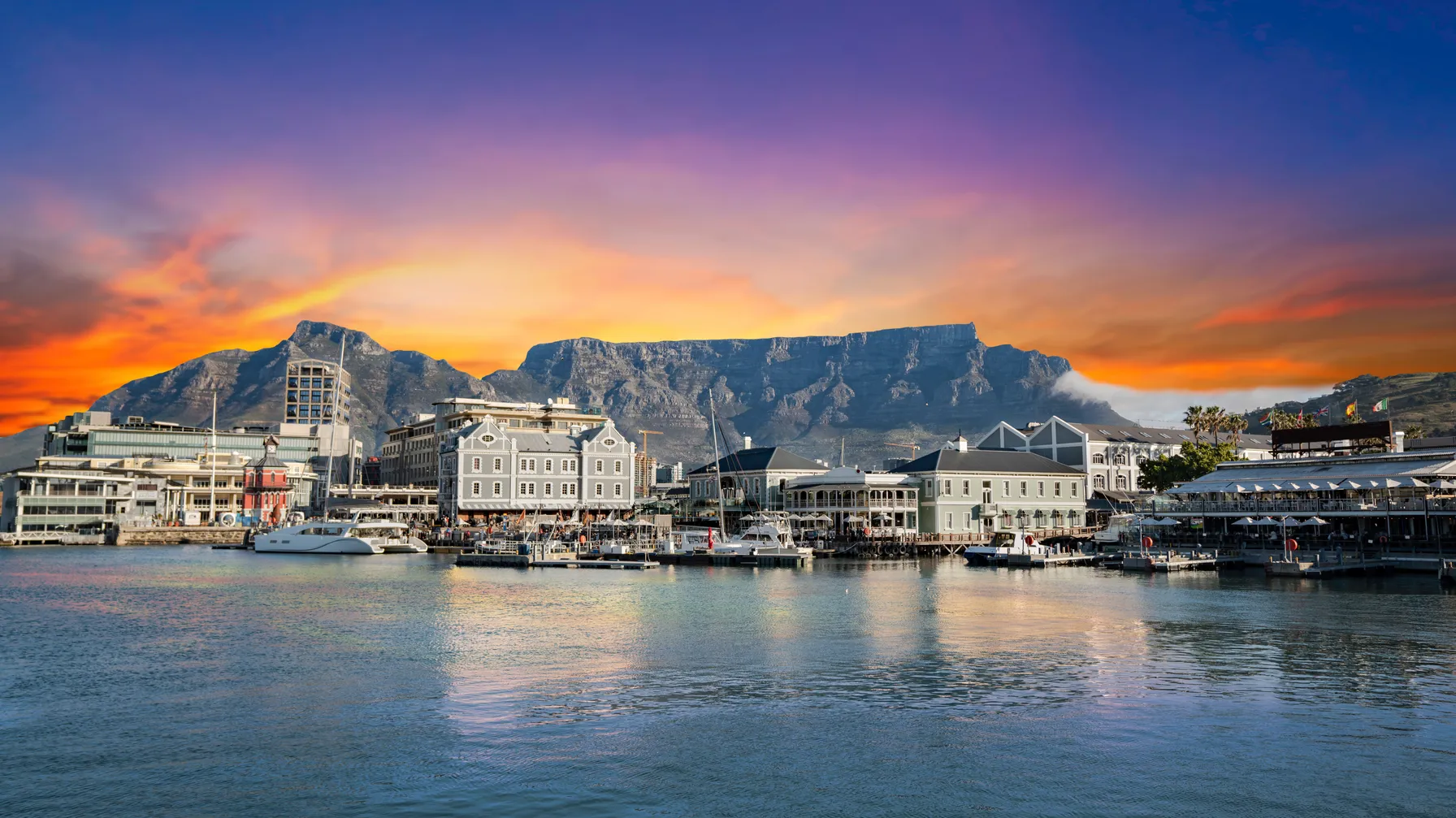
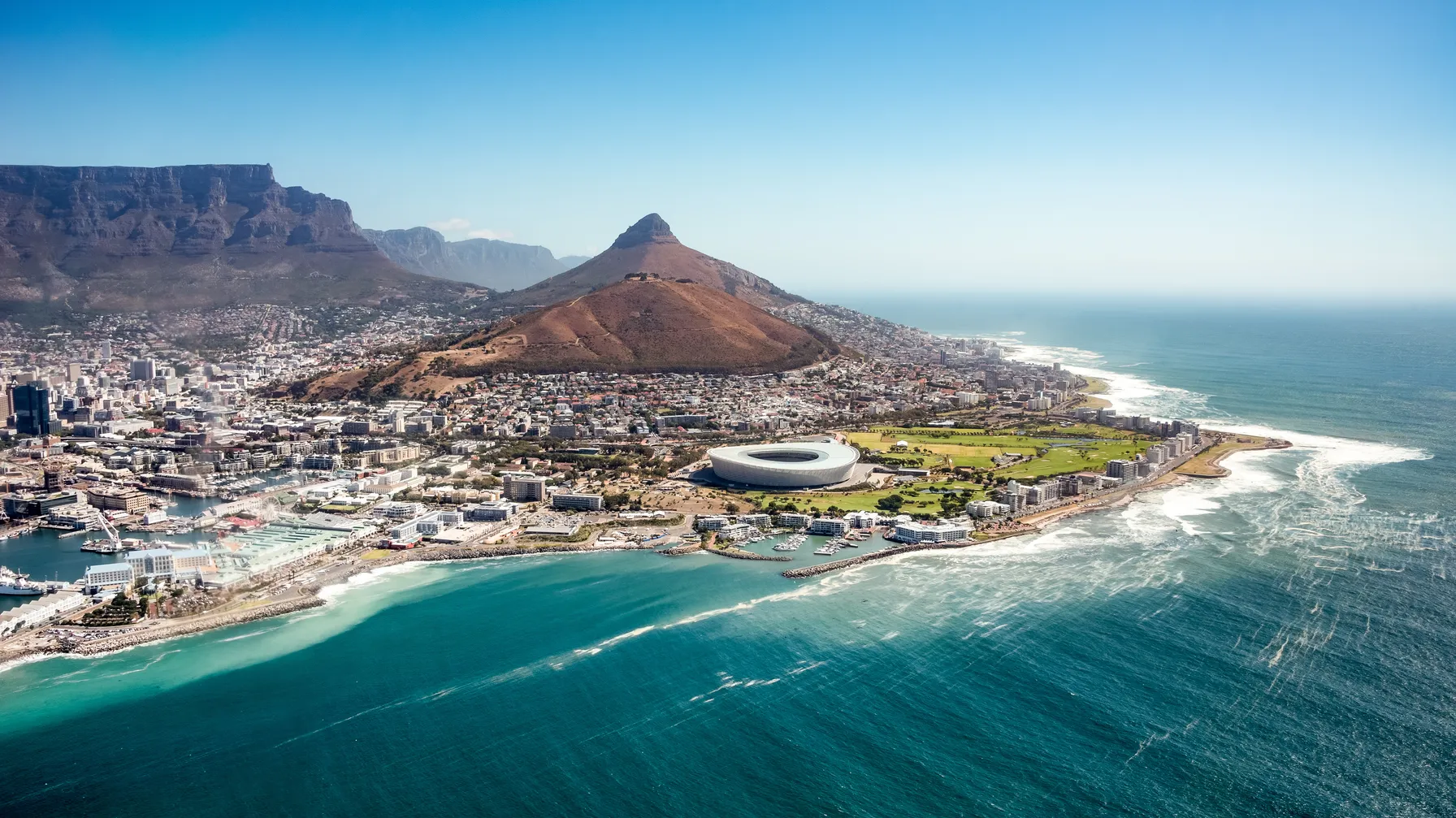
From apartheid to national reconciliation embodied by Nelson Mandela, South Africa carries a heritage that is both complex and moving. The museums of Johannesburg, such as the Apartheid Museum, or the Soweto district, allow us to gauge the path traveled since the darkest hours of segregation. Cape Town, for its part, preserves traces of a colonial past through its Cape Dutch architecture, its former deportee neighborhoods, and its colorful alleyways that testify to long-standing cultural mixing. Immersing oneself in this culture and these traditions also helps to better understand the country’s contemporary energy in perpetual transformation.
Eleven official languages, a unique human mosaic.
One of the first things that surprises about South Africa is the diversity of its voices. The constitution recognizes eleven official languages, a direct reflection of the plurality of its ethnic groups: Zulu, Xhosa, Venda, Ndebele, Afrikaners... Each community brings its own vision of the world, its dances, its songs and its rites. This plurality is not a fragility: it is the living strength of the nation. Did you know? About 24% of the population speaks Zulu, the language of the largest ethnic group in the country, originating from KwaZulu-Natal.
Contact our Travel Planners to tailor your trip to South Africa.
What are the must-see sites and traditions to discover in South Africa?
Between UNESCO-listed heritage, living traditions and generous gastronomy, South Africa offers a cultural experience of rare depth. Every detail of your itinerary can become a moment of unforgettable sharing.
UNESCO World Heritage and iconic monuments
South Africa's tangible heritage is internationally recognized. Among the sites you should absolutely include in your program:
- Robben Island, off the coast of Cape Town, where Nelson Mandela was imprisoned for 27 years, listed as a UNESCO World Heritage Site since 1999 ;
- Drakensberg Park, with its thousands of San rock paintings dating back thousands of years;
- The Cradle of Humankind, a major paleontological site that sheds light on the origins of the human species;
- The Mapungubwe Cultural Landscape, a vestige of an ancient precolonial African kingdom of great sophistication.
Crafts, gastronomy and performing arts
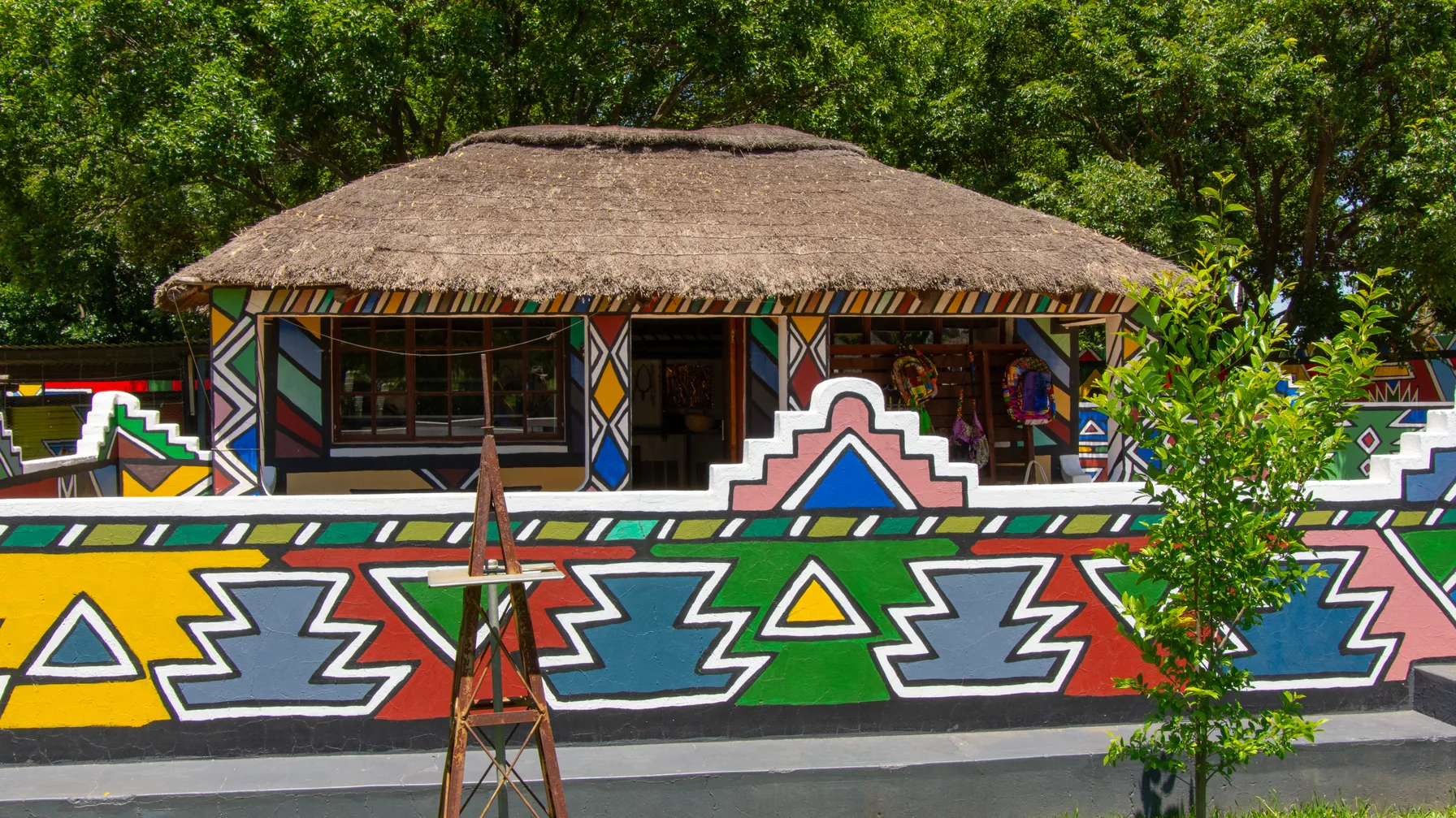
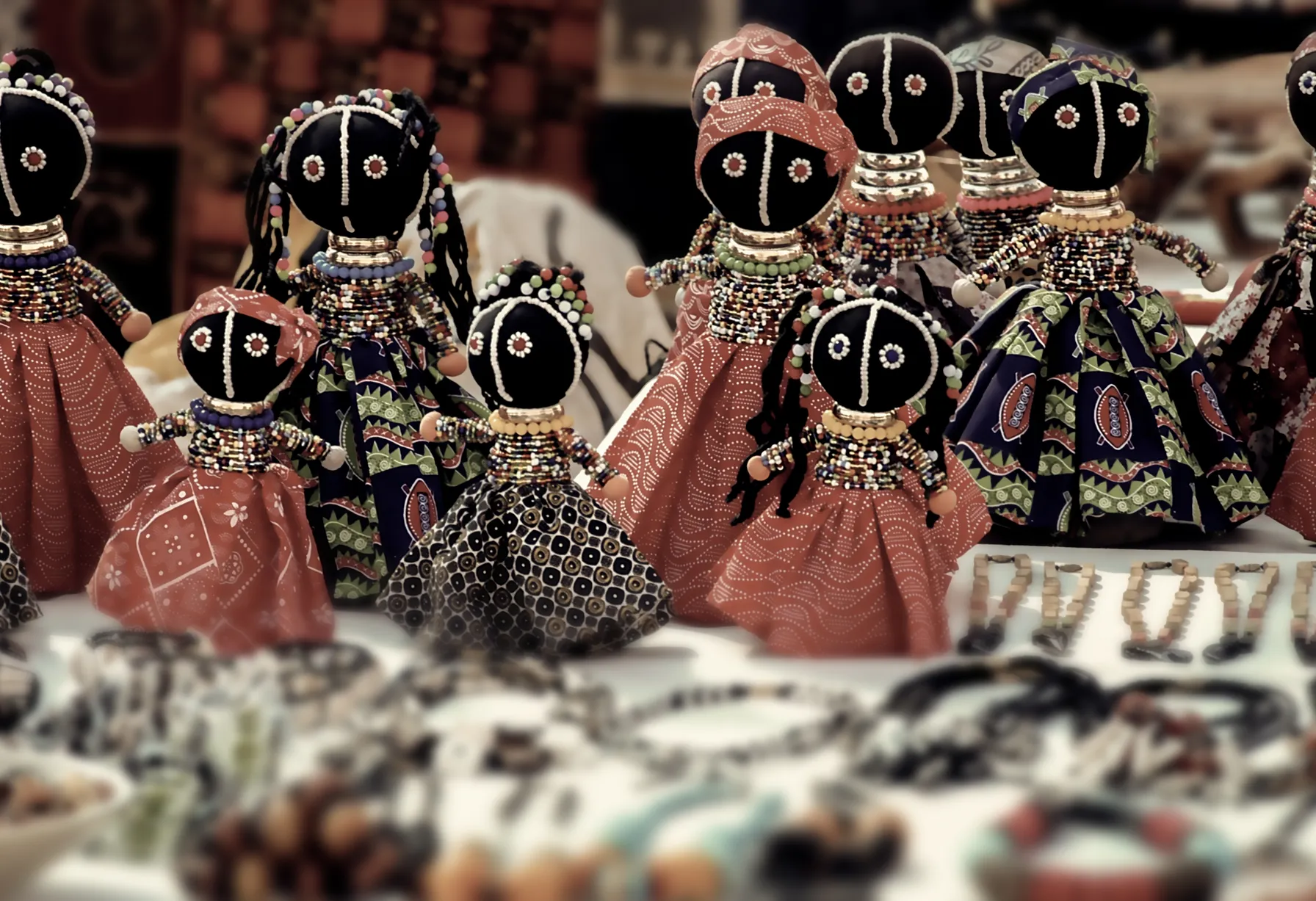
South Africa's intangible heritage is lived as much as it is contemplated. The Ndebele women carry on the art of façades with geometric and colorful motifs, a true architectural signature unique to their community. Cape Town and Durban's craft markets abound with wooden sculptures, beads, and fabrics with ancestral motifs, perfect for bringing home an authentic souvenir of your stay. On the dining side, braai (convivial barbecue), bobotie, or biltong tell a story of culinary cross-cultural influences among Malaysian, European and African influences. South African literature, carried by voices as important as Nadine Gordimer, Nobel Prize in Literature, likewise testifies to the depth of the country's creative and intellectual life.
Book your trip to South Africa and discover these cultural treasures with personalized guidance.
How to plan a culture and heritage itinerary in South Africa?
Planning a cultural trip to South Africa requires particular attention. Distances between sites can be substantial, and each region has its own must-see sites. A well-thought-out itinerary allows you to enjoy some calm while fully experiencing the experiences.
The major stops and recommended durations
A 10- to 14-day stay provides the ideal framework for exploring the main cultural stops without rushing. Here is an overview of the recommended times by destination:
| Step | \nTop sites and activities | \nRecommended duration | \n
|---|---|---|
| Cape Town | \nRobben Island, Bo-Kaap neighbourhood, museums | \n3 to 4 days | \n
| Johannesburg | \nApartheid Museum, Soweto | \n2 to 3 days | \n
| KwaZulu-Natal | \nZulu traditions, Durban markets | \n2 to 3 days | \n
| Drakensberg | \nSan rock paintings | \n1 to 2 days | \n
Our tip: book your tickets to the Apartheid Museum and Robben Island in advance, especially during peak season, to avoid delays.
Cultural events and festivals not to be missed
Cultural events shape the year in South Africa and are worth incorporating into your itinerary depending on when you travel. The Cape Town Jazz Festival, held every year in March, is one of the continent's largest music gatherings. In June and July, the National Arts Festival in Makhanda (formerly Grahamstown) offers a dense program around theatre, dance and the visual arts. The celebrations of traditional Zulu or Xhosa festivals, for their part, are moments of great cultural intimacy, precious to experience on site and hard to forget.
Contact us to arrange your tailor-made trip to South Africa.
Demandez votre devis South Africa sur-mesure 100% gratuit
 4.8
4.8+3.000 travelers satisfied
Frequently asked questions
Do you need to speak a local language to travel culturally in South Africa?
No, English is one of the eleven official languages of the country and is widely spoken in cities, museums and tourist sites. It remains the most common language of communication between the different communities. A few words in Zulu or Afrikaans are always appreciated and often open up warm exchanges with locals.
Are there any apps or useful resources to explore South Africa's heritage?
The South African Heritage Resources Agency (SAHRA) app allows locating nationally listed heritage sites across the country. For the museums of Cape Town and Johannesburg, official sites often offer downloadable visit plans and online booking options. Guidance by a local guide remains, however, the most enriching option to understand the historical and cultural context in depth.
Is South African culture accessible to families with children?
Absolutely. Many heritage sites offer formats tailored to young visitors: Ndebele art workshops, discovery of wildlife and San culture in the Drakensberg, interactive visits in some museums. A tailor-made trip lets you tailor each step to the ages and interests of the whole family, so that every member has an experience that matches their curiosity.