Why choose Arizona for your two-week roadtrip?
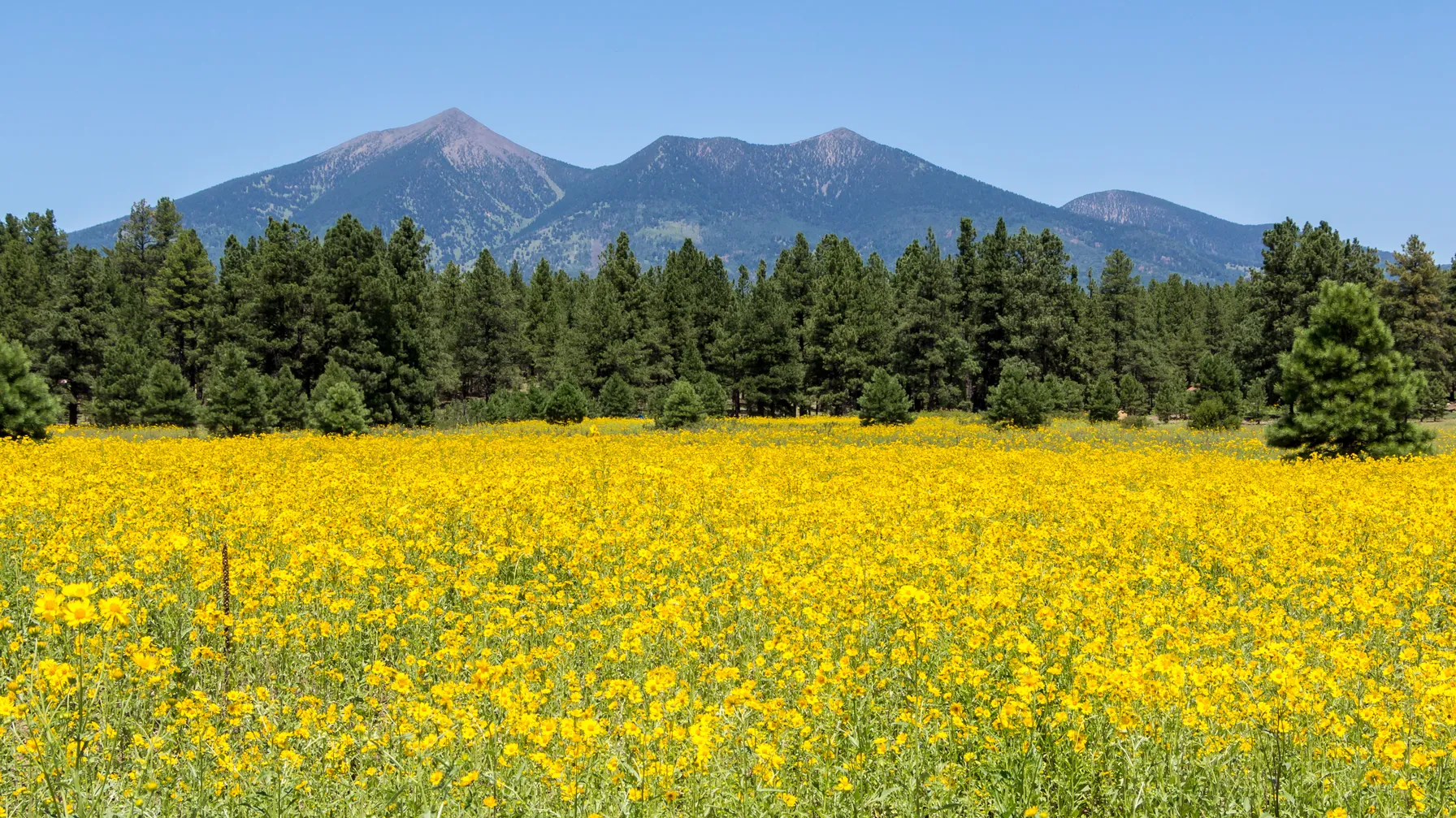
Arizona embodies the very essence of the American West with its grandiose landscapes and exceptional geographical diversity. This state of 295,234 km² offers a unique concentration of natural wonders, from the red rock formations of Sedona to the desert expanses of Saguaro National Park. Your roadtrip in Arizona will allow you to travel about 2,400 kilometers through scenery that has inspired the greatest Hollywood westerns.
The ideal time to visit Arizona is from October to April, when temperatures are milder in the southern desert regions. During these months, you will enjoy sunny days perfect for hiking and exploration, while nights offer welcome coolness. This seasonality guarantees optimal conditions for photographing rock formations under an exceptional golden light.
Our Travel Planners specialized in the American West understand the subtleties of this destination. They assist you in creating a personalized itinerary that respects your interests, travel pace, and budget. Whether you are passionate about geology, Native American history, or simply in search of vast open spaces, we tailor your roadtrip to your specific desires.
Arizona also has the advantage of being easily accessible from major West Coast cities. Phoenix, the ideal starting point for your adventure, is just a 6-hour drive from Los Angeles and 12 hours from San Francisco. This proximity allows you to maximize your time on site and enhance your discoveries.
Essential itinerary for fifteen days in Arizona
This itinerary takes you through Arizona's iconic sites, from the metropolis of Phoenix to the sculpted canyons of the Colorado Plateau.
Phoenix and the Valley of the Sun (Days 1-3)
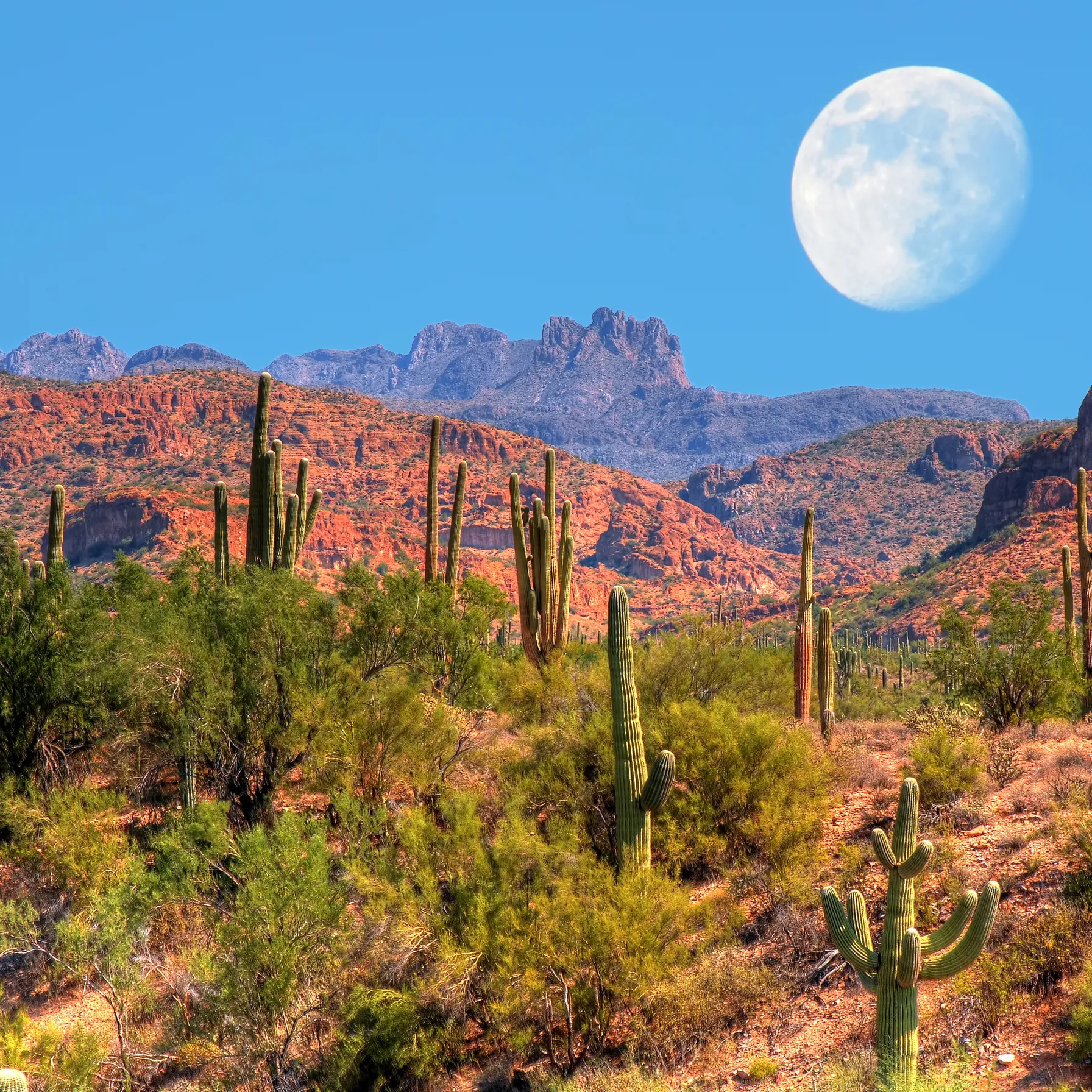
Your adventure begins in Arizona's capital, Phoenix, a metropolis of over 1.6 million people nestled in the Valley of the Sun. This modern city offers a striking contrast to the wild landscapes you will discover later. Devote your first day to exploring the Desert Botanical Garden, home to over 50,000 desert plants from the Sonoran Desert, including the majestic Saguaro cactus, which can reach 15 meters in height.
The Heard Museum is an essential cultural stop to understand the heritage of the region's Native American peoples. Its exceptional collections trace 4,000 years of history and indigenous art. For an immersive experience in nature, a morning hike on Camelback Mountain provides a panoramic view of the valley, particularly spectacular at sunrise.
Sedona and its red rock formations (Days 4-6)
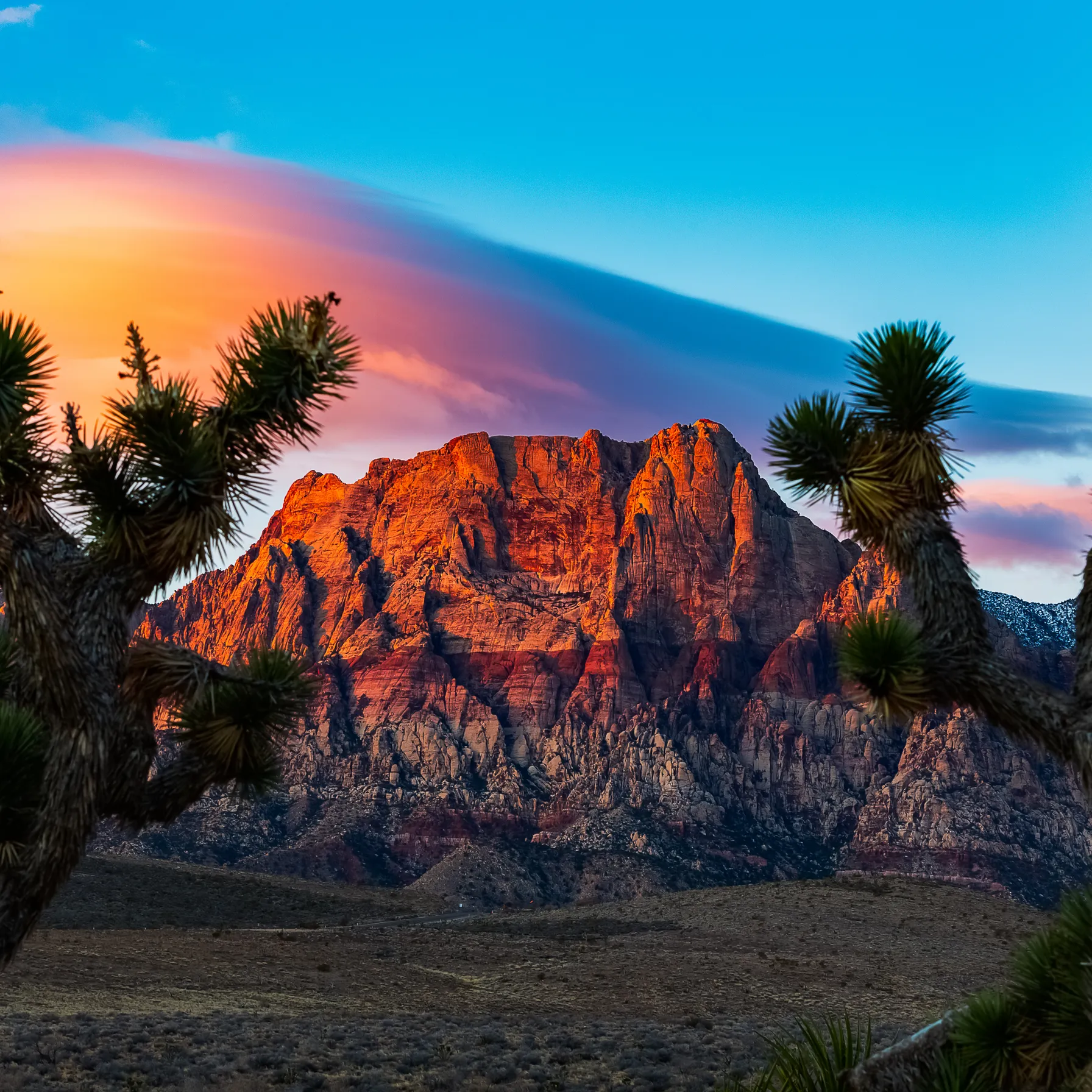
At 186 kilometers north of Phoenix, Sedona welcomes you with its famous red rock formations that seem aflame under the sun's rays. This town of 10,000 inhabitants is known for its art galleries, wellness centers, and energy vortices. Cathedral Rock, one of the most photographed formations, offers an accessible hike of 2 kilometers with a 200-meter elevation gain.
Devil's Bridge, the iconic natural arch of Sedona, is earned after a 3-kilometer walk through desert vegetation. This geological formation, sculpted by erosion over millions of years, provides an exceptional viewpoint over the surrounding valley. The Chapel of the Holy Cross, built directly into the red rock, represents a remarkable example of contemporary architecture integrated into the natural landscape.
The Grand Canyon, a world wonder (Days 7-9)
No roadtrip in Arizona would be complete without visiting the Grand Canyon, one of the seven natural wonders of the world. This canyon, 446 kilometers long, 29 kilometers wide, and up to 1,800 meters deep, bears witness to 2 billion years of geological history. The South Rim, accessible all year round, offers spectacular viewpoints such as Mather Point and Yavapai Observation Station.
For a more immersive experience, the Bright Angel Trail allows you to descend into the canyon over several kilometers. This hike requires good physical condition and adequate preparation, especially in terms of hydration. Our Travel Planners advise you on the best options according to your level and expectations, including helicopter overflight possibilities or guided excursions with park rangers.
Monument Valley and Navajo culture (Days 10-12)
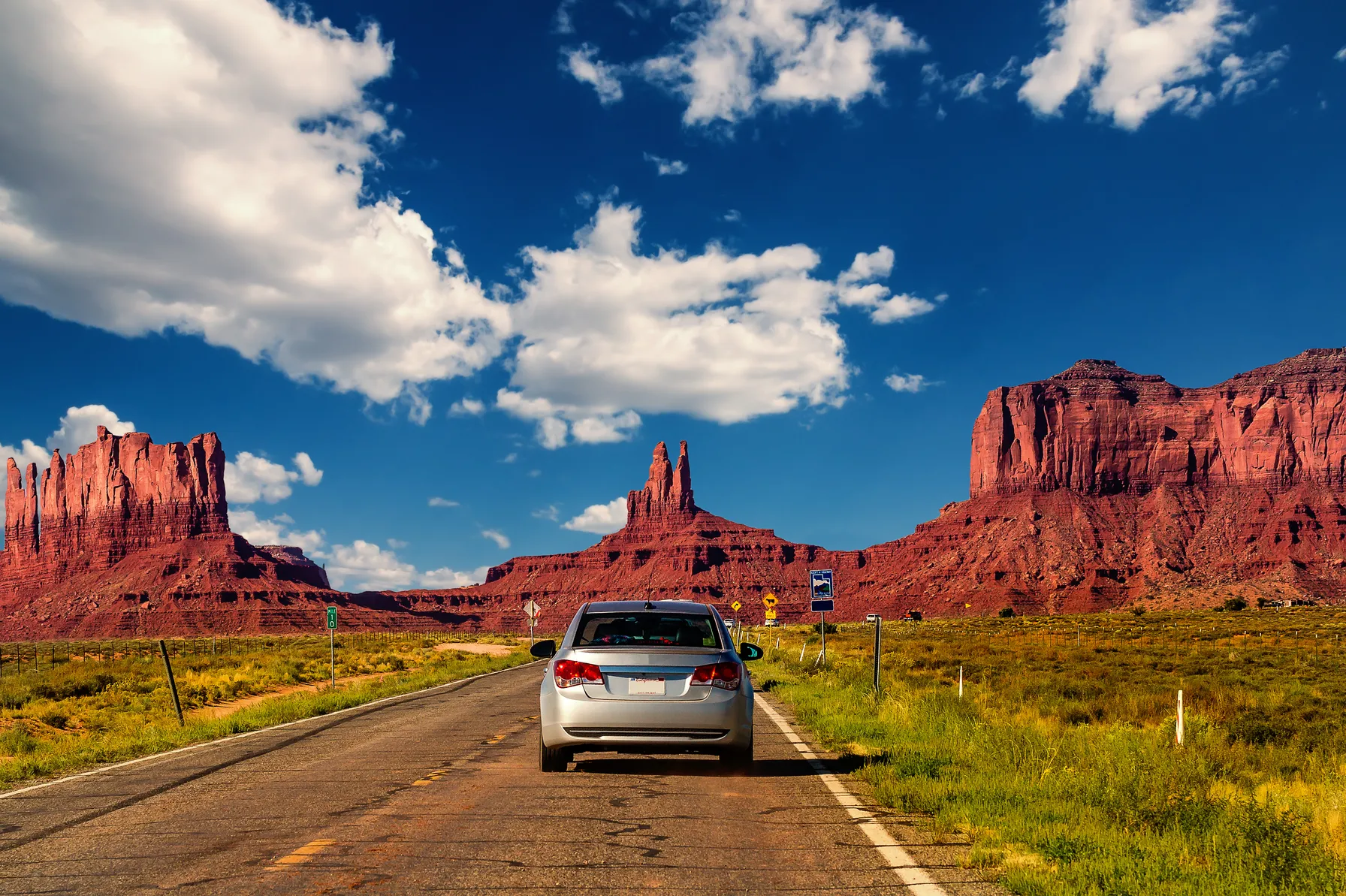
Monument Valley, territory of the Navajo Nation, transports you into the iconic universe of the American Far West. These monumental rock formations, some rising over 300 meters, have served as settings for countless western films. The Valley Drive, a scenic loop of 27 kilometers, leads you to the most famous viewpoints, including the Three Sisters and John Ford's Point.
The cultural experience is a fundamental aspect of your visit. Navajo guides share their ancestral knowledge of these sacred lands, introducing you to the legends and traditions of their people. These authentic encounters greatly enrich your understanding of the American West beyond the simple landscapes.
Page and the slot canyons (Days 13-15)
Your journey concludes in the Page area, gateway to the geological wonders of the Colorado Plateau. Antelope Canyon, divided into Upper Antelope Canyon and Lower Antelope Canyon, offers extraordinary light effects when sunlight penetrates these narrow crevices. These formations, sculpted by runoff waters over millennia, create natural cathedrals with undulating walls.
Horseshoe Bend, a spectacular meander of the Colorado River, is discovered after a 1.5-kilometer walk in the desert. This viewpoint, located 300 meters above the river, offers a unique perspective on the erosive power of water. Lake Powell, an artificial reservoir with 3,200 kilometers of coastline, completes this discovery with its turquoise waters contrasting with the red sandstone cliffs.
Natural wonders to absolutely discover
Arizona holds exceptional natural treasures, from national parks protecting unique ecosystems to monuments preserving Native American cultural heritage.
Essential national parks
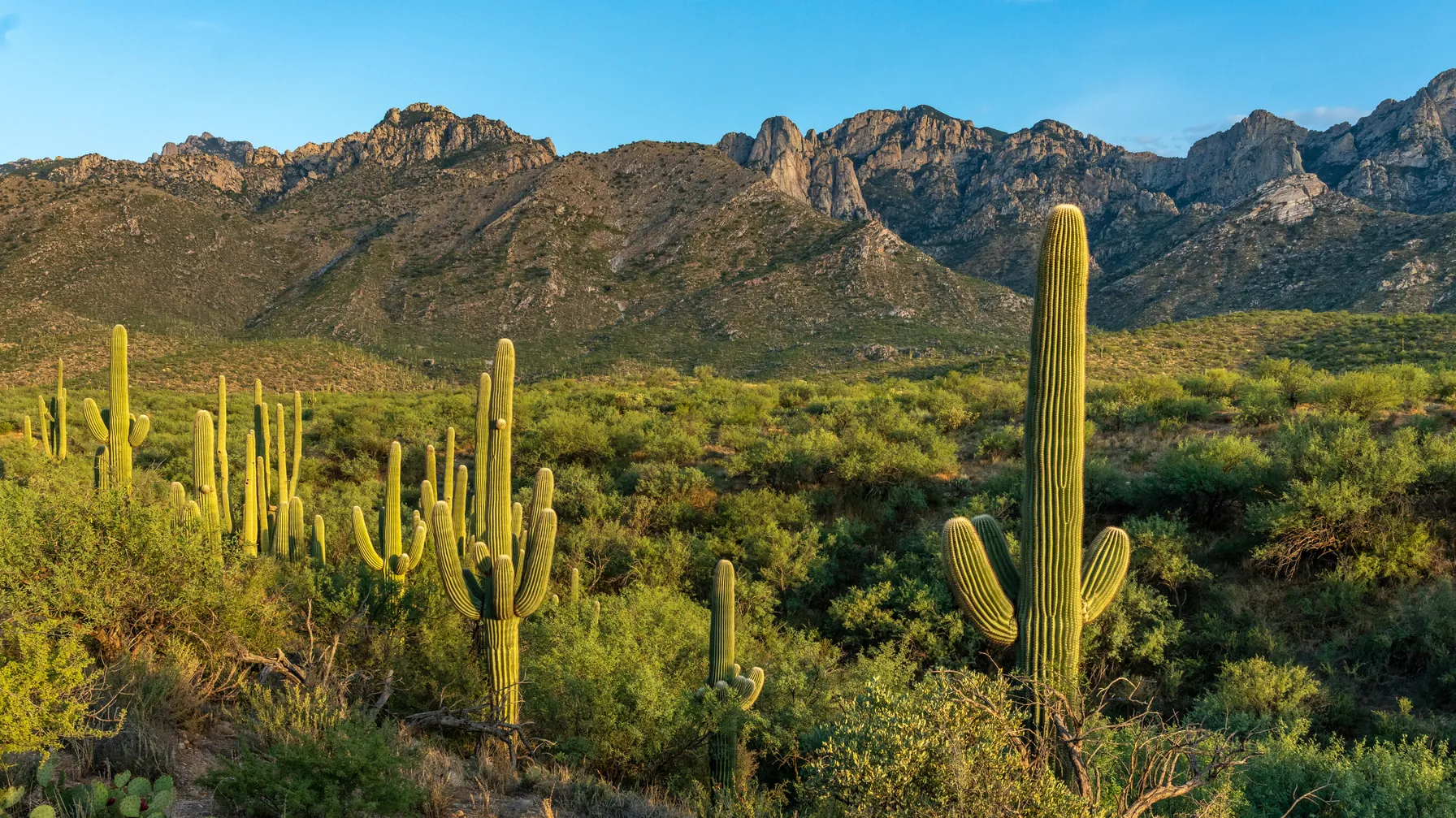
Arizona is home to three major national parks that deserve special attention during your roadtrip. Saguaro National Park, divided into two sections around Tucson, protects the world's largest concentrations of Saguaro cacti. These desert giants, which can live over 200 years, create surreal forests especially photogenic at sunset.
Petrified Forest National Park presents a unique collection of petrified wood dating back 225 million years. This fossilization process has transformed tree trunks into multicolored gemstones, creating a landscape of striking beauty. The park also houses Native American petroglyphs and remnants of ancient villages, bearing witness to the millennial human occupation of these lands.
Monuments not to be missed
Canyon de Chelly National Monument, jointly administered by the National Park Service and the Navajo Nation, preserves exceptional cliff dwellings. White House Ruins, accessible by a 4-kilometer trail, represents one of the best-preserved archaeological sites in the American Southwest. These buildings, dating from the 12th century, illustrate the ingenuity of the ancestral peoples.
Vermilion Cliffs National Monument protects spectacular geological formations, including The Wave, a wavy rock formation with vibrant colors. Access to this exceptional site requires a permit obtained by lottery, reflecting its popularity and the need to preserve this fragile ecosystem.
Authentic cultural experiences
Your roadtrip in Arizona offers numerous opportunities for enriching cultural encounters. Route 66, the mythical highway crossing the state from east to west, retains its retro atmosphere in towns like Seligman and Williams. These communities preserve the spirit of yesteryear's road trips with their vintage diners, historic gas stations, and typical motels.
Native American reservations occupy about 27% of Arizona's territory, offering unique insights into indigenous cultures. The Hopi, settled on their mesas for over 1,000 years, perpetuate ancestral traditions in their perched villages. Ceremonies and festivals open to the public allow one to grasp the spiritual richness of these peoples.
Practical tips for a successful trip in Arizona
The success of your roadtrip in Arizona depends on careful preparation, from transport logistics to specific safety considerations related to the desert climate.
Planning and logistics
Renting a car is a crucial element of your roadtrip in Arizona. Our Travel Planners orient you towards vehicles best suited to your needs, taking into account the roads you will be traveling and your luggage. An SUV offers more comfort and safety on unpaved tracks leading to some remote sites, while a sedan is sufficient for main roads.
The distances between sites can be considerable, requiring careful planning of your stops. Phoenix is 186 kilometers from Sedona, 346 kilometers from the Grand Canyon, and 446 kilometers from Monument Valley. These journeys, although offering beautiful landscapes, require time and concentration, particularly on mountain roads.
Accommodation and dining options
Arizona offers a range of accommodations suitable for all budgets and preferences. Historic lodges like El Tovar at the Grand Canyon or La Posada in Winslow offer an authentic experience of the American West. For a total immersion in nature, camping in national parks allows you to observe the stars in exceptionally pure skies.
The local cuisine reflects the Mexican and Native American influences of the region. Specialties include spicy Tex-Mex dishes, Navajo fry bread, and contemporary creations using desert products like cactus fruit. Our Travel Planners know the best local addresses, from authentic food trucks to gourmet restaurants.
Safety and preparation
The desert climate of Arizona requires special precautions, particularly regarding hydration and sun protection. Always carry more water than necessary, especially during hikes. Temperatures can vary greatly depending on altitude and season, requiring clothes suited to different conditions.
Certain sites like Antelope Canyon require reservations several months in advance, especially during the peak tourist season. Our Travel Planners anticipate these constraints and secure your access to the most popular sites. They also inform you about specific access conditions, especially for sites in tribal territories requiring authorized guides.
The following table summarizes the essential information for planning your roadtrip:
| Period |
Average Temperatures |
Advantages |
Disadvantages |
| Oct-Nov |
15-25°C |
Ideal weather, autumn colors |
Tourist influx |
| Dec-Feb |
5-18°C |
Fewer crowds, possible snow at the Grand Canyon |
Short days |
| Mar-Apr |
10-23°C |
Desert blooming, pleasant temperatures |
Reservations necessary |
| May-Sep |
20-40°C |
Long days, access to all sites |
Extreme heat in the desert |
At Vialala, we understand that each traveler has unique expectations. Our local Travel Planners, experts in Arizona, customize your itinerary to suit your interests, physical condition, and budget. They accompany you in all the preparation stages, from accommodation bookings to practical advice on the ground, ensuring an unforgettable experience in the American West.