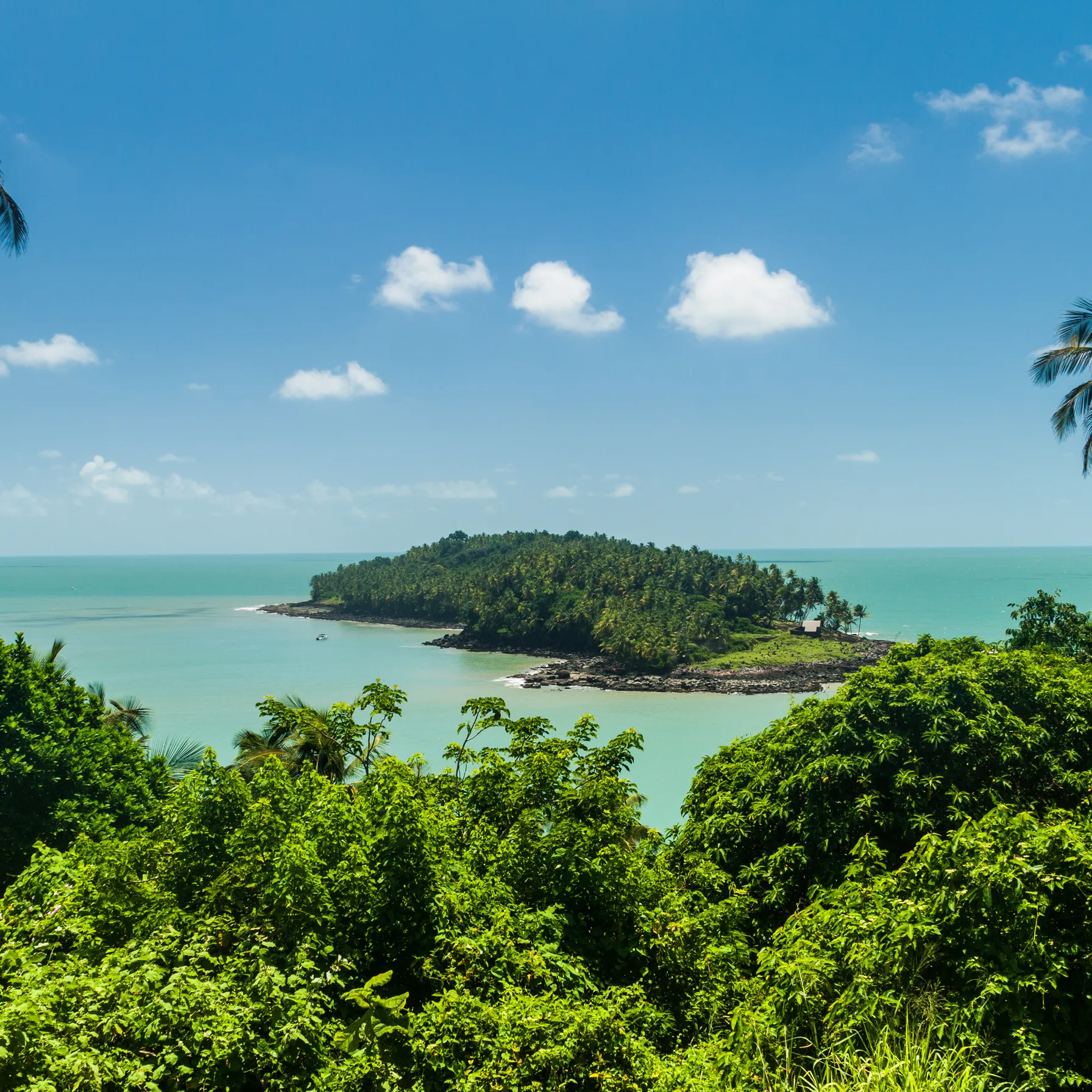
Why choose a cruise to Mexico to discover the country?
Mexico spans nearly 2 million square kilometers, with more than 11 000 kilometers of coastline distributed between the Pacific Ocean and the Caribbean Sea. It is difficult, in these conditions, to see everything while staying on land. It is precisely here that a cruise to Mexico makes sense: it allows you to connect in a few days destinations that hours of driving would separate otherwise.
On board cruise ships, every morning brings a new port of call, a new backdrop. In the evening, you return to your cabin with memories of a Maya temple perched on a cliff, a turquoise bay where manta rays swam, or a colorful market where the scents of chiles and cilantro mingled. This particular rhythm, between discovery and relaxation, makes cruising a popular way to explore a country as vast and contrasting.
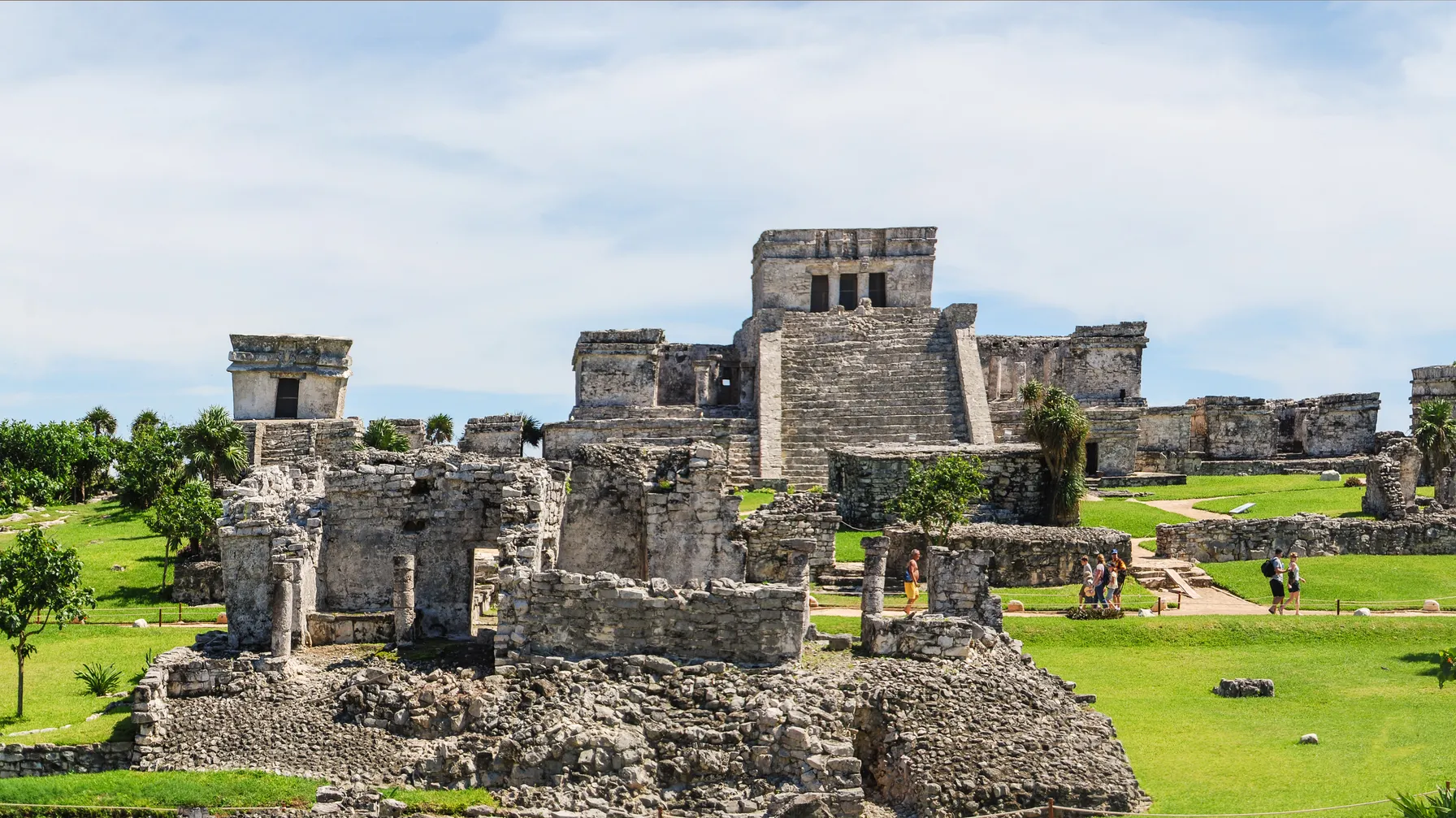
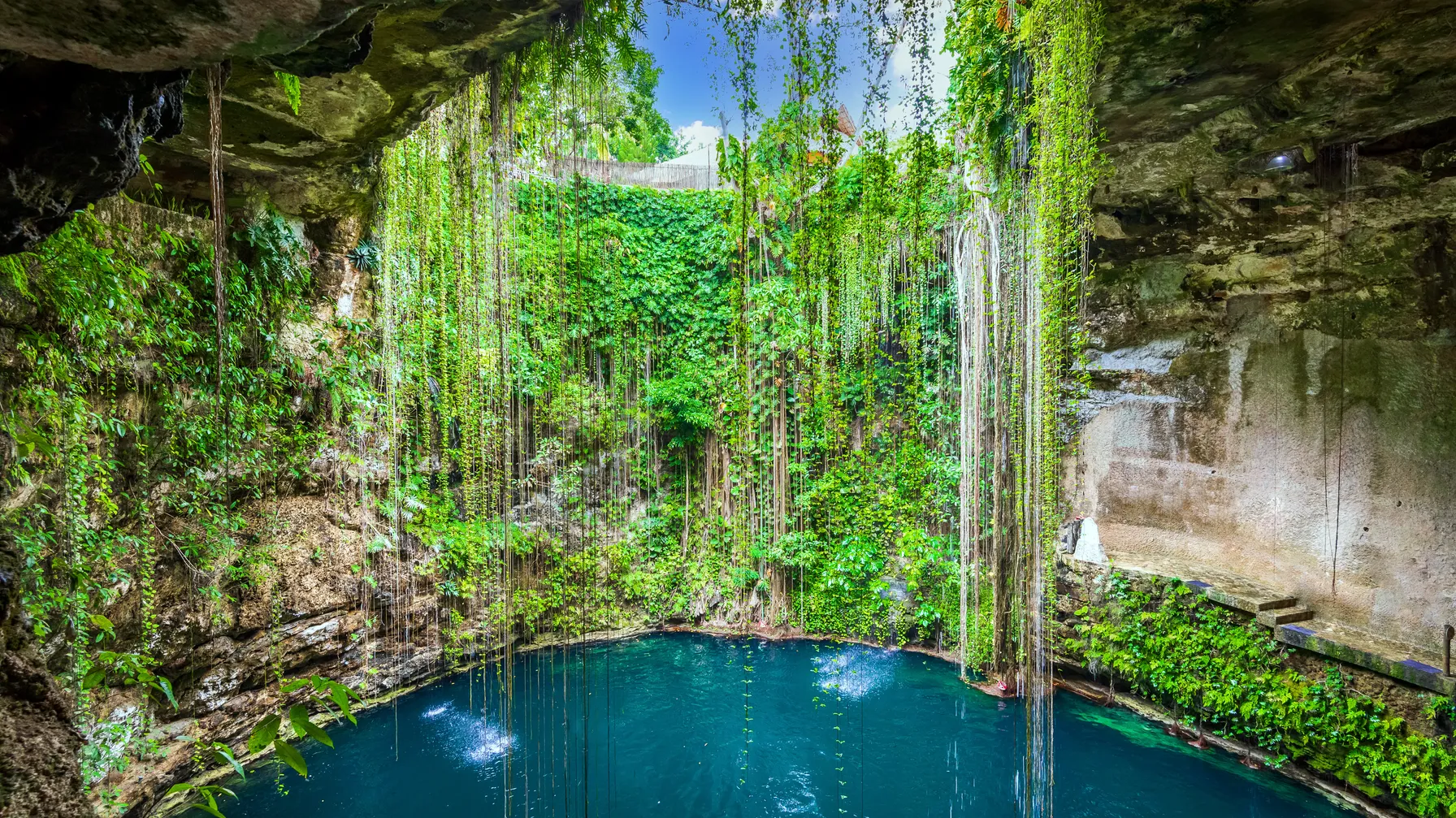
Cruises to Mexico appeal to both travelers seeking adventure and those who want to combine culture, nature and lounging. Depending on your desires, it is possible to dive into the cenotes of Yucatán, to surf in Puerto Vallarta or to visit the ruins of Tulum just steps from the sea. The diversity of possible experiences is one of the great assets of this destination.
What are the must-see itineraries and ports of call?
Cruises in Mexico unfold along two major geographic axes, each with its own landscapes, vibe and flagship ports. Here is an overview of the two most-traveled routes.
The Mexican Riviera and the Pacific Coast
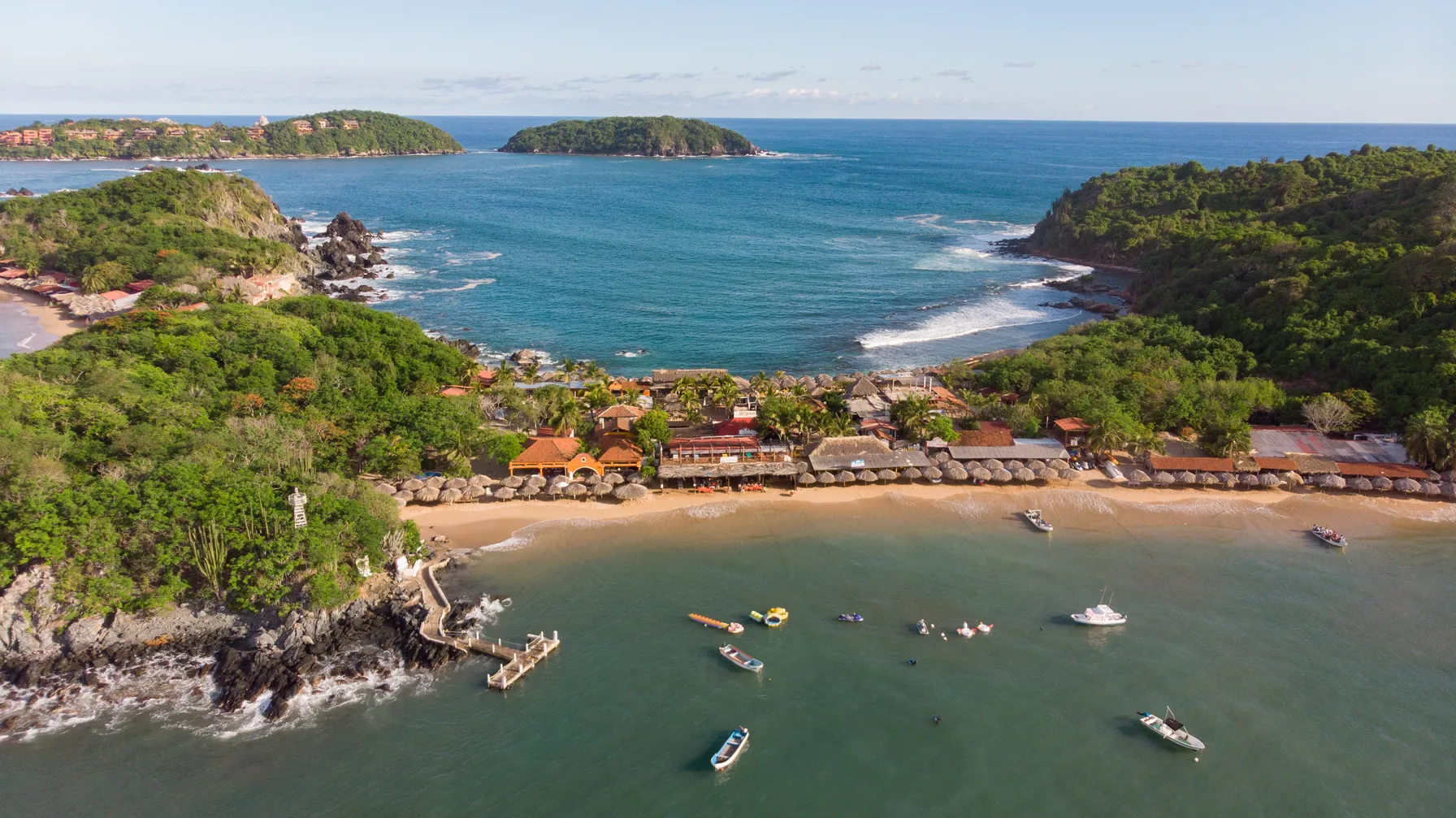
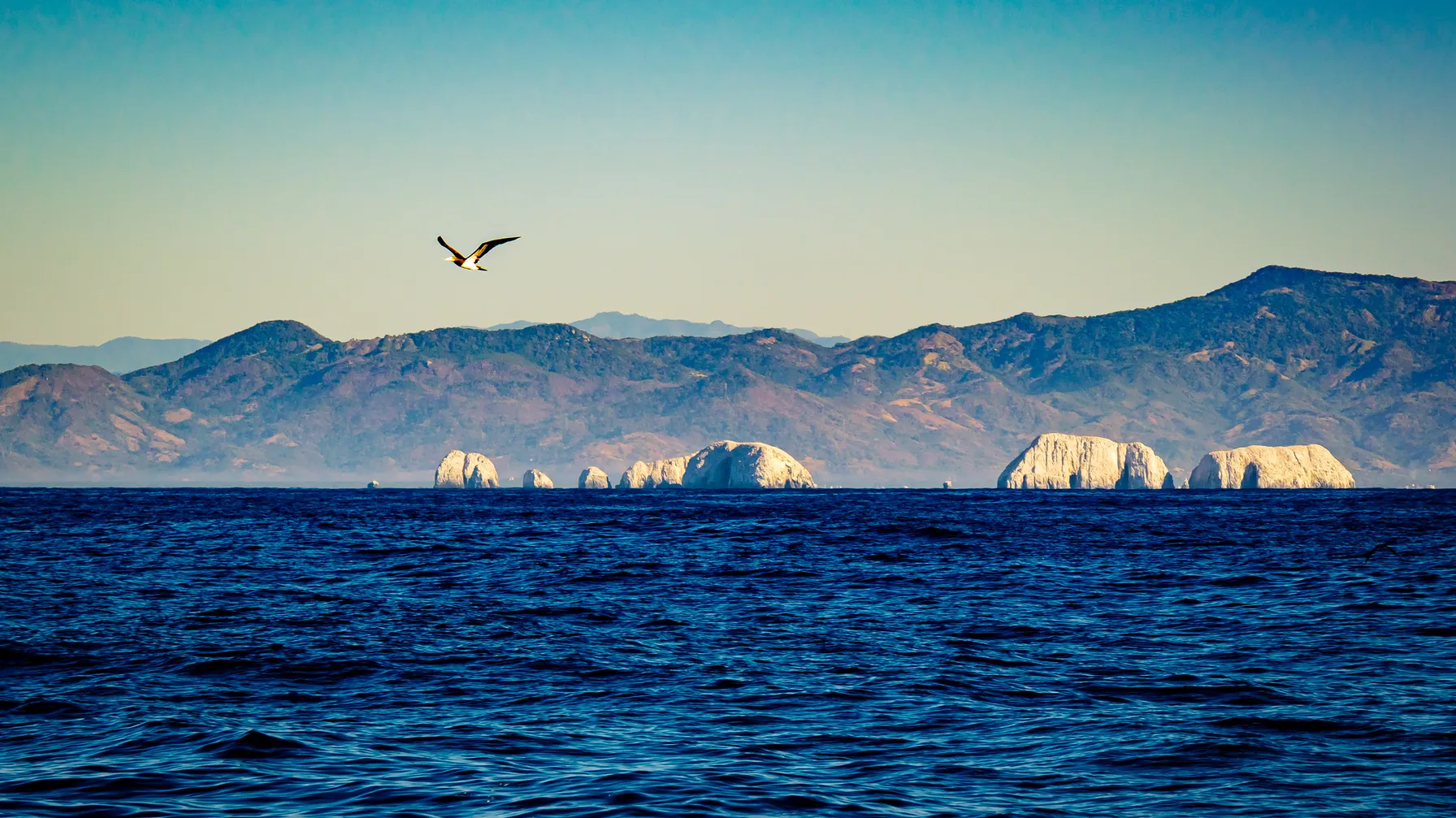
The Mexican Riviera runs along the country's west coast, between Baja California and the states of Jalisco and Nayarit. It is an iconic cruise route, alternating between lively ports and wild coves.
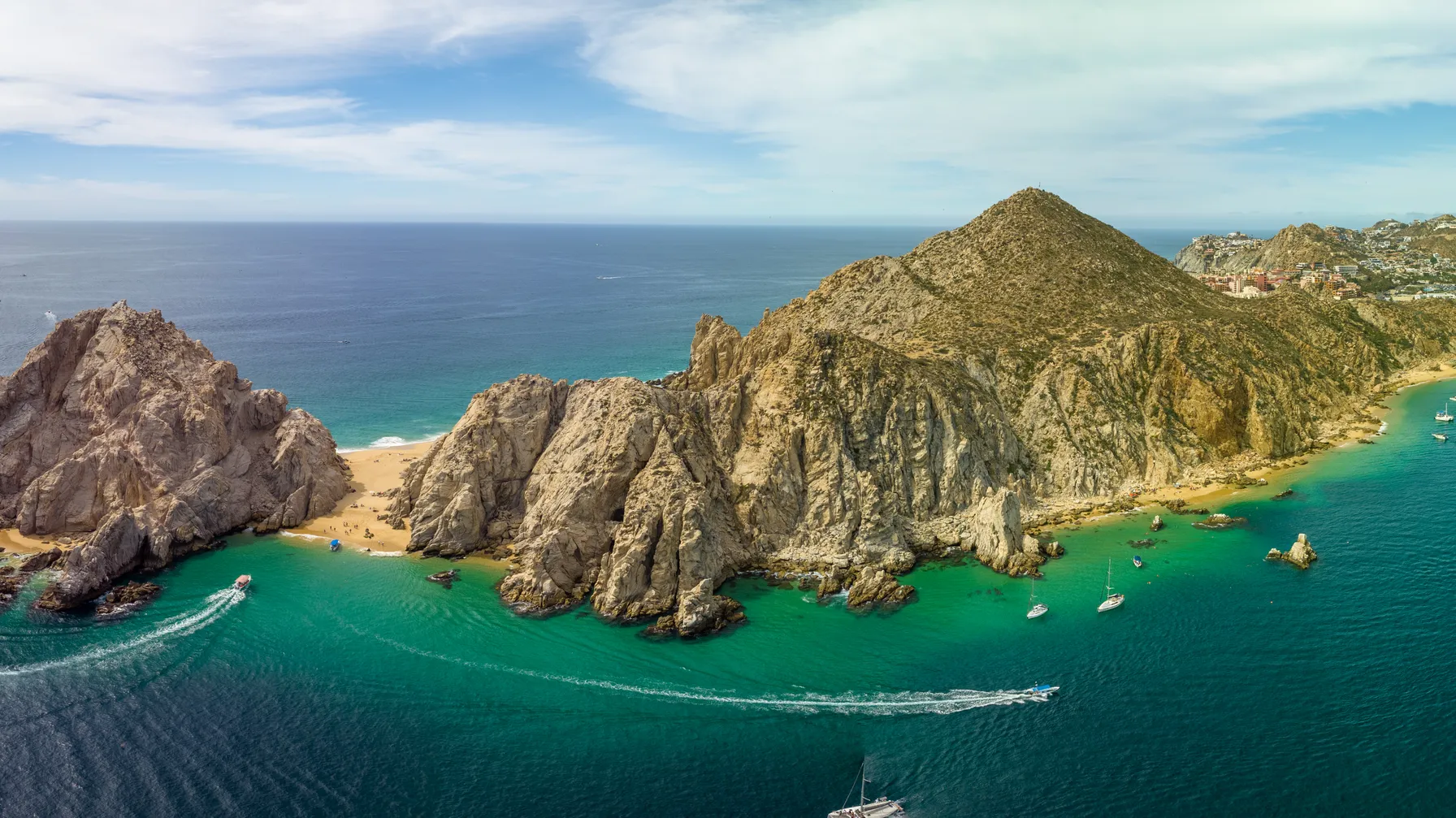
Cabo San Lucas, at the southern tip of Baja California, is often the first port of call. Its rock arches battered by the Pacific waves are among the most photographed landscapes in Mexico. The Sea of Cortez, which Captain Cousteau dubbed 'the aquarium of the world', lies just to the north: more than 900 species of fish have been recorded there, as well as 32 species of marine mammals.
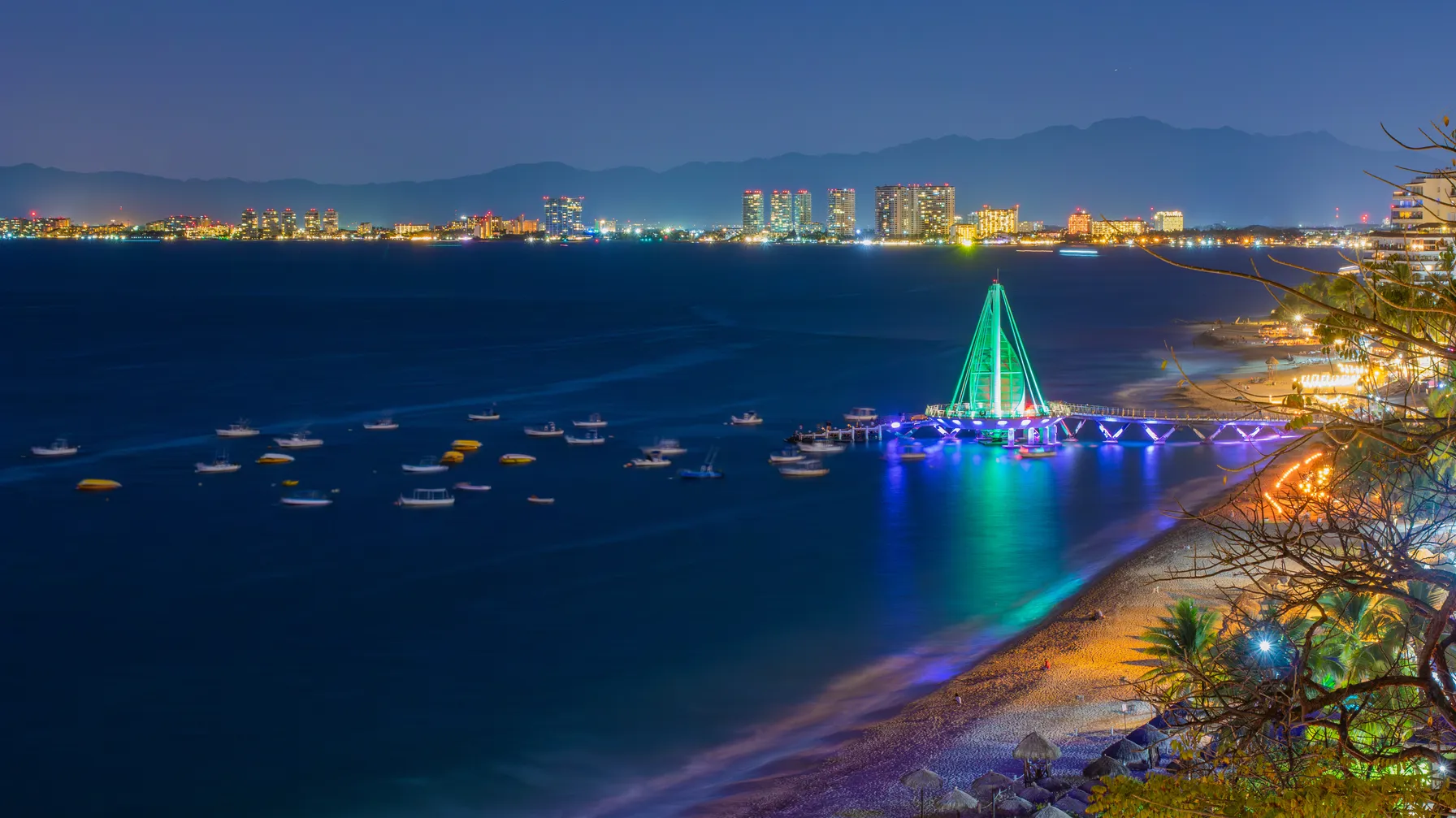
Further north, Puerto Vallarta captivates with its colonial charm and vibrant nightlife. The Malecón, a seaside promenade stretching for several kilometers, is ideal for a stroll between two visits. Diving enthusiasts will enjoy the rich underwater life of Bahía de Banderas.
The Yucatán Peninsula and the Caribbean Coast
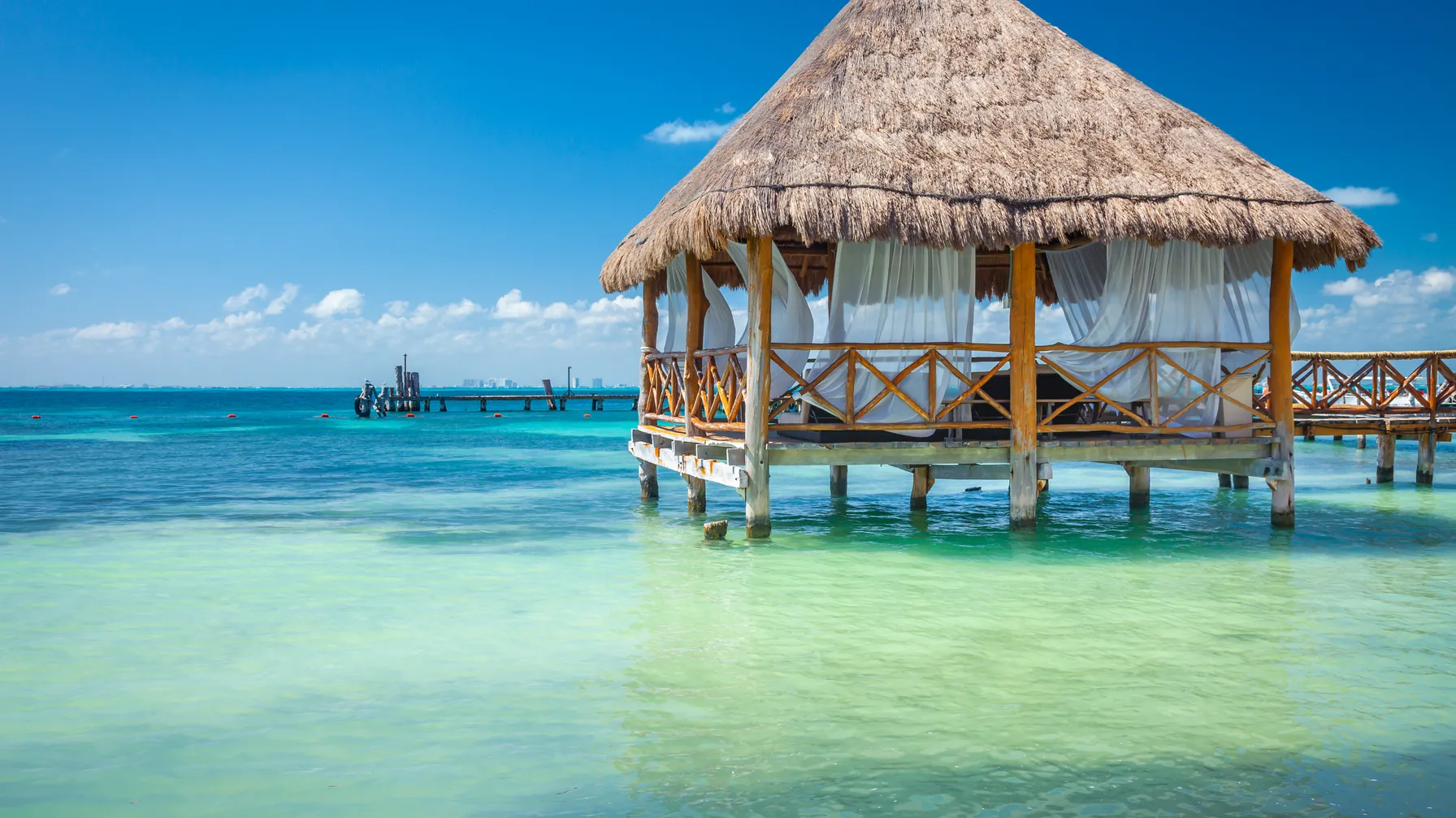
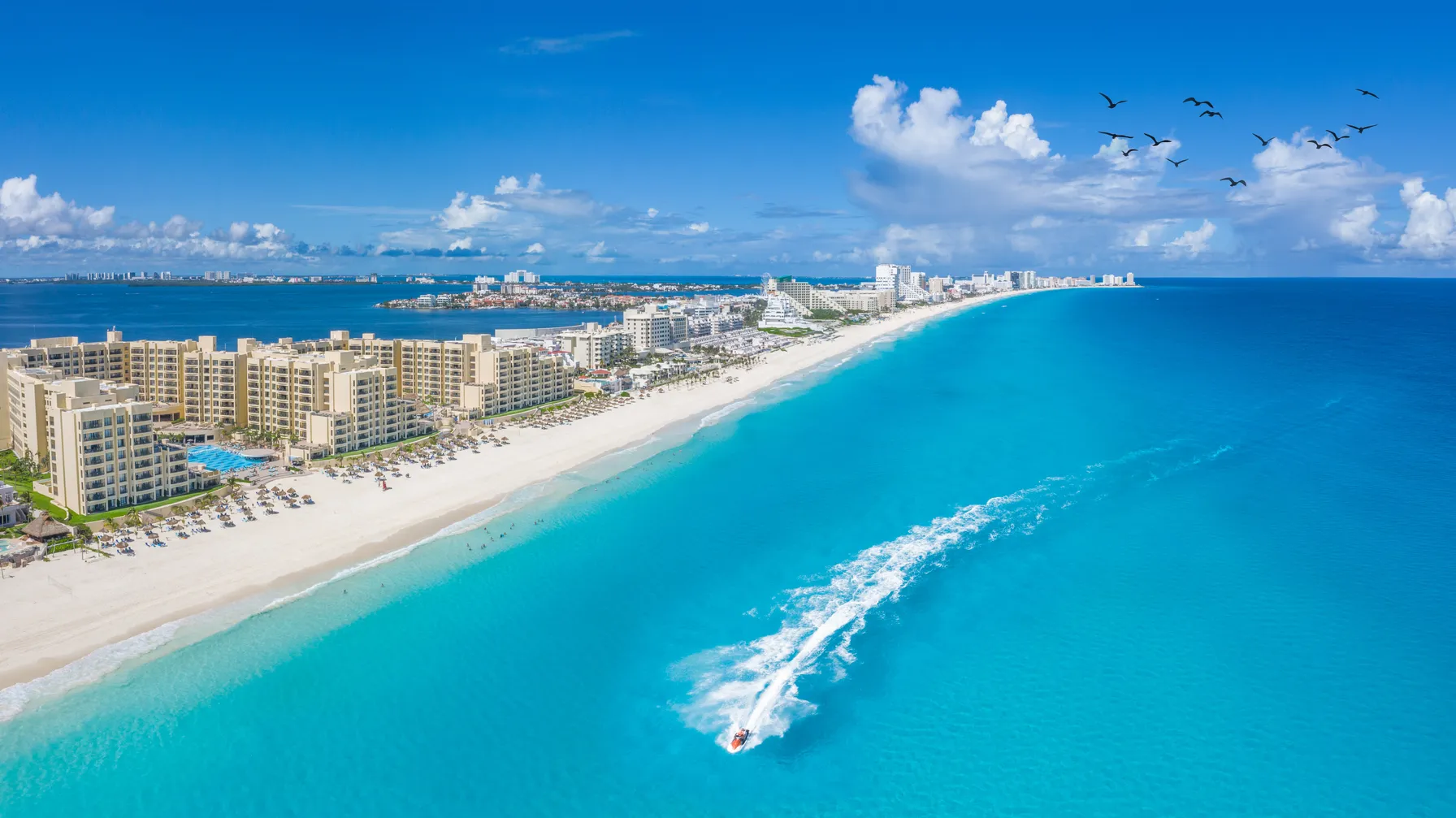
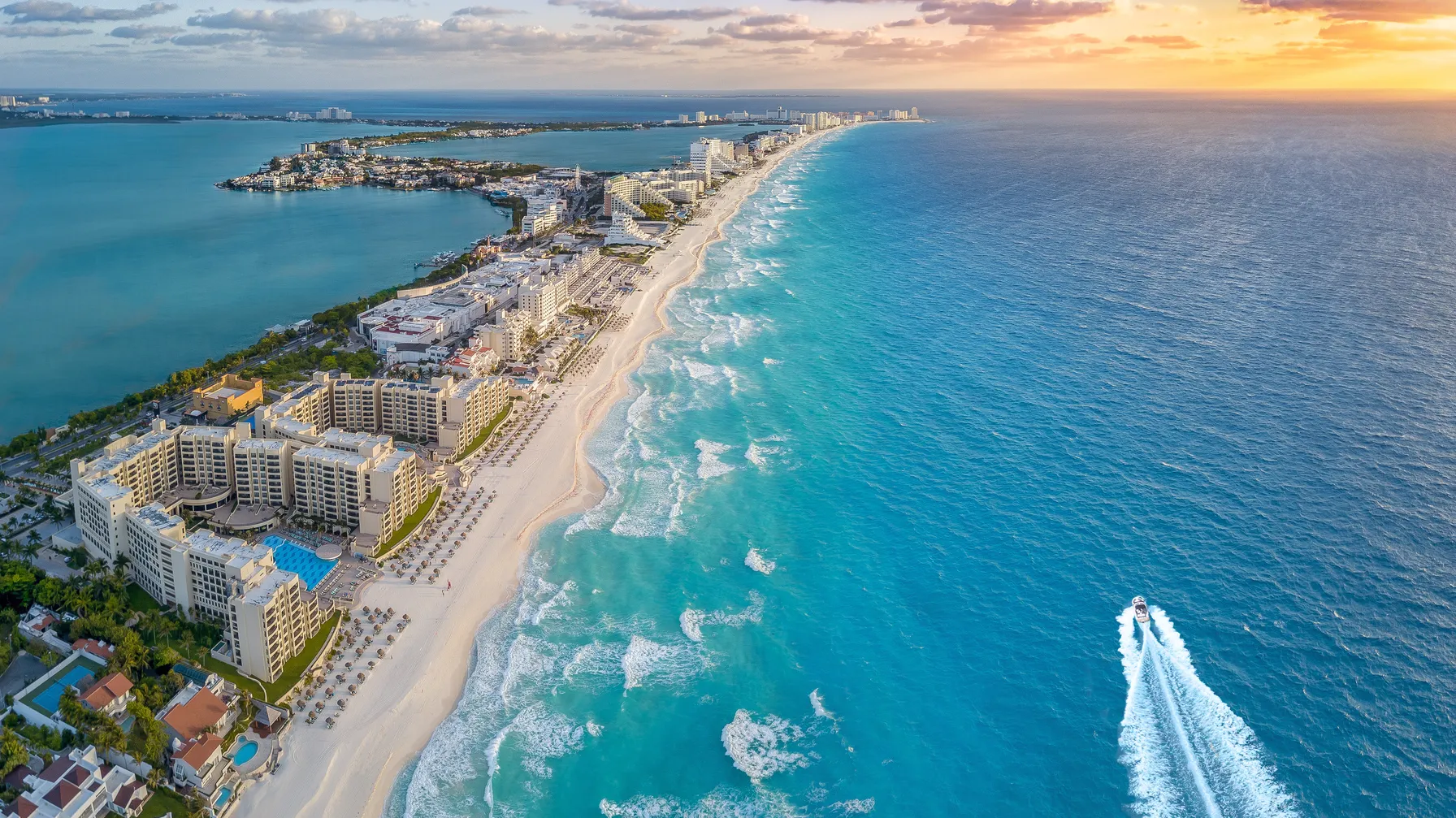
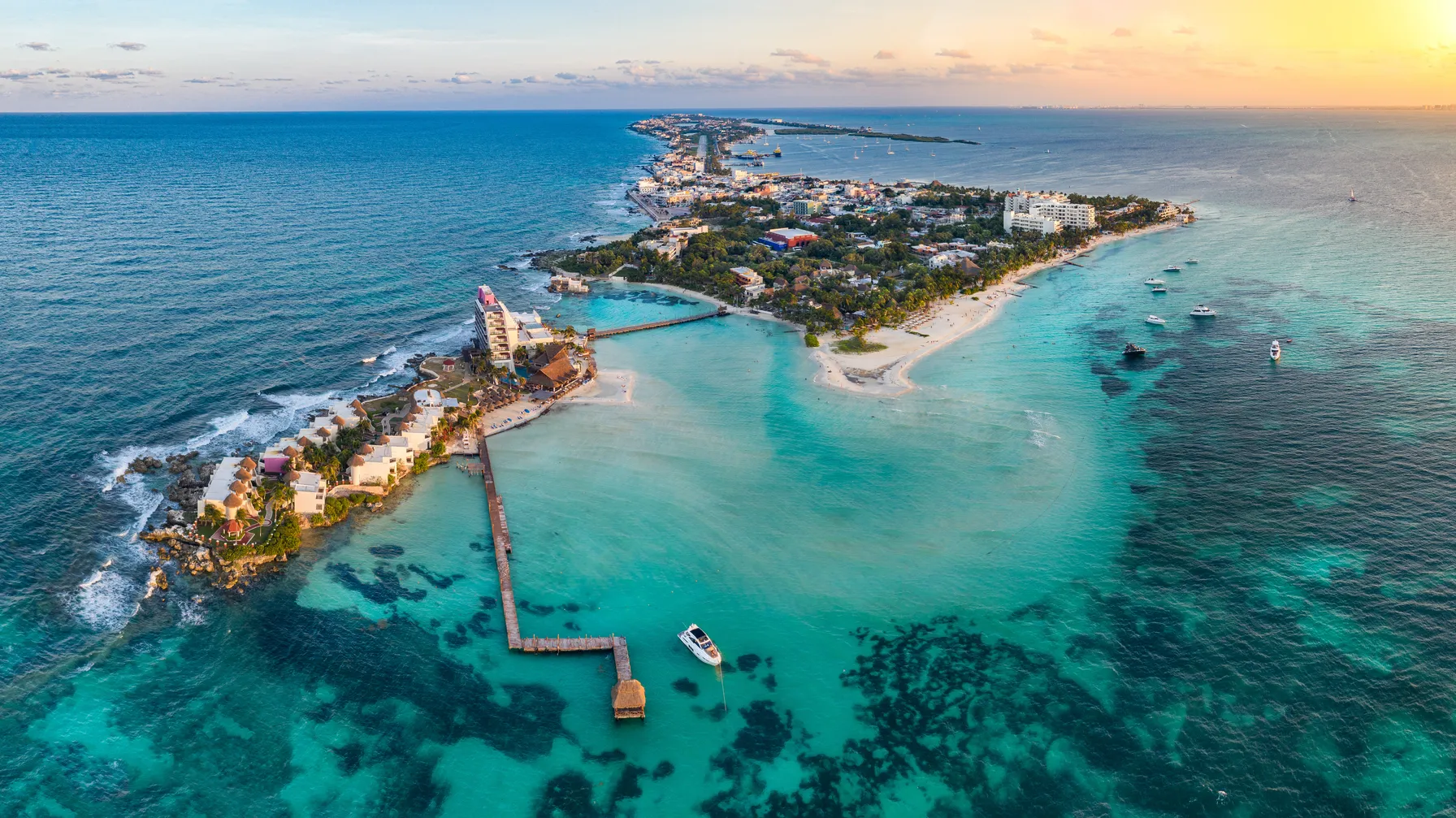
On the other side of the country, cruises on the Caribbean coast offer a very different face. Cozumel, an island off the Yucatán Peninsula, is one of the world's busiest ports. Its coral reefs, which are part of the second largest coral reef system on the planet, attract divers and snorkelers.
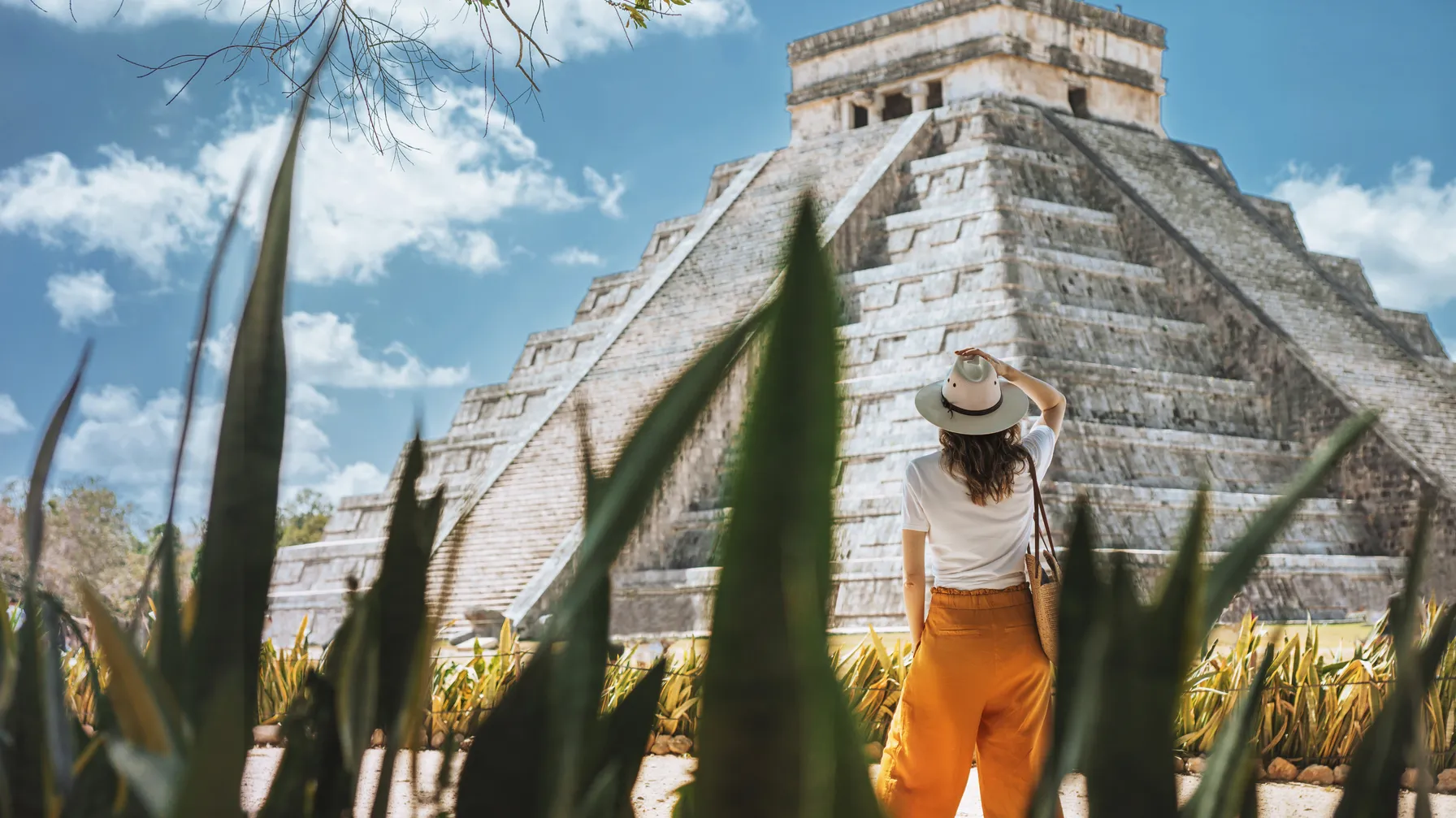
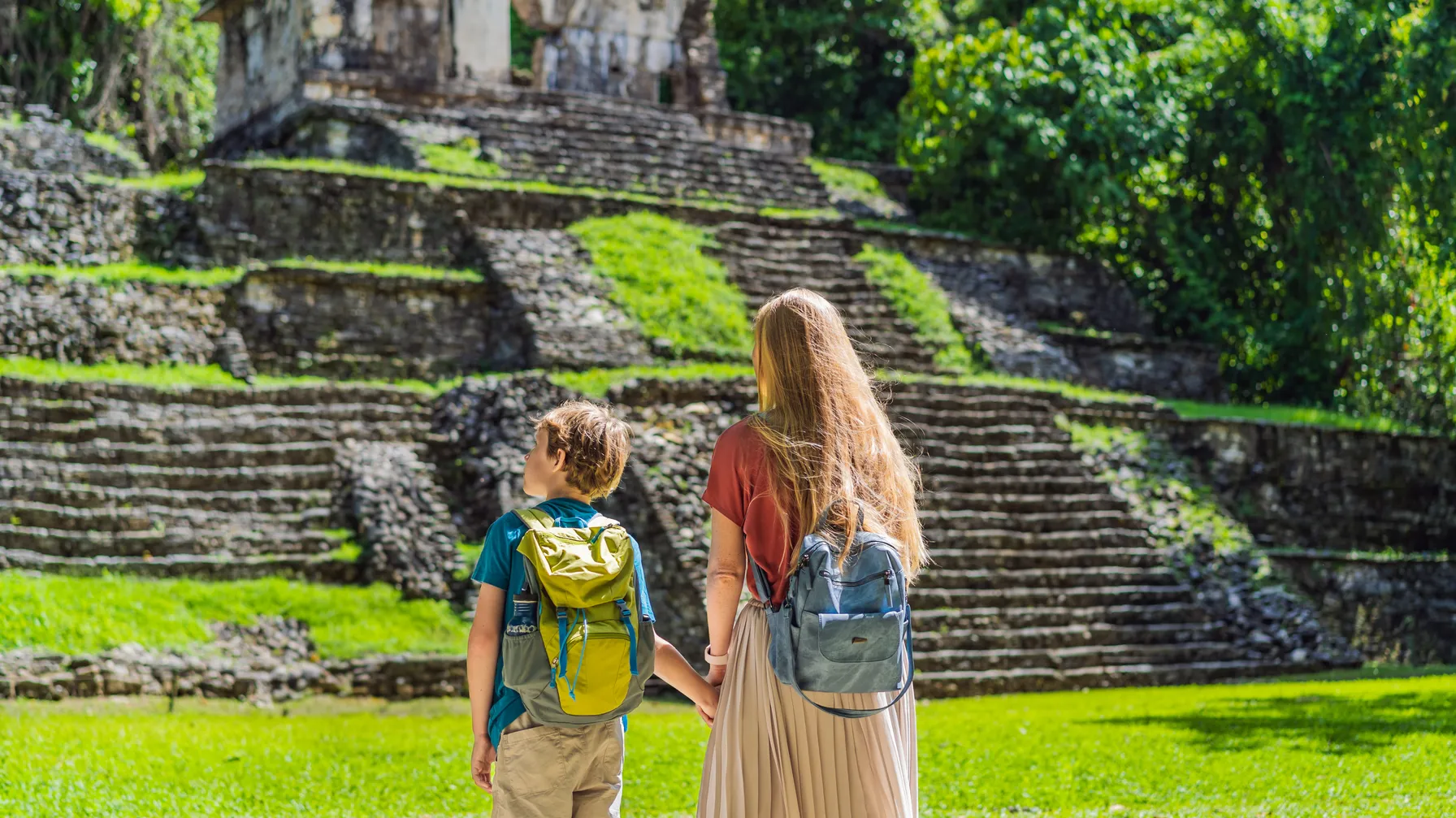
Costa Maya, a newer port located south of the state of Quintana Roo, provides access to the Maya ruins of Kohunlich or Chacchoben, much less frequented than Chichen Itza. It is an ideal port of call for those who want to get away from tourist trails.
To help you choose the best time for your cruise to Mexico, here is a summary table of conditions by season:
| Period |
Pacific Coast |
Caribbean Coast |
Notes |
| November to February |
Mild and sunny |
Ideal, little rain |
Peak tourist season |
| March to May |
Hot and dry |
Hot, calm sea |
Favorable period |
| June to September |
Very hot, humid |
Hurricane season |
Not recommended on the Caribbean coast |
| October to November |
Pleasant |
Transition, good weather |
Fewer crowds |
The period from November to April is generally considered the most favorable to fully enjoy Mexico cruises, whichever coast you choose.
From which departure ports can you embark on a cruise to Mexico?
Departure ports for joining Mexico by cruise are mostly located in the United States. Depending on the coast you wish to explore, options vary.
For the Mexican Riviera and the Pacific Coast, the main departure ports are Los Angeles and San Diego, in California. These two cities offer numerous air connections from Europe, making travel planning easier. The crossings to Cabo San Lucas from Los Angeles take about two days at sea.
For the Caribbean coast, Fort Lauderdale and Port Canaveral, in Florida, are the most common embarkation points. Fort Lauderdale, located a few miles north of Miami, is one of the world's busiest cruise ports. From these ports, itineraries typically run between 7 and 15 days, with several Mexican stops on the program.
Cruise durations vary by package:
- Short cruises of 4 to 5 days, ideal for a first approach;
- Itineraries of 7 to 8 days, the most popular, with 3 to 4 stops;
- Long journeys of 10 to 15 days, for a deeper immersion in Mexican culture.
How does Vialala help you with a tailor-made cruise to Mexico?
A cruise to Mexico is not just about choosing a ship and an itinerary. What truly makes the difference is what you do at each port of call. That's where Vialala's Travel Planners come in.
Our experts know Mexico in every detail. They know which local guide to contact to visit Tulum before it opens to the public, which fishing family in Cozumel offers an authentic sea outing, or which Puerto Vallarta restaurant serves the best ceviche in town. This information isn't found in standard catalogs.
With Vialala, you build your cruise to Mexico according to your real desires: one stop focused on diving, another dedicated to gastronomy, a third to explore Maya ruins outside peak hours. Each day is planned for you, not for an anonymous group.
Whether you're traveling as a couple, with family and children, or with friends, our Travel Planners tailor every detail of your trip. Mexico is a destination that rewards you, and with the right support, it reveals facets that few travelers are lucky enough to discover.