Why choose a cruise in Malaysia?
\n
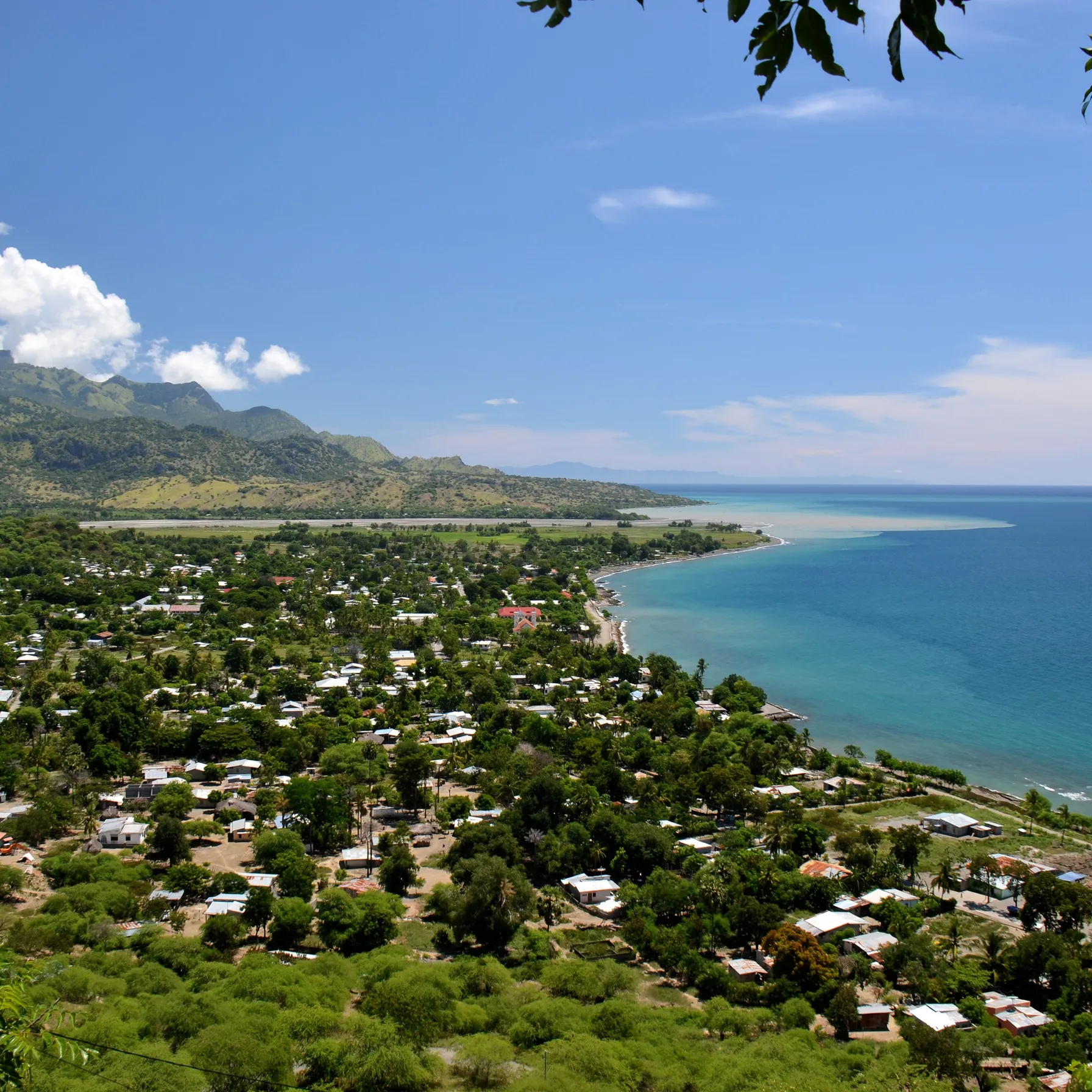
Malaysia is one of those destinations that doesn’t resemble any other. Cramped between the Andaman Sea and the South China Sea, the Malay Peninsula concentrates within a few hundred kilometers an exceptional biodiversity, a melting-pot gastronomy and cities where mosques, Hindu temples and Chinese shophouses rub shoulders. It is precisely this diversity that makes a Malaysia cruise a particularly appealing formula: each port of call brings its share of surprises, without ever having to unpack your suitcases.
\n
With more than 4,800 kilometers of coastline, the country naturally lends itself to navigation. Maritime itineraries allow you to connect in a few days destinations that, by land, would require much more time. Depending on the chosen formulas, cruises last from 3 to 15 days, with departures mainly from Singapore, a stone's throw from the Malaysian border. For travelers who want to go further, some circuits extend to Indonesia or Thailand, offering a complete panorama of maritime Southeast Asia.
\n
Beyond landscapes, it’s also culture that invites travel. Malaysia counts more than 32 million inhabitants distributed among Malays, Chinese, Indians and a mosaic of indigenous peoples. This plurality is felt at every stop, whether in the flavors of a night market or in the architecture of a colonial street.
\n\n
What are the must-see ports of a cruise in Malaysia?
\n
A cruise in Malaysia is, above all, a sequence of stops that compose a coherent travel narrative. Here are the ports that deserve particular attention when planning your itinerary.
\n\n
Penang, jewel of UNESCO World Heritage
\n
George Town, the capital of Penang Island, is inscribed on the UNESCO World Heritage List since 2008. Its streets feature remarkably well-preserved British colonial architecture, Buddhist and Hindu temples, and mural frescoes that have built the city’s reputation far beyond Asia. The Kek Lok Si temple, perched on the heights of the island, is one of the largest Buddhist complexes in Southeast Asia. But Penang is also a renowned gastronomic capital: char kway teow, laksa and rojak reach a quality hard to match elsewhere.
\n\n
Langkawi, the wild archipelago
\n
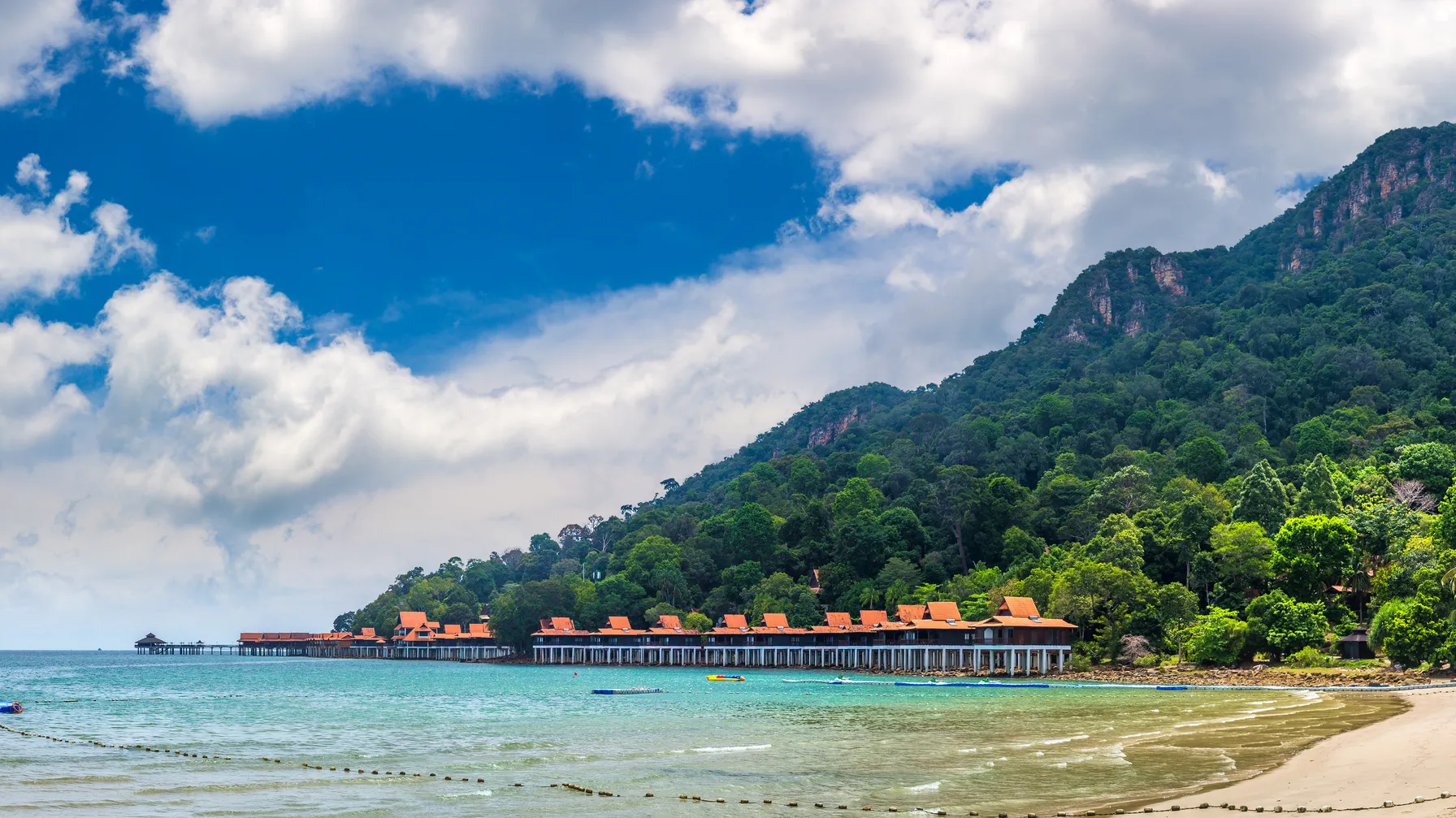
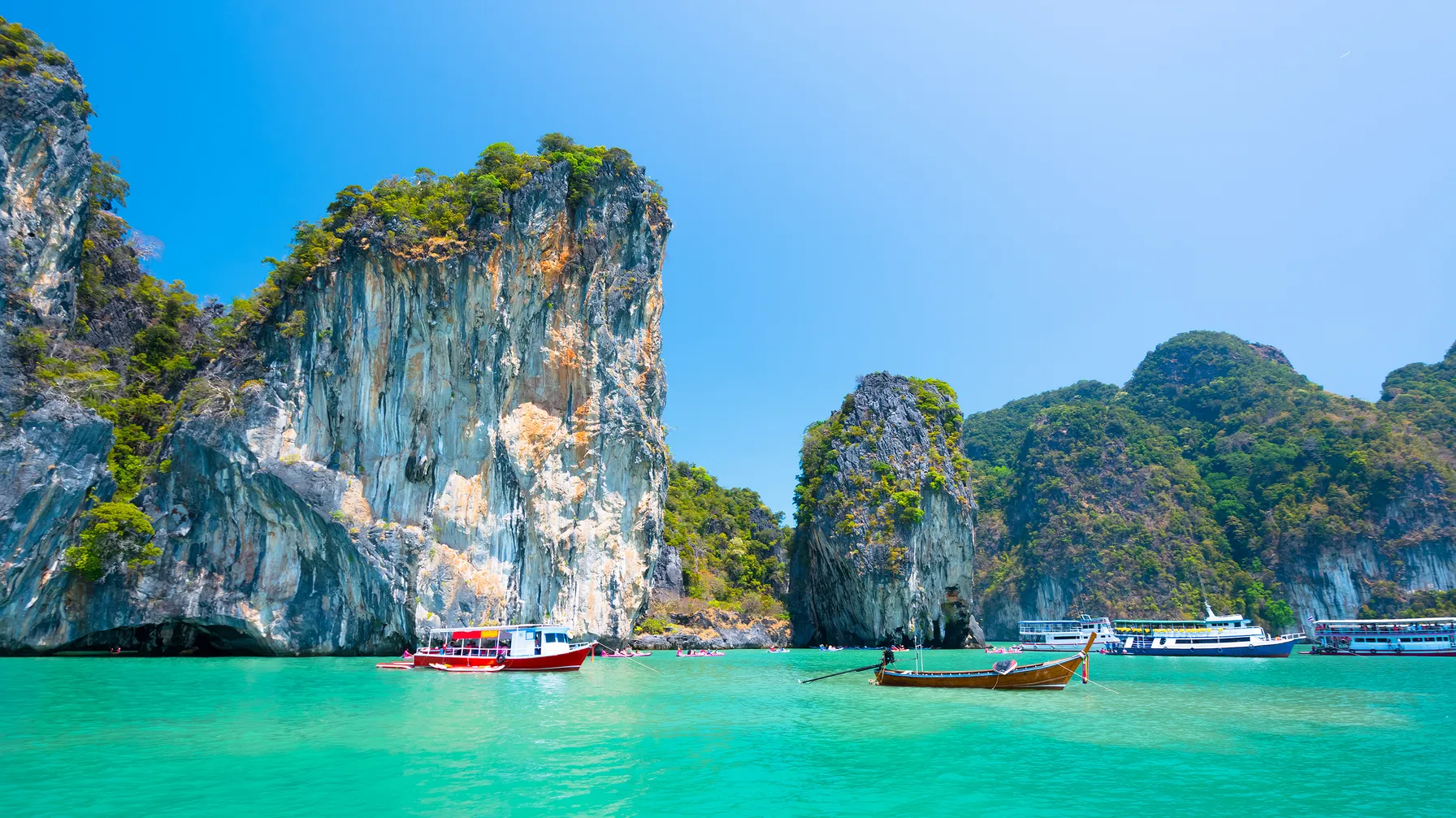
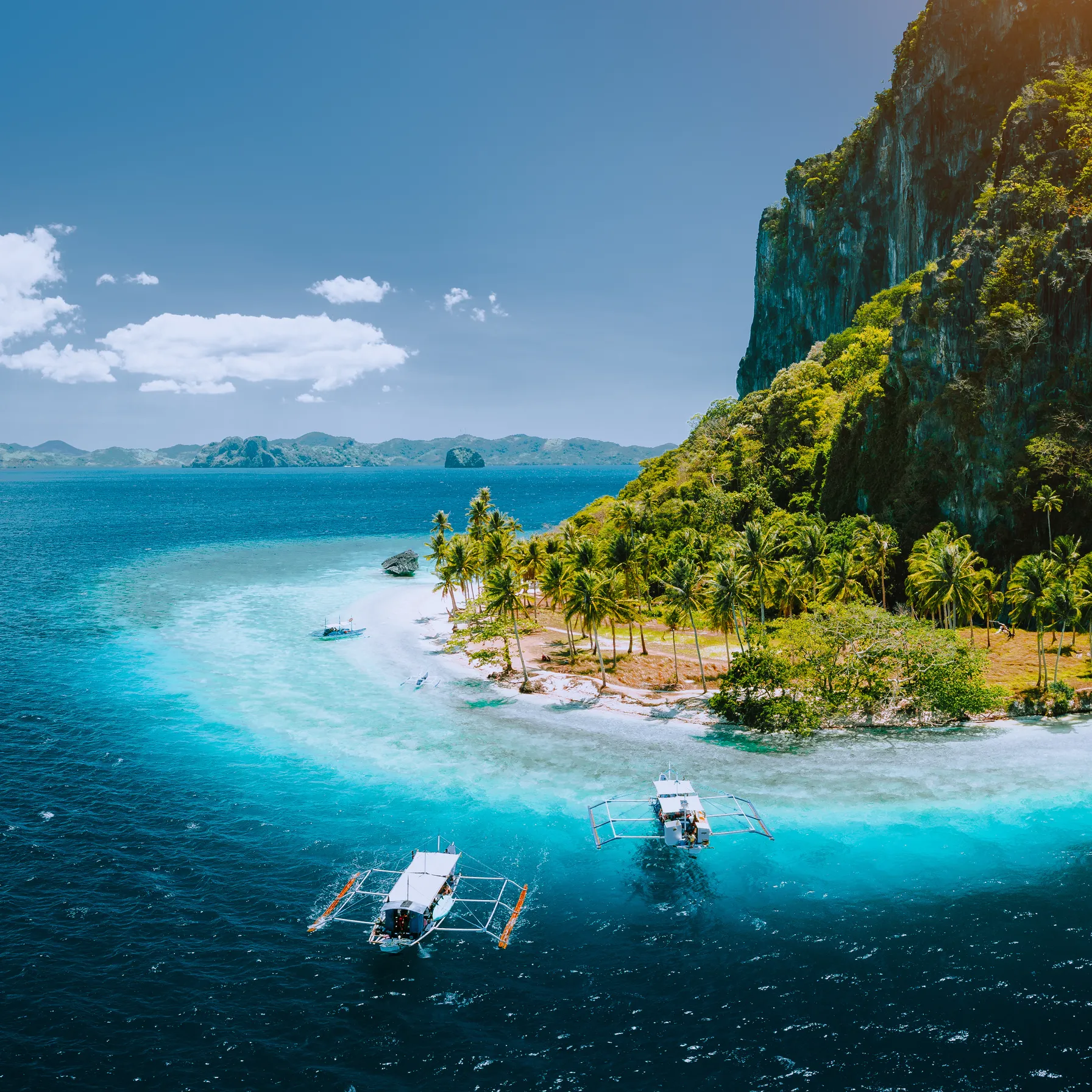
About 30 kilometres off the northwest coast of the peninsula, Langkawi is an archipelago of 99 islands, the main one covering nearly 500 km². Classified as a UNESCO Global Geopark, it hosts ancient mangrove forests, white-sand beaches and remarkable wildlife. The Langkawi cable car, which climbs to 708 metres above sea level, offers a breathtaking view of the archipelago and the Thai border. For nature lovers, a cruise through the mangroves of Kilim Geoforest Park, in search of Brahminy eagles, is an experience not to be missed.
\n\n
Port Klang, the gateway to Kuala Lumpur
\n
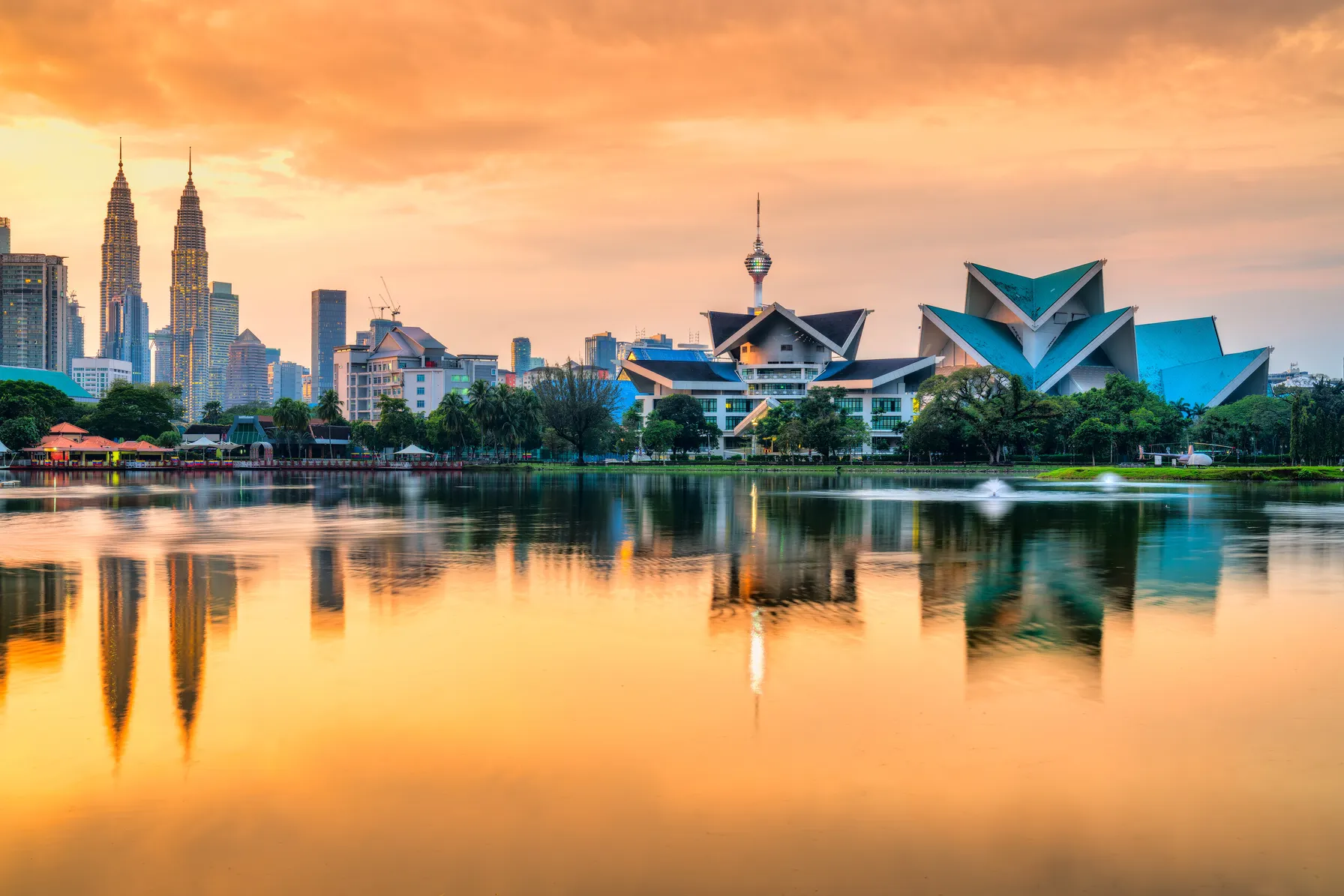
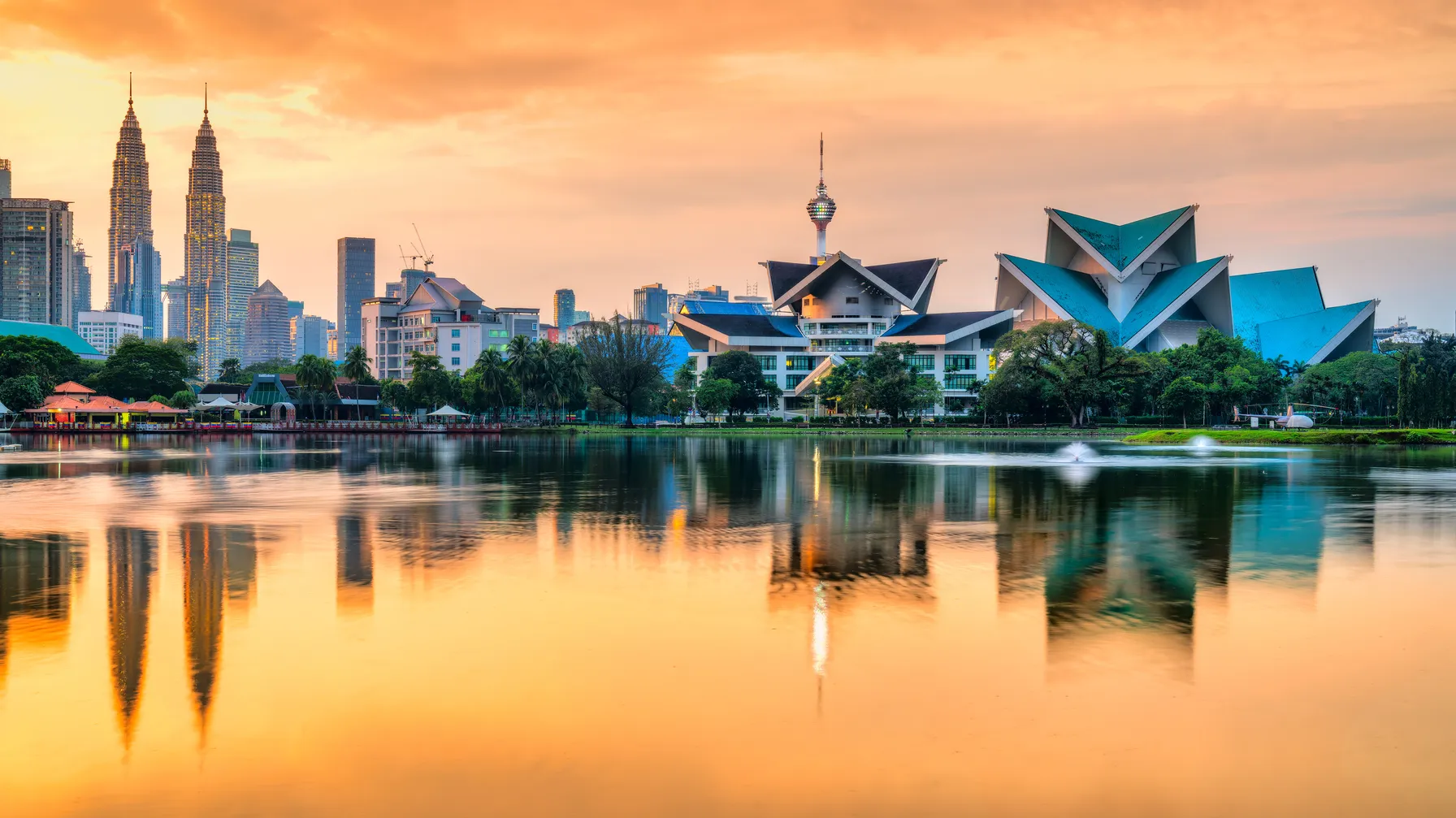
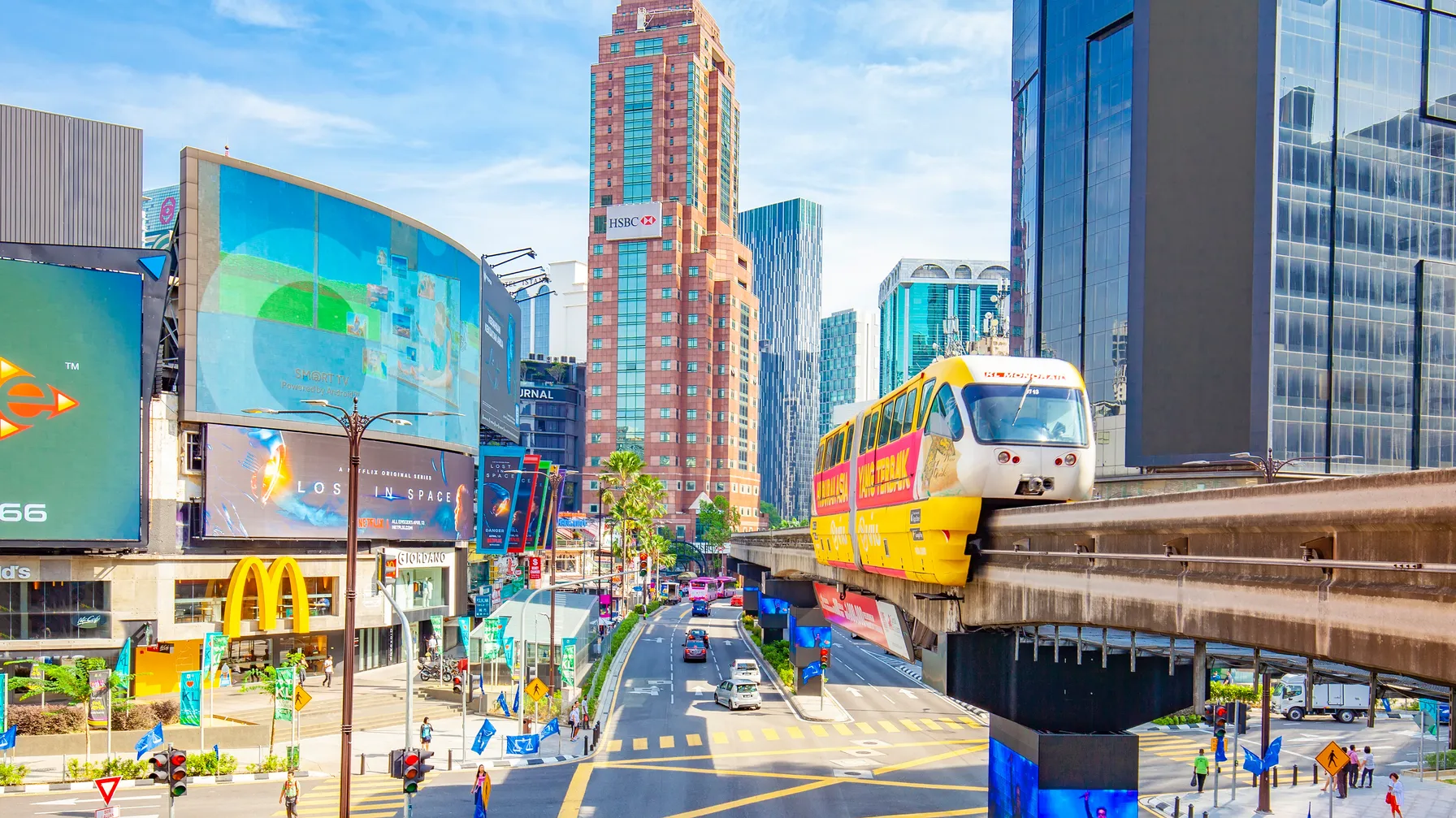
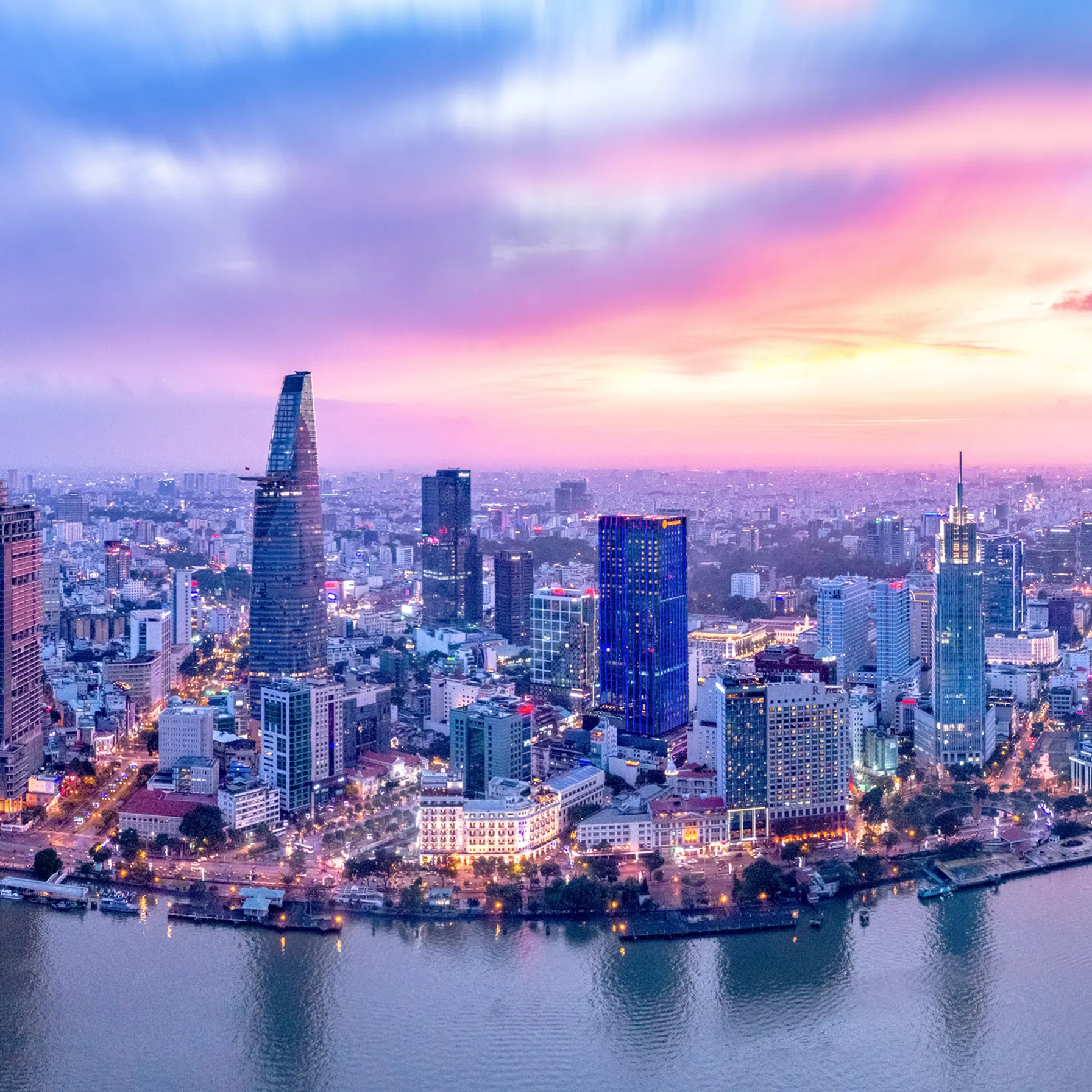
Port Klang is Malaysia’s main seaport and the natural gateway to Kuala Lumpur, the federal capital, located about 40 kilometres away. From the port, a day trip to the city is a must to glimpse the Petronas Towers, which rise to 452 metres and dominate the capital’s skyline. The Batu Caves, located about fifteen kilometres north of the city centre, are another major point of interest: this complex of Hindu temples carved in limestone attracts millions of visitors each year. Port Klang is thus far more than a simple technical stopover: it’s an invitation to discover the country’s urban and cultural heart.
\n\n
Malacca, city-museum between two cultures
\n
Former capital of the sultanate of the same name, Malacca is an open-air city-museum. Its historic centre, also UNESCO-listed, bears witness to five centuries of Portuguese, Dutch and British colonial history. The Christ Church, with its red-brick buildings, and Jonker Street, lively with antique shops and restaurants, form the living heart of the old town. Malacca is also renowned for its nyonya cuisine, the fruit of the blending of Malay and Chinese cultures, which you can find in the many family-run restaurants lining the canals.
\n\n
What is the best time for a cruise in Malaysia?
\n
The Malaysian climate is tropical and humid all year round, but the monsoon seasons vary by region. For a Malaysia cruise on the west coast of the peninsula, which concentrates most of the stops, the most favorable period runs from November to April. The east coast, less frequented by cruises, experiences its dry season from March to October.
\n
Here is an overview of the climatic conditions by season to plan your departure as best as possible:
\n\n
\n \n \n | Period | \n West Coast (Penang, Langkawi) | \n General conditions | \n
\n \n \n \n | November to January | \n Dry season | \n Ideal, calm sea, temperatures around 28°C | \n
\n \n | February to April | \n Dry season | \n Excellent, low humidity, optimal visibility | \n
\n \n | May to July | \n Transition | \n Pleasant, some occasional showers | \n
\n \n | August to October | \n Rainy season | \n Frequent showers, sea sometimes rough | \n
\n \n
\n\n
The months of December and January are the most popular, especially for travelers wishing to combine their Malaysia cruise with year-end holidays. It is therefore advisable to book in advance, ideally several months ahead.
\n\n
How does Vialala support you for your Malaysia cruise?
\n
Organizing a Malaysia cruise isn’t just about choosing a ship and a departure port. The real question is about the overall experience: how to extend each stop with memorable activities, how to combine the cruise with a few days on land, or how to tailor the itinerary to your desires and pace.
\n
That is precisely where our Travel Planners come in. At Vialala, every travel project is handled by an expert who knows the destination inside out. Together, you build a stay that goes far beyond a simple maritime circuit: choice of all-inclusive or full board according to your preferences, selection of onboard activities tailored to your profile (families, couples, adventurers), and organization of onshore excursions at each port of call.
\n
Whether you want a short 5-day cruise between Penang and Langkawi, or a grand two-week itinerary linking Kuala Lumpur, Malacca and the neighboring islands, our Travel Planners offer bespoke options, designed in every detail. Each stop thus becomes a fully-fledged experience, not just a checkbox on a program.