Why choose Sardinia for your custom roadtrip?
Sardinia turns out to be an ideal destination for a trip with family or friends, offering a variety of exceptional landscapes over its 24,090 square kilometers. This Italian island in the Mediterranean invites you to discover its multiple facets during an unforgettable roadtrip, from the rugged coasts of the north to the vast white sand beaches of the south.
The advantage of a roadtrip lies in the freedom it provides to explore the island's hidden treasures at your own pace. You can alternate between sophisticated seaside resorts of Costa Smeralda and authentic inland villages, between mysterious caves and ancient archaeological sites. The road will lead you from Porto Torres, the main port of arrival, to the southernmost reaches, following the coast or crossing the mountains at the center.
Our Travel Planners, experts in the destination, work with you to design a personalized itinerary that perfectly matches your desires and pace. They select the most suitable accommodations, from family-run agriturismi to charming seaside hotels, and advise you on the best roads to take depending on the season. Their in-depth knowledge of the area lets you avoid tourist traps and discover preserved places known only to locals.
What itinerary for fifteen days in Sardinia?
A two-week stay in Sardinia offers you the opportunity to tour the entire island while taking the time to enjoy each region. This balanced itinerary allows you to discover the different facets of Sardinia without rushing.
Northern Sardinia: between luxury and authenticity
Your adventure usually begins in Northern Sardinia, accessible from Porto Torres after the ferry crossing. This region concentrates some of the most beautiful beaches of the Mediterranean and exceptional sites that justify the trip alone.
Costa Smeralda is a must-visit, with its emerald waters that have seduced the international jet-set since the 1960s. Porto Cervo, the beating heart of this prestigious coast, will dazzle you with its unique architecture that blends modernity and Mediterranean traditions. The beaches of Liscia Ruja and Capriccioli offer breathtaking panoramas, with their crystal-clear waters contrasting with the surrounding maquis.
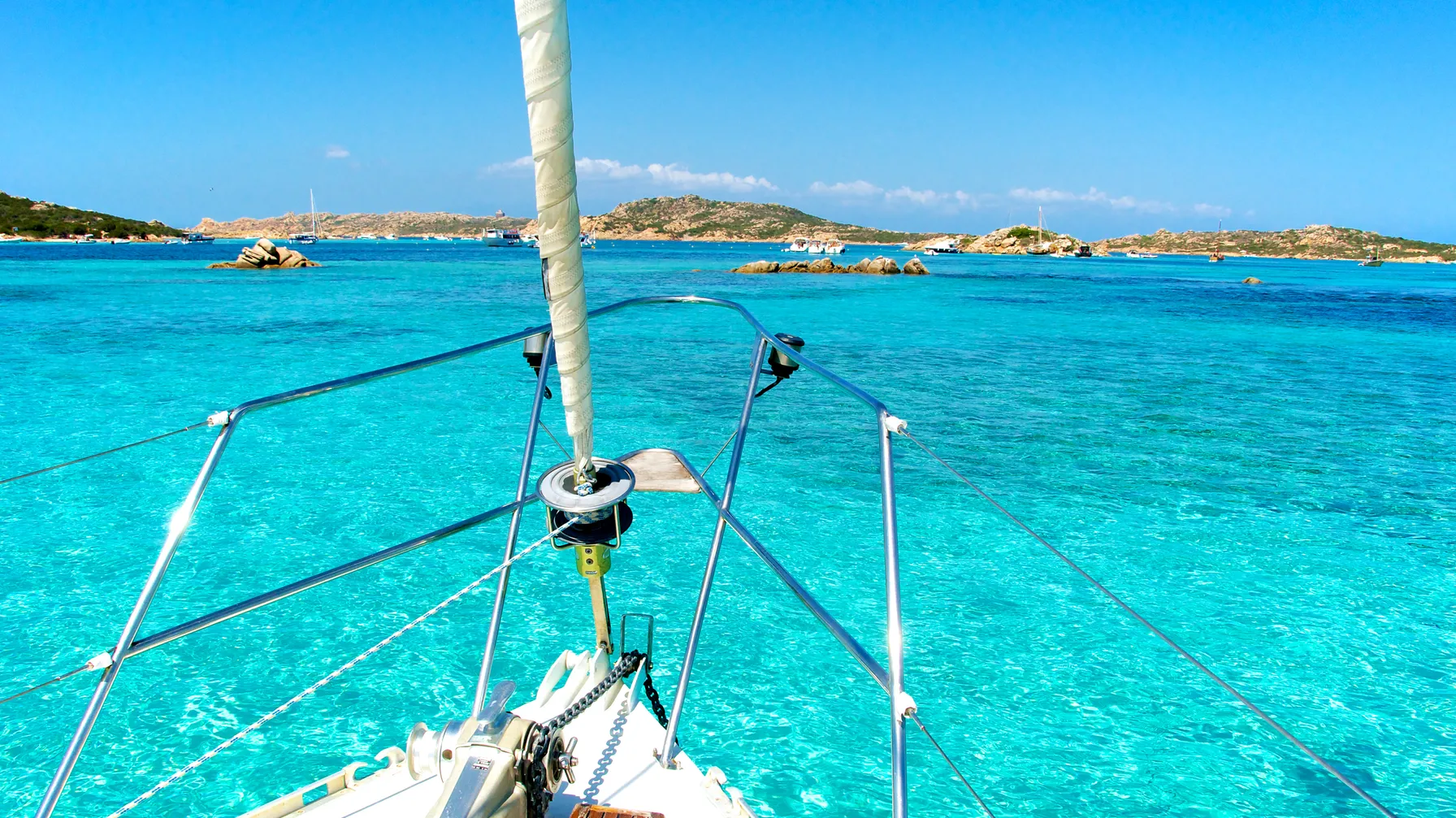
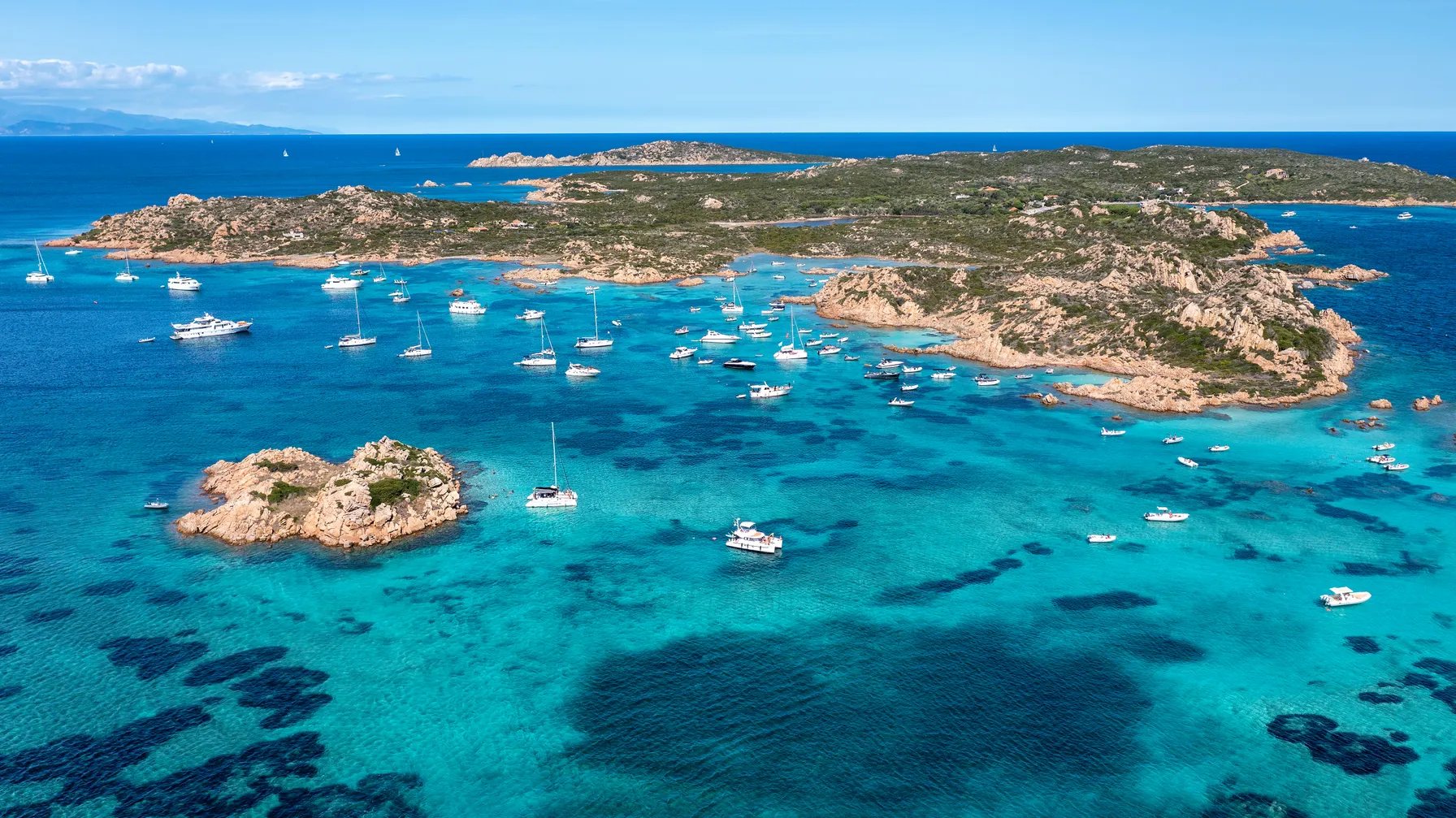
The Maddalena archipelago deserves a full-day excursion. Accessible from Palau, these granite islands house wild coves with turquoise waters. The island of Budelli, famous for its pink beach, and Spargi, with its rock formations sculpted by the winds, are essential stops on your journey.
The village of Castelsardo, perched on its rocky promontory, transports you to the Middle Ages with its paved streets and walls overlooking the sea. This former Genoese stronghold offers a striking contrast with the luxury of Costa Smeralda, revealing Sardinian authenticity in all its splendor.
Santa Teresa di Gallura, at the northern tip of the island, serves as an ideal base for exploring Capo Testa. This spectacular cape, shaped by erosion, reveals granite formations with fantastic shapes. The Roman quarries testify to the millennium-long exploitation of this renowned granite, used to build the monuments of the Empire.
The center and the east: wild nature and traditions
The journey to the east of the island takes you through the mountains of Supramonte, a wild region where Sardinian traditions have been perpetuated for centuries. Orgosolo, an iconic village of Barbagia, welcomes you with its famous murals that narrate the tumultuous history of Sardinia.
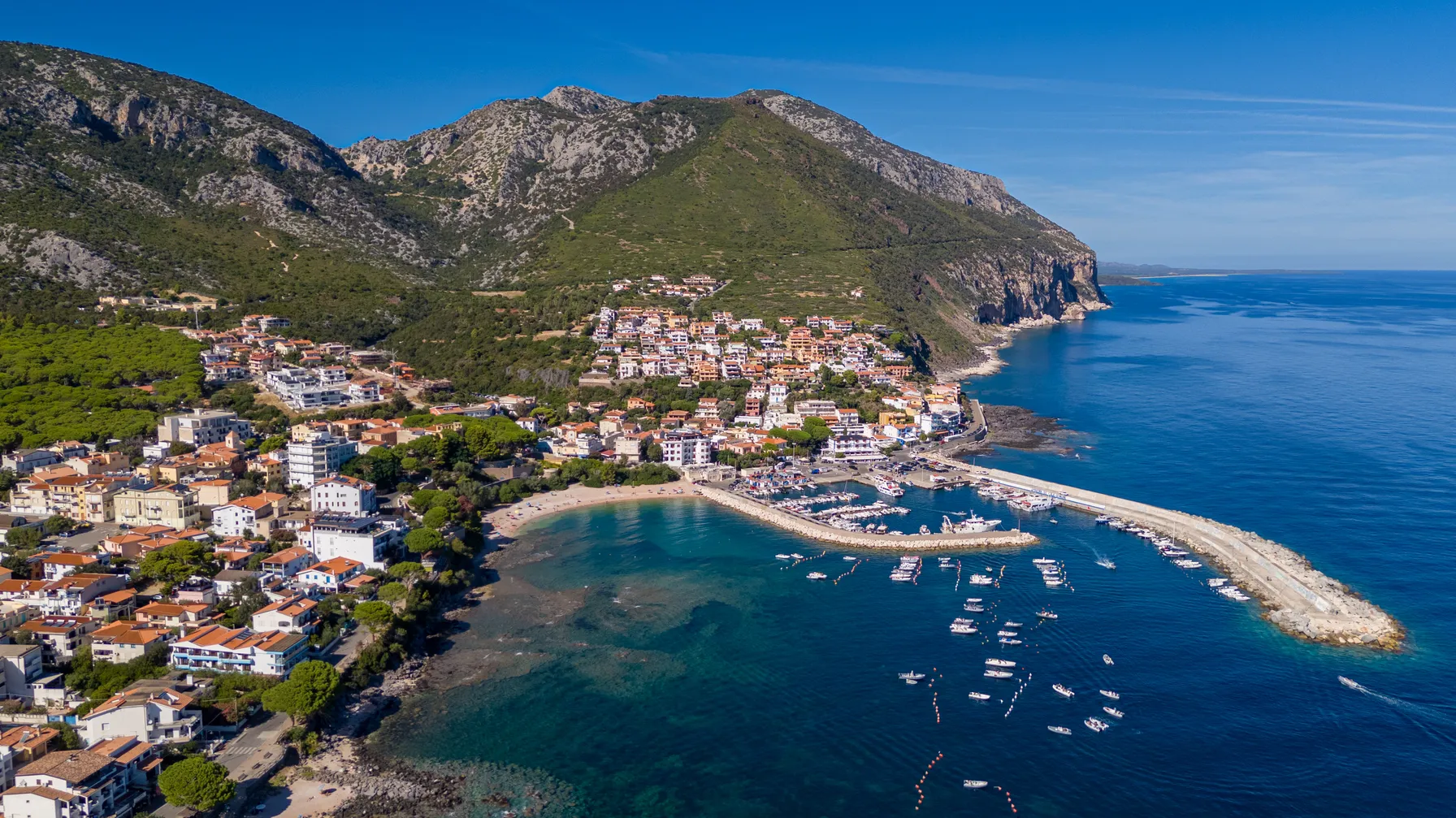
Cala Gonone, a seaside resort nestled at the foot of the limestone cliffs, is the perfect starting point for exploring the Gulf of Orosei. This preserved coast is home to some of the most beautiful beaches in Europe, accessible only by sea or by hiking trails. Cala Goloritze, classified as a natural monument, will amaze you with its natural arch and intensely blue waters.
The Gorropu canyon, dubbed the "European Grand Canyon," offers hikers a grandiose spectacle. This deep gorge, carved by the waters of the Rio Flumineddu, is one of the most impressive natural sites on the island.
The nuraghi, these unique prehistoric stone towers, punctuate the landscape of the island's center. The site of Su Nuraxi, near Barumini, classified as a UNESCO World Heritage Site, attests to the Nuragic civilization that shaped Sardinia more than 3,000 years ago.
The south and west: paradise beaches and heritage
The southern part of the island reveals contrasting landscapes, from the white sand dunes of Chia to the steep cliffs of the west coast. Cagliari, the regional capital, merits a two-day stop to discover its architectural heritage and exceptional museums.
The Castello district, perched on a hill, preserves its Pisan ramparts and medieval palaces. The Saint Mary Cathedral, with its baroque façade and Romanesque interior, perfectly illustrates the artistic wealth of the city. The National Archaeological Museum houses the most important collection of Nuragic artifacts in the world.
The west coast unveils exceptional natural wonders. The Neptune's Grotto, accessible from Alghero by a vertiginous staircase of 654 steps, plunges you into a fairy-tale underground world. Alghero itself, nicknamed "Little Barcelona" due to its Catalan influences, charms with its preserved historic center and walls facing the sea.
Bosa, one of the most beautiful villages in Italy, displays its colorful houses along the Temo river. This former merchant city has preserved its authenticity, far from the tourist crowds. Its medieval streets and the Malaspina castle offer a particularly moving journey back in time.
The Sinis Peninsula, near Oristano, harbors remarkable archaeological and natural treasures. The remains of Tharros, an ancient Phoenician-Punic city, dominate a landscape of pink lagoons populated by flamingos. The beach of Is Arutas, composed of multicolored quartz grains, is one of the most photographed natural curiosities in Sardinia.
When to go and how to organize your trip in Sardinia?
The choice of the period and the practical organization of your roadtrip largely determine the success of your stay. Our Travel Planners assist you in these crucial decisions to optimize your Sardinian experience.
The best periods for your roadtrip
The Mediterranean climate of Sardinia offers favorable conditions for most of the year, but each season has its specific advantages depending on your priorities.
The high season, from June to September, guarantees maximum sunshine and ideal water temperatures for swimming. The months of July and August see temperatures peaking around 30°C, perfect for enjoying the paradisiacal beaches. However, this period also corresponds to the peak tourist season, especially on the Costa Smeralda and in well-known seaside resorts.
| Period |
Temperature |
Crowd |
Benefits |
Drawbacks |
| May-June |
20-28°C |
Moderate |
Mild climate, nature in bloom |
Water still cool |
| July-August |
25-32°C |
Maximum |
Warm water, entertainment |
Crowds, high prices |
| September-October |
18-26°C |
Low |
Warm sea, calm |
Risk of rain |
The shoulder seasons, May-June and September-October, often represent the best compromise for a trip to Sardinia. Temperatures remain pleasant, the sea keeps a mild temperature in autumn, and tourist crowds significantly decrease compared to the high season. This period allows you to discover the island under optimal conditions, with more affordable accommodation rates.
Sardinian winter, from November to March, is characterized by a mild but humid climate. Although less conducive to beach activities, this season reveals an authentic Sardinia, far from the summer crowds. Hiking and cultural discovery enthusiasts will find their fill, especially since temperatures rarely exceed 15°C.
Practical tips for a successful two weeks
The logistical organization of your roadtrip requires meticulous planning that our Travel Planners master perfectly. They advise you on practical aspects that make the difference between a successful trip and a disappointing experience.
Access to Sardinia is mainly by ferry from mainland France or Corsica, or by plane to the airports of Cagliari, Olbia, or Alghero. The ferry from Toulon to Porto Torres, operated by Corsica Ferries, allows you to bring your vehicle for a 10-hour overnight crossing. This option is particularly convenient for a family trip with luggage and equipment.
Renting a vehicle on site is an interesting alternative, especially since Sardinian roads are generally in good condition. Our Travel Planners negotiate the best conditions for you with local renters, often including additional services such as child seats or beach equipment.
Accommodation in Sardinia offers a varied palette, from family-run agriturismi to luxury seaside resorts. Early booking is mandatory, especially in high season and in the most sought-after areas like Costa Smeralda. Our experts select establishments according to your criteria: proximity to beaches, authenticity, family services, or luxury standards.
Sardinian cuisine deserves special attention in your program. Beyond well-known specialties such as suckling pig or sheep's cheeses, each region develops its own culinary traditions. Our Travel Planners direct you to the best addresses, from family trattorias to starred restaurants, including local markets where you can taste regional products.
Water activities often form the core of Sardinian holidays. Scuba diving reveals exceptional seabeds, particularly around the Maddalena archipelago and near Alghero. Boat excursions provide access to the most SECRET coves, unreachable by road. Our local partners organize these custom outings, tailored to your level and desires.