Why is Alexandria a must-visit cruise stopover?
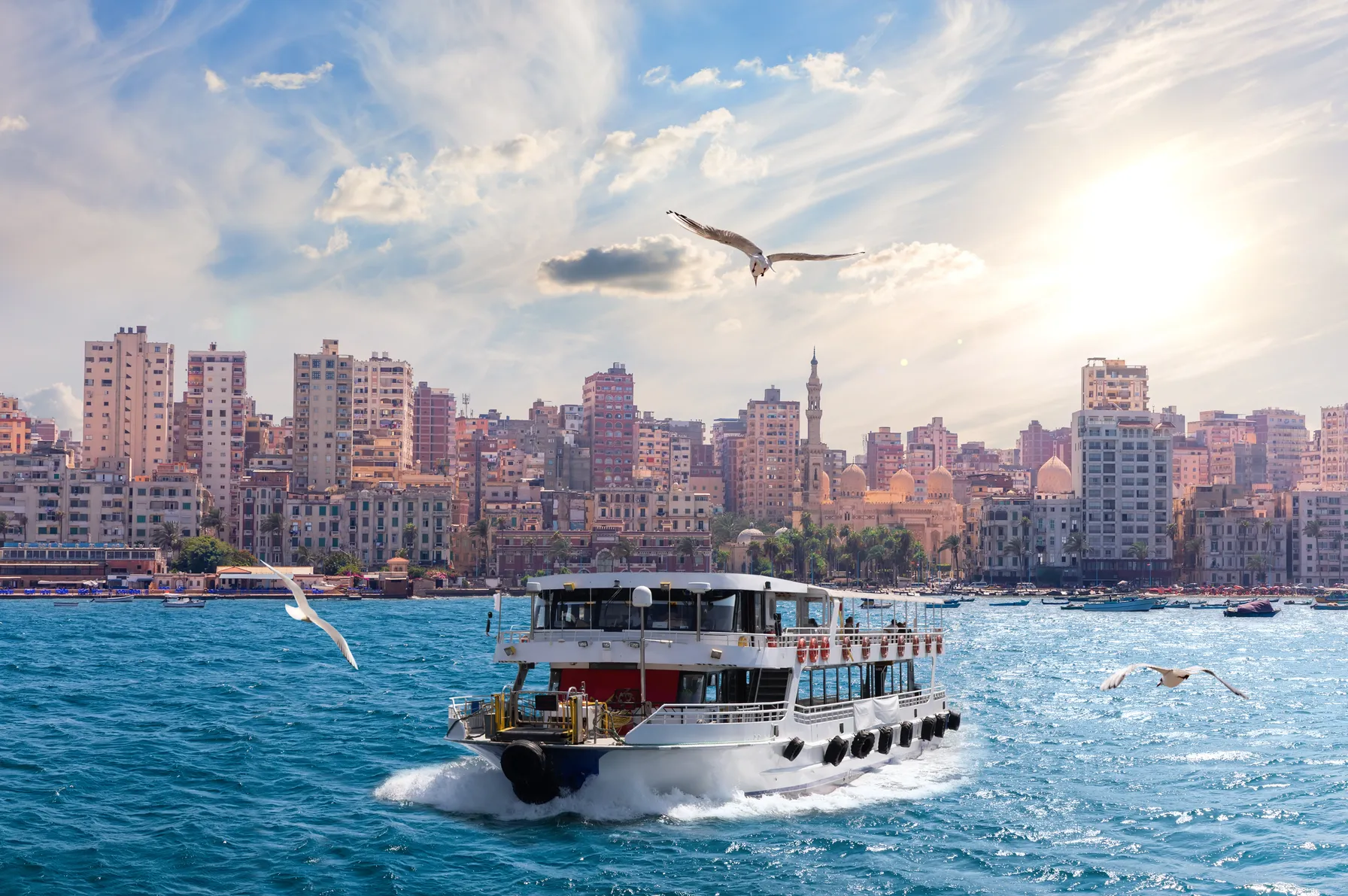
Alexandria holds a unique place in the imagination of travelers. As Egypt's second-largest city, it stretches over more than 20 kilometers along the Mediterranean coast, never venturing more than 8 kilometers inland. This positioning makes it a true city facing the sea, ideal for a stopover during a cruise in Egypt.
A city between history and the Mediterranean
Founded by Alexander the Great in 331 BC, the city was the capital of Egypt for nearly a millennium. It housed one of the greatest libraries of the ancient world, attracted philosophers, scholars, and merchants from all around the Mediterranean, and concentrated a unique cultural richness, mixing Greek, Roman, and Egyptian influences. Today, this layering of civilizations can still be felt in every street, monument, and neighborhood.
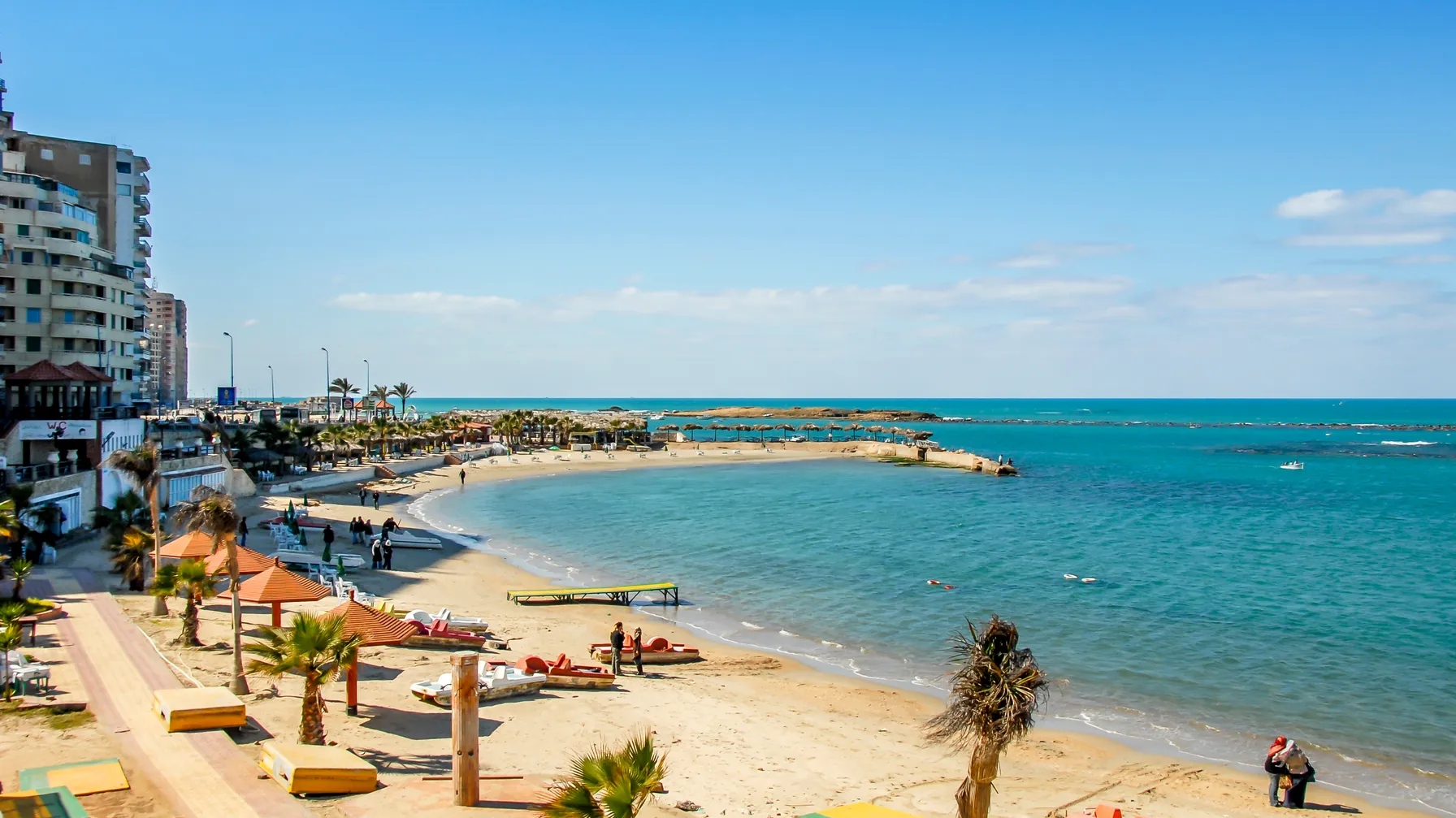
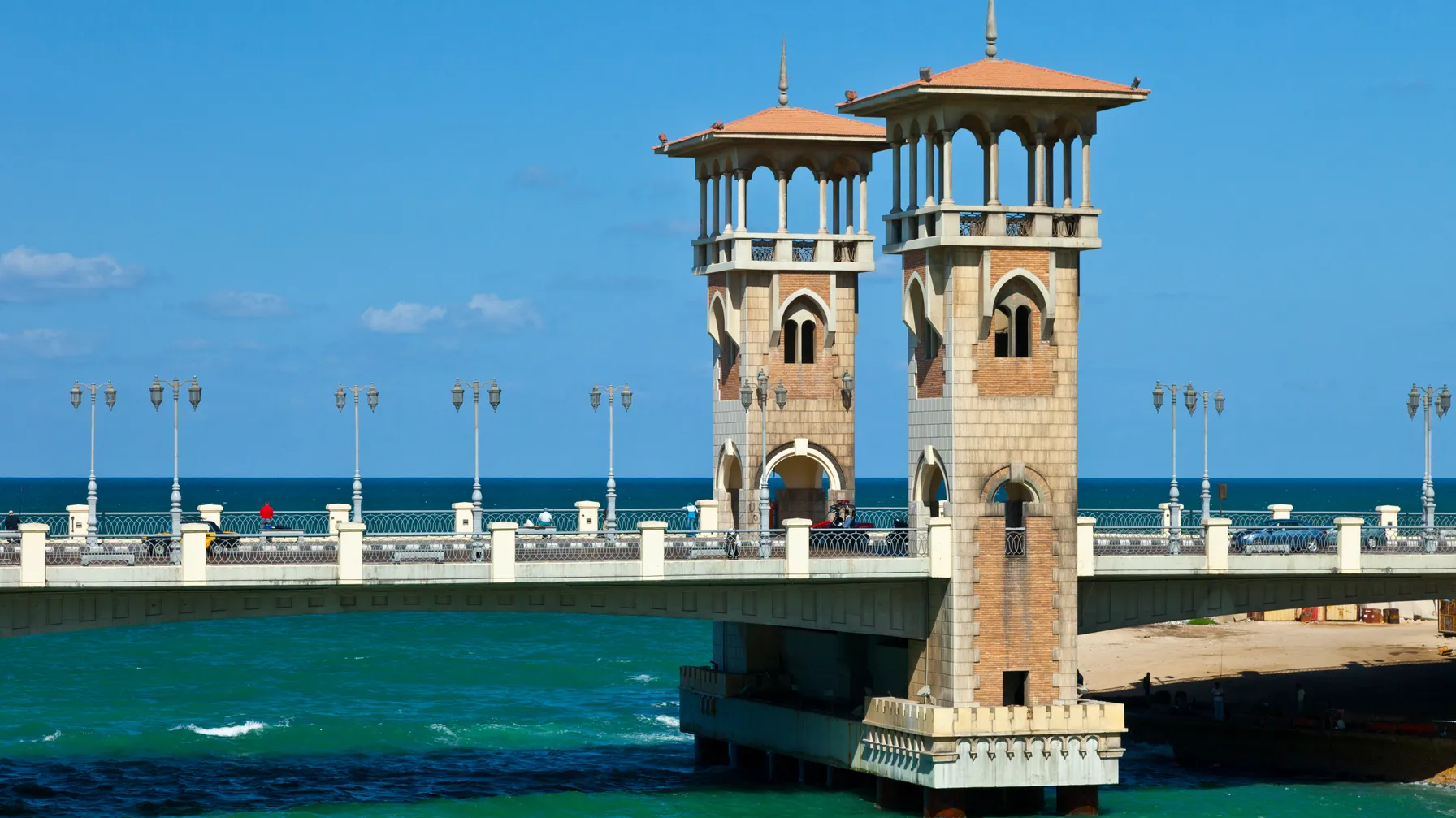
The Corniche, a promenade along the waterfront across the entire width of the city, is the symbol of this Alexandria open to the horizon. It connects the Eastern Harbor to the beaches of Montazah and Ma'amoura, offering vistas over a deep blue Mediterranean. This is where locals gather in the evening, where fishermen set up their lines at dawn, and where the visitor instantly understands why this city has fascinated so many civilizations.
The sites not to be missed during your stopover
During a cruise stopover in Alexandria, time ashore is precious. Therefore, it is useful to identify beforehand the places that deserve a visit. Here are the must-see attractions to include in your itinerary:
- The Bibliotheca Alexandrina, an architectural tribute to the ancient library, with its museum spaces and permanent exhibitions;
- The Alexandria National Museum, housed in a restored palace, which gathers thousands of artifacts tracing the city's history from antiquity to the present day;
- The catacombs of Kom el-Shoqafa, an underground funerary labyrinth dating from the 2nd century, rediscovered in 1900 and mixing Egyptian, Greek, and Roman iconographies;
- The Qaitbay Citadel, built in the 15th century on the very site of the legendary Lighthouse of Alexandria, one of the seven wonders of the ancient world;
- Sharia Nabi Daniel Street, which starts from Midan Sa'ad Zaghloul Square to become a lively shopping thoroughfare, lined with a synagogue, a Coptic cathedral, and a mosque, vividly reflecting the city's pluralistic past.
When to take a cruise to Alexandria?
The visiting period directly affects the quality of your stay. Alexandria enjoys a temperate Mediterranean climate, but seasonal differences are real. Here is an overview of the conditions to expect according to the season:
| Period |
Average Temperatures |
Conditions |
| November to March |
12 to 18 °C |
Ideal: mild, low crowd levels |
| April to June |
18 to 26 °C |
Pleasant, bright spring |
| July to September |
28 to 33 °C |
Hot and humid, high attendance |
| October |
20 to 25 °C |
Very favorable, gentle transition |
The best window for a cruise to Alexandria is between November and March. The temperatures remain pleasant for visiting sites on foot, the beaches are less crowded, and the city's atmosphere takes on a more authentic tint, far from the summer bustle. Autumn, especially the month of October, also makes for an excellent alternative: the nights are gentle, the light is beautiful, and sea conditions remain favorable.
In summer, while temperatures may exceed 30 °C and humidity can be felt, the city remains accessible. It's simply necessary to adapt your touring pace, favoring outings early in the morning or in the late afternoon.
What cruises lead to Alexandria?
Alexandria is served by several sea routes, making it an accessible stopover from many European and Mediterranean ports.
Mediterranean cruises with a stopover in Alexandria
Eastern Mediterranean cruises often include Alexandria in their itineraries, alongside stops like Athens, Limassol, Rhodes, or even Naples. These circuits, generally lasting between 7 and 14 days, allow you to combine the riches of ancient Egypt with the cultural diversity of the Mediterranean basin. Cruises departing from ports such as Venice, Genoa, Rome, or Marseille offer journeys lasting one to two weeks, depending on the chosen itinerary.
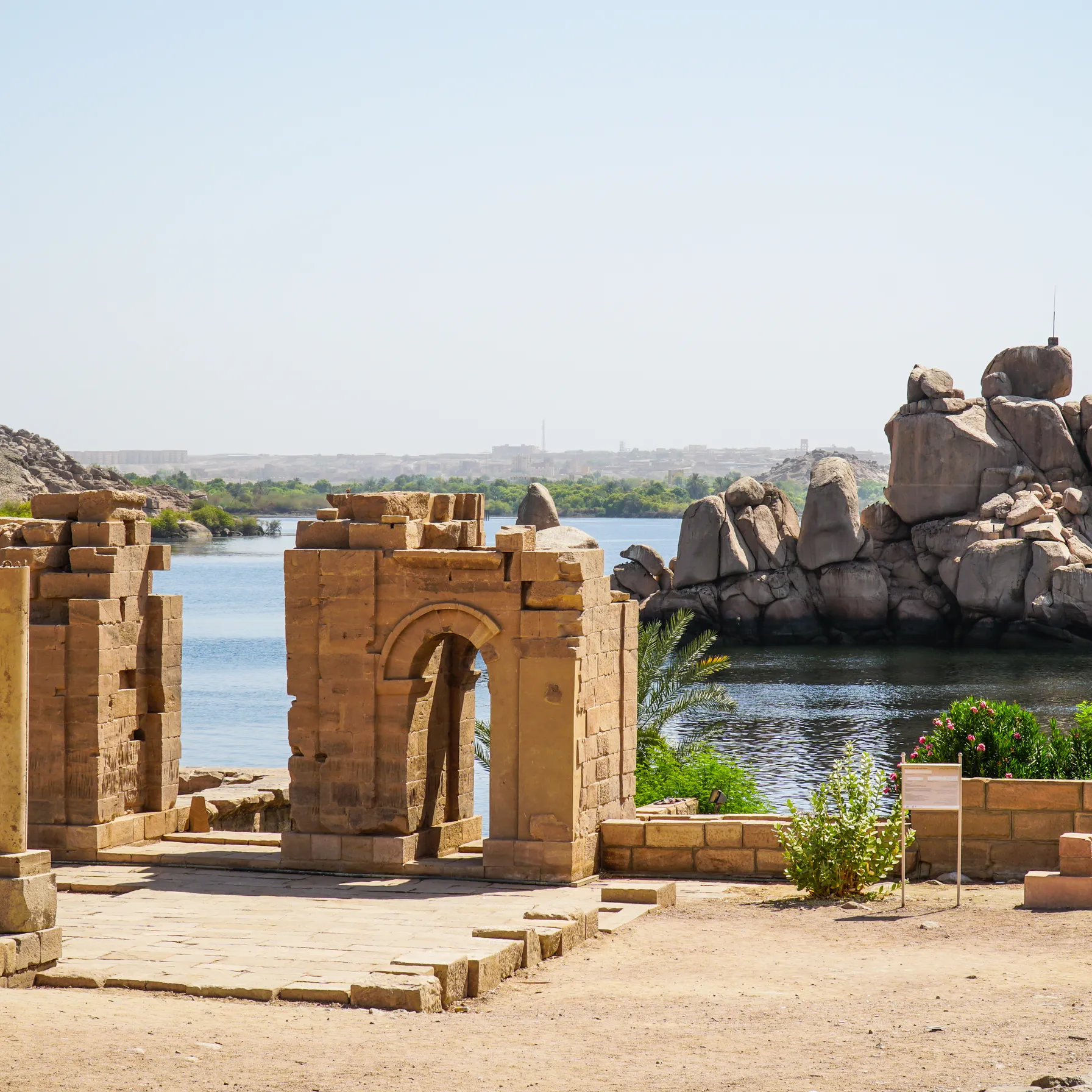
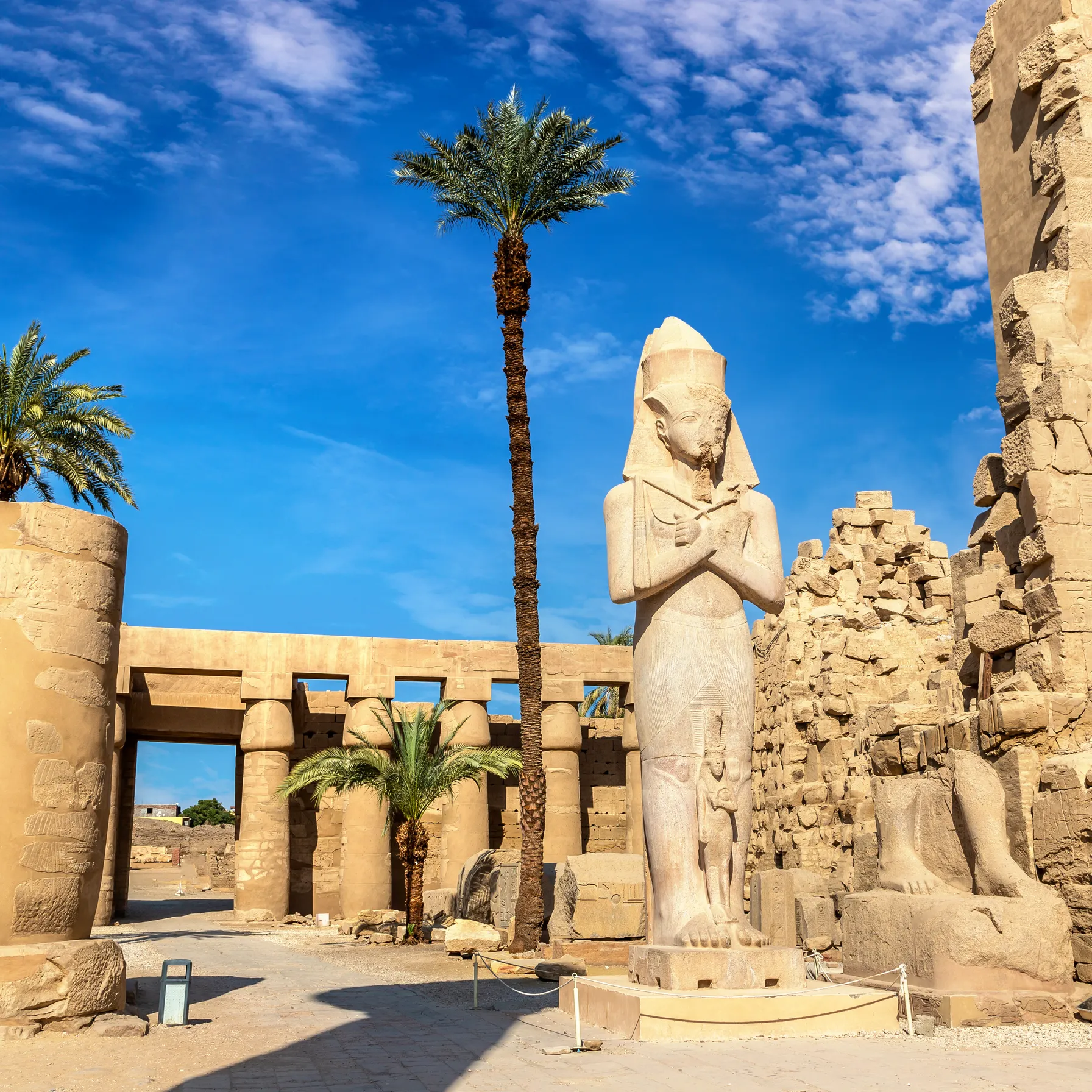
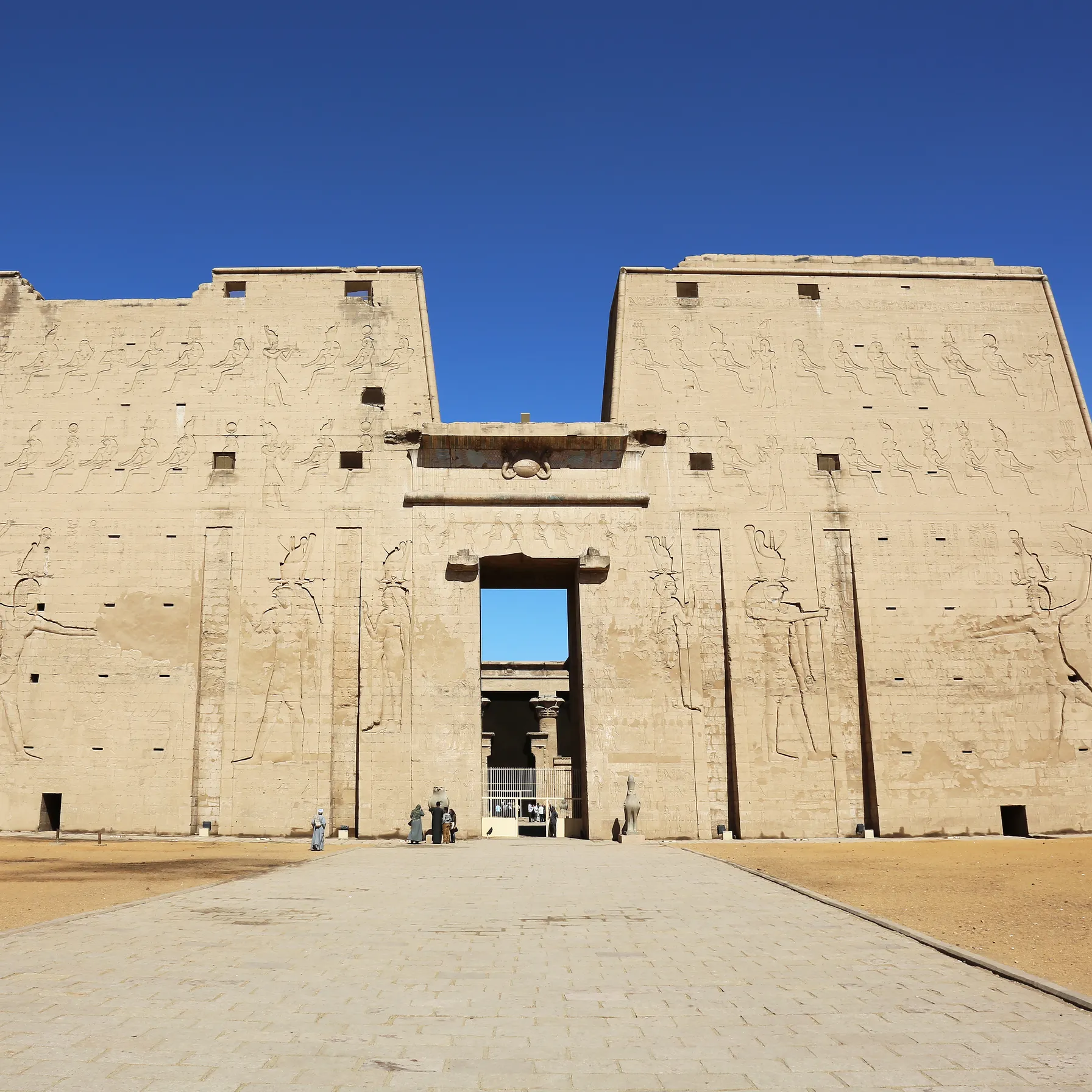
For those wishing to deepen their exploration of Egypt, it's also possible to combine a stopover in Alexandria with a cruise on the Nile, sailing the river from Cairo to Luxor or Aswan for a total immersion in Pharaonic history.
Customize your cruise to Alexandria with Vialala
This is precisely where Vialala's approach makes a difference. Rather than following a standardized program, our Travel Planners build with you an itinerary that matches your desires, your pace, and your interests. Would you like to dedicate your stopover to visiting the National Museum and the catacombs? Or would you prefer a free morning to stroll around Midan Sa'ad Zaghloul before joining a seaside seafood restaurant? Anything is possible.
Our local experts know Alexandria in detail and can guide you toward experiences that classic tours don't offer: a private tour of an archaeological site, a tasting in a traditional downtown cafe, or a guided walk along the Corniche at sunset.
How to properly prepare for your stay on board and ashore?
A cruise to Alexandria is also an experience to be enjoyed between two stopovers. Life on board is an integral part of the journey, and it's helpful to consider it when planning your stay.
Between stopovers, the days at sea offer a chance to rest, take advantage of the ship's facilities, and prepare for the next discovery. Vialala can assist you in choosing the most suitable ship for your needs, whether it's an intimate vessel for a couple's journey or a cruise ship offering more entertainment for a family trip.
On the practical side, a few elements to keep in mind before setting out:
- The local currency is the Egyptian pound, but euros and dollars are often accepted in tourist areas;
- Arabic is the official language, but French and English are understood in most visitor-frequented sites and shops;
- When visiting religious sites, it is advised to cover shoulders and knees out of respect for local customs.