Why choose a tour in Croatia ?
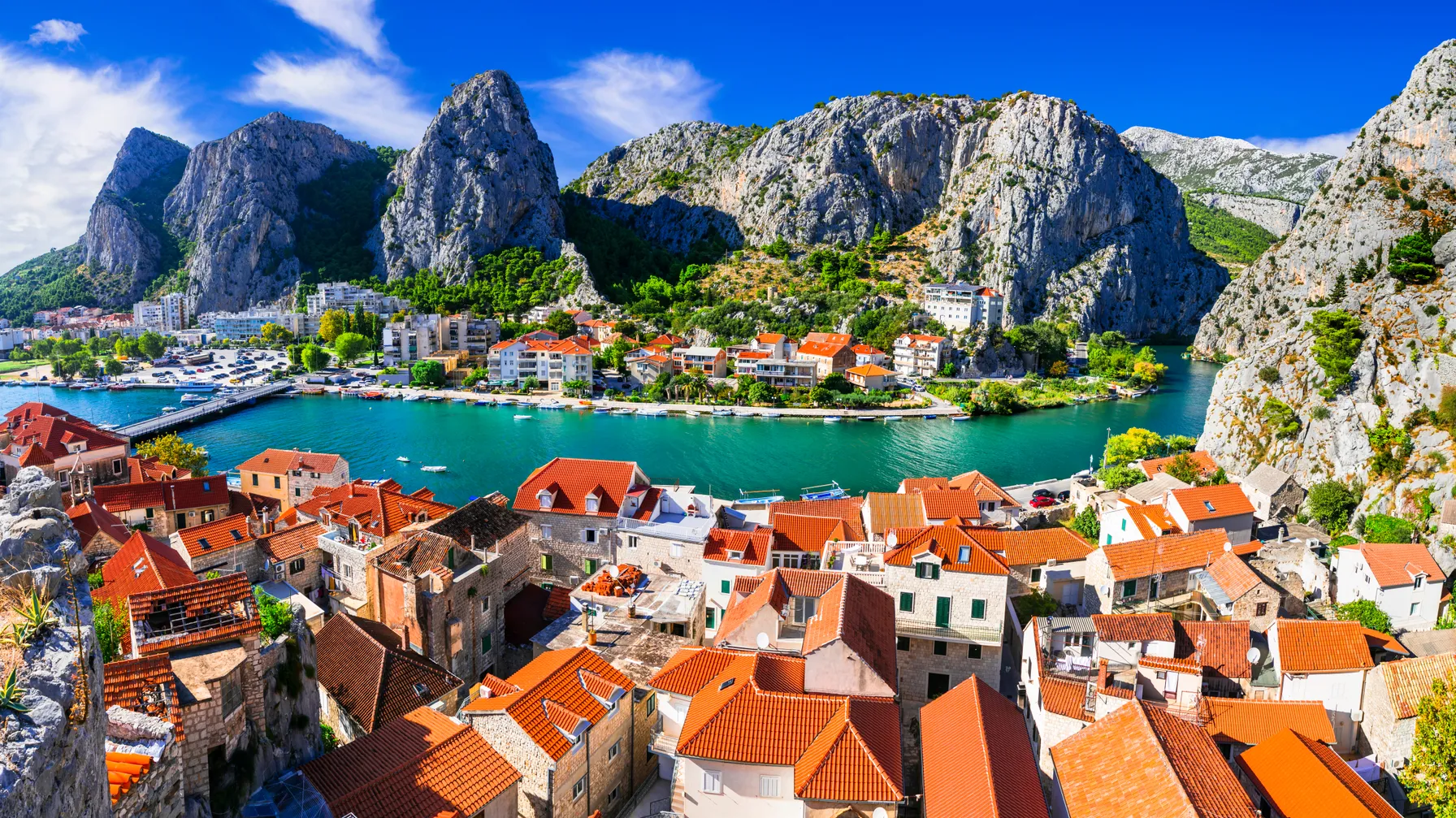
A tour in Croatia offers you a unique opportunity to discover a country of a thousand facets, a real crossroads between Central Europe and the Mediterranean. This destination seduces with its exceptional diversity: from historic cities with medieval ramparts, national parks with spectacular waterfalls, to a Dalmatian coast dotted with islands with crystal clear waters.
<
p>
Traveling on a tour offers many advantages to explore this jewel of the Adriatic. You benefit from an optimized itinerary that takes you from the most preserved natural sites to the most authentic urban centers, without worrying about logistics. Croatia stretches over more than 56,000 km² with a coast of 1,777 km, making an organized tour particularly relevant to maximize your discoveries.
<
p>
Our local Travel Planners know perfectly the hidden treasures of the country and can customize your trip to Croatia according to your preferences. Whether you are passionate about history, a nature lover, or in search of seaside relaxation, they will create the ideal itinerary for your stay.
<
p>
The highlights of a tour in Croatia
The heritage and natural wealth of Croatia impose certain steps during your discovery of the country. Between UNESCO World Heritage sites and natural wonders, here are the destinations that make this pearl of the Adriatic famous.
<
p>
Iconic historical cities
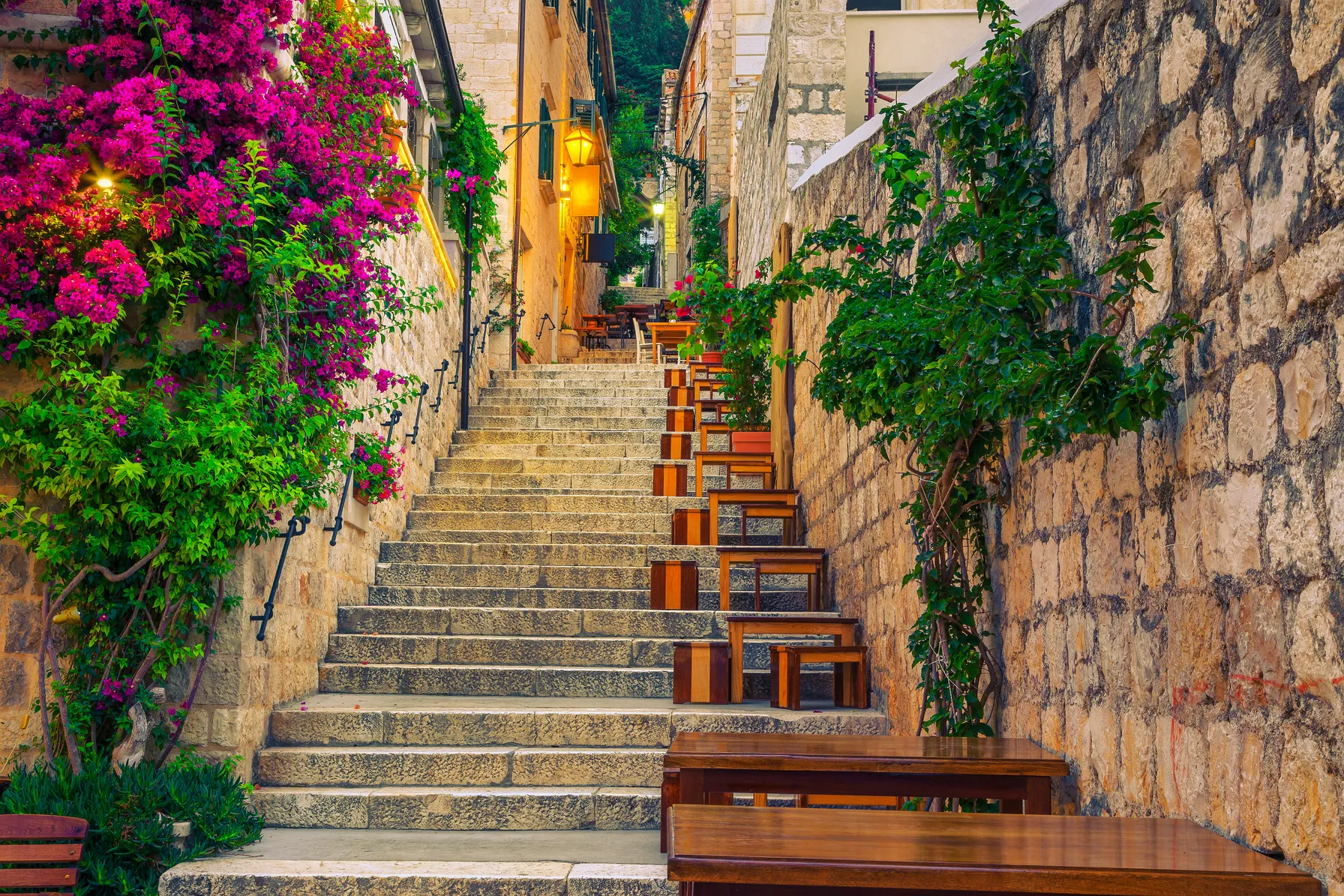
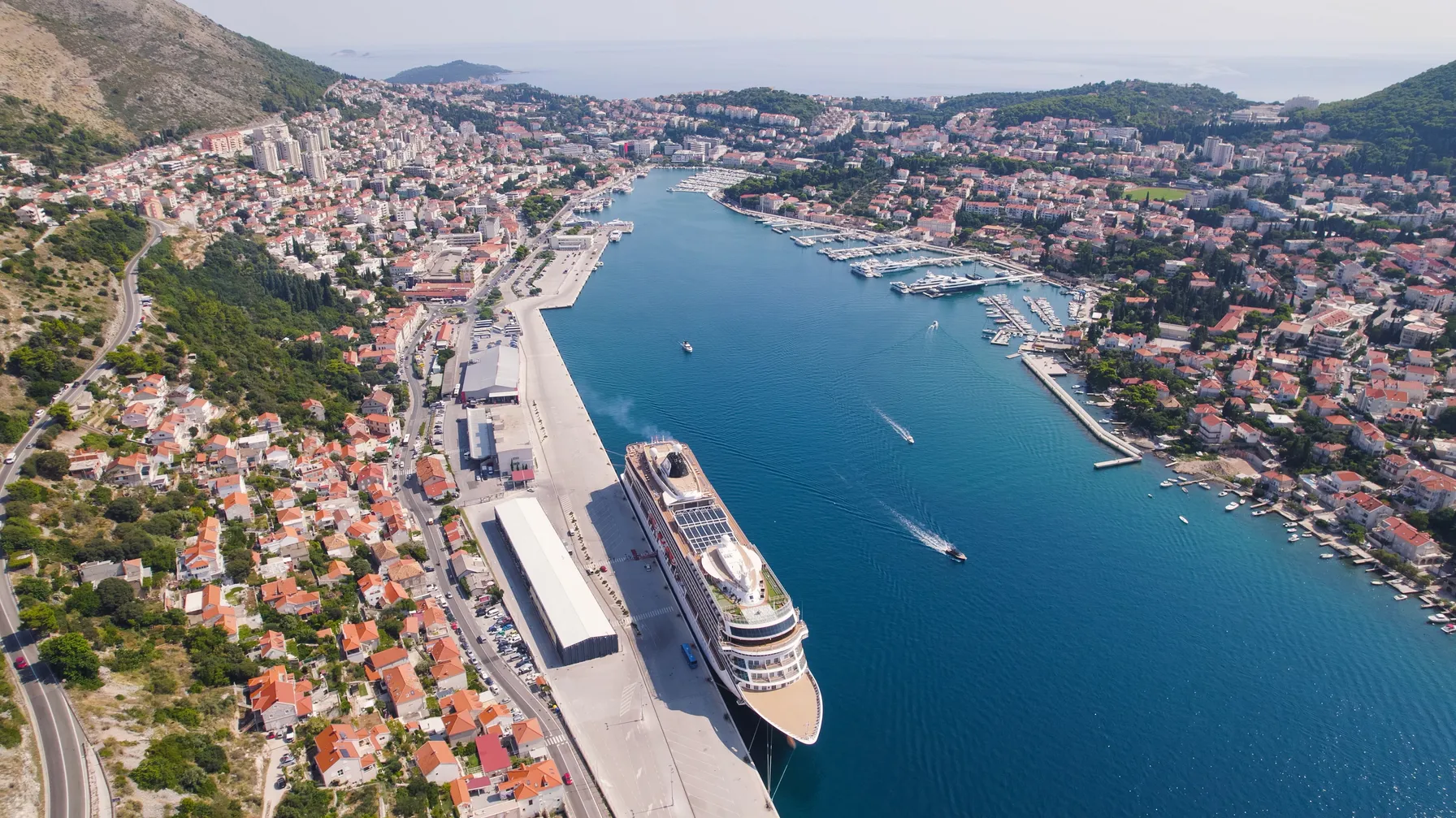
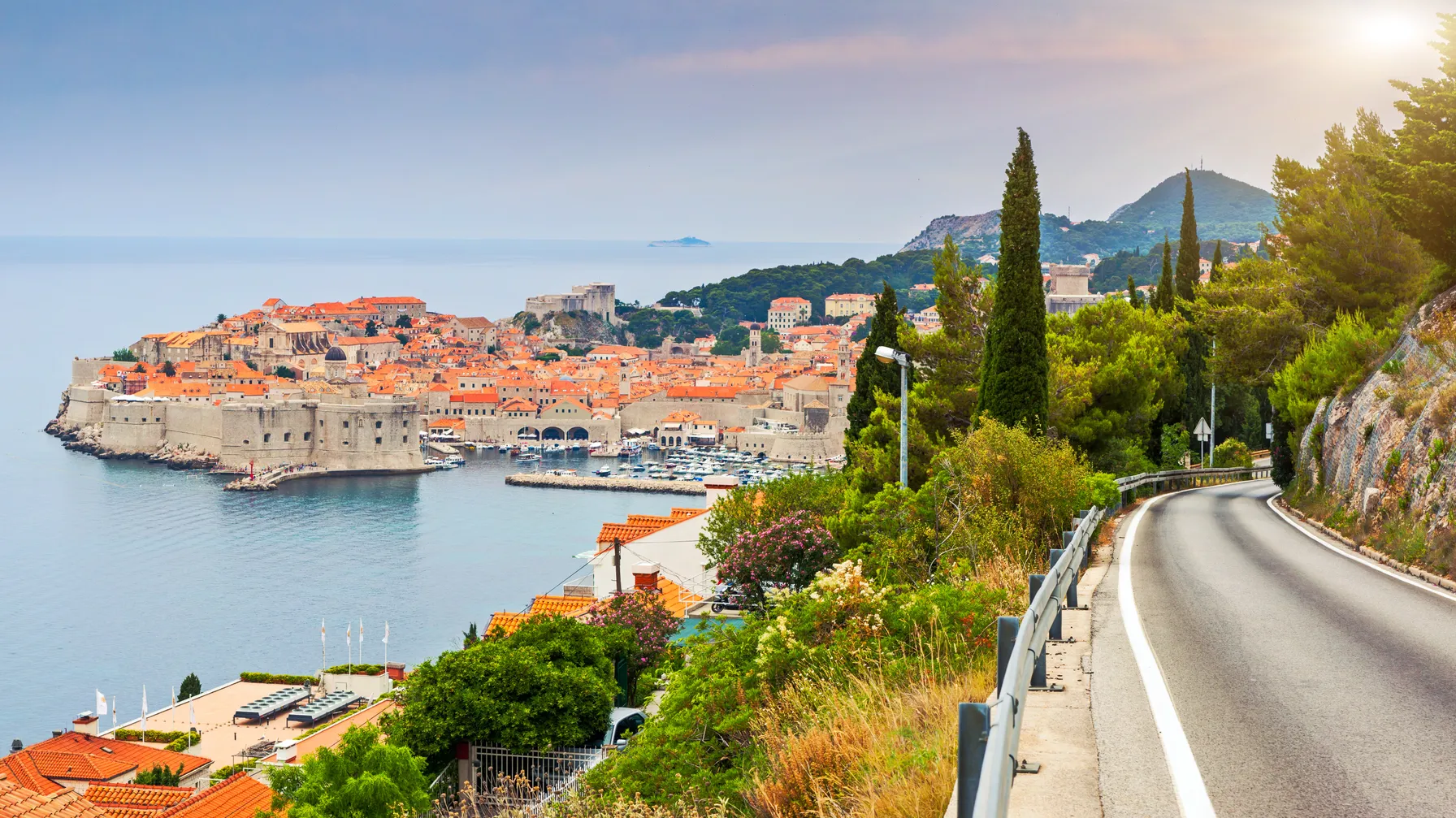
Dubrovnik, nicknamed the "Pearl of the Adriatic", is undoubtedly the highlight of any tour in Croatia. This fortified historical city, entirely classified as World Heritage, transports you into a fairy-tale setting with its 13th-century ramparts extending over 2 km. The old town is full of architectural treasures like the Rector's Palace, the Cathedral of the Assumption, and the Franciscan Monastery housing one of the oldest pharmacies in Europe, dating back to 1317.
<
p>
Split also deserves a prime spot in your itinerary. This dynamic city developed around the Palace of Diocletian, built in the 4th century by the Roman emperor. This exceptional architectural complex, listed as World Heritage, nowadays houses restaurants, shops, and residences in a unique historical setting. The Riva promenade, along the port, offers an authentic Mediterranean atmosphere.
<
p>
Zagreb, the Croatian capital, reveals a different charm with its Austro-Hungarian architecture. The Upper Town (Gornji Grad) retains its medieval character with St. Stephen's Cathedral and St. Mark's Church with its colorful roof, while the Lower Town (Donji Grad) is attractive for its museums and green spaces.
<
p>
National parks and natural sites
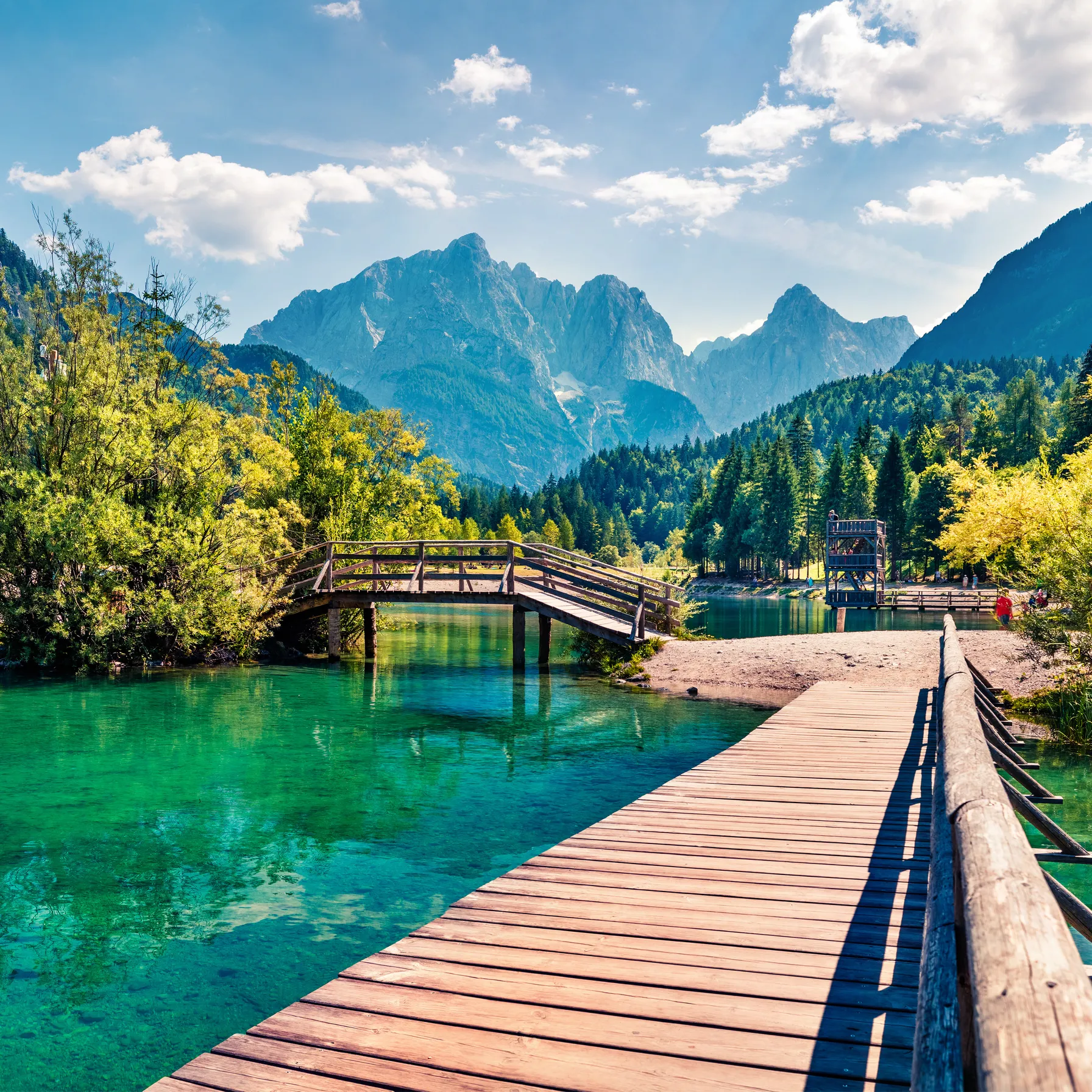
The Plitvice Lakes are one of the most spectacular natural jewels in Europe. This World Heritage-listed national park covers 295 km² and includes 16 terraced lakes connected by 92 waterfalls. The turquoise waters, varying from emerald green to azure blue depending on the light and minerals, create a fairy-tale landscape. Designated paths and wooden pontoons allow you to explore this exceptional site while respecting its ecological fragility.
<
p>
The Krka National Park, less visited than Plitvice, offers equally remarkable landscapes. Its seven main waterfalls, including the famous Skradinski Buk 45 meters high, create natural pools where swimming was once allowed. A boat trip to Visovac Island and its Franciscan monastery from the 15th century perfectly complements this discovery.
<
p>
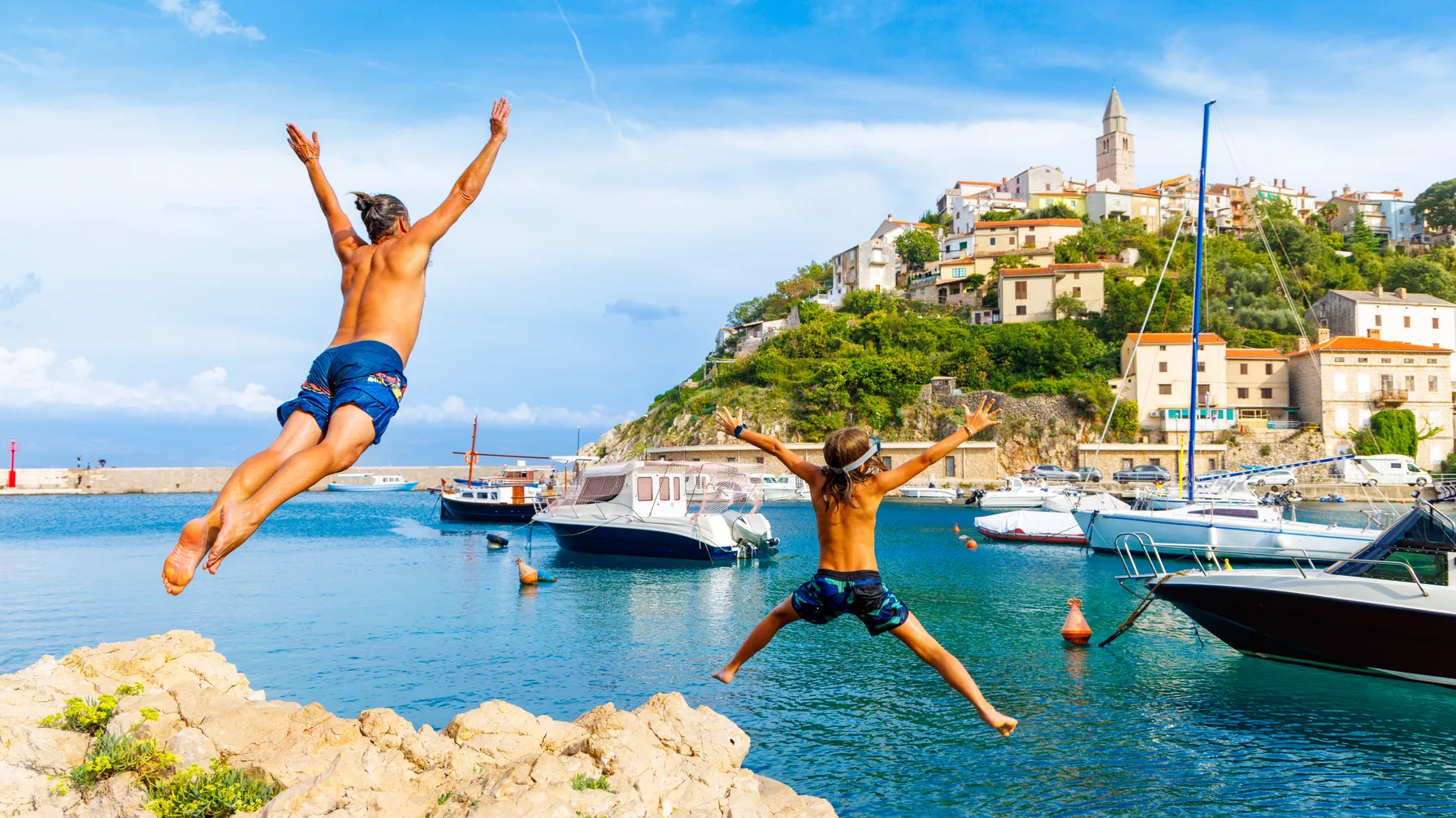
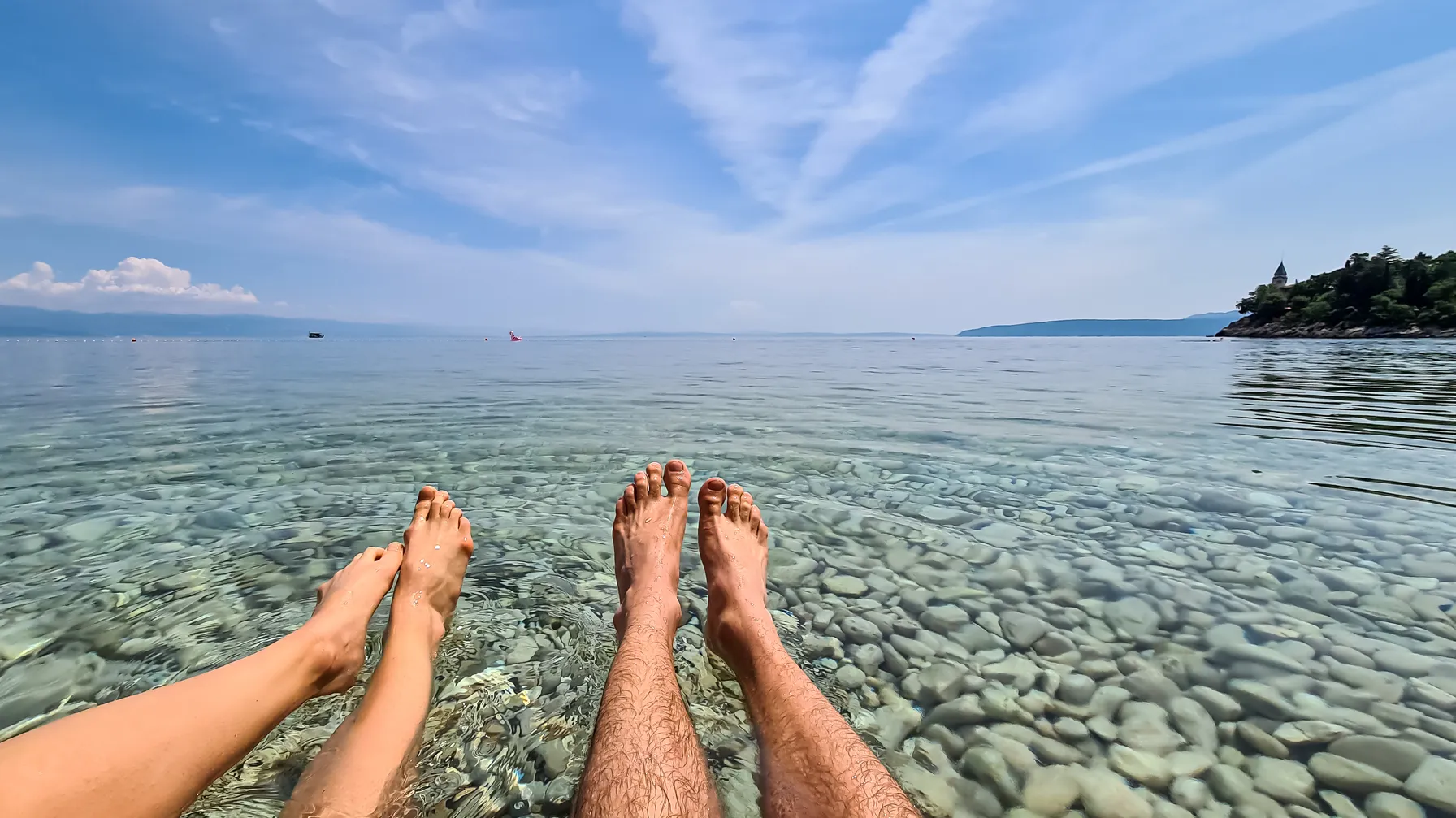
The Dalmatian coast reveals breathtaking panoramas, especially from the scenic road connecting Split to Dubrovnik. The island of Korcula, nicknamed "Little Dubrovnik", charms with its fortified old town and vineyards. Its crystal-clear waters and preserved coves make it an ideal beach stop during your tour.
<
p>
What types of tours to choose according to your desires ?
At Vialala, we offer different types of tours in Croatia to meet all expectations and styles of travel. Our Travel Planners assist you in choosing the formula that best suits your wishes.
<
p>
The grand tour of Croatia, lasting 10 to 14 days, allows a comprehensive discovery of the country. This exhaustive itinerary takes you from Istria in the north to Dubrovnik in the south, passing through Zagreb, national parks, and the Dalmatian coast. This formula is perfect for travelers wanting a first global approach to the destination.
<
p>
For those with a week, a tour focused on Dalmatia offers an excellent compromise. In 7 to 8 days, you explore Split, Trogir, the Krka and Plitvice national parks, before ending in Dubrovnik. This formula concentrates the most emblematic sites in a comfortable rhythm.
<
p>
Thematic tours attract travelers with specific interests. A "World Heritage" tour introduces you to the six Croatian sites listed on UNESCO, while a "nature and national parks" tour favors preserved spaces like Plitvice, Krka, Paklenica, and the Kornati Islands.
<
p>
The self-drive tour represents an interesting alternative for travelers seeking freedom. This formula combines the advantages of an organized tour (reserved accommodations, recommended itinerary) with the flexibility to discover Croatia at your own pace. Our Travel Planners develop a personalized travel booklet with their local recommendations.
<
p>
Practical tips for your tour in Croatia
Planning your trip to Croatia requires some practical considerations to optimize your experience. Our local experts share their tips for a successful stay.
<
p>
The ideal period for a tour in Croatia extends from May to September, with nuances according to your priorities. May and June offer a pleasant climate with average temperatures of 20 to 25°C, ideal for visiting historic cities and hiking in national parks. Tourist affluence remains moderate, allowing you to fully enjoy the sites.
<
p>
July and August correspond to the high season, with temperatures that can reach 30°C on the coast. This period is perfectly suitable for swimming enthusiasts in the Adriatic Sea, whose temperature is around 25°C. However, the influx is maximum, especially in Dubrovnik and Plitvice.
<
p>
September is often the optimal period: temperatures remain pleasant (22 to 27°C), the sea retains its summer warmth, and the summer crowds disperse. The nascent autumn colors add a particular charm to the landscapes.
<
p>
The following table summarizes the climatic conditions according to the seasons :
<
p>
| Period |
Temperature |
Sea |
Influx |
Advantages |
<
thead>
| May-June |
20-25°C |
18-22°C |
Moderate |
Mild climate, nature in bloom |
| July-August |
25-30°C |
23-25°C |
High |
Ideal swimming, festivals |
| September |
22-27°C |
22-24°C |
Moderate |
Optimal conditions |
| October |
18-23°C |
19-21°C |
Low |
Advantageous rates |
tbody>
The recommended duration for a tour in Croatia varies according to the extent of your discovery. A minimum of 7 days allows you to visit the essential sites of Dalmatia, while 10 to 14 days offer a more comprehensive exploration including Zagreb, Istria, and national parks.
<
p>
Regarding the budget, count between 800 and 1,500 euros per person for a week depending on the level of service chosen. This price generally includes accommodation, internal transports, main visits, and part of the meals. Our Travel Planners adapt each quote according to your requirements and budget.
<
p>
Entry formalities remain simple for European nationals: a valid ID card or passport is sufficient. Croatia having joined the Schengen area in 2023, border controls are abolished for travelers from the European Union.
<
p>