Why choose a road trip in Bolivia ?
Bolivia promises an extraordinary adventure in the heart of South America. This country of many faces offers a striking geographical diversity, from the high Andean plateaus to the Amazonian rainforests. Your road trip will take you through landscapes that defy imagination and authentic encounters with local communities.
A world of breathtaking landscapes
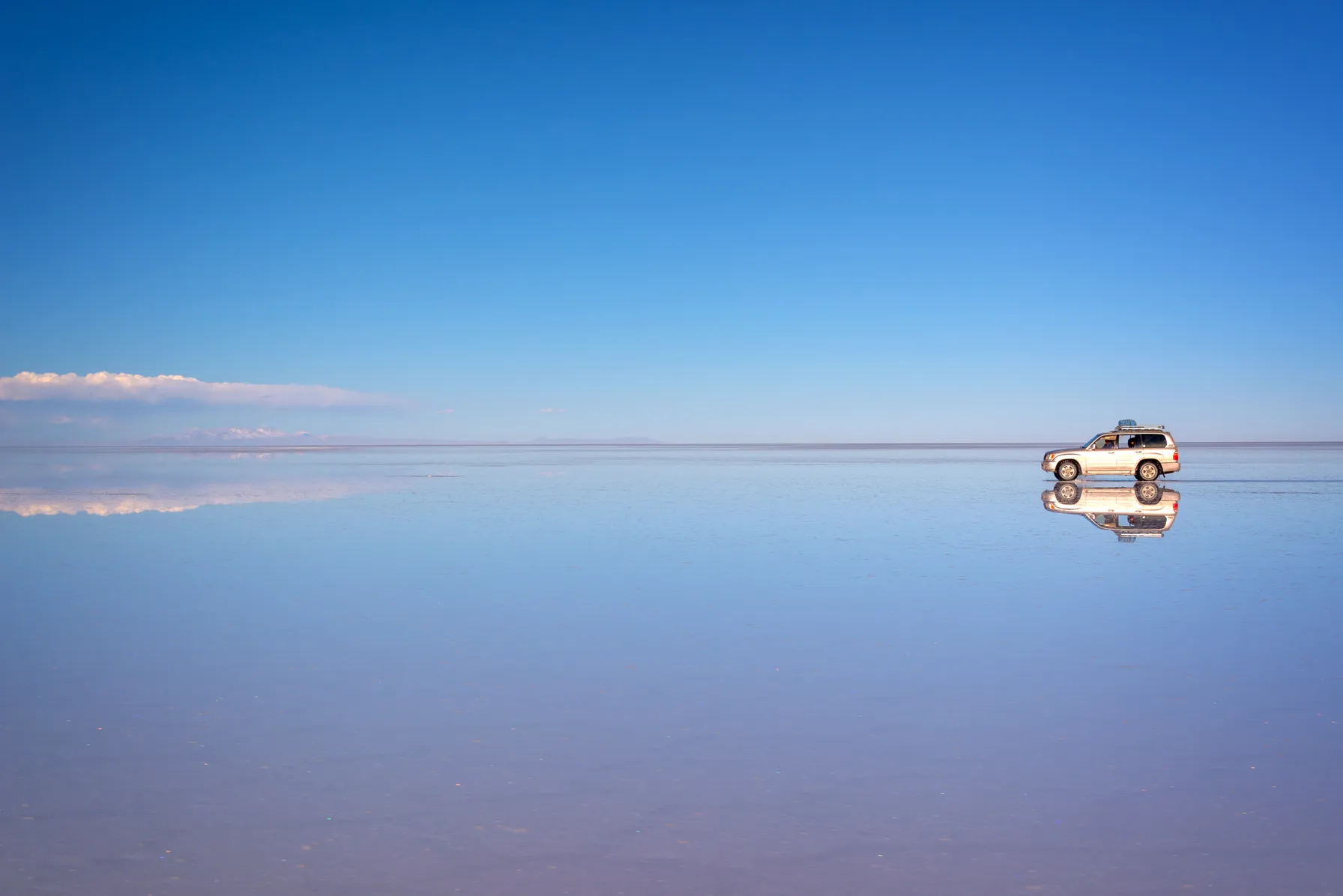
Your journey in Bolivia will transport you through a kaleidoscope of natural wonders. The mythical Salar de Uyuni, the world's largest salt desert spanning 10,582 square kilometers, is undoubtedly a highlight for many travelers. This pristine expanse turns into a giant mirror during the rainy season, creating magical reflections between sky and land.
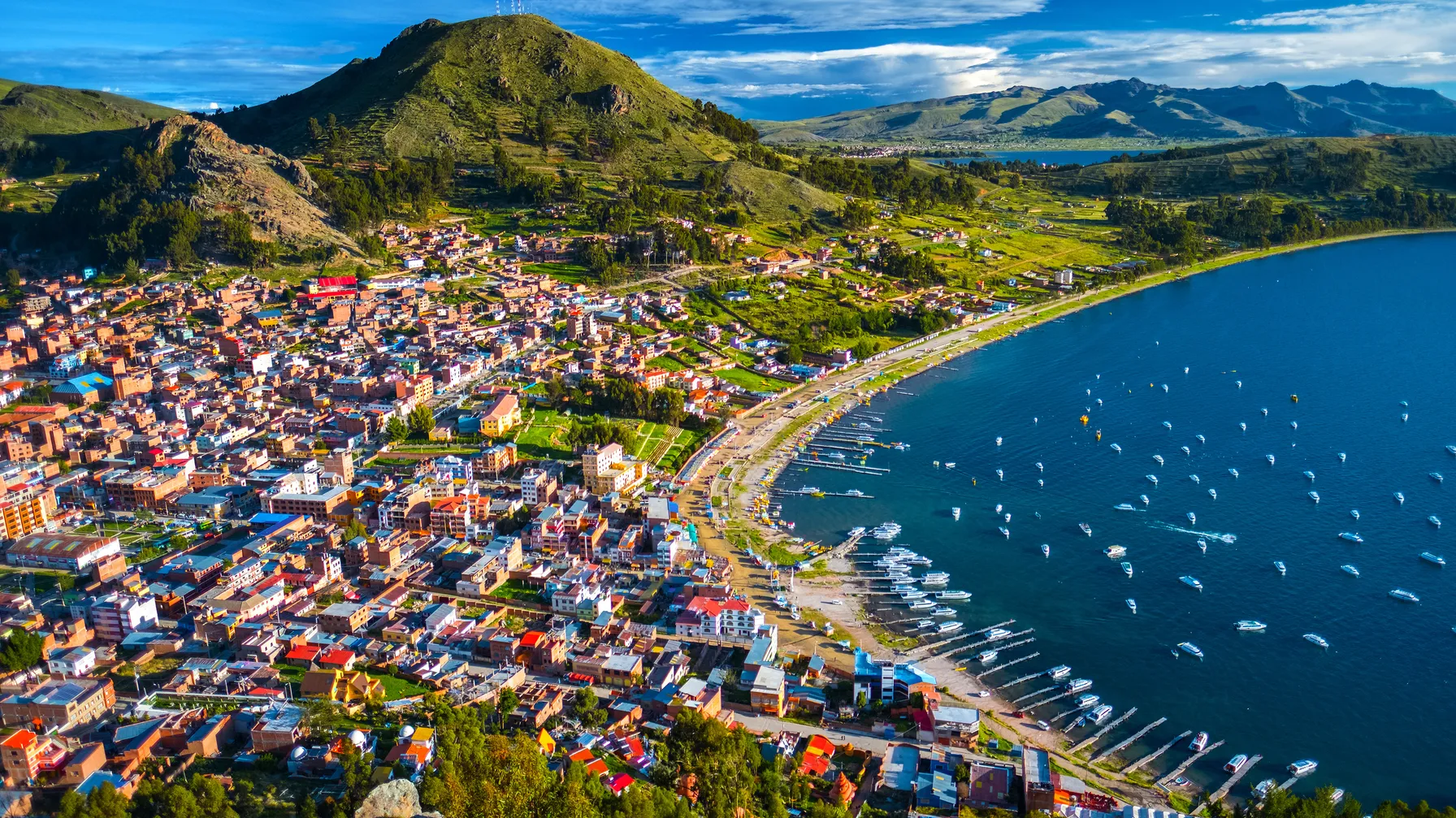
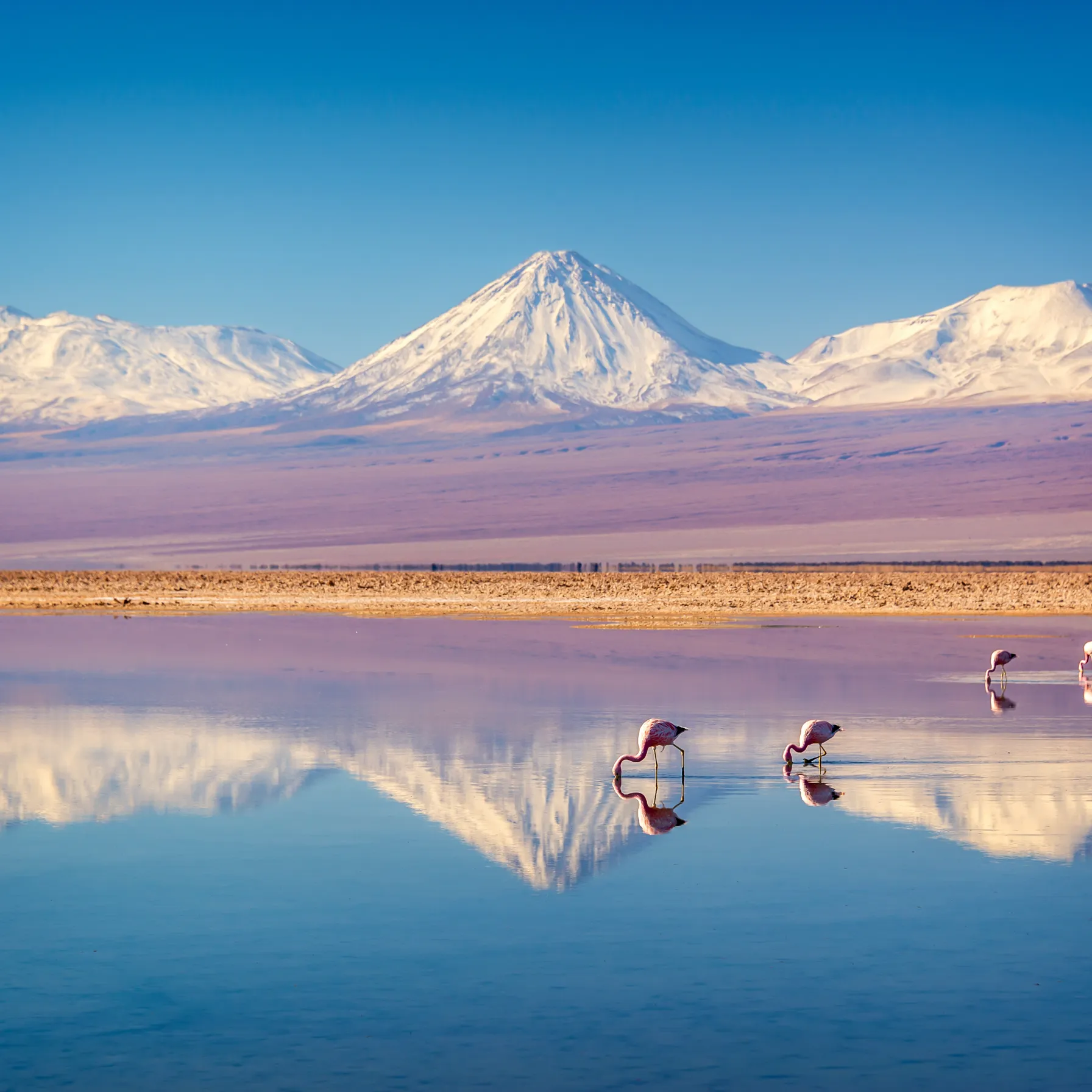
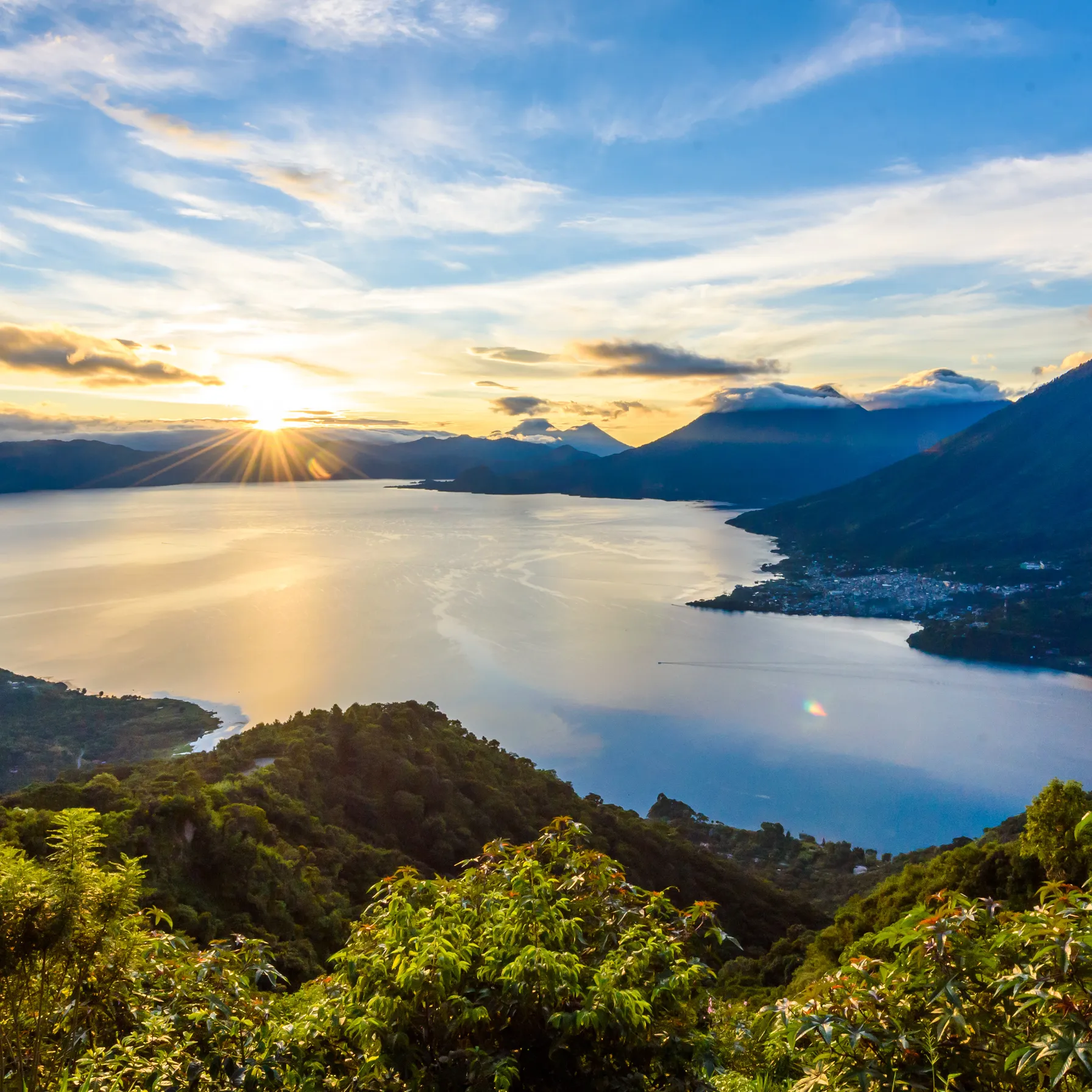
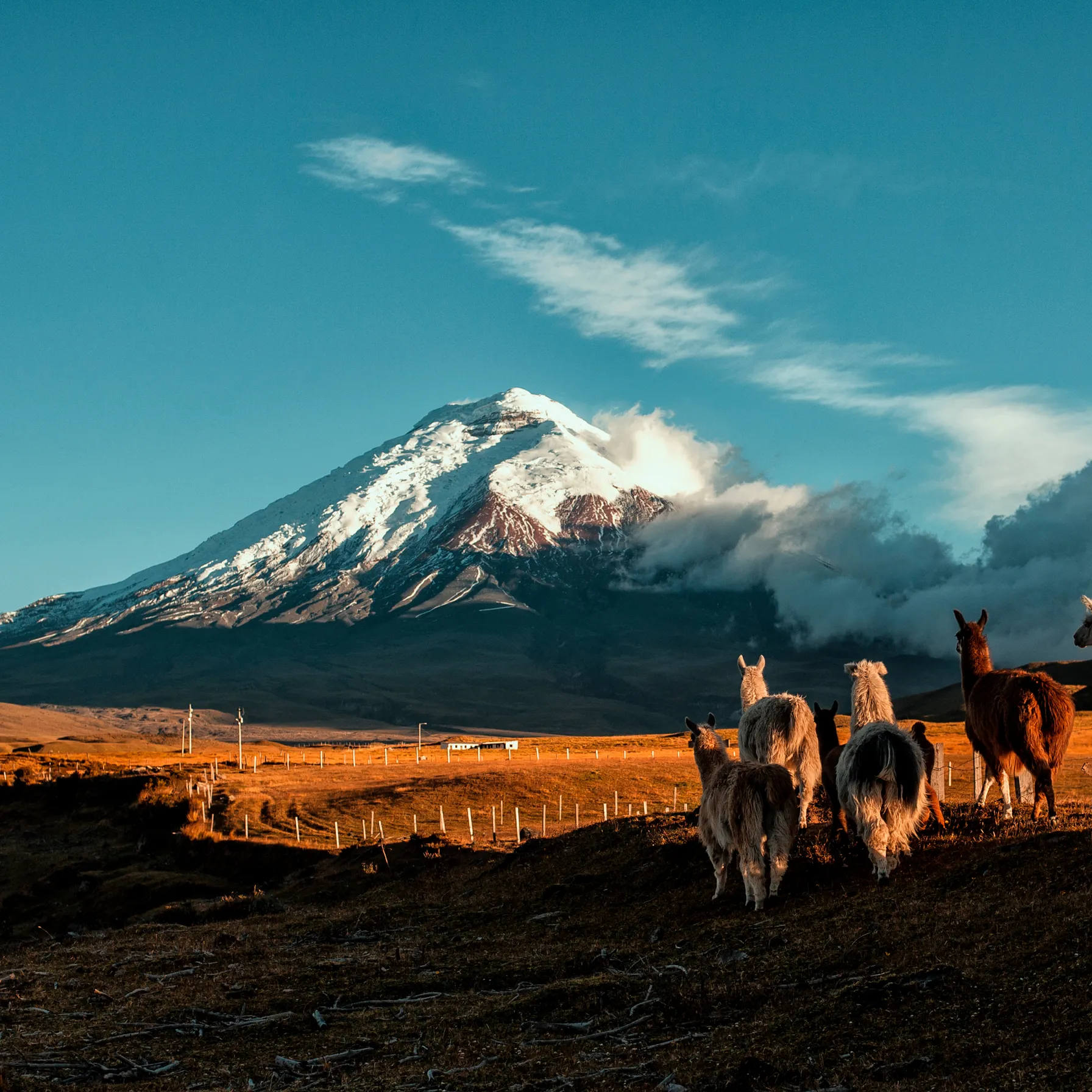
The South Lipez region reveals lagoons of surreal colors, populated by pink flamingos in an almost Martian setting. Snow-capped volcanoes dominate desert landscapes where wind-sculpted rock formations tell the geological history of the planet. Further north, Lake Titicaca, sitting at 3,812 meters above sea level, houses Isla del Sol, the mythical birthplace of the Inca civilization.
A richly preserved cultural wealth
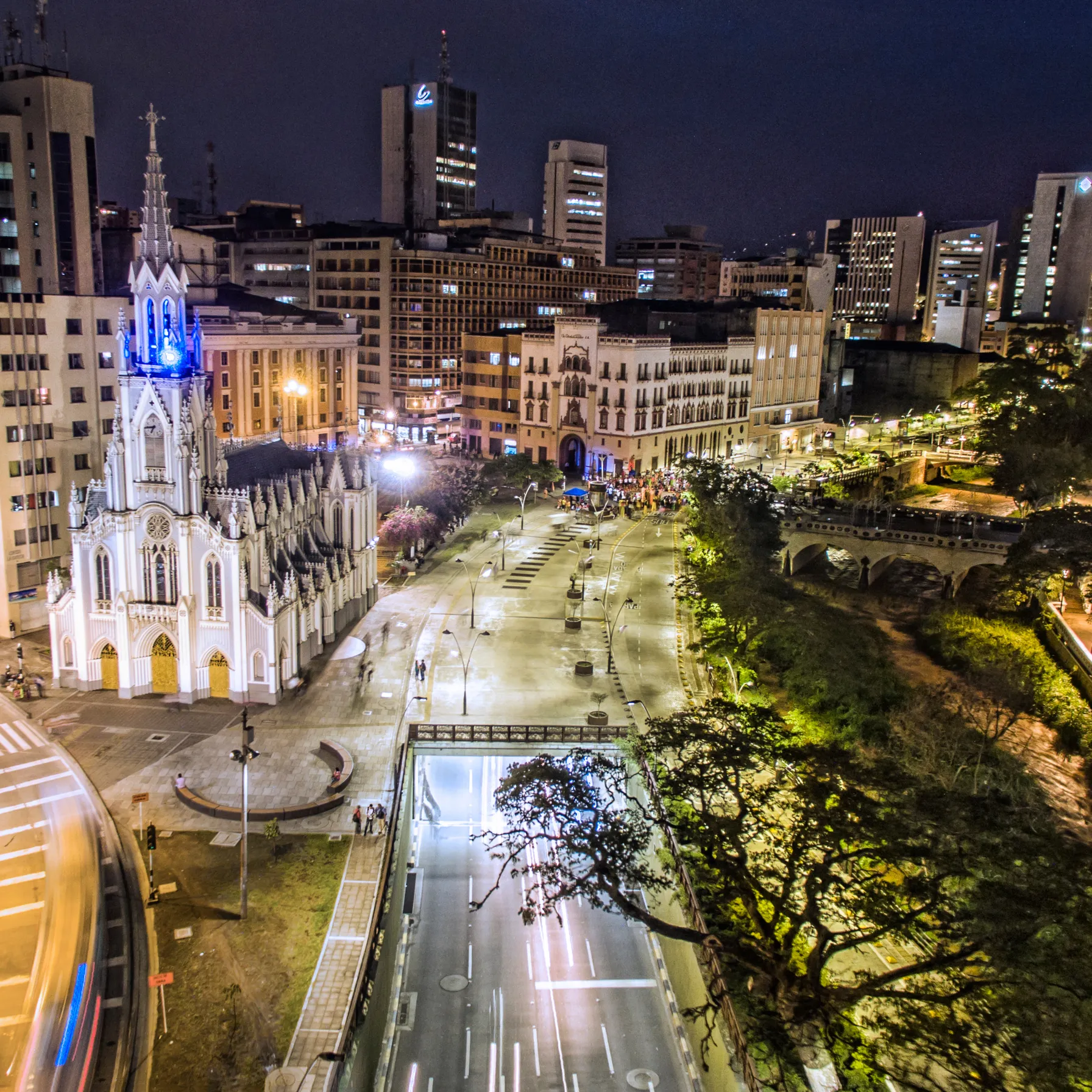
Traveling in Bolivia means diving into a cultural heritage of exceptional richness. The colorful markets of La Paz, the administrative capital located at 3,500 meters above sea level, pulse to the rhythm of ancient traditions. Women in traditional polleras mingle with modern skyscrapers, creating a striking contrast between past and present.
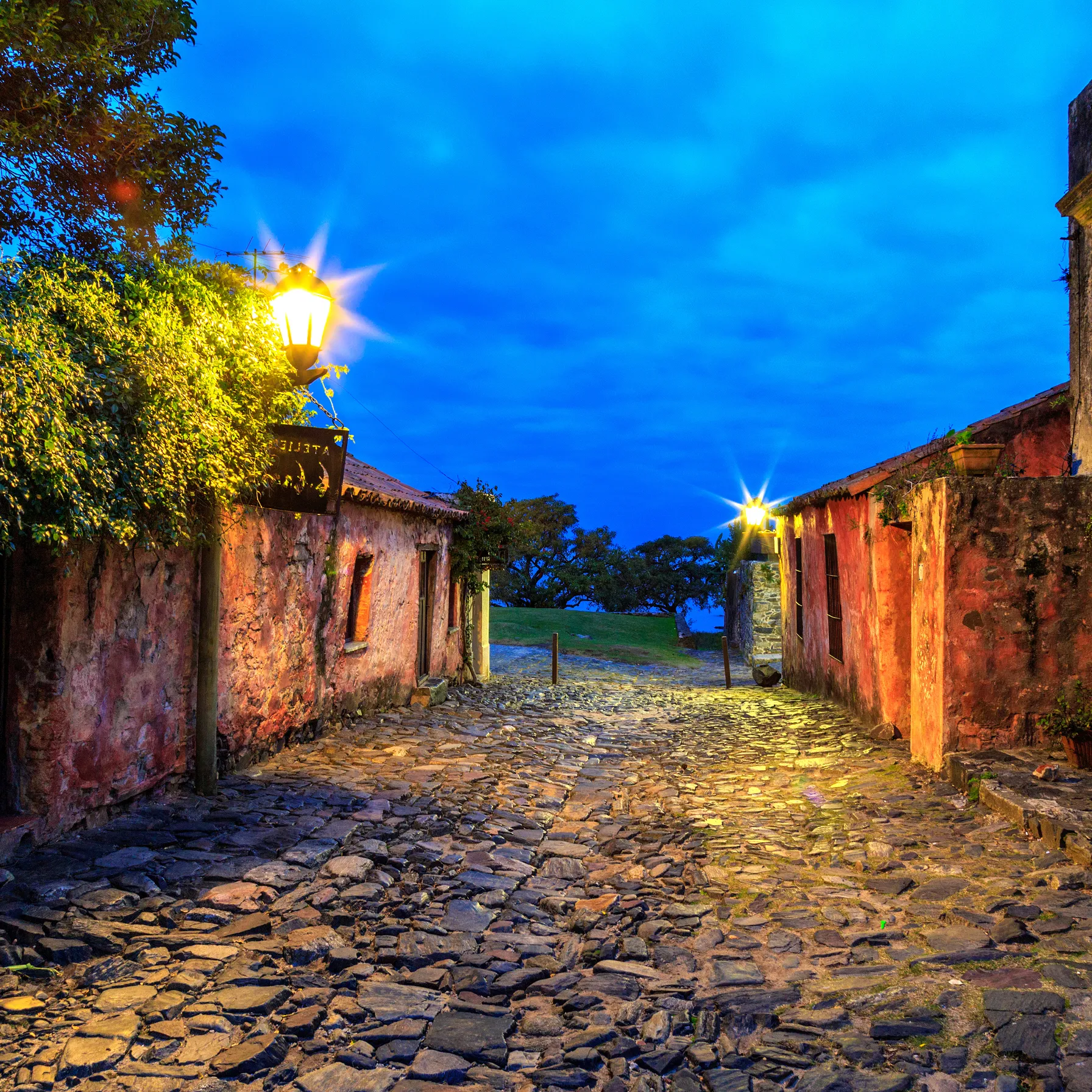
Sucre, the constitutional capital recognized as a UNESCO World Heritage site, captivates with its perfectly preserved colonial architecture. Its pristine white facades have earned iresponse to the Alias 'White City of the Americas'. Santa Cruz, the county's economic metropolis with over 1.4 million inhabitants, represents modern and dynamic Bolivia.
Fifteen-day road trip itinerary in Bolivia
Our Travel Planners have crafted an optimal route to discover Bolivian wonders in two weeks. This balanced itinerary combines must-see sites with authentic experiences while respecting the logistical constraints of the country.
First week: from South Lipez to the heart of the Andes
Your adventure begins in Tupiza, a charming mining town nestled in a colourful canyon setting. This stage is the ideal starting point for exploring the South Lipez region in a 4x4 vehicle. Over three days, you will cross lunar landscapes dotted with colourful lagoons: the blood-red Laguna Colorada, inhabited by thousands of pink flamingos, and the emerald-hued Laguna Verde at the foot of the Licancabur volcano.
The Eduardo Avaroa National Park reveals its geological treasures: smoking geysers of Sol de Mañana, the wind-sculpted rock formations of the Arbol de Piedra, and natural hot springs. This protected area of 7,147 square kilometers is home to fauna adapted to extreme high-altitude conditions, including vicunas and viscachas.
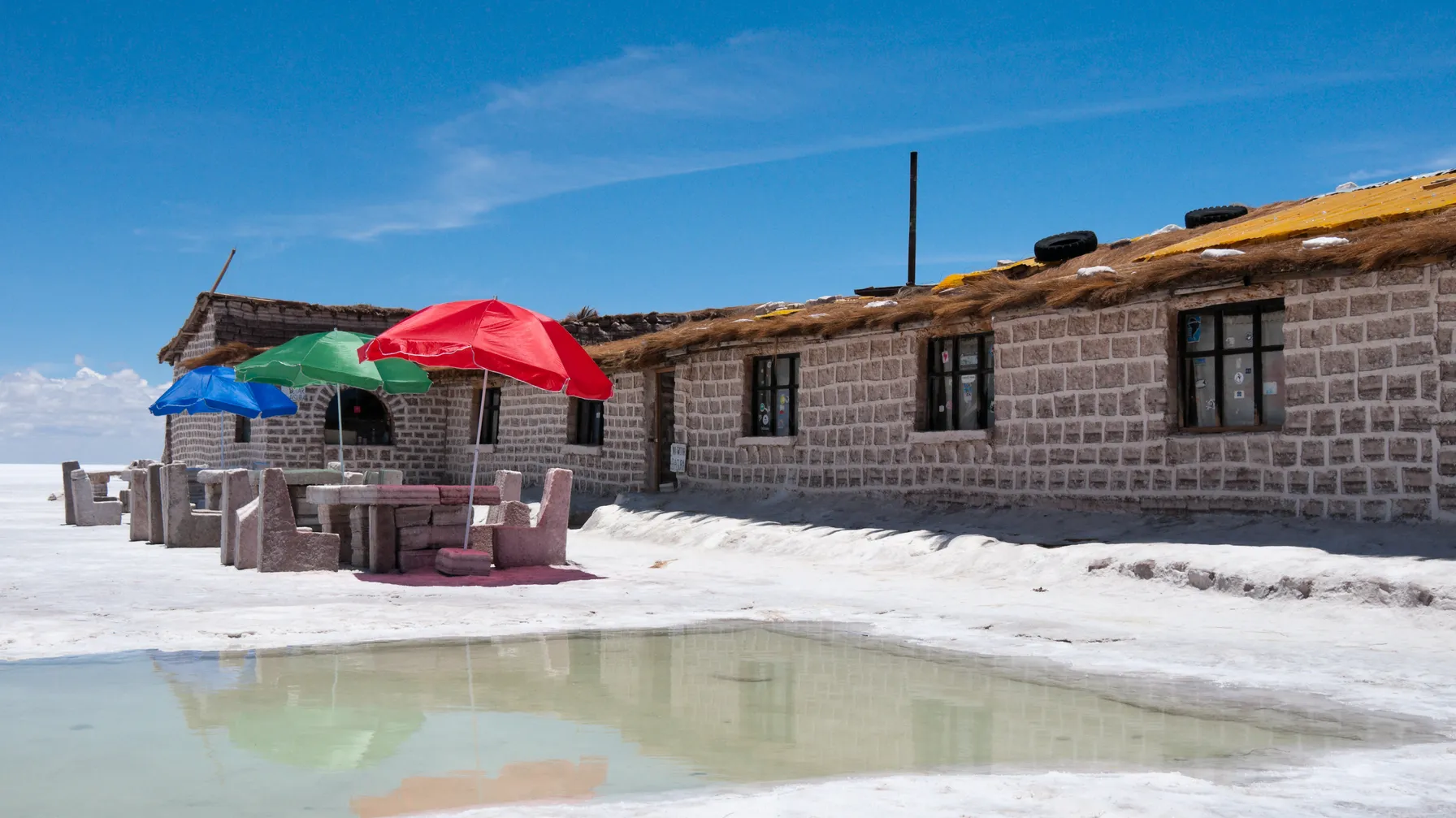
The climax occurs with the discovery of the Salar de Uyuni. This salt desert offers 360-degree panoramas of unearthly beauty. The Incahuasi Island, a rocky outcrop in the midst of white vastness, houses centuries-old cacti that can reach 12 meters in height. Sunrise and sunset transform this expanse into an unforgettable chromatic spectacle.
Second week: between Andean traditions and modernity
After immersing yourself in the most spectacular landscapes, your road trip continues towards Sucre. This three-day stage allows you to discover the cultural soul of Bolivia. The well-preserved historical center reflects four centuries of colonial history. The central market bursts with colors and flavors, where you can taste local specialties such as charque or salteñas.
La Paz, the seat of government, offers a fascinating four-day stage. This metropolis of over a million inhabitants is staggered across the slopes of an Andean basin, creating a unique urban amphitheater. The Witches' Market in the Rosario district offers traditional remedies and amulets, while modern cable cars provide panoramic views over the city and snow-capped peaks of the Royal Range.
Your journey concludes beautifully at Lake Titicaca, the cradle of Andean mythology. Copacabana, a small pilgrimage town, serves as a base to explore the Isla del Sol. This sacred island, 9.6 kilometers long, holds Inca remnants and offers exceptional panoramas over the highest navigable lake in the world.
Organizing your Bolivian road trip
The success of your Bolivian adventure relies on meticulous preparation. Our Travel Planners assist you in every aspect of organization to create a customized trip suited to your desires and constraints.
Getting around in Bolivia: transport options
The Bolivian road network presents particular challenges that shape your itinerary. Distances can be deceptive: 500 kilometers often mean 8 to 10 hours of travel on winding mountain roads. To optimize your time, we recommend a combination of transport tailored to each stage.
4x4 excursions with a driver-guide are essential for exploring South Lipez and the Salar de Uyuni. These all-terrain vehicles navigate difficult off-road tracks inaccessible to standard cars. Long-distance buses, although uncomfortable, effectively connect major cities. To save time, domestic flights are an interesting option between La Paz and Santa Cruz, reducing an 18-hour journey to 1 hour of flight.
Accommodation and budget: optimizing your stay
Bolivia offers excellent value for money for accommodation. Count on 20 to 40 euros per night for a double room in a decent hotel. Hostels offer dormitories from 8 euros per person. In remote areas like South Lipez, basic shelters often represent the only available option.
Your daily budget varies according to your travel style. A frugal traveler manages with 25 euros per day, including accommodation, meals, and local transport. For more comfort, plan 50 to 70 euros daily. Organized tours represent a significant expense: count 200 to 300 euros for a 3-day circuit in South Lipez and Salar de Uyuni.
Practical tips for a successful adventure
Your road trip in Bolivia requires specific preparation to face the challenges of altitude, climate, and local logistics. These tips will help you fully enjoy your experience.
Managing altitude and adapting to the climate
Altitude is the main challenge of your trip in Bolivia. La Paz peaks at 3,500 meters, while some areas of South Lipez exceed 4,500 meters. Altitude sickness can affect anyone, regardless of physical condition. Plan a gradual acclimatization by first arriving in cities at moderate altitudes.
The best time to travel spans from May to October, during the dry season. Daytime temperatures remain pleasant (15 to 20°C), but nights can be freezing, dropping to -15°C on the Altiplano. Bring warm clothes and multiple layers to adapt to significant thermal variations.
...