Why choose a tour in Bhutan for your next trip?
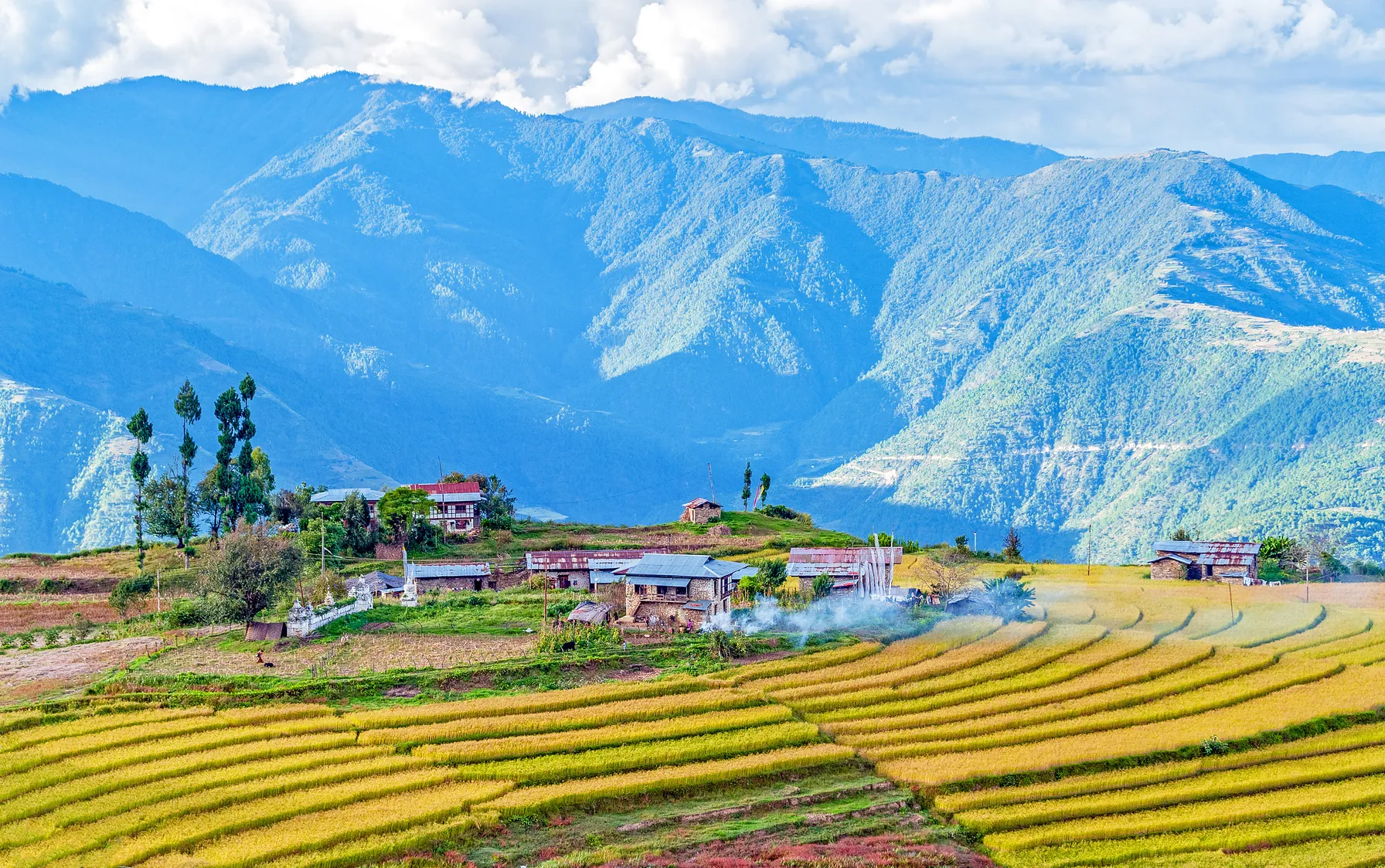
Nestled in the heart of the Himalayas between China and India, Bhutan remains one of the most confidential destinations in the world. This small kingdom, nicknamed "Land of the Dragon", has made the audacious choice to measure its wealth not in gross domestic product but in gross national happiness. This unique philosophy is felt in every aspect of your journey in Bhutan, where the preservation of the environment and traditions takes precedence over mass tourism.
Traveling in Bhutan represents a rare privilege. The Bhutanese government deliberately limits the number of visitors to protect its exceptional cultural and natural heritage. This policy of "high-value, low-impact tourism" guarantees an authentic experience, far from the crowds and off the beaten path. Your tour in Bhutan will allow you to discover a country where 70% of the territory remains covered with virgin forests, where inhabitants still proudly wear their traditional costumes, and Buddhist spirituality permeates every moment.
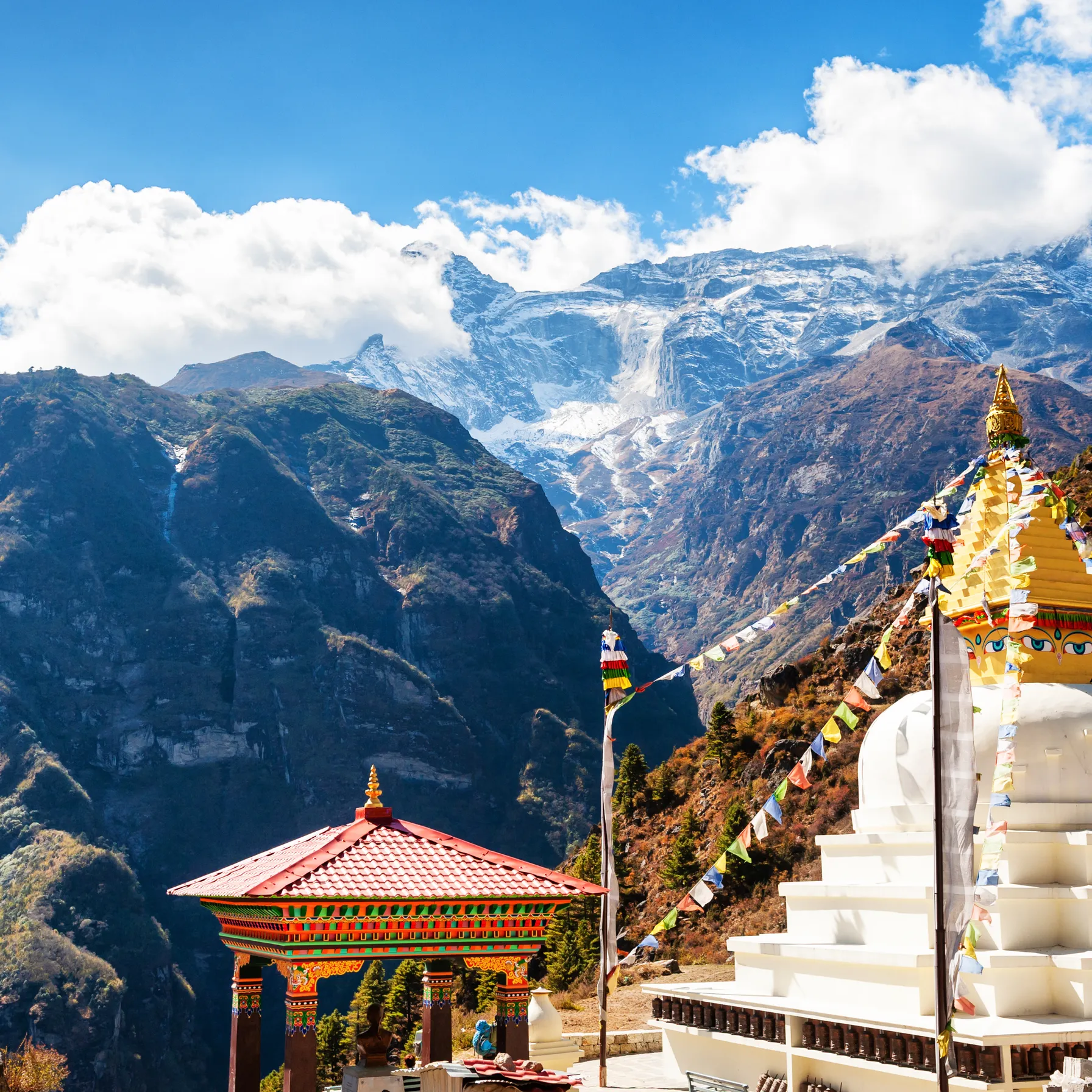
Bhutanese traditional architecture will amaze you at every step of your journey. The dzongs, these monastery-fortresses perched on hills, showcase ancestral craftsmanship preserved. These majestic structures, built without a single nail, house both religious and administrative institutions of the kingdom. Their walls adorned with colorful frescoes and golden roofs shimmering in the sun offer a striking spectacle.
Your customized trip to Bhutan will also give you the opportunity to attend traditional festivals, real explosions of color and spirituality. The Tsechus, these religious celebrations punctuated by masked dances, bring together local communities in a unique collective fervor. These privileged moments will allow you to understand the deep soul of this country of happiness.
What to discover during your tour in Bhutan?
Your journey in Bhutan will reveal unsuspected treasures, from mystical valleys to snow-capped summits rising over 7,000 meters altitude. Each region has its own identity, traditions, and unique landscapes.
Must-sees of the Paro Valley
The Paro Valley often serves as the gateway to your Bhutanese adventure. This fertile region, crossed by the Paro Chu river, is home to the country's only international airport. But beyond this practical function, Paro holds exceptional architectural and spiritual wonders.
The Taktsang Monastery, nicknamed "Tiger's Nest", is the emblem of Bhutan. Perched on the side of a cliff at 3,120 meters altitude, this sacred sanctuary seems to defy the laws of gravity. The three-hour hike required to reach it rewards you with spectacular views of the valley and a total immersion in Bhutanese spirituality. According to legend, Guru Rinpoche meditated here for three years, three months, three weeks, and three days.
The Rinpung Dzong, a 15th-century fortress, majestically<br> dominates the Paro Valley. This architectural masterpiece houses the National Museum of Bhutan in the former watchtower Ta Dzong. Your custom tours can include an in-depth visit to these unique collections, testimonies of Bhutanese art and history.
Thimphu, capital of authentic Bhutan
Thimphu, the capital of Bhutan since 1961, offers a striking contrast between tradition and modernity. This city of 115,000 inhabitants retains a unique village charm in the world. No traffic lights exist; elegantly gloved policemen direct traffic at major intersections.
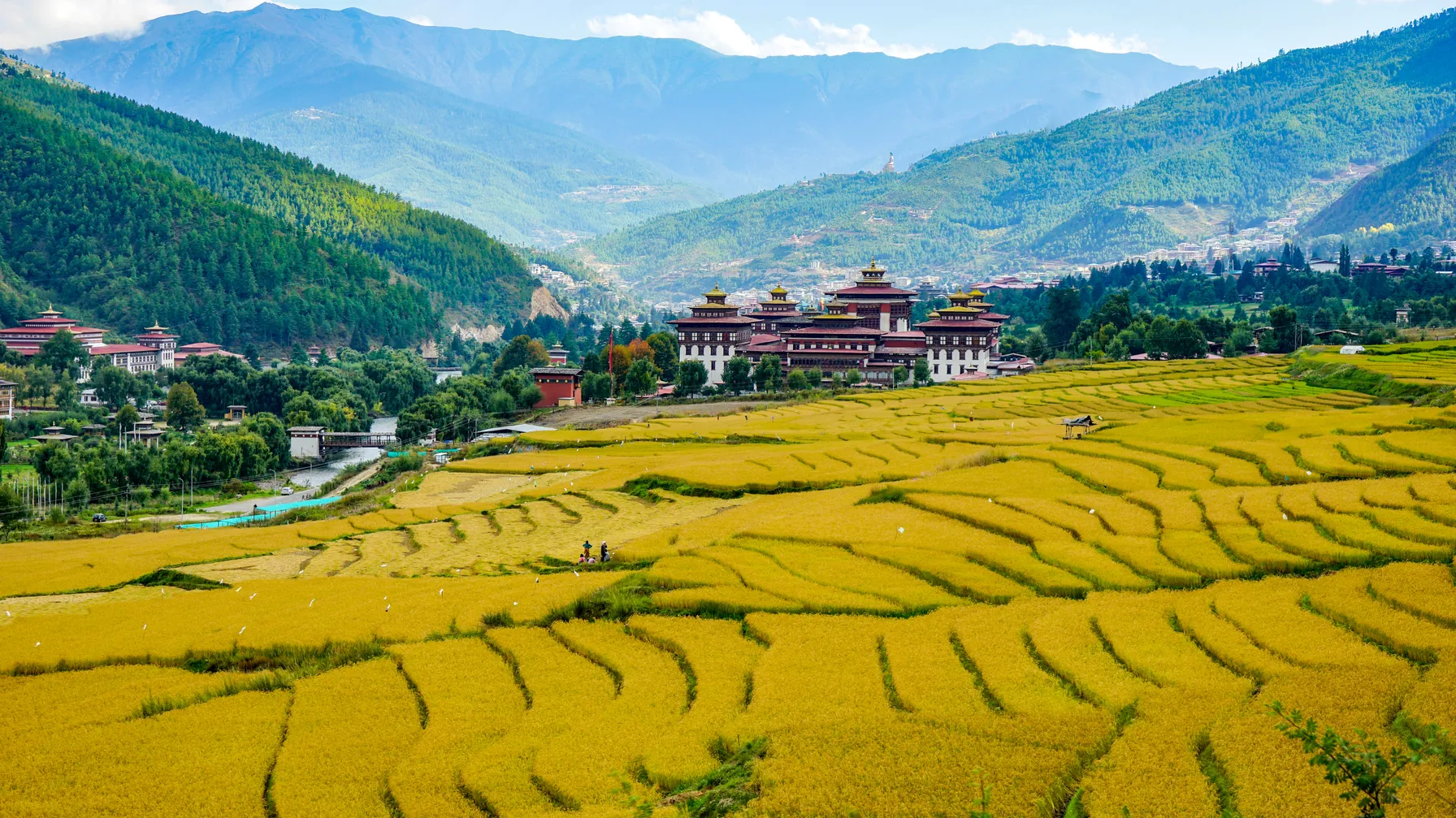
The Tashichho Dzong, the government seat and summer residence of the country's spiritual head, impresses with its dimensions and architectural beauty. Your tour in Bhutan will enable you to admire this 13th-century fortress, rebuilt in the 1960s using traditional techniques. The weekend market in Thimphu will immerse you into the local atmosphere, featuring stalls of dried red chillies, incense, and traditional crafts.
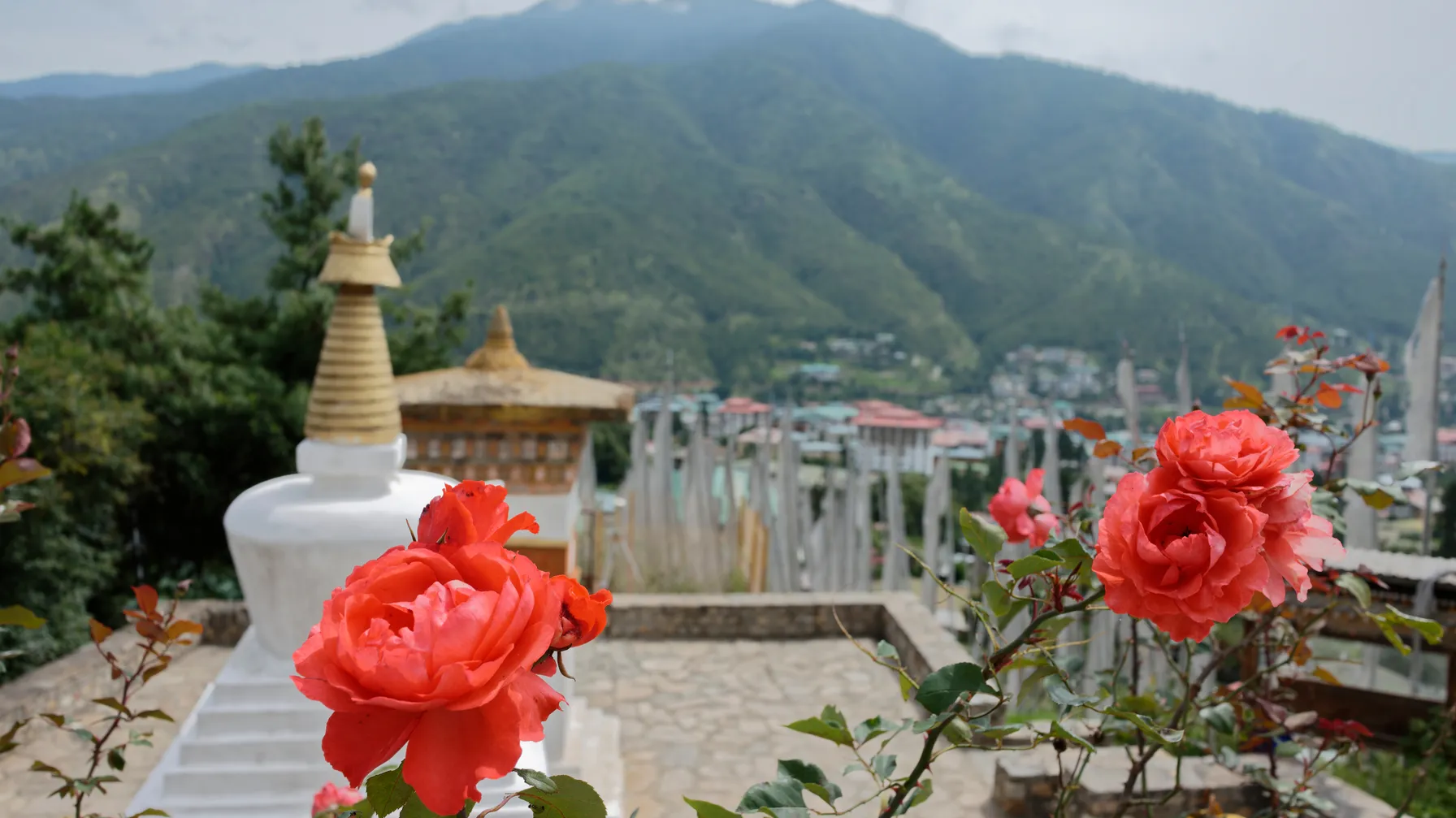
The Memorial Chorten, a stupa erected in 1974 in memory of the third king, is a daily pilgrimage site for locals. You will see Bhutanese tirelessly circling the monument, chanting their rosaries, in touching devotion.
Punakha and its majestic dzongs
The former capital, Punakha, will charm you with its mild climate and verdant landscapes. Located at an altitude of 1,200 meters, this fertile valley benefits from a subtropical microclimate contrasting with the surrounding Himalayan heights.
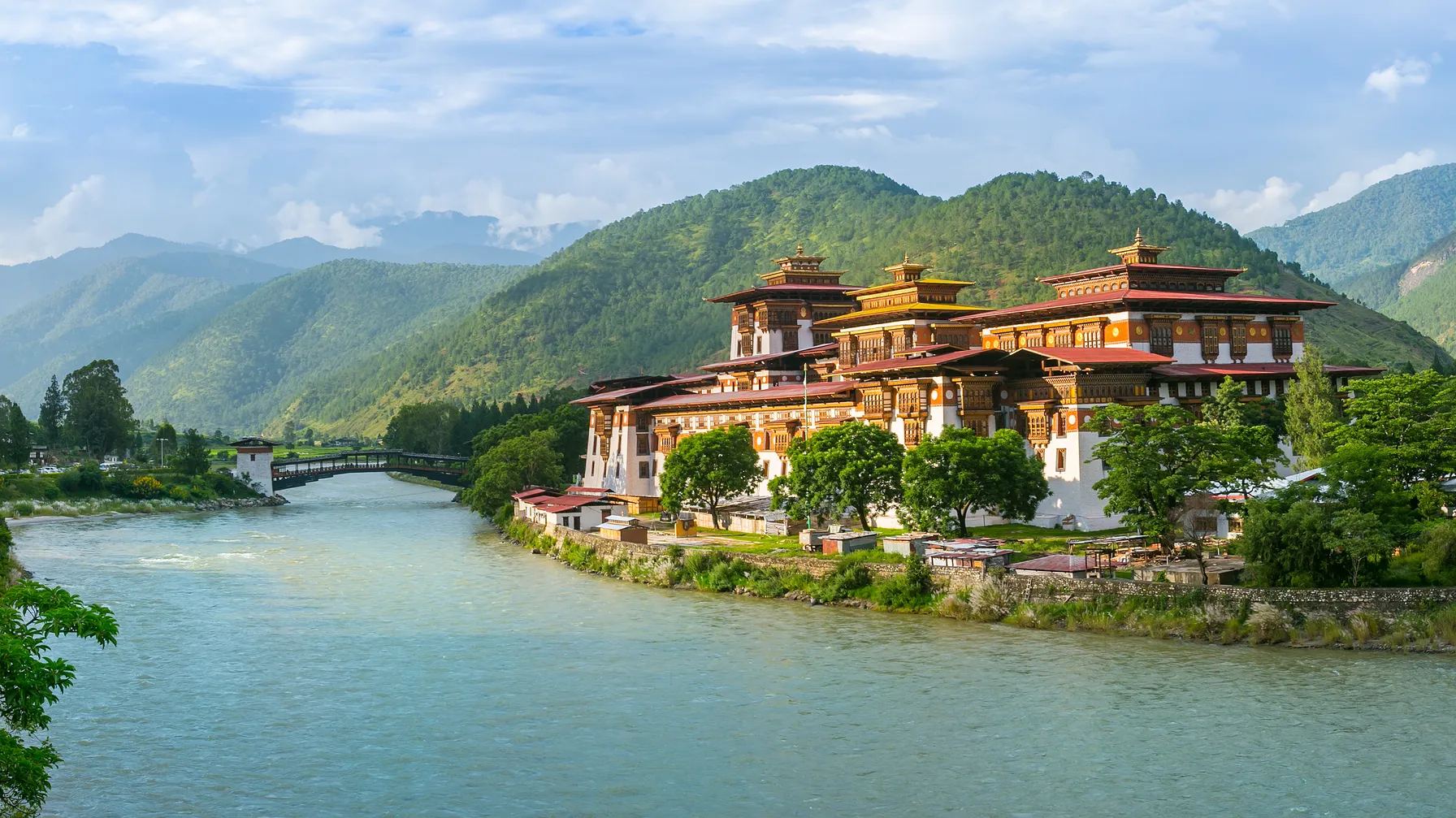
The Punakha Dzong, built at the confluence of the Pho Chu and Mo Chu rivers, represents one of the most beautiful examples of Bhutanese architecture. This "fortress of happiness" houses the sacred relics of Shabdrung Ngawang Namgyal, unifier of Bhutan in the 17th century. Your customized trip may coincide with the festivals held here, turning this sacred site into a theater of spectacular ritual dances.
The road to Punakha crosses the Dochula pass at 3,088 meters altitude, adorned with 108 commemorative chortens. On a clear day, the panorama extends to the peaks of eastern Bhutan, offering exceptional photographic opportunities.
How to organize your customized trip to Bhutan?
Planning your tour in Bhutan requires particular expertise given the specificities of this unique destination. Our Travel Planners specialized in Bhutan guide you through each step of this meticulous preparation.
Duration of the trip and best time to visit
The duration of the trip in Bhutan typically varies between 8 to 15 days, depending on your interests and budget. A 10-day tour allows for exploring essential sites: Paro Valley, Thimphu, Punakha, and Bumthang. Travelers with more time can discover the less-visited eastern regionsительные or undertake trekkings in the Bhutanese Himalayas.
The best periods for traveling in Bhutan span from October to December and from March to May. Autumn offers clear skies and pleasant temperatures, ideal for admiring Himalayan peaks. Spring reveals the spectacular flowering of rhododendrons, transforming valleys into colorful gardens. Although colder, winter provides the advantage of crystal-clear skies and reduced tourist presence.
The following table will help you choose your travel period:
| Season |
Temperature |
Benefits |
Downsides |
| Spring (March-May) |
15-25°C |
Rhododendrons in bloom, stable weather |
Some possible showers |
| Summer (June-August) |
20-30°C |
Lush vegetation |
Moonsoon, occasionally blocked roads |
| Autumn (Sept-Nov) |
10-20°C |
Clear skies, festivals |
Cool nights at high altitudes |
| Winter (Dec-Feb) |
5-15°C |
Exceptional visibility |
Cold, snow at high altitudes |
Our Travel Planners at your service
At Vialala, our Travel Planners specialized in Bhutan possess deep knowledge of this Himalayan kingdom. Their expertise guarantees a perfectly tailored trip, adapted to your expectations and constraints. We exclusively collaborate with experienced local French-speaking guides, true ambassadors of their culture.
Your trip in Bhutan will be fully customized according to your preferences:
- Accommodation in traditional hotels or luxury establishments;
- Activities suited to your physical condition and interests;
- Meetings with local artisans and participation in community life;
- Flexible timing to fully enjoy each stage.
Our Travel Planners also handle all complex administrative formalities, including obtaining the Bhutanese visa and special permits required for certain regions. This comprehensive support allows you to focus solely on anticipating your Bhutanese adventure.
Practical information for your tour in Bhutan
Preparing your trip in Bhutan requires essential information to optimize your stay in this small Himalayan kingdom.
The time difference with France is +5 hours in winter and +4 hours in summer. The average altitude of the country rises to 2,300 meters, with significant variations according to the regions visited. Thimphu is located at 2,320 meters altitude, while Paro reaches 2,280 meters. Gradual acclimatization is recommended, especially if your tour includes high-altitude trekkings.
The official currency, the ngultrum, is indexed to the Indian rupee also accepted. Credit cards remain scarce outside luxury hotels; ensure you have enough cash for local crafts purchases and tips.
Bhutan imposes a daily sustainable development fee (SDF) of 200 American dollars per person per night, reflecting its responsible tourism policy. This contribution directly finances environmental conservation and community development programs in the kingdom.
Electricity runs on 230V with type D, G, and M sockets. A universal adapter is crucial. Mobile phone coverage is limited in remote areas, but major cities have adequate internet connections.
Regarding health, no vaccine is mandatory, but vaccinations against hepatitis A and B, typhoid, and Japanese encephalitis are recommended. Travel insurance including medical evacuation is essential given the geographic isolation of the country.