Surfing in Tahiti: discover the legendary waves of French Polynesia
What are the essential surf spots in Tahiti?
The richness of Tahitian surf spots lies in their remarkable diversity. Each side of the island reveals unique characteristics, offering waves suitable for all levels in an exceptional tropical environment.
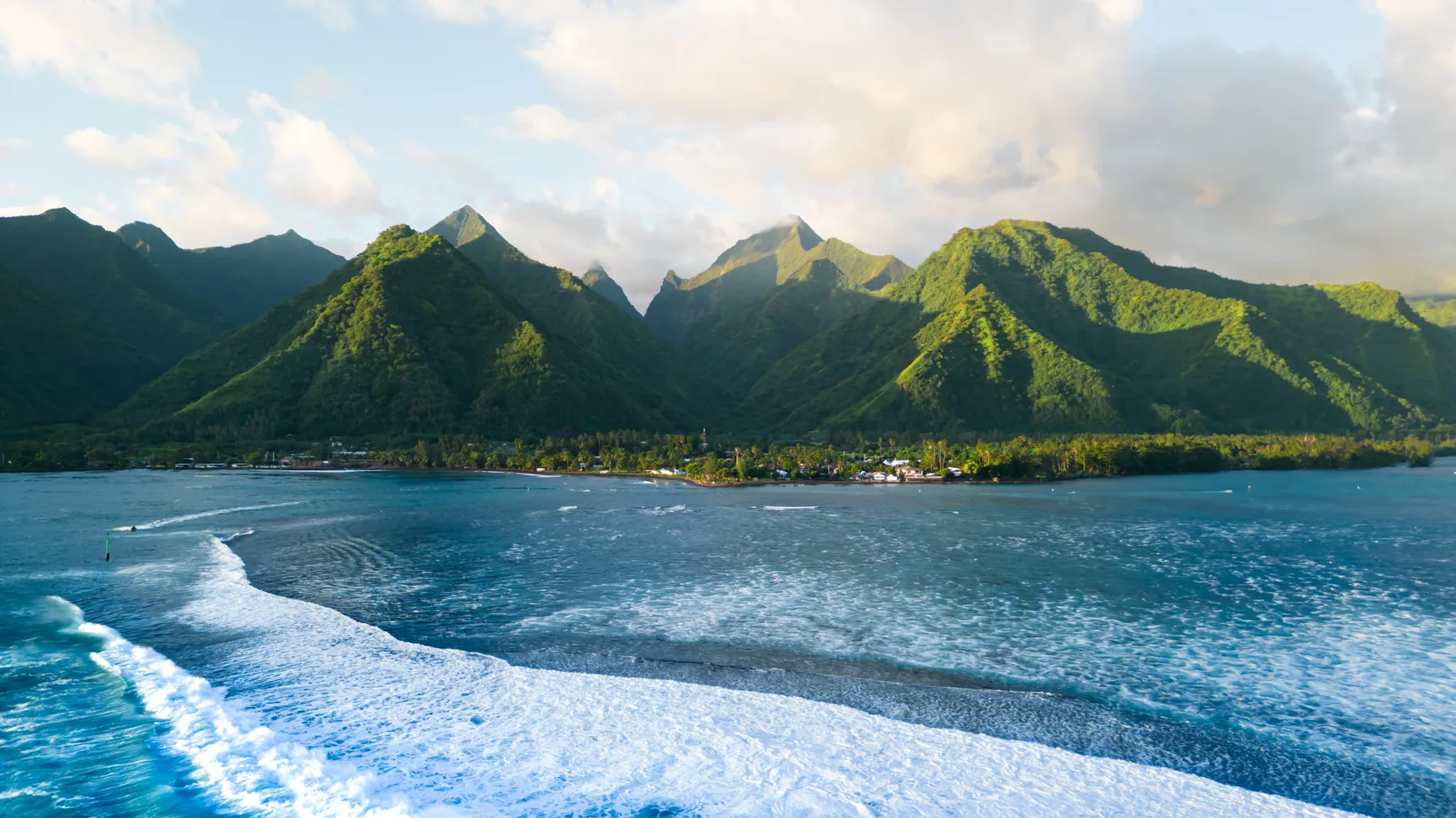
Teahupo'o and the peninsula, a global surf temple
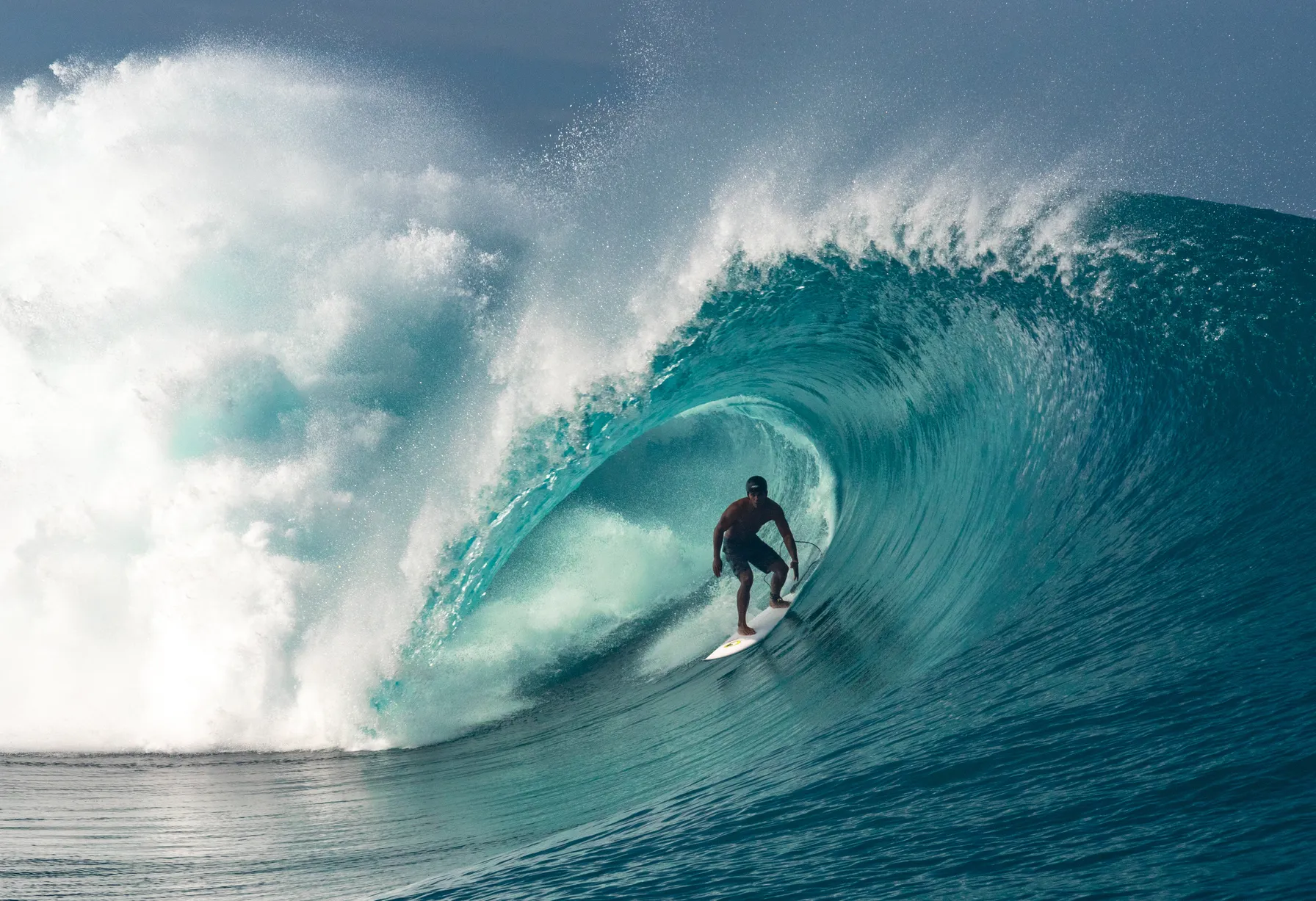
In the south of Tahiti, the peninsula hosts the most famous spot in French Polynesia. The wave of Teahupo'o, affectionately nicknamed Chopes
by the locals, breaks with legendary power a few hundred meters from the shore. This mythical left that will host surf competitions for the Paris 2024 Olympics attracts top surfers like Vahine Fierro and Michel Bourez.
The peninsula also has other treasures for advanced surfers. Te Ava Ino offers a technical left wave on reef, while Te Ava Iti provides a challenging right. The Vairao spot appeals with its long left that allows for extensive rides. These powerful waves demand excellent technical mastery and a deep knowledge of local conditions.
For less experienced surfers, the mouth of the Teahupo'o river provides an interesting alternative during large swells. This fallback spot offers kinder waves over a sandy bottom, creating a safer environment.
The north coast, ideal playground for beginners
The north of Tahiti stands out for its particularly favorable conditions for learning to surf. Point Venus Beach, one of the island's most emblematic beaches, offers perfect rights and lefts for beginners. Its sandy bottom and the absence of dangerous currents create a safe environment for first sliding sensations.
The Ahonu spot in Mahina deserves special attention for its reputation as a natural surf school. The waves break with regularity in waist-deep water, allowing beginners to gradually gain confidence. Local tradition dictates that experienced surfers give priority to the younger ones learning, perfectly illustrating the spirit of sharing cherished in Polynesian surfing.
Papeno'o Bay complements this offer with ideal conditions for progression. Its pebble and sand bottom provides more safety than reef spots, while the available space allows everyone to surf under good conditions.
Book your trip to Tahiti now to discover these legendary spots with our local experts.
The west coast spots and their accessible waves
The west coast of Tahiti reveals historic spots where Polynesian surfing took root. Punaauia is home to two remarkable left reef waves: Taapuna and Sapinus. These waves, witnessed by the first European explorers of surfing in 1769, now offer intermediate conditions perfect for progression.
Further south, the Papara area offers a nice diversity with spots at Mara Pass and Taharu'u. The latter, located at the river mouth, has the advantage of easy access and a safe environment for progressing surfers. The beach break waves provide a less intimidating approach than reef spots.
These top west coast spots benefit from a favorable exposure to southern swells, ensuring regular sessions throughout the year. Their accessibility from the road greatly eases the logistics for your surfing days.
When to go surfing in Tahiti based on conditions?
Surfing in French Polynesia enjoys favorable conditions year-round, each season revealing its own characteristics and favorite spots.
The north swell season (November to April)
From November to April, north swells dominate and transform the north coast into an exceptional playground. This period coincides with the austral summer and provides particularly generous conditions for exploring spots from Arue to Hitia'a. The waves become more consistent and regular, creating memorable sessions in the crystalline waters of the lagoon.
However, this season has some specifics to consider. The To'erau, a north wind accompanied by precipitation, can temporarily affect surfing conditions. During rainy episodes, rivers carry sediments that cloud the lagoon waters. Our advice: avoid surfing if you have open wounds during these periods.
The north coast spots then reveal their full potential with more sustained waves and ideal thermal conditions. The water maintains a constant temperature around 27°C, allowing prolonged sessions in optimum comfort.
The south swell period (May to October)
The period from May to October marks the arrival of south swells, more regular and widespread across the Pacific. These conditions particularly favor the south spots of Tahiti, turning the peninsula into a hub of surf activity on the island.
During this season, spots such as Teahupo'o, Te Ava Ino, and Vairao unveil their most spectacular character. South-west swells bring the power needed to reveal the potential of these world-class waves. This is also the preferred period for international surf competitions held in Tahiti.
The weather conditions of this season offer dryer days with regular trade winds. This climatic stability creates an ideal environment to plan your surf sessions and discover the many facets of surfing in French Polynesia.
How to organize your surf trip to French Polynesia?
A surf trip to Tahiti requires specific preparation to fully enjoy the exceptional conditions offered by this legendary destination.
The essential equipment and preparations
To surf in Tahiti under the best conditions, your surfboard must be adapted to the local specifics. Reef spots require shorter and more responsive boards, while beach breaks allow for the use of more versatile boards. Many surfers prefer bringing several boards to adapt to different wave types.
Protective gear is crucial on coral reef spots. Surf booties are essential for safely navigating the reef flats. A rashguard or shorty wetsuit effectively protects against coral friction and the particularly intense tropical UV rays.
Here are the essentials to plan for your surf trip:
- Boards suited to local conditions or rental on-site;
- Enhanced sun protection (SPF 50+ sunscreen, rashguard);
- Surf booties for reef spots;
- Basic first aid equipment.
Entry formalities to French Polynesia remain simple for French citizens. No visa is necessary, only a valid identity card is required to stay in the archipelago.
Surf lessons and schools for progress
The history of surfing in Polynesia dates back to ancient traditions, and this culture is now transmitted through numerous surf schools across the island. These local facilities offer authentic learning in compliance with Polynesian values of sharing and respect for the ocean.
Tahitian surf schools provide programs adapted to all levels, from complete initiation to advanced technical refinement on the most demanding spots. Local instructors bring invaluable knowledge of conditions, currents, and the specificities of each spot. Their expertise ensures safe progression while exploring the nuances of surfing in Polynesia.
For experienced surfers, guided sessions to reef spots allow for safe exploration of legendary waves like Teahupo'o. These supervised outings reveal lesser-known spots and optimal conditions according to weather forecasts.
Contact us for more information on organizing your tailor-made surf trip to Tahiti.
The rates for lessons vary depending on the chosen formula, with group lessons generally being more affordable than private sessions. Many schools also offer equipment rental, a practical solution to avoid the constraints of air transport of surfboards.
Frequently asked questions
Do you need to be an advanced surfer to surf in Tahiti?
No, Tahiti offers spots suitable for all levels. Beginners will find excellent conditions on the sandy beaches of the north coast like Pointe Venus or Ahonu. Experienced surfers can venture to the more technical reef spots on the south of the island.
Can you rent surfing equipment on site?
Yes, many surf schools and specialized stores offer the rental of boards and equipment. This solution avoids air transport fees and allows testing different types of boards depending on local conditions.
What is the water temperature in Tahiti?
The water maintains a constant temperature between 26°C and 28°C all year round. This tropical temperature allows for surfing in boardshorts or with a light lycra for sun protection, without the need for a wetsuit.
Are there any particular risks associated with surfing in Tahiti?
The main risks involve coral reef breaks, which require caution and experience. Wearing water shoes is highly recommended. Currents can be strong near the passes, hence the importance of surfing with others or after seeking advice from locals.