When to go to Tahiti: complete guide to choosing your ideal time
What is the climate of Tahiti according to the seasons?
Tahiti enjoys a particularly stable tropical oceanic climate, marked by the constant presence of the South Pacific trade winds. This climatic regularity makes it possible to visit Tahiti all year round, though some periods are more favorable depending on your travel expectations.
The Tahitian climate is characterized by two distinct seasons that significantly influence your experience on the island. These seasonal variations determine not only weather conditions but also the possible activities and the overall ambiance of your stay in French Polynesia.
The dry season, your preferred period (May to October)
The dry season is undoubtedly the best time to go to Tahiti. From April to October, the South Pacific high-pressure system effectively protects the archipelago from tropical disturbances, offering exceptional weather conditions for your tailor-made trip.
During this ideal period, average temperatures range between 21°C at night and 28°C during the day, creating a particularly pleasant atmosphere. The Austral winter, from June to August, brings a welcome relative coolness, with night temperatures possibly dropping to 20°C. This period also corresponds to the high tourist season, especially during European school holidays.
Precipitations remain moderate during the dry season, with short, refreshing showers that never durably alter your activities. The generous sunshine, with 6 to 8 hours of sunlight per day, supports all water and land activities. The trade winds blow regularly, providing appreciable natural ventilation and optimal conditions for sailing.
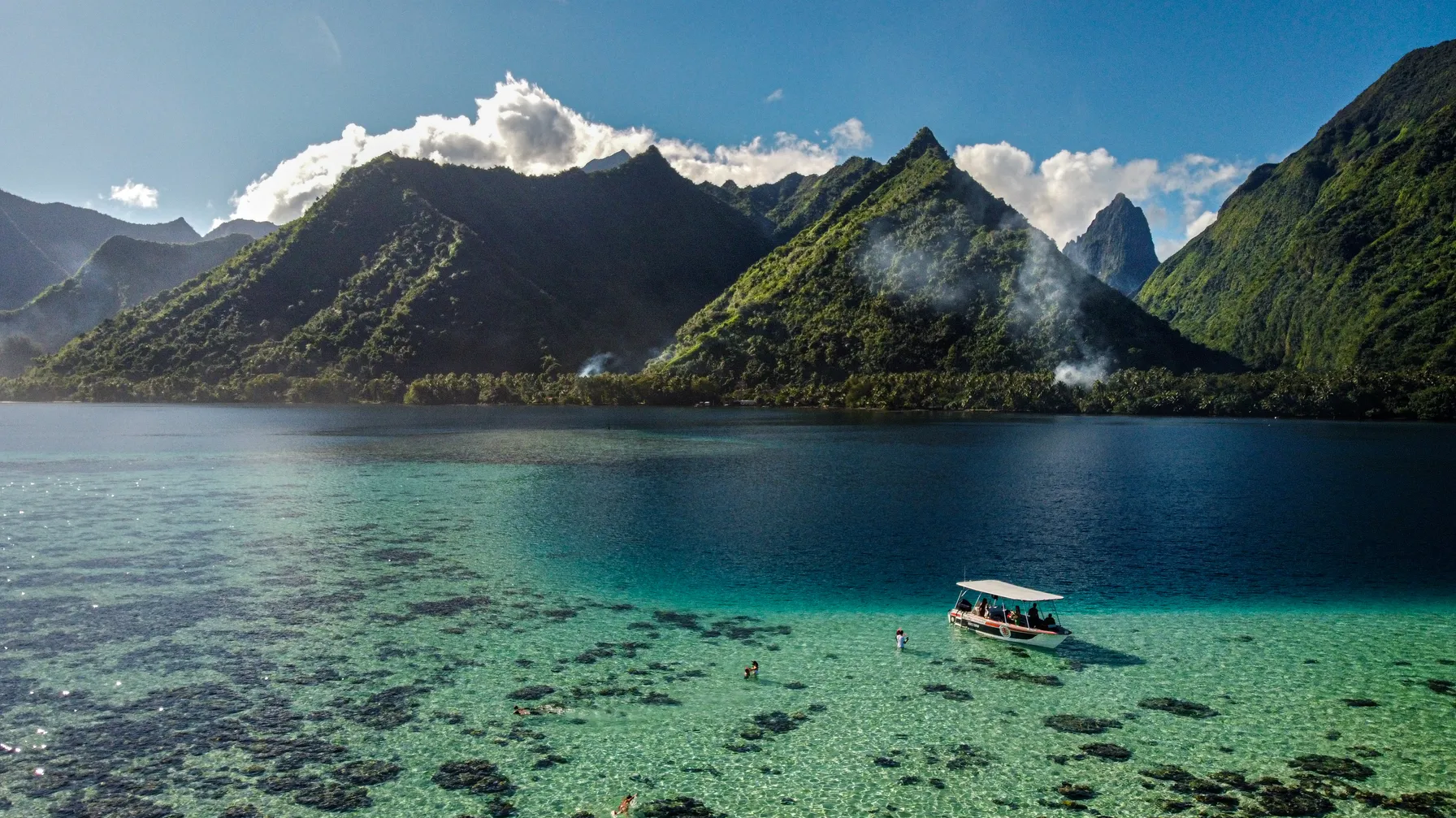
This period is particularly suitable for families wanting to peacefully enjoy the beaches and lagoons, as well as for couples seeking romance under a consistently clear sky. Diving conditions are excellent, with exceptional visibility and often calm seas.
Rainy season, between tropical charm and vigilance (November to April)
The wet season, from November to April, corresponds to the Australian summer in Tahiti. This period should not be outright dismissed, as it reveals a different and authentic facet of French Polynesia, with its own charms and benefits.
Temperatures are warm and constant, around 30-32°C during the day and 24°C at night. The ambient humidity significantly increases, creating a more pronounced sensation of heat. Precipitations become more frequent and intense, particularly between December and February, with spectacular but generally brief tropical showers.
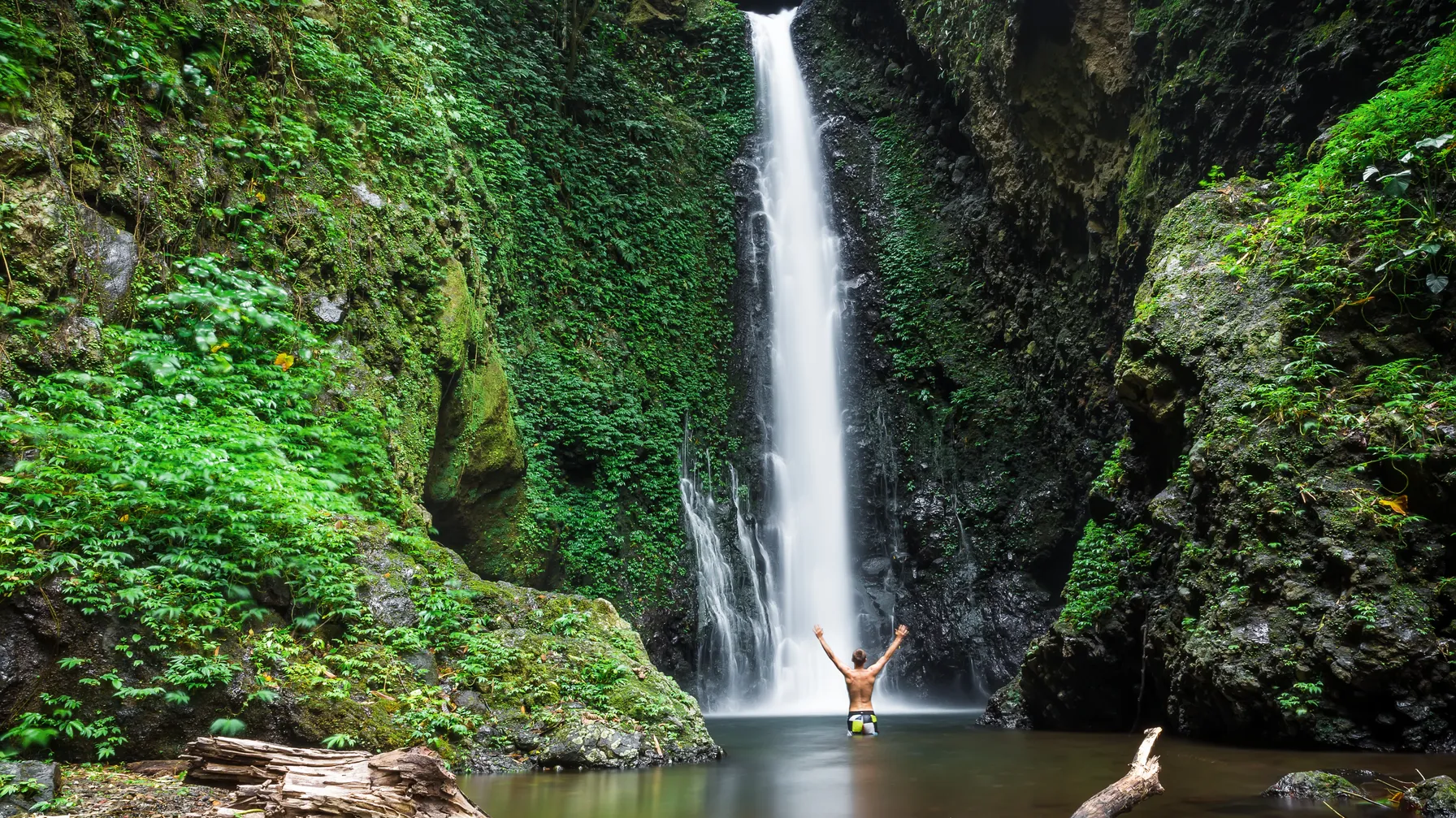
This season corresponds to the low tourist season, offering more advantageous rates and fewer visitors at sites. The lush vegetation reaches its peak, transforming the island into a true tropical garden of striking beauty. Waterfalls are more impressive, and nature reveals its splendor.
However, this period requires some precautions. Cyclonic risks, although rare in Tahiti, remain present between January and March. The high humidity can discomfort some travelers, and hiking activities become more demanding.
Contact us for more information on the best times to visit.
Demandez votre devis Tahiti sur-mesure 100% gratuit
 4.8
4.8+3.000 travelers satisfied
When to go to Tahiti depending on your travel expectations?
Choosing the period to go to Polynesia largely depends on your priorities and the type of experience you are looking for. Each month has its specificities, allowing you to tailor your stay to your specific desires.
July to September, the absolute reference
The months of July, August, and September constitute the reference period for visiting Tahiti. This time frame gathers all the optimal conditions for an exceptional trip to French Polynesia.
July marks the beginning of the driest period, with minimal rainfall and maximal sunshine. The temperatures remain ideal, without excessive heat, allowing full enjoyment of outdoor activities. It is the favored time to explore the island's hiking trails, discover lush valleys, and climb volcanic peaks.
August and September confirm this climatic excellence, with exceptional sea conditions for all types of water activities. Scuba diving then reveals all its secrets, with remarkable visibility and a particularly active marine life. Excursions to Bora Bora and the other Society Islands are conducted under perfect conditions.
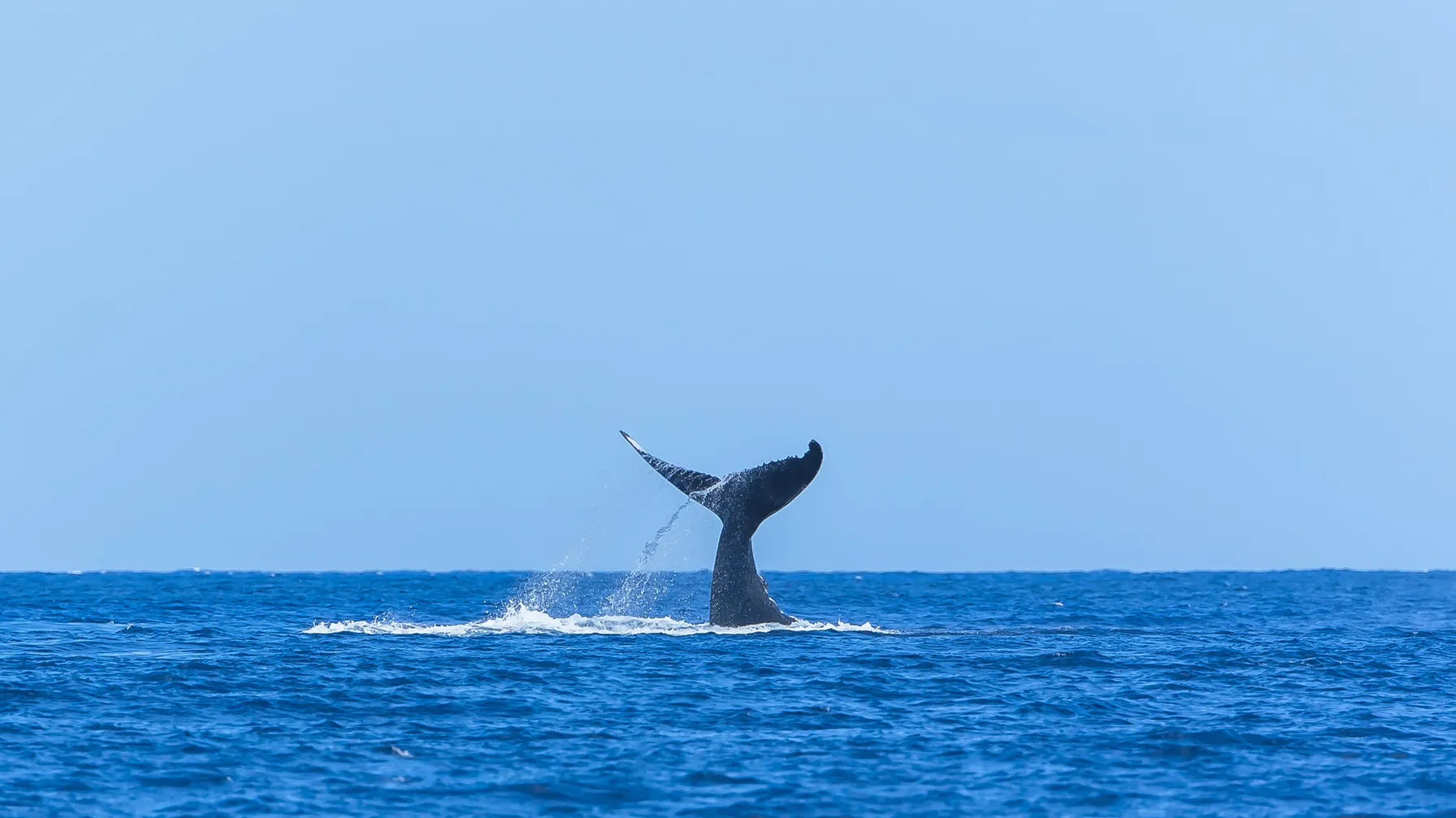
This period coincides with the season for observing humpback whales, an extraordinary natural spectacle that greatly enriches your Tahitian experience. These marine mammals migrate to Polynesian waters to reproduce, offering moments of intense emotion to privileged travellers.
Month by month, this period reveals remarkable consistency: July with its cool nights and bright days, August in its absolute climatic perfection, and September that extends this magic before the seasonal transition.
Interesting alternatives for a tailor-made trip
Other periods also deserve your attention depending on your constraints and personal preferences. April and May are excellent alternatives, marking the transition to the dry season with a climate already very favorable and less crowded.
April reveals a Tahiti in full renaissance after the rainy season, with vibrant vegetation and perfectly bearable temperatures. May confirms this gradual improvement, offering near-optimal conditions with the advantage of more attractive rates than in the high season.
September and October extend the favorable period, with slightly higher temperatures but still excellent conditions. These months attract travelers looking to avoid the July-August crowds while enjoying mild weather.
For curious and flexible travelers, certain months of the rainy season can hold nice surprises. March and November, at the edges of the season, often offer interesting weather windows, alternating between tropical showers and generous clearings.
| Month | Day Temperature | Night Temperature | Precipitations | Recommendation |
|---|---|---|---|---|
| April | 29°C | 23°C | Moderate | Very good |
| May | 28°C | 22°C | Low | Excellent |
| June | 27°C | 21°C | Low | Excellent |
| July | 26°C | 20°C | Very low | Perfect |
| August | 26°C | 20°C | Very low | Perfect |
| September | 27°C | 21°C | Low | Excellent |
| October | 28°C | 22°C | Moderate | Very good |
Book your trip to Tahiti now
How to optimize your stay according to the Tahitian weather?
Understanding the subtleties of the Tahitian climate allows you to perfectly tailor your trip according to your desires and expectations. Each period offers its specific advantages that are good to know to maximize your Polynesian experience.
Decoding the conditions month by month
The Tahitian weather gradually evolves throughout the year, offering climate nuances that directly influence your activities and comfort. This natural progression allows you to precisely choose the period that meets your expectations.
During the period from May to October, each month reveals its specifics. May inaugurates the favorable season with increasing mildness and progressively diminishing rains. June confirms this improvement, while July and August reach absolute climatic excellence. September maintains these privileged conditions before October starts a gentle transition.
The rainy season, from November to April, also presents its internal variations. November and April, as transition months, often provide acceptable conditions with appreciable sunny periods. December, January, and February are at the heart of the wet season, with significant rainfall but stunningly beautiful vegetation.
Festivals and cultural events also punctuate the Tahitian calendar. Heiva, a major cultural festival in July, coincides perfectly with the best weather period. Year-end celebrations bring a unique festive atmosphere, partially offsetting the meteorological constraints of this period.
Our Travel Planner advice: adapt your activities according to the chosen season. Prefer hiking and land excursions during the dry season, and enjoy spectacular tropical storms from your comfortable accommodation during the rainy season.
The characteristics of the French Polynesian archipelagos
French Polynesia is not limited to Tahiti, and each archipelago has its own climatic characteristics that should be considered for optimal travel. This geographical diversity greatly enriches the possibilities for exploration according to your desires.
The Marquesas Islands, located further north, are largely free from cyclonic influences and generally have a drier climate than Tahiti. This specificity makes it a favored destination even during the months traditionally advised against elsewhere in French Polynesia.
The Tuamotu Archipelago, with its coral atolls, offers particularly favorable conditions for diving and nautical activities almost all year round. The absence of significant relief limits local climatic variations, creating homogeneous and predictable conditions.
The Austral Islands, further south, experience slightly cooler temperatures and often different weather conditions from the rest of French Polynesia. This geographical feature can be an asset for travelers seeking different atmospheres.
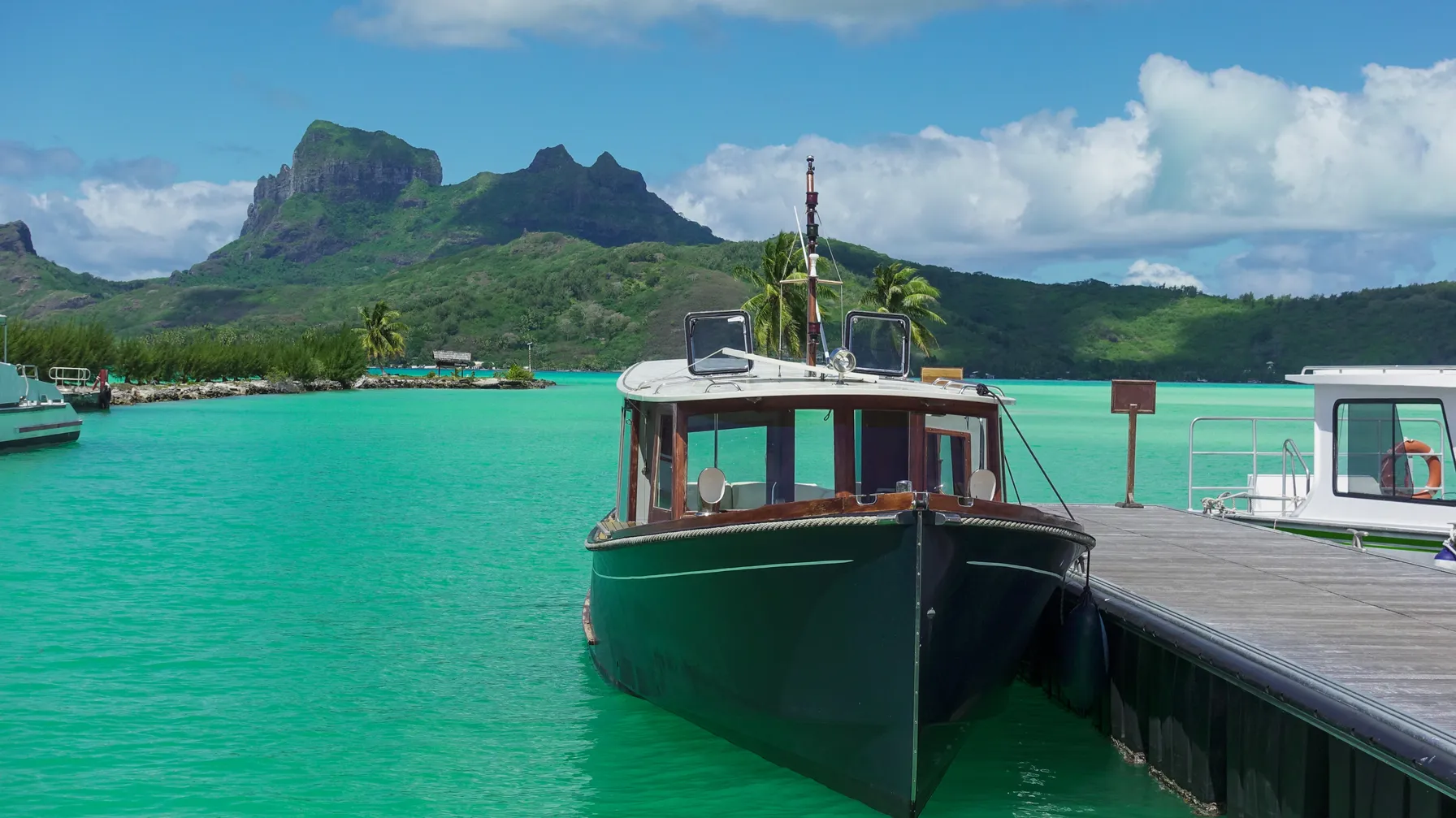
Bora Bora, the jewel of the Leeward Islands, benefits from a microclimate often more mild than Tahiti, with generally less rainfall thanks to the protection offered by the surrounding reliefs.
Did you know? The climatic variations between archipelagos allow for particularly cleverly composed custom itineraries, combining several destinations according to their respective seasonal advantages.
Contact us for more information
Each period for visiting French Polynesia reveals its particular charms. Whether you opt for the climatic excellence of July-September or choose the authenticity of the rainy season, Tahiti welcomes you with its natural and cultural treasures. The art lies in tailoring your trip to your desires, constraints, and your quest for unique experiences in this South Pacific paradise.