Surf in Miami: the essentials for riding waves in Florida
Why does surfing in Miami appeal so much to surfing enthusiasts?
The Atlantic coast of Florida lacks the legendary reputation of California, but it has its own charm. Surfing in Miami is practiced there in an exceptional setting, where every session becomes as much a sporty interlude as a moment of sharing with the marine environment. The swell conditions, more pronounced between June and November, allow the waves to gain consistency and height, offering authentic sensations to those who venture there.
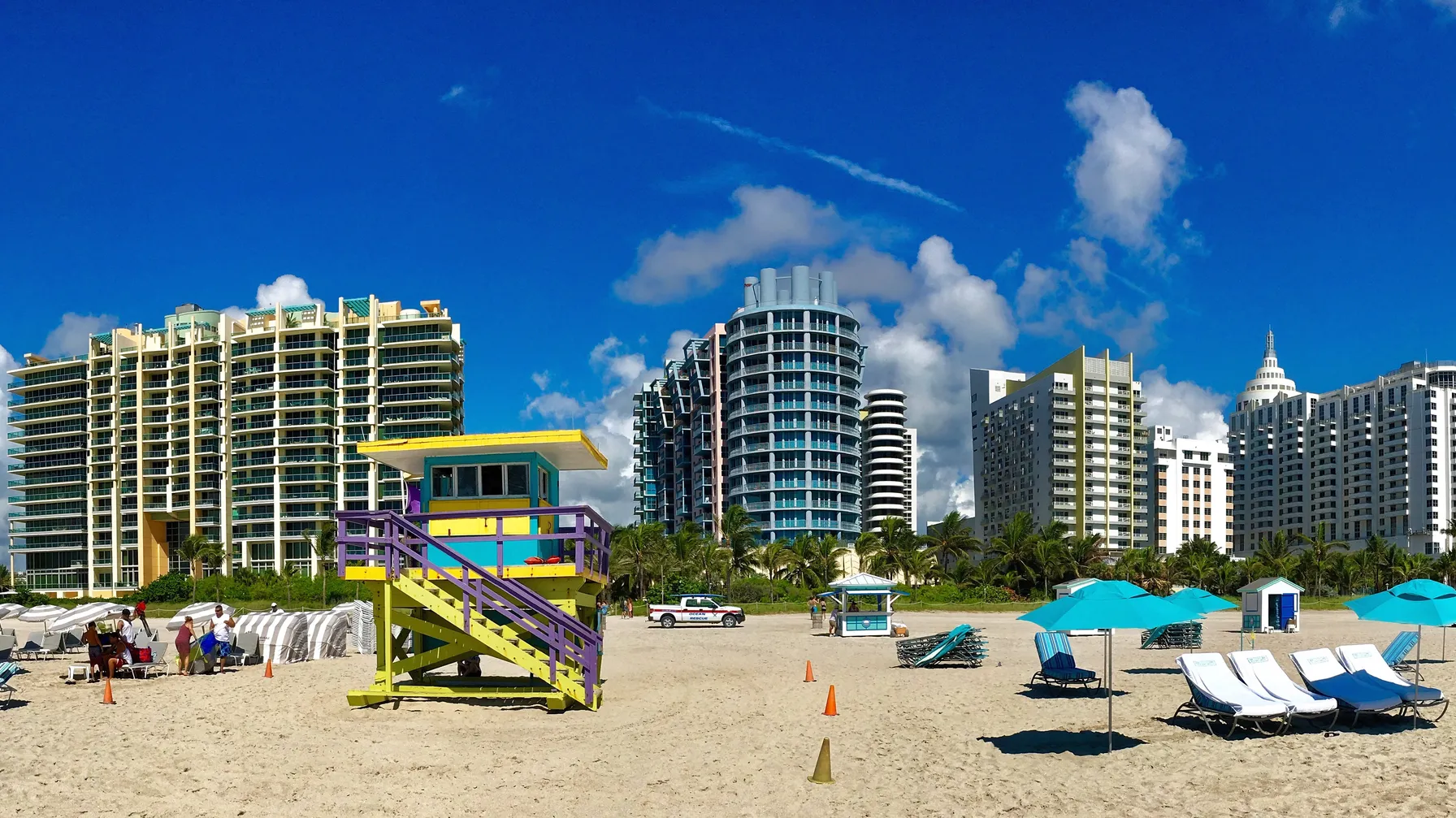
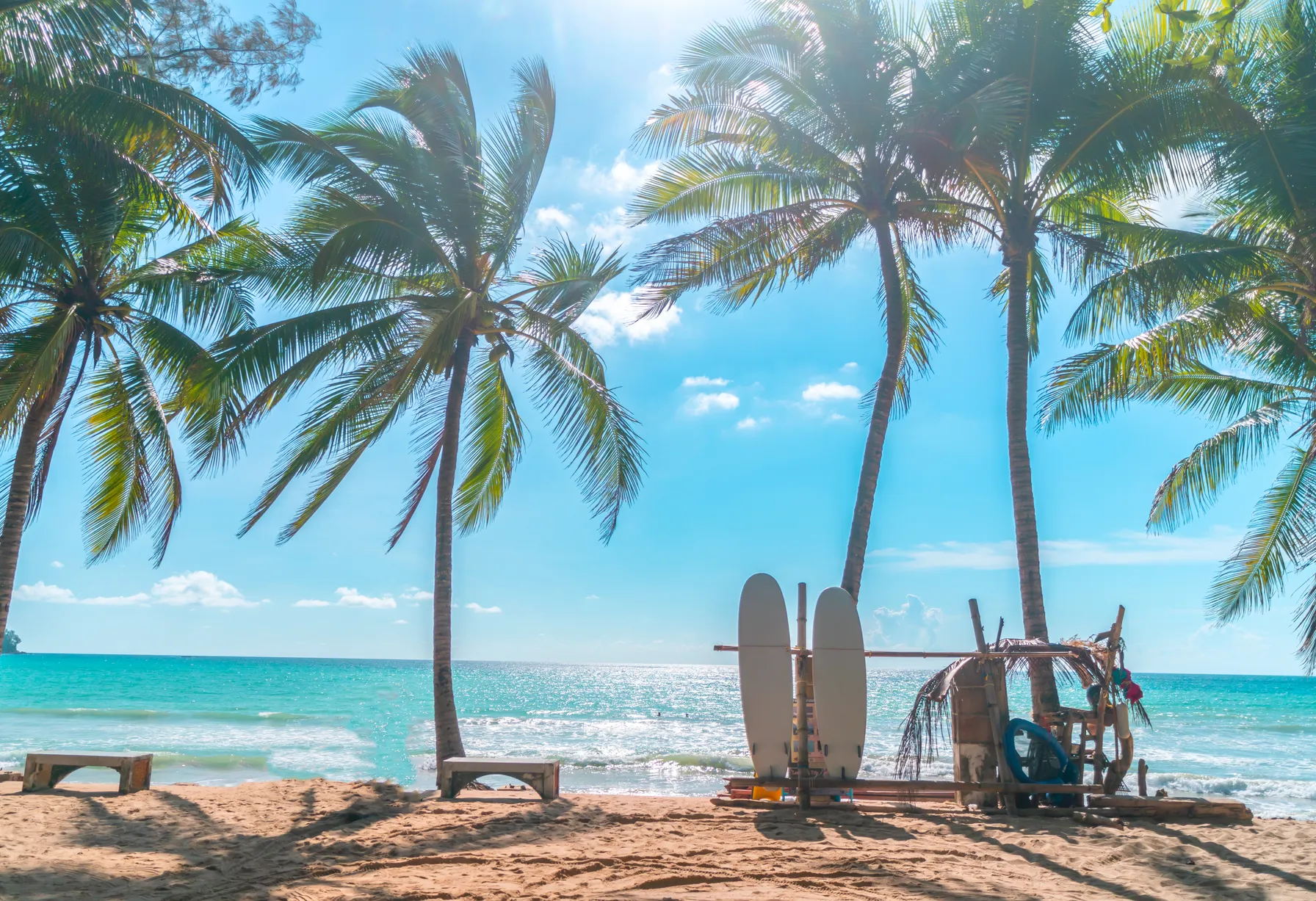
What makes this rendezvous with the waves truly special is the diversity of profiles it welcomes. Families looking to introduce their children to water sports, couples seeking a new experience to share, solo travelers drawn to the local surf culture: Miami answers all these desires. On the beaches of Miami Beach, windsurfing sits alongside traditional surfing, stand-up paddle boards come into play between two sessions and numerous surf schools abound to accompany beginners with kindness. Just a short walk away, Ocean Drive houses the specialty shops where you can find gear suited to your level. Every detail is designed so that your immersion in surf culture is as smooth as the waves themselves.
Contact us for more information about your surf stay in Miami.
What are the must-visit spots for surfing in Miami?
The Miami area brings together several surf spots with very different personalities. Between urban beaches reachable in a few minutes and more technical breaks an hour or two away, there is something for every level and every vibe. Here are the addresses not to be missed.
South Beach, the iconic spot for seasoned surfers
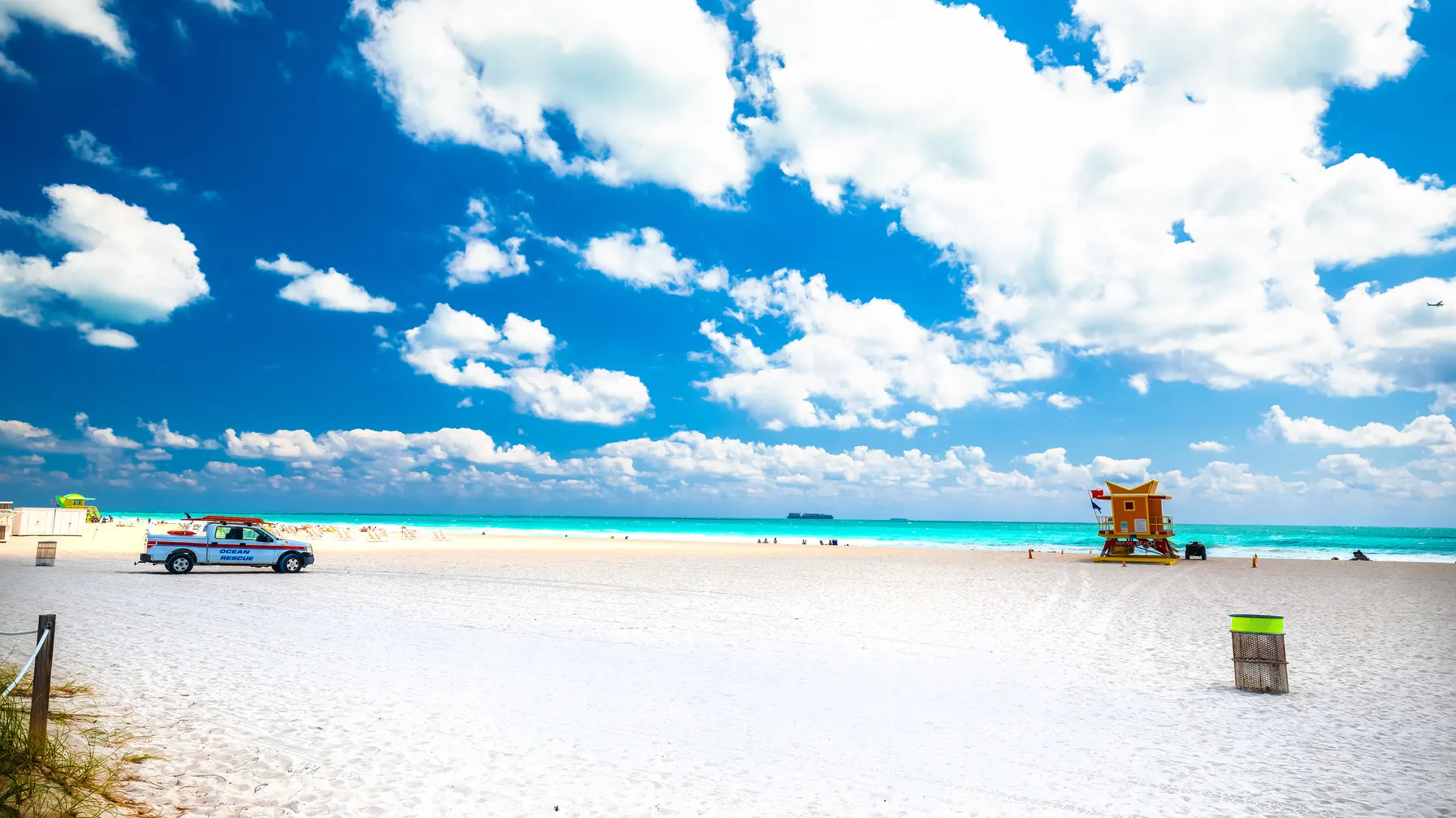
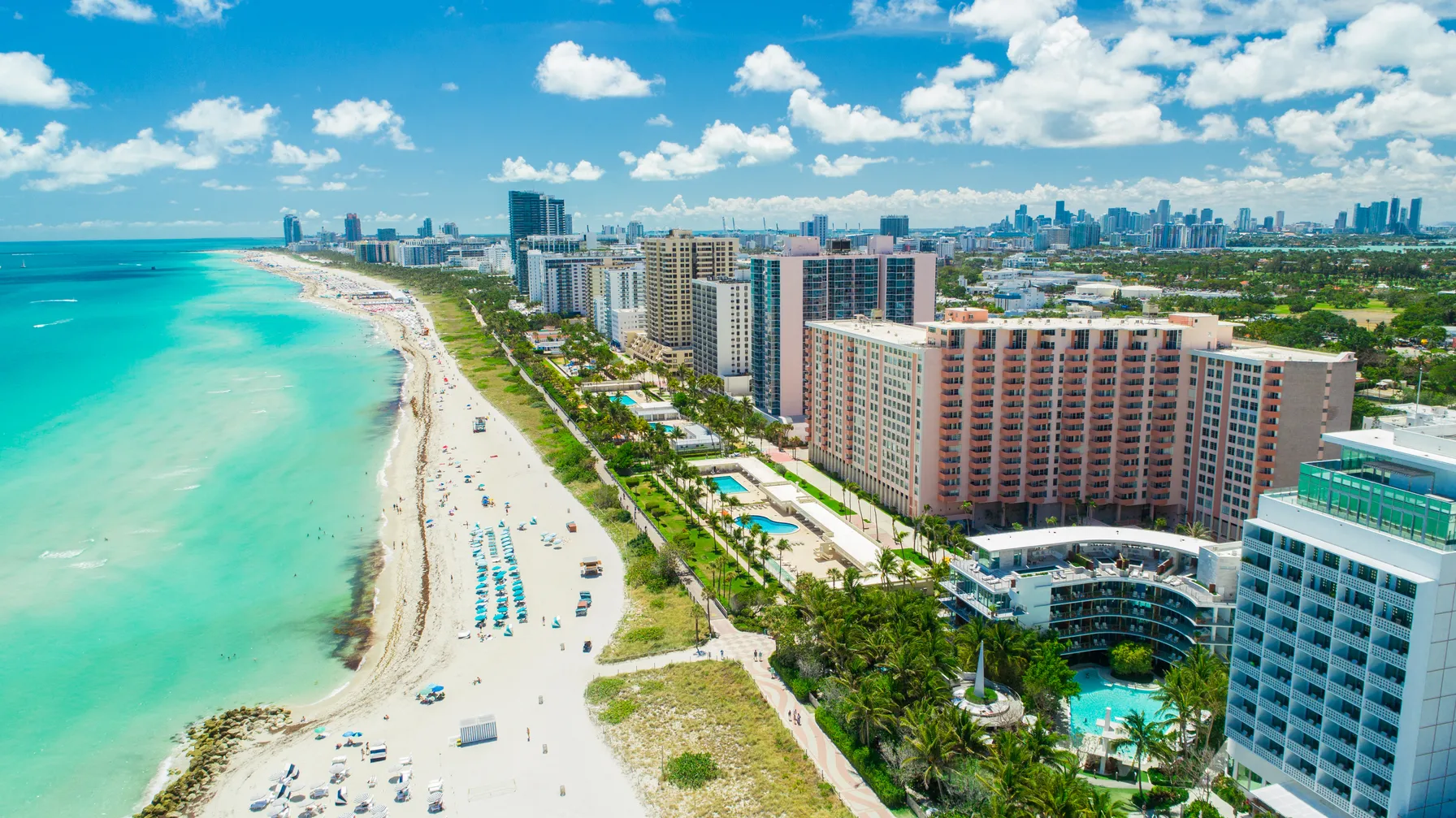
An essential part of Miami Beach, South Beach is the region's best-known surfing spot. Its waves can reach notable heights, especially during the swell season, making it a playground suited for experienced riders. The beach's orientation captures the north-northeast swells well, and the best conditions are generally found at rising low tide. The atmosphere there is electric, driven by the bustling life of the seafront and the stunning beauty of the Miami Beach coastline.
<p>Haulover Beach, between accessibility and expansive views</p>
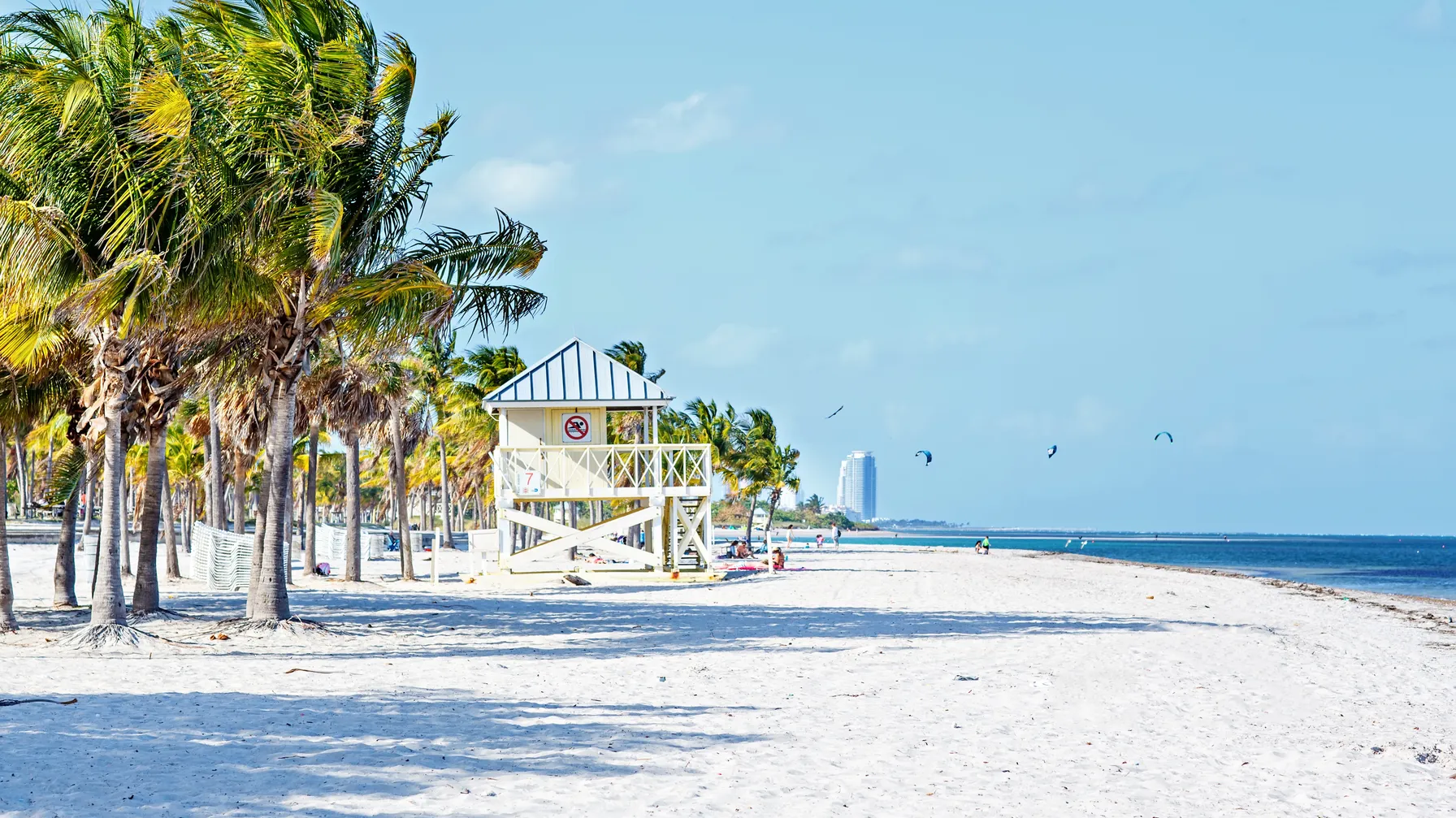
Located about twenty minutes north of South Beach, Haulover Beach offers softer conditions, especially appreciated by beginners or surfers progressing. The waves there are generally less powerful, which makes it easier to find one's footing without pressure. It is also a place renowned for its relative tranquility, its clear waters and open Atlantic horizons. Families find a reassuring setting there to get into surfing together in Miami.
Pier Lake Worth, a friendly spot about an hour's drive away
About an hour north of Miami, Pier Lake Worth is appreciated for its versatility and warm atmosphere. Suitable for both beginners and intermediate surfers, it benefits from regular waves and a nice local community always ready to share a few tips. It's one of those surf spots where you come back as much for the waves as for the vibe that reigns there, a real hotspot for surfing enthusiasts visiting Florida.
<p>Stuart Beach, the surfing jewel of the region</p>
Two hours from Miami, Stuart Beach is unanimously recognized as the best surfing spot in the area. Its better-shaped and longer waves attract experienced riders, and it is here that the region's biggest surfing competitions are held. Even for spectators, watching these events is, in itself, an unforgettable experience. A detour that more than justifies the trip from Miami for any surfing enthusiast.
Book your trip to Miami now and design a fully tailor-made surfing stay with Vialala.
Demandez votre devis Miami sur-mesure 100% gratuit
 4.8
4.8+3.000 travelers satisfied
What is the best time to surf in Miami?
The choice of the period is crucial to fully enjoy surfing in Miami. Conditions vary markedly across the months, between generous swells and more capricious weather. Here is a concise overview to help you plan your stay:
| Period | \nSurf conditions | \nWater temperature | \nNotes | \n
|---|---|---|---|
| January – March | \nModerate waves | \n20-22 °C | \nLow crowds, good visibility | \n
| April – May | \nBuilding swell | \n23-25 °C | \nIdeal for beginners | \n
| June – September | \nBest waves | \n27-29 °C | \nHurricane season, caution required | \n
| October – November | \nRegular waves | \n25-27 °C | \nExcellent waves/weather balance | \n
| December | \nWinter swells | \n22-23 °C | \nCalm and intimate atmosphere | \n
The period from June to November concentrates the best surfing opportunities in Miami, with stronger swells and quality waves. That said, July and August correspond to hurricane season: it is essential to check the weather forecasts before each session and to follow the instructions of the lifeguard posts on the beaches.
The advice from our Travel Planners: to enjoy a bit of serenity while taking advantage of favorable conditions, October and November represent the best compromise. The waves are reliable, the temperatures stay pleasant, and the tourist traffic is calmer.
What essentials should you prepare for your Miami surf trip?
A Miami surf trip is prepared with a few practical adjustments to enjoy every session in complete serenity. On the equipment side, a lightweight wetsuit is recommended outside the peak summer season, when water temperatures can be slightly cooler. In the areas of Miami Beach and Ocean Drive, several specialty shops offer rental or purchase of boards suitable for all levels, which greatly simplifies trip planning.
For beginners, local surf schools offer group or private lessons led by certified instructors. A two-hour session is often enough to lay the foundations and to catch your first waves standing up, in a supervised and reassuring environment. Families particularly appreciate these structured formats, true guarantees of rapid progression and safety for the youngest.
Some essential points to keep in mind before each session:
- Make yourself known at a lifeguard post before entering the water;
- Check the swell conditions and any currents for the day;
- Stay within the monitored zones and respect the boundaries of each beach.
Safety is an essential aspect of surfing in Miami. Sharks are occasionally reported offshore, a reality to be aware of without worrying excessively: incidents remain extremely rare. The key is to surf in supervised zones and to follow the recommendations of local professionals for an experience that is as safe as it is unforgettable.
Contact us for more information on the best water sports experiences in Miami.
Frequently asked questions
Can you practice other water sports besides surfing in Miami?
Miami is an ideal destination for water sports of all kinds. Kitesurfing, eFoil, wakeboarding, and stand-up paddleboarding are widely practiced there, especially in Biscayne Bay and on certain beaches along the coast. Numerous academies and nautical centers offer lessons or equipment rentals for each discipline, allowing you to vary the pleasures over the course of your stay.
Do you need to bring your own surfboard to Miami?
It's not necessary. Surf equipment rental shops are readily accessible near the main beaches. It is quite possible to rent a board suitable for your level directly on site, which greatly eases logistical constraints and simplifies your trip planning.
Are there surf lessons suitable for children in Miami?
Yes, several surf schools offer initiations specially designed for children, with instructors trained to supervise youngsters. These lessons, available in group or private formats, allow gradual progression in a safe environment. A wonderful way to introduce the whole family to surfing during a stay in Miami.