Gastronomy in Miami: a culinary scene as intense as the city itself
What makes Miami's gastronomy so unique?
The culinary scene in Miami is the direct reflection of its population, cosmopolitan and passionate. Here, each neighborhood has its own codes, its own flavors and its own rituals around the table, which makes every meal a discovery in its own right.
A mosaic of cultures on the plate
Miami is arguably the American city where Cuban influence is felt most strongly in culinary specialties. Little Havana, the beating heart of the Cuban-American community, concentrates addresses as authentic as they are rich in history. The Cuban sandwich, composed of roasted pork, ham, Swiss cheese and pickles pressed in a golden Cuban bread, is a true institution there. But eating in Miami also means opening up to many other influences. Haitian, Venezuelan, Peruvian and Japanese flavors mingle on the plates, forming a rare gastronomic landscape that is hard to match. It is precisely this cultural diversity that makes every moment at the table in Miami a singular experience.
Local produce at the heart of the cuisine
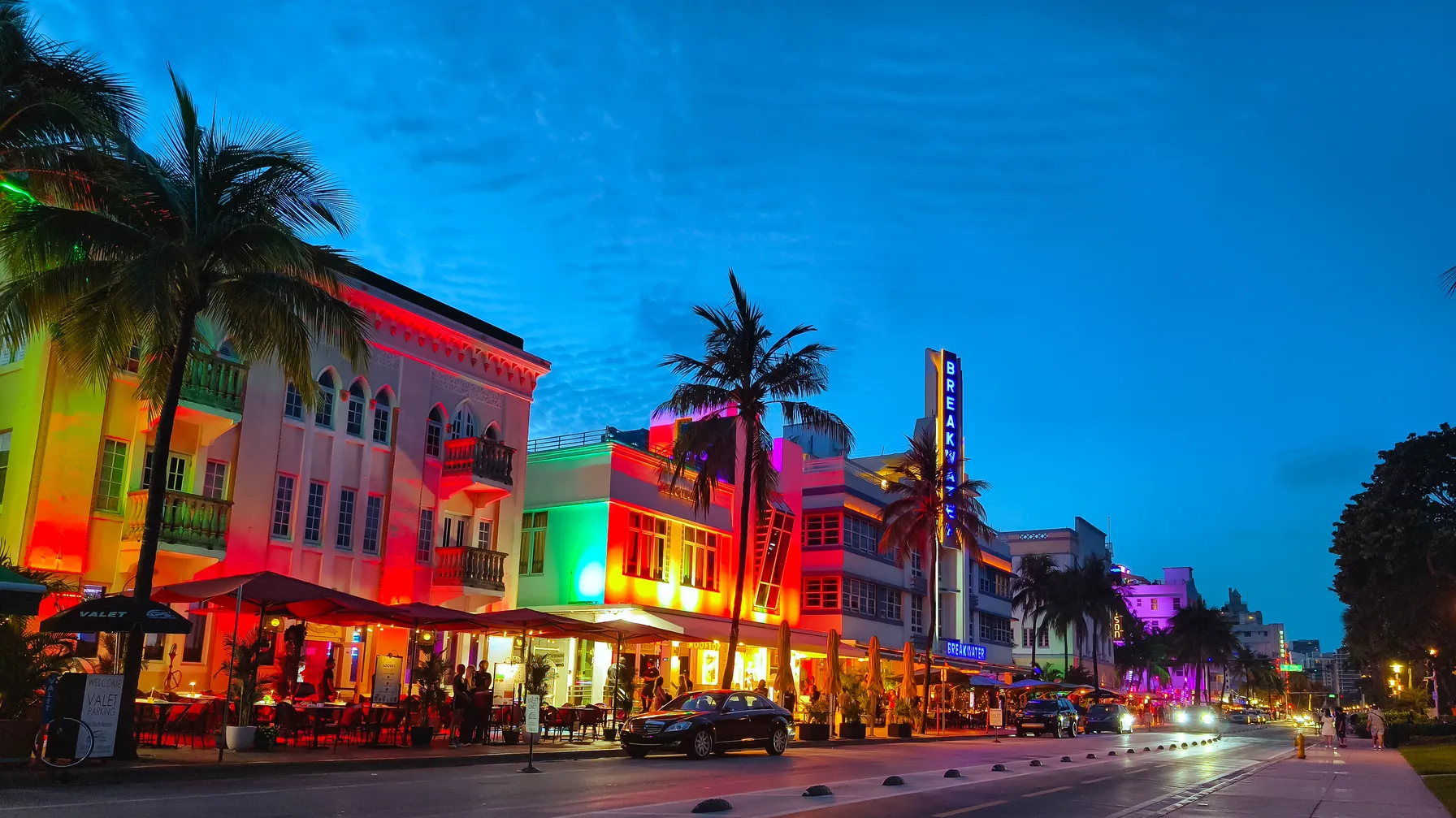
Florida enjoys privileged access to exceptionally fresh produce. Seafood occupies a central place there, notably the stone crab, whose crab claws are fished in the Florida Keys between October and May. Ocean Drive and the tables of Miami Beach are also renowned for their fresh fish, prepared according to Creole or Caribbean recipes. Citrus fruits, plantains and Latin spices complete this range of products that give Miami's gastronomy its sunny and generous character.
Would you like to experience this culinary adventure up close? Contact us to tailor your trip to Miami.
Demandez votre devis Miami sur-mesure 100% gratuit
 4.8
4.8+3.000 travelers satisfied
What dishes and culinary experiences are a must in Miami?
Between popular specialties and exceptional addresses, Miami's culinary scene is as broad as it is tempting. Here's what would be a shame to miss during your stay.
Must-try specialties
Several iconic dishes deserve special attention and stand as true rites of passage:
- The Cuban sandwich: a must-try in Little Havana, at one of the many spots that keep the original recipe alive;
- Joe's Stone Crab claws: an institution in South Beach since 1913, served cold with a house-made mustard sauce, available only in season;
- Key lime pie: a lime meringue pie, Florida's sweet emblem, found from Coconut Grove to Miami Beach;
- Pastelitos: small puff pastries filled with guava and cheese, nibbled at the counters of the city's Cuban bakeries.
Food tours, markets, and street-food experiences
Beyond restaurants, it's also through street experiences that Miami reveals its true soul. Street food plays a leading role, from Wynwood's colorful food trucks to the small stalls of Little Havana where croquetas can be ordered for a few dollars. Guided food tours let you explore these neighborhoods through their flavors, combining historical anecdotes with tastings in good company. Our Travel Planners' little tip: opt for a morning visit to Little Havana to enjoy bakeries opening at dawn and a still-preserved atmosphere, before the day gets into full swing.
Where to eat in Miami according to your cravings?
Miami is among the most dynamic American cities gastronomically, with offerings ranging from Michelin-starred restaurants to the most authentic neighborhood spots. Every type of traveler will find happiness here.
The foodie neighborhoods to explore
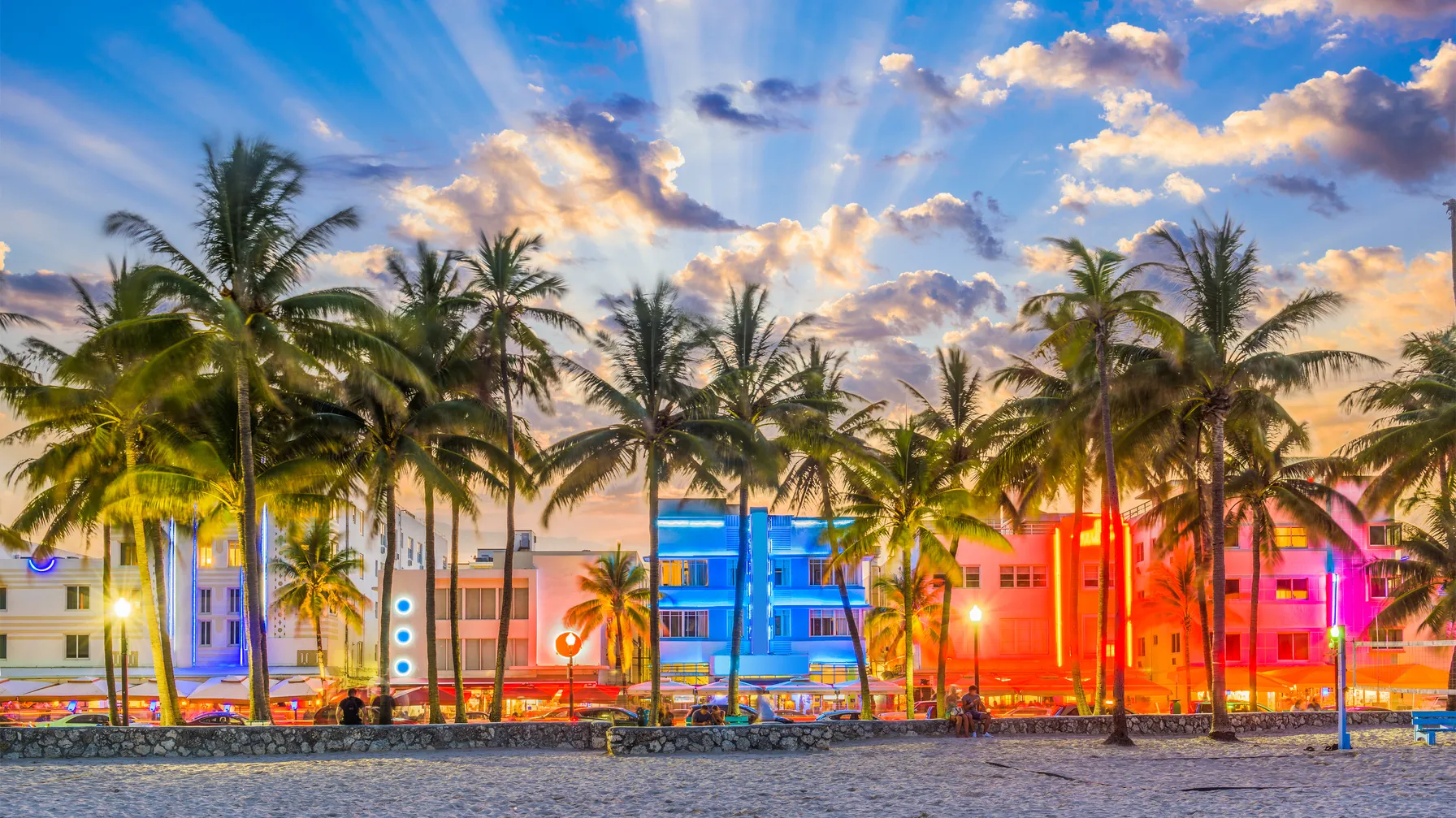
Little Havana remains the essential destination for those wishing to immerse themselves in Cuban gastronomy. Wynwood, for its part, attracts lovers of contemporary cuisine and creative street food, in an artistic and vibrant atmosphere. Ocean Drive and Miami Beach offer a selection of restaurants with ocean views, ideal for a memorable sunset dinner. For a more intimate experience, Coconut Grove and Coral Gables offer neighborhood spots that are both warm and well-kept, far from the tourist hustle and bustle.
Exceptional tables for gastronomy enthusiasts
Miami hosts several restaurants distinguished by the Michelin Guide, mainly in the Design District. L'Atelier de Joël Robuchon here offers outstanding French cuisine with two Michelin stars to its name, while Le Jardinier, also Michelin-starred, serves dishes with Mediterranean influences in a refined Art Deco setting. In South Beach, Joe's Stone Crab embodies tradition and American-style service in all its nobility. Did you know? This century-old restaurant is listed in the James Beard Foundation's List of American Classics, a recognition that testifies to its unique status in American gastronomy.
Book your gastronomic trip to Miami and let our Travel Planners guide you to the city's best tables.
What is the best time to enjoy Miami's gastronomy?
The most favorable season runs from October to May. It is during this period that the stone crab is freshly caught every day in the Keys, that the temperatures are most pleasant for dining on a terrace, and that the major culinary festivals liven up the city. In August and September, Miami Spice allows you to discover the city's fine dining with three-course menus offered by the best restaurants, an ideal opportunity to enjoy a bit of serenity while taking advantage of a less crowded city. The year is also punctuated by dedicated events: Carnival Miami in March, the United Way Miami Wine & Food Festival in April, or the International Mango Festival in July—these are all rendezvous not to miss for gastronomy enthusiasts.
Contact us for more information on the best times to visit Miami.
Frequently asked questions
What typical drinks accompany Miami's cuisine?
The cafecito, Cuban strong and sweet coffee, is a local staple enjoyed at the counter of the city's many ventanitas. Rum-based cocktails, fresh tropical fruit juices, and sangria readily accompany meals in the bars of South Beach and the restaurants of Little Havana.
Should you book in advance at Miami restaurants?
For renowned tables and Michelin-starred restaurants, reservations are strongly recommended, especially in peak season between December and April. Street-food spots, Cuban bakeries and food trucks, on the other hand, are frequented without any particular restrictions.
Are there options tailored to specific dietary requirements in Miami?
The diversity of the culinary scene in Miami makes it easy to find vegetarian, vegan or gluten-free options, especially in the Wynwood and Coconut Grove neighborhoods, where contemporary restaurants naturally incorporate these options into their menus.
Which food markets to visit in Miami?
The Lincoln Road Farmer's Market in South Beach, the Coconut Grove Farmer's Market and the Legion Park Market in Miami Beach are must-visit markets for discovering local producers, artisanal breads and regional specialties in a friendly atmosphere.