Can you really surf in Koh Samui? Complete guide to surfing possibilities
What are the best spots for surfing in Koh Samui?
The unique geography of Koh Samui, located in the Gulf of Thailand, significantly influences the surfing conditions available on the island. Unlike the South Thailand's west coasts which enjoy the swell from the Indian Ocean, Ko Samui's beaches face more sheltered waters, creating specific surfing conditions.
Chaweng Beach: the main spot for beginners
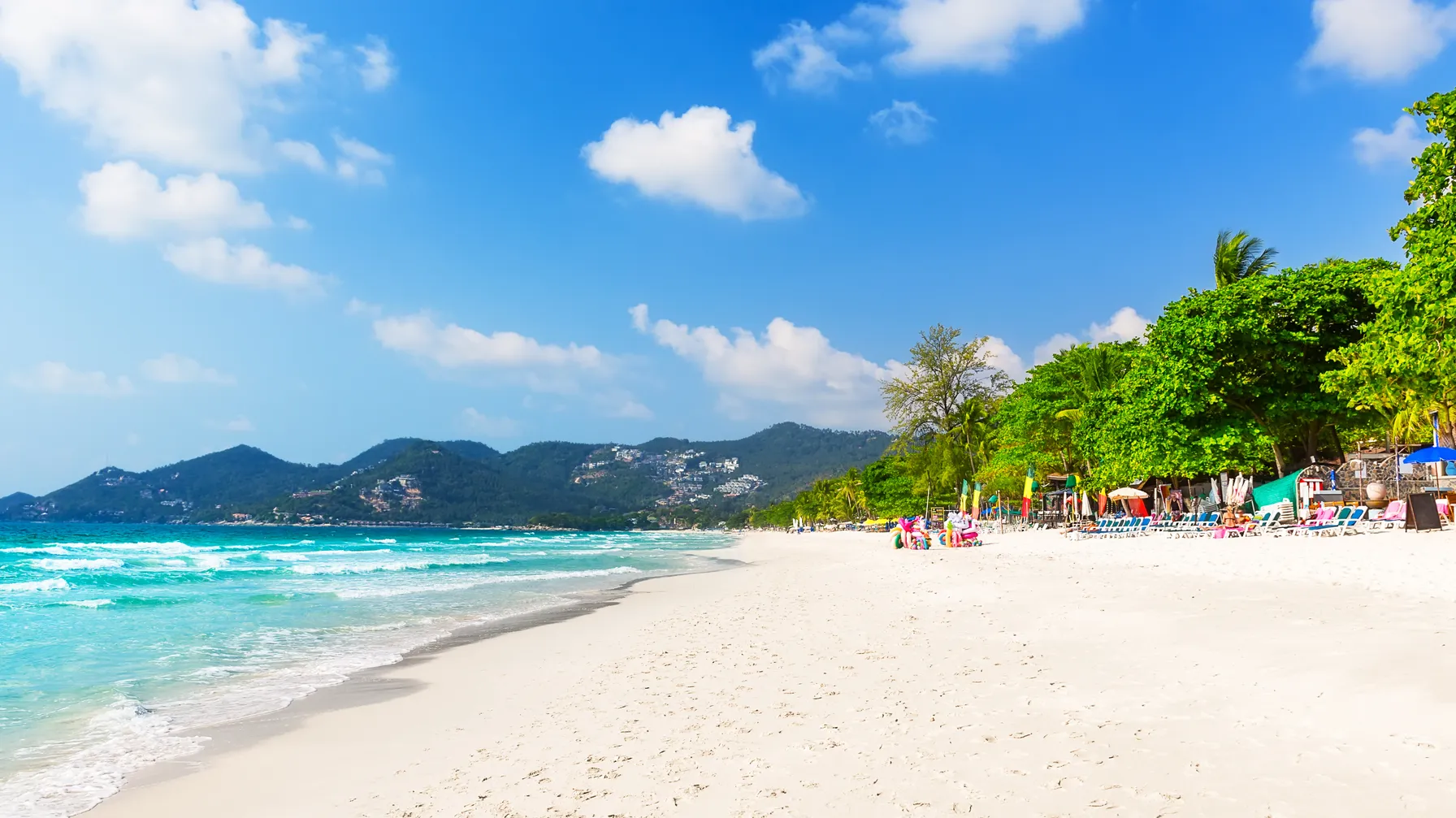
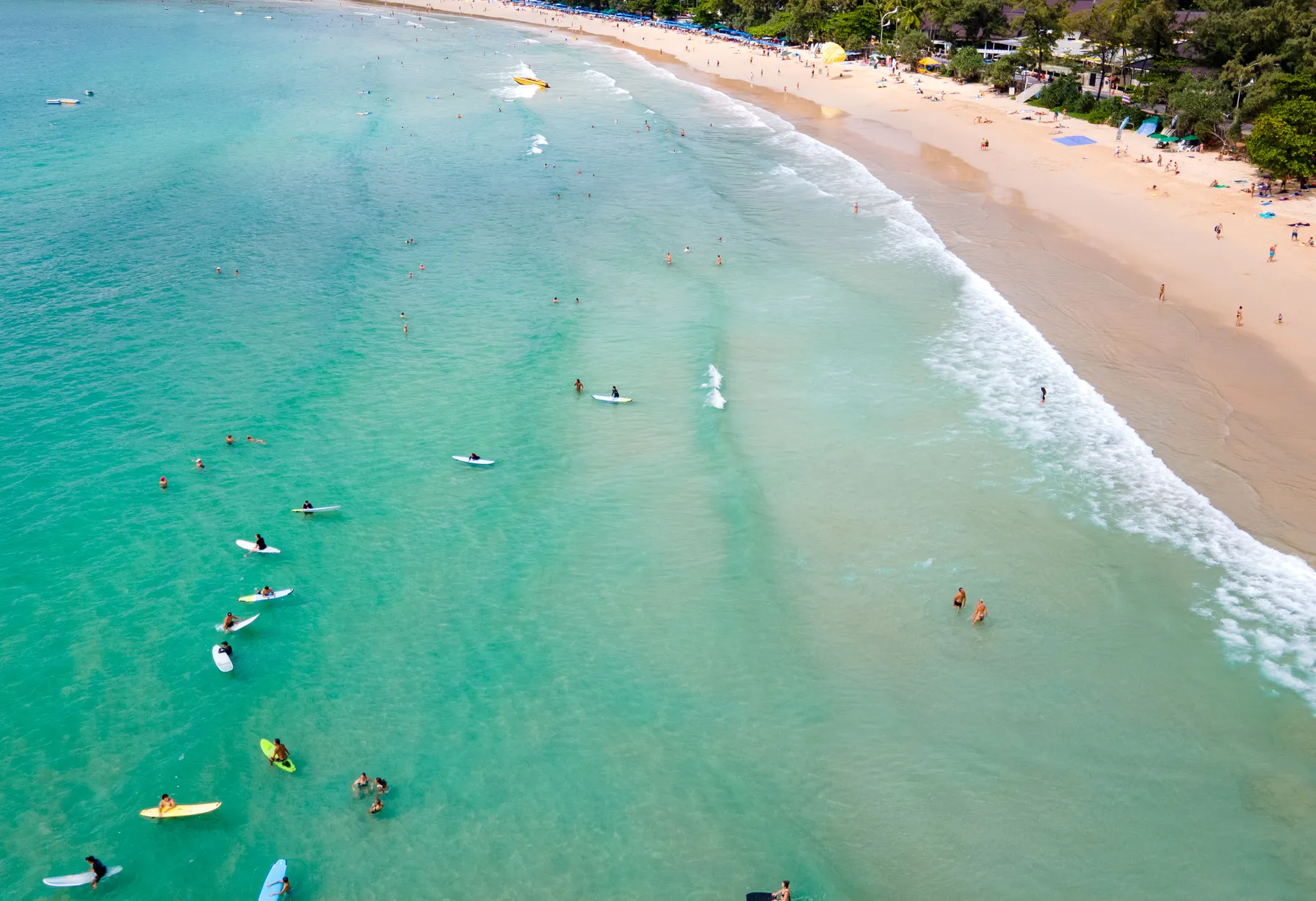
Chaweng Beach remains the most accessible spot for surfing enthusiasts in Koh Samui. This long stretch of white sand, especially towards its southern and central ends, offers the best wave opportunities on the island. Conditions generally remain modest, with waves rarely exceeding 1 to 1.5 meters, making it an ideal playground for beginners and intermediate surfers.
The advantage of Chaweng lies in its relative consistency during the favorable period. You will find accessible beach breaks, though the crowd of bathers requires particular vigilance, especially during the tourist high season. The best sessions take place early in the morning or late in the afternoon, when wind conditions calm down and the sunsets offer an exceptional setting.
Lamai Beach and the southern alternatives
Lamai Beach, located further south, presents different characteristics that can sometimes pleasantly surprise. This quieter beach enjoys slightly more protected conditions, creating gentler waves, perfect for learning. Local surf schools often prefer this location for their courses, as the environment is more serene.
Coral Cove and Taling Ngam Beach, though less frequented, deserve the attention of more experienced surfers. These confidential spots can reveal surprising conditions on good days. Taling Ngam, in particular, exposes its west coast to the swells from the open sea, sometimes offering more consistent waves, although the surrounding reefs require a thorough knowledge of local conditions.
Bophut and the hidden treasures of the north
The north coast of the island, particularly around Bophut, hides less obvious but equally interesting spots. These areas benefit from a different orientation that can capture certain specific swells. Although conditions are even more irregular there, exceptional days reward patient surfers with intimate sessions away from the crowds.
These northern surf spots are particularly suitable for travelers seeking authenticity and willing to explore alternatives to the main tourist beaches. The approach requires more flexibility and observation of wind and sea forecasts.
Contact us for more information on the best times to go
When to go to optimize your surfing conditions?
Seasonality represents a crucial element for a successful surf trip to Koh Samui. Understanding local weather cycles will help you optimize your chances of finding surfable waves.
Understanding the optimal season
The period from November to April generally corresponds to the most favorable conditions for surfing in Ko Samui. During these months, the northeast winds dominate, creating beneficial offshore conditions for the formation of clean waves. This dry season also coincides with more regular swells from the Gulf of Thailand.
However, this period also corresponds to the peak tourist season, which means more crowded beaches and higher accommodation rates. December and January often offer the best compromise between decent surfing conditions and a pleasant travel atmosphere.
The summer monsoon, from May to October, radically transforms the conditions. While the waves can sometimes be larger, conditions become unpredictable with changing winds and frequent rains. This period is more suitable for experienced surfers who can quickly adapt to variable conditions.
Plan according to weather forecasts
Wind forecasts are particularly important in Koh Samui. Northwest offshore winds create the best conditions, smoothing the wave surface and allowing for more technical sessions. Conversely, southeast onshore winds generate more challenging conditions, reserved for experienced surfers.
Surf forecast apps become your best allies for planning your sessions. Wave height in Koh Samui usually ranges from 0.5 to 2 meters, with exceptional periods that can reach larger sizes. These forecasts will help you identify the optimal windows, often short but rewarding.
Local observation remains irreplaceable. Residents and surf professionals on the island have a fine understanding of the micro-conditions that escape general forecasts. This local expertise can make the difference between an ordinary session and a memorable experience.
How to Maximize Your Surfing Experience in Koh Samui?
Beyond natural conditions, your preparation and equipment choices will significantly influence the quality of your surfing experience.
Essential Equipment Suited for the Tropics
The equipment for surfing in Koh Samui differs significantly from what is needed in temperate waters. The water temperature, maintained around 28-30°C all year round, eliminates the need for a full wetsuit. An anti-UV lycra or shorty is largely enough to protect you from the intense tropical sun.
The ideal surfboard for the conditions of Ko Samui favors versatility. A longboard or funboard provides the necessary stability for the smaller waves typical of the region. Many rental centers offer quality equipment, saving you the constraints of air transport.
Don't forget the essential accessories: waterproof sunscreen with a high SPF, a cap, sunglasses, and a waterproof bag to protect your belongings. The tropical conditions demand enhanced sun protection, especially during long sessions on the water.
Choosing the Right Schools and Nautical Alternatives
The surf schools in Koh Samui have developed specific expertise to take advantage of local conditions. Establishments like Mahalo Watersports or KBA Kiteboarding School offer programs adapted to the island's modest waves. These professionals know the spots and the optimal times for learning perfectly.
The offering of alternative nautical activities represents a major asset of Koh Samui. Kitesurfing, notably, benefits from more favorable and consistent conditions than traditional surfing. Areas like Baan Tai provide ideal conditions for this sport, with more steady winds and open spaces.
Windsurfing and stand-up paddleboarding complement the sliding experience perfectly. These activities adapt better to the variable conditions of the island and allow exploring areas inaccessible to traditional surfers. Many schools offer combined packages, enabling you to diversify your experiences based on daily conditions.
Book your trip to Koh Samui now
Demandez votre devis Ko Samui sur-mesure 100% gratuit
 4.8
4.8+3.000 travelers satisfied
The moments of sharing around these activities create lasting memories. Whether you choose a morning session on the beach breaks of Chaweng or a discovery of kitesurfing at Lamai, every detail of your surf stay contributes to a unique experience. The island offers the rare flexibility to adapt to the day's conditions while maintaining a high standard of demand for your pleasure on the water.
Frequently asked questions
Do you need to be an experienced surfer to enjoy the waves in Koh Samui?
No, Koh Samui is particularly suitable for beginners and intermediate surfers. The waves rarely exceed 1.5 meters and conditions are generally accessible. Many local schools offer courses adapted to all levels, with professional supervision that will allow you to progress safely in these tropical waters.
Can you rent surfing equipment directly on the beaches?
Yes, several rental centers offer surfboards, rash guards, and accessories directly on major beaches like Chaweng and Lamai. Rates vary between 500 and 1000 baht per day depending on the type of equipment. It is recommended to book in advance during the high season to ensure the availability of equipment suited to your level.
What are the specific safety precautions to take?
Caution is advised regarding currents, which can vary significantly across spots and tides. Always inform yourself with locals or surf schools about the conditions of the day. Avoid surfing alone and respect the swimming zones frequented by tourists. A first-aid kit and enhanced sun protection are essential in this tropical climate.