Culture in Koh Samui: Discover the authentic soul of the Thai island
What cultural treasures to discover during your stay in Koh Samui?
The island of Koh Samui harbors a rich cultural heritage, bearing witness to a millennia-old history and vibrant traditions. Your exploration will lead you through iconic sites where spirituality, art, and traditional architecture blend.
Temples and Buddhist Spiritual Heritage
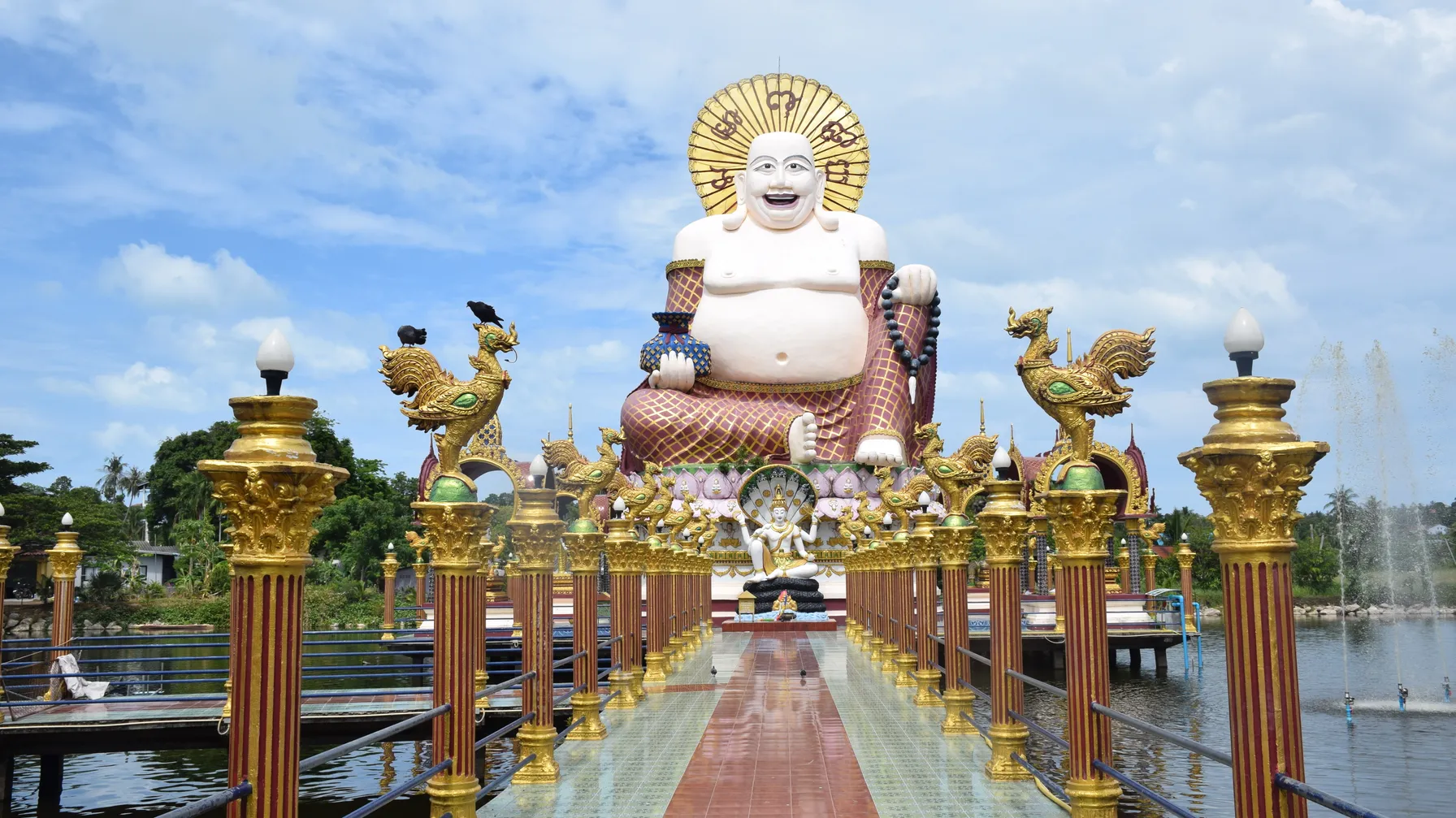
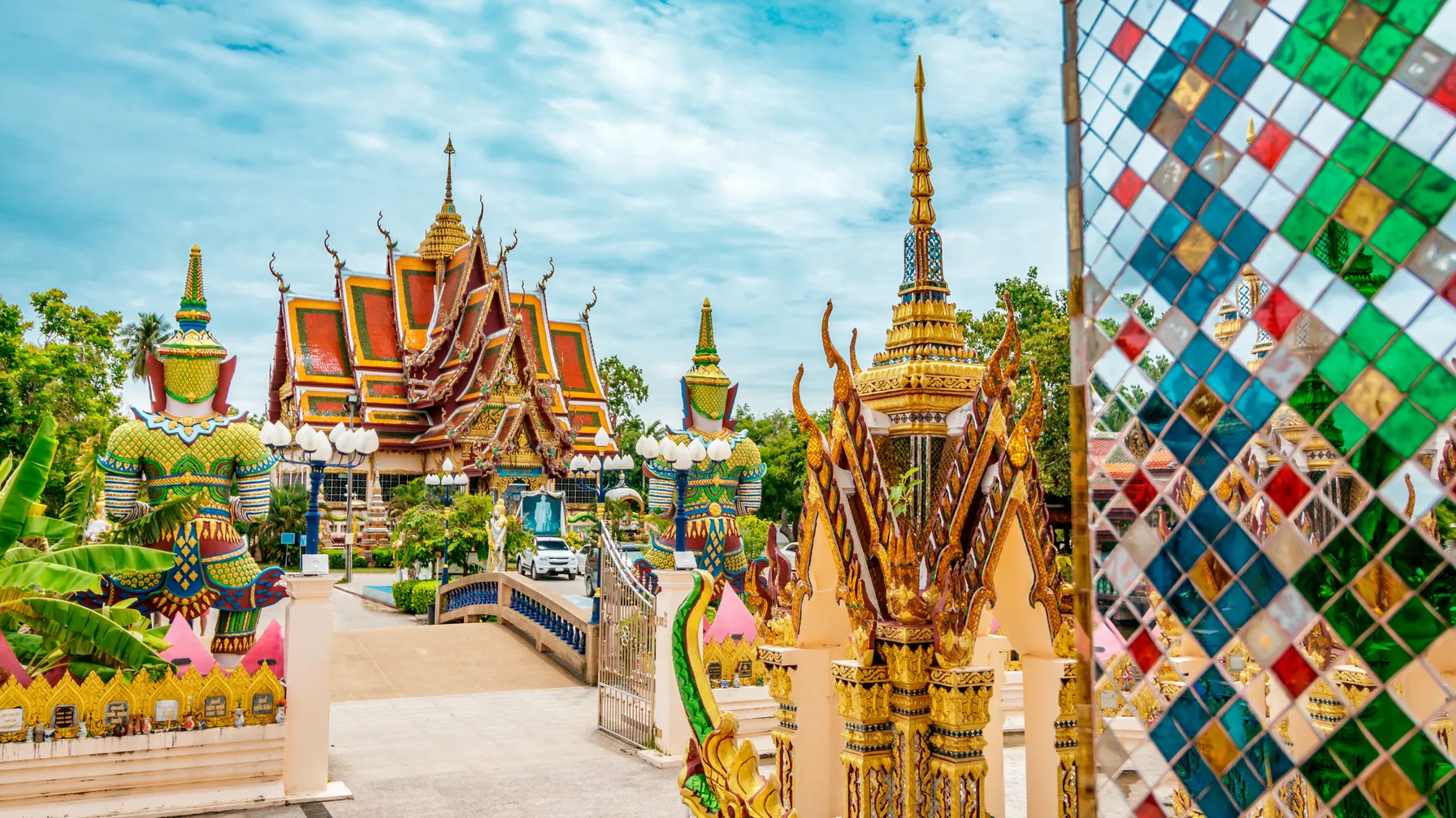
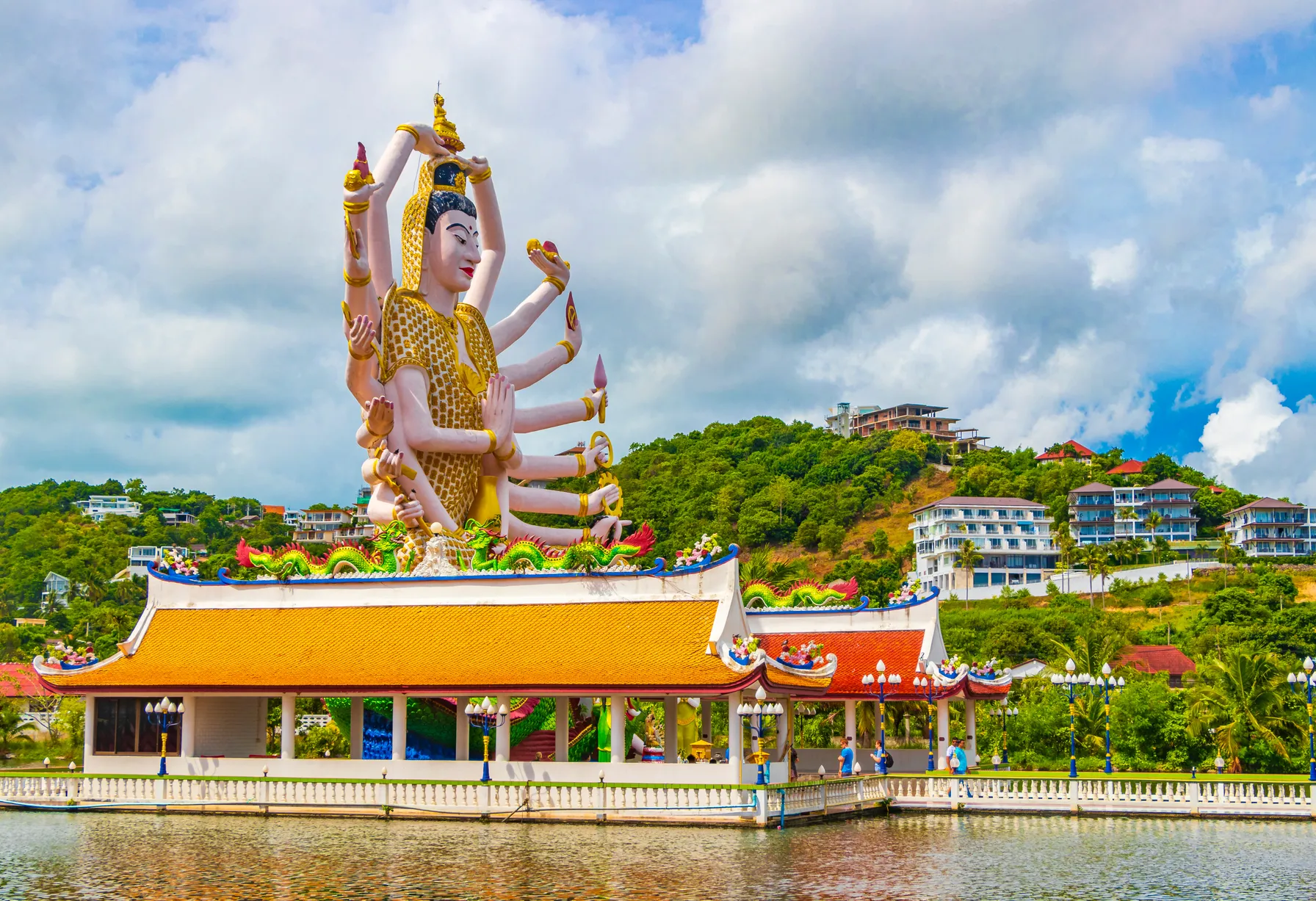
Wat Plai Laem is one of the island's most impressive spiritual jewels. This modern temple, located in the Plai Laem area, will astonish you with its colorful sculptures and its giant statue of Guanyin with eighteen arms, the goddess of compassion. The architectural details, combining Chinese and Thai influences, reflect the cultural diversity endemic to this region.
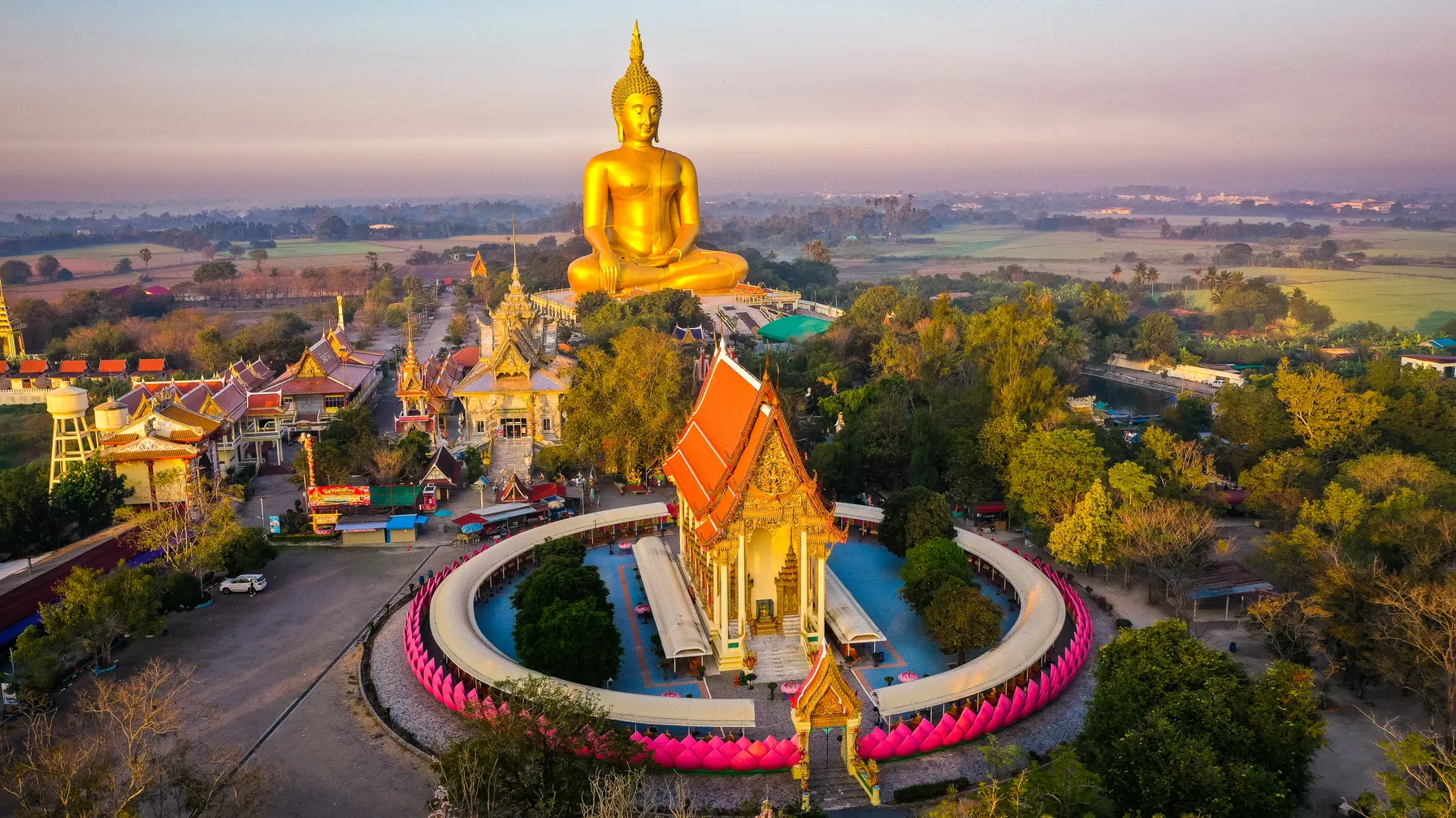
The Big Buddha, erected on the small island of Koh Farn linked to Koh Samui, has overlooked the landscape since 1972. This golden statue twelve meters high attracts pilgrims and visitors seeking serenity and contemplation. Your ascent of the steps leading to the temple will reward you with an exceptional panoramic view of the surrounding turquoise waters.
The secret of Samui also lies in its more intimate temples like Wat Khunaram, where the remarkably preserved mummified body of monk Luang Pho Daeng, who passed away in 1973, lies. This spiritual curiosity perfectly illustrates the local beliefs about meditation and enlightenment.
Traditional Architecture and Fishing Villages
Tambon Bophut preserves the authenticity of Sino-Portuguese architecture with its wooden houses with colorful shutters, remnants of the era when Chinese traders settled along these coasts. Wandering through the alleys of this fishing village will transport you back to the island’s commercial past, when Chinese junks regularly docked here.
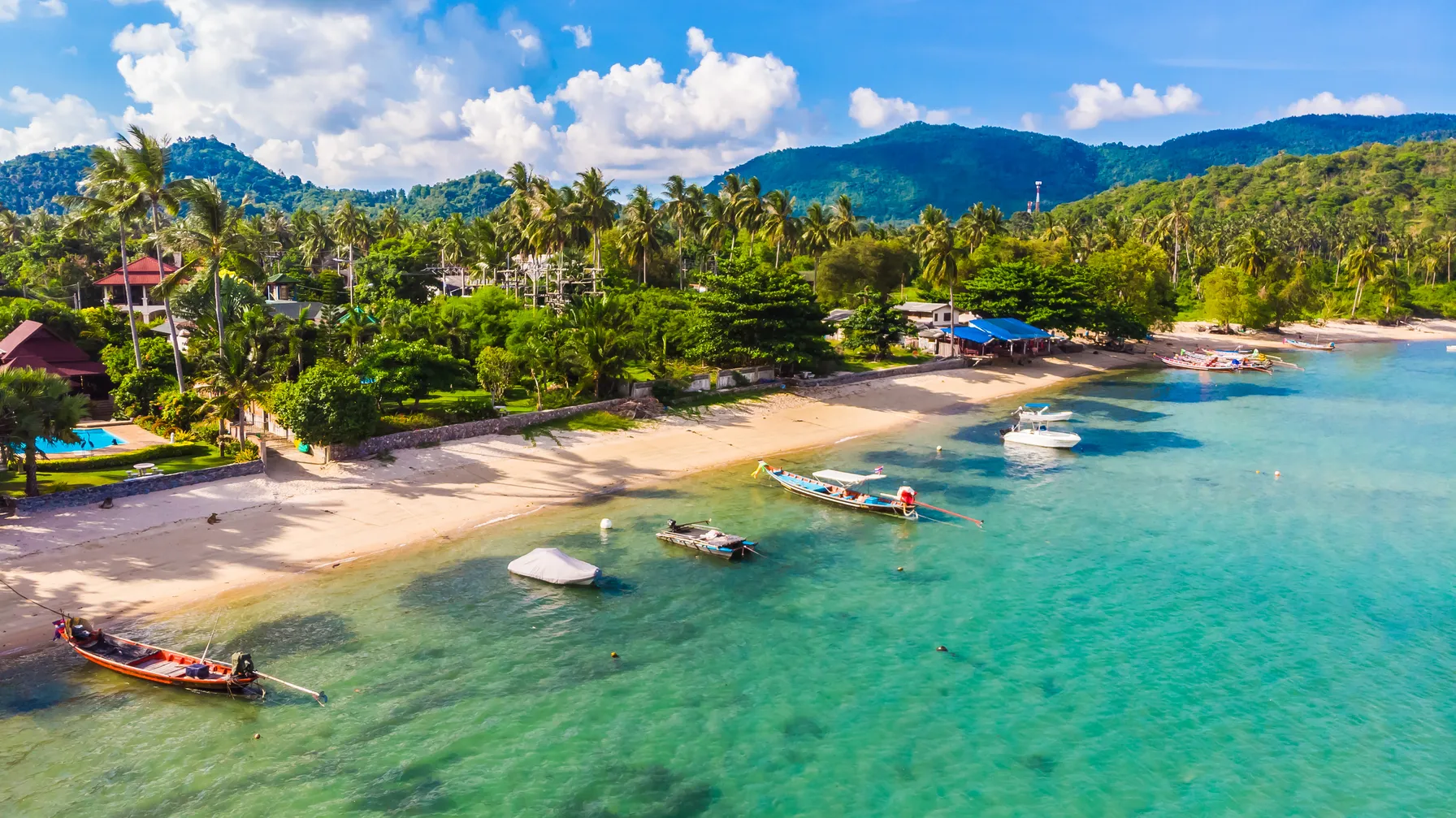
The village of Bangrak Beach retains its traditional charm with its stilt houses and brightly colored fishing boats moored along the shoreline. These coastal communities perpetuate ancestral fishing techniques handed down from generation to generation, creating a rare authentic atmosphere in this tourist region.
Local Craftsmanship and Ancient Know-how
The artisan workshops scattered across the island reveal ancient techniques. Wood carving, a local specialty, gives rise to decorative and religious objects of remarkable delicacy. These creations, made from teak and rosewood, tell the story and legends of Thailand through their delicate patterns.
The production of batik, this fabric dyeing technique of Indonesian origin adopted by Thai artisans, offers unique pieces inspired by tropical nature. Each creation requires several weeks of meticulous work, making them exceptional souvenirs.
Contact us for more information on the best times to visit
How to immerse yourself in the island's local traditions?
Authentic cultural immersion involves active participation in the culinary, festive, and social traditions that rhythm daily life on Koh Samui.
Authentic Thai Cooking Classes
Cooking classes are an essential experience to understand the culinary soul of Thailand. These workshops, generally organized in traditional settings, teach you the secrets of emblematic dishes such as pad thai, som tam, or green curry. Your learning often starts with a visit to the local market, where you will discover exotic ingredients: shrimp paste, kaffir leaves, galangal, and lemongrass.
This initiation goes beyond mere culinary preparation to become a true cultural exchange. Local chefs share family anecdotes and techniques passed down for generations, creating an authentic connection with the local culture.
Festivals and Traditional Celebrations
Koh Samui pulsates with the rhythm of colorful celebrations throughout the year. The Songkran festival, celebrating the Thai New Year in April, transforms the island into a giant joyful water battle mixed with purifying rituals in the temples.
Loy Krathong, the festival of lights in November, illuminates the beaches with thousands of small floating vessels adorned with flowers and candles. This ceremony, strikingly beautiful, honors the water goddess and marks a particularly moving moment of collective contemplation.
The full moon brings its own festivities, including the famous Full Moon Parties which, although having evolved into a tourist event, retain roots in Buddhist lunar traditions.
Local Markets and Encounters with Residents
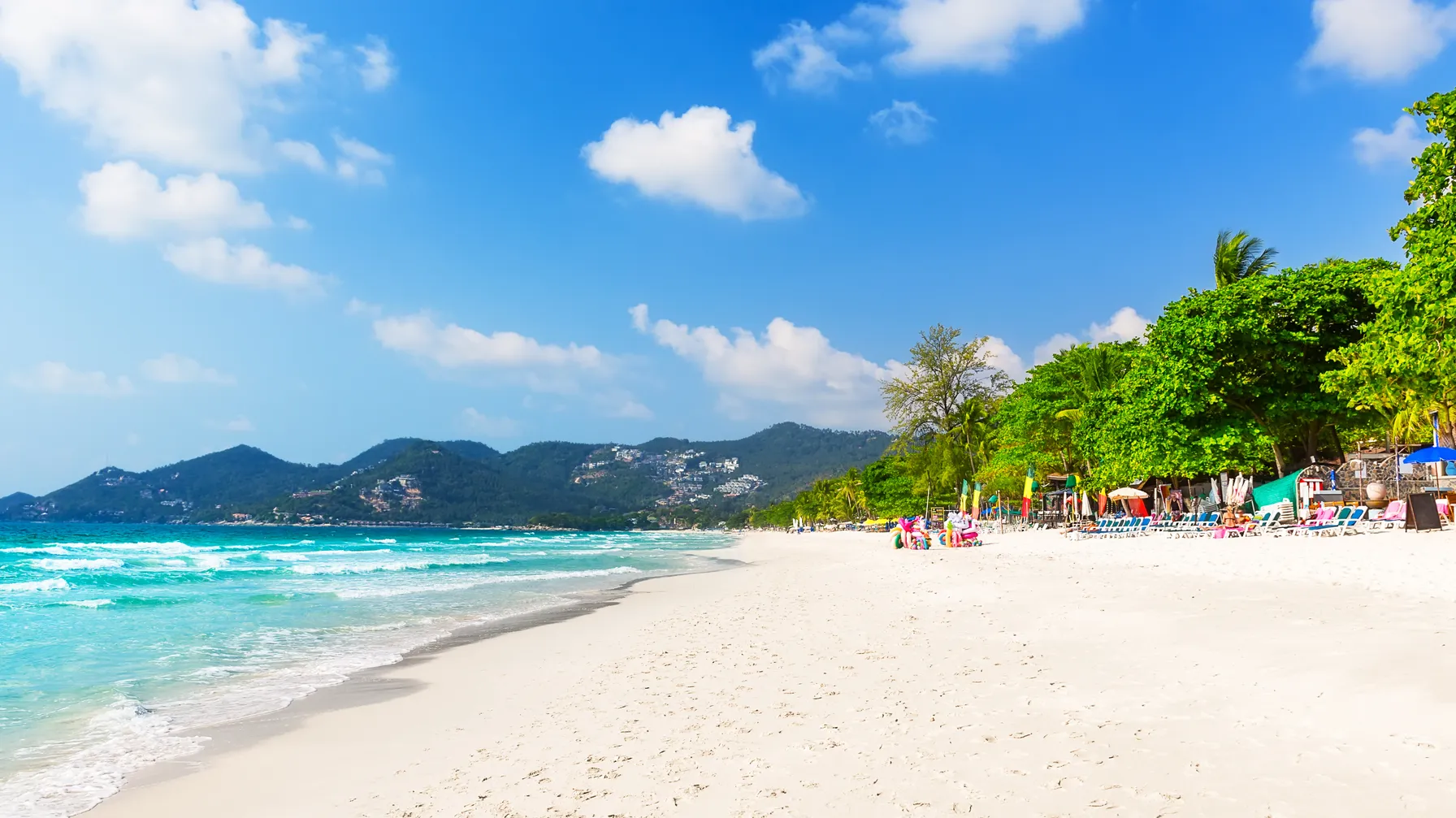
Night markets, especially those on Chaweng Beach and in Tambon Bophut, offer much more than simple shopping. These social living spaces reveal the eating habits, family relationships, and lifestyle of the Thai people. Your exploration will lead you among stalls of exotic fruits, fragrant spices, and artisanal items, in a friendly and warm atmosphere.
Conversations with the multilingual and curious merchants enrich your understanding of the local culture. These spontaneous exchanges create memorable memories and precious human connections.
What itineraries to prioritize for an optimal cultural exploration?
A successful cultural discovery of Koh Samui requires thoughtful planning to optimize your time and multiply enriching experiences.
Circuit of Essential Temples
Your cultural day can start with a morning visit to the Big Buddha, benefiting from the golden light and tranquility of the place. The proximity to Koh Samui airport makes this site easily accessible from the Surat Thani region.
The afternoon lends itself perfectly to the exploration of Wat Plai Laem, whose bright colors reveal all their splendor under the tropical sun. The end of the day finds its climax at Wat Khunaram, where the mystical atmosphere intensifies with the fall of night.
This temple loop also allows a glimpse of Koh Phangan in the distance, recalling the proximity of the neighboring islands and the cultural interconnection of this archipelago.
Exploration of Traditional Villages and Practical Tips
A two-day itinerary allows for deepening your cultural immersion. The first day is devoted to temples and spiritual sites, while the second explores authentic villages and artisan workshops.
To optimize your visits, prefer early morning hours (8 AM-10 AM) in the temples, moments of prayer where the spiritual ambiance reaches its peak. The afternoons are more suitable for fishermen’s villages and local markets, more lively towards the end of the day.
Translation apps and a few basic Thai words greatly facilitate exchanges with the locals. A local French-speaking guide greatly enriches your understanding of cultural and historical subtleties.
Book your trip to Koh Samui now
Frequently asked questions
What is the best time to explore the culture of Koh Samui?
The dry season from December to April provides ideal conditions for cultural visits. Pleasant temperatures and lack of rain facilitate movement between sites. The months of November and February coincide with particularly colorful traditional festivals.
How to easily travel between the cultural sites of the island?
Local taxis (songthaews) are the most authentic and economical mode of transport. Renting a scooter provides total freedom to explore remote villages. For more comfort, air-conditioned tuk-tuks make it possible to visit several temples in a day without fatigue.
Is it necessary to book in advance for traditional cooking classes?
Popular cooking courses often require a reservation 24 to 48 hours in advance, especially during the high season. This foresight guarantees your participation and allows organizers to prepare the fresh ingredients necessary for your culinary learning.