Hiking in French Polynesia: the trails that reveal the soul of the islands
What makes hiking in French Polynesia so unique?
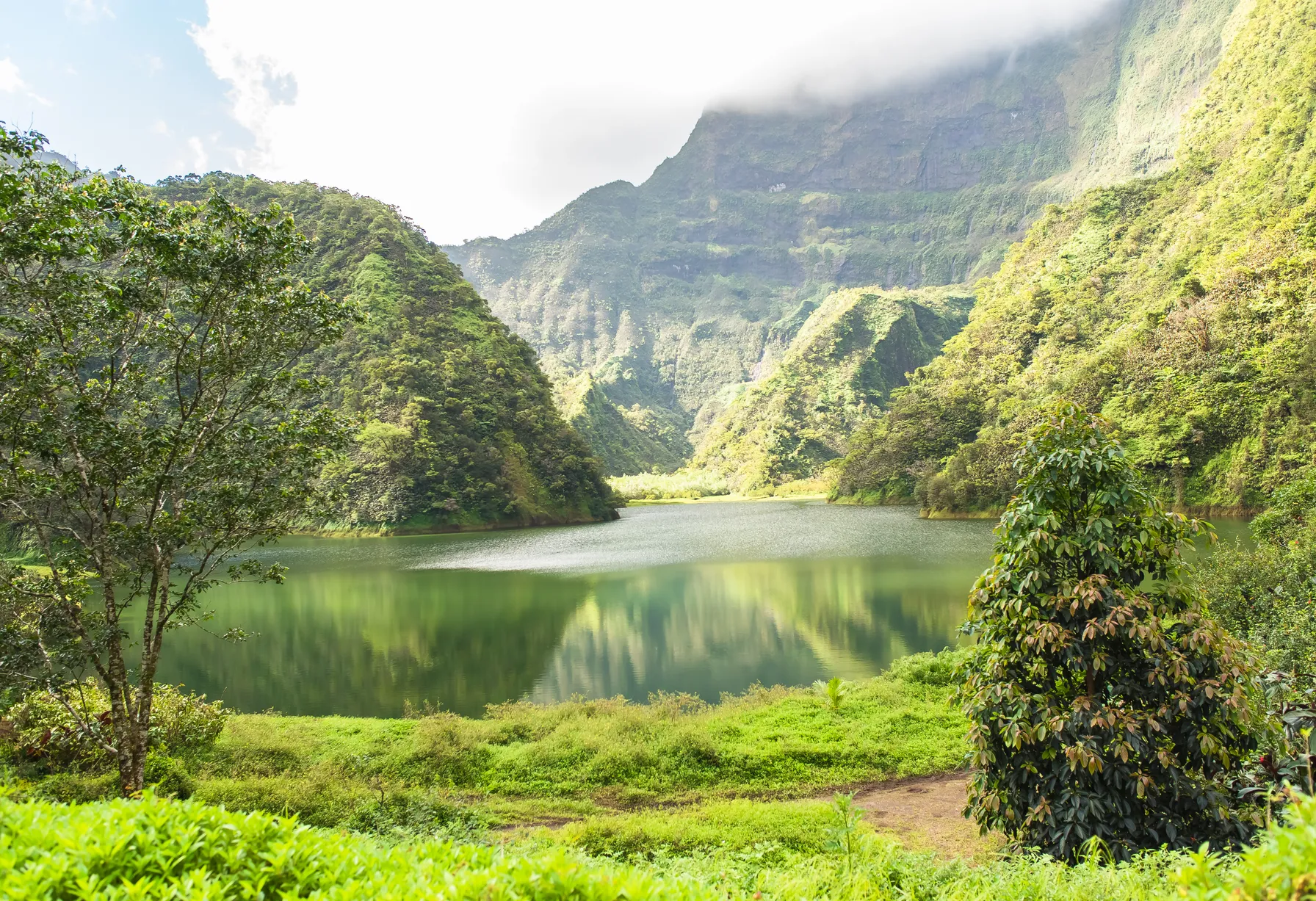
French Polynesia surprises those who discover it on foot. Beyond the white sand beaches unfold landscapes of striking diversity: humid equatorial forests, vertiginous ridges, enclosed rivers, and panoramas opening onto the sea. To hike here is to choose to meet the islands in their most authentic and least frequented form.
Exceptional terrain between mountain and wild nature
Tahiti holds some of the most impressive routes in the entire archipelago. The hiking trails go up the Fautaua valley, follow its streams to the Loti waterfall and climb towards lookouts overlooking Papeete. Higher up, climbing Mount Aorai to 2,066 m is a technical challenge with crest passages and ropes on exposed faces. On the island of Moorea, the Opunohu lookout is an ideal start point to reach the Teovere pass, where the panoramic view of Opunohu Bay and Cook's Bays leaves one speechless. In the Marquesas, finally, Nuku Hiva and Hiva Oa offer treks to the end of the world, between basalt cliffs and rarely trodden deep valleys.
Accessibility designed for all profiles
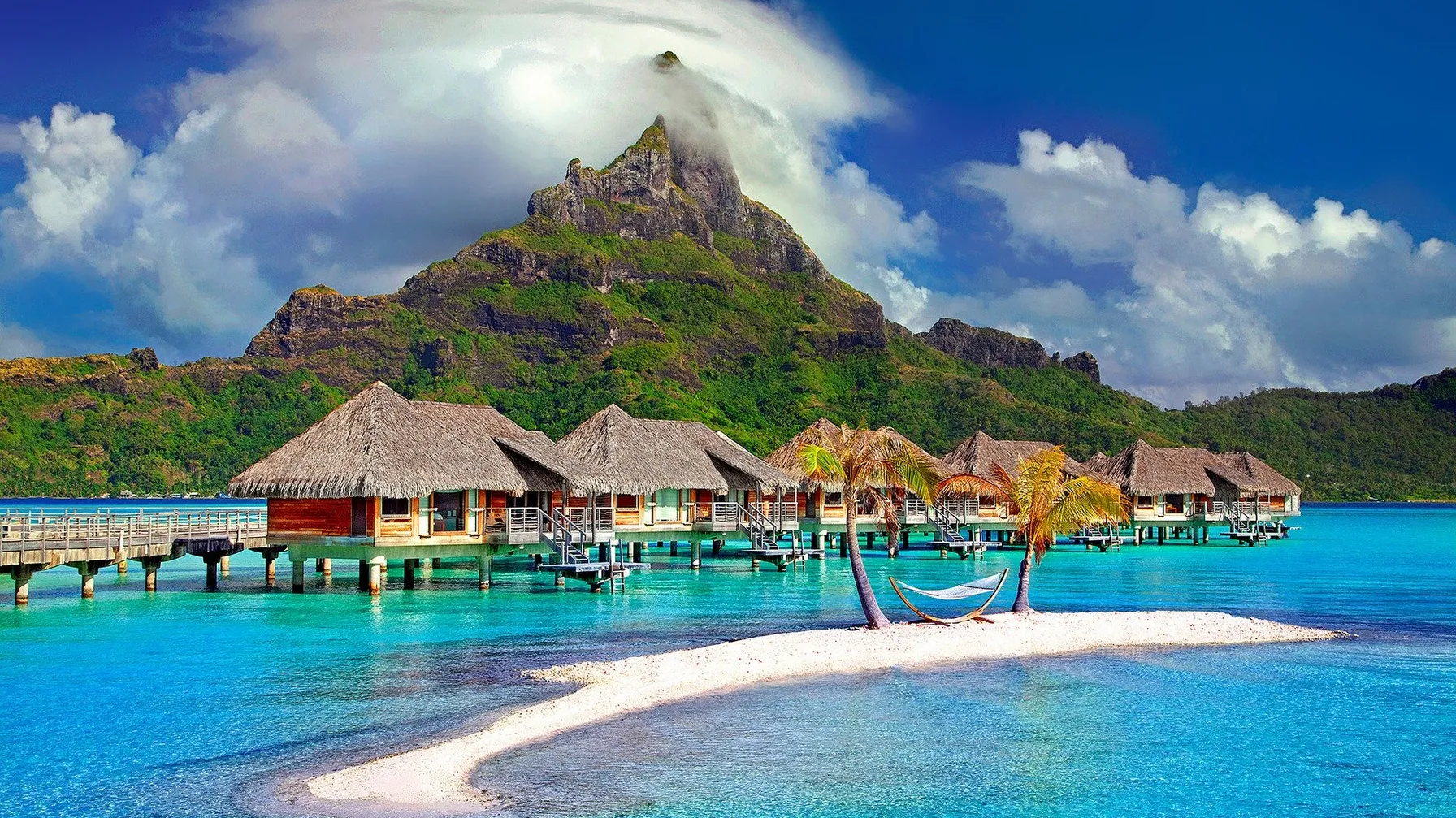
Hiking in Polynesia is adaptable to all levels. Beginners and families enjoy the Vaipahi water gardens on Tahiti, an easy walk through generous tropical vegetation, with waterfalls and a picnic area at altitude. The island of Huahine, more private, offers an ascent to Mount Pohue Rahi (462 m), accessible and rewarded by a panoramic view over the entire island. On Bora Bora, the trails on the slopes of Mount Pahia overlook a lagoon of unreal blue.
For seasoned hikers, climbing Mount Aorai requires serious physical preparation, just like the summit of Mount Marau on Tahiti or Mount Teurafaatiu on Maupiti, where the last meters are crossed with ropes between rock boulders. Each stage is a reward in itself.
Contact us to organize your tailor-made hiking trip in French Polynesia.
What are the must-do hikes in French Polynesia?
It would be difficult to summarize in a few lines the richness of the Polynesian trails, as each island has its own treasures. However, here are some experiences that deserve special attention:
- Mount Aorai (Tahiti): 18 km, 1,500 m elevation, very difficult level. The third peak of Tahiti offers spectacular views of the entire island. Leaving early in the morning is essential to reach the summit before the clouds.
- Fautaua Valley (Tahiti): 10 km, intermediate level. This iconic trail runs along the river to the Loti waterfall and the remnants of Fashoda fort, in a setting rich with history.
- Opunohu Lookout (Moorea): starting point for the Teovere Pass, with a spectacular view of Cook's Bay and Opunohu Bay, easily accessible in half a day.
- Mount Temehani (Raiatea): an emblematic hike on the sacred island of Polynesia, the birthplace of the Pacific Māori culture, with rare endemic flora.
- Maitairea (Huahine): guided archaeological hike through the marae and the tropical forest, between culture and nature.
- Marquesas - Nuku Hiva and Hiva Oa: for those seeking rare trails and landscapes at the edge of the world, far from any tourist crowds.
Advice from our Travel Planners: on several routes, especially in Tahiti, some paths cross private properties and require prior authorization. Inquiring in advance avoids unpleasant surprises and ensures a smooth experience.
When and how to prepare for a hike in French Polynesia?
The season and preparation play a decisive role in the quality of your experience on Polynesian trails. Every detail counts to fully enjoy these exceptional landscapes.
The best seasons for hiking
The dry season, from May to October, offers the most favorable conditions for hiking. The trails are passable, river floods are rare, and the heat is more bearable at higher altitudes. The rainy season, from November to April, makes some routes slippery and dangerous, especially the exposed ridges. Here’s a quick reference for planning your stay:
| Period | Conditions | Suitable for |
|---|---|---|
| May to October | Dry, less humid, ideal | Hikes at altitude and rivers |
| November to April | Humid, risk of floods | Coastal walks and easy trails |
No matter the season, checking the local weather before each departure remains a top priority.
The equipment and essential precautions
Proper preparation turns an ordinary hike into a memorable experience. On Polynesian trails, conditions can change quickly and river crossings are frequent. Essentials to include:
- Waterproof hiking boots or canyoneering shoes for river hikes;
- At least 2 to 3 liters of water per person, more on longer climbs;
- A water-resistant sunscreen, suitable for the natural environment;
- A lightweight waterproof garment for altitude changes;
- A headlamp for possible late returns.
Leaving early in the morning is consistently advised: the heat rises quickly and clouds often invade the peaks by midday. Hiking with a local guide is the best way to approach less marked trails with peace of mind, while enjoying precious knowledge of the terrain and the Polynesian traditions.
Contact us to plan your hiking trip in French Polynesia with a dedicated Travel Planner.
Demandez votre devis French Polynesia sur-mesure 100% gratuit
 4.8
4.8+3.000 travelers satisfied
Frequently asked questions
Are there any access rights for certain trails in French Polynesia?
Yes. Some routes cross private properties or protected areas that require prior authorization. Fautaua Valley in Papeete, for example, requires a right of way to be settled at the town hall before departure. It is advised to contact local tourist offices or your Travel Planner to check access conditions for each trail.
Is hiking in French Polynesia suitable for inexperienced travelers?
Absolutely. Many accessible trails allow you to explore the Polynesian nature without prior experience, such as the Vaipahi water gardens or strolls on the island of Moorea. For more technical routes like the ascent of Mount Aorai or treks in the Marquesas, a good physical condition and the accompaniment of a professional guide are highly recommended.
Is it possible to hike alone in French Polynesia?
Going hiking alone is technically possible on marked and accessible trails. However, for river routes, ridge paths or hikes in the Marquesas, it is strongly advised not to venture without a guide. Informing a relative of your route and estimated time of return remains an essential precaution, regardless of the chosen hike.