Culture in French Polynesia: diving into the heart of ancestral traditions
What are the fascinating origins of Polynesian culture?
Polynesian culture has its roots in one of humanity's most extraordinary migratory epics, shaping a cultural heritage of unparalleled richness.
The legacy of the Ma'ohi navigators
The first inhabitants of French Polynesia arrived over a thousand years ago, guided by their exceptional mastery of oceanic navigation. These Ma'ohi navigators, coming from Southeast Asia, developed revolutionary navigation techniques by observing the stars, ocean currents, and the migrations of birds. This technical prowess deeply influences contemporary Polynesian culture, notably through the art of the va'a, these traditional outrigger canoes that symbolize the Polynesian spirit of adventure.
The concept of mana, this spiritual force that animates every element of nature, forms the foundation of Ma'ohi philosophy. This belief still permeates today's Polynesian cultural expressions, from traditional dances to artisanal techniques passed down from generation to generation.
The contemporary cultural melting pot
French Polynesian culture is characterized by its remarkable ability to adapt and integrate. The arrival of Europeans, Chinese, and other Pacific populations enriches the local heritage without altering its essence. This fusion is found in the gastronomy, where traditional techniques like the ahima'a combine with Asian and European influences, creating a cuisine that is unique in the world.
The Marquesas Islands present a particularly striking example of this cultural diversity. The archipelago retains its own dialects and artistic traditions, notably wood sculpture of exceptional finesse, while opening up to external influences. This cultural singularity makes each island a universe to discover.
How to experience authentic Polynesian traditions?
The authenticity of Polynesian culture is revealed through its artistic expressions and ancestral know-how, offering visitors unique and memorable experiences.
Lively arts and cultural expressions
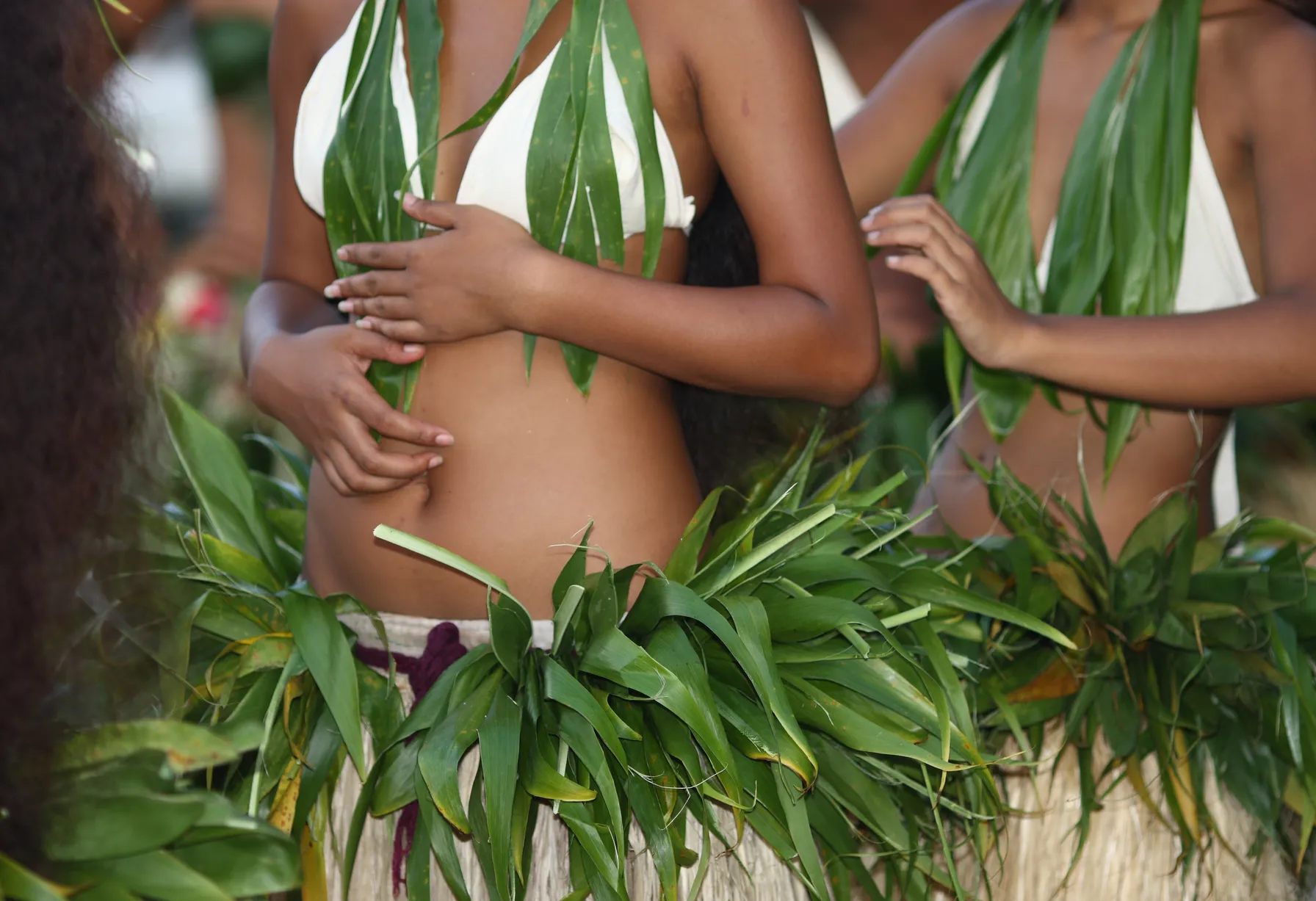
Tahitian dance embodies the soul of Polynesian culture with captivating grace and sensuality. Each movement tells a story, whether of divine legends, scenes of daily life, or historical episodes. Dance performances, accompanied by the enchanting rhythms of traditional drums, transform every evening into a true temporal journey.
The Tahitian language also enriches this cultural immersion. Learning a few expressions like ia ora na
to greet or discovering the poetry of Polynesian place names adds an authentic dimension to your stay. This melodious language reflects the Polynesian worldview, where each word carries profound symbolism.
Polynesian tattooing represents a major art form of cultural expression. More than mere body decoration, each pattern translates the personal history, social status, and family affiliation of the wearer. Master tattooists perpetuate this ancient tradition with religious respect for ancestral codes.
Exceptional craftsmanship and ancestral know-how
Polynesian craftsmanship reveals centuries-old techniques of remarkable sophistication. Women skilled in the art of weaving create stunning works using natural fibers like pandanus or coconut leaves. These creations, combining functionality and aesthetics, demonstrate the harmonious relationship between humans and nature.
The Tahitian pearl perfectly illustrates this artisanal excellence. Its cultivation, having become a true art, produces jewels with unique reflections, each pearl developing its own personality in the warm waters of the lagoon. Local jewelers transform these marine treasures into exceptional creations that capture the Polynesian light.
Traditional cuisine offers another facet of this living heritage. The preparation of raw fish with coconut milk, an emblematic dish of Polynesia, unveils the local culinary finesse. Tropical fruits, Tahitian vanilla, and root vegetables form a rich taste palette.
Contact us for more information on our authentic cultural experiences
When to visit to discover Polynesian cultural heritage?
Your choice of travel period in Polynesia directly influences the richness of your cultural discoveries, with each season offering its own treasures.
The calendar of traditional festivities
The Heiva, celebrated in July, constitutes the major cultural event in French Polynesia. This traditional festival turns Papeete into a giant theater where the best dance and singing groups perform. Wood carving competitions, craftsmanship demonstrations, and traditional sports competitions offer a complete panorama of Polynesian culture.
The various archipelagos also celebrate their own festivities: the Marquesas Islands organize their arts festival in December, an ideal time to discover their specific traditions. Bora Bora regularly hosts cultural events that highlight local craftsmanship and traditional dances.
| Period | Event | Archipelago | Specialty |
|---|---|---|---|
| July | Heiva i Tahiti | Tahiti | Dances, songs, crafts |
| December | Festival Marquises | Îles Marquises | Sculpture, tattooing |
| All year round | Hotel shows | Bora Bora | Polynesian dances |
The best times according to your interests
For optimal immersion in French Polynesian culture, the dry season, from May to October, offers ideal conditions. Pleasant temperatures facilitate the exploration of outdoor cultural sites, notably the marae, these ancient Polynesian temples loaded with history and spirituality.
Craft enthusiasts favor this period to meet artisans under the best conditions. Traditional markets, particularly bustling in the morning, reveal the full diversity of local production. The Papeete market offers an authentic concentration of Polynesian culture, from colorful pareos to traditional sculptures.
Our advice: Plan your tailor-made trip according to your specific cultural passions. Photographers appreciate the soft lights of the dry season to capture traditional dances, while gourmets prefer the fruit season, from November to April, to discover Polynesian gastronomy in all its diversity.
Festival periods offer the advantage of concentrating numerous cultural expressions, but accommodation rates increase significantly. Conversely, quieter months allow for more intimate encounters with artisans and a more authentic discovery of local traditions.
Book your cultural trip to French Polynesia now
Frequently asked questions
What is the difference between the cultures of the different Polynesian archipelagos?
Each archipelago of French Polynesia has its own cultural specifics. The Marquesas Islands are known for their monumental sculptures and unique tattoo motifs, while the Society Islands favor dance and music. The Austral Islands excel in weaving, and the Tuamotu Islands develop a culture linked to pearl farming.
How to respect local traditions when visiting sacred sites?
When discovering marae and other sacred sites, adopt a respectful attitude: avoid stepping on the stones, do not move any elements, and maintain a reserved demeanor. Some sites require the presence of a local guide who will explain the protocols to follow and the history of the place.
Can one attend authentic traditional ceremonies?
Several occasions allow for attending authentic ceremonies: Polynesian weddings, canoe blessings or religious ceremonies blend Ma'ohi traditions and Christian influences. Luxury hotels also arrange authentic cultural demonstrations with the participation of renowned local artists.