What to do in Washington: must-see attractions to discover
Why does Washington DC deserve a special place in your trip?
Washington DC is not a city like any other. Unlike major American metropolises, it has no skyscrapers — a law in force since 1910 limits the height of buildings to preserve the visual harmony of the monuments. The result is an airy federal capital, easy to explore on foot, where green spaces and wide avenues invite strolling.
A federal capital like no other
Seat of the three branches of the American government, Washington DC brings together in one place the White House, the Capitol and the Supreme Court. Founded in 1791, it does not belong to any state and depends directly on Congress, which gives it a special status in the political geography of the United States. For any traveler curious about history and architecture, visiting Washington means plunging into the very heart of American democracy.
The National Mall, the heart of Washington
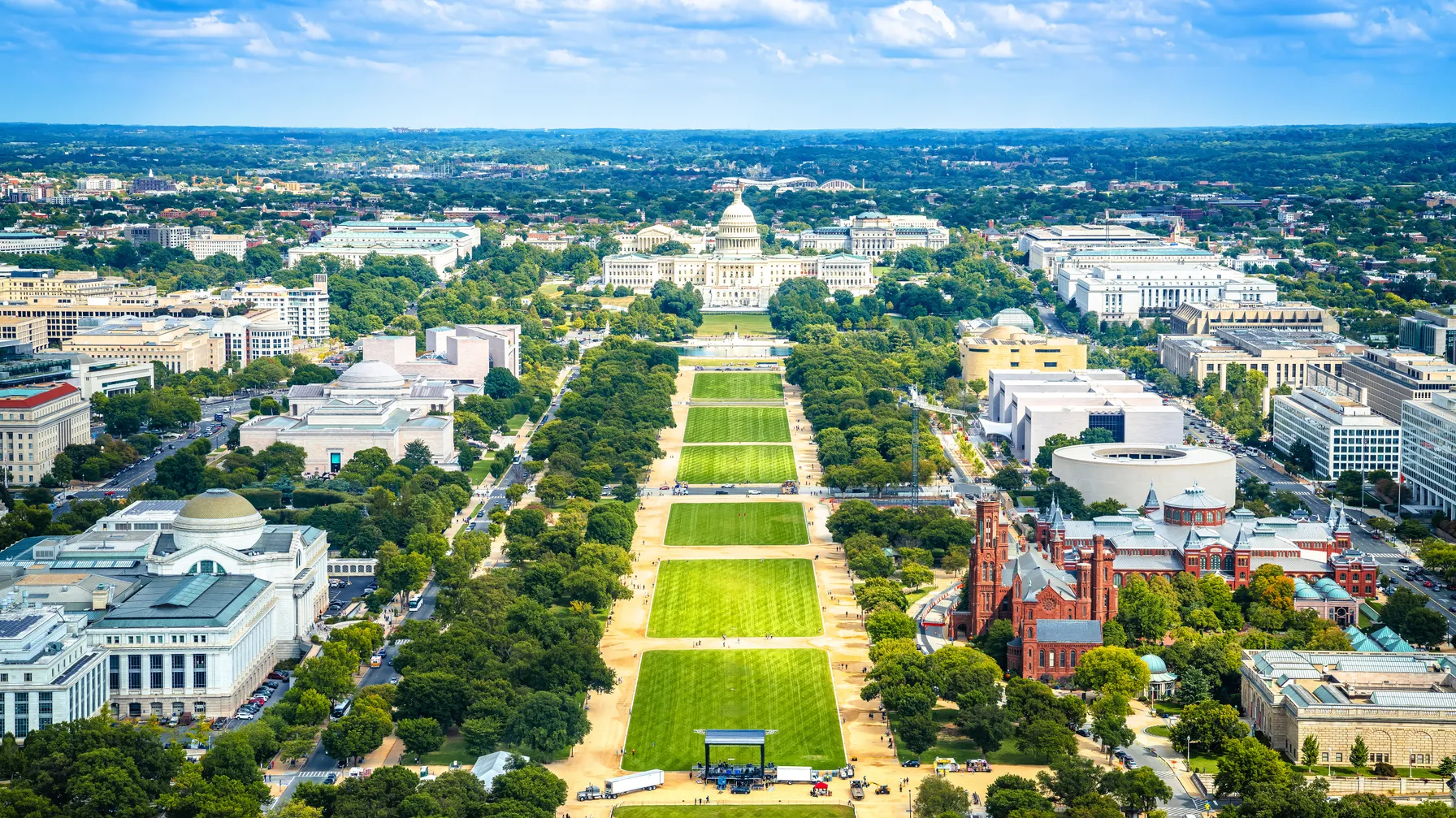
Spanning nearly three kilometers, the National Mall is Washington DC's central axis. This green esplanade links the Capitol on the east to the Lincoln Memorial on the west, passing by the Washington Monument. Around it are the city's main museums, memorials and monuments. This is where the core of a stay in Washington is experienced, on foot, by bike, or on a guided tour.
What are the must-see sites to visit in Washington?
Whether you have two days or a week, Washington DC offers a rare concentration of places rich in meaning. Every detail matters, from the imposing architecture of the Capitol to the fascinating collections of the Smithsonian museums. To help you structure your itinerary, here are the sites that absolutely deserve your attention.
The White House, the Capitol, and the Supreme Court, symbols of American power
The White House, or Maison Blanche, remains one of the most recognizable symbols in the world. Built in 1792 at 1600 Pennsylvania Avenue, it can be admired from the outside, through the north gates, for a rare and emotionally charged moment. Interior access requires specific procedures, but the view of the façade is enough to leave a lasting impression.
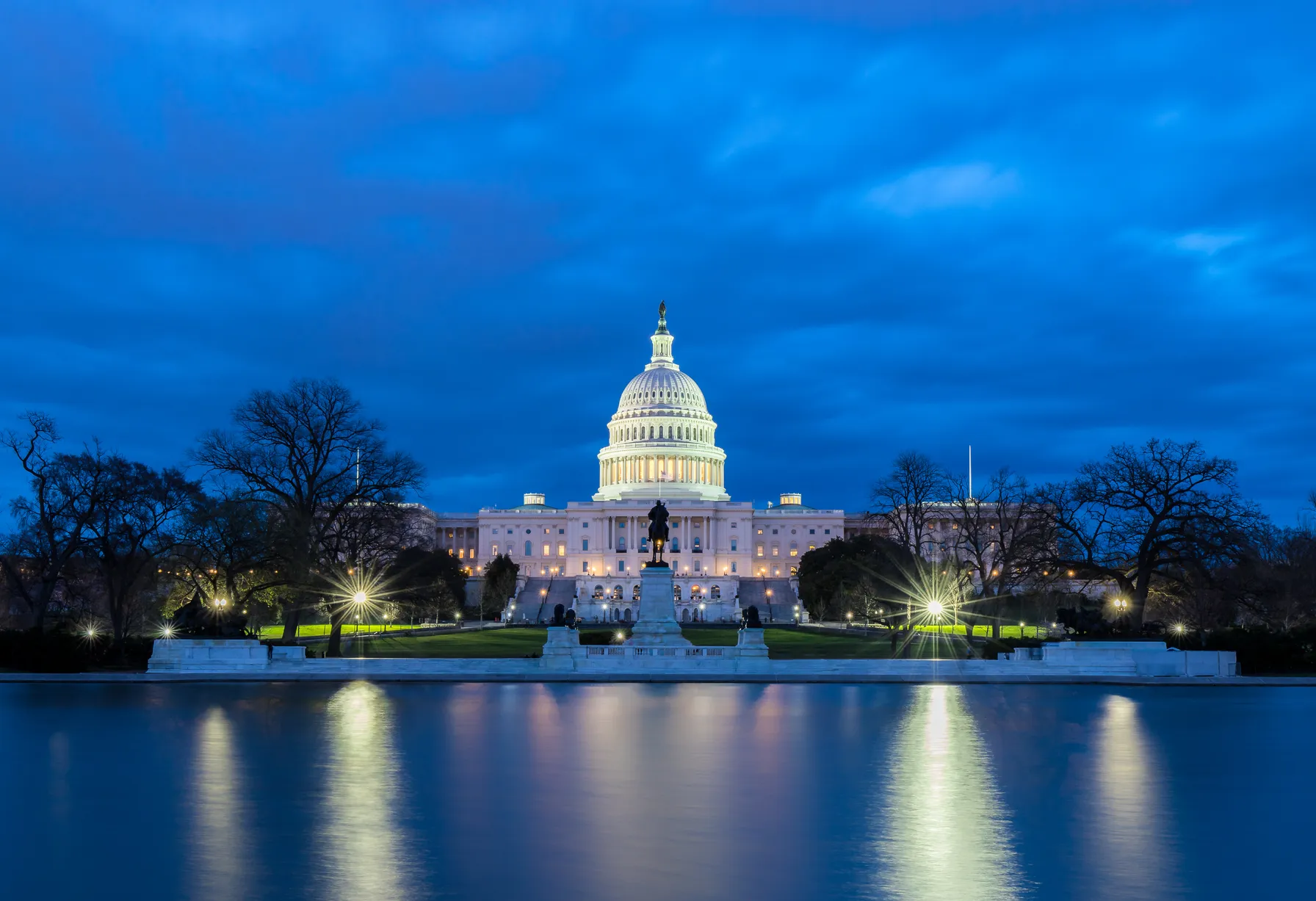
Just a short walk away, the United States Capitol towers over Capitol Hill with its majestic dome. Seat of the Senate and the House of Representatives, it is free to visit with advance reservation. Guided tours allow you to discover the Rotunda, the historic frescoes, and the rooms of Congress, a valuable immersion into how the American democracy operates. Plan about two hours for this visit.
The Supreme Court, nearby, completes this institutional triptych. Its imposing neoclassical architecture and its role as guardian of the Constitution make it a must-see, with free admission depending on the session.
The Washington Monument and the Lincoln Memorial, between memory and horizon
In the center of the National Mall rises the Washington Monument, a 169-meter white marble obelisk erected in honor of the first president of the United States. From its summit, the panoramic view over Washington DC is unique. Tickets, free but bookable online, go quickly, so plan ahead.
At the other end of the Mall, the Lincoln Memorial is one of the most moving places in the federal capital. Its statue of Abraham Lincoln, over five meters tall, its monumental columns and the reflecting pool that stretches in front of it create a solemn setting. It was on these steps that Martin Luther King Jr. delivered his 'I Have a Dream' speech in 1963 — a moment in history that this site continues to carry with rare dignity.
The Smithsonian museums, a cultural treasure at your fingertips.
The Smithsonian Institution museums line the National Mall and, for the most part, are free. It's one of the rare privileges of visiting Washington DC. Among the most remarkable:
- \n
- The National Air and Space Museum, with its life-size spacecraft and the Apollo module, ideal for families; \n
- The National Museum of Natural History, to explore millions of specimens and dinosaur skeletons; \n
- The National Gallery of Art, for a deep dive into the works of Rembrandt, Picasso, Warhol, or Monet. \n
Each visit lasts between two and four hours depending on your pace. The guided tours available on-site or bookable in advance greatly enhance the experience.
| Place | \nRecommended duration | \nWhat makes it unique | \n
|---|---|---|
| Capitol | \n1h30 to 2h | \nHeart of the legislative power, free tours by reservation | \n
| Washington Monument | \n1h | \n360° panoramic view of Washington DC | \n
| Lincoln Memorial | \n30 to 45 min | \nA site of memory and civil rights history | \n
| Air and Space Museum | \n2h to 3h | \nUnique space collections, free admission | \n
| National Gallery of Art | \n2h to 4h | \nEuropean and American masterpieces, free admission | \n
| White House (Exterior) | \n30 min | \nGlobal political symbol, view from Pennsylvania Avenue | \n
Book your trip to Washington now and tailor your itinerary with the help of a Vialala Travel Planner.
What experiences can extend your discovery of Washington?
Beyond the National Mall, the city of Washington offers other precious moments, in neighborhoods and places that provide a different perspective on the American capital. For those who wish to enjoy a little serenity away from the tourist bustle, these addresses are worth a detour.
Georgetown, a historic and vibrant neighborhood
Founded in 1751, Georgetown is one of the oldest and most charming neighborhoods in Washington DC. Its cobbled streets, colorful façades, and well-preserved colonial houses create an intimate atmosphere, away from the major monuments. Along the Potomac waterfront, shops, restaurants, and cafés enliven the evenings with a true sense of easy living. Plan a half-day to explore Georgetown at your own pace, possibly ending with a dinner by the water.
Mount Vernon, a must-see side trip just outside the capital
About thirty kilometers south of Washington DC, Mount Vernon is the former estate of George Washington. This listed historic estate offers a complete immersion into the life of the first American president, from its gardens to its period buildings, including his tomb. Guided tours are offered on site. A boat trip on the Potomac to access it adds an even more remarkable dimension to this excursion. Plan a full day to fully enjoy the site.
To help you plan your trip, here is an overview of the climate in Washington DC:
| Months | Average temperature (°C) | Sunshine | Tips |
|---|---|---|---|
| January - February | 2 to 5 | Low | Cold winter, few tourists |
| March - April | 8 to 14 | Medium | Cherry blossoms in bloom, ideal for visiting |
| May - June | 19 to 24 | High | Pleasant spring, peak season |
| July - August | 26 to 27 | Very high | Hot and humid, plan for early morning |
| September - October | 15 to 22 | High | Mild autumn, excellent period |
| November - December | 5 to 10 | Medium | Chill, fewer crowds |
The best time: spring (April) and autumn (September - October) remain the best times to visit Washington's must-see sites, with pleasant sunshine and mild temperatures.
Contact us for more information and to tailor your Washington DC stay to your preferences and pace.
Demandez votre devis Washington D.C. sur-mesure 100% gratuit
 4.8
4.8+3.000 travelers satisfied