Things to do in Hiroshima: discover the treasures of the city of peace
Demandez votre devis Hiroshima sur-mesure 100% gratuit
 4.8
4.8+3.000 travelers satisfied
What are the must-see historical sites in Hiroshima?
The history of Hiroshima is read through its emblematic monuments, witnesses of a painful past but also of an extraordinary capacity for rebirth. These essential sites immerse you in the heart of the events that have shaped not only the city but also world history.
The Peace Memorial Park, a symbol of reconciliation
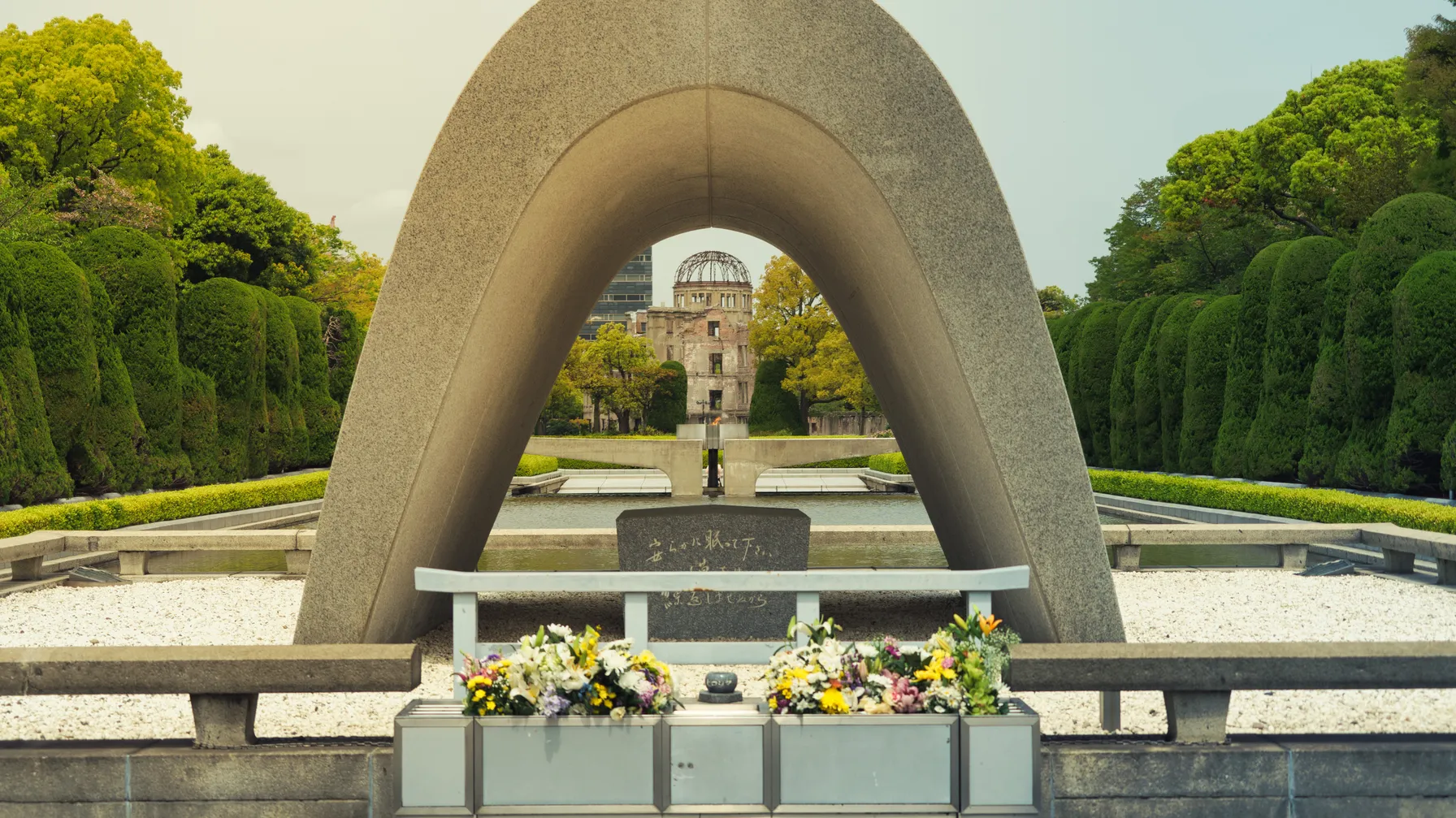
At the heart of the city lies the Peace Memorial Park, a vast 12-hectare green space that represents one of the most moving places of remembrance in the world. This park commemorates the victims of the atomic bombing on August 6, 1945, and embodies the hope for a peaceful future. Here, you will discover several particularly striking monuments: the cenotaph of the victims, the flame of peace that has been burning continuously since 1964, and the monument dedicated to children victims of the atomic bomb, inspired by the story of Sadako Sasaki and her thousand paper cranes.
The Hiroshima Peace Memorial Museum, located within the park, presents a poignant collection of objects, testimonials, and documents related to the events of World War II. Although a challenging visit, it is essential for understanding the magnitude of the tragedy and the message of peace that the city conveys today. Allow about two hours for a complete tour of the museum and one hour to walk through the entire park.
The Genbaku Dome, a poignant world heritage site
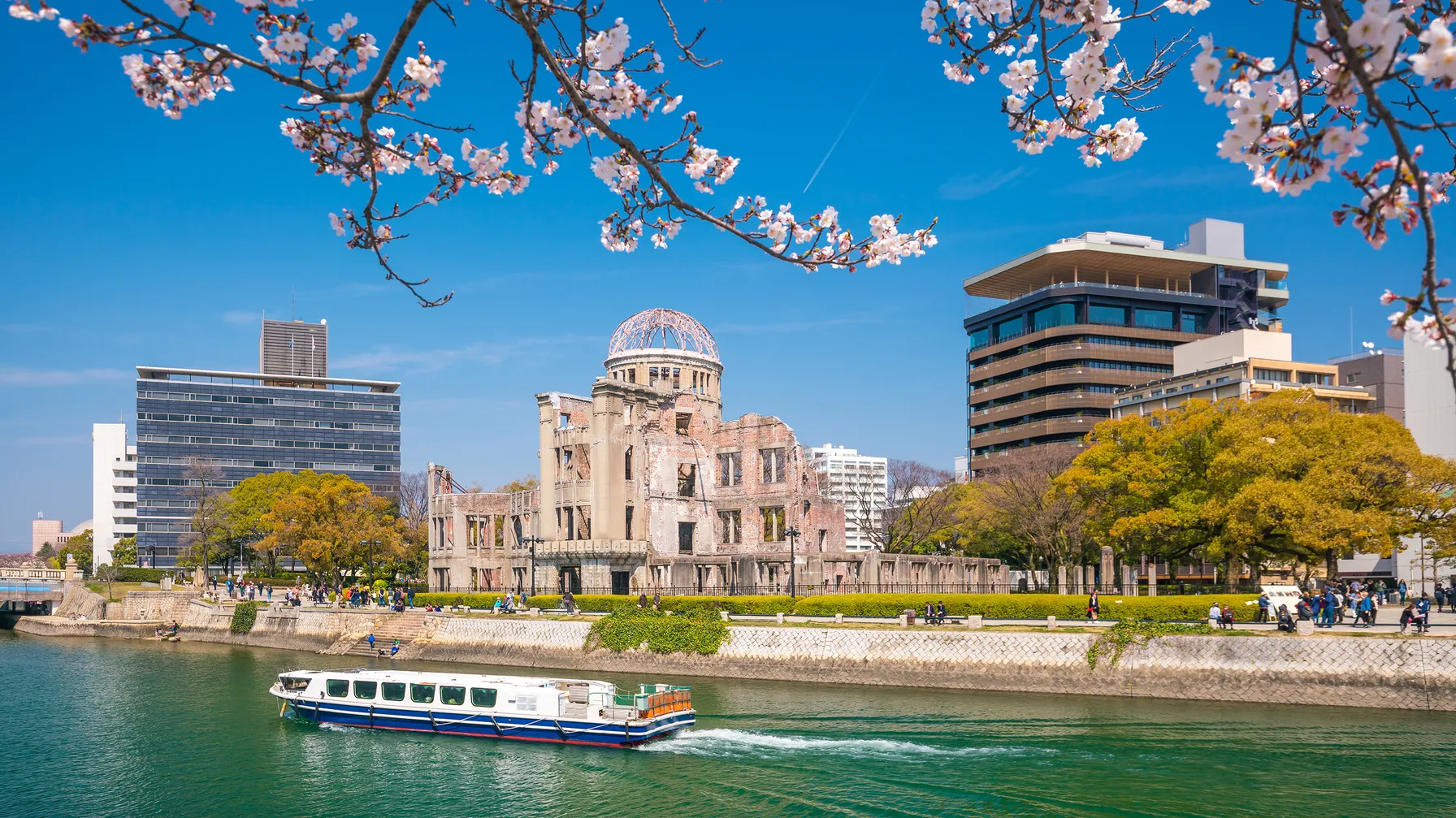
Facing the park stands the Genbaku Dome, a structure left in ruins preserved as it was since 1945. This building, formerly the Hiroshima Prefecture Industrial Promotion Hall, is the only structure that remained standing near the epicenter of the explosion. Designated as a UNESCO World Heritage Site since 1996, this architectural remnant offers a striking testimony to the destructive power of the atomic bomb.
Observing the dome from the banks of the Motoyasu River reveals the symbolic dimension of this monument. Its brick walls reddened by the explosion and its deformed metal dome create an indelible image, reminding us of the importance of preserving memory to build a future of peace.
Hiroshima Castle, the rebirth of feudal heritage
Erected in 1589 and then rebuilt identically after its destruction in 1945, the Hiroshima Castle bears witness to the rich history of the region long before the events of the 20th century. Nicknamed "Carp Castle" due to its proximity to the Ota River, this five-story building now houses a museum dedicated to local history and samurai culture.
The surrounding gardens, enhanced with moats and green spaces, provide a peaceful setting for a contemplative walk. In spring, the blooming cherry trees transform this place into a true natural spectacle. The Gokoku Shrine located within the castle grounds adds a spiritual dimension to this visit which takes about an hour and a half.
Contact us to organize your tailor-made trip to Hiroshima
Where to discover the natural and architectural gems of the city?
Hiroshima also reveals its beauty through spaces where nature and traditional architecture mutually enhance each other. These exceptional places offer moments of serenity and aesthetic wonder.
Shukkei-en Garden, a masterpiece of Japanese landscape art
Created in 1620 by the feudal lord Asano Nagaakira, the Shukkei-en Garden is one of the most beautiful Japanese gardens in the country. Its name, which means "garden with miniaturized landscapes", reflects its design: to reproduce in miniature the most beautiful natural sites of Japan. This 4-hectare Japanese garden, fully restored after 1945, unfolds its wonders around a central pond surrounded by tea houses and traditional bridges.
Each season reveals a different facet of this gem: the azaleas of spring, the summer coolness of the bamboos, the blazing maples of autumn and the stark beauty of winter. A two-hour walk allows one to fully appreciate the subtleties of this landscape designed to awaken all the senses. The traditional tea house located in the heart of the garden offers an authentic break accompanied by Japanese pastries.
The Mitaki-dera Temple, spirituality nestled in the hills
Perched on the slopes of Mount Mitaki, the Buddhist temple Mitaki-dera offers a unique spiritual experience just a few kilometers from the city center. Founded in 809, this temple derives its name from the three waterfalls cascading down the surrounding mountain, creating a particularly striking mystical ambiance.
The ascent to the temple, accessible via a one-hour hiking trail or by public transport, leads you through a dense forest where bird songs and the murmur of water resonate. The temple houses a 15th-century vermillion pagoda, remarkably preserved, as well as several buildings where monks continue to practice their daily rituals. In autumn, the maples surrounding the site provide a scene of extraordinary beauty.
The Orizuru Tower, exceptional panorama of the city
To grasp the extent and modernity of Hiroshima, ascending the Hiroshima Orizuru Tower is essential. This 50-meter tower, inaugurated in 2016, offers an exceptional panoramic view of the entire city and its surroundings. From its observation platforms, you can take in the view of the memorial park, the Genbaku Dome, the castle and, on a clear day, the island of Miyajima.
The building gets its name from the "orizuru", paper cranes that have become symbols of peace following the story of Sadako Sasaki. Inside, interactive spaces allow visitors to discover the history and culture of Hiroshima from a contemporary perspective. The sunset from this tower offers particularly striking views of the illuminated metropolis.
How to explore the sacred island of Miyajima?
An experience of Hiroshima would not be complete without exploring the island of Miyajima, accessible by ferry from the city center. This sacred island, officially called Itsukushima, is among the three most beautiful landscapes of traditional Japan.
The Itsukushima Shrine and its iconic torii
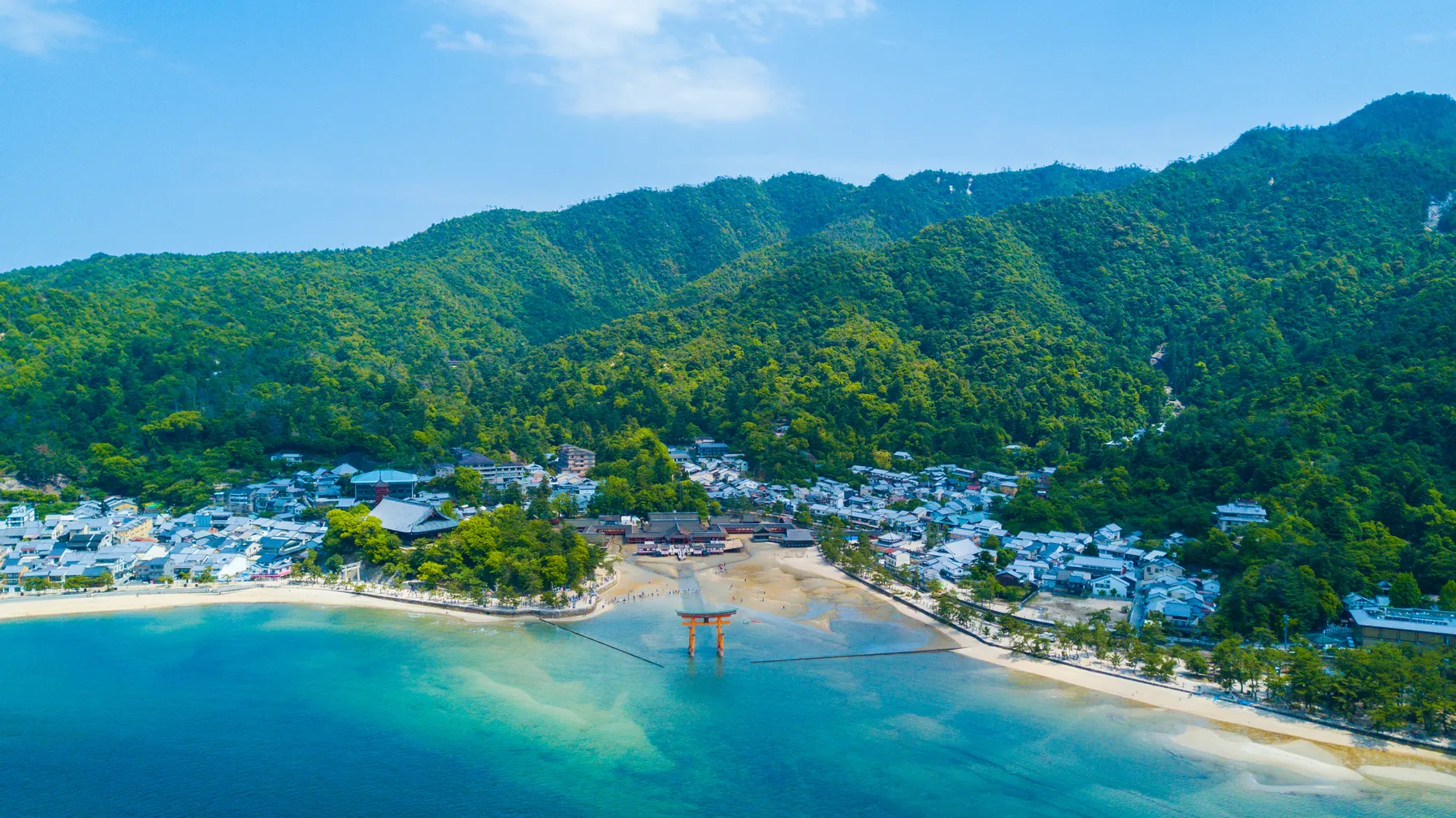
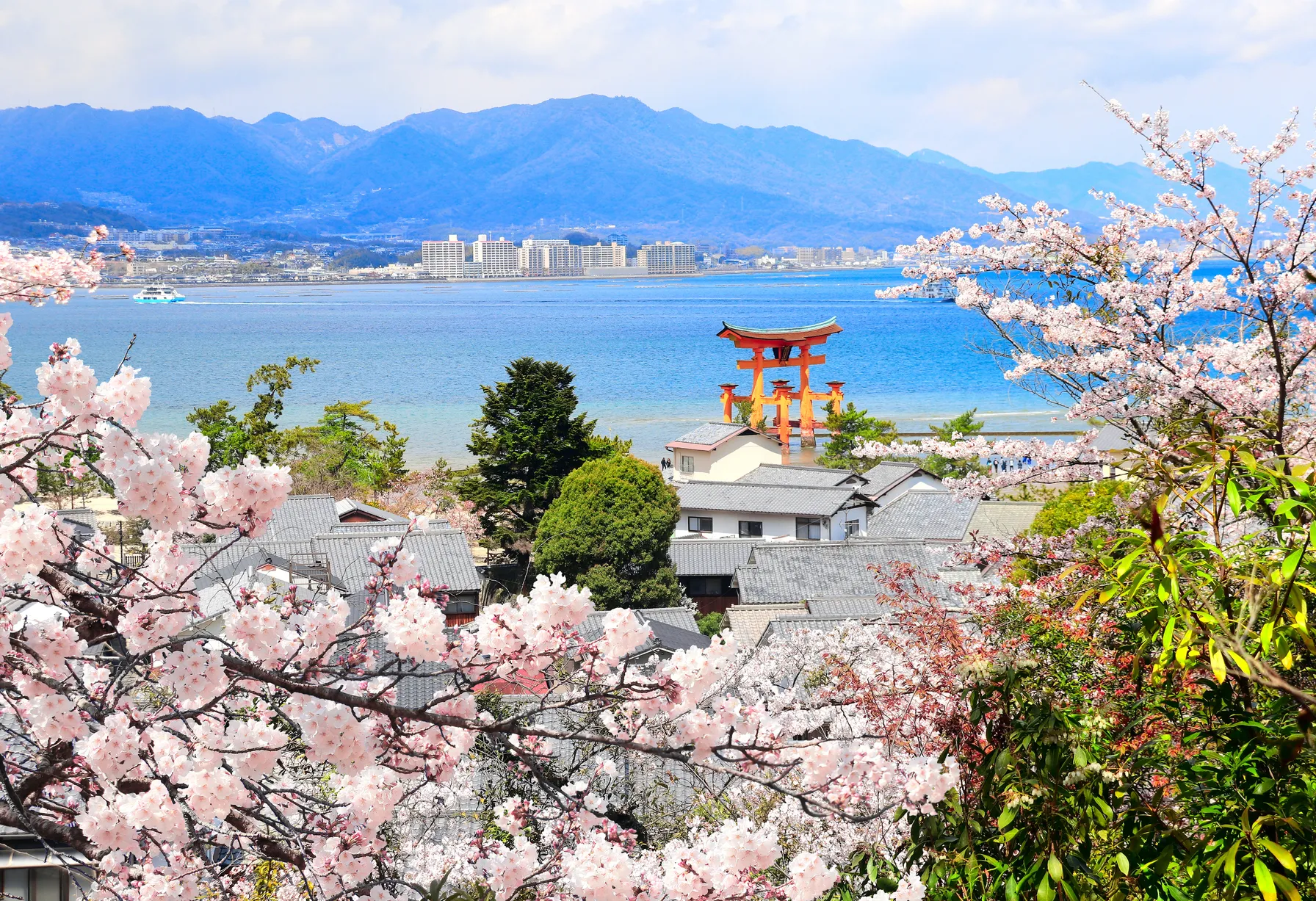
The Shinto shrine Itsukushima, built in the 6th century, is the jewel of this sacred island. Its 16-meter-high vermillion torii, set in the waters of the bay, creates one of the most iconic images of Japan. At high tide, the structure appears to float on the waters, creating a spectacle of supernatural beauty. At low tide, you can walk up to the torii and discover the details of this ancient construction.
The shrine itself, built on stilts above the water, reveals Japanese architectural ingenuity. Its interconnected pavilions by red wooden walkways offer changing perspectives depending on the hour and the tides. The visit, which takes about an hour and a half, can be enriched by participating in the traditional ceremonies that punctuate the spiritual life of the place.
The freely roaming deer on the island add a particular charm to this getaway. These sacred animals, accustomed to human presence, create endearing encounters, particularly appreciated by families.
Mount Misen, climb to spectacular viewpoints
The island of Miyajima hides another treasure: Mount Misen, which rises to 535 meters above sea level. This sacred mountain of Japanese Buddhism offers several hiking routes leading to exceptional panoramas over the Seto Inland Sea and its islets. The cable car, a more comfortable option, takes you up in fifteen minutes to the summit station.
At the summit, several Buddhist temples dot the trails, including the Daishoin Temple known for its collection of statues and plunging views. The multiple viewpoints reveal the beauty of this inner archipelago, a true sea dotted with verdant islands. This excursion, which requires a full half-day, is one of the highlights of your stay.
Book your tailor-made trip to Japan now
What authentic experiences to live in the neighborhoods of Hiroshima?
Beyond the monuments and natural sites, Hiroshima reveals its authentic character in its lively neighborhoods where culinary traditions blend with contemporary urban dynamism.
Local culinary art, from okonomiyaki to seafood
Hiroshima's gastronomy is worth a visit by itself. The local okonomiyaki, different from its Osaka variant, stacks the ingredients in distinct layers: batter, cabbage, yakisoba noodles, egg, and various toppings. This specialty is ideally enjoyed in Okonomi-mura, a true culinary temple housing several dozen stalls across four floors. < /p>
The seafood from the Inland Sea also enriches the local flavor palette. Hiroshima oysters, renowned throughout Japan for their size and flavor, are prepared according to multiple traditional recipes. The restaurants in the Nagarekawa district offer these delicacies in a typically Japanese atmosphere, between wooden counters and red lanterns. < /p>
The tsukemen, a dish of cold noodles to dip in a spicy broth, is another regional specialty that is a must-try. These culinary experiences, accessible throughout the city, offer an authentic immersion into Japanese gastronomic culture. < /p>
Shopping streets and contemporary urban atmosphere
The Hondori district, the main covered shopping street of Hiroshima, pulses with the rhythm of Japanese urban life. This 500-meter pedestrian zone is packed with shops, department stores, cafes, and restaurants in a vibrant and colorful setting. Modern architecture here stands alongside traditional establishments, creating a striking contrast with the surrounding historical sites. < /p>
The Nagarekawa district, known for its nightlife, reveals another face of the city. Its narrow alleys house izakaya (Japanese taverns), sake bars, and clubs where locals and visitors gather. This immersion in contemporary Hiroshima perfectly complements the exploration of the more solemn aspects of the city. < /p>
The historic streetcars, true local institutions, traverse these districts linking all the major sites. These vehicles, some of which date from pre-war times, provide a quaint and practical way to explore the various facets of this fascinating metropolis. < /p>
This exploration of Hiroshima reveals a destination of exceptional richness, where history and modernity, contemplation and lifestyle converge to offer an unforgettable travel experience. Each visited site enriches your understanding of this unique city, a symbol of peace and human resilience. < /p>
Contact us for more information about your personalized stay in Hiroshima