When to visit Hoi An: complete guide to choosing the best time
What is the climate of Hoi An throughout the year?
Hoi An enjoys a tropical monsoon climate characterized by two distinct seasons that shape the life of this emblematic destination in central Vietnam. This climatic alternation offers totally different travel experiences depending on the chosen period.
The dry season, the preferred period for travelers
The dry season extends from February to August and represents the best time to visit Vietnam, especially Hoi An. During these months, you benefit from generous sunshine and limited rainfall, creating ideal conditions to explore this historic city.
Temperatures fluctuate between 24°C and 33°C, offering pleasant warmth without being stifling. Humidity remains bearable, especially at the beginning of the dry season, allowing for comfortable strolling through the alleys of the historic center. The sunshine reaches its peak between April and June, with up to 12 hours of sun daily, perfect for capturing your memories in this dream destination.
This period coincides with a higher influx of tourists, especially during the months of February to April. Accommodation prices tend to increase, but the investment is worthwhile to enjoy optimal weather conditions.
The rainy season, a different experience
During the rainy season, which spans from September to January, Hoi An reveals a more authentic and intimate facet. The rainfall can be significant, especially in November (up to 726mm) and in January (about 286mm), sometimes turning transportation into a real adventure.
Temperatures remain mild, ranging between 19°C and 27°C, creating a uniquely romantic atmosphere. This humid season brings lush vegetation and a soothing ambiance that some travelers specifically seek. Accommodation rates drop significantly, especially in November, offering excellent value for Vietnam tours.
However, this period requires special preparation. Floods can sometimes disrupt traffic, and some water activities towards Cham Island or the beaches may be compromised.
Contact us for more information on the best times to go

Demandez votre devis Hội An sur-mesure 100% gratuit
 4.8
4.8+3.000 travelers satisfied
What are the best times to visit Hoi An?
To optimize your custom trip, each time of the year offers specific advantages depending on your expectations and traveler profile.
February to April, climatic excellence
This period is undoubtedly the best time to discover Hoi An. The weather conditions reach perfection with ideal temperatures between 24°C and 31°C, optimal sunshine, and almost non-existent rainfall.
The following table illustrates the exceptional conditions of this period:
| Month | Min Temperature | Max Temperature | Precipitation | Sunshine Hours |
|---|---|---|---|---|
| February | 21°C | 26°C | 18mm | 5h |
| March | 23°C | 28°C | 5mm | 7h |
| April | 25°C | 31°C | 21mm | 10h |
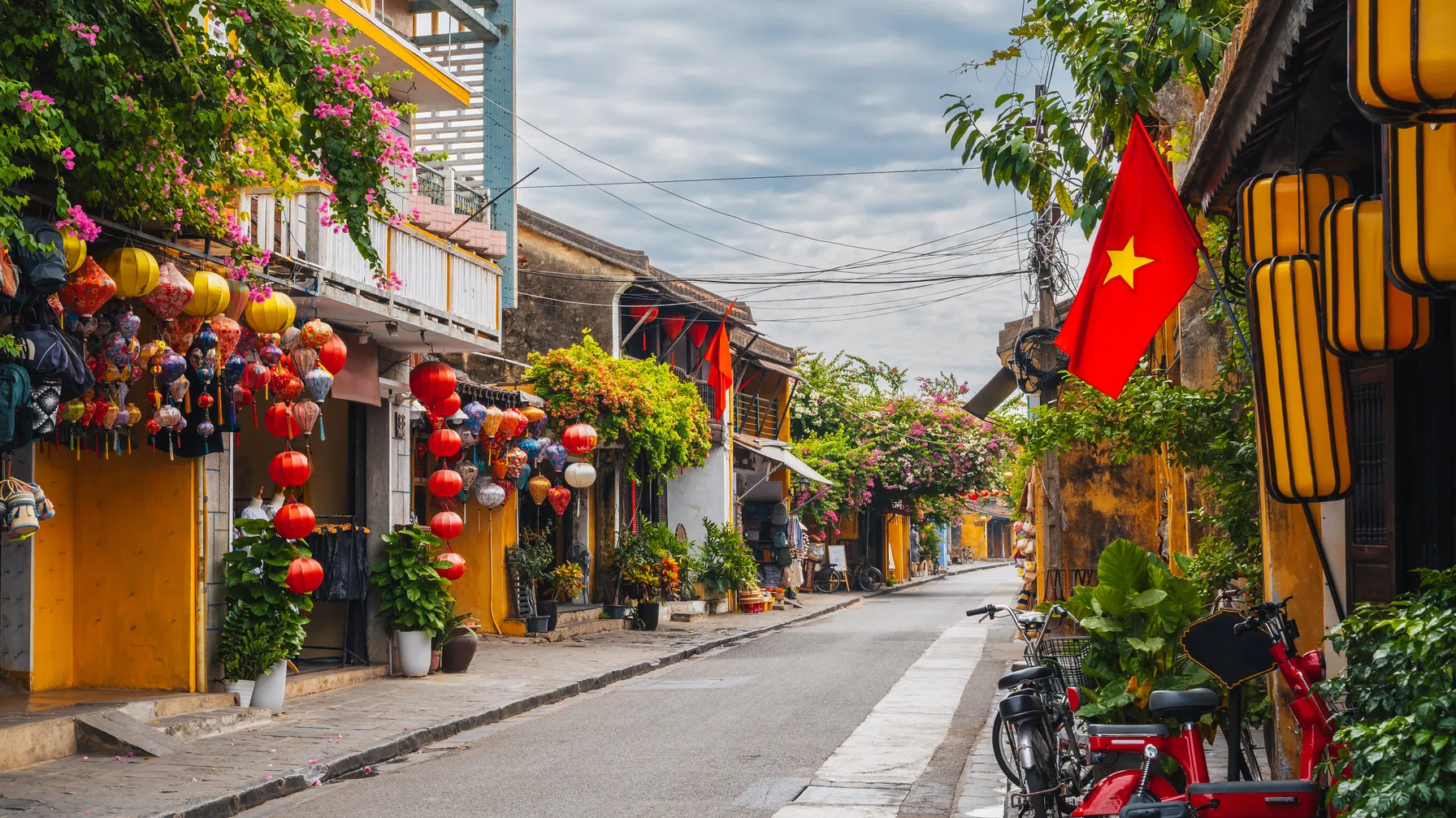
These conditions allow for full enjoyment of all activities: walks in the historic center, excursions to Da Nang, relaxation on the beaches of An Bang, or boat trips on the Thu Bon River. The dry atmosphere also facilitates the discovery of the many temples and ancient houses without the discomfort of excessive humidity.
May to August, the summer alternative
Although temperatures climb up to 35°C in June, this period remains very favorable for visiting Hoi An all year round. The generous sunlight (11 to 12 hours a day) compensates for the more intense heat, particularly appreciated for beach activities.
May marks a gentle transition with milder temperatures (26-33°C) and little precipitation. It is often considered the best compromise between favorable weather and moderate tourist attendance. July and August, despite the heat, allow full enjoyment of the surrounding beaches and water activities.
This period is perfectly suited for families on school holidays, although it requires enhanced sun protection and regular shade breaks.
September to January, for lovers of authenticity
During the rainy season, Hoi An reveals its most authentic face. September and October still offer pleasant temperatures (24-32°C) with short but intense showers. This period may appeal to travelers looking for a more intimate experience, away from tourist crowds.
November and December present the most challenging times with significant rainfall, but also very attractive rates. January, despite its 286mm of rain, remains visitable with appropriate precautions. These months reveal a mysterious Hoi An, bathed in a vaporous atmosphere particularly photogenic.
Book your trip to Hoi An now
How to customize your trip according to your expectations?
Your customized travel guide should consider your priorities to determine the optimal timing of your stay in this Southeast Asian destination.
Beaches and water activities
For those who enjoy lazy days and water activities, the period from May to October offers the best swimming conditions with ideal water temperatures. The beaches of An Bang and Cua Dai then show their best face, with crystal clear waters and generous sunshine.
Excursions to Cham Island, a true marine gem off the coast of Hoi An, are particularly recommended between May and September. During the dry season, underwater visibility is at its peak, offering exceptional conditions for diving and snorkeling.
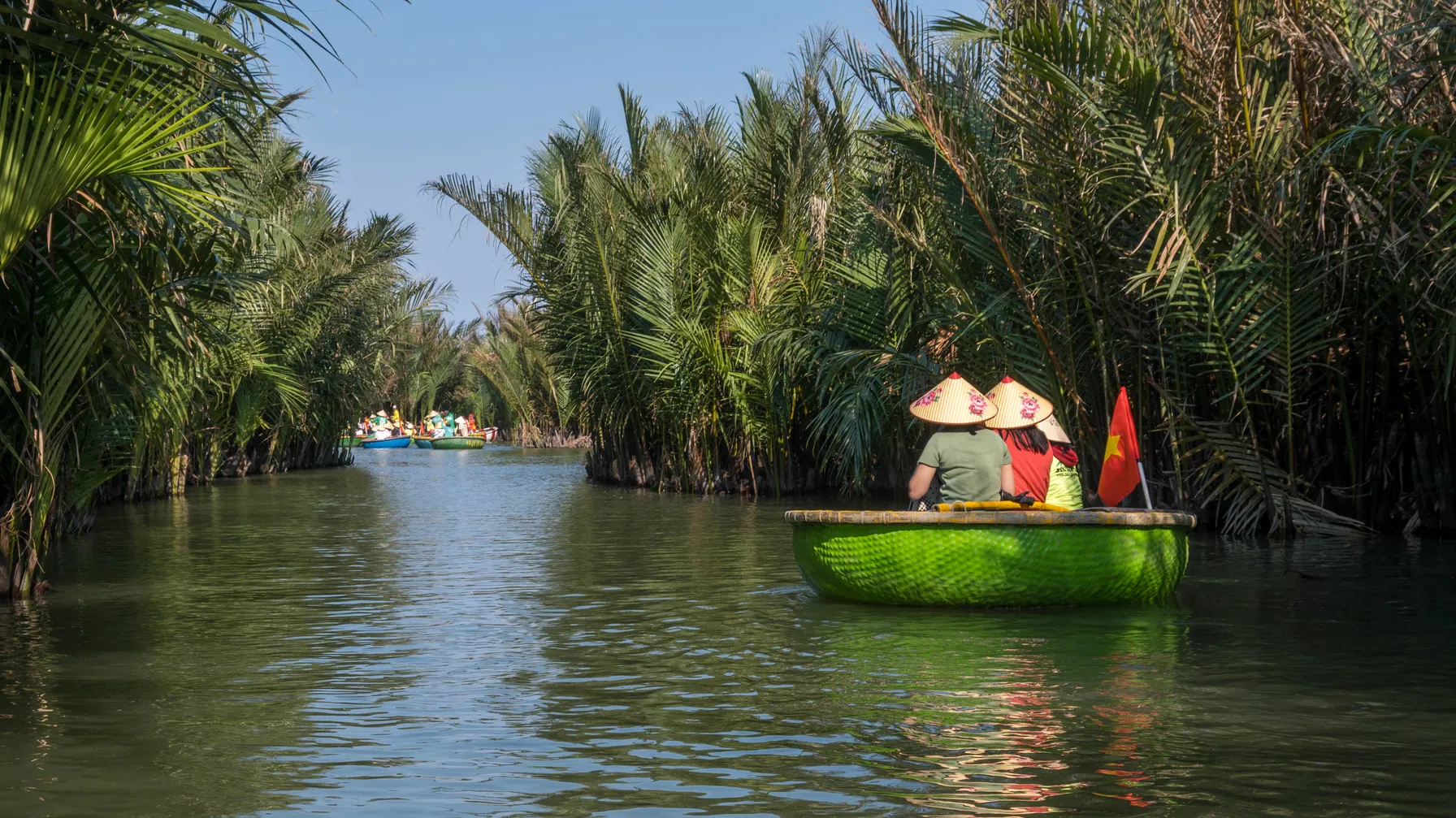
Traditional water activities, such as basket boat rides or early morning fishing trips, remain practicable all year, but are more enjoyable in dry weather.
Cultural discovery and heritage
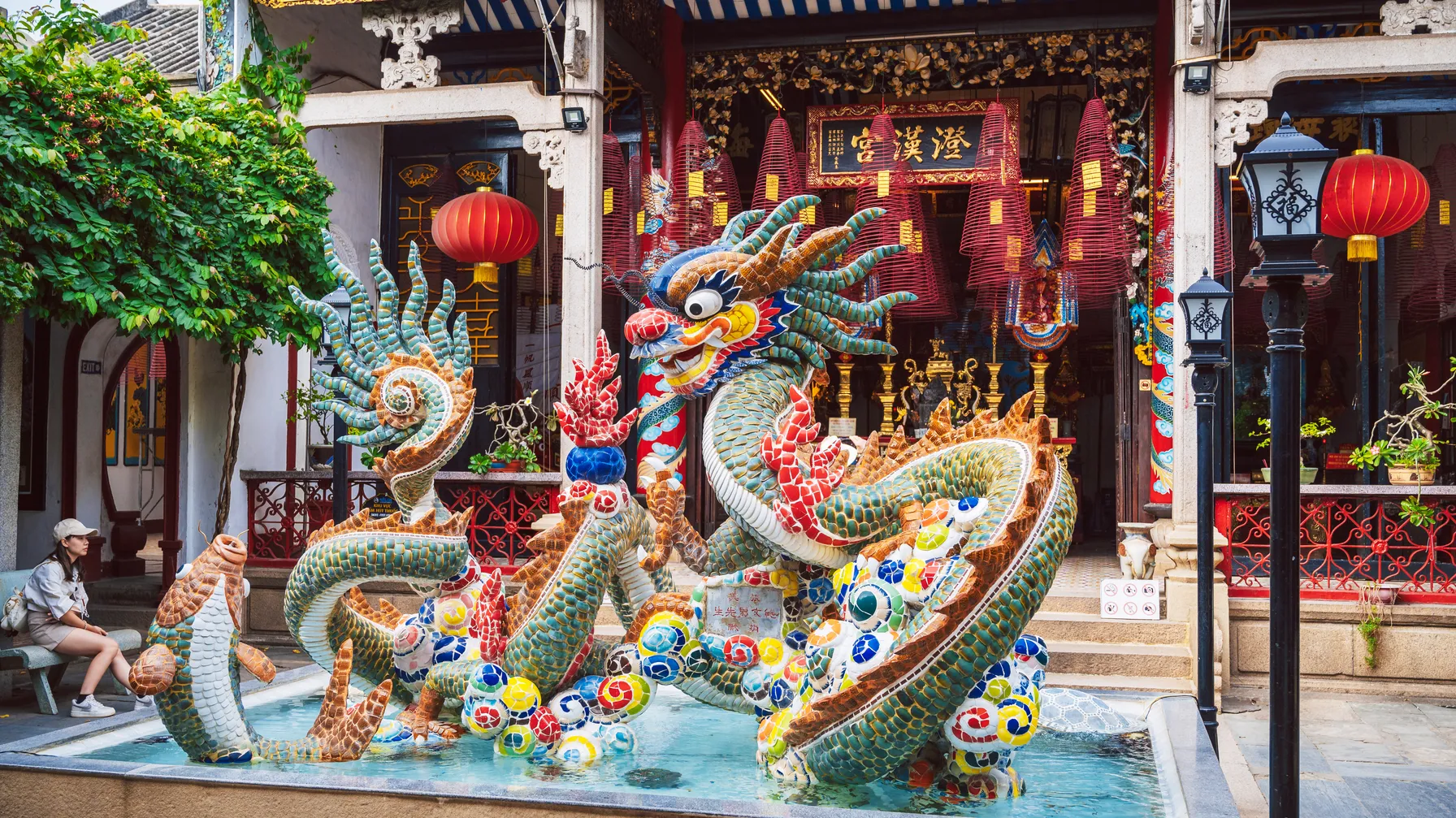
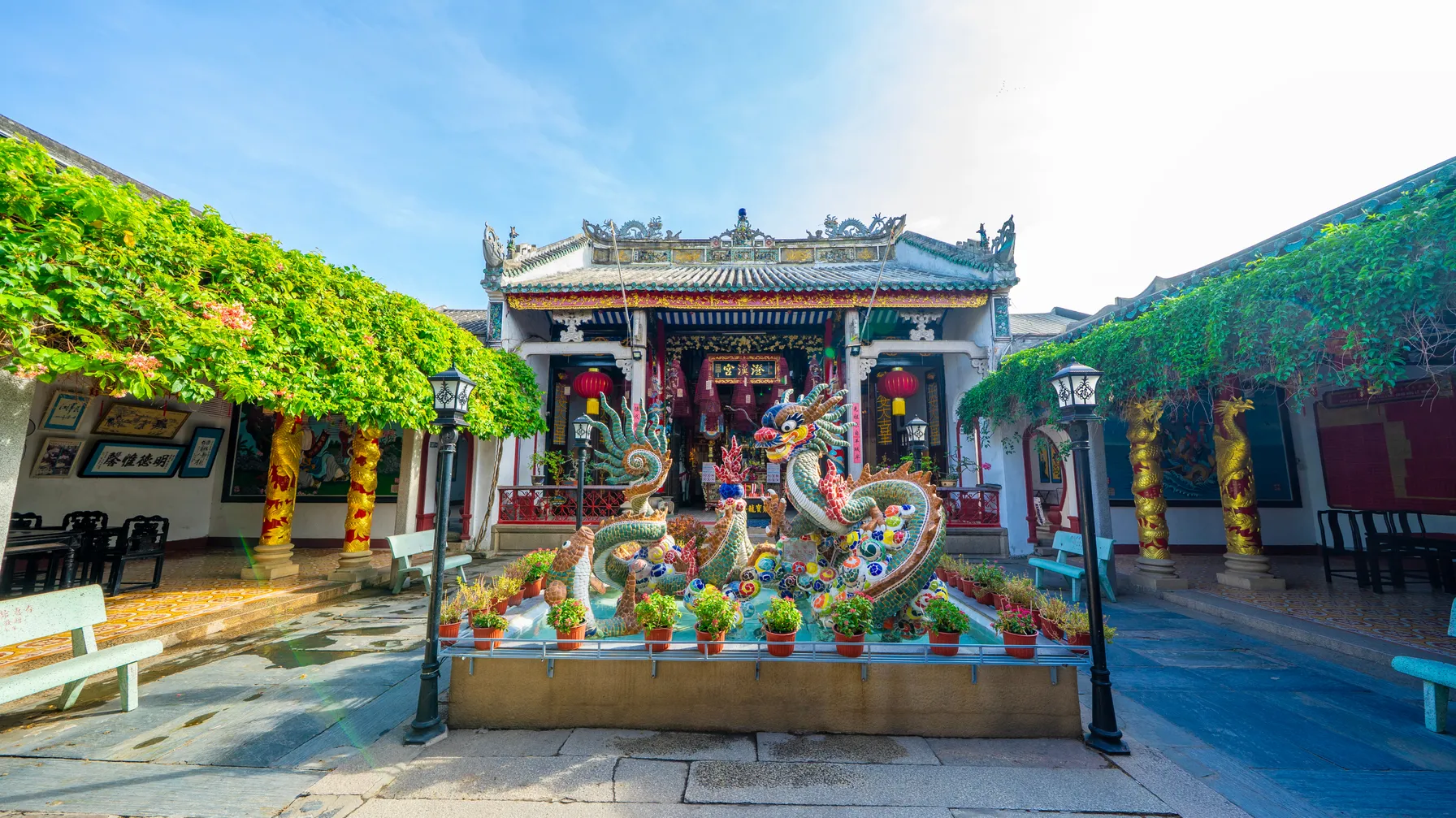
History and heritage enthusiasts will prefer the period from February to April to comfortably explore the architectural treasures of Hoi An. The mild temperatures facilitate long walks in the historic center, visiting the famous Japanese Bridge, and discovering the ancient houses.
This period also coincides with several important local festivities, including the Tet (Vietnamese New Year) which usually takes place between January and February. The colorful decorations and traditional celebrations add a unique cultural dimension to your stay.
The bespoke workshops, a locally recognized specialty, operate at full capacity during the dry season, allowing you to leave with unique creations made by the city's renowned tailors.
Family trip with children
Families will particularly appreciate the months from March to May and September to October, which offer a perfect balance between favorable weather conditions and moderate attendance. These periods allow children to fully enjoy activities without suffering the constraints of high tourist season or bad weather.
Family activities such as Vietnamese cooking classes, bike rides through the surrounding countryside, and lantern shows on the Thu Bon River are best enjoyed in clear weather. The month of May particularly allows for a combination of cultural discovery and beach relaxation without the drawbacks of excessive heat.
What equipment should you prepare according to the season?
Being well-prepared for the chosen season guarantees the success of your tailor-made trip to this gem in central Vietnam.
Getting ready for the dry season
During this favored period, your equipment should primarily protect you from the intense sun and heat. Plan for lightweight clothing in natural fibers, favoring light colors that reflect sunlight. A wide-brimmed hat, quality sunglasses, and high-SPF sunscreen are essential basics.
Practical tips also recommend:
- Comfortable, breathable walking shoes;
- A reusable water bottle to stay hydrated;
- Light change of clothes for temple visits;
- A swimsuit for enjoying the surrounding beaches;
- A light jacket for cooler evenings, especially early in the season.
Equipping during the wet season
During the rainy season, your equipment should prioritize waterproofing and versatility. A quality raincoat or a lightweight poncho will allow you to continue your visits despite the sudden showers characteristic of the tropical climate.
The essential equipment includes:
- Waterproof shoes with good grip;
- Quick-drying clothes;
- Waterproof protection for your electronic devices;
- Light warm clothing for cooler evenings;
- A compact but sturdy umbrella.
This thorough preparation will allow you to fully appreciate the unique atmosphere of Hoi An during the wet season, when the city reveals its most authentic and mysterious charm.
Contact us for more information
The choice of your travel period to Hoi An ultimately depends on your personal priorities. Whether you prefer the optimal weather conditions of the dry season or the intimate authenticity of the rainy season, this exceptional destination will charm you and offer unforgettable memories in the magical setting of central Vietnam.