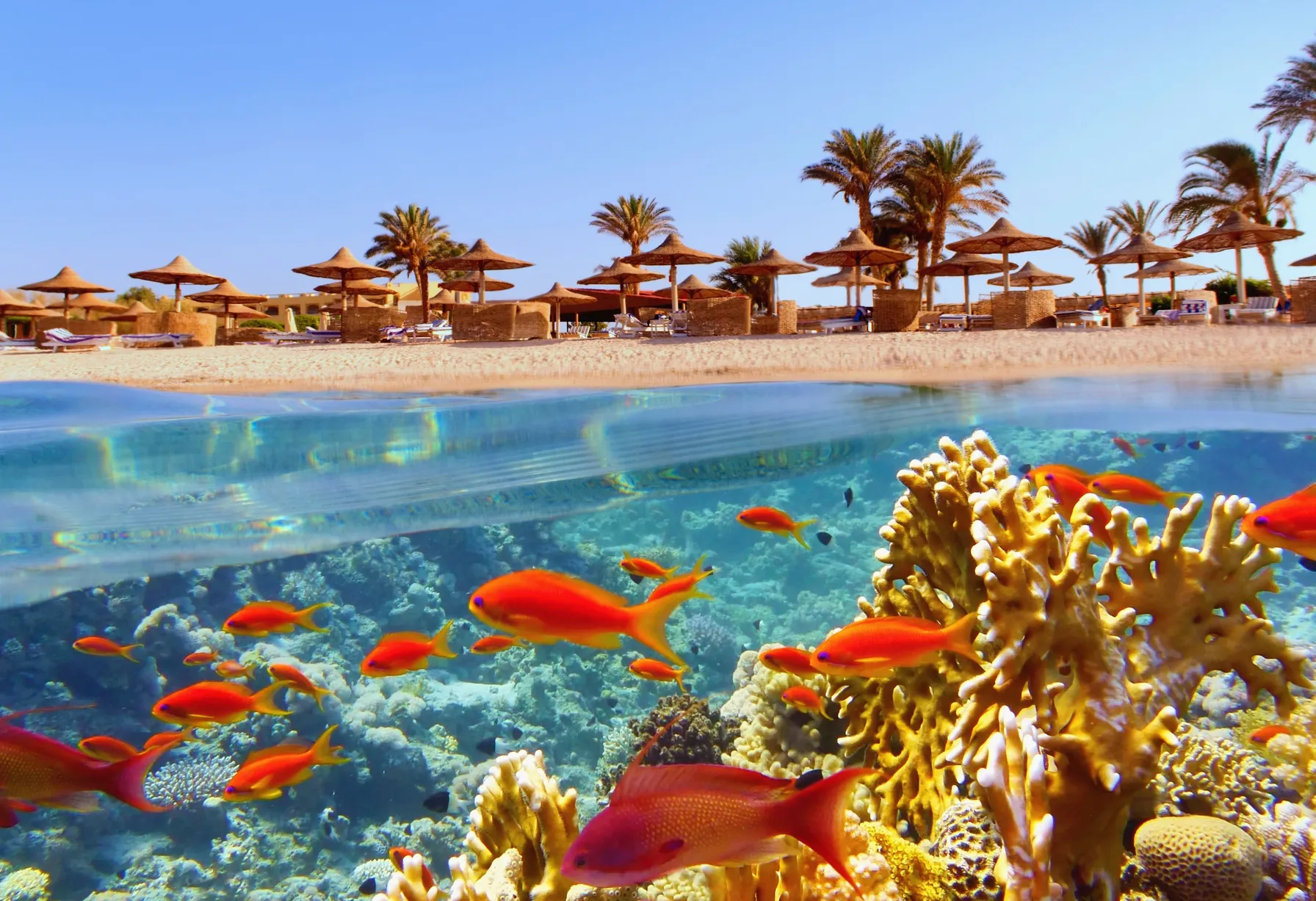
Diving in Egypt: explore the underwater wonders of the Red Sea
When to go diving in Egypt according to marine conditions?
Diving in Egypt is practiced all year round thanks to the desert climate which guarantees constant sunshine. However, knowing the seasonal specifics allows you to optimize your diving conditions according to your preferences and your level of experience.
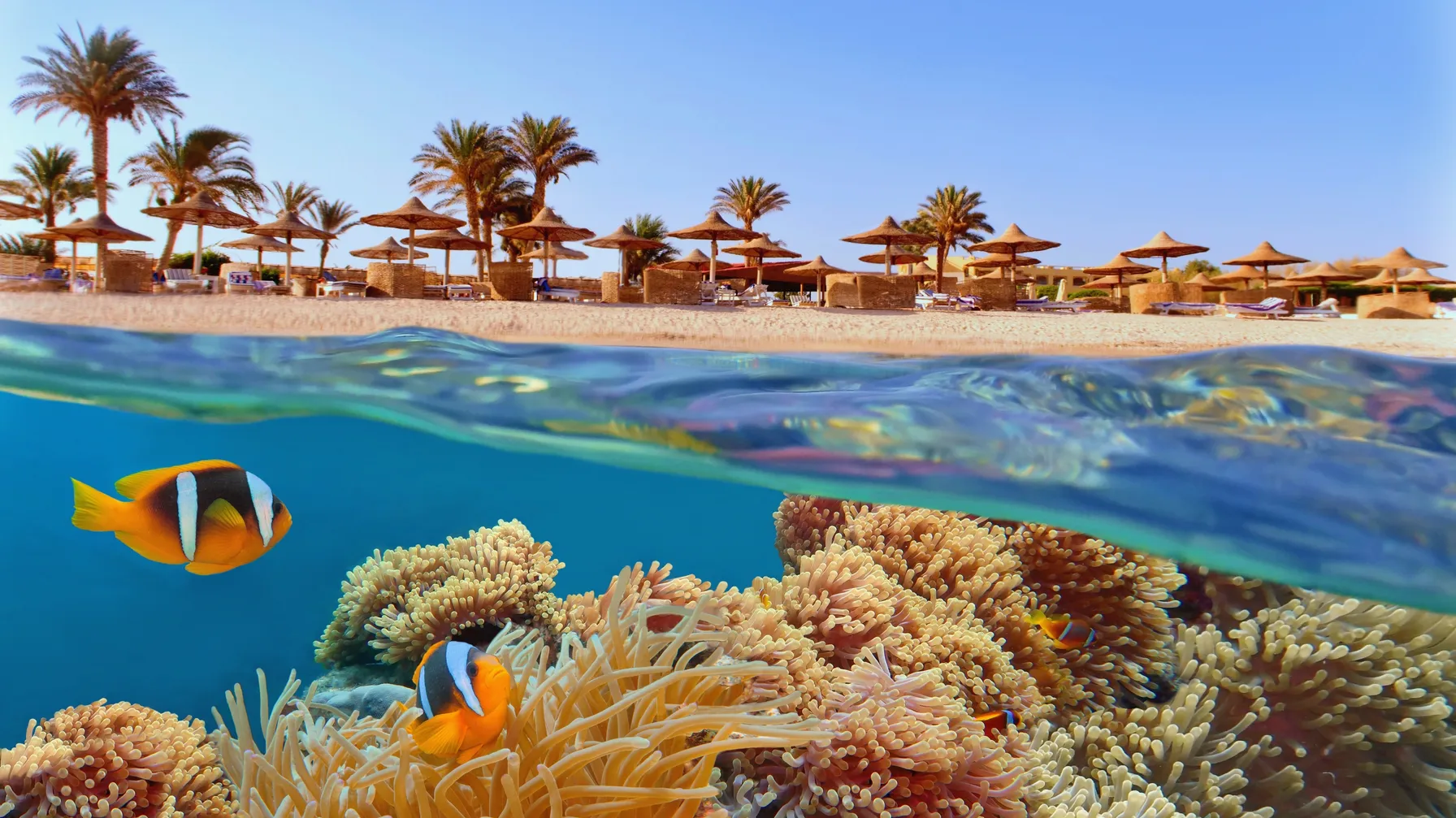
The period from April to November offers the most favorable conditions for diving in Egypt. During these months, the water temperature ranges between 77°F to 86°F, providing optimal comfort for prolonged immersions. Visibility regularly reaches 98 to 131 feet, revealing the beauty of the coral reefs and the diversity of fish shoals with striking clarity.
The Egyptian summer, from June to September, has particular advantages for marine life enthusiasts. The warmer waters encourage the presence of exceptional pelagic species: manta rays, whale sharks, and hammerhead sharks frequent the diving sites during this period. However, outdoor temperatures can exceed 104°F, making surface intervals more challenging.
| Period | Water Temperature | Visibility | Advantages |
|---|---|---|---|
| April-May | 75-79°F | 82-115ft | Balanced conditions, fewer tourists |
| June-September | 81-86°F | 66-98ft | Active pelagic life, very warm water |
| October-November | 77-81°F | 98-131ft | Maximum visibility, pleasant temperatures |
| December-March | 70-75°F | 115-131ft | Cooler but clear water, calm |
The winter months, from December to March, attract divers seeking exceptional visibility and less crowded sites. Although the water temperature drops to around 70-75°F, a 5mm wetsuit suffices to maintain appropriate thermal comfort. This season also reveals different marine activity, with dolphins and dugongs more regularly observed near the shores of Marsa Alam.
Contact us for more information on the best times to go according to your diving preferences.
Where to discover the most beautiful Egyptian diving sites?
Egypt unfolds its underwater treasures over more than 930 miles of coastline, from the Sinai Peninsula to the south of Marsa Alam. Each region reveals unique features that contribute to the global reputation of this destination.
The Sinai and its preserved coral reefs
The Sinai Peninsula concentrates some of Egypt's most famous diving spots, where fringing reefs and spectacular drop-offs create exceptional underwater landscapes. Ras Mohamed, a protected national park since 1983, serves as a true sanctuary for marine life. Its dynamic currents attract a remarkable pelagic fauna: barracudas, jacks, and reef sharks swim around the preserved coral formations.
The Strait of Tiran, with its four emblematic reefs - Jackson, Woodhouse, Thomas, and Gordon - offers spectacular drift dives. These sites regularly offer sightings of eagle rays and tunas in waters of remarkable transparency. Sharm el-Sheikh is the ideal base for exploring this area, with its experienced diving centers and developed tourist infrastructure.
Dahab appeals with its relaxed atmosphere and shore-accessible sites. The famous Blue Hole, although reserved for very experienced divers, fascinates with its unique geological configuration. More accessible, the Coral Gardens and the Canyon offer enchanting explorations in colorful, wildlife-rich underwater settings.
The Red Sea coast and its underwater gardens
The west coast of the Red Sea reveals different underwater landscapes, characterized by more preserved reefs and lighter human traffic. Marsa Alam is the reference point to observe dugongs and sea turtles in their natural habitat. The sites of Elphinstone Reef and Sha'ab Samadai (Dolphin House) promise exceptional encounters with large marine fauna.
El Gouna and Safaga attract diving enthusiasts seeking tranquil waters thanks to their easily accessible reefs and safe diving conditions. These destinations are particularly suitable for families and beginner divers wanting to explore the richness of the Egyptian seabed in a reassuring setting.
Port Ghalib is the favored starting point for dive cruises to the deep south reefs, notably the Brothers Islands and Saint-John. These isolated sites reveal spectacular drop-offs frequented by hammerhead sharks, grey sharks, and large tunas.
Historical wrecks and their submerged heritage
Egypt houses some of the world's most famous wrecks, witnesses to a rich and tumultuous maritime history. The SS Thistlegorm, a British cargo ship sunk in 1941, acts as a true underwater museum where locomotives, trucks, and motorcycles rest in their original holds. This wreck, accessible to intermediate level divers, offers a fascinating dive into the history of World War II.
The reefs of Abu Nuhas gather four remarkable wrecks: the Giannis D, the Chrisoula K, the Carnatic, and the Kimon M. These ships from different eras create a varied exploration circuit, perfect for discovering how nature reclaims artificial structures. Corals and tropical fish gradually colonize these sleeping giants, creating unique ecosystems.
How to tailor your diving trip to your experience?
Egypt welcomes all types of divers thanks to the diversity of its sites and the quality of its dive centers. This adaptability allows for the creation of a custom-made diving trip, respecting your level of experience while offering progressive challenges.
Initiation at protected sites
Beginner divers find ideal conditions in Egypt to perfect their technique and gain confidence. The sheltered bays of Hurghada, El Gouna, and Safaga provide secure environments where diving at Safaga reveals particularly shallow reefs perfect for learning. These sites feature moderate depths, mild currents, and constant visibility.
Fringing reefs allow for a gradual discovery of the richness of Mediterranean marine life adapted to the Egyptian marine environment: butterflyfish, angelfish, moray eels, and stingrays thrive in accessible coral gardens. This gentle approach to scuba diving ensures positive and enriching first experiences.
Our Travel Planner's tips recommend starting with sites such as Abu Ramada near Hurghada or the reefs of Marsa Alam, renowned for their calm and preserved beauty. These environments allow for the observation of sea turtles and dolphins under optimal safety conditions.
Technical challenges for experienced divers
Experienced divers discover in Egypt exceptional technical dive sites that push the boundaries of underwater exploration. Offshore reefs, accessible only via dive cruise, offer drift dives on steep drop-offs where oceanic sharks and manta rays roam.
The Brothers Islands represent the epitome of Egyptian technical diving: strong currents, significant depths, and the presence of large pelagics require solid experience and appropriate physical condition. These challenges are rewarded by exceptional encounters in wild and preserved marine environments.
The Blue Hole in Dahab represents a particular challenge, reserved for certified technical divers. Its unique configuration and considerable depths attract extreme diving enthusiasts from around the world, in compliance with the strictest safety rules.
Book your diving trip to Egypt now to discover sites suited to your experience level.
Frequently asked questions
What certification level is required to dive in Egypt?
The Open Water Diver certification (level 1) allows access to most of the Egyptian sites. For deep wrecks like the Thistlegorm or offshore reefs, an Advanced Open Water certification is recommended. Technical sites like the Blue Hole require specialized certifications and proven experience.
Is it possible to combine diving and cultural discovery during a stay in Egypt?
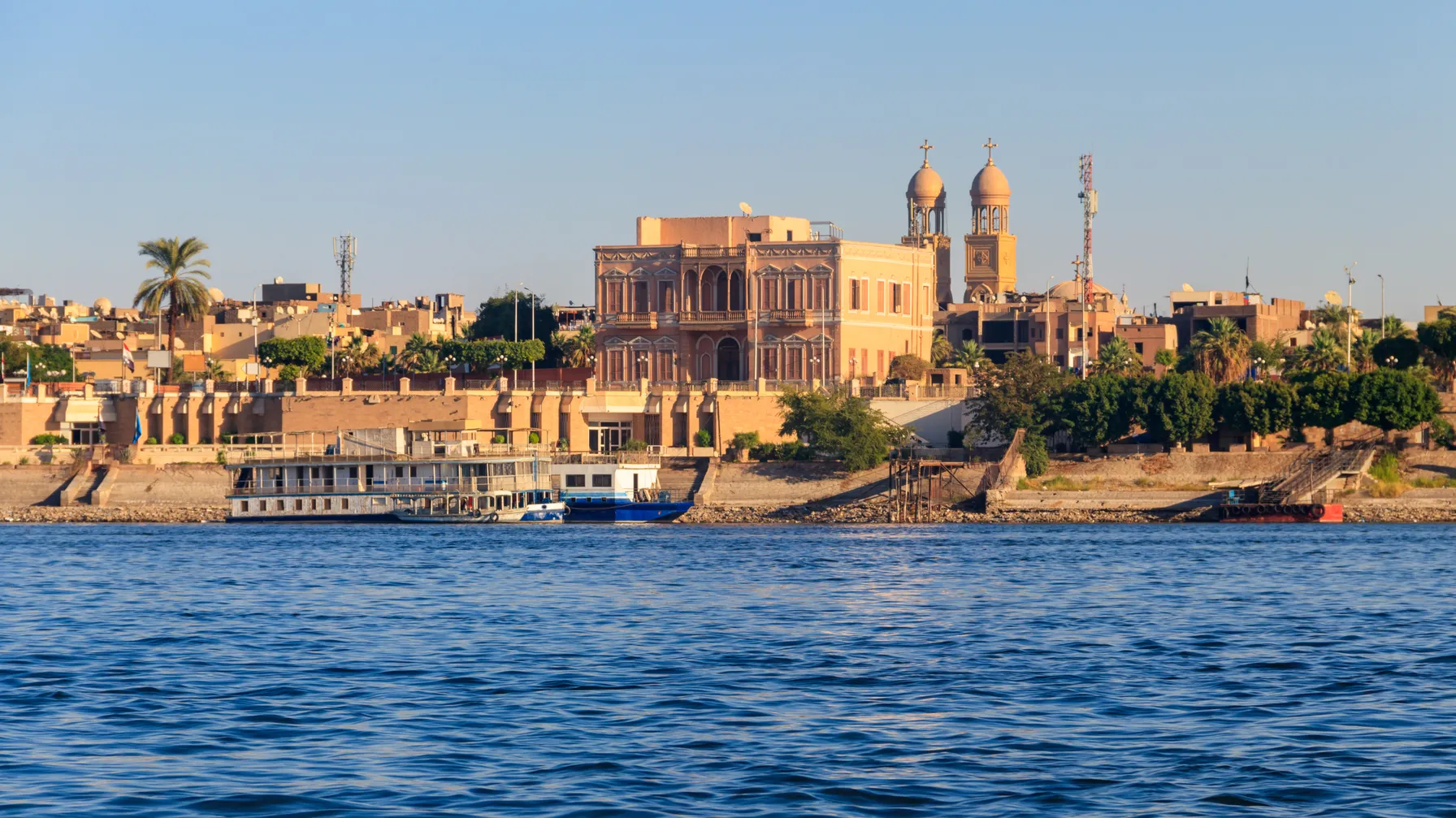
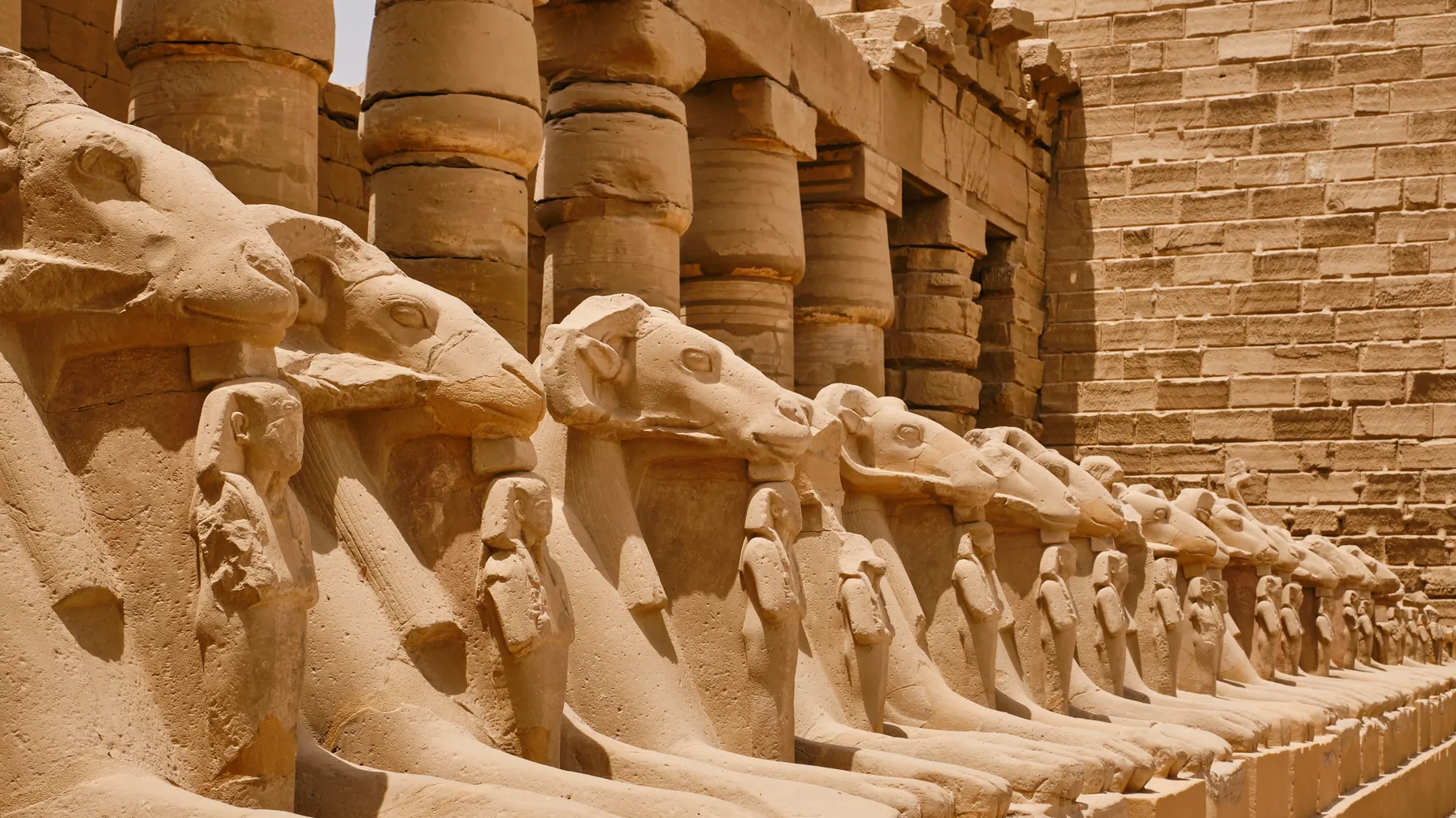
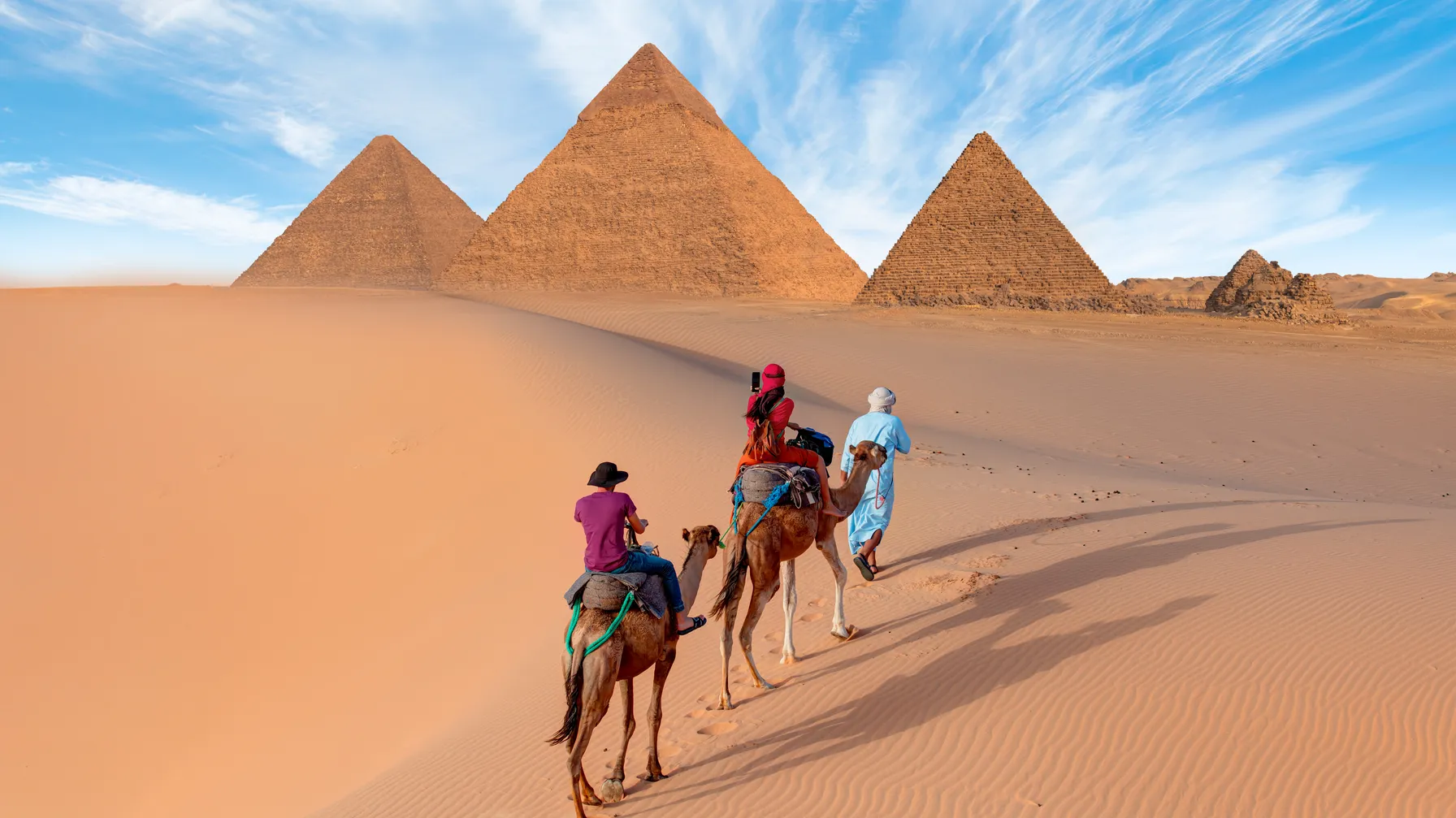
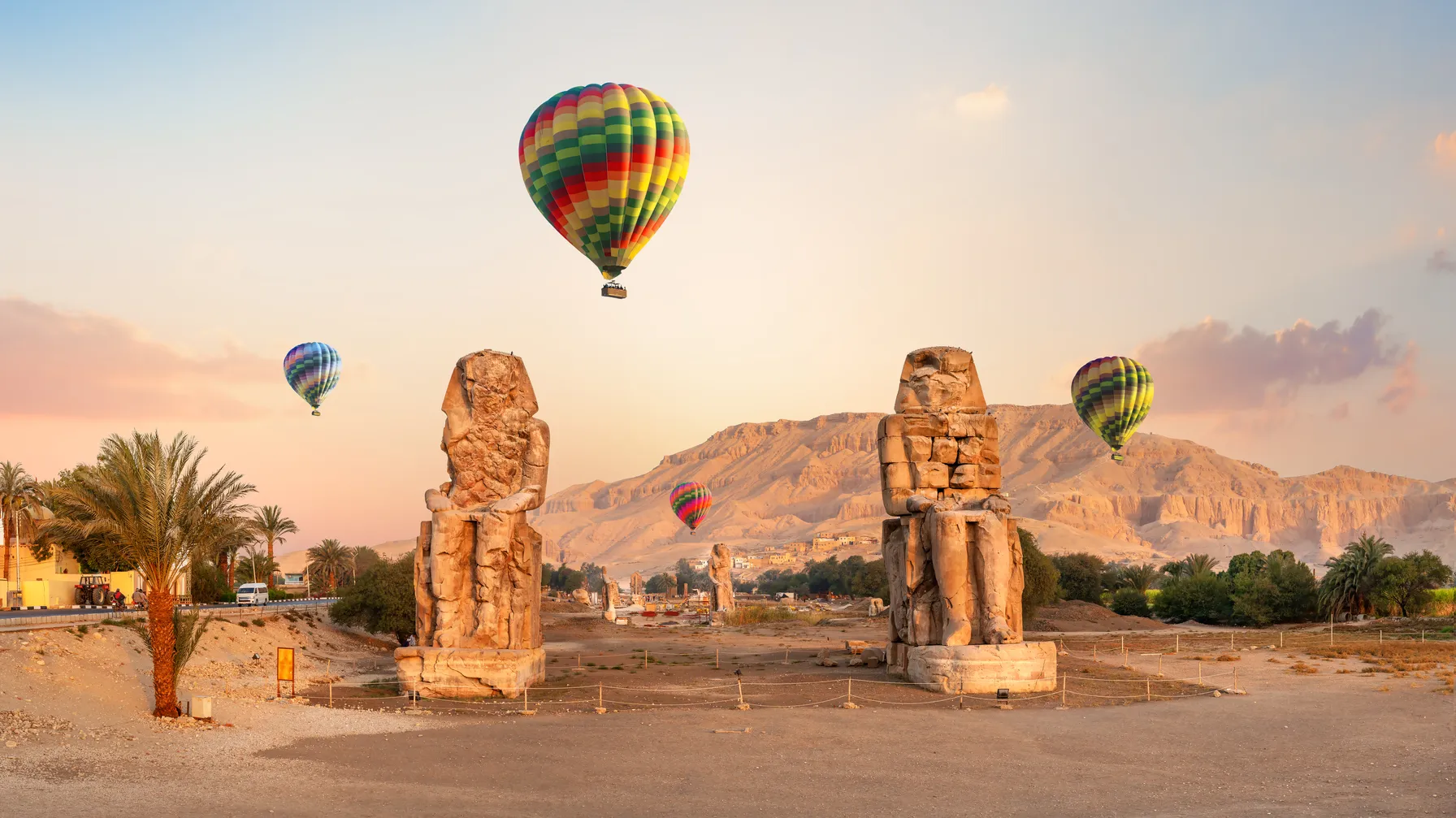
Absolutely! Egypt makes it easy to combine scuba diving and exploration of Pharaonic treasures. From Hurghada or Marsa Alam, excursions to Luxor and the Valley of the Kings are easily organized. This approach enriches your diving trip with a unique cultural dimension, creating memorable experiences beyond the dives.
Is special insurance needed for diving in Egypt?
Specialized diving insurance is highly recommended, covering emergency evacuations and treatments in hyperbaric chambers. Egypt has decompression chambers in major resorts (Dahab, Sharm el-Sheikh, Hurghada, Marsa Alam), but medical costs can be high without proper coverage.