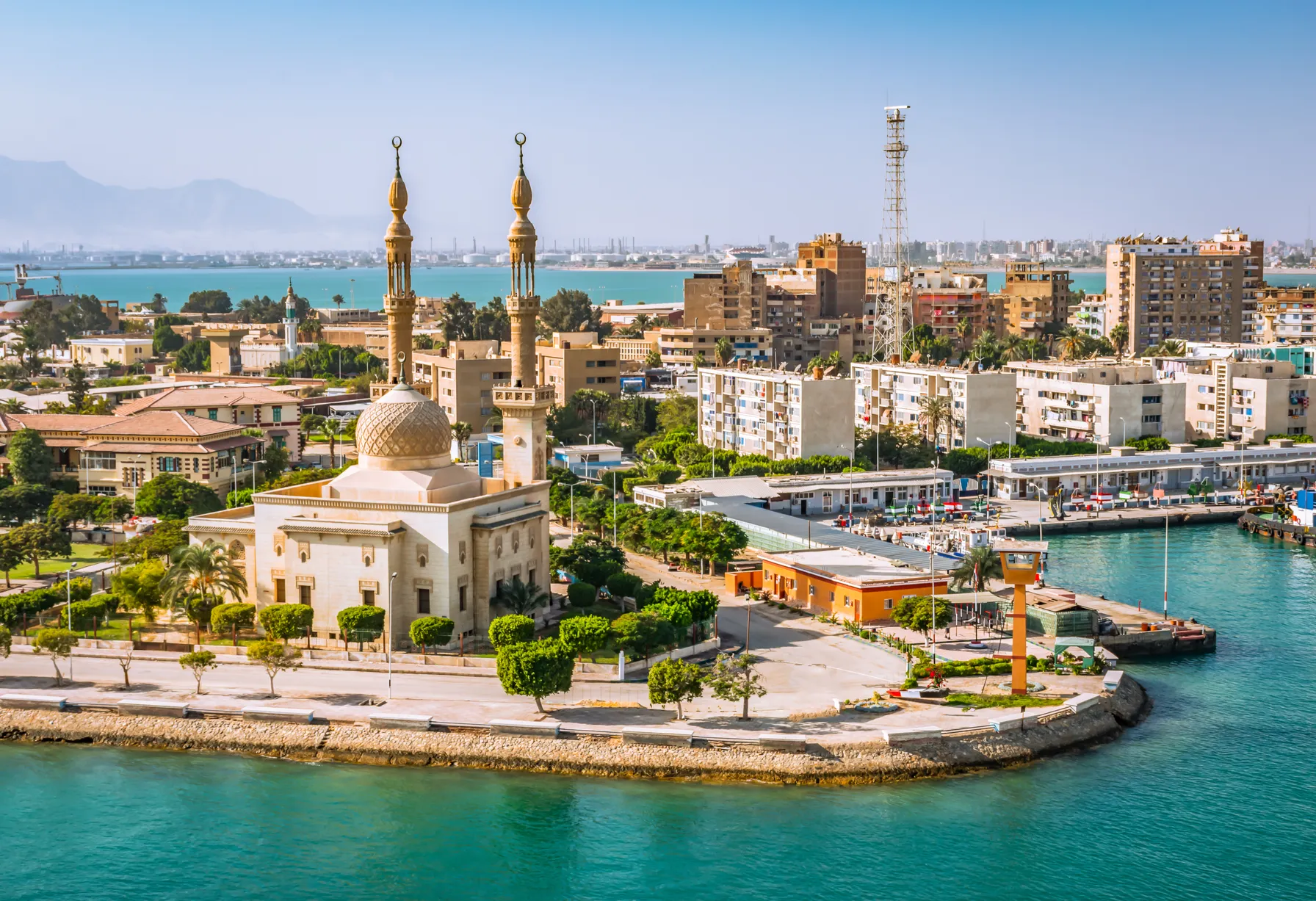
10 days in Egypt: the guide for an unforgettable journey
Why does Egypt stand out as a destination in its own right?
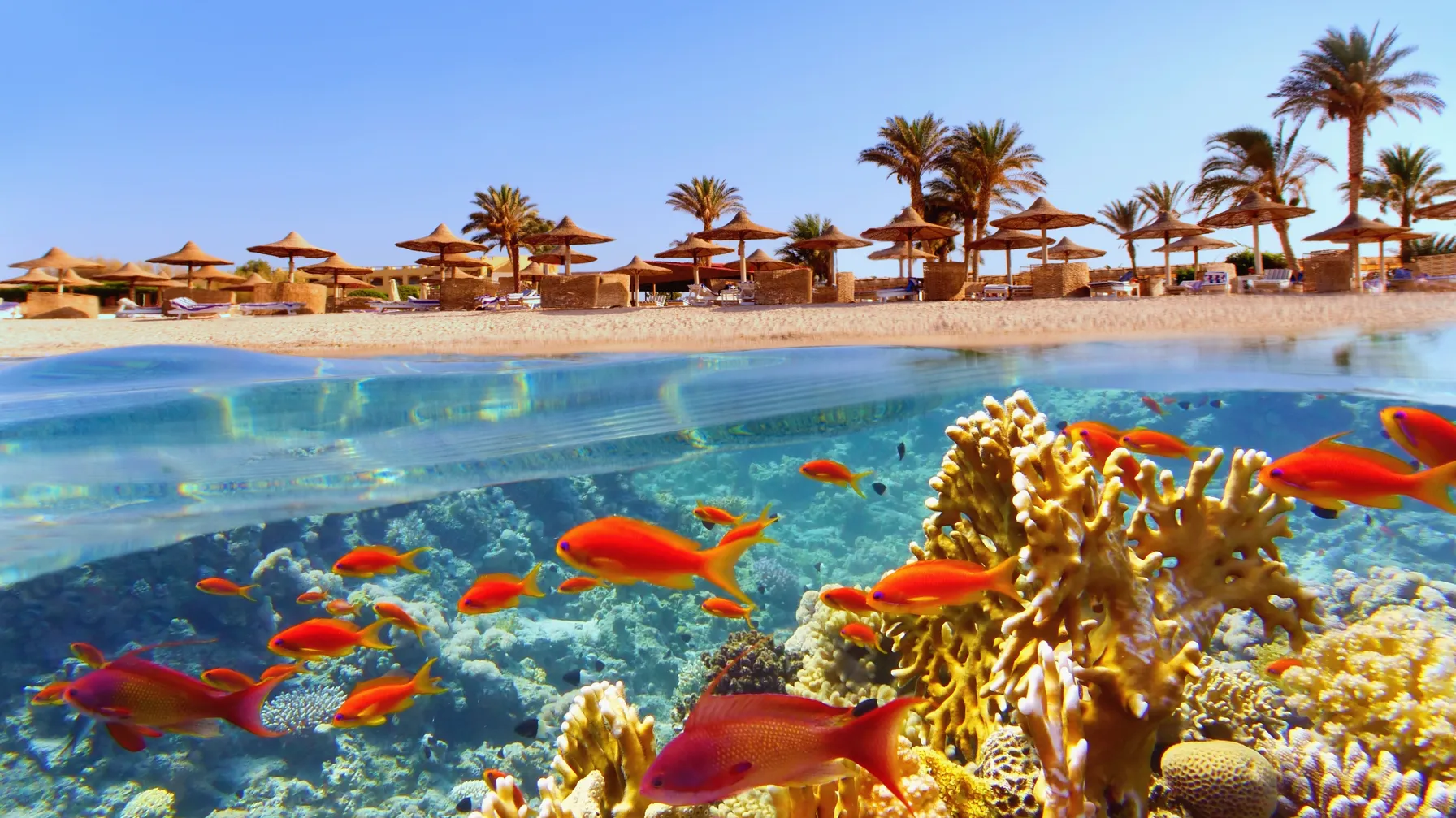
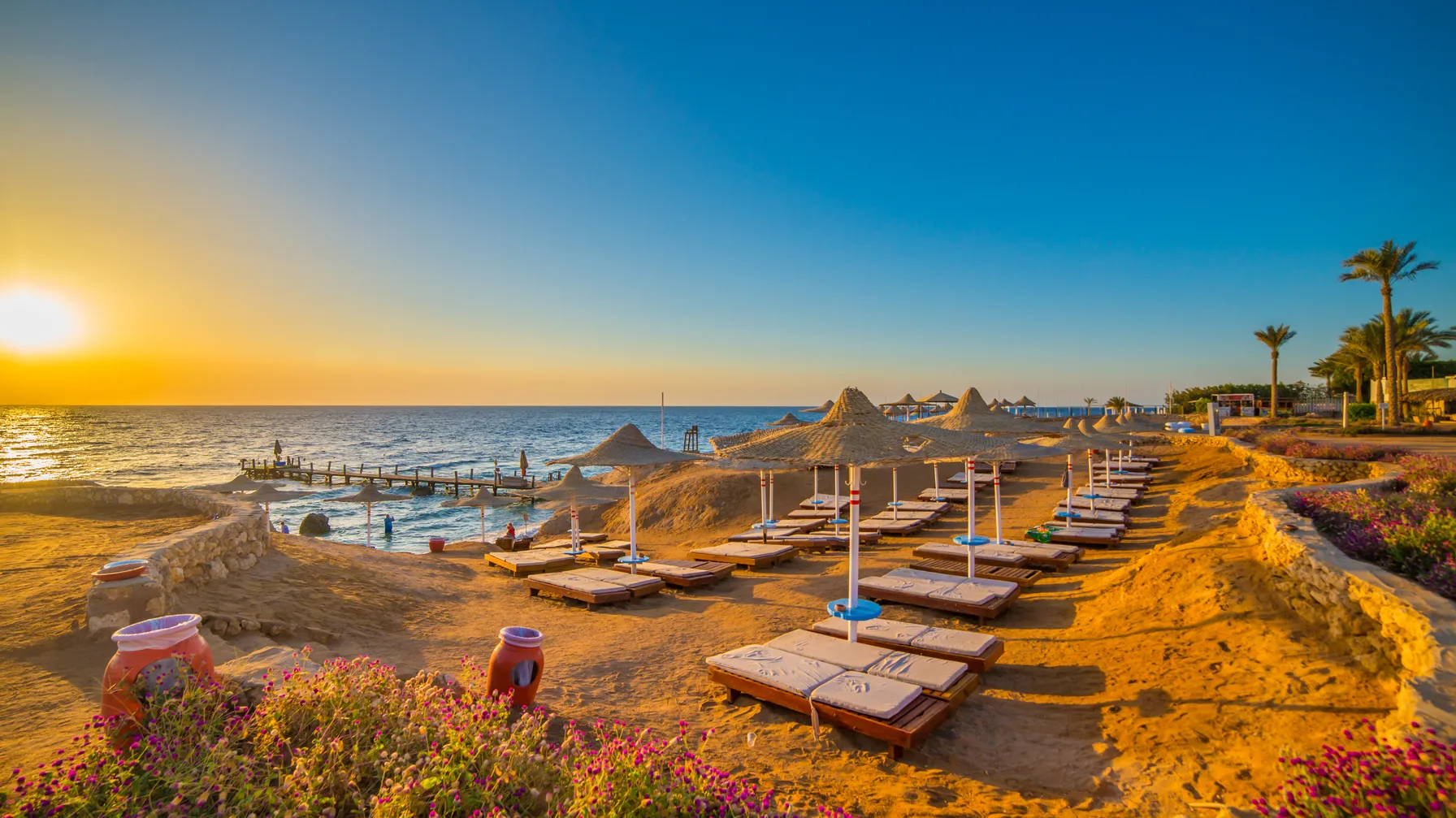
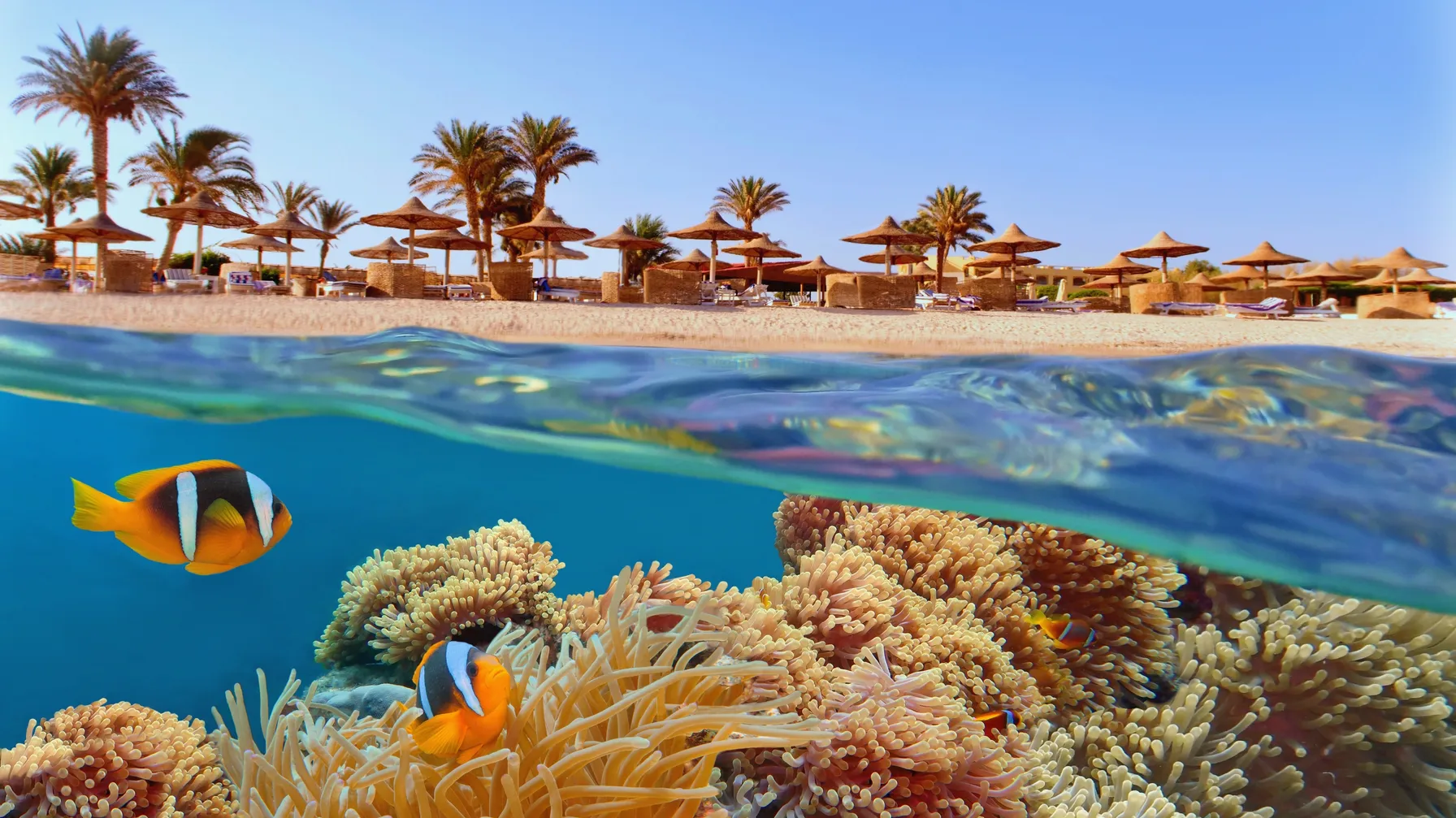
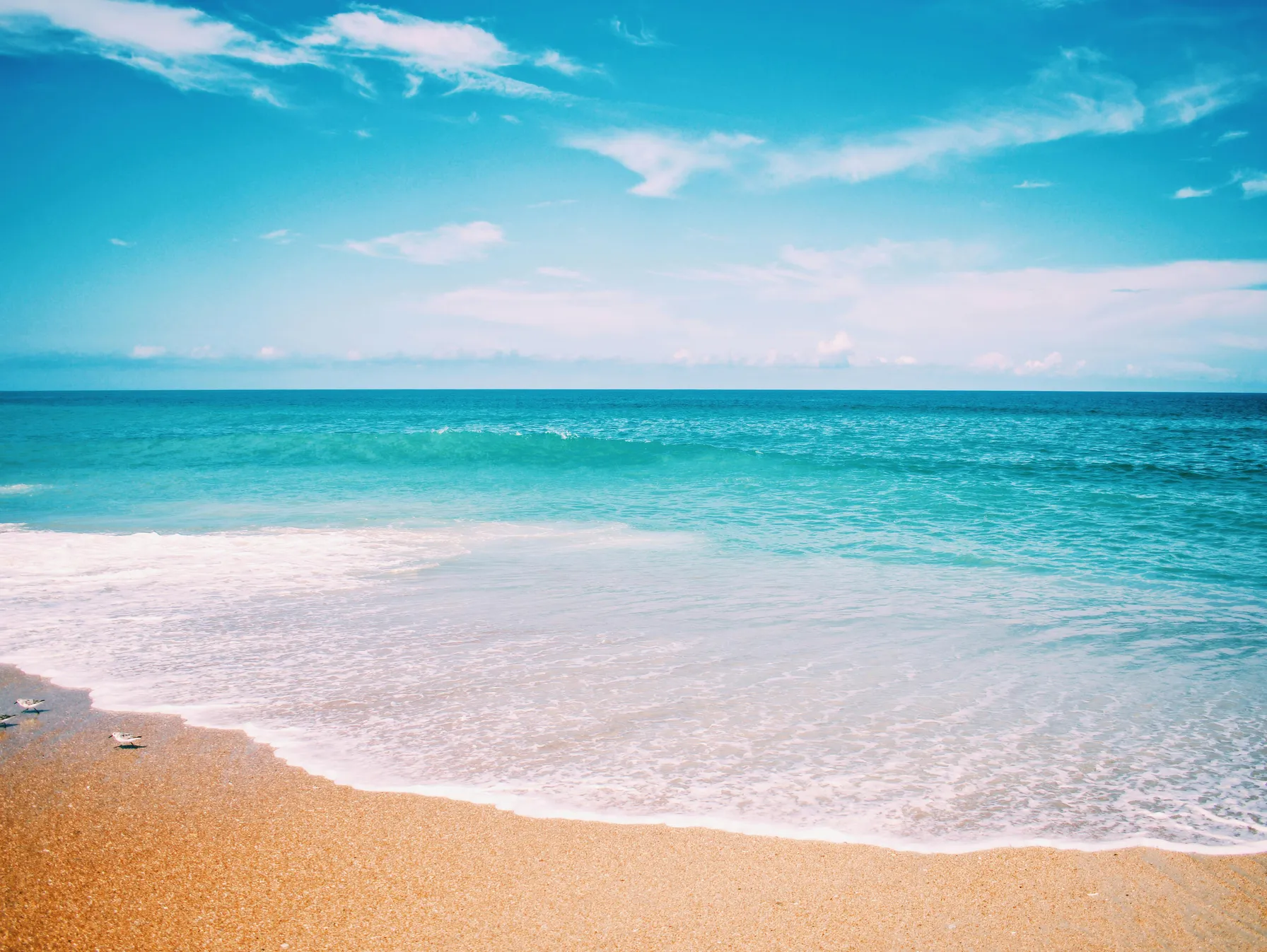
Egypt is much more than a succession of archaeological sites. It's a country at the crossroads of continents, between Africa and the Near East, where each region has its own identity. The White Desert and its limestone rock formations offer lunar landscapes found nowhere else. Further south, the Nubian villages with colorful facades reflect a culture of great richness. And to the east, the turquoise waters of the Red Sea, particularly around Marsa Alam, attract diving enthusiasts and lovers of unspoiled nature. It is this rare diversity that makes Egypt a destination capable of satisfying the most demanding travelers.
A climate to anticipate well according to your itinerary
Deciding how long to stay and which season is essential to fully enjoy your trip. The best time to visit Egypt is between October and April, when temperatures are milder. Summer should be avoided in the areas of Luxor and Aswan, where temperatures can easily exceed 40°C.
| Period | Average Temperatures | Sunlight | Crowding |
|---|---|---|---|
| October – November | 25 to 30°C | Excellent | Moderate |
| December – February | 15 to 22°C | Good | Peak season |
| March – April | 22 to 28°C | Excellent | Moderate |
| May – September | 35 to 42°C | Intense | Off-peak |
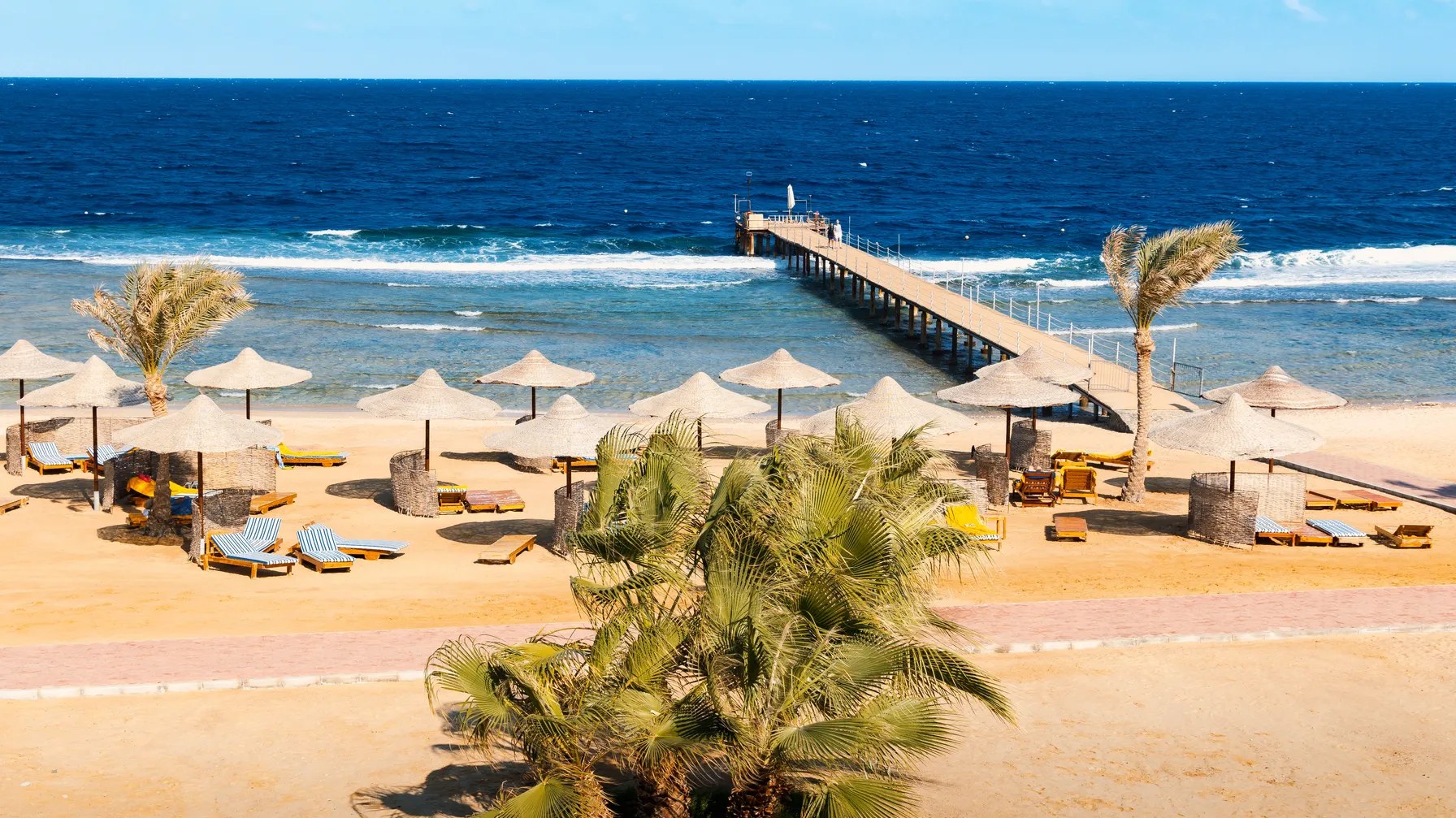
Our Travel Planners' advice: if you wish to extend your trip with a beach stay in Marsa Alam, autumn or spring offer waters at an ideal temperature for diving and snorkeling.
Contact us for more information on the best times to visit Egypt.
What to see and do during a 10-day stay in Egypt?
Ten days allow for a smooth itinerary between the north and south of the country, giving each stage the time it deserves. Here's how to organize your 10-day visit to Egypt to miss nothing.
Cairo and its treasures, the first chapter of the journey
Upon arriving in Cairo, the city immerses you in an energy like no other. The Egyptian capital warrants two to three days of exploration. The Egyptian Museum in Cairo remains a must for approaching the great dynasties of the pharaohs. For an even more immersive experience, the Grand Egyptian Museum, inaugurated near the pyramids, now presents the legendary treasure of Tutankhamun under exceptional exhibition conditions.
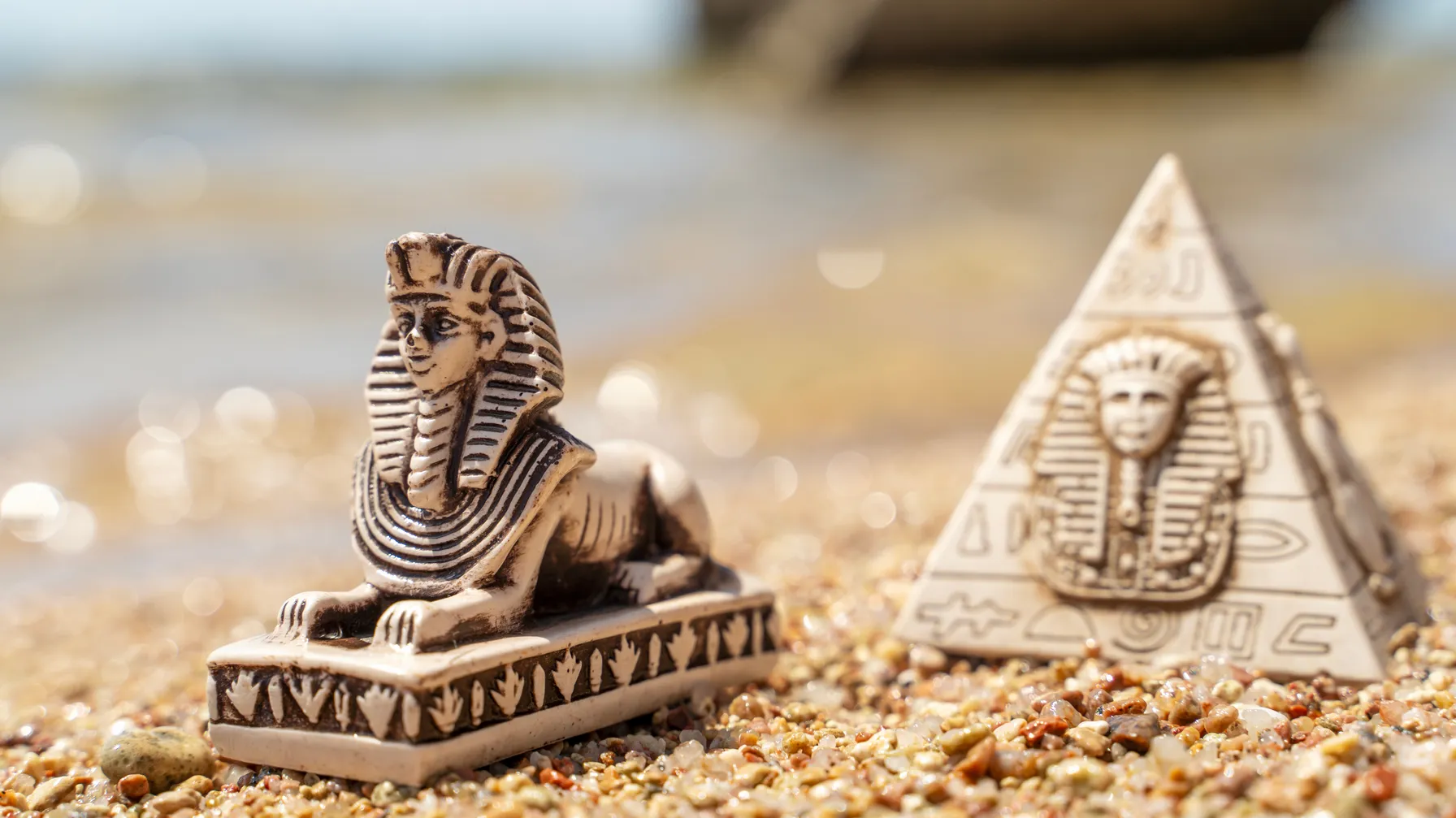
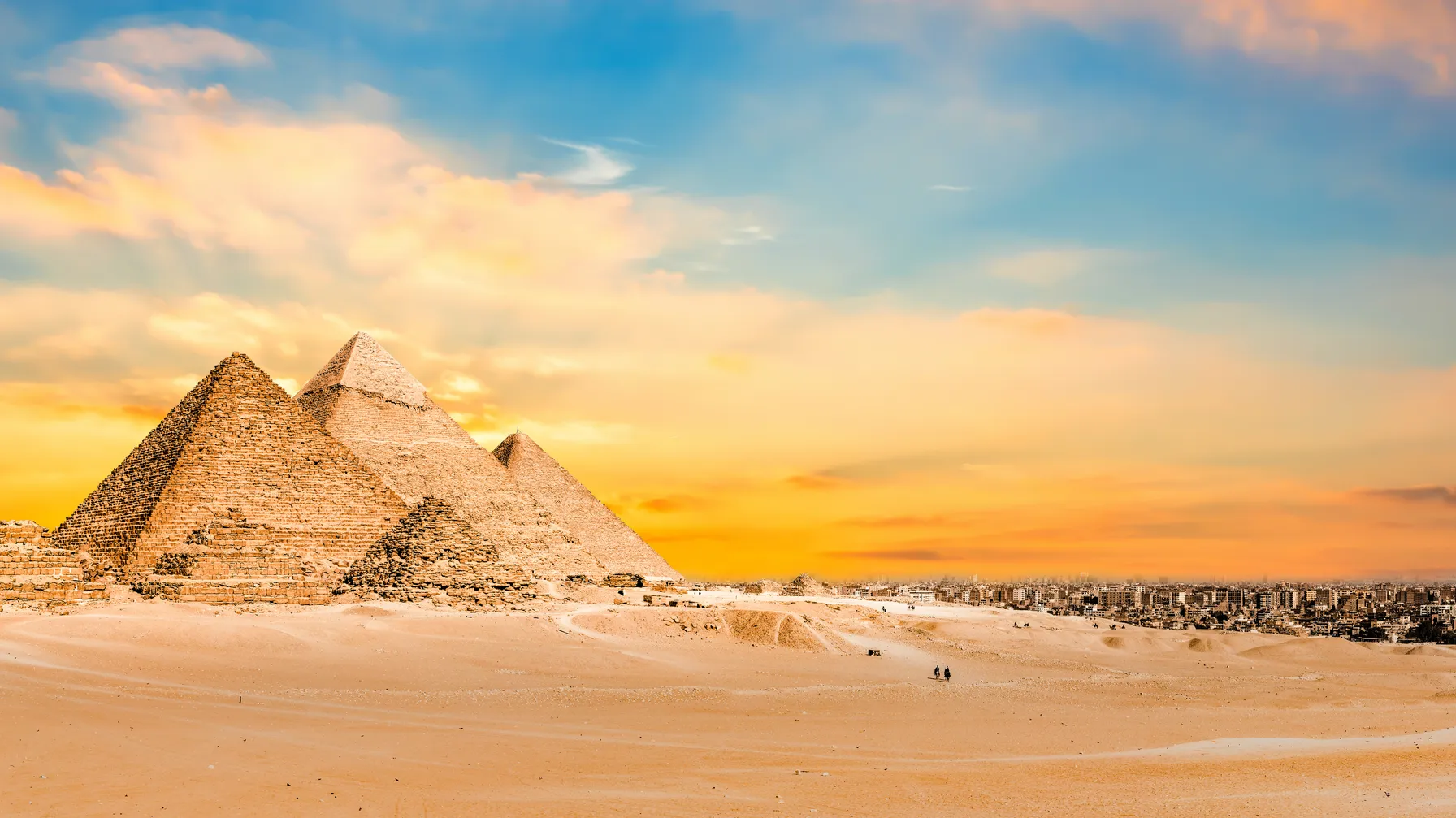
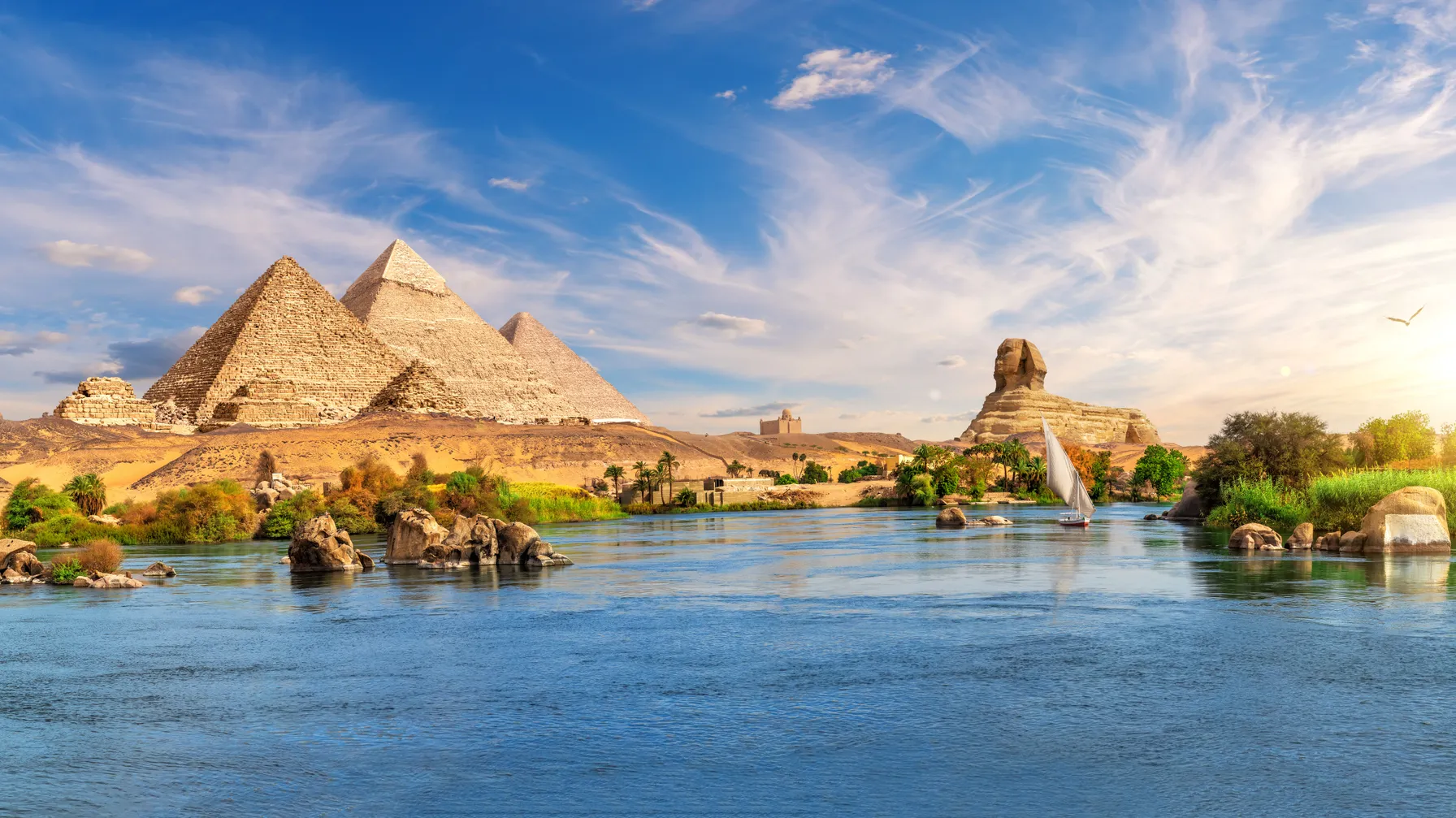
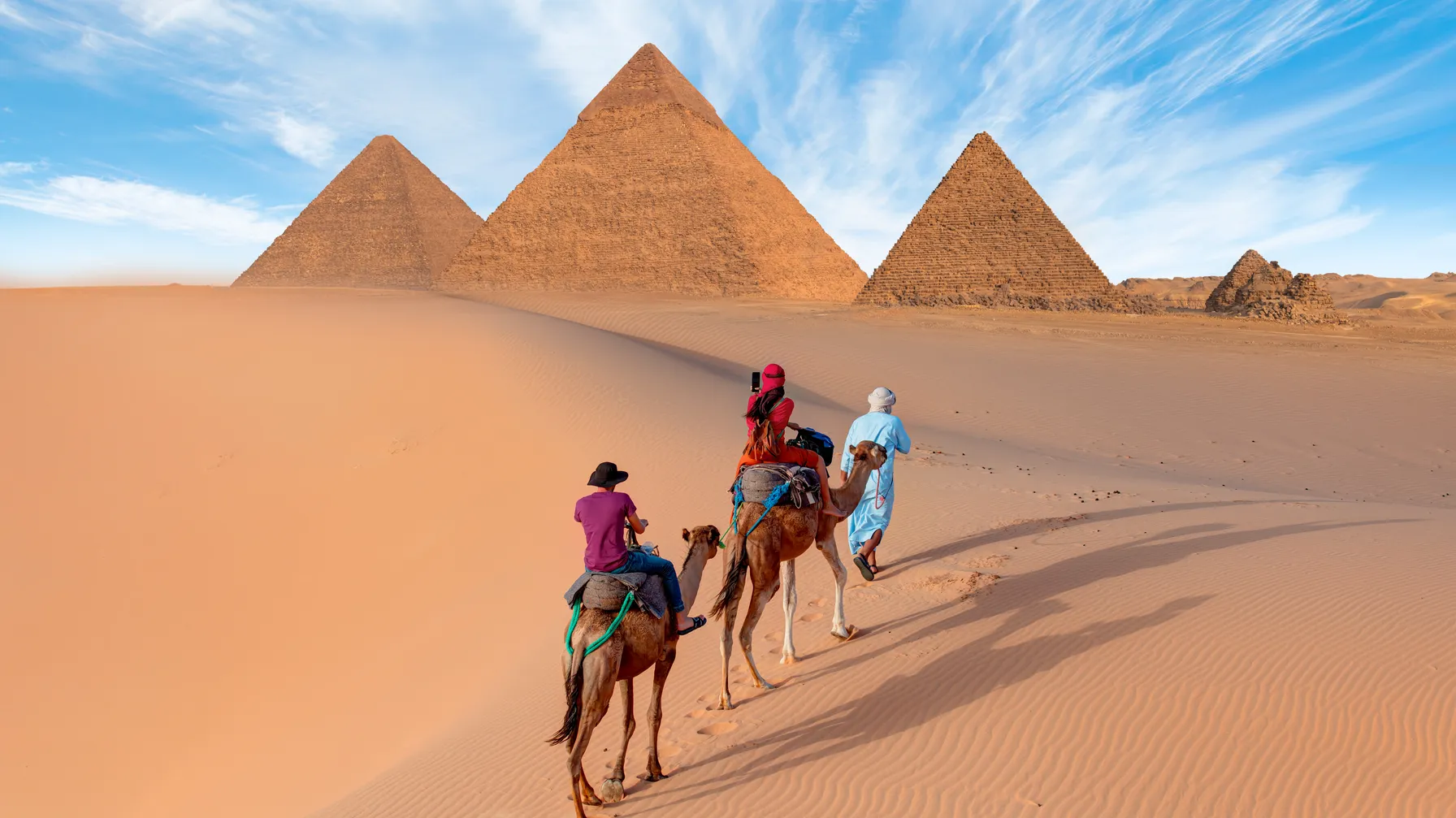
Visiting the pyramids is obviously one of the highlights of the stay. The Giza Plateau, guarded by the Sphinx, hosts the Pyramids of Giza, the only wonder of antiquity still standing. A guided tour helps to grasp the full historical and symbolic scope. About thirty kilometers from Cairo, the necropolis of Saqqarah and its step pyramids also merit a half-day visit, away from the usual tourist hustle.
From Aswan to Luxor, in the footsteps of the pharaohs
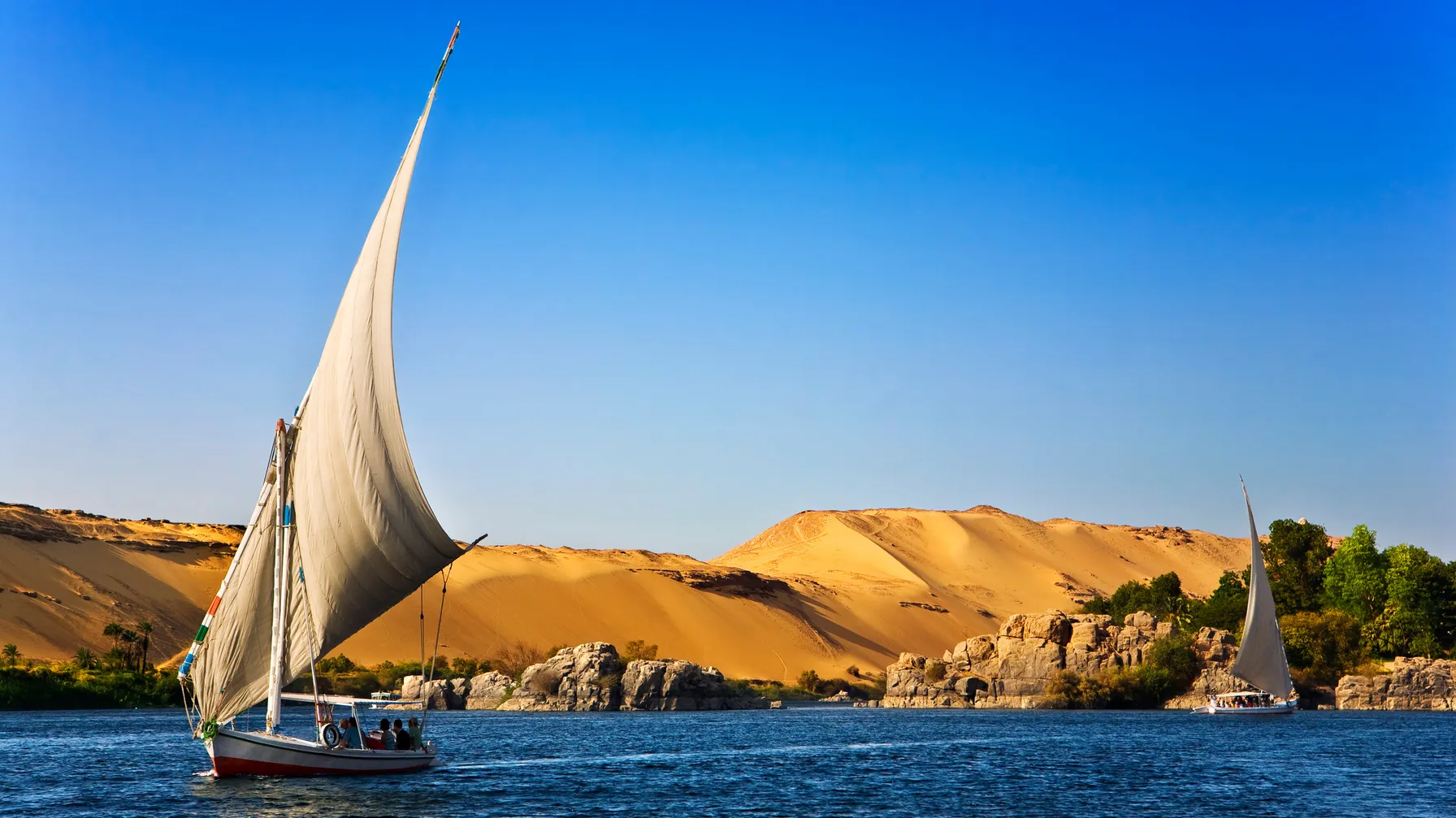
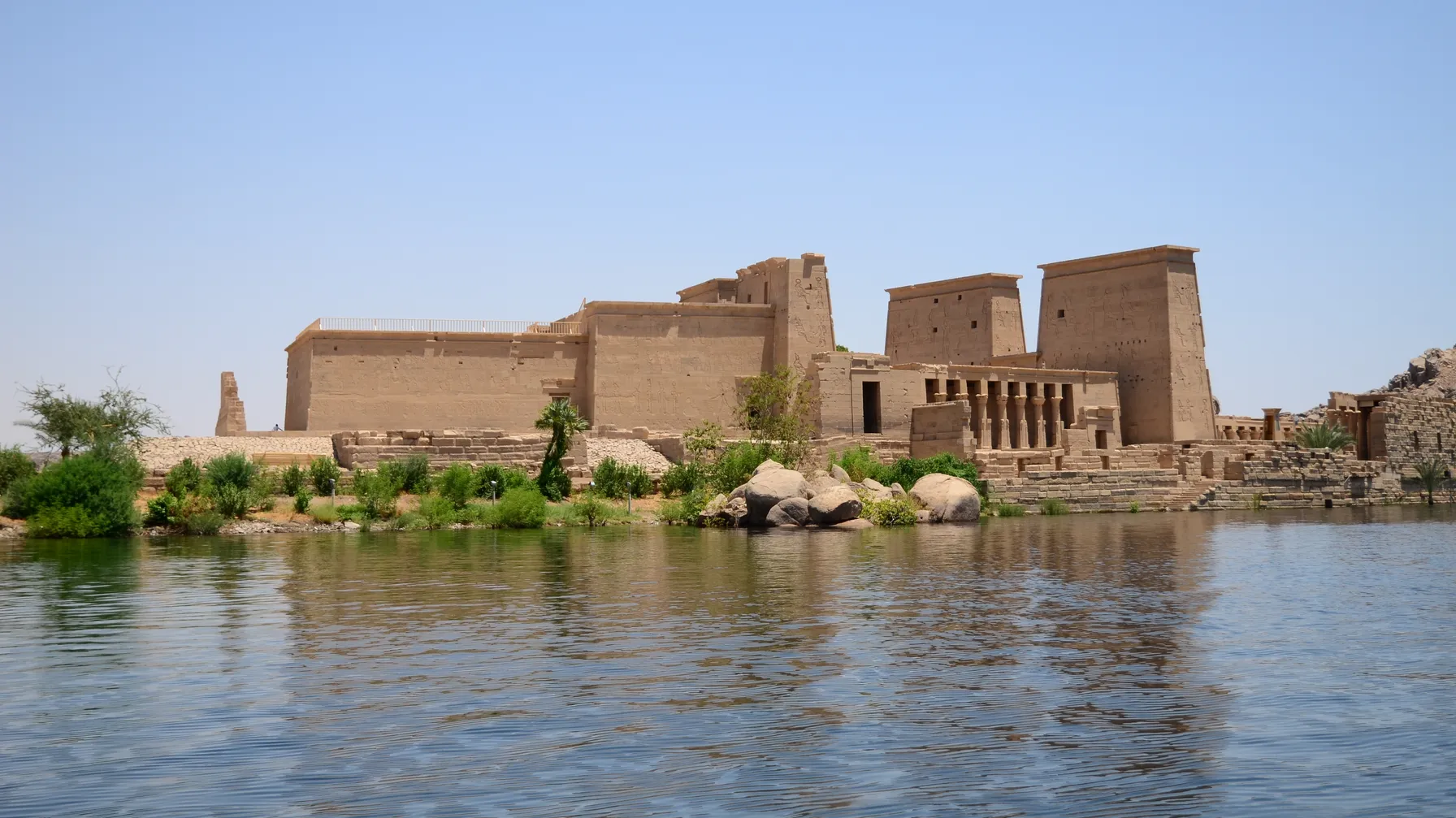
The second part of the stay is elevated, both literally and figuratively. In Aswan, the Philae temple, dedicated to the goddess Isis and moved stone by stone after the construction of the Aswan dam, offers a particularly poignant historical encounter. A felucca ride around Elephantine Island then provides a moment of serenity on the river, before exploring a Nubian village and its warm hospitality.
From Aswan, Abu Simbel is an essential excursion. Its four colossi of Ramses II, carved directly from the rock, form one of the most impressive ensembles in Egypt. Departing early avoids the influx of visitors and allows enjoying the site in a rare privacy.
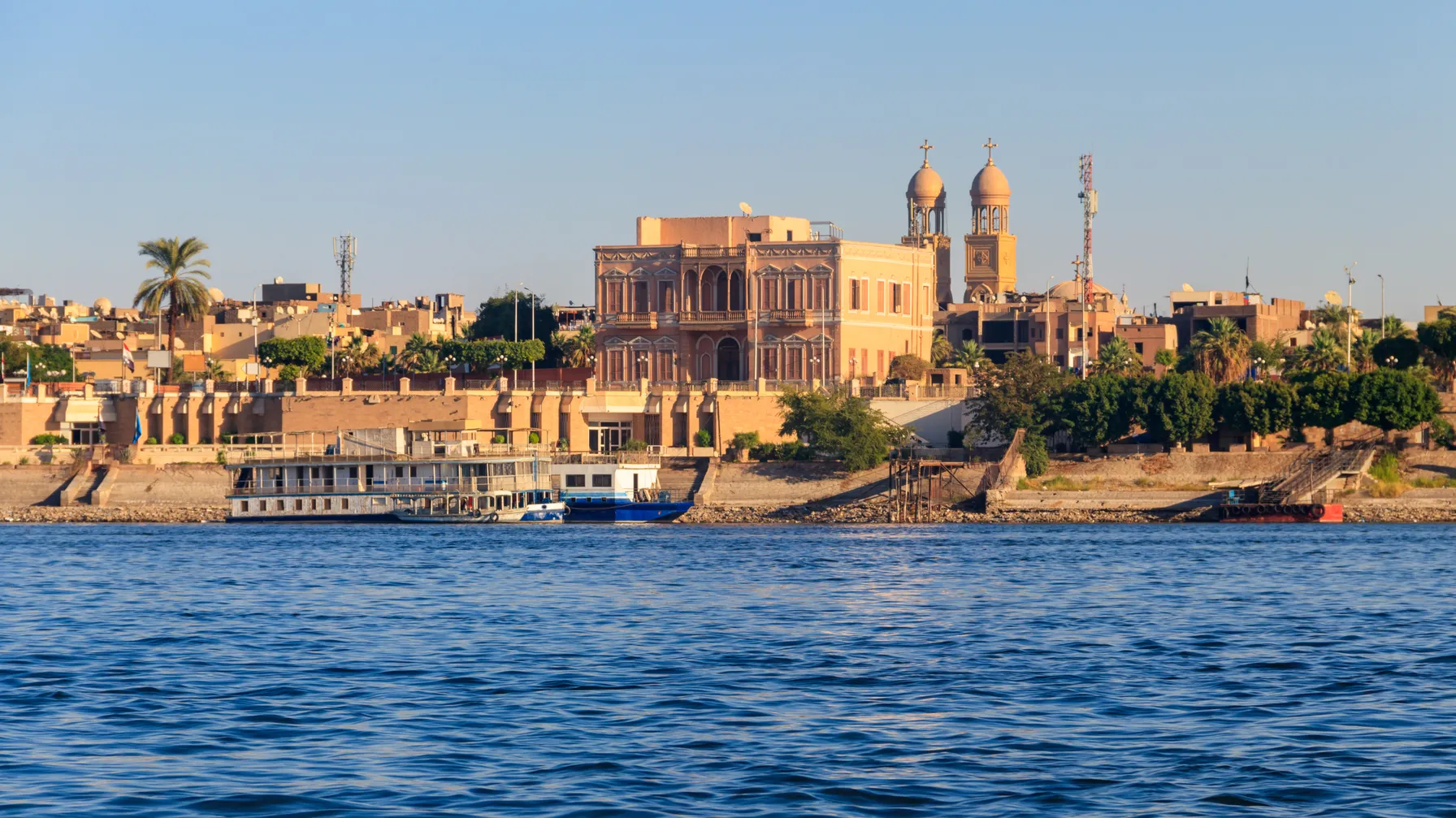
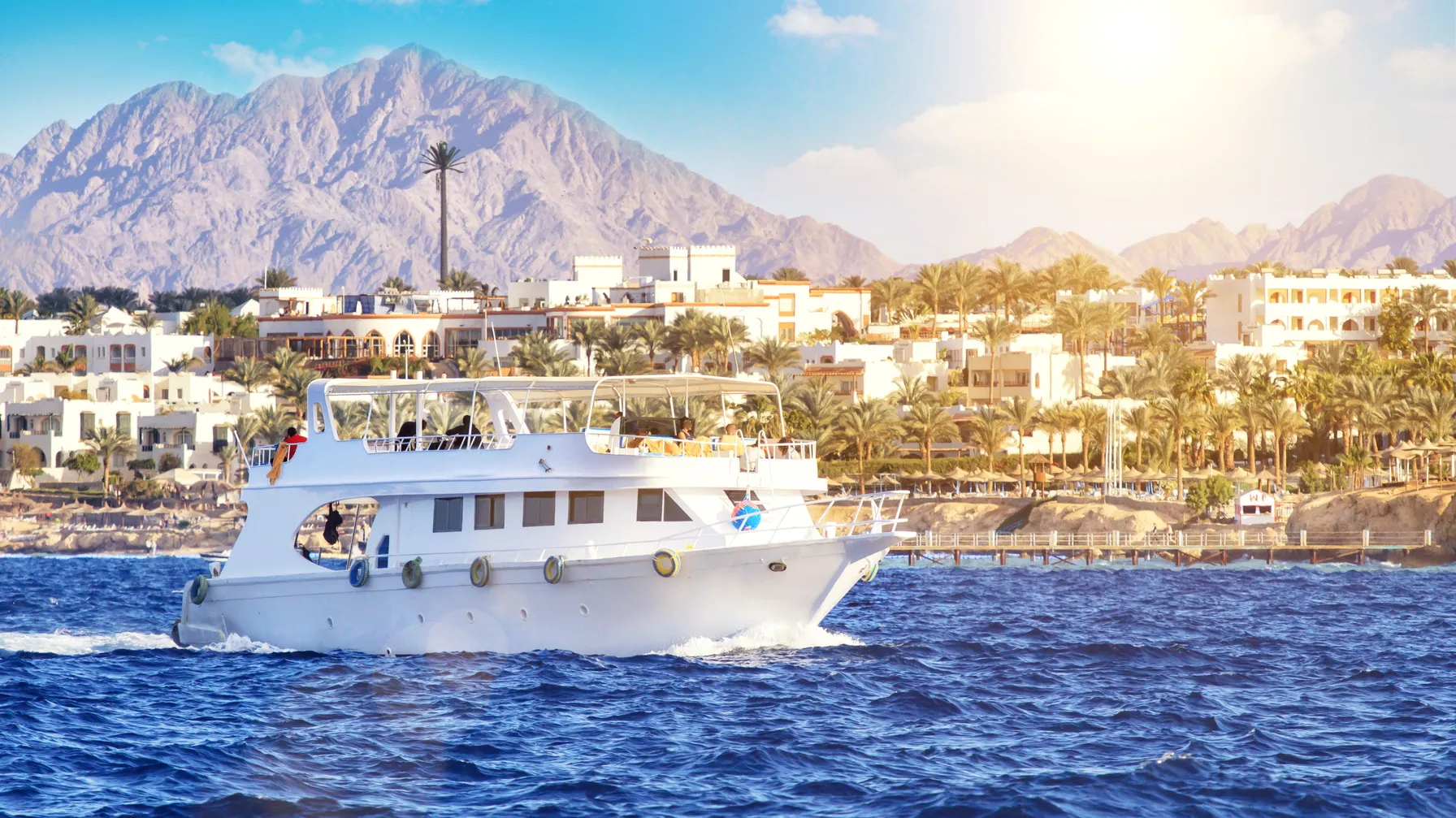
On the road to Luxor, the temple of Kom Ombo, symmetrically dedicated to two different deities, is worth a stop. For those who wish to connect the two cities at their own pace, taking a cruise on the Nile remains an exceptional option.
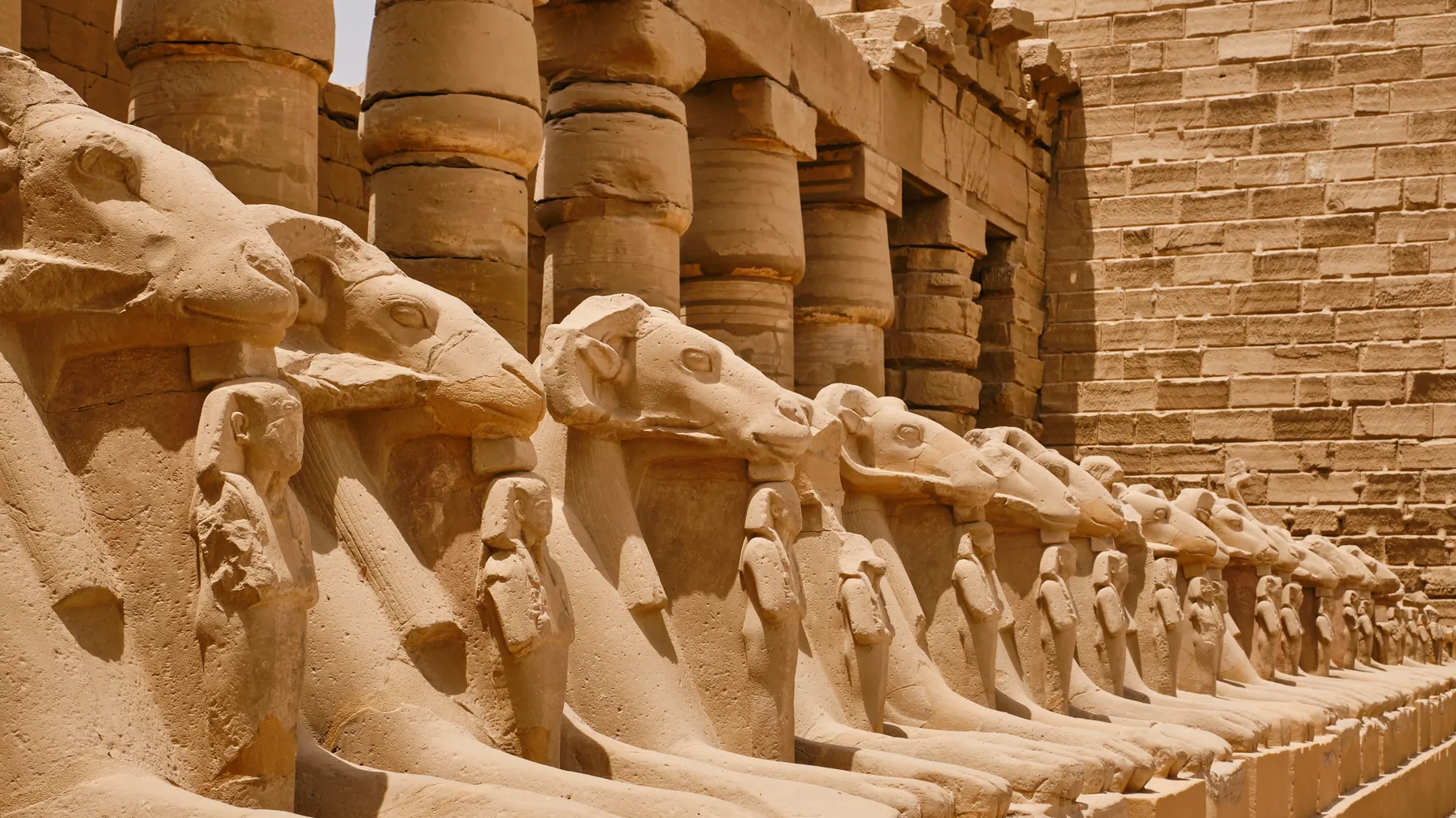
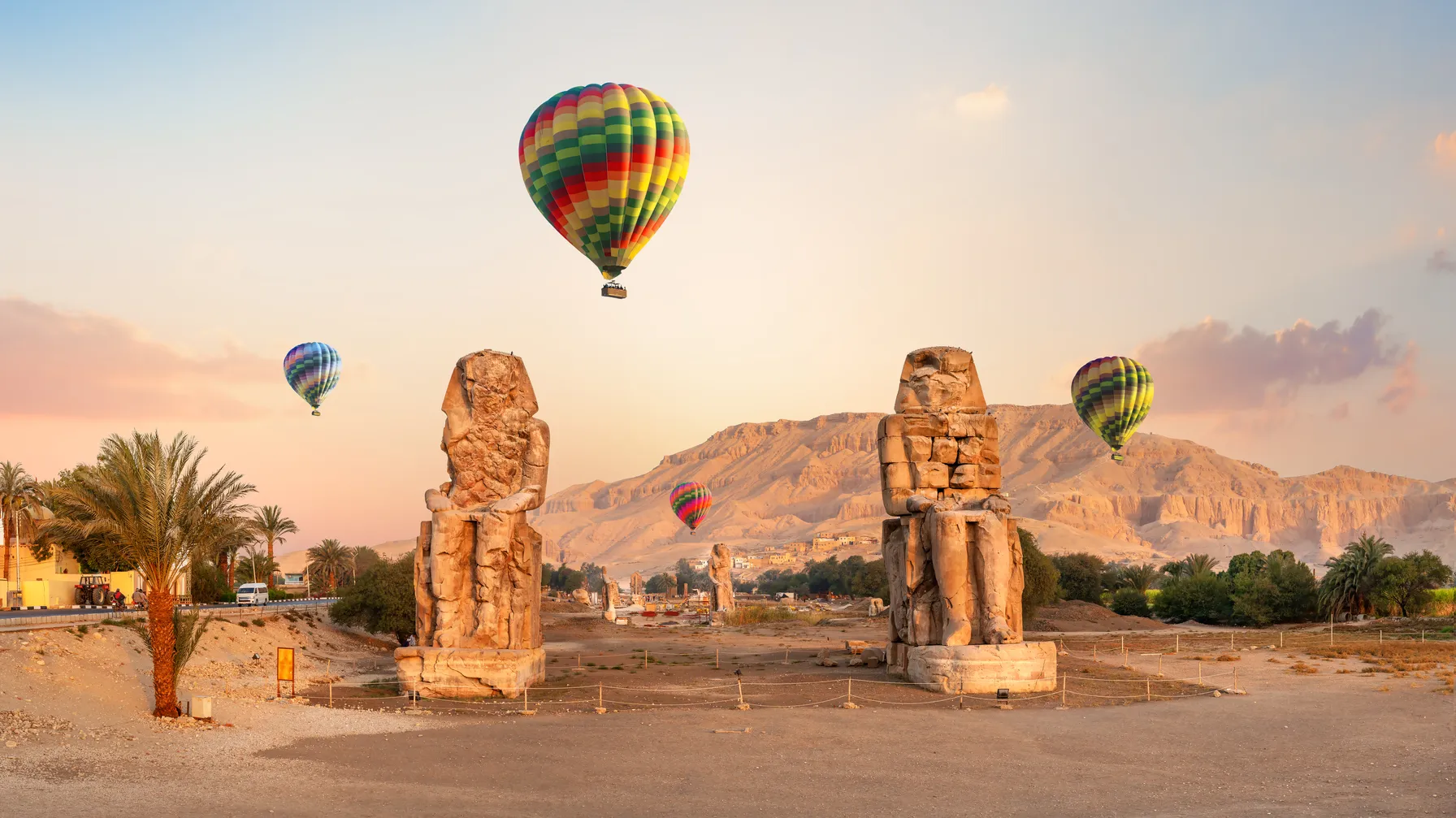
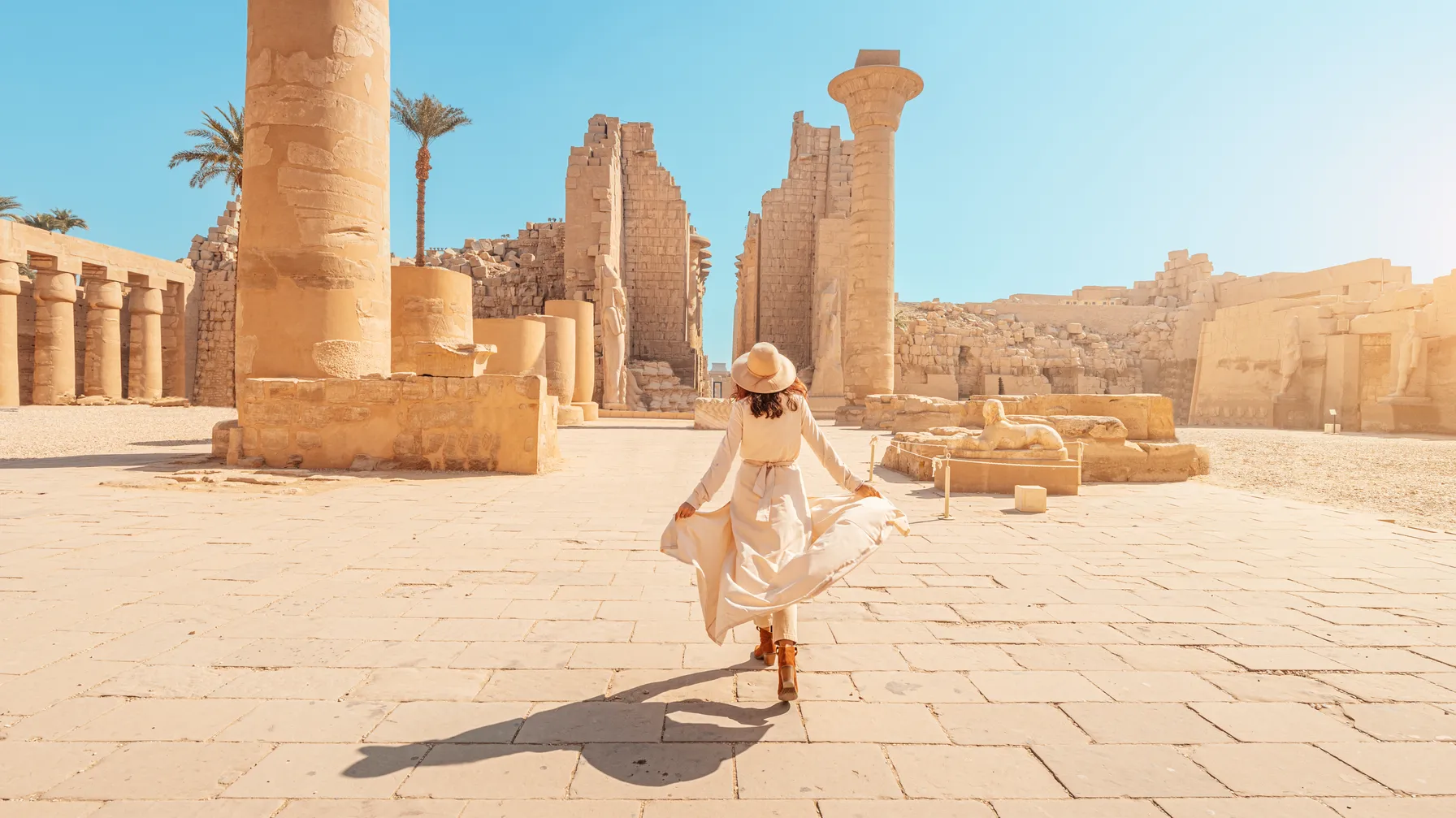
In Luxor, the Valley of the Kings emerges as one of the most enchanting sites in the country. Its royal tombs with preserved paintings invite a dive into Pharaonic history. Nearby, the temple of Hatshepsut, set against the Theban cliff, bears witness to the remarkable architecture of ancient Egypt. The temple of Luxor and the temple of Karnak, connected by a nearly 3 km long avenue of sphinxes, are the highlights of this tour.
Book your trip to Egypt now and customize your itinerary with a Travel Planner.
Demandez votre devis Egypt sur-mesure 100% gratuit
 4.8
4.8+3.000 travelers satisfied
What are the practical tips to know before going to Egypt?
Preparing a trip to Egypt involves considering several practical aspects, from administrative formalities to local specifics and transportation options.
Formalities, cuisine, and transportation
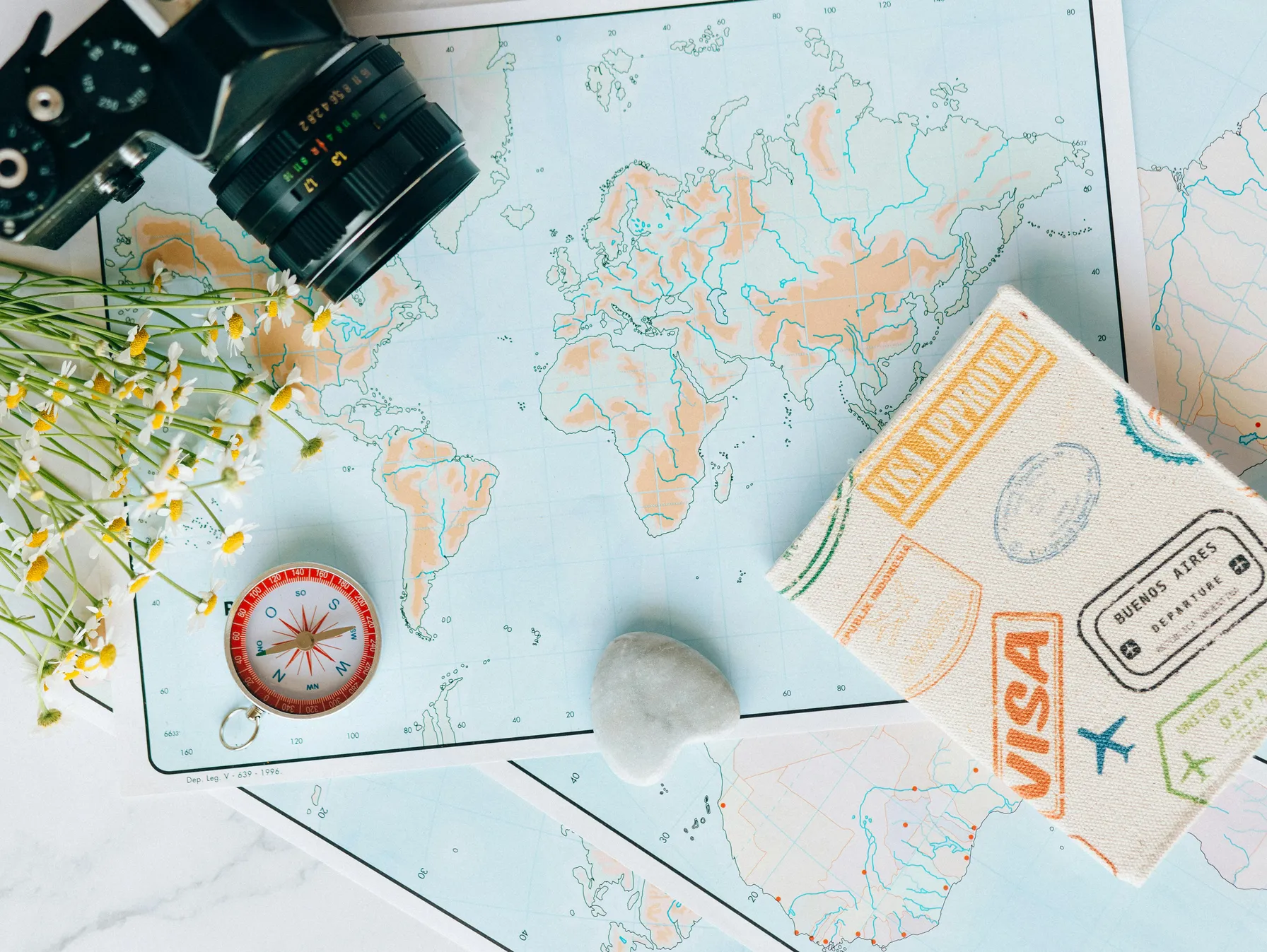
To enter Egypt, a visa is mandatory. It can be obtained online via the official e-visa portal for about 25 euros per person, at least seven days before departure. Your passport must be valid for at least six months after your return to Cairo. The local currency is the Egyptian pound, and major tourist cities widely accept credit cards.
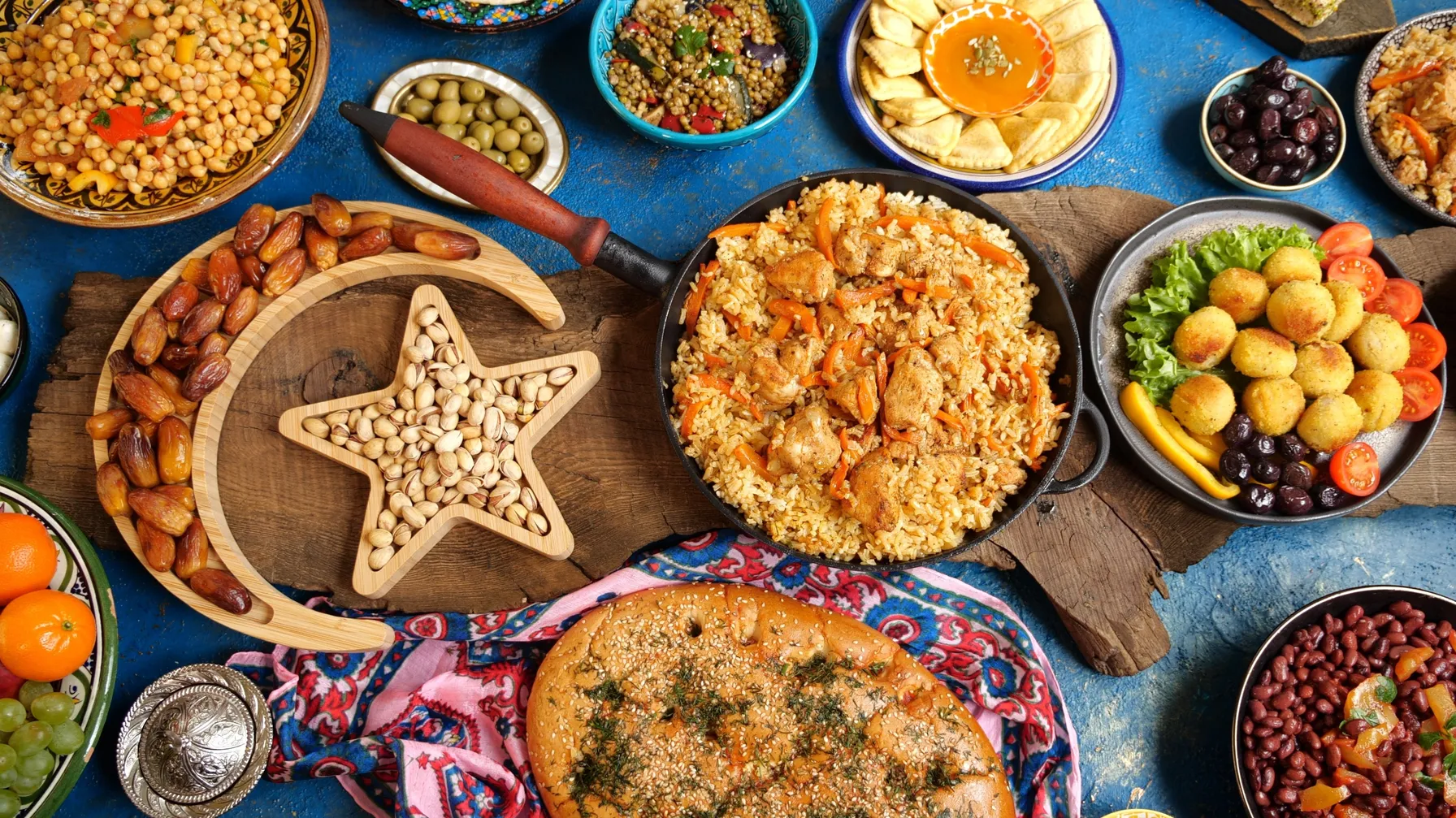
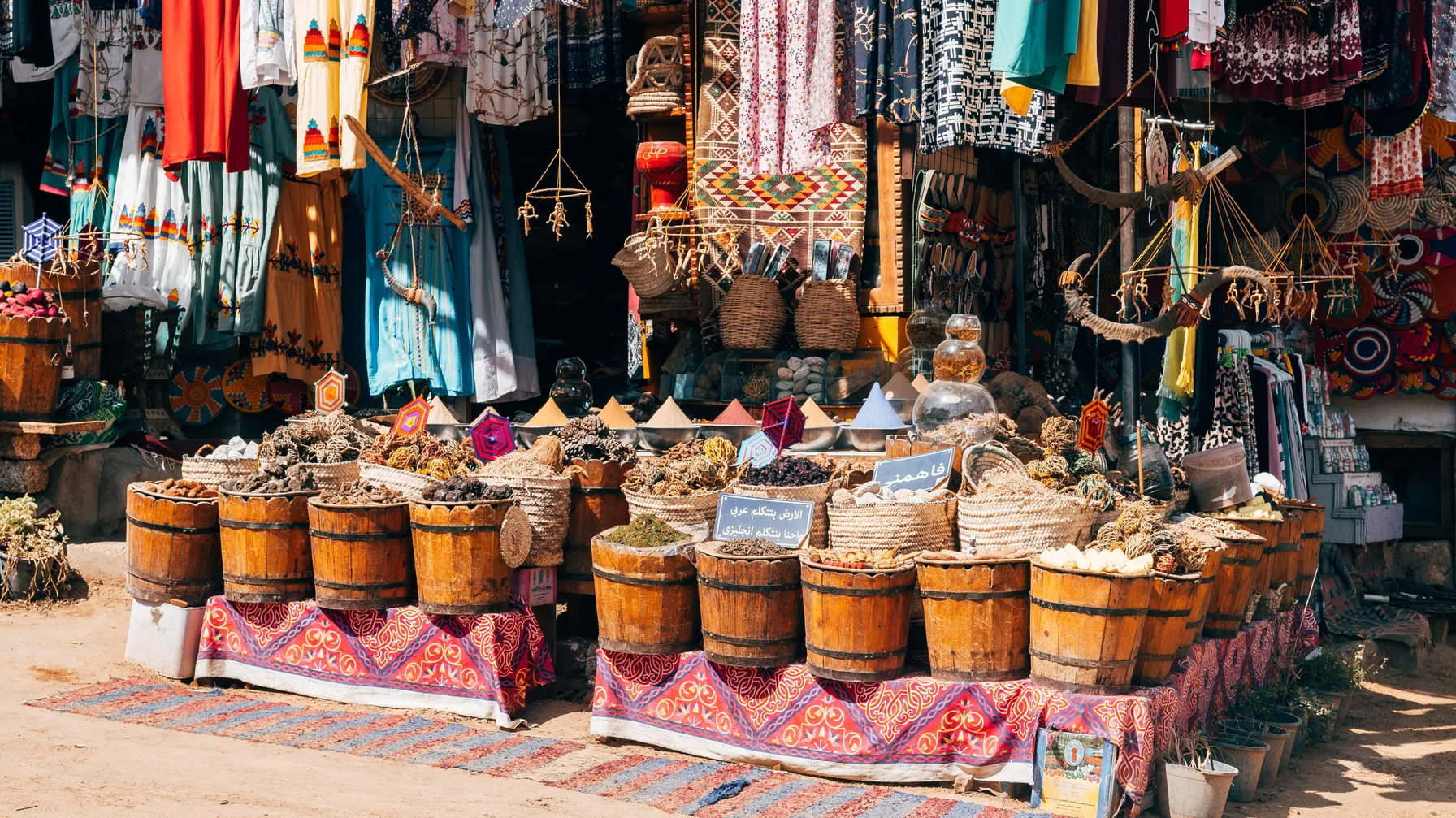
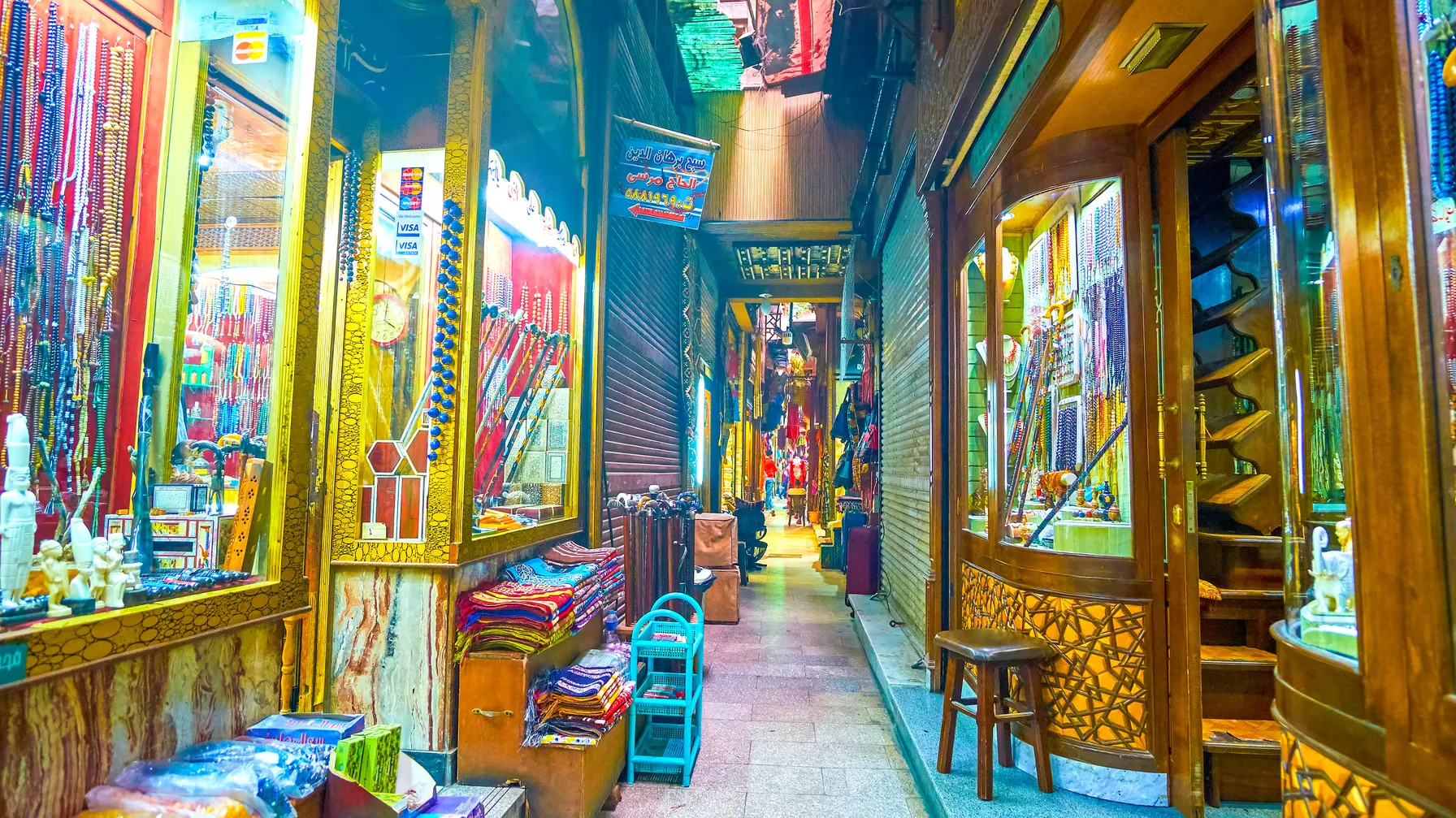
Egyptian cuisine deserves your full attention. Ful medames, koshari, and molokheyya are among the specialties to discover in local restaurants and markets. A good tip: the souks of Aswan and Cairo also offer spices, dates, and artisanal products to bring back.
For transportation, taxis remain the most convenient solution in cities. Between major locations, internal flights and night trains are the most common options. It is noted that several sites, like the White Desert, are accessible on excursions from Cairo for a day or a weekend.
Contact us for more information about your trip to Egypt.